Usuba
Usuba
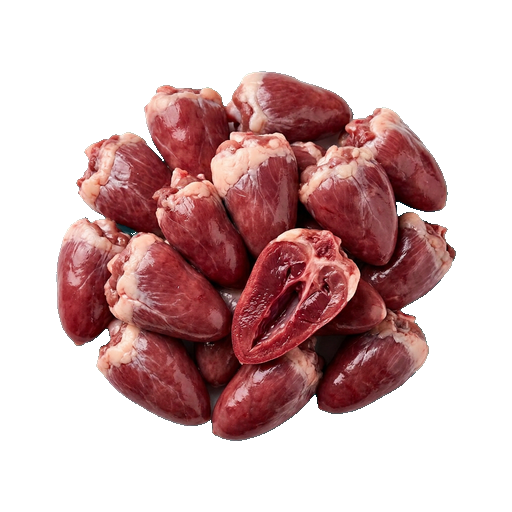
Chicken Hearts
Chicken hearts are a subproduct with a dense structure and rich meat flavor that becomes tender and juicy with proper preparation. They cook quickly, absorb marinades and spices well, making them ideal for frying, stewing, or adding to ragouts and pilaf. When selecting, pay attention to color — fresh hearts should be dark red with no unpleasant odor, and before cooking they should be cleaned of blood clots and fatty membranes.
Micronutrients
per 100 g
Minerals
About
Chicken hearts are one of the most underrated offal cuts in the kitchen. This is a delicate meat with a dense structure that cooks quickly and absorbs the flavors of sauces and spices better than fillet. If you haven't cooked with them yet, it's time to start: hearts add depth to dishes and variety to your menu.
Taste and Texture
Chicken hearts have a rich, meaty flavor — more pronounced than breast or thigh. The texture is dense and meaty, without any stringiness. When properly prepared, the hearts remain tender inside while browning nicely on the outside. They handle both quick cooking over high heat and prolonged stewing equally well.
Cooking Preparation
Before using the hearts, rinse them under cold running water and remove the membrane that covers them — it comes off easily with your fingers. Then cut each heart in half lengthwise to remove any blood clots inside. After that, you can slice them into pieces of the desired size or leave them in halves — depending on the recipe.
How to cook
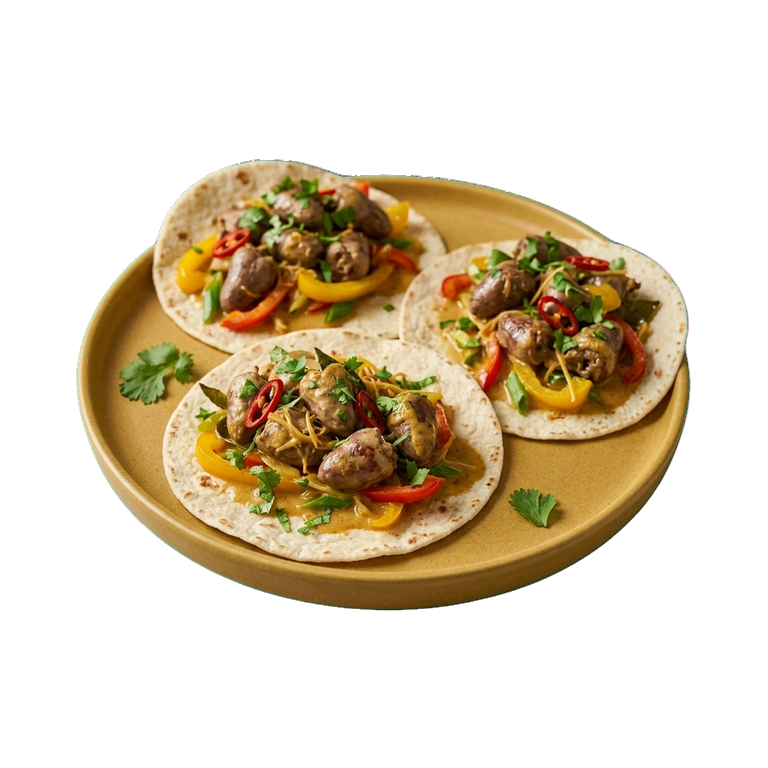
- Quick frying: on a hot pan with oil for 3–4 minutes until golden brown, then add sauce or vegetables
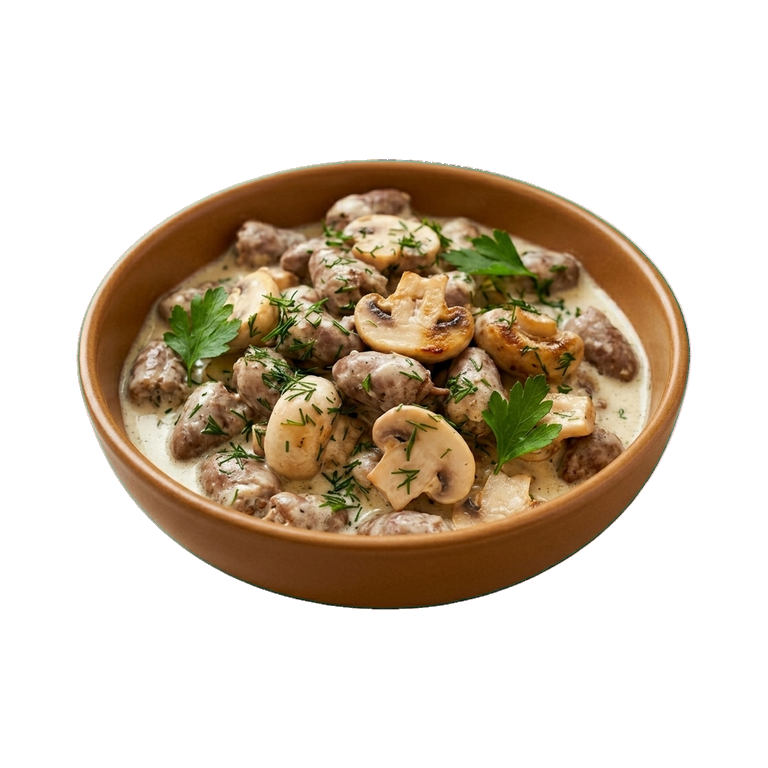
- Stewing: in sour cream, tomatoes or broth for 15–20 minutes for tenderness and rich flavor
- Skewers: thread onto skewers with vegetables and cook on a grill or in the oven
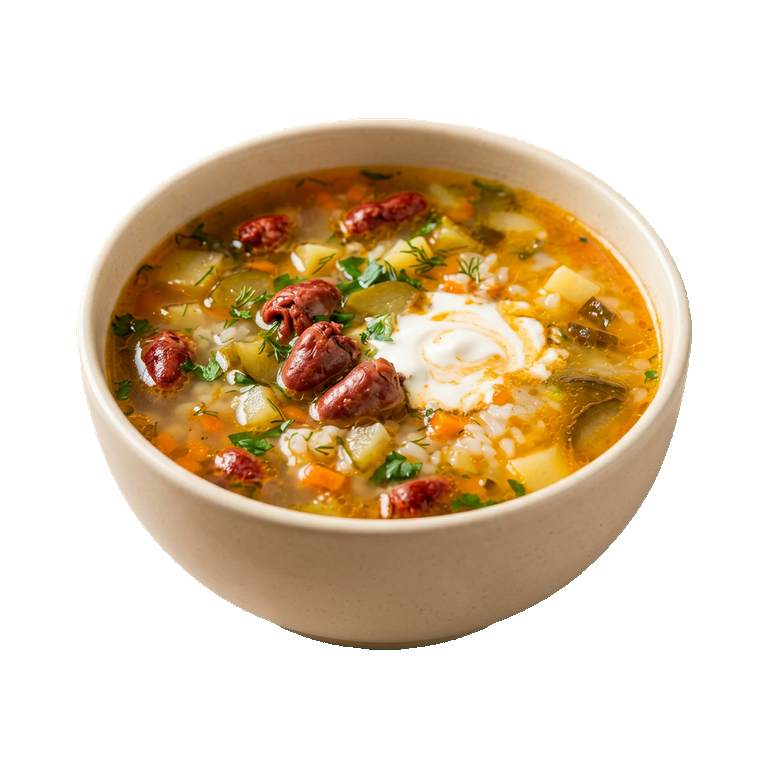
- In soups and stews: add at the end of cooking to prevent overcooking
- Salads: boil, cool and slice — makes a hearty and unusual salad
What it pairs with
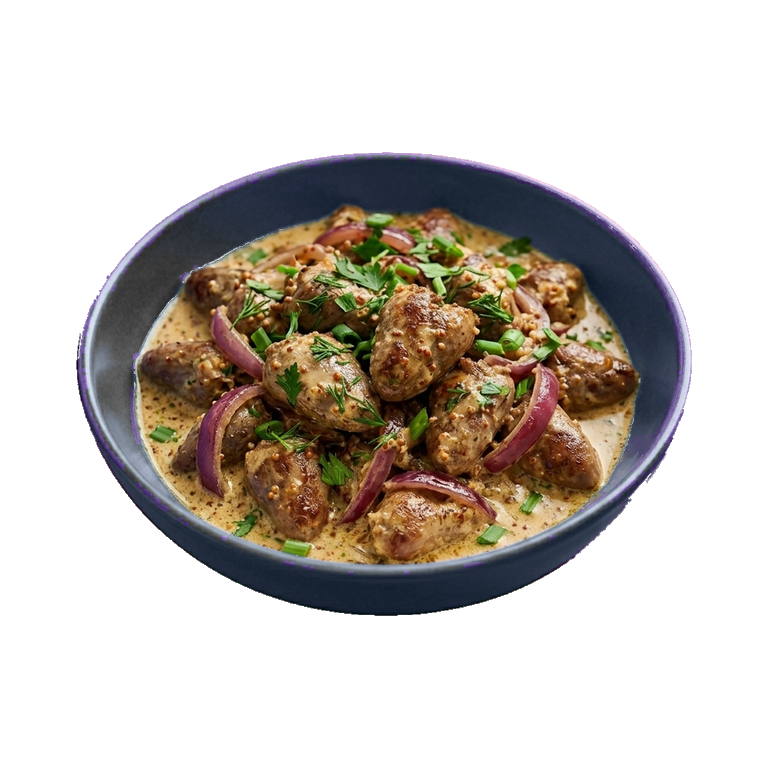
Chicken hearts work well with creamy and tomato sauces, pair nicely with garlic, onions, and spicy spices. They absorb marinades excellently, so marinate them for half an hour in a mixture of oil, lemon juice, and herbs before cooking. Serve with rice, pasta, potatoes, or grilled vegetables.
Selection and Storage
Choose hearts that are bright red or dark red in color without gray spots or unpleasant odor. Fresh product should be firm and elastic. Hearts can be stored in the refrigerator for 1–2 days, or in the freezer for up to three months. Thaw in the refrigerator, not at room temperature.
Chicken hearts are a way to cook deliciously, economically, and quickly. Once you try them, you'll understand why they are so popular in kitchens around the world.
Nutrition
per 100 g
- Calories
- 159 kcal
- Protein
- 20.5 g
- Fat
- 8.5 g
- Carbs
- 0 g
Micronutrients
per 100 g
Macronutrients
- Fiber
- 0 g
- Saturated fat
- 2.66 g
- Monounsaturated fat
- 2.37 g
- Polyunsaturated fat
- 2.71 g
- Omega-3 (EPA + DHA)
- 0 g
- Cholesterol
- 136 mg
- Water
- 73.56 g
Minerals
- Sodium
- 74 mg
- Potassium
- 176 mg
- Calcium
- 12 mg
- Magnesium
- 15 mg
- Phosphorus
- 177 mg
- Iron
- 5.96 mg
- Zinc
- 6.59 mg
- Copper
- 0.35 mg
- Manganese
- 0.09 mg
- Selenium
- 4.3 mcg
Vitamins
- Vitamin A (RAE)
- 9 mcg
- Vitamin C
- 3.2 mg
- Vitamin B1 (thiamin)
- 0.15 mg
- Vitamin B2 (riboflavin)
- 0.73 mg
- Vitamin B3 (niacin)
- 4.88 mg
- Vitamin B5 (pantothenic acid)
- 2.56 mg
- Vitamin B6
- 0.36 mg
- Vitamin B9 (folate, DFE)
- 72 mcg
- Vitamin B12
- 7.3 mcg
Measures and weight
- 1 pcs
- 20 g
Measure calculator
- Weight
- 100 g
- Calories
- 159 kcal