Usuba
Usuba
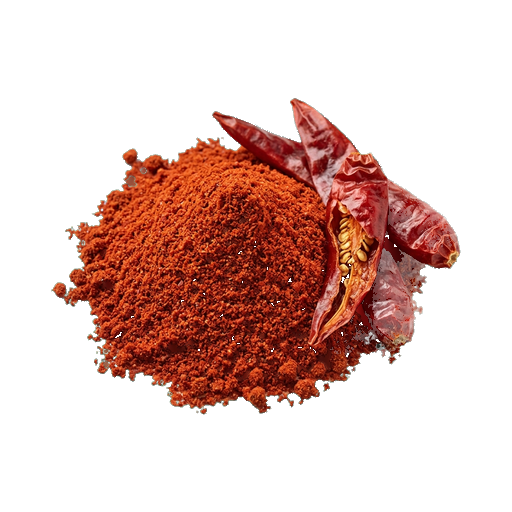
Chili powder
A sharp ground spice made from dried chili pepper pods with a pronounced burning taste and fruity-smoky aroma. Used to add heat and depth of flavor to meat dishes, soups, sauces, and vegetable side dishes. When substituting, keep in mind that the intensity of heat may vary depending on the pepper variety, so add gradually and taste as you cook.
Micronutrients
per 100 g
Minerals
Vitamins
- AVitamin A (RAE)1483mcg174% DV
- EVitamin E38.14mg254% DV
- KVitamin K105.7mcg88% DV
- CVitamin C0.7mg1% DV
- B1Vitamin B1 (thiamin)0.25mg17% DV
- B2Vitamin B2 (riboflavin)0.94mg52% DV
- B3Vitamin B3 (niacin)11.6mg58% DV
- B5Vitamin B5 (pantothenic acid)0.89mg18% DV
- B6Vitamin B62.09mg105% DV
- B9Vitamin B9 (folate, DFE)28mcg7% DV
About
Chili powder is a blend of ground dried peppers with additional spices and salt. Unlike pure pepper, it is ready to use and contains a set of flavors that complement the heat. This seasoning saves time in the kitchen: there is no need to combine several components when you need to quickly add depth and spice to a dish.
Taste and Aroma
The heat level of chili powder varies depending on the blend: some mixes are mild and focus more on flavor, while others are fiery. Beyond the heat, you'll notice earthy notes, a subtle sweetness, and smokiness. Garlic, onion powder, and paprika are often added to the blend — they make the seasoning layered and versatile.
Where and how to use
Chili powder works everywhere you need heat with character. Sprinkle it on eggs, avocado, or cottage cheese for breakfast. Add it to ground meat for meatballs or burgers. It's perfect for marinades, soups, stews, and even for coating popcorn or nuts.
- Meat dishes: beef, chicken, pork, ground meat
- Vegetables: potatoes, corn, tomatoes
- Sauces and dips: sour cream, mayonnaise, guacamole
- Appetizers: popcorn, nuts, chips
- Soups and stews: meat and vegetable
Selection and Dosage
When purchasing, pay attention to the color — a bright red powder indicates freshness. Check the composition: a good mixture should have no lumps and no unpleasant odor. Start with half a teaspoon per serving and add more to taste — the heat develops gradually.
Store chili powder in an airtight container in a dark, cool place, away from moisture and direct sunlight. When stored properly, it retains its aroma and heat for up to a year. If the seasoning has lost its smell or become clumpy, it's time to replace it.
Chili powder is not just a spicy seasoning, but a ready-made bouquet of flavors. It works in both hot dishes and cold appetizers, making every dish brighter and more interesting.
Nutrition
per 100 g
- Calories
- 318 kcal
- Protein
- 12 g
- Fat
- 17 g
- Carbs
- 35 g
Micronutrients
per 100 g
Macronutrients
- Fiber
- 34.8 g
- Sugars
- 7.19 g
- Saturated fat
- 2.462 g
- Monounsaturated fat
- 3.211 g
- Polyunsaturated fat
- 8.006 g
- Omega-3 (EPA + DHA)
- 0 g
- Cholesterol
- 0 mg
- Water
- 10.75 g
Minerals
- Sodium
- 2867 mg
- Potassium
- 1950 mg
- Calcium
- 330 mg
- Magnesium
- 149 mg
- Phosphorus
- 300 mg
- Iron
- 17.3 mg
- Zinc
- 4.3 mg
- Copper
- 1 mg
- Manganese
- 1.7 mg
- Selenium
- 20.4 mcg
Vitamins
- Vitamin A (RAE)
- 1483 mcg
- Vitamin D
- 0 mcg
- Vitamin E
- 38.14 mg
- Vitamin K
- 105.7 mcg
- Vitamin C
- 0.7 mg
- Vitamin B1 (thiamin)
- 0.25 mg
- Vitamin B2 (riboflavin)
- 0.94 mg
- Vitamin B3 (niacin)
- 11.6 mg
- Vitamin B5 (pantothenic acid)
- 0.89 mg
- Vitamin B6
- 2.09 mg
- Vitamin B9 (folate, DFE)
- 28 mcg
- Vitamin B12
- 0 mcg
Measures and weight
- 1 tbsp
- 9 g
- 1 tsp
- 3 g
- 1 cup
- 150 g
Measure calculator
- Weight
- 100 g
- Calories
- 318 kcal