Usuba
Usuba
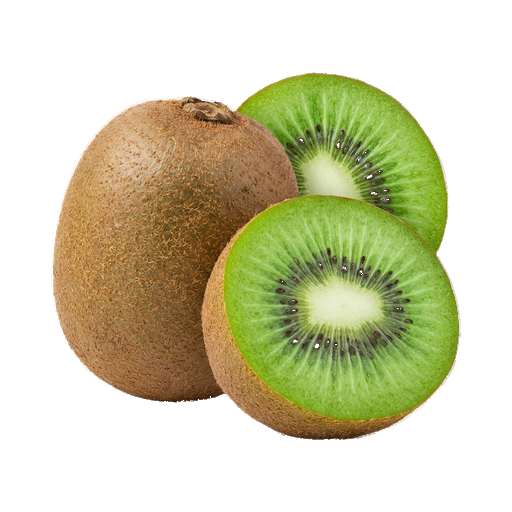
Kiwi
Kiwi is a tropical fruit with a sour, sweet, and slightly herbaceous flavor, covered in brown fuzzy skin and containing numerous tiny black seeds. The bright green or yellow flesh is perfect for desserts, smoothies, and fruit salads, and is also used in marinades thanks to its high enzyme content that tenderizes meat. When choosing kiwi, pay attention to the fruit's softness — a ripe fruit should yield to gentle pressure, and it's best stored in the refrigerator to extend its shelf life.
Micronutrients
per 100 g
Minerals
About
Bright flavor and practicality in one fruit
Kiwi is a fruit that is easy to recognize by its yellow-green flesh with small black seeds. Beneath the thin brown skin lies sweet and tart flesh that refreshes and energizes at the same time. In the kitchen, kiwi is valued for its versatility: it works in both sweet and savory dishes, holds its shape well when sliced, and requires no lengthy preparation.
Aroma and Flavor
The taste of kiwi is a balance between sweetness and pleasant acidity. A ripe fruit has a subtle floral aroma and slightly herbaceous notes. The flesh is tender, almost creamy, with barely perceptible graininess from the seeds. The intensity of flavor depends on ripeness: unripe kiwi is more sour and astringent, while overripe fruit loses its firmness and becomes watery.
Where and how to use kiwi
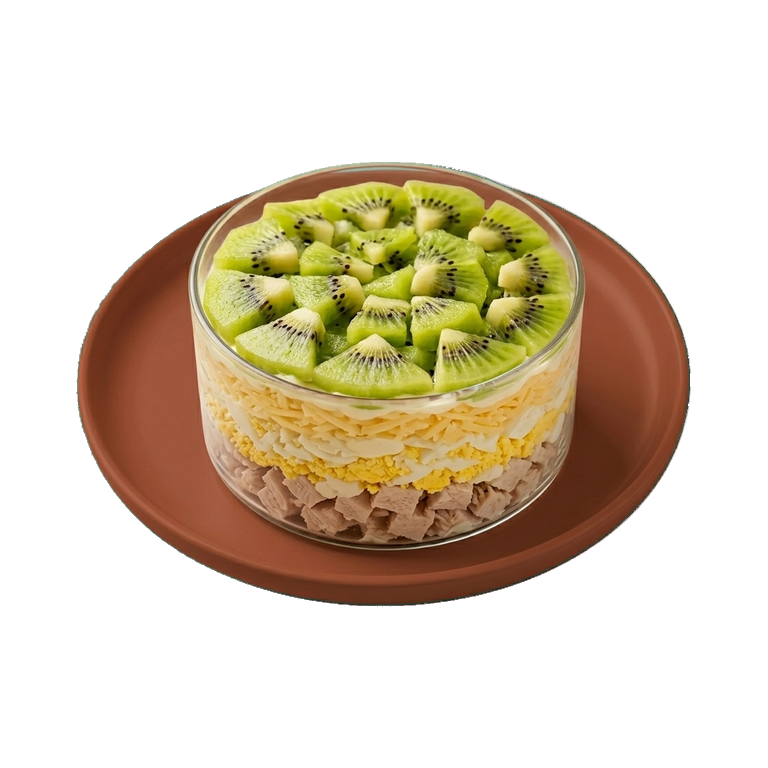
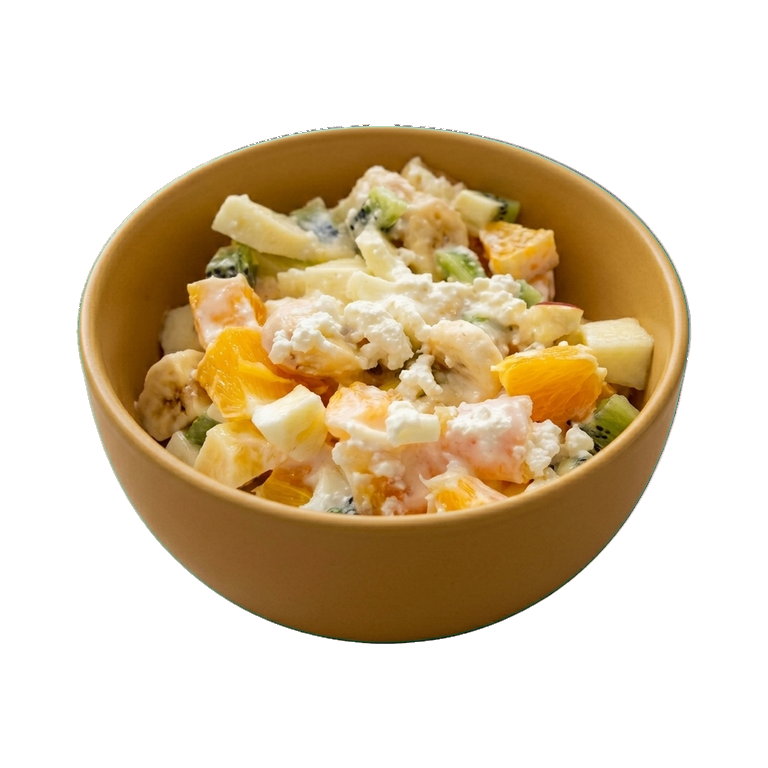
In cooking, kiwi plays different roles. It is added to fruit salads and desserts, used to decorate cakes and pastries thanks to its bright slices. Kiwi works well in smoothies and fruit purees — the pulp easily transforms into a uniform mass. The fruit's acidity helps in marinades for meat: the enzymes contained in it slightly soften the fibers. In sauces for fish, kiwi adds freshness and a light sharpness.
Successful pairings
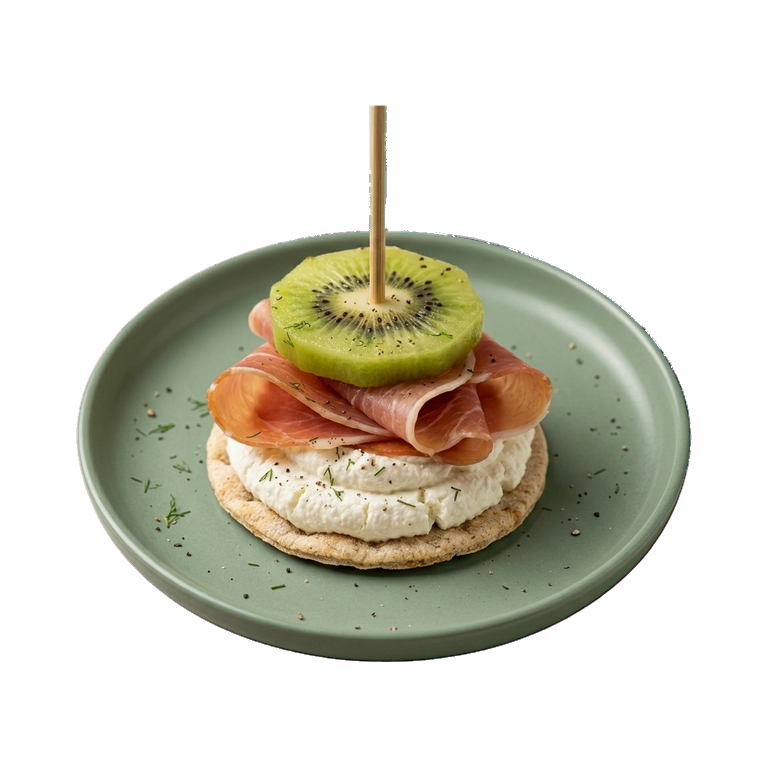
- With dairy products: yogurt, cream cheese, coconut milk
- With berries: strawberry, raspberry, blueberry — kiwi enhances their freshness
- With spices: ginger, mint, vanilla, cinnamon
- With seafood: shrimp, fish, crab meat
- With herbs: basil, cilantro, parsley in salads and sauces
How to choose and store
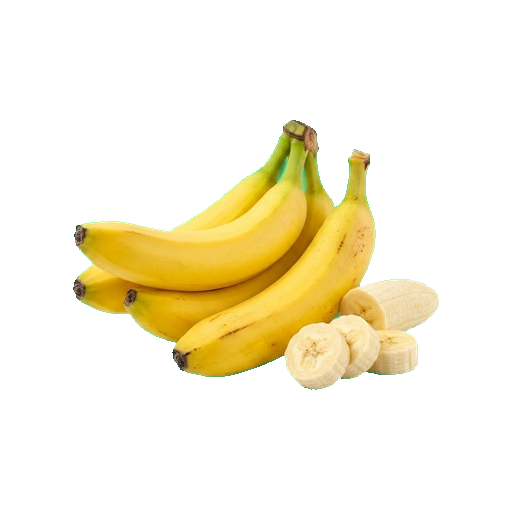
When choosing kiwi, focus on firmness: a ripe fruit yields to light finger pressure but doesn't soften completely. The skin should be intact, without dark spots or dents. If the kiwi is still hard, place it at room temperature next to a banana or apple — the ethylene they release will speed up ripening.
Ripe fruits are stored in the refrigerator for 1–2 weeks. Sliced kiwi is best used immediately, as the flesh oxidizes quickly and darkens. If you need to preserve sliced kiwi, lightly sprinkle it with lemon juice — this will slow down the darkening. Frozen kiwi is suitable for smoothies and purees, but loses its firmness for fresh dishes.
Kiwi is a fruit that works in any situation: from a quick breakfast to an elaborate dessert. Its bright flavor and beautiful appearance make it indispensable in the kitchen, and its ease of use allows you to experiment without unnecessary complications.
Nutrition
per 100 g
- Calories
- 61 kcal
- Protein
- 1.1 g
- Fat
- 0.5 g
- Carbs
- 14.7 g
Micronutrients
per 100 g
Macronutrients
- Fiber
- 3 g
- Water
- 83.9 g
Minerals
- Sodium
- 5 mg
- Potassium
- 198 mg
- Calcium
- 35 mg
- Magnesium
- 15.7 mg
- Phosphorus
- 34 mg
- Iron
- 0.24 mg
- Zinc
- 0.14 mg
- Copper
- 0.13 mg
- Manganese
- 0.06 mg
- Selenium
- 0.2 mcg
Vitamins
- Vitamin A (RAE)
- 4 mcg
- Vitamin E
- 1.3 mg
- Vitamin K
- 40.3 mcg
- Vitamin C
- 74.7 mg
- Vitamin B1 (thiamin)
- 0.03 mg
- Vitamin B2 (riboflavin)
- 0.03 mg
- Vitamin B3 (niacin)
- 0.37 mg
- Vitamin B5 (pantothenic acid)
- 0.21 mg
- Vitamin B6
- 0.06 mg
Measures and weight
- 1 pcs
- 100 g
Measure calculator
- Weight
- 100 g
- Calories
- 61 kcal