Usuba
Usuba
Maple syrup
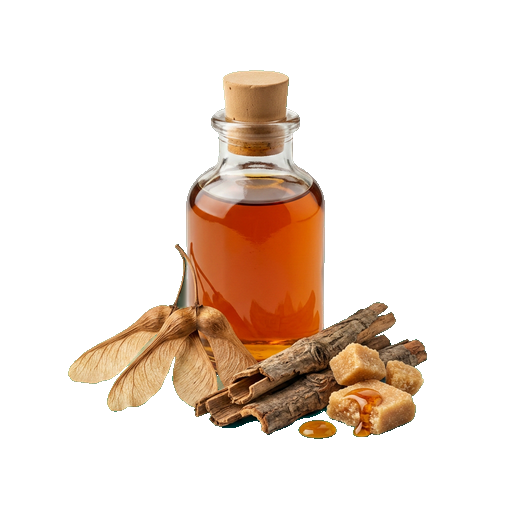
Maple syrup is a concentrated juice from maple trees, obtained by evaporating tree sap. It has a pronounced sweet taste with subtle caramel and woody notes, more pronounced in darker varieties of syrup. Used for sweetening dishes, making desserts, marinades and sauces, as well as an addition to beverages and breakfasts — when substituting for sugar, keep in mind that syrup contains moisture, so it may change the consistency of baked goods.
Micronutrients
per 100 ml
Minerals
About
Maple syrup is a concentrated juice of maple that transforms into a thick amber liquid during boiling. Its sweetness differs from ordinary sugar: it is deeper, with light nutty notes and a barely perceptible bitterness. In cooking, it works not simply as a sweetener, but as a full-fledged flavor component that enriches a dish with its own character.
Aroma and Flavor Profile
The aroma of maple syrup is a blend of caramel, vanilla, and subtle woody notes. To the taste, it is sweet but not cloying, with a pleasant viscosity. The intensity of flavor depends on the degree of processing: lighter syrups are more delicate and tender, dark ones are richer with a pronounced caramel aftertaste. This gradation allows you to choose syrup depending on whether you want a background sweet accent or a bright taste hit.
Where and how to use it
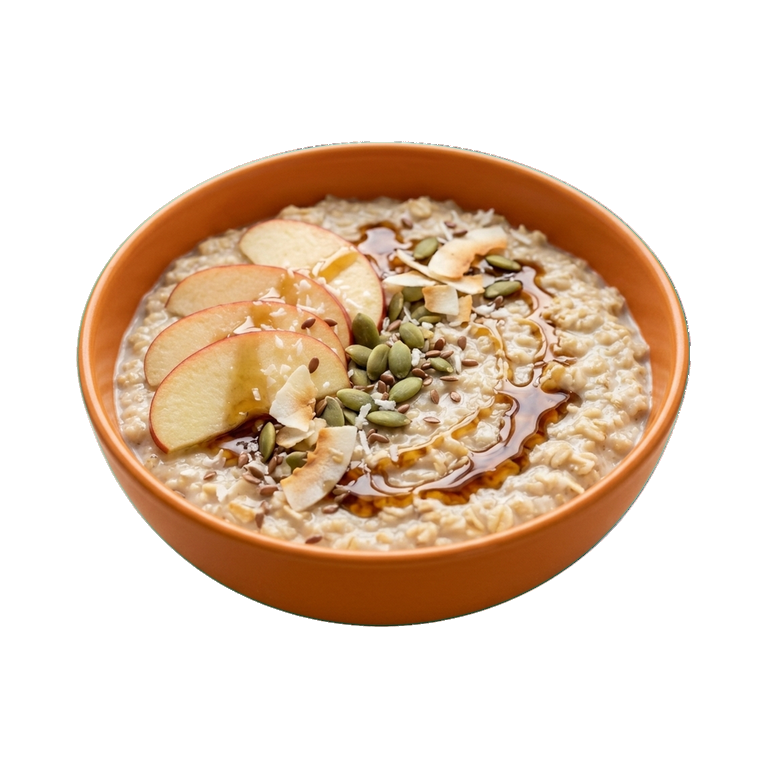
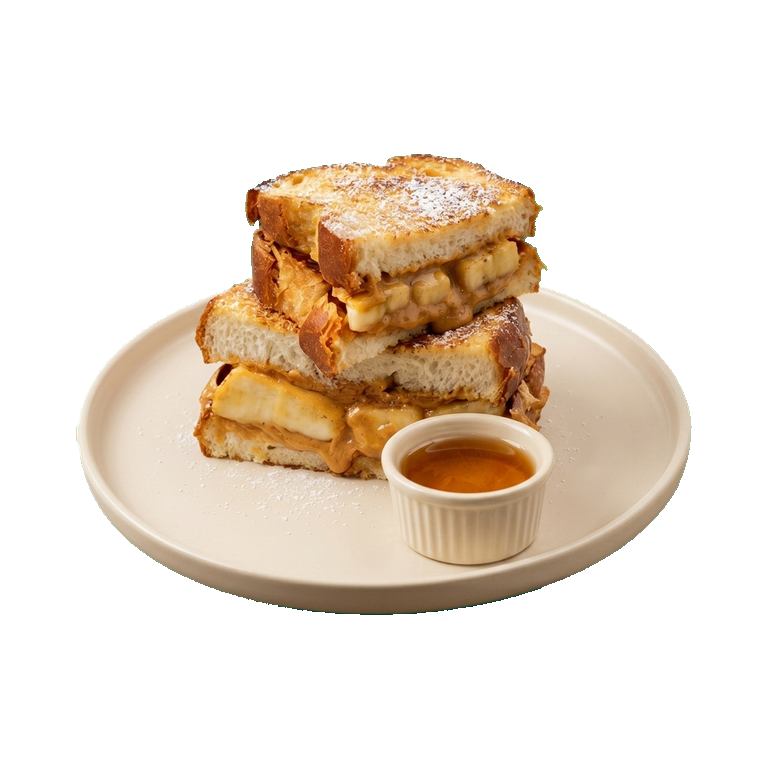
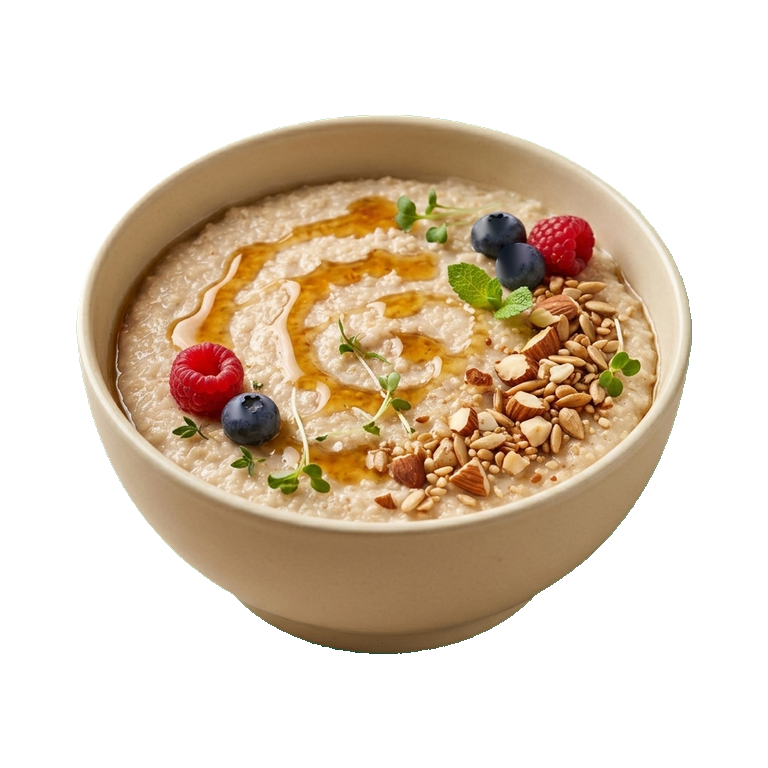
- Topping for pancakes, waffles and crepes — a classic use that works flawlessly
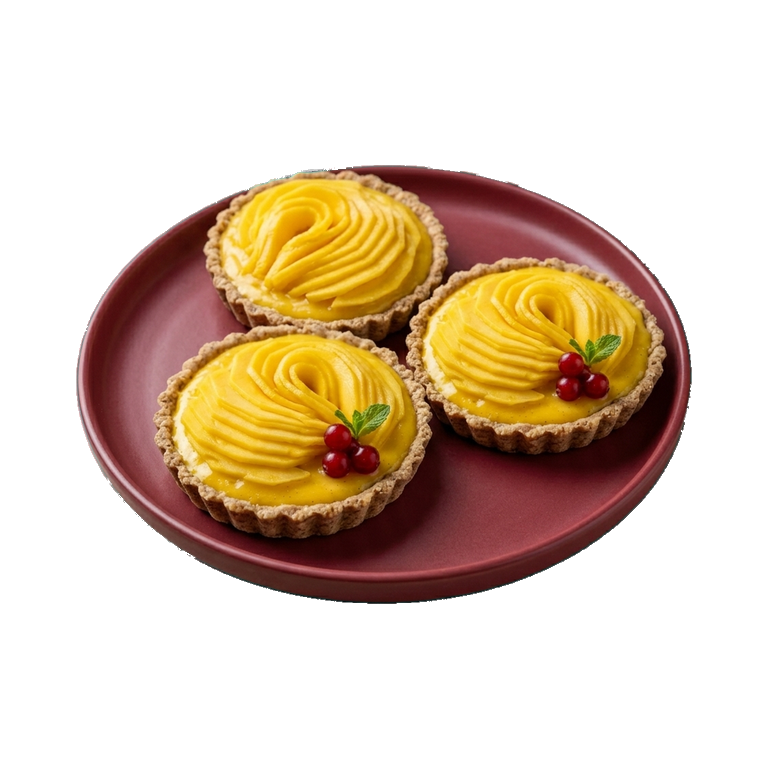
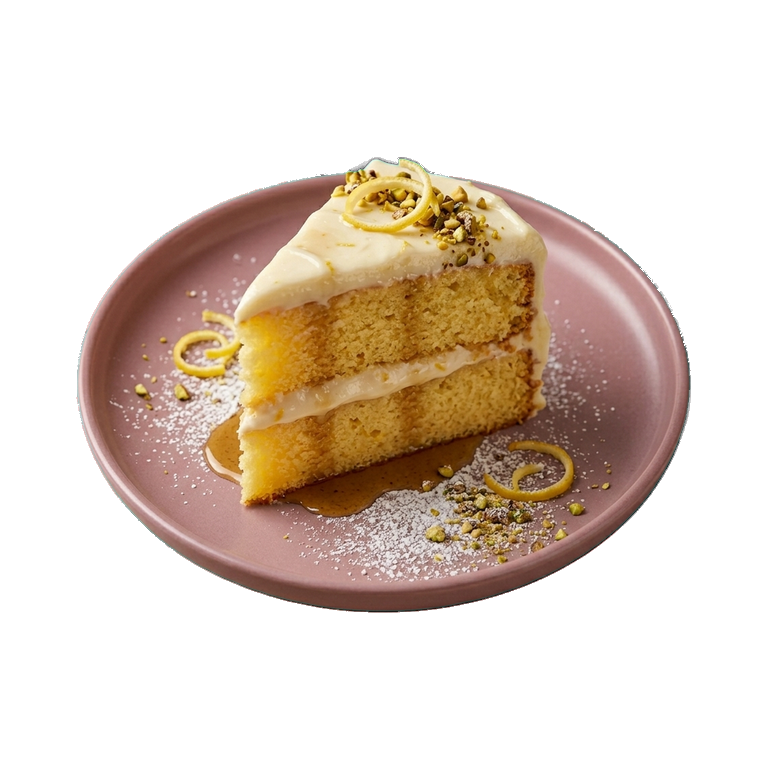
- Glazes for baked goods: mix syrup with butter and spices to coat buns or cookies
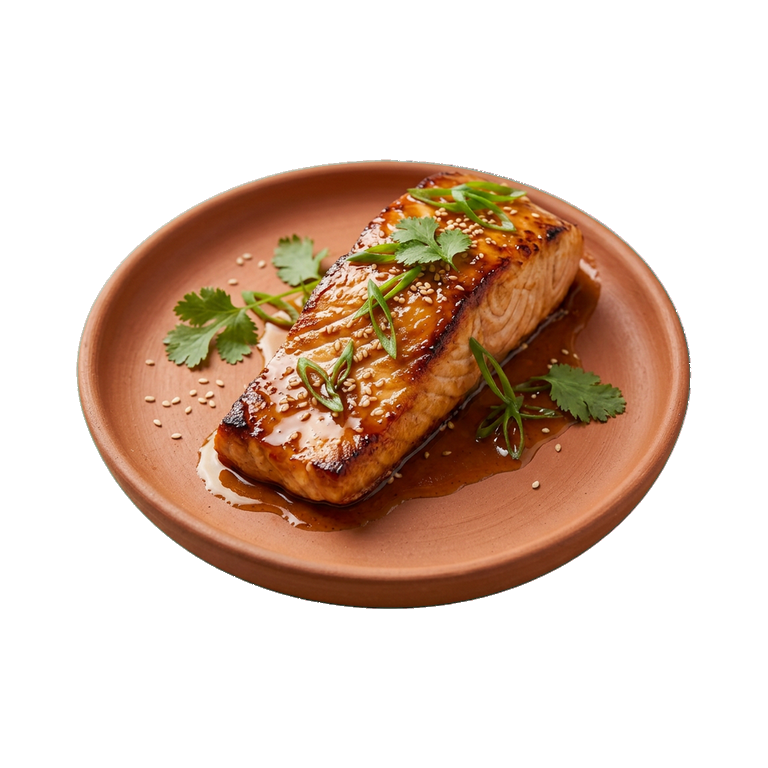
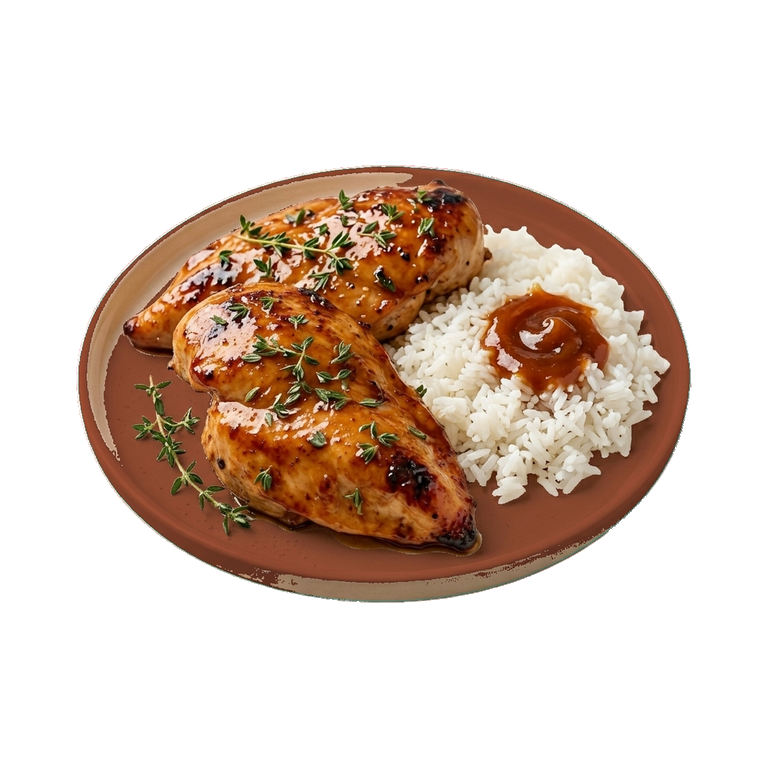
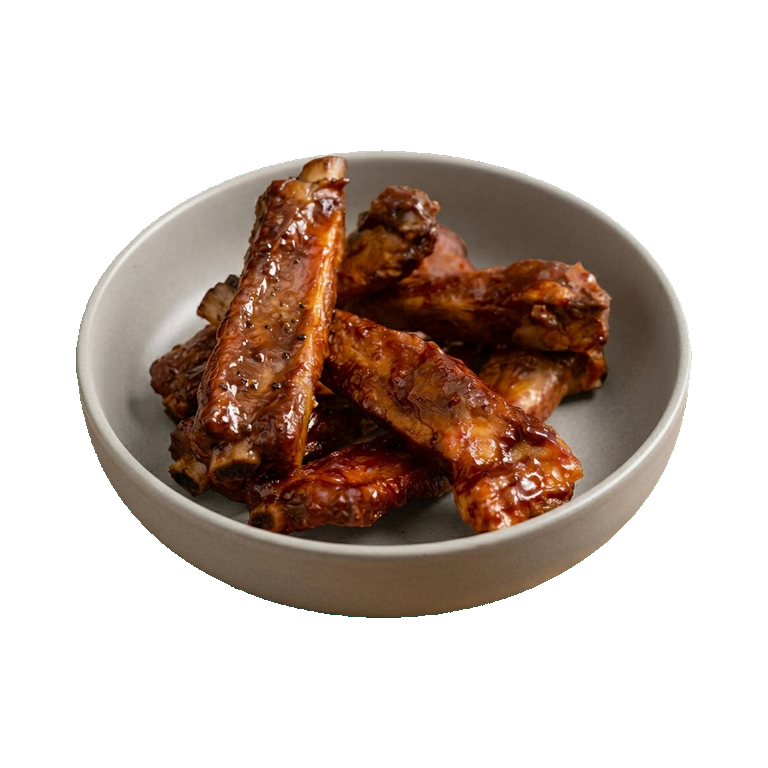
- Marinades for meat and poultry — syrup adds sweetness and helps create a crispy crust when frying
- Sauces for vegetables and root crops, especially carrots, sweet potatoes and beets
- Sweetener in coffee, tea and cocktails as a substitute for sugar or honey
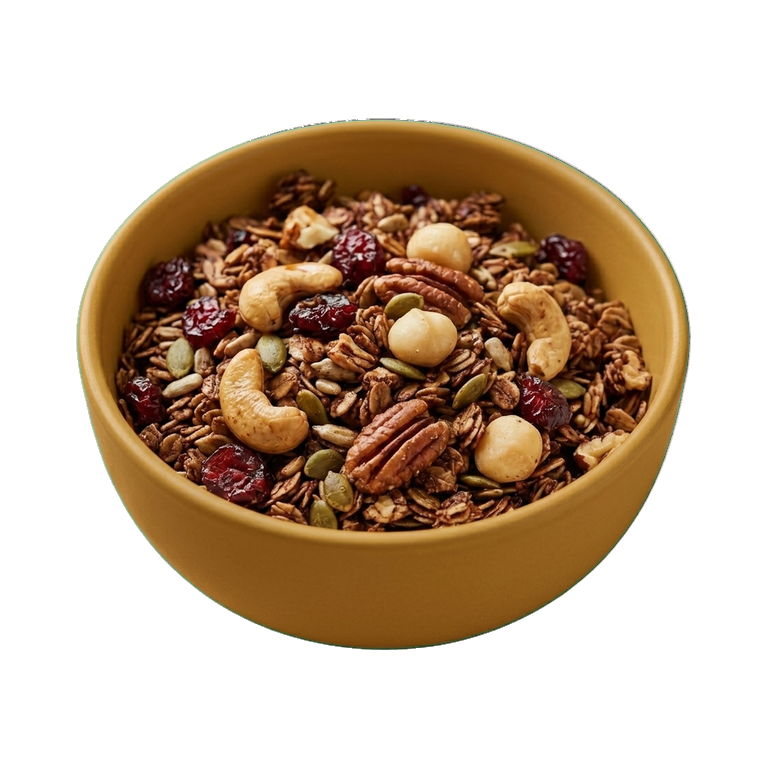
- Addition to cookie, cupcake and bread dough for a subtle maple flavor
Flavor Combinations
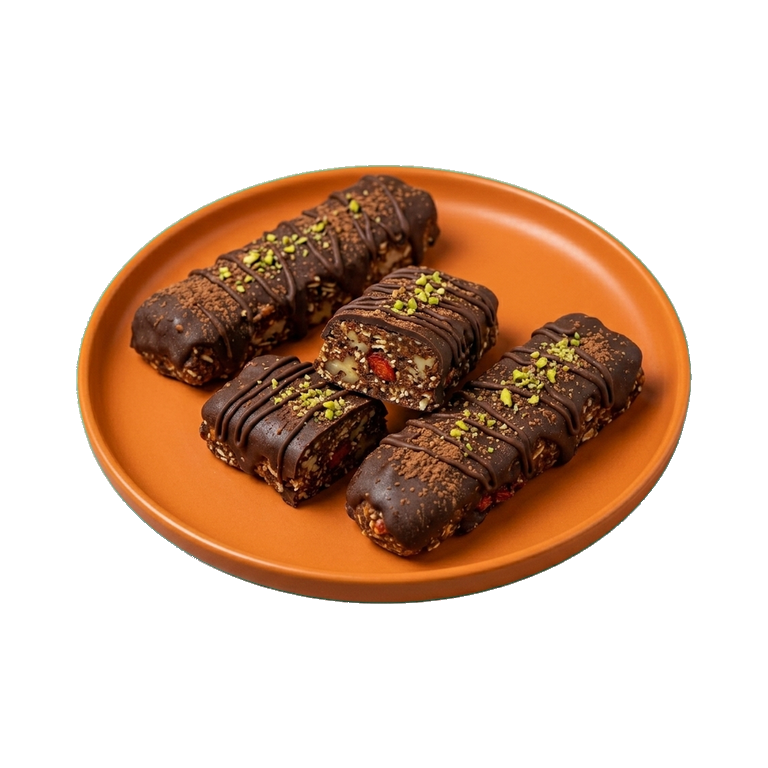
Maple syrup pairs well with nuts — walnuts, pecans, and almonds. Its sweetness is balanced by salt, warm spices (cinnamon, ginger, black pepper), and acidity (lemon juice, vinegar). With bacon and smoked meats, syrup creates a classic contrasting combination. It doesn't conflict with vanilla, cocoa, and coffee, and actually reveals itself more fully with them.
Selection and Storage
When purchasing, pay attention to the color: light syrup is more delicate, dark syrup is more aromatic. Check the label: the inscription "pure maple syrup" means this is a pure product without additives. Avoid bottles with crystallization or separation — these are signs of improper storage. Keep opened syrup in the refrigerator in a tightly closed container; at room temperature it may ferment. An unopened bottle can safely sit in a cupboard for several years. If the syrup has thickened, warm it in a water bath — it will regain its fluidity.
Maple syrup works well in a 1:1 ratio as a substitute for sugar in recipes, but remember that it adds moisture — when baking, you may need to reduce the amount of liquid in the dough slightly.
Nutrition
per 100 ml
- Calories
- 260 kcal
- Protein
- 0 g
- Fat
- 0.1 g
- Carbs
- 67 g
Micronutrients
per 100 ml
Macronutrients
- Fiber
- 0 g
- Sugars
- 80.412 g
- Saturated fat
- 0.009 g
- Monounsaturated fat
- 0.015 g
- Polyunsaturated fat
- 0.023 g
- Omega-3 (EPA + DHA)
- 0 g
- Cholesterol
- 0 mg
- Water
- 43.079 g
Minerals
- Sodium
- 15.96 mg
- Potassium
- 281.96 mg
- Calcium
- 135.66 mg
- Magnesium
- 27.93 mg
- Phosphorus
- 2.66 mg
- Iron
- 0.15 mg
- Zinc
- 1.96 mg
- Copper
- 0.02 mg
- Manganese
- 3.87 mg
- Selenium
- 0.8 mcg
Vitamins
- Vitamin A (RAE)
- 0 mcg
- Vitamin D
- 0 mcg
- Vitamin E
- 0 mg
- Vitamin K
- 0 mcg
- Vitamin C
- 0 mg
- Vitamin B1 (thiamin)
- 0.09 mg
- Vitamin B2 (riboflavin)
- 1.69 mg
- Vitamin B3 (niacin)
- 0.11 mg
- Vitamin B5 (pantothenic acid)
- 0.05 mg
- Vitamin B6
- 0 mg
- Vitamin B9 (folate, DFE)
- 0 mcg
- Vitamin B12
- 0 mcg
Measures and weight
- 1 tbsp
- 20 g
- 1 tsp
- 6.7 g
- 1 cup
- 332.5 g
Measure calculator
- Weight
- 100 g
- Calories
- 195 kcal