Usuba
Usuba
Mayonnaise
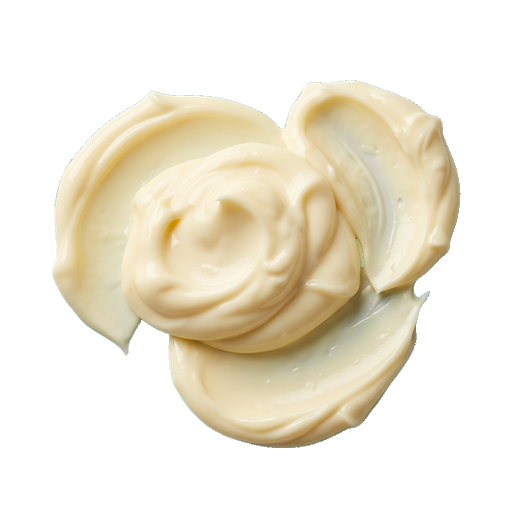
An emulsion made from egg yolk, oil, and acid that serves as the base for numerous sauces and dressings. Classic mayonnaise has a neutral, slightly buttery flavor and a thick, uniform consistency, which allows it to hold its shape well and coat ingredients effectively. When selecting mayonnaise, it is important to pay attention to the ingredients — a quality product contains minimal additives, and during storage it should be protected from temperature fluctuations to avoid emulsion breakdown.
Micronutrients
per 100 ml
About
Mayonnaise is an emulsion that transforms simple ingredients into a creamy base for hundreds of dishes. Egg, oil, and acid (vinegar or lemon juice) when properly mixed create a thick, glossy mass that holds its shape and coats products with a delicate layer. It is this consistency that makes it indispensable in the kitchen — it simultaneously binds, softens, and enriches the flavor.
Taste and Aroma
Good mayonnaise has almost no smell — that's its main characteristic. The taste is delicate, creamy, with a barely noticeable tanginess. All attention goes to the texture: smooth, dense, oily. If mayonnaise smells too strongly of egg or vinegar, it means the balance is off or the preparation technique was compromised. Homemade mayonnaise often has a more pronounced taste of egg and oil, which many people prefer over the neutral store-bought version.
Role in dishes
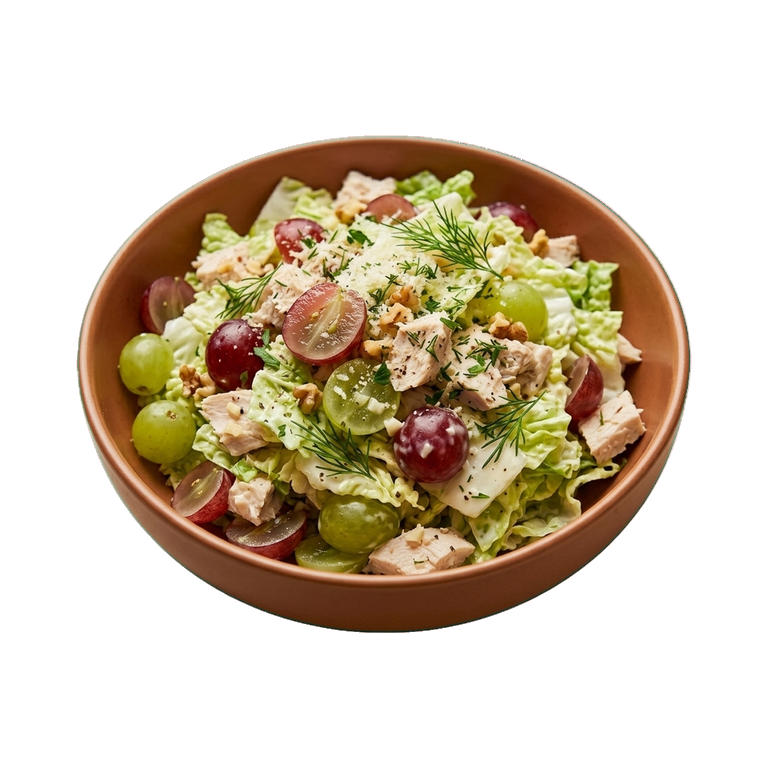
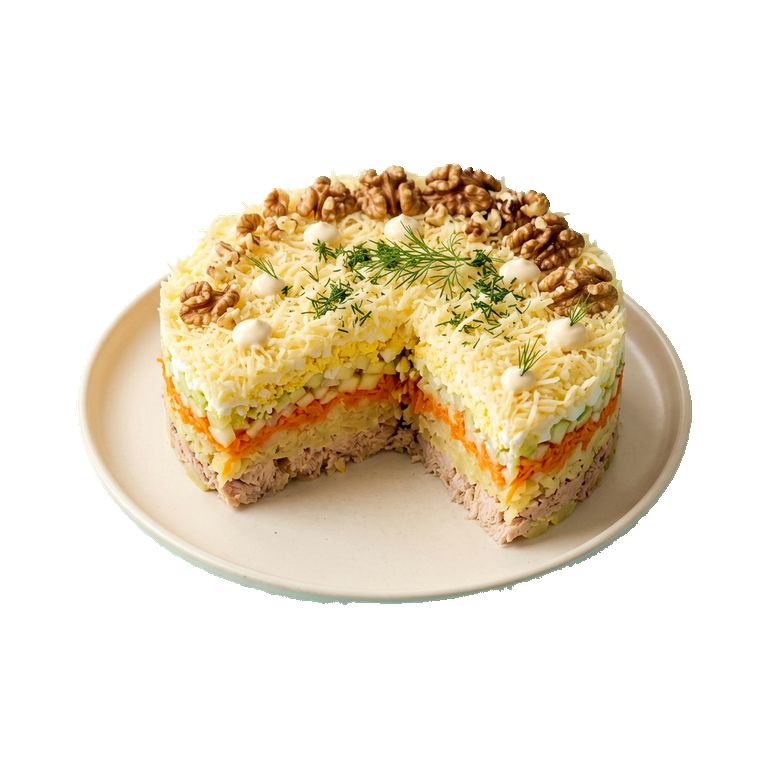
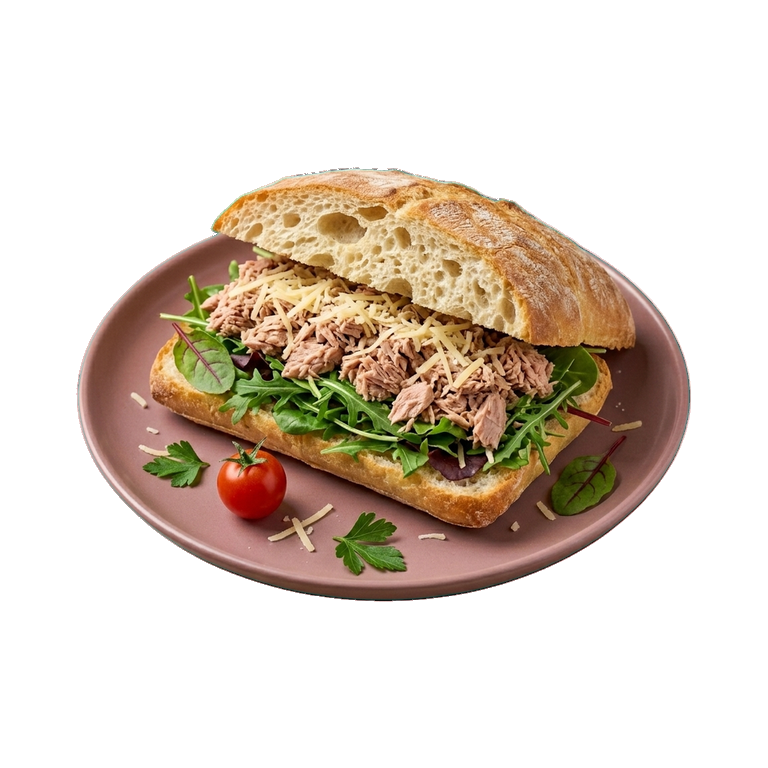
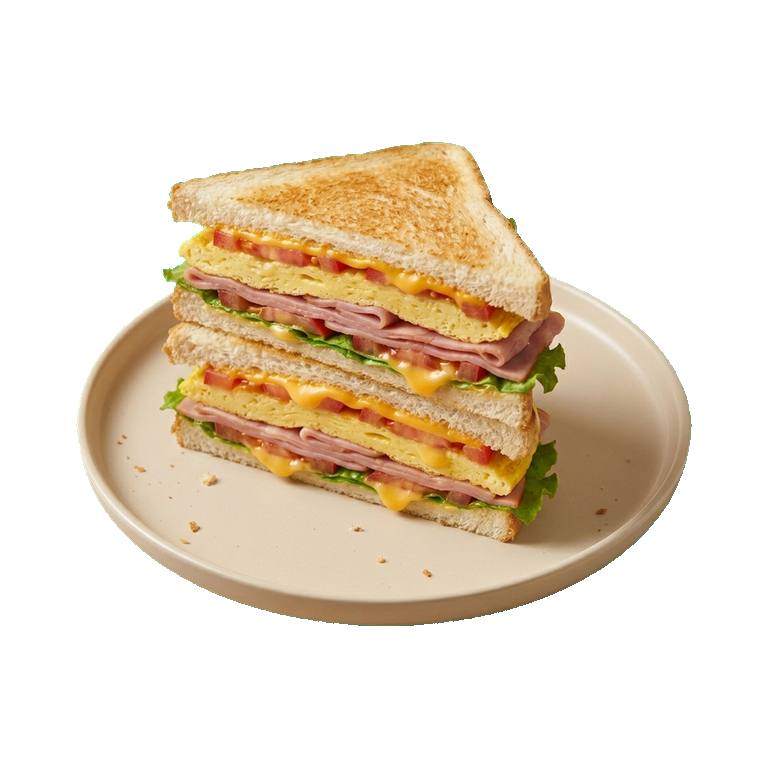
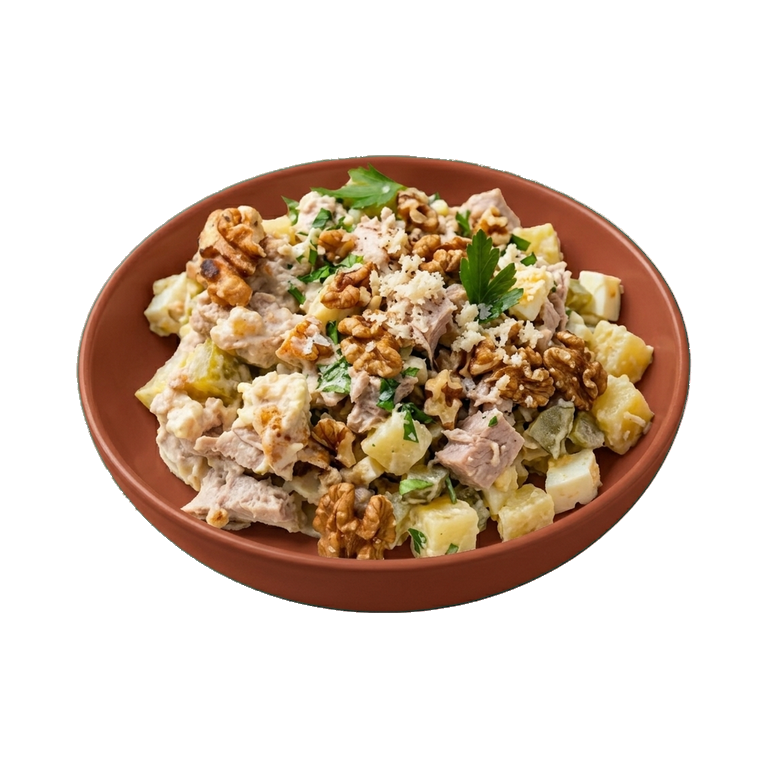
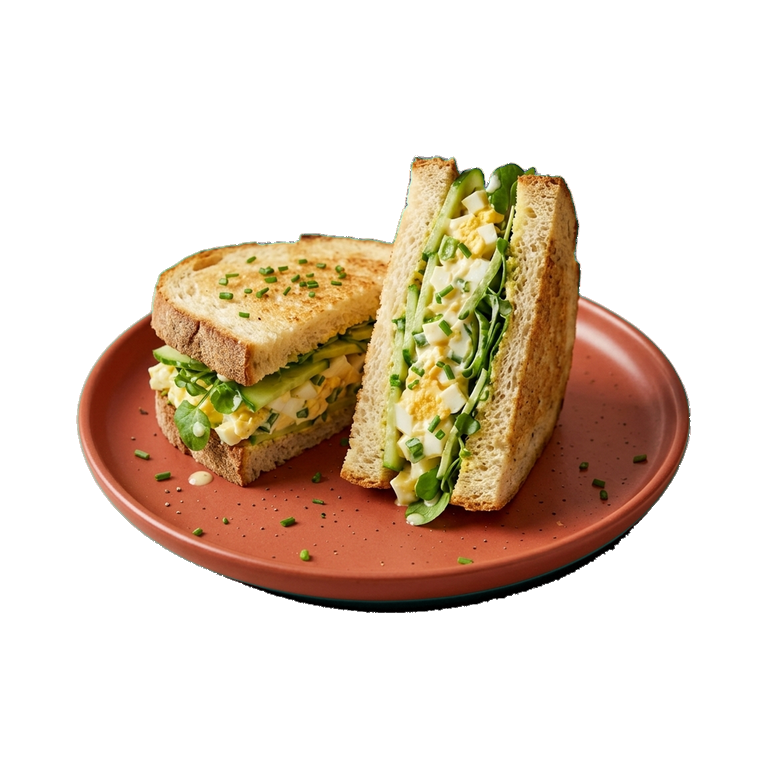
Mayonnaise works in three directions: as a base for sauces (when diluted with sour cream, mustard, garlic), as a filling in sandwiches and salads, and as a component for marinating or coating before frying. It softens sharp spices, binds dry ingredients into a paste, and gives a dish creaminess without milk.
Pairings and Uses
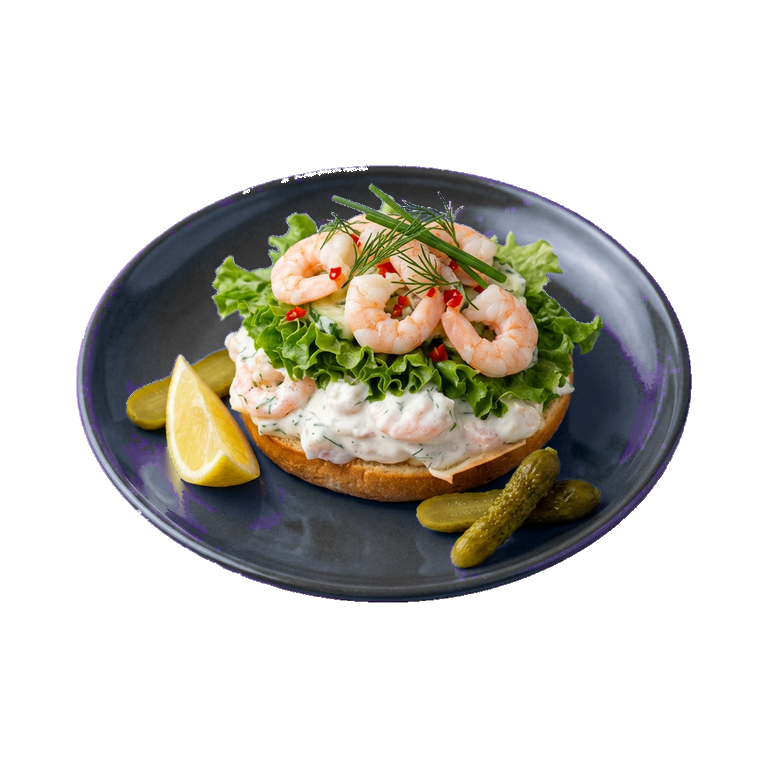
- With mustard and lemon — for fish and seafood
- With garlic and herbs — for meat and vegetables
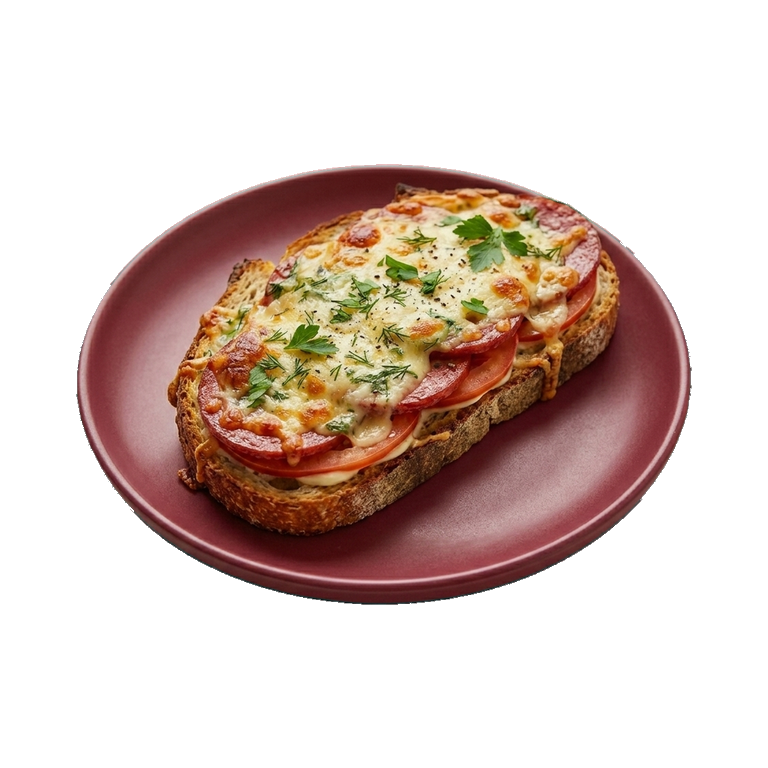
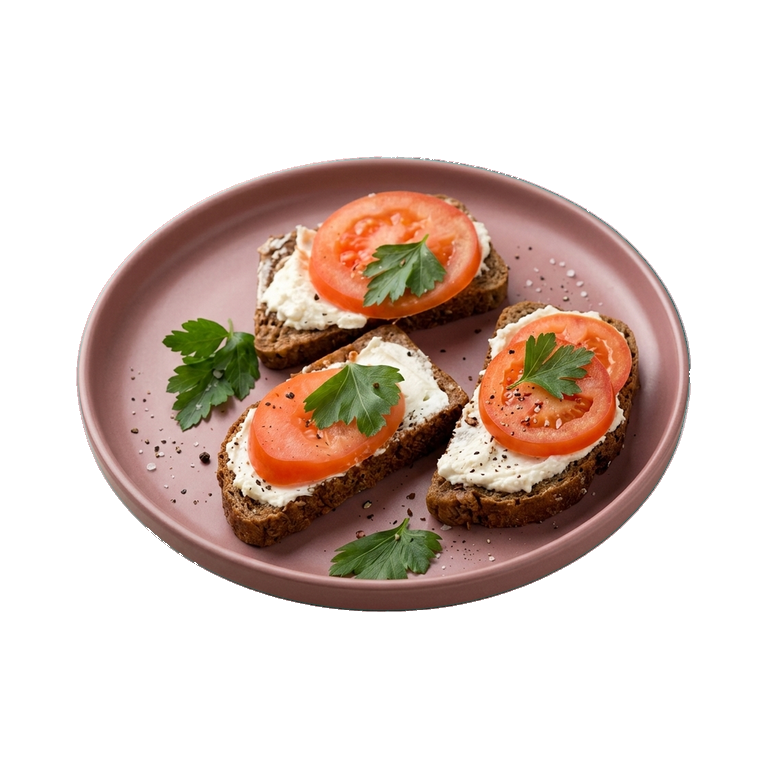
- With tomato paste — for sandwiches and appetizers
- With hot pepper — for Mexican dishes
- With anchovies and capers — for Caesar salad
Selection and Storage
When buying store-bought mayonnaise, check the ingredients: the fewer thickeners and stabilizers, the more natural the product. Homemade mayonnaise requires fresh eggs and keeps in the refrigerator for no more than a week. Store-bought mayonnaise lasts in the refrigerator for months thanks to preservatives. The main rule: do not freeze mayonnaise — the emulsion will separate and become unusable.
If you're making mayonnaise at home and it's not thickening, it means the oil is being added too quickly or the egg was too cold. Add the oil literally drop by drop at the beginning, and the temperature of all ingredients should be room temperature.
Nutrition
per 100 ml
- Calories
- 680 kcal
- Protein
- 0.3 g
- Fat
- 75 g
- Carbs
- 0.7 g
Micronutrients
per 100 ml
Macronutrients
- Saturated fat
- 10.735 g
- Monounsaturated fat
- 15.931 g
- Polyunsaturated fat
- 39.587 g
- Water
- 15.798 g
Vitamins
- Vitamin B2 (riboflavin)
- 0.1 mg
- Vitamin B6
- 0 mg
Measures and weight
- 1 tbsp
- 14.3 g
- 1 tsp
- 4.8 g
- 1 cup
- 237.5 g
- 1 can
- 200 g
Measure calculator
- Weight
- 100 g
- Calories
- 716 kcal