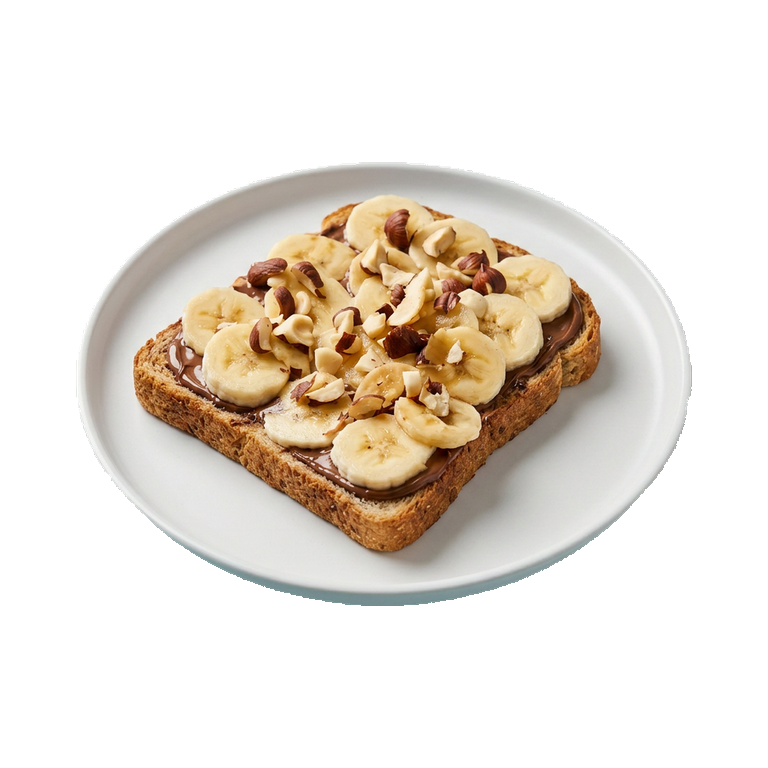
Usuba
Usuba
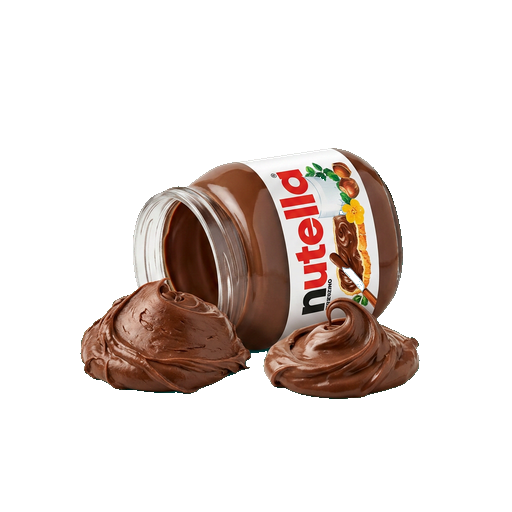
Nutella®
Sweet paste made from cocoa, hazelnuts, and vegetable oil with a nutty aroma and smooth texture. Used as a spread for bread, an ingredient in baked goods, desserts and beverages, adding a rich chocolate-hazelnut flavor to dishes. When substituting with other nut butters, note that it is less dense and contains more sugar, so you may need to adjust the amount of liquid in the recipe.
Micronutrients
per 100 g
Minerals
Vitamins
About
This is a paste made from hazelnuts and cocoa that has long ceased to be just a spread for bread. In modern cuisine, it is used much more widely: added to dough, creams, sauces, and even beverages. The product is sweet, dense, with a pronounced nutty aroma and smooth consistency that makes the pastry chef's work easier.
Taste and Aroma
A soft nutty tone dominates with a pronounced chocolate base. The sweetness is noticeable but not cloying thanks to the balance of cocoa. The aroma is intense and distinctive — hazelnut combined with cocoa creates that very characteristic smell associated with this product. On the palate, the paste leaves an oily sensation and a slight cocoa bitterness in the finish.
Role in dishes
- Filling and layer in cakes, pastries, macarons — due to its consistency, it holds its shape well
- Component of creams and ganaches — diluted with cream or butter gives a uniform texture
- Additive in cookies, gingerbreads, brownies — enhances the nutty profile and softness of the crumb
- Sauce for ice cream, panna cotta, fruits — emphasizes the chocolate element of the dessert
- Base for homemade candies, truffles, energy bars
Successful Combinations
Paste works with everything related to chocolate and nuts. It pairs well with banana, avocado, and berries — the contrast of acidity and sweetness is a winner. It complements caramel, salt, and spices like cinnamon. Against the background of delicate desserts (mousses, soufflés) it can dominate, so it's often diluted with oil or cream to avoid overpowering other ingredients.
Selection and Storage
- The consistency should be uniform, without lumps and oil separation
- Color — even brown, without light spots and darkening
- Production date and expiration date — important for taste freshness
Store in a tightly sealed container at room temperature, away from direct sunlight. In the refrigerator, the paste hardens and becomes more difficult to work with — take it out 15–20 minutes before use. Use an opened jar within a month, otherwise the oil will start to oxidize and the taste will change. If a crust forms on the surface, simply stir it — this is normal.
Practical Tips
- For cream, dilute with butter or vegetable oil in a 1:1 ratio to make it easier to work with
- Add to dough gradually — the paste is fatty and may compromise the structure
- Before using in sauces, heat slightly so it mixes better with other ingredients
- Experiment with diluting in milk or yogurt for a lighter consistency
Nutrition
per 100 g
- Calories
- 544 kcal
- Protein
- 6.3 g
- Fat
- 30.5 g
- Carbs
- 57.5 g
Micronutrients
per 100 g
Macronutrients
- Fiber
- 5.4 g
- Sugars
- 54.05 g
- Saturated fat
- 28.423 g
- Monounsaturated fat
- 0 g
- Polyunsaturated fat
- 0 g
- Omega-3 (EPA + DHA)
- 0 g
- Cholesterol
- 0 mg
- Water
- 1.07 g
Minerals
- Sodium
- 41 mg
- Potassium
- 407 mg
- Calcium
- 108 mg
- Magnesium
- 64 mg
- Phosphorus
- 152 mg
- Iron
- 4.38 mg
- Zinc
- 1.06 mg
- Copper
- 0.47 mg
- Manganese
- 0.87 mg
- Selenium
- 3.6 mcg
Vitamins
- Vitamin A (RAE)
- 1 mcg
- Vitamin D
- 0 mcg
- Vitamin E
- 4.96 mg
- Vitamin K
- 1.9 mcg
- Vitamin C
- 0 mg
- Vitamin B1 (thiamin)
- 0.09 mg
- Vitamin B2 (riboflavin)
- 0.17 mg
- Vitamin B3 (niacin)
- 0.43 mg
- Vitamin B5 (pantothenic acid)
- 0.36 mg
- Vitamin B6
- 0.08 mg
- Vitamin B9 (folate, DFE)
- 14 mcg
- Vitamin B12
- 0.3 mcg
Measures and weight
- 1 tbsp
- 19.5 g
- 1 tsp
- 6.5 g
- 1 cup
- 325 g
Measure calculator
- Weight
- 100 g
- Calories
- 544 kcal