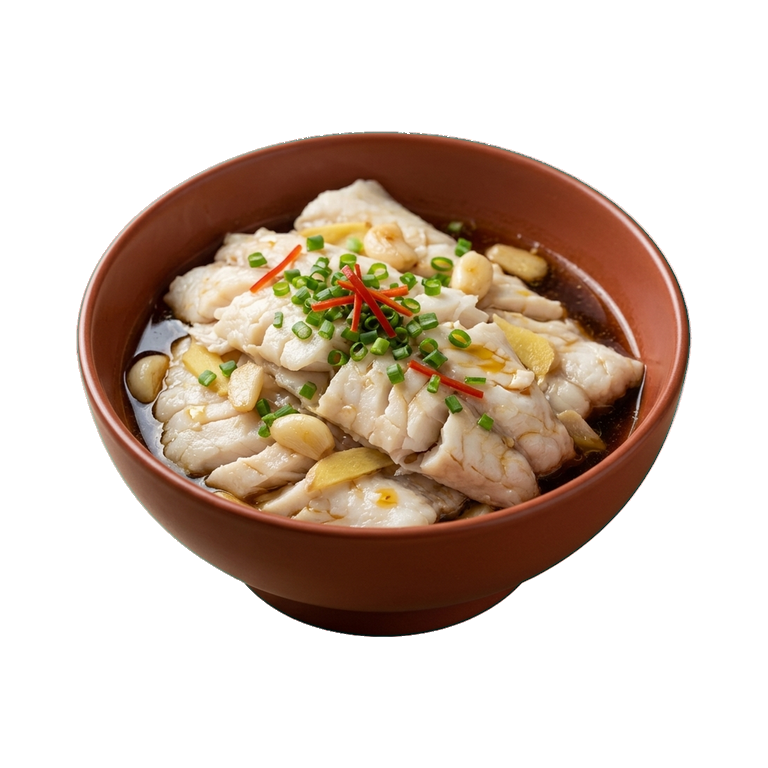
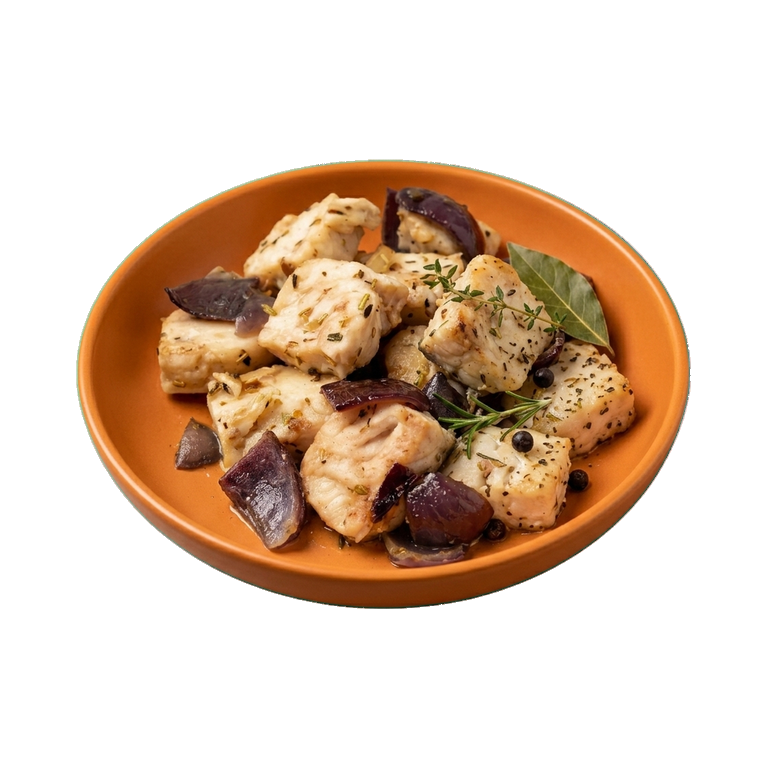
Usuba
Usuba
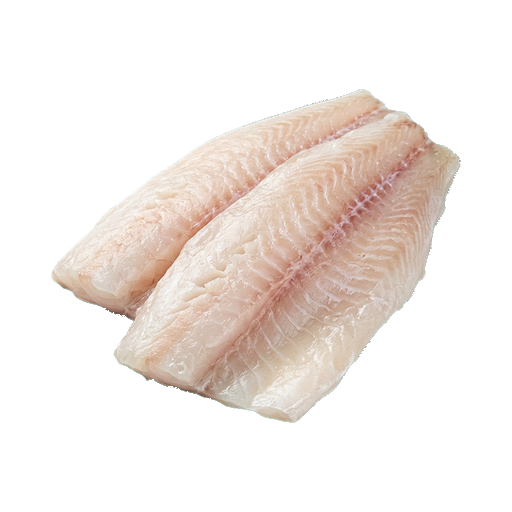
Pollock fillet
Pollock fillet is a lean white fish with a mild, delicate flavor and flaky meat structure. Thanks to its low fat content and subtle taste, it works well for boiling, baking, and frying, requires no lengthy cooking, and cooks quickly. When selecting, pay attention to white or light gray fillet color without any yellowing, and when cooking, remember that pollock meat requires careful handling to prevent it from falling apart, and pairs well with lemon, herbs, and light sauces.
Micronutrients
per 100 g
Minerals
About
Plain white fish
Pollock fillet is one of the most practical products for home cooking. It is tender white meat with a delicate flavor that doesn't require complex preparation and cooks in just a few minutes. The flesh easily separates from the bones, absorbs sauces and spices well, and the price remains affordable even during peak demand season.
Taste and Texture
Pollock doesn't compete with noble salmon or halibut — it's an honest working fish. The meat is white, slightly sweet, with a barely noticeable sea aroma. The texture is tender, but with proper handling, it holds its shape. The main advantage is that the fish doesn't overpower the dish with its own flavor, but complements it.
How to cook and what to pair with
Pollock fillet works equally well in a pan, oven, and on the grill. It can be poached in white wine, baked with lemon and herbs, fried in breadcrumbs, or added to soup. Fish cooks quickly — over medium heat, 7–10 minutes is enough for the meat to become opaque.
- Classic sauces: butter with capers, lemon, tomato
- Vegetables: zucchini, carrot, tomatoes, bell pepper
- Herbs: dill, parsley, thyme, tarragon
- Grains and pasta: rice, buckwheat, pasta, polenta
- Breading: breadcrumbs, coconut flakes, sesame seeds
Selection and Storage
When purchasing, pay attention to the color — the meat should be white or slightly creamy, without yellow spots or dark edges. The smell should be fresh, with a sea scent, without ammonia notes. It's better to choose fillets that are 2–3 centimeters thick: thin pieces dry out easily, thick ones cook unevenly.
Fresh fillet can be stored in the refrigerator for no more than two days. If you plan to cook it later, put the fish in the freezer immediately — stored this way, it maintains its quality for 2–3 months. Before cooking, thaw it naturally in the refrigerator, not under hot water: this way the fish will remain juicier.
Pollock is the ideal choice for weekdays: quick, simple, delicious. Don't expect anything exotic from it, but you'll get reliable results and healthy protein on your plate.
Nutrition
per 100 g
- Calories
- 72 kcal
- Protein
- 15.9 g
- Fat
- 0.9 g
- Carbs
- 0 g
Micronutrients
per 100 g
Macronutrients
- Saturated fat
- 0.128 g
- Monounsaturated fat
- 0.073 g
- Polyunsaturated fat
- 0.182 g
- Omega-3 (EPA + DHA)
- 0.165 g
- Cholesterol
- 46 mg
- Water
- 86.7 g
Minerals
- Sodium
- 333 mg
- Potassium
- 160 mg
- Calcium
- 15 mg
- Magnesium
- 16.1 mg
- Phosphorus
- 284 mg
- Iron
- 0.22 mg
- Zinc
- 0.31 mg
- Copper
- 0.03 mg
- Manganese
- 0.01 mg
- Selenium
- 15.9 mcg
Vitamins
- Vitamin A (RAE)
- 3 mcg
- Vitamin D
- 0.2 mcg
- Vitamin E
- 0.49 mg
- Vitamin K
- 0 mcg
- Vitamin C
- 0 mg
- Vitamin B1 (thiamin)
- 0.03 mg
- Vitamin B2 (riboflavin)
- 0.08 mg
- Vitamin B3 (niacin)
- 0.65 mg
- Vitamin B5 (pantothenic acid)
- 0.24 mg
- Vitamin B6
- 0.07 mg
- Vitamin B12
- 1.6 mcg
Measure calculator
- Weight
- 100 g
- Calories
- 72 kcal