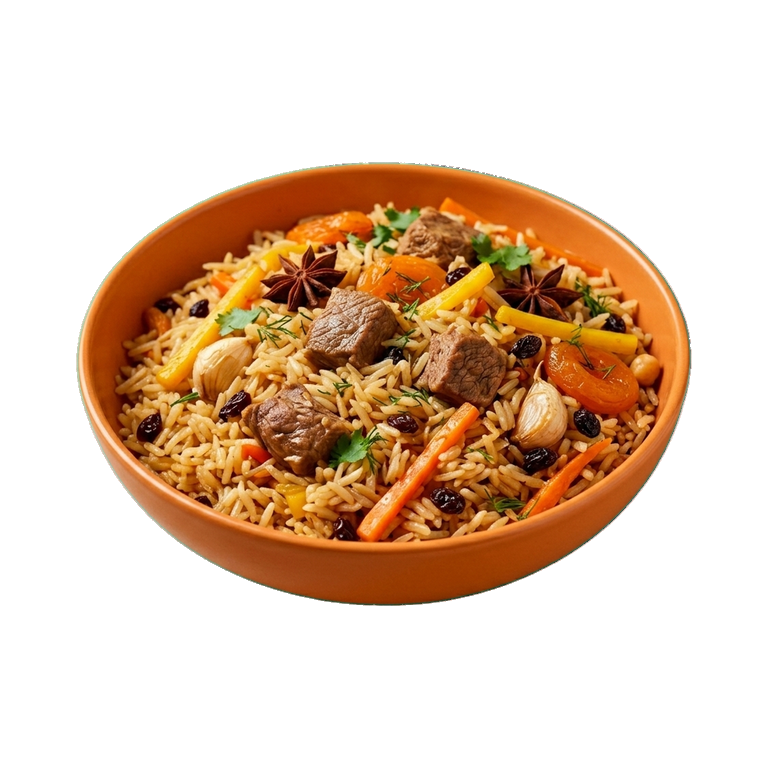
Usuba
Usuba
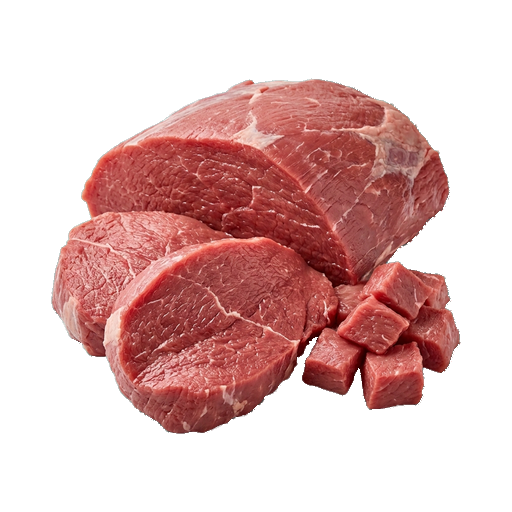
Lean veal
Lean veal is meat from a young animal with minimal fat content, characterized by tender fiber structure and delicate flavor. Due to its low fat content, this meat requires careful preparation: it is best cooked at moderate temperatures with the addition of oil or sauce to prevent drying out. Veal is perfectly suited for quick searing, braising, boiling, and grilling, as well as serving as a base for delicate pâtés and ground meat dishes.
Micronutrients
per 100 g
Minerals
Vitamins
About
Lean veal is meat from a young animal with minimal fat content. This meat is light, tender, and cooks quickly, making it an ideal choice for those watching their calorie intake or preferring a more delicate flavor. In cooking, lean veal is valued for its versatility: it works equally well in complex sauces and in simple, quick recipes.
Taste and Texture
Meat from a young animal is distinguished by its tender, almost melting texture. The flavor is delicate, milky, without sharp meaty notes. Lean veal does not require long marinating and readily absorbs the aromas of spices, herbs, and sauces, which is why the dishes turn out harmonious and well-balanced.
How to cook
The main rule when working with lean veal is not to overcook it. The meat cooks quickly, and prolonged heat treatment makes it dry and tough. The optimal internal temperature is 63–65 degrees for medium-rare.
- Quick searing over high heat will preserve juiciness and create a crispy crust
- Braising over medium heat with added liquid and vegetables — a classic method for denser cuts
- Baking in the oven at 160–180 degrees is suitable for whole pieces and cutlets
- Boiling in broth gives tender meat for salads and cold dishes
Pairings and Sauces
Lean veal works well with sour and spicy components: lemon, vinegar, mustard. Creamy sauces highlight the tenderness of the meat, while tomato and wine sauces add depth of flavor. Vegetables — carrots, celery, onions — become a natural base for broths and stews.
- White wine, herbs (thyme, rosemary)
- Capers, anchovies, olives
- Mushrooms (especially white mushrooms and truffles)
- Cream, sour cream, yogurt
- Potatoes, rice, pasta
Selection and Storage
When purchasing, pay attention to the color — quality lean veal should have a light pink tint, almost white. The meat should be firm, without excess moisture on the surface. The smell should be neutral, fresh, without any sourness.
Lean veal in the refrigerator is stored for 3–4 days in airtight packaging. For long-term storage, it's better to freeze the meat — it will maintain quality for up to 3 months. Before cooking, allow the meat to thaw at room temperature or in the refrigerator so it warms evenly.
Helpful Tips
- Let the meat rest for 5–10 minutes after cooking before slicing — this will keep it juicier
- Use a meat thermometer for accurate doneness control
- Cook cutlets thin so they cook quickly and evenly
- Oil the meat before frying — this will prevent sticking and create a nice crust
Nutrition
per 100 g
- Calories
- 90 kcal
- Protein
- 19.5 g
- Fat
- 1.5 g
- Carbs
- 0 g
Micronutrients
per 100 g
Macronutrients
- Fiber
- 0 g
- Sugars
- 0 g
- Saturated fat
- 1.121 g
- Monounsaturated fat
- 1.353 g
- Polyunsaturated fat
- 0.193 g
- Omega-3 (EPA + DHA)
- 0.001 g
- Cholesterol
- 55 mg
- Water
- 74.79 g
Minerals
- Sodium
- 99 mg
- Potassium
- 260 mg
- Calcium
- 11 mg
- Magnesium
- 47 mg
- Phosphorus
- 237 mg
- Iron
- 0.85 mg
- Zinc
- 2.15 mg
- Copper
- 0.09 mg
- Manganese
- 0.01 mg
- Selenium
- 18 mcg
Vitamins
- Vitamin A (RAE)
- 0 mcg
- Vitamin D
- 1.2 mcg
- Vitamin E
- 0.27 mg
- Vitamin K
- 1.1 mcg
- Vitamin C
- 0 mg
- Vitamin B1 (thiamin)
- 0.09 mg
- Vitamin B2 (riboflavin)
- 0.31 mg
- Vitamin B3 (niacin)
- 7.25 mg
- Vitamin B5 (pantothenic acid)
- 0.69 mg
- Vitamin B6
- 0.68 mg
- Vitamin B9 (folate, DFE)
- 3 mcg
- Vitamin B12
- 2.7 mcg
Measure calculator
- Weight
- 100 g
- Calories
- 90 kcal