Usuba
Usuba
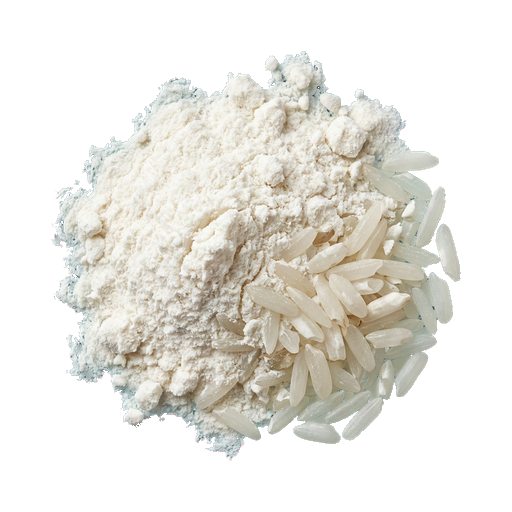
Rice flour
Rice flour is made from ground rice and has a delicate texture with a barely noticeable sweet flavor. It is gluten-free, making it ideal for gluten-free baking, and is also used in Asian cuisine for making batters, coatings, and thickening sauces. When using rice flour in baking, it's important to remember that it absorbs less liquid than wheat flour, so you should reduce the amount of liquid in the recipe or add a binding ingredient such as egg or xanthan gum.
Micronutrients
per 100 g
About
Rice flour is finely ground rice that has long ceased to be an exotic ingredient in the kitchen. It is valued for its neutral taste, light consistency, and ability to work where wheat flour fails. If you are cooking for someone with gluten intolerance or simply experimenting with the texture of baked goods, this flour will become a reliable helper.
Taste and Aroma
Rice flour has virtually no pronounced smell — this is its main advantage. It does not overpower other ingredients and does not leave a specific aftertaste. The taste is barely perceptible, slightly sweet, which is why the flour works well in both sweet and savory dishes. Its neutrality allows you to focus on other components of the recipe.
How to use it
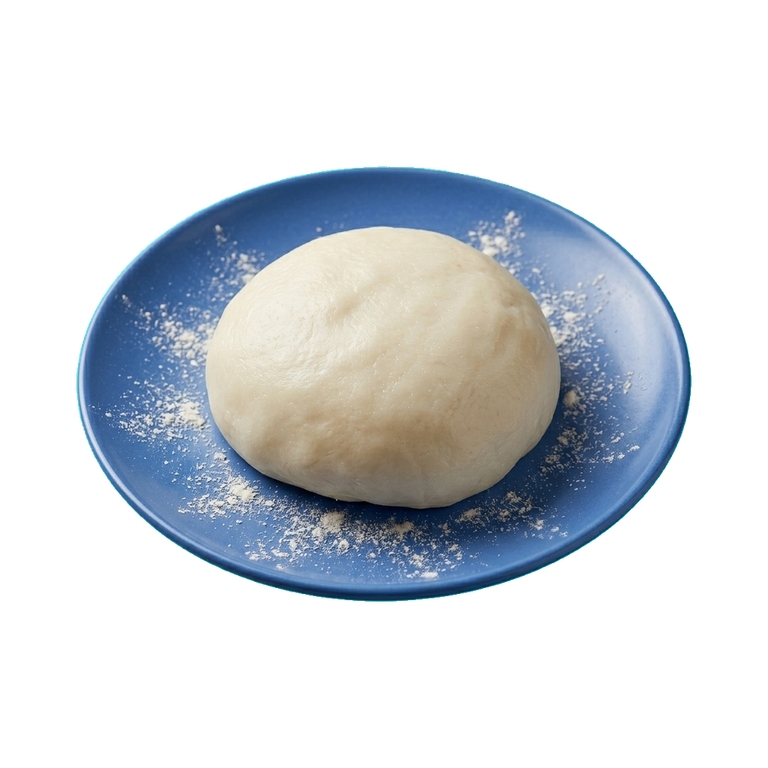
Rice flour behaves differently than wheat flour. It absorbs less moisture, so the dough becomes more crumbly and tender. This is especially noticeable in cookies and cakes — they become brittle, almost melting. But in bread, rice flour alone won't work: the dough won't rise as needed because it lacks gluten.
- Cookies and cakes — here rice flour works in its pure form or mixed with starch for maximum crispness
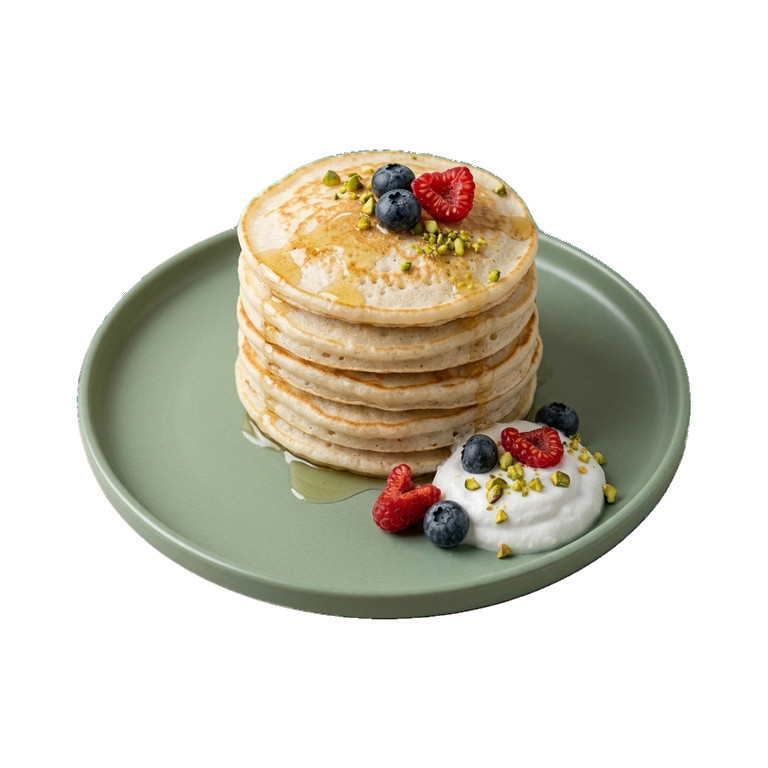
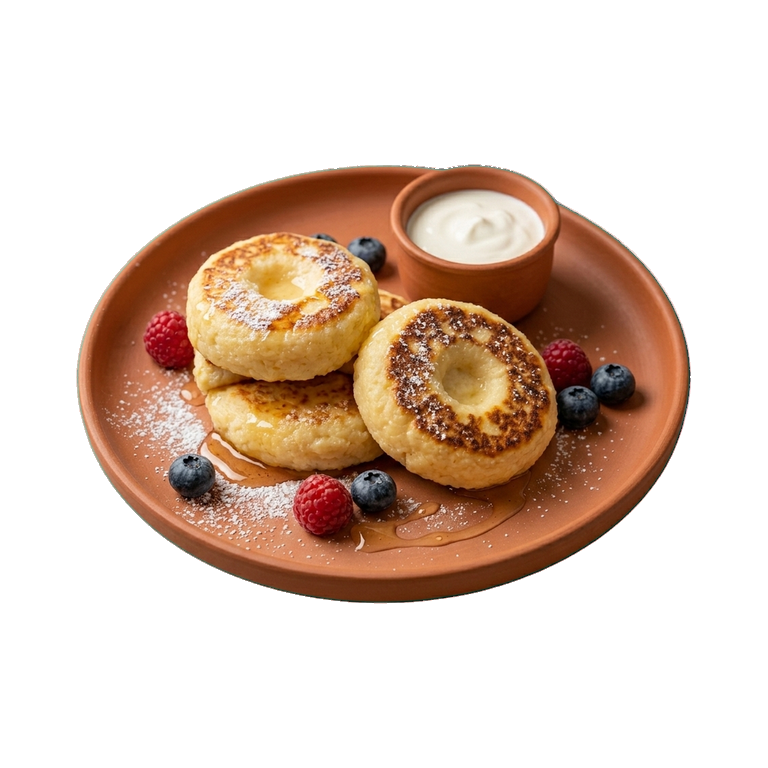
- Pancakes and fritters — add softness and tenderness to the structure
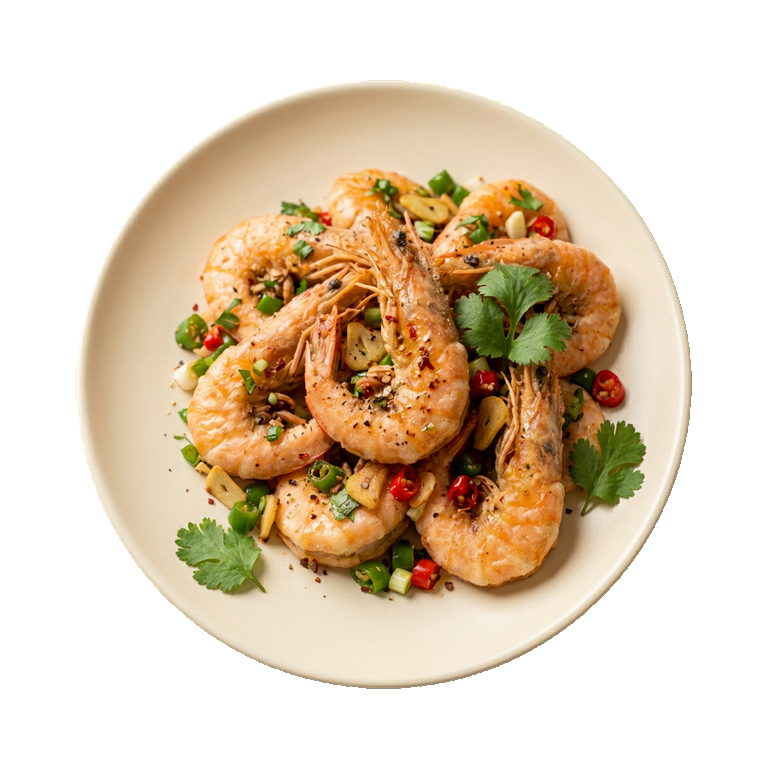
- Breading — the flour holds well on products and gives a crispy crust
- Sauces and gravies — used for thickening instead of starch
- Gluten-free baking mixes — rice flour is the basis for such recipes
Combinations and Proportions
If you are cooking gluten-free, rice flour is often combined with cornstarch, tapioca, or potato starch. Such mixtures produce a more elastic dough and rise better. In classic baking, rice flour can be replaced with wheat flour in a 1:1 ratio, but remember about moisture — you may need slightly less liquid.
Rice flour pairs well with eggs, butter, and milk. If you're making something sweet, add vanilla or almond extract — they'll enhance the delicate texture. In savory dishes, rice flour combines with herbs and spices without conflict.
Selection and Storage
When purchasing, pay attention to the color — good rice flour should be white or cream-colored, uniform in structure, without lumps. Check the production date: flour has a longer shelf life than whole rice, but over time it can become rancid due to oils in the grain germ.
Store flour in an airtight container in a cool, dry place. Ideally in the refrigerator or freezer if you don't use it often. When stored properly, rice flour retains its properties for up to a year. If you notice a musty smell, it's better to throw the flour away — it has absorbed moisture or gone rancid.
Rice flour is not just a substitute for wheat flour, but an independent ingredient with its own logic. Try it in cookies or breadcrumbs, and you'll understand why it's so popular in kitchens around the world.
Nutrition
per 100 g
- Calories
- 366 kcal
- Protein
- 6 g
- Fat
- 1.4 g
- Carbs
- 80.1 g
Micronutrients
per 100 g
Macronutrients
- Fiber
- 0.5 g
- Water
- 11.6 g
Minerals
- Sodium
- 5 mg
- Potassium
- 75 mg
- Calcium
- 6 mg
- Magnesium
- 22.9 mg
- Phosphorus
- 94 mg
- Iron
- 0.22 mg
- Zinc
- 1.19 mg
- Copper
- 0.21 mg
- Manganese
- 0.89 mg
- Selenium
- 5.3 mcg
Vitamins
- Vitamin B1 (thiamin)
- 0.09 mg
- Vitamin B2 (riboflavin)
- 0 mg
- Vitamin B3 (niacin)
- 1.25 mg
- Vitamin B6
- 0.05 mg
Measures and weight
- 1 tbsp
- 11.3 g
- 1 tsp
- 3.8 g
- 1 cup
- 187.5 g
Measure calculator
- Weight
- 100 g
- Calories
- 366 kcal