Usuba
Usuba
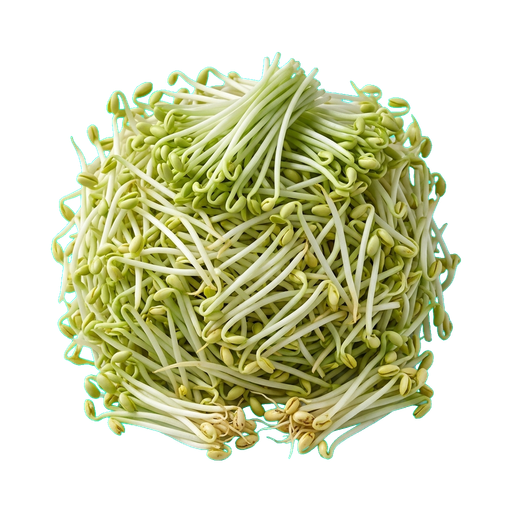
Soy sprouts
Crispy soy sprouts with a delicate slightly sweet flavor and subtle nutty aroma are a popular ingredient in Asian cuisine. They contain a lot of moisture and spoil quickly, so they should be stored in the refrigerator in a sealed container for no more than a week. Sprouts are ideal fresh for salads, soups, and stir-fries, as they add texture and subtle piquancy to dishes, but with prolonged heat exposure they lose their crispness and nutritional value.
Micronutrients
per 100 g
Minerals
About
Soy sprouts are young shoots of soy beans at the sprouting stage, when they are still very tender and crispy. In cooking, they are a valuable ingredient that adds freshness, a light sweetness, and a characteristic crunch to dishes. They are versatile: suitable for hot dishes, cold appetizers, and salads.
Taste and Aroma
Soy sprouts have a delicate, slightly sweet taste with a barely noticeable bitterness. They don't have a sharp smell — rather, they emit a fresh, almost herbaceous aroma. Their main advantage is a crispy texture that is preserved even with minimal heat treatment. This is precisely why they are so valued in Asian cuisine, where the contrast of textures plays an important role.
Role in dishes
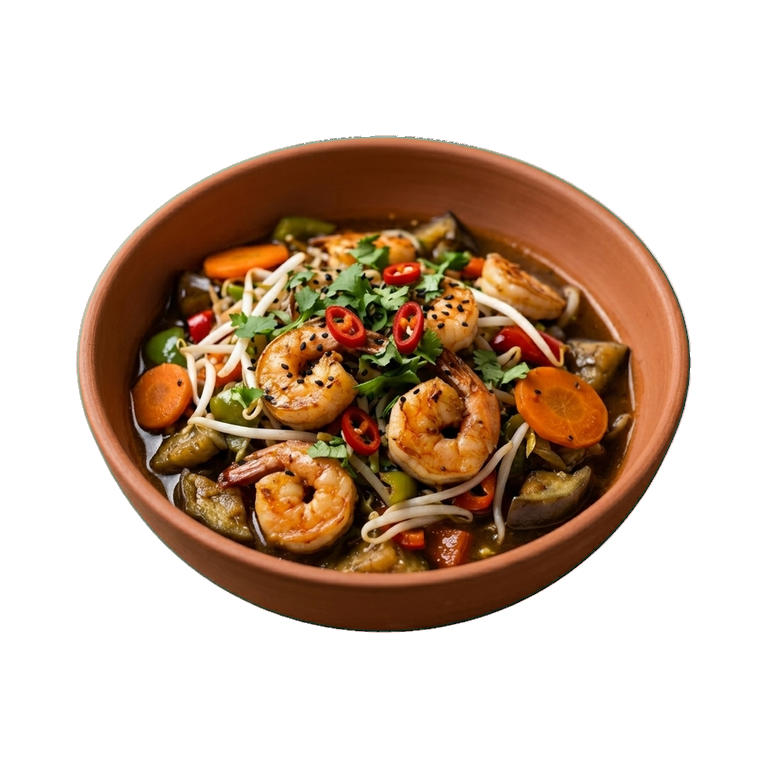
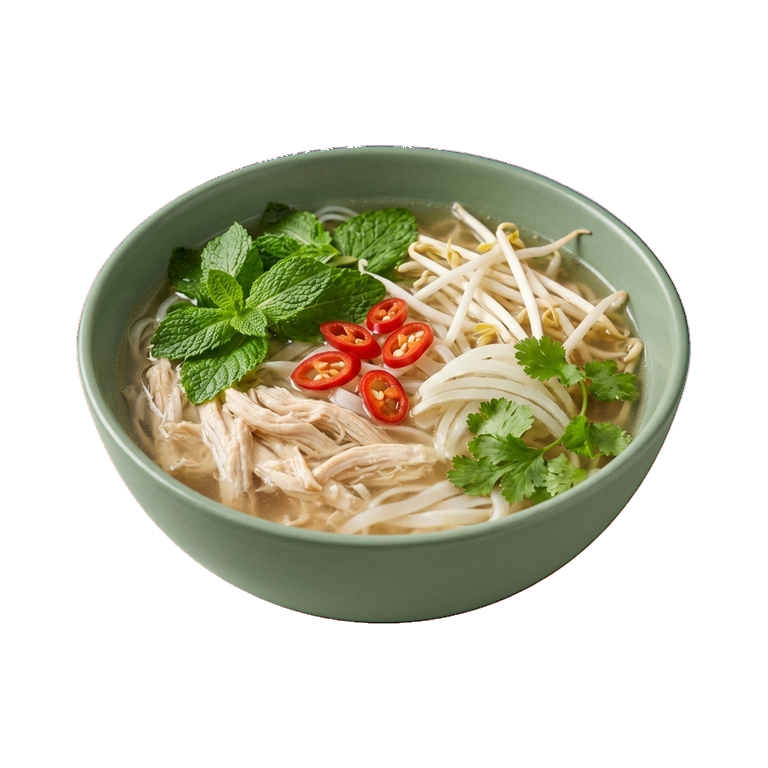
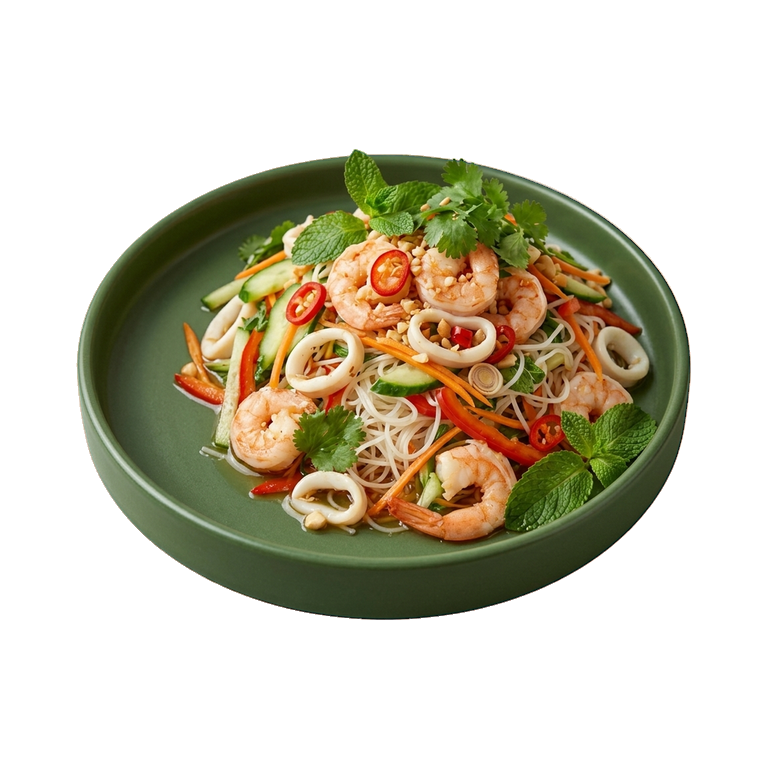
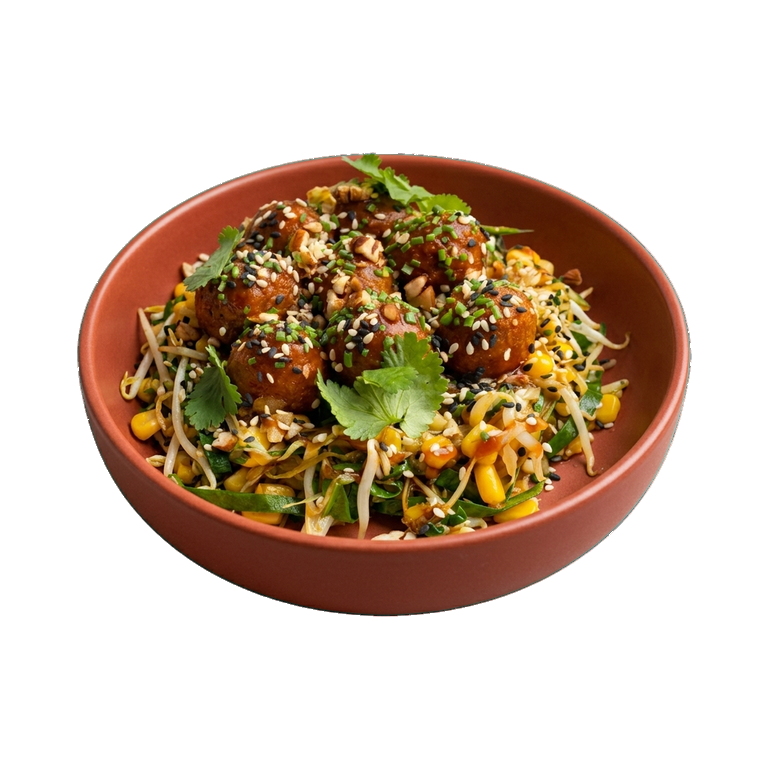
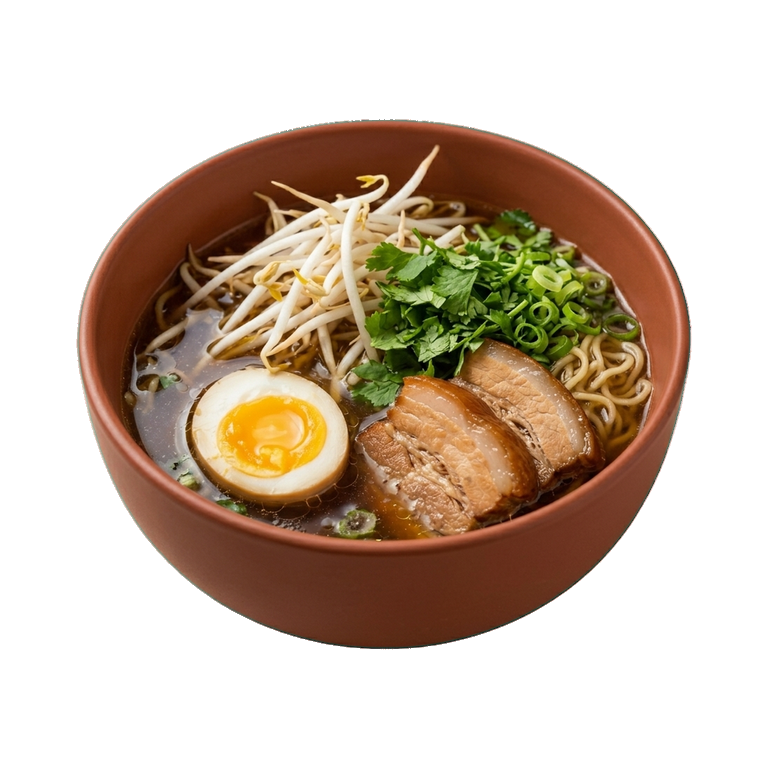
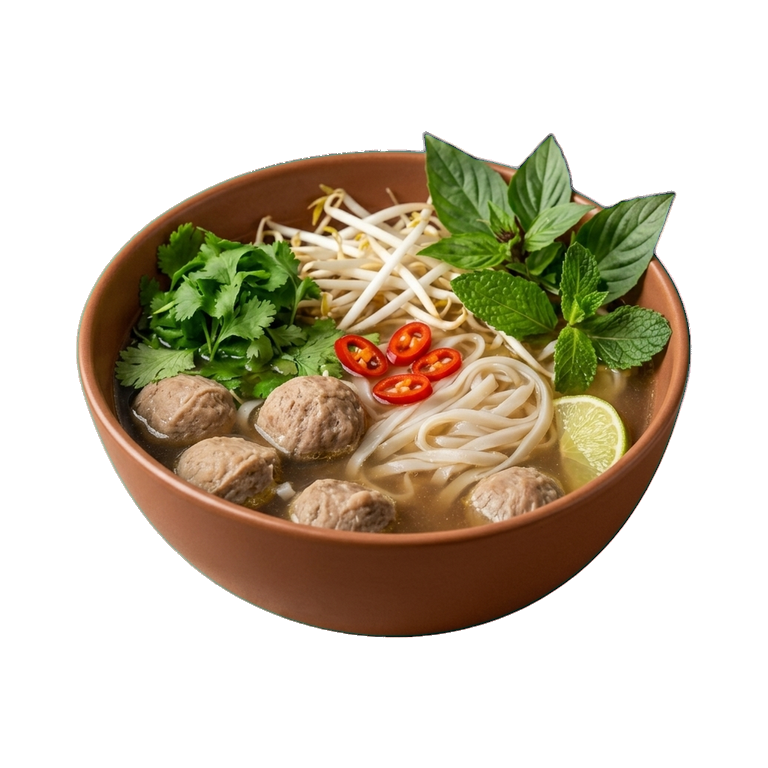
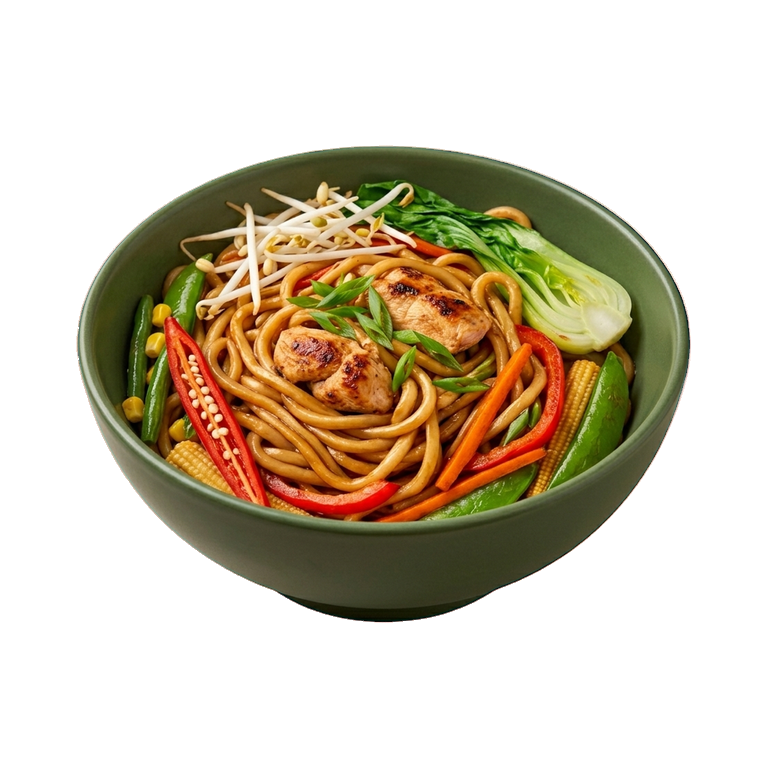
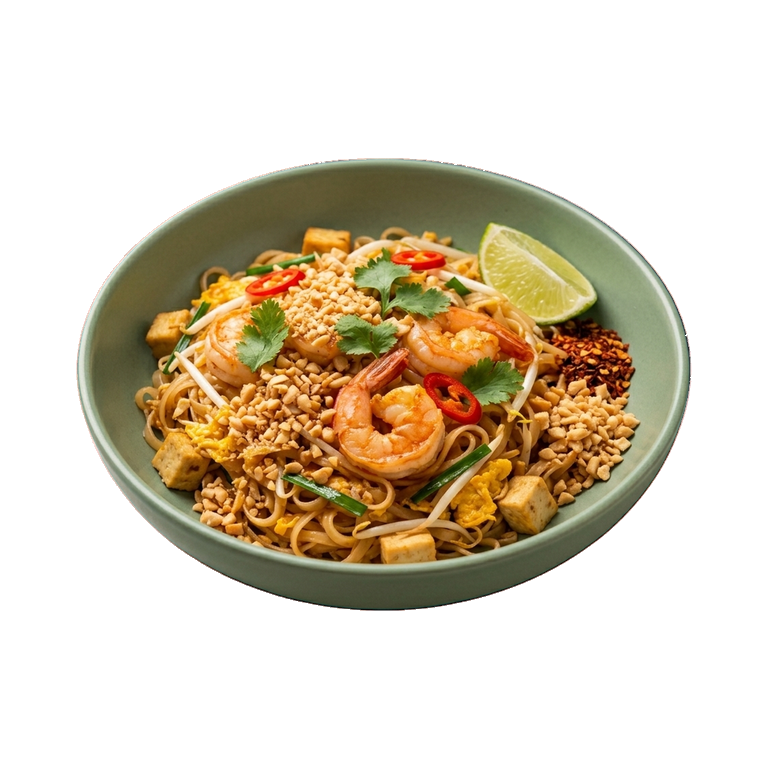
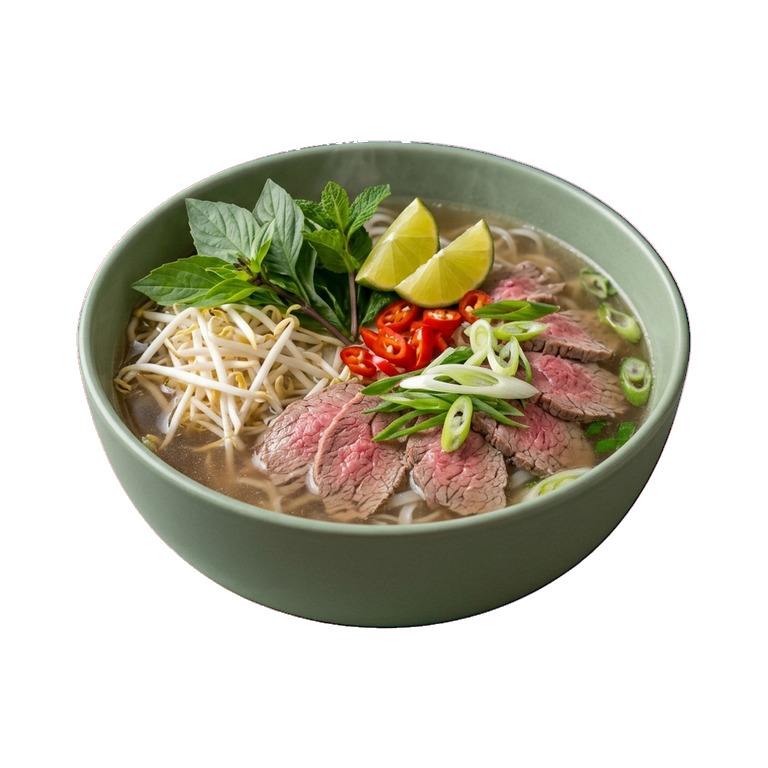
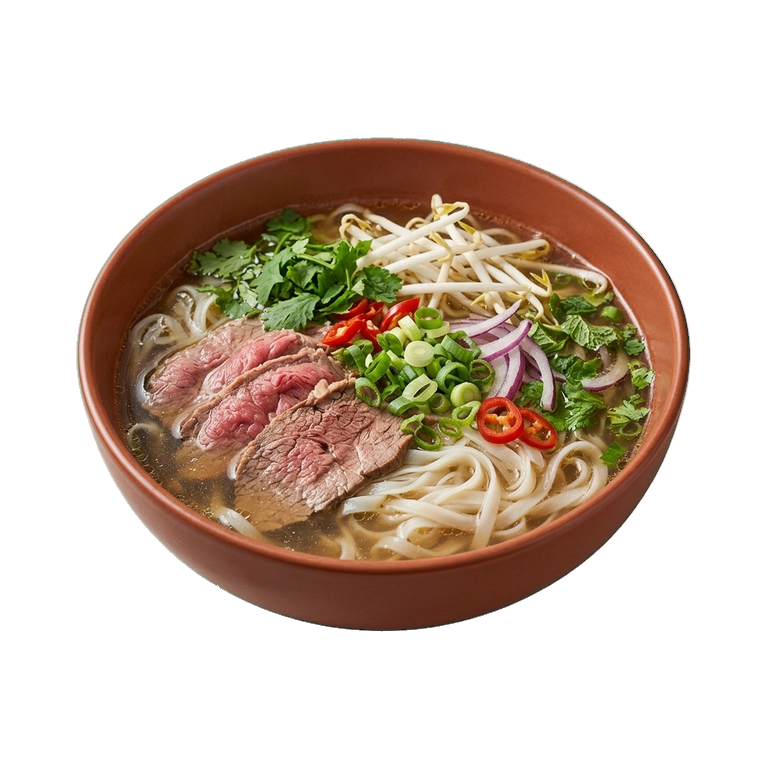
- In Asian soups and noodles, sprouts are added at the last moment to keep them crispy
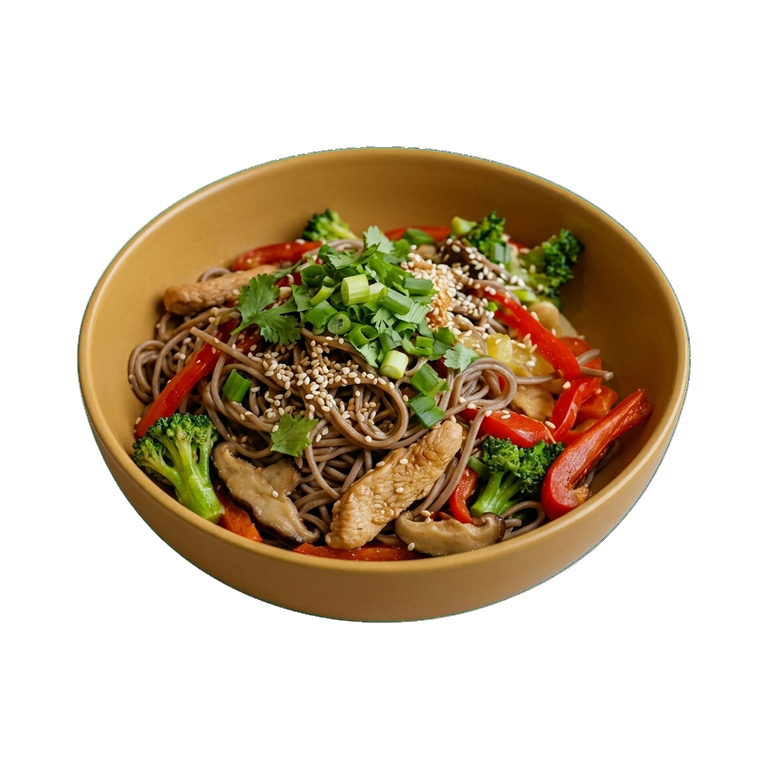
- In stir-frying (wok or pan) they serve as one of the last components — literally half a minute before serving
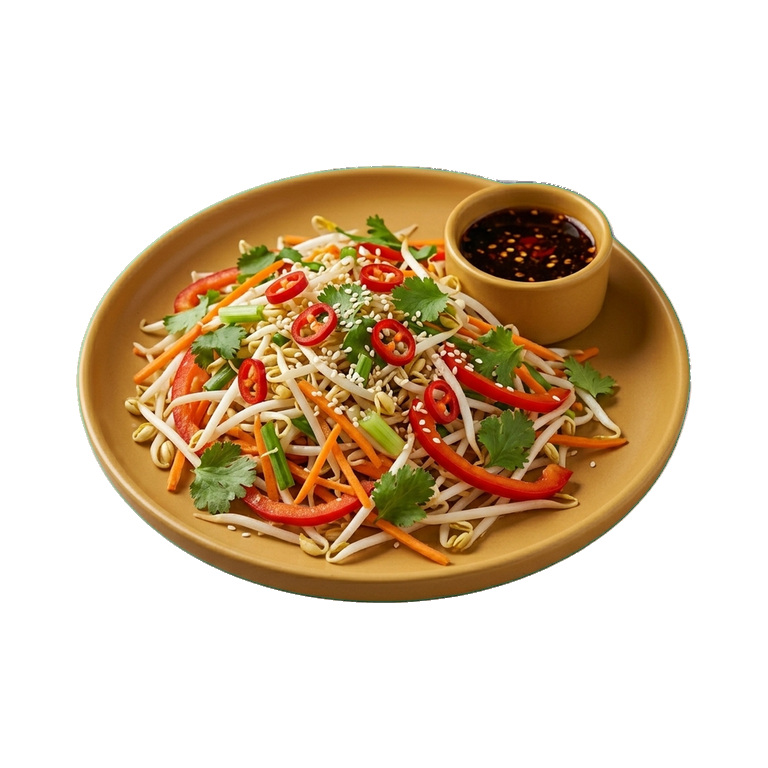
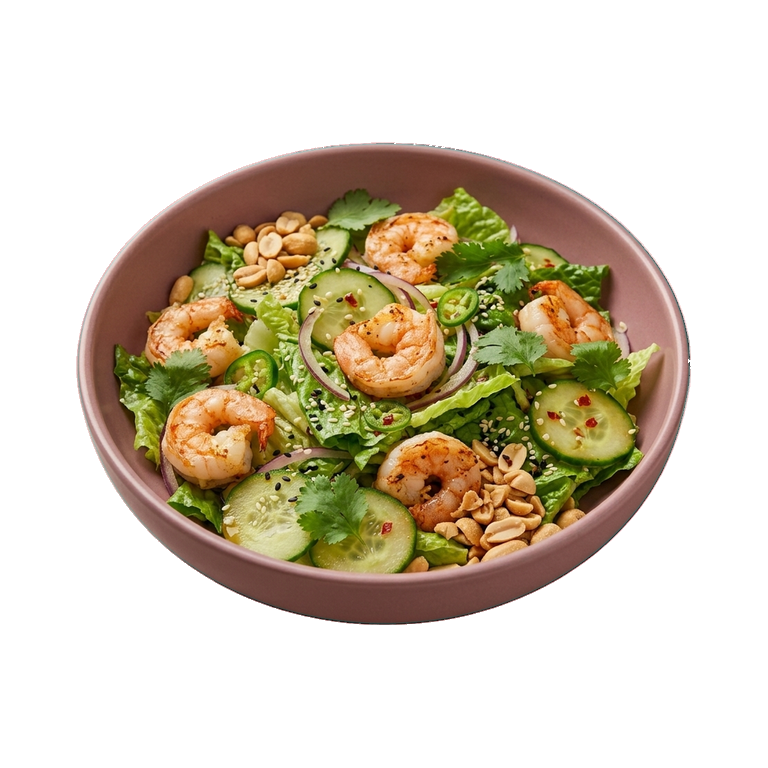
- In salads and appetizers, bean sprouts are the main crispy element that replaces or complements cabbage
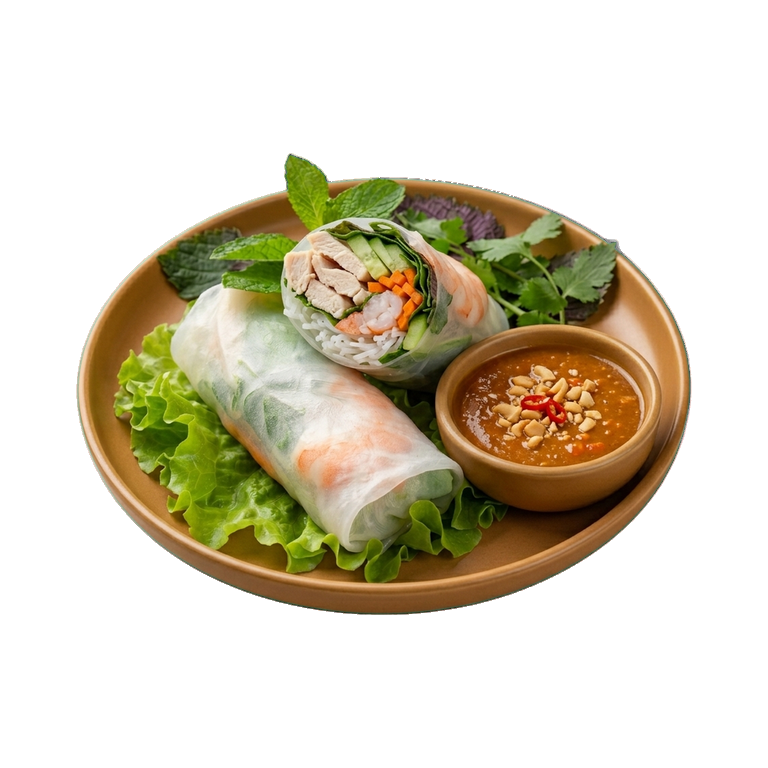
- In sushi and rolls they add freshness and contrasting texture
- In sandwiches and wraps, sprouts create a sense of lightness and naturalness
What it pairs with
Bean sprouts work well with spicy and sour sauces — soy sauce, vinegar, lemon juice, ginger, and garlic. They don't conflict with fish, seafood, or meat. They pair beautifully with vegetables, especially carrots, cucumbers, and bell peppers. If you're preparing a dish based on rice or noodles, bean sprouts are an almost essential component for fullness of flavor and texture.
Selection and Storage
When purchasing, pay attention to the color: sprouts should be white or light yellow, without darkening or slime. They should not smell like mold or acid. Fresh sprouts crunch when pressed. If you see sprouts with brownish tips or soft consistency — this is a sign of aging.
Store bean sprouts in the refrigerator in an airtight package or container — they quickly lose moisture and become wilted. Ideally, use them within 3–5 days after purchase. Before using, rinse them with cold water and pat dry slightly with a paper towel. Freezing sprouts is not recommended: they will lose their crunchiness and become watery when thawed.
Practical tip
If you are cooking a hot dish, add sprouts in the last minute — this way they will retain their crunch and vitamins. For cold dishes, you can briefly blanch them with boiling water (literally for 30 seconds) for additional safety, but this is not necessary if the sprouts look fresh and of good quality.
Nutrition
per 100 g
- Calories
- 30 kcal
- Protein
- 2.9 g
- Fat
- 0.2 g
- Carbs
- 5.2 g
Micronutrients
per 100 g
Macronutrients
- Fiber
- 1.1 g
- Saturated fat
- 0.929 g
- Monounsaturated fat
- 1.518 g
- Polyunsaturated fat
- 3.783 g
- Cholesterol
- 0 mg
- Water
- 69.05 g
Minerals
- Sodium
- 14 mg
- Potassium
- 484 mg
- Calcium
- 67 mg
- Magnesium
- 72 mg
- Phosphorus
- 164 mg
- Iron
- 2.1 mg
- Zinc
- 1.17 mg
- Copper
- 0.43 mg
- Manganese
- 0.7 mg
- Selenium
- 0.6 mcg
Vitamins
- Vitamin A (RAE)
- 1 mcg
- Vitamin D
- 0 mcg
- Vitamin C
- 15.3 mg
- Vitamin B1 (thiamin)
- 0.34 mg
- Vitamin B2 (riboflavin)
- 0.12 mg
- Vitamin B3 (niacin)
- 1.15 mg
- Vitamin B5 (pantothenic acid)
- 0.93 mg
- Vitamin B6
- 0.18 mg
- Vitamin B9 (folate, DFE)
- 172 mcg
- Vitamin B12
- 0 mcg
Measures and weight
- 1 tbsp
- 5.3 g
- 1 tsp
- 1.8 g
- 1 cup
- 87.5 g
Measure calculator
- Weight
- 100 g
- Calories
- 30 kcal