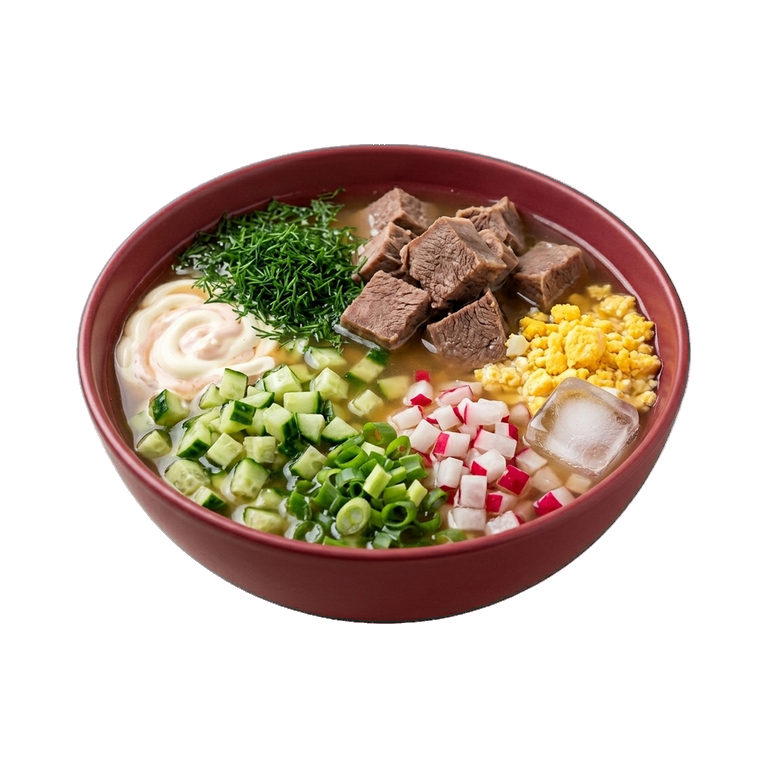
Usuba
Usuba
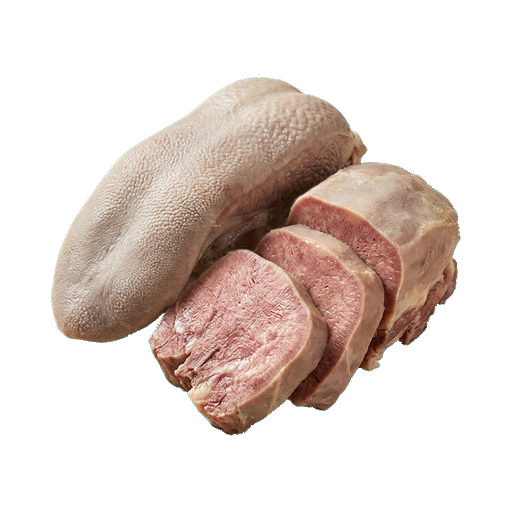
Boiled beef tongue
Boiled beef tongue is a tender meat product with a soft, almost creamy texture and delicate beef flavor. It is used in cold appetizers, salads, pâtés, and as a standalone dish served with sour cream or spicy sauces. When selecting, pay attention to uniform color and absence of odor — fresh tongue should have a pleasant meaty aroma without any off-flavors.
Micronutrients
per 100 g
Minerals
About
Boiled beef tongue is a delicacy that is often underestimated by novice cooks. In fact, it is one of the most rewarding products for the kitchen: tender meat with a soft texture that is easy to slice and combine with different sauces and side dishes. After boiling, the tongue acquires a delicate flavor without harsh meat notes, making it a versatile ingredient for cold appetizers, hot dishes, and even sandwiches.
Taste and Texture
Boiled tongue has a tender, slightly sweet taste with a deep meaty base. The texture is dense but soft — the meat cuts easily even into thin slices. If the tongue is boiled properly, it contains no tendons or cartilage, which significantly simplifies its use. The skin, which is removed after boiling, separates easily, leaving clean, ready-to-eat meat.
Where to use in cooking
- Cold appetizers and assortments: slice thinly and serve with mustard, horseradish or hot sauce
- Sandwiches and subs: tongue holds its shape well and doesn't fall apart when sliced
- Hot dishes: add to stews, braised vegetables or meat soups
- Salads: cubes or slices of tongue pair perfectly with vegetables and spicy dressings
- Pâtés and terrines: tongue serves as the base for delicate meat pâtés
Best Combinations
Boiled tongue works well with sharp and sour sauces: mustard, horseradish, vinegar dressings, and sour cream with spices perfectly highlight its mild flavor. Potatoes, sauerkraut, and pickled vegetables are suitable as side dishes. Tongue loves black pepper, cumin, bay leaf, and juniper from spices — add them during cooking or to the sauce. Parsley and dill pair well with it as herbs.
Selection and Storage
A finished boiled tongue should be dense, odorless, with a uniform pinkish or light brown color. If you are cooking the tongue yourself, choose a fresh product without damage or odor. After cooking, the tongue is stored in the refrigerator for up to four days in an airtight package or container. You can also freeze it for several months — thaw in the refrigerator before use.
If you are cooking tongue for the first time, don't be intimidated by its appearance before cooking. After processing and boiling, it will transform into tender, culinary-friendly meat that will open up new possibilities for menu planning.
Nutrition
per 100 g
- Calories
- 150 kcal
- Protein
- 20 g
- Fat
- 7 g
- Carbs
- 0 g
Micronutrients
per 100 g
Macronutrients
- Fiber
- 0 g
- Sugars
- 0 g
- Saturated fat
- 7.019 g
- Monounsaturated fat
- 6.63 g
- Polyunsaturated fat
- 0.715 g
- Omega-3 (EPA + DHA)
- 0.028 g
- Cholesterol
- 105 mg
- Water
- 56.95 g
Minerals
- Sodium
- 57 mg
- Potassium
- 189 mg
- Calcium
- 5 mg
- Magnesium
- 17 mg
- Phosphorus
- 157 mg
- Iron
- 2.52 mg
- Zinc
- 4.2 mg
- Copper
- 0.16 mg
- Manganese
- 0.01 mg
- Selenium
- 3.9 mcg
Vitamins
- Vitamin A (RAE)
- 12 mcg
- Vitamin D
- 0.3 mcg
- Vitamin E
- 0.95 mg
- Vitamin C
- 0 mg
- Vitamin B1 (thiamin)
- 0.06 mg
- Vitamin B2 (riboflavin)
- 0.23 mg
- Vitamin B3 (niacin)
- 2.58 mg
- Vitamin B5 (pantothenic acid)
- 0.71 mg
- Vitamin B6
- 0.07 mg
- Vitamin B12
- 4 mcg
Measures and weight
- 1 slice
- 20 g
Measure calculator
- Weight
- 100 g
- Calories
- 150 kcal