Usuba
Usuba
White beans
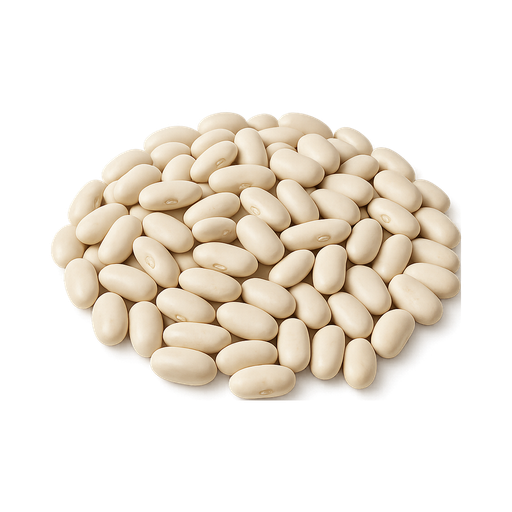
White beans are large legumes with a tender, creamy texture and a mild, slightly sweet flavor. After cooking, they absorb sauces and spices well, making them ideal for soups, stews, pâtés, and side dishes. When selecting, prefer beans without cracks and dark spots, and soak them for several hours before cooking to reduce cooking time and improve digestibility.
Micronutrients
per 100 g
Minerals
About
White beans are a versatile kitchen helper that works equally well in soups, side dishes, and salads. Their delicate texture and mild, almost neutral flavor allow them to absorb the aromas of neighboring ingredients without overpowering them. This makes them an ideal choice for experimentation: they are equally suitable in traditional dishes and in modern interpretations.
Taste and texture
When cooked properly, white beans become creamy inside while maintaining the integrity of the grain. The taste is delicate, slightly sweet, with earthy notes. This quality is especially valuable in purees and creamy soups — beans easily transform into a smooth mass, enriching the dish with texture and nutrition without an obtrusive aftertaste.
How to cook
Dry beans should be soaked overnight or at least for 4–6 hours — this reduces cooking time and improves digestibility. After soaking, drain the water, rinse the beans, and cook them in fresh water for 40–60 minutes until soft. It's better to salt at the end of cooking to prevent the beans from cracking. If you're in a hurry, canned white beans are a ready-made option: just rinse and add them to the dish.
What pairs well with it
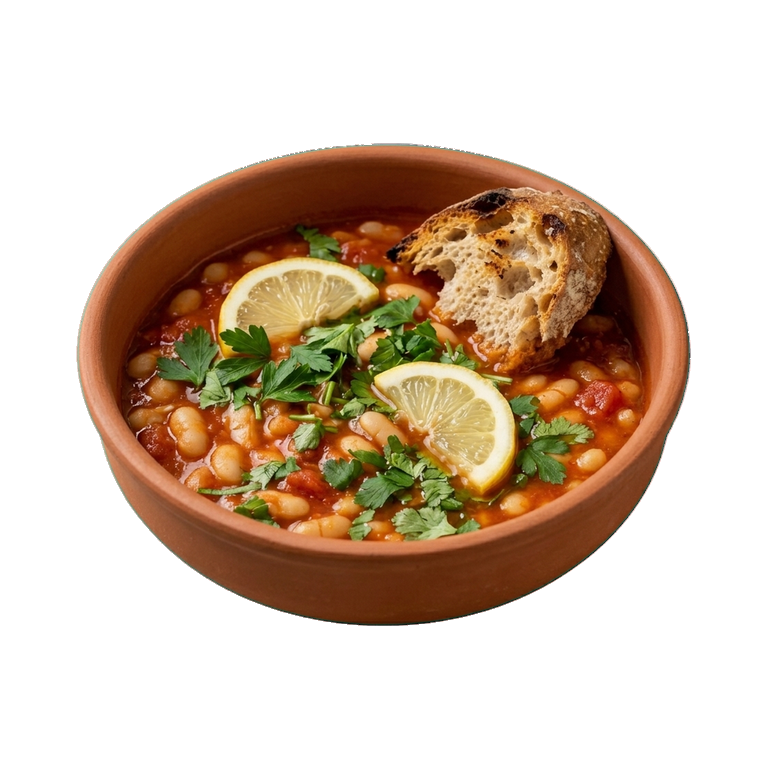
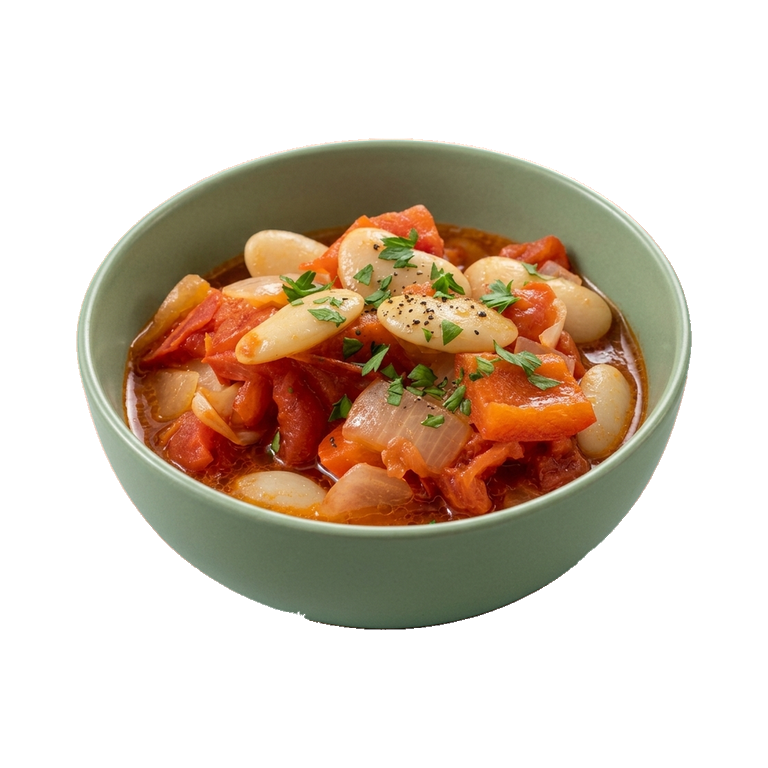
- Tomatoes, garlic, herbs (rosemary, thyme) — a classic trio for soups and stews
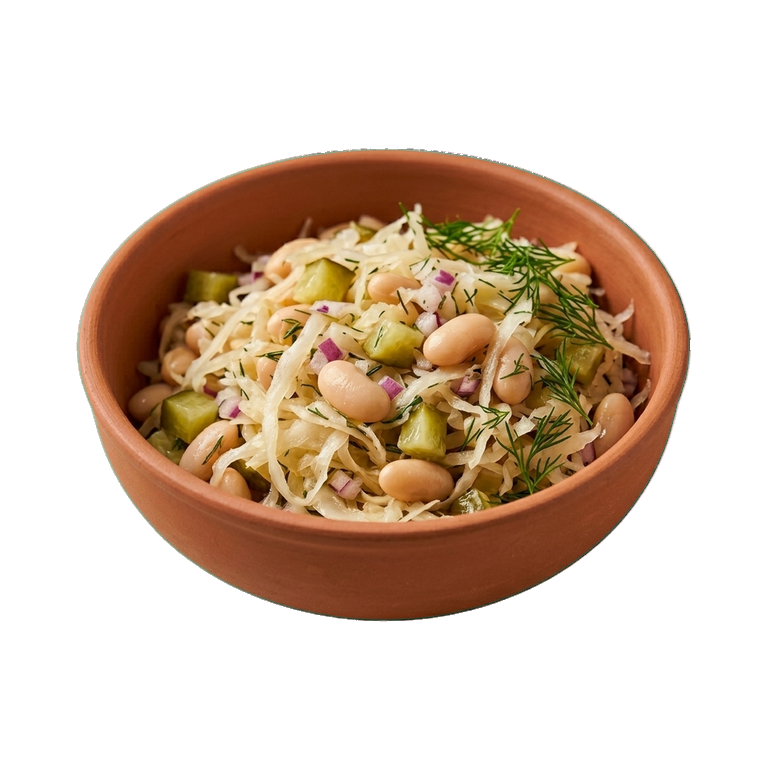
- Olive oil and lemon — for light salads and appetizers
- Butter and cream — for creamy side dishes
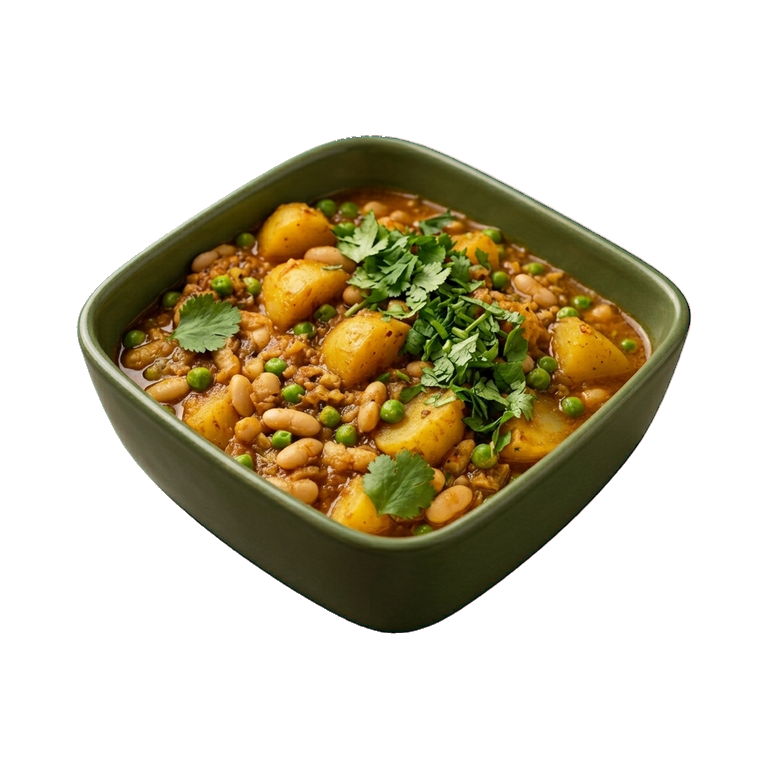
- Hot spices (paprika, cayenne pepper) — for rich dishes
- Seafood and white wine — for more delicate combinations
Selection and Storage
When purchasing dry beans, pay attention to color uniformity — the grains should be clean, without cracks and dark spots. Store them in an airtight container in a cool, dry place; if storage conditions are maintained, beans retain their quality for a year or longer. Keep canned beans in a pantry at room temperature until the expiration date; after opening the can, store in the refrigerator for no more than 3–4 days.
White beans are not just a source of protein and fiber, they are an ingredient that makes a dish more satisfying and interesting. Their softness and neutrality allow them to adapt to any culinary style, from homemade soups to restaurant experiments.
Nutrition
per 100 g
- Calories
- 123 kcal
- Protein
- 8.7 g
- Fat
- 0.4 g
- Carbs
- 22.3 g
Micronutrients
per 100 g
Macronutrients
- Fiber
- 15.2 g
- Sugars
- 2.11 g
- Saturated fat
- 0.219 g
- Monounsaturated fat
- 0.074 g
- Polyunsaturated fat
- 0.364 g
- Omega-3 (EPA + DHA)
- 0 g
- Cholesterol
- 0 mg
- Water
- 11.32 g
Minerals
- Sodium
- 16 mg
- Potassium
- 1795 mg
- Calcium
- 240 mg
- Magnesium
- 190 mg
- Phosphorus
- 301 mg
- Iron
- 10.44 mg
- Zinc
- 3.67 mg
- Copper
- 0.98 mg
- Manganese
- 1.8 mg
- Selenium
- 12.8 mcg
Vitamins
- Vitamin A (RAE)
- 0 mcg
- Vitamin D
- 0 mcg
- Vitamin E
- 0.21 mg
- Vitamin K
- 5.6 mcg
- Vitamin C
- 0 mg
- Vitamin B1 (thiamin)
- 0.44 mg
- Vitamin B2 (riboflavin)
- 0.15 mg
- Vitamin B3 (niacin)
- 0.48 mg
- Vitamin B5 (pantothenic acid)
- 0.73 mg
- Vitamin B6
- 0.32 mg
- Vitamin B9 (folate, DFE)
- 388 mcg
- Vitamin B12
- 0 mcg
Measures and weight
- 1 tbsp
- 12 g
- 1 tsp
- 4 g
- 1 cup
- 200 g
- 1 can
- 400 g
Measure calculator
- Weight
- 100 g
- Calories
- 123 kcal