Usuba
Usuba
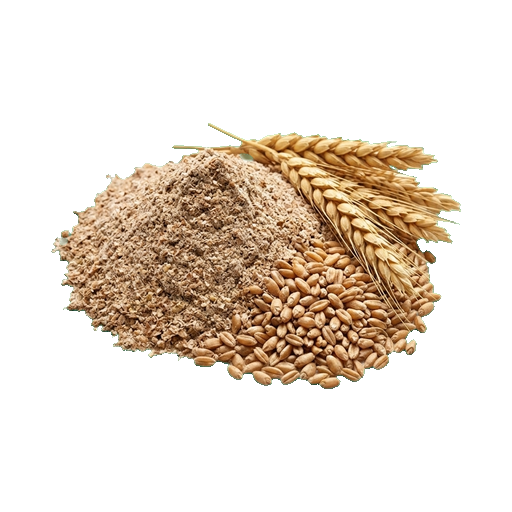
Whole wheat flour
Whole grain flour contains all parts of the grain — bran, germ, and endosperm, which gives it a more robust, slightly nutty flavor and dense consistency. It is rich in fiber and nutrients, but absorbs more liquid than refined flour, so when substituting, you need to increase the amount of liquid in the dough by 10–15 percent. Whole grain flour is best stored in the refrigerator, as the oils it contains oxidize faster, and it is suitable for bread, pancakes, cookies, and other baked goods with a coarser texture.
Micronutrients
per 100 g
Minerals
About
Whole grain flour is not just an alternative to white flour, but a completely different ingredient with its own character. It retains the bran and germ of the grain, which makes it denser, darker, and much more nutritious. When working with such flour, you need to understand its characteristics: it absorbs more liquid, rises more slowly during fermentation, and requires a different approach to kneading.
Taste and Aroma
The main difference is a pronounced nutty, slightly sweet taste. This is not masked and does not disappear during baking, so the flour works best in dishes where this flavor is appropriate. In sweet baked goods, it creates an interesting depth, and in bread it becomes even more noticeable. The aroma unfolds even more strongly when heated — notes of grain and earth appear.
How to cook it
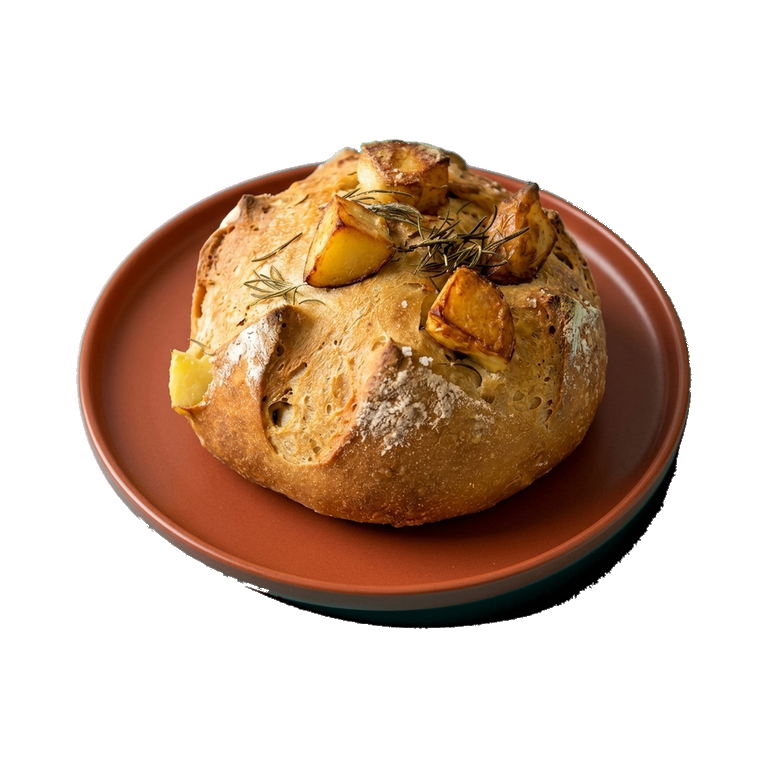
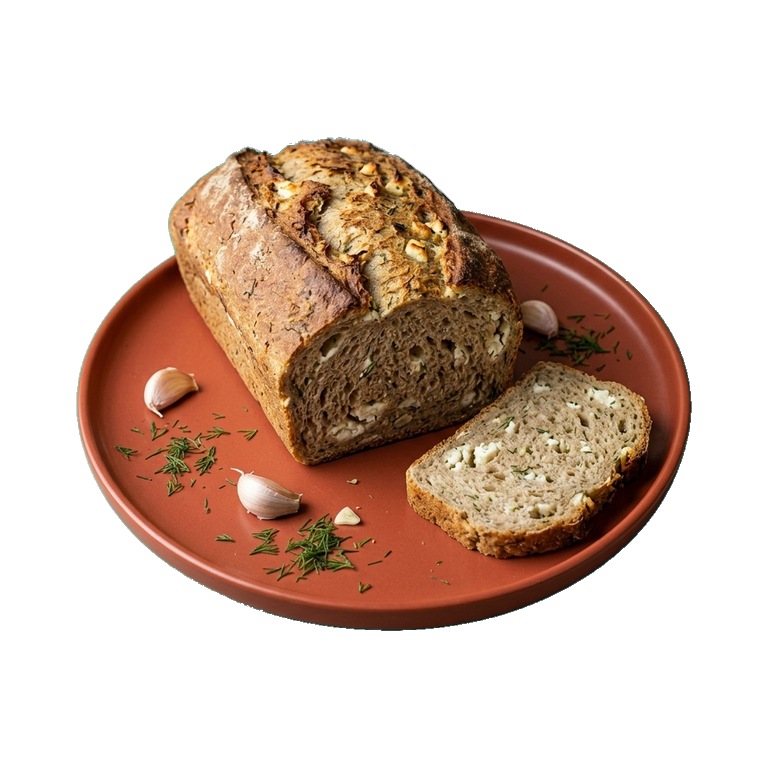
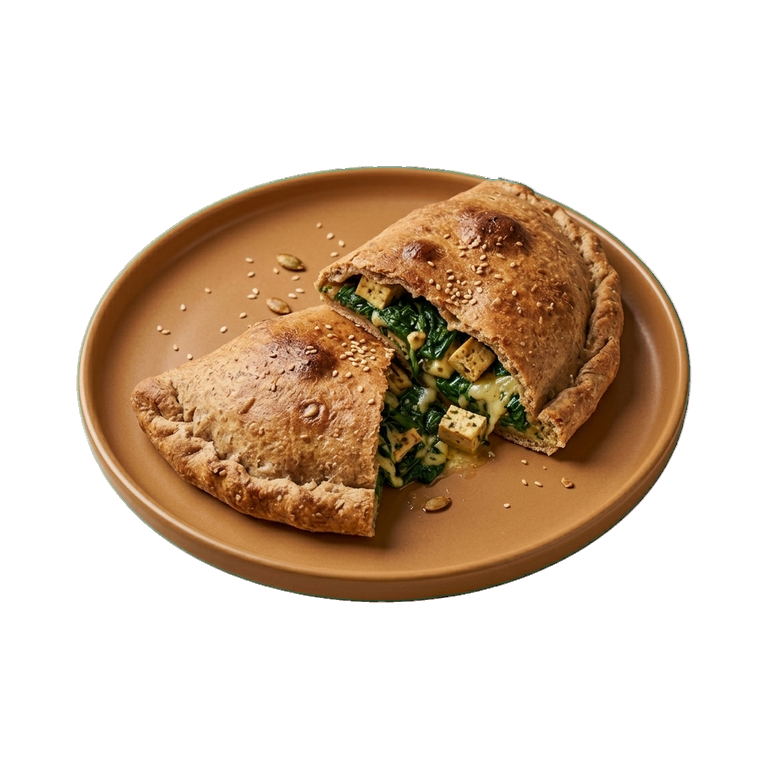
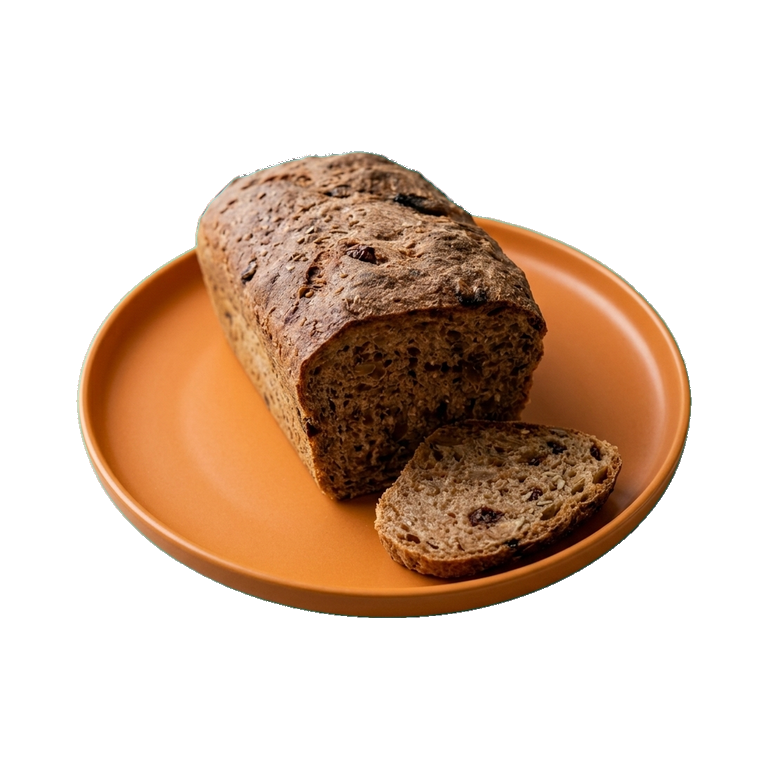
Whole grain flour is rarely used in its pure form — it is usually mixed with white flour in a ratio of 30 to 70 percent depending on the recipe and desired result. For bread and rolls, it is ideal in a blend: it provides structure and flavor without making the dough heavy. In cookies and pies, it is added for texture and nutritional value. Dough made with such flour needs to be kneaded a bit longer to allow the gluten to develop properly.
Practical Tips
- When kneading, add 10–15 percent more liquid than specified in the recipe for white flour — bran absorbs water more actively
- Give the dough more time to ferment: whole grain flour ferments more slowly, but the result will be more pronounced
- Store in an airtight container in a cool place or in the freezer — fats in the bran oxidize faster than in white flour
- For best results, sift the flour before using to avoid lumps and distribute the bran evenly
What to pair it with
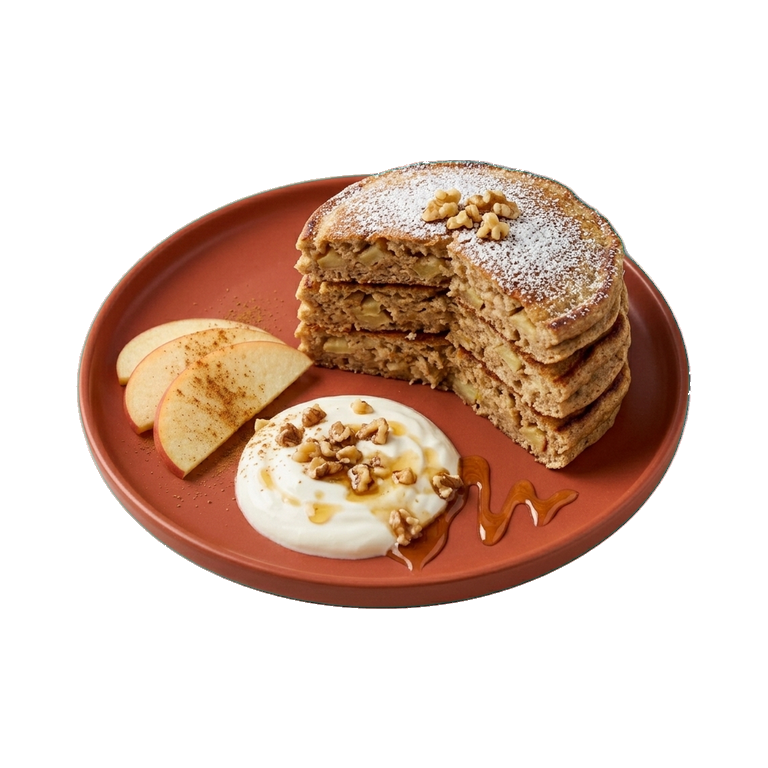
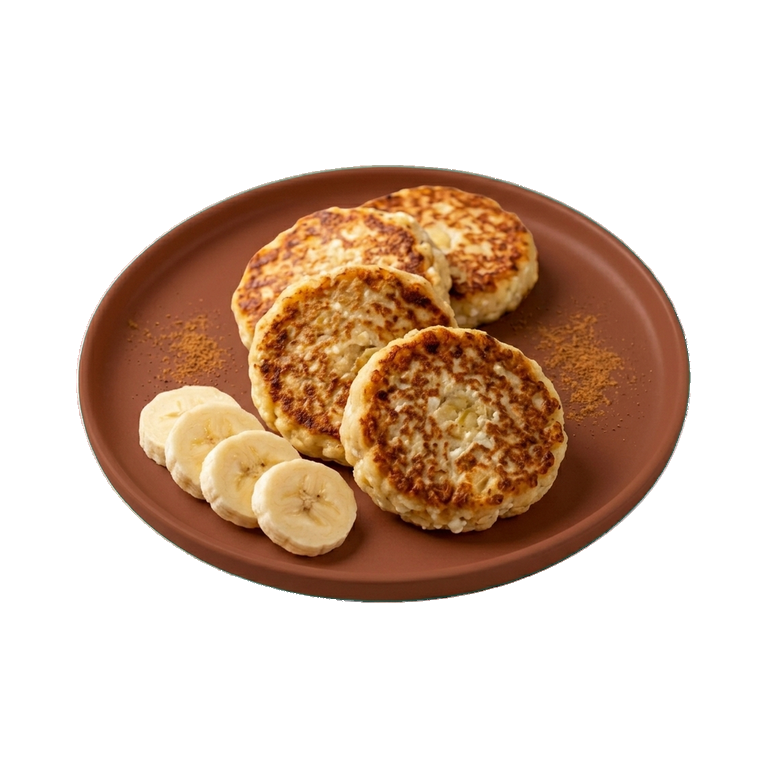
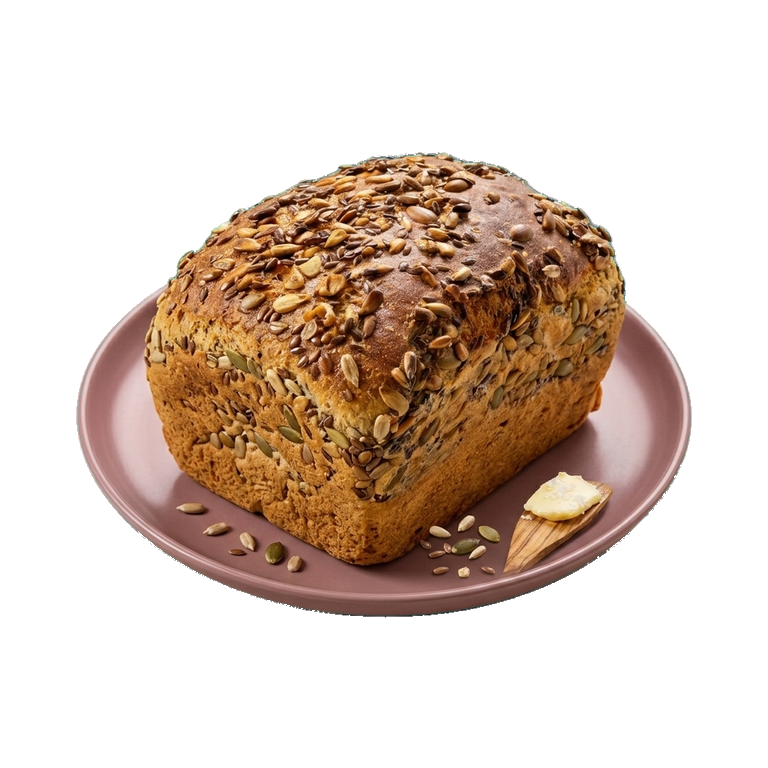
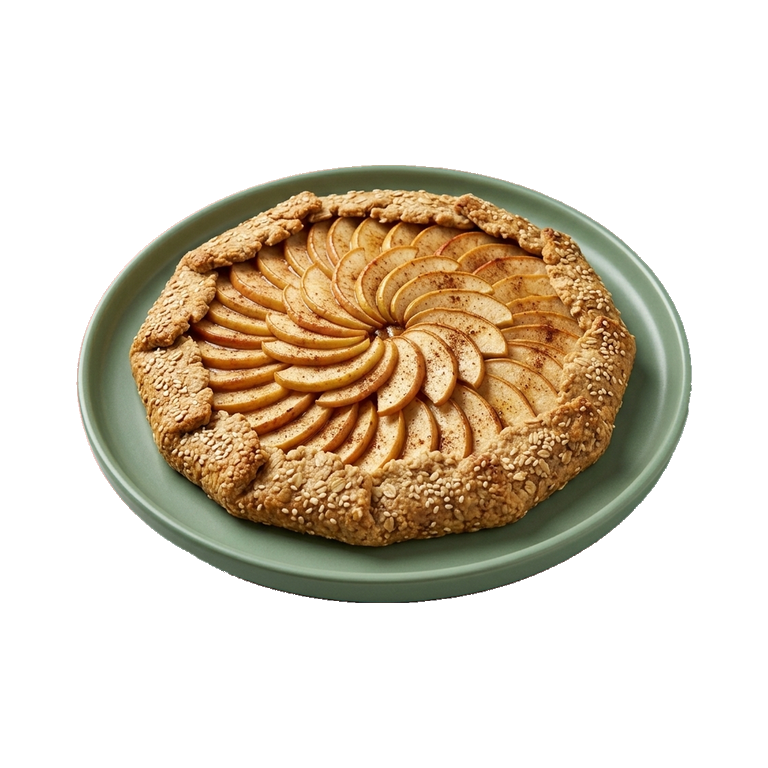
The nutty flavor of whole grain flour pairs well with honey, cinnamon, cardamom, and other warm spices. Add sunflower, flax, or pumpkin seeds to your bread — they highlight its natural quality. It works excellently with dark chocolate, nuts, and dried fruits. For balance, use dairy products — kefir or yogurt — they soften the density and add moisture.
Whole grain flour demands respect for its nature, but rewards you with more interesting flavor, better texture, and real nutritional value. Start by adding small amounts to your familiar recipes to feel how it changes the result, and then boldly experiment further.
Nutrition
per 100 g
- Calories
- 340 kcal
- Protein
- 13.7 g
- Fat
- 2.4 g
- Carbs
- 69.2 g
Micronutrients
per 100 g
Macronutrients
- Fiber
- 10.6 g
- Water
- 9.44 g
Minerals
- Sodium
- 3 mg
- Potassium
- 376 mg
- Calcium
- 38 mg
- Magnesium
- 136 mg
- Phosphorus
- 352 mg
- Iron
- 3.86 mg
- Zinc
- 3.24 mg
- Copper
- 0.45 mg
- Manganese
- 3.56 mg
- Selenium
- 23.6 mcg
Vitamins
- Vitamin B1 (thiamin)
- 0.5 mg
- Vitamin B2 (riboflavin)
- 0.13 mg
- Vitamin B3 (niacin)
- 5.55 mg
- Vitamin B6
- 0.27 mg
Measures and weight
- 1 tbsp
- 8.3 g
- 1 tsp
- 2.8 g
- 1 cup
- 137.5 g
Measure calculator
- Weight
- 100 g
- Calories
- 340 kcal