Usuba
Usuba
Artichokes
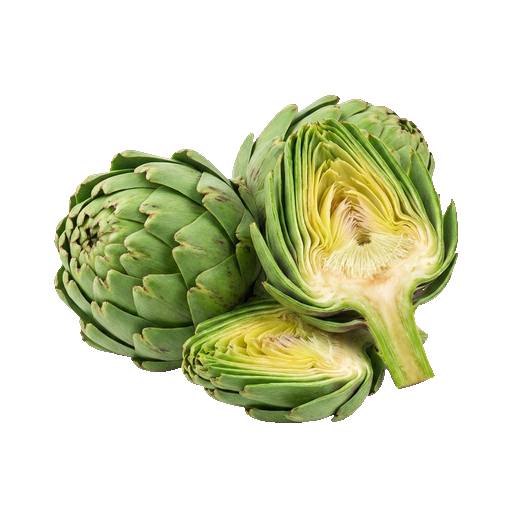
Artichokes are flower buds of plants from the Asteraceae family with fleshy scales and a tender heart-shaped base, possessing a slightly sweet, nutty flavor with a subtle bitterness. In cooking, young, firm artichoke heads are used, which are boiled, fried, stewed, or eaten raw in salads; the fleshy bases of the leaves and especially the tender bottom are edible. When selecting, look for artichokes with tight, bright-green scales without darkening or brown spots, and as a substitute, you can use young shoots or hearts of other plants from the Asteraceae family.
Micronutrients
per 100 g
Minerals
Vitamins
About
Artichokes are vegetables that many people rarely cook simply because they're unfamiliar with them. In fact, they are one of the most rewarding ingredients: tender flesh, delicate flavor, versatility in the kitchen. If you've ever tried artichoke puree or canned hearts, then you know what we're talking about. Fresh artichokes are a completely different level.
Taste and Aroma
Young artichokes have a slightly sweet, nutty flavor with a barely noticeable bitterness. The aroma is delicate, herbaceous, and unobtrusive. When you cook an artichoke whole, the outer leaves are tougher and somewhat bitter, while the heart is soft and tender, almost like butter after cooking. Canned artichokes lose some of their aroma but retain their soft texture, which is convenient for quick dishes.
Role in Dishes
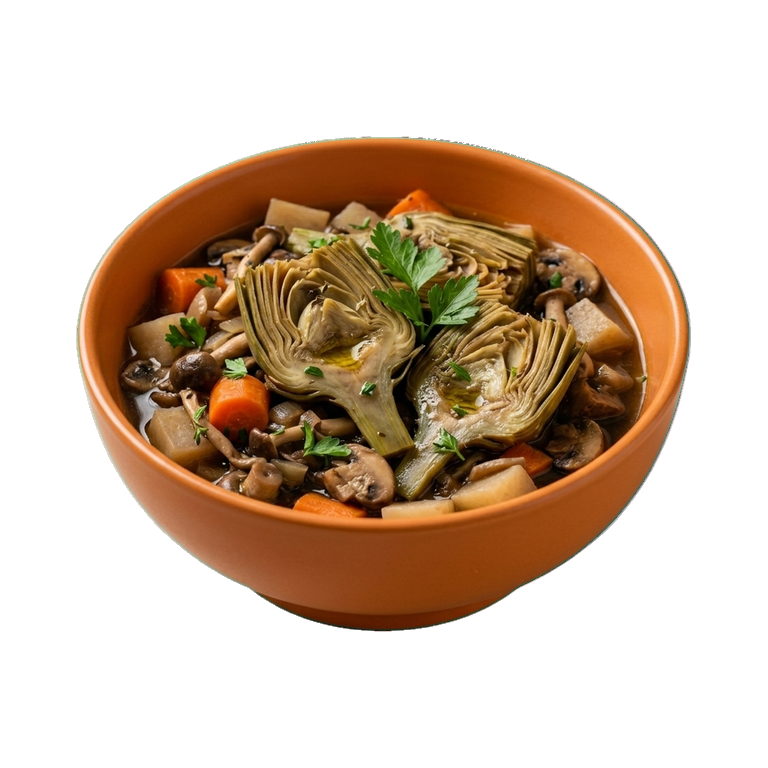
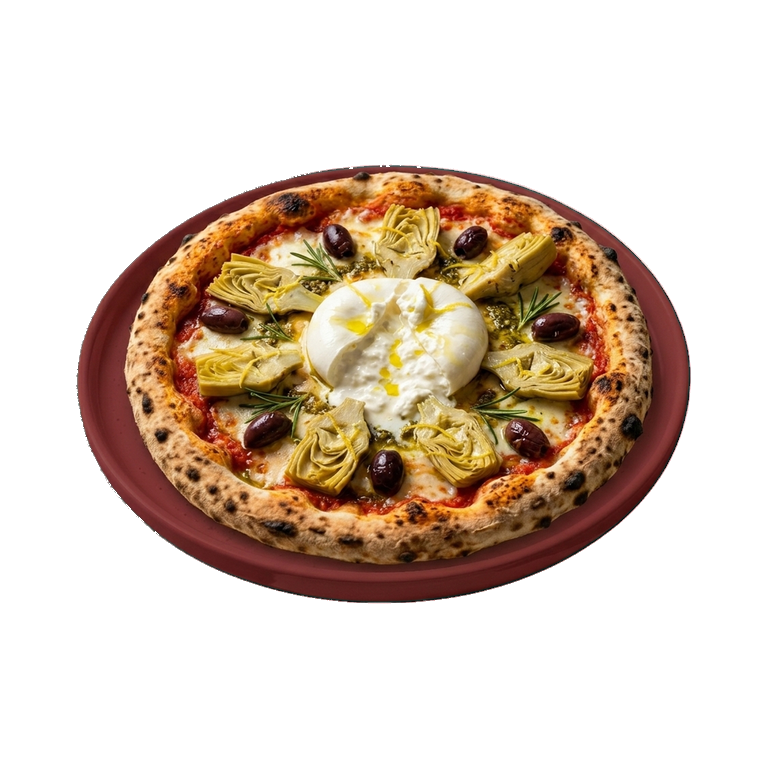
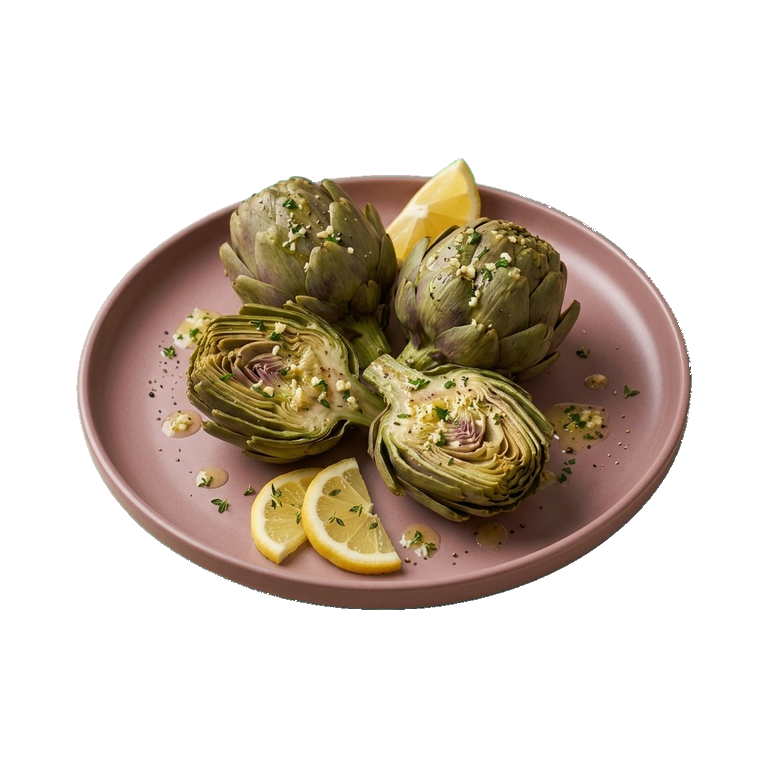
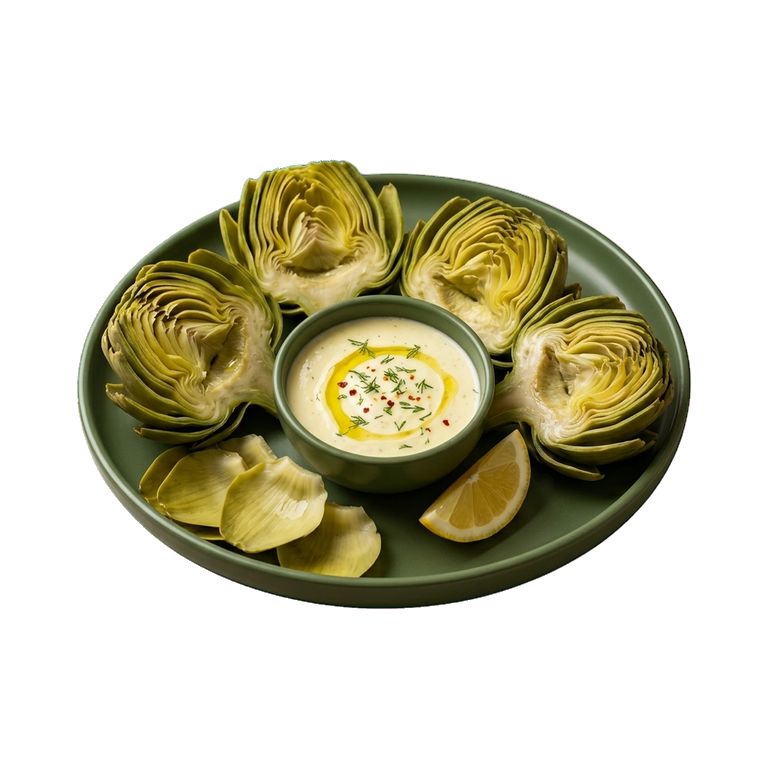
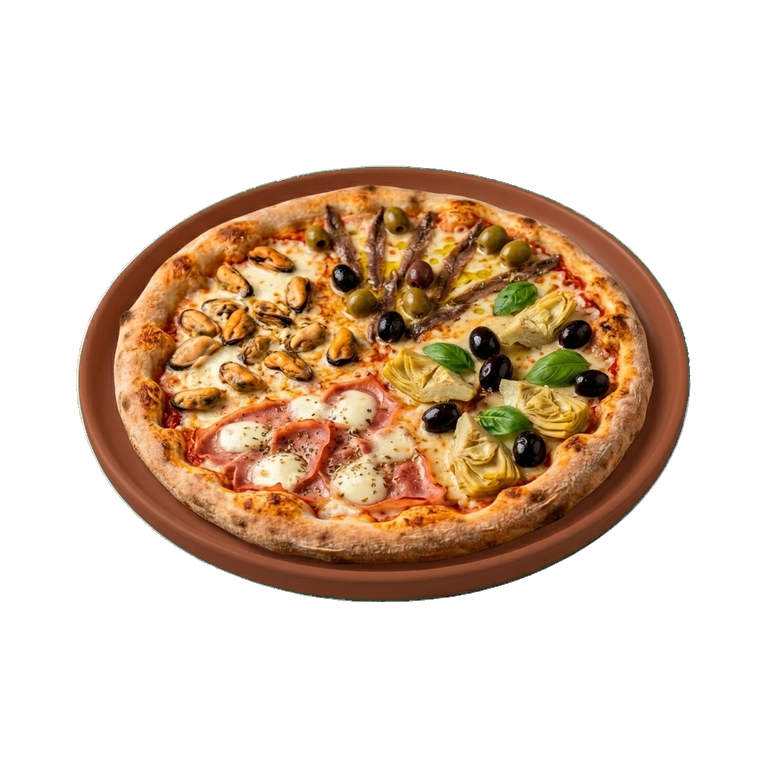
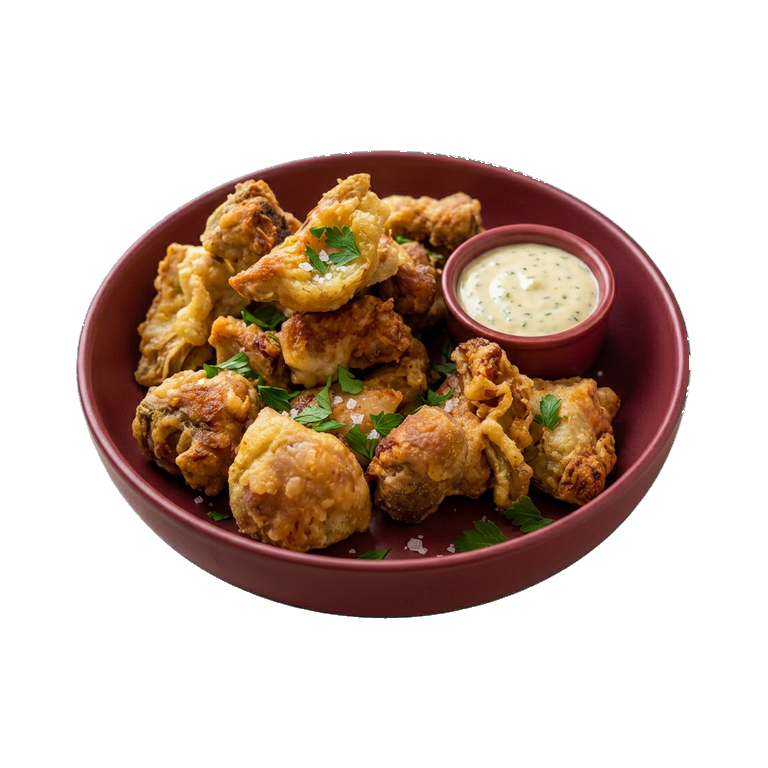
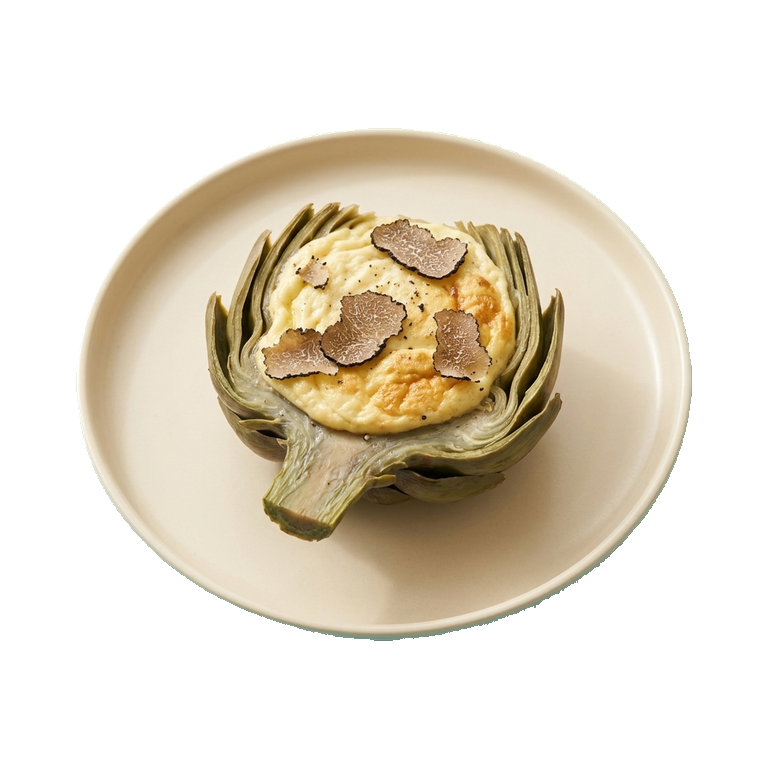
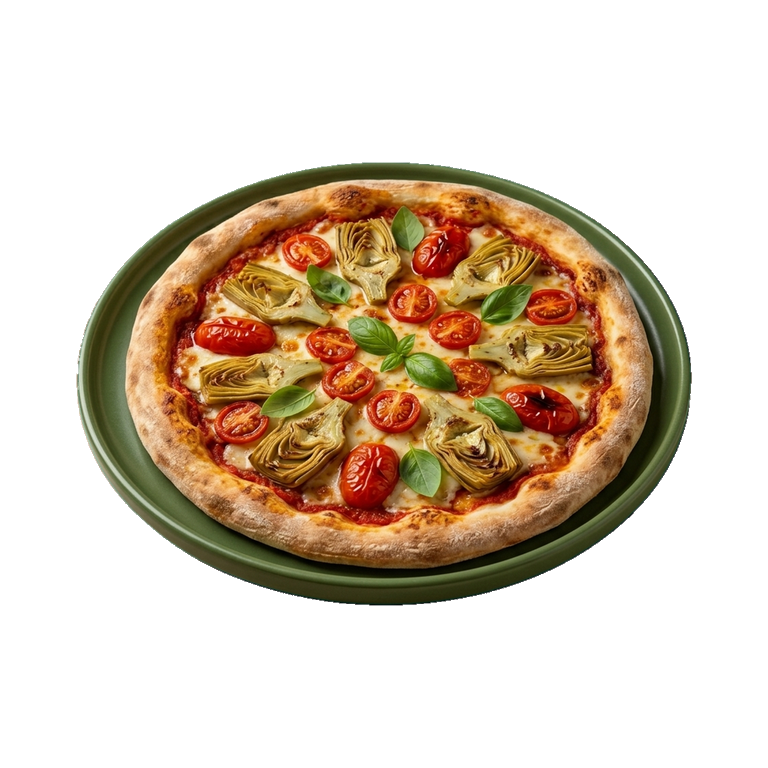
Artichokes work well in both hot and cold dishes. They can be boiled, fried, stewed, grilled, or even eaten raw (young varieties). A whole artichoke is a dish in itself when boiled and served with lemon butter or spicy sauce. The hearts are excellent in pasta, risotto, salads, pizza, and appetizers.
Successful Combinations
- Lemon and garlic — a classic duo that highlights the delicacy of artichoke
- Olive oil and Parmesan — for baked dishes
- Tomatoes and basil — for a Mediterranean accent
- White wine and herbs — for stewing
- Hot sauces and black pepper — if you want contrast
Selection and Storage
When selecting, pay attention to density and color: an artichoke should be heavy for its size, without dark spots and soft areas. The leaves are tightly pressed against each other — this is a sign of freshness. Young artichokes are smaller and more tender, while older ones require more cooking time and removal of tough fibrous core.
Fresh artichokes are stored in the refrigerator for up to a week in a plastic bag. If you bought canned or frozen hearts, they will last for months. Frozen artichokes are convenient for saving time, although fresh ones provide a more interesting texture.
If you are cooking an artichoke for the first time, start with a whole young specimen, boil it in salted water with lemon for 25–30 minutes and serve with melted butter. This is the best way to understand what you like about this vegetable.
Nutrition
per 100 g
- Calories
- 47 kcal
- Protein
- 3.3 g
- Fat
- 0.1 g
- Carbs
- 10.5 g
Micronutrients
per 100 g
Macronutrients
- Fiber
- 5.4 g
- Sugars
- 0.99 g
- Saturated fat
- 0.036 g
- Monounsaturated fat
- 0.005 g
- Polyunsaturated fat
- 0.064 g
- Omega-3 (EPA + DHA)
- 0 g
- Cholesterol
- 0 mg
- Water
- 84.94 g
Minerals
- Sodium
- 94 mg
- Potassium
- 370 mg
- Calcium
- 44 mg
- Magnesium
- 60 mg
- Phosphorus
- 90 mg
- Iron
- 1.28 mg
- Zinc
- 0.49 mg
- Copper
- 0.23 mg
- Manganese
- 0.26 mg
- Selenium
- 0.2 mcg
Vitamins
- Vitamin A (RAE)
- 1 mcg
- Vitamin D
- 0 mcg
- Vitamin E
- 0.19 mg
- Vitamin K
- 14.8 mcg
- Vitamin C
- 11.7 mg
- Vitamin B1 (thiamin)
- 0.07 mg
- Vitamin B2 (riboflavin)
- 0.07 mg
- Vitamin B3 (niacin)
- 1.05 mg
- Vitamin B5 (pantothenic acid)
- 0.34 mg
- Vitamin B6
- 0.12 mg
- Vitamin B9 (folate, DFE)
- 68 mcg
- Vitamin B12
- 0 mcg
Measures and weight
- 1 pcs
- 300 g
- 1 head
- 128 g
Measure calculator
- Weight
- 100 g
- Calories
- 47 kcal