Usuba
Usuba
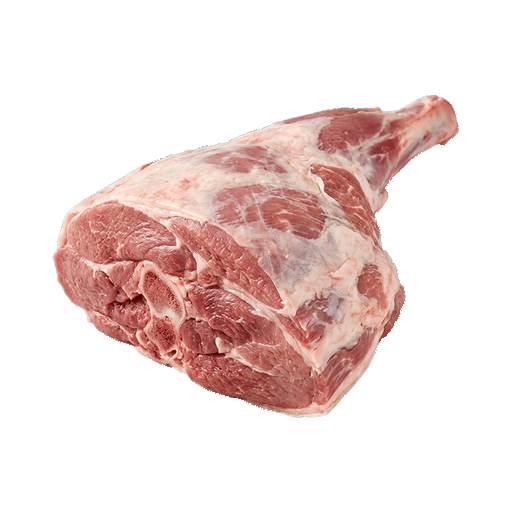
Lamb shoulder
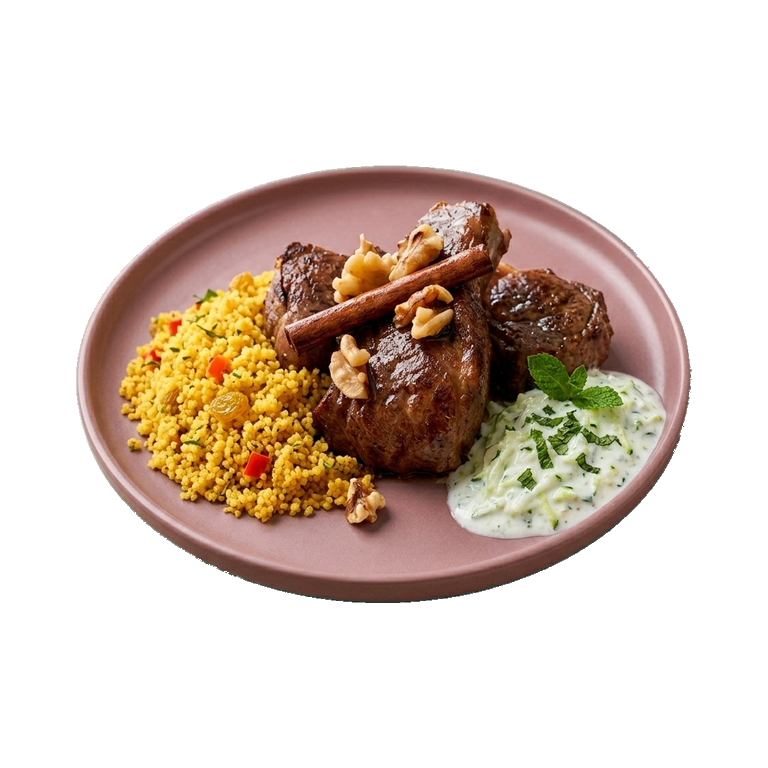
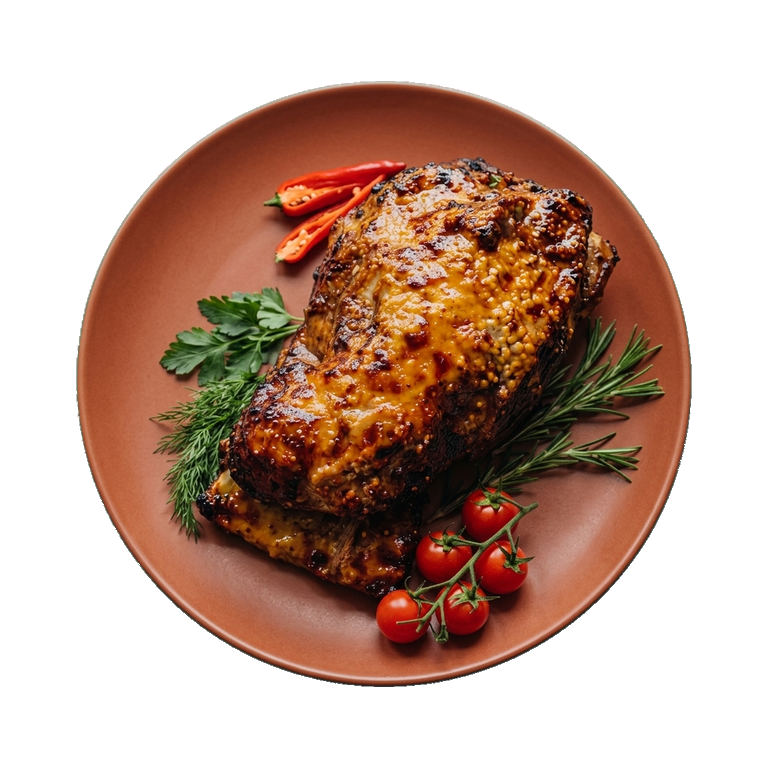
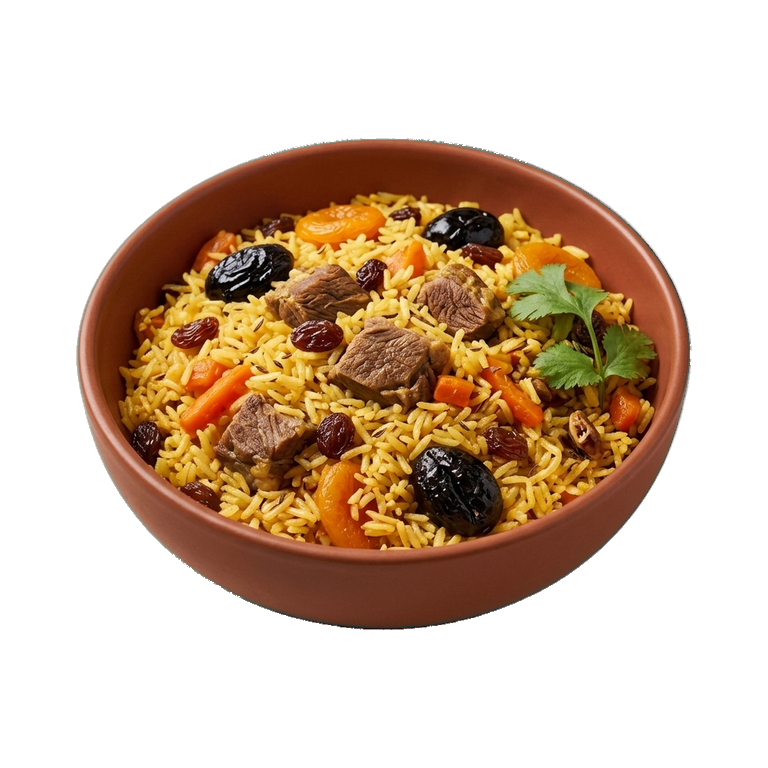
Lamb shoulder is a meat cut from the front part of the carcass, including the shoulder blade and surrounding meat with fat layers. This tough meat with a pronounced lamb flavor requires prolonged heat treatment: stewing, boiling, or slow roasting, during which connective tissue transforms into gelatin and the meat becomes tender. The shoulder readily absorbs spices and aromas, so it is often prepared with herbs, onions, and wine, used in pilaf, stews, soups, and traditional Eastern dishes.
Micronutrients
per 100 g
Minerals
Vitamins
About
What is lamb shoulder and why is it valued in cooking
Lamb shoulder is the muscular part of the animal's front leg, which works constantly and therefore contains sufficient connective tissue. This is precisely what makes it ideal for long braising and cooking. The meat here is more fibrous than in the tenderloin, but it is richer in flavor and cheaper. When the shoulder is cooked for hours, collagen transforms into gelatin, and the meat becomes tender and literally melts in your mouth.
On the cut, you can see streaks of fat and connective tissue running through the muscles. This is not a flaw — it's a guarantee that the dish won't turn out dry. The fat melts, soaks into the fibers, and the result is juicy and aromatic. The bone in the shoulder blade also plays a role: it enriches the broth with minerals and collagen.
How to cook and what to pair with
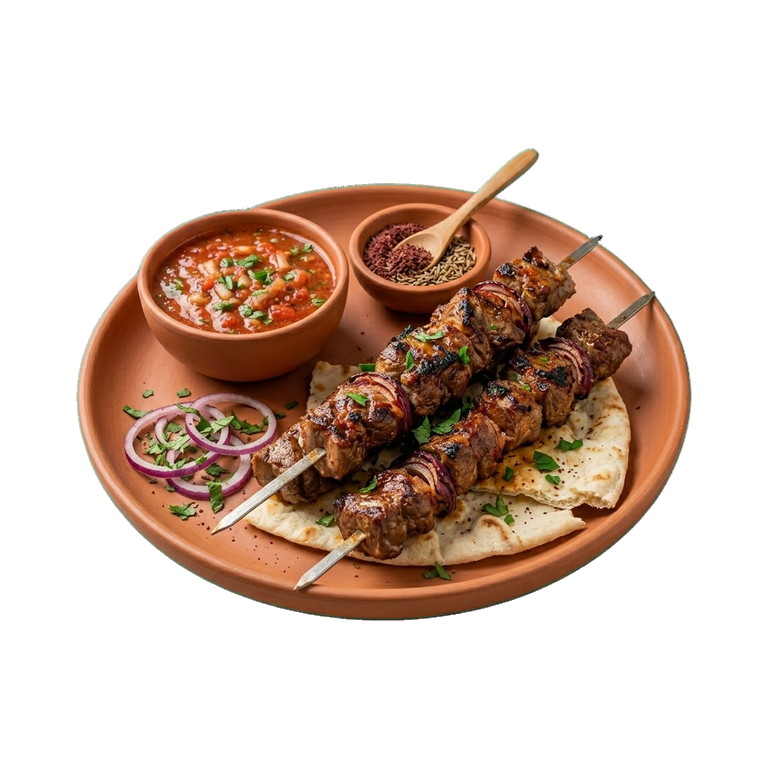
Lamb shoulder shines in slow cooking methods. Braising, boiling, stewing in the oven — that's where it excels. You can cut it into pieces and make pilaf, add it to stews, cook it in soup, or braise it with vegetables for five to six hours. Even on a grill or skillet, it's best to first boil or braise it, then sear it for a crust.
- With sharp spices: turmeric, cumin, coriander, chili — they emphasize the richness of lamb
- With acidity: tomatoes, lemon, vinegar help soften the heaviness of the meat
- With aromatic vegetables: onion, garlic, carrot, celery — they are cooked together with the meat and impart their flavor to it
- With fresh herbs: mint, cilantro, parsley — freshness balances the richness
- With grains: rice, bulgur, pearl barley absorb the broth and fat well
How to Choose and Store
Look for a shoulder with uniform pink or red meat color — this is a sign of freshness. The fat should be white or creamy, not yellow. The surface should not be sticky or dried out. If the meat is packaged, there should be no excess liquid in the package. The smell should be clean, mutton-like, without mustiness.
In the refrigerator, lamb shoulder is stored for 3–4 days on the coldest shelf, preferably on a tray to prevent juices from dripping onto other products. If you need to store it longer, freeze it — it will keep in the freezer for several months without any problems. Before cooking, let it thaw in the refrigerator, not at room temperature.
Practical Tips
- Dry the meat with a paper towel before stewing — this will help it brown better
- Sear the shoulder on high heat at first to create a crust and seal in the juices
- Don't rush with salt: add it at the end, otherwise the meat will become tough
- If the dish turns out too fatty, cool it down and remove the solidified fat from the top
- Don't pour out the remaining broth — it's the base for sauce or your next dish
Nutrition
per 100 g
- Calories
- 203 kcal
- Protein
- 17.4 g
- Fat
- 14.7 g
- Carbs
- 0 g
Micronutrients
per 100 g
Macronutrients
- Fiber
- 0 g
- Sugars
- 0 g
- Saturated fat
- 9.28 g
- Monounsaturated fat
- 8.79 g
- Polyunsaturated fat
- 1.71 g
- Omega-3 (EPA + DHA)
- 0 g
- Cholesterol
- 72 mg
- Water
- 61.39 g
Minerals
- Sodium
- 61 mg
- Potassium
- 230 mg
- Calcium
- 16 mg
- Magnesium
- 21 mg
- Phosphorus
- 158 mg
- Iron
- 1.5 mg
- Zinc
- 3.94 mg
- Copper
- 0.1 mg
- Manganese
- 0.02 mg
- Selenium
- 19.2 mcg
Vitamins
- Vitamin A (RAE)
- 0 mcg
- Vitamin D
- 0.1 mcg
- Vitamin E
- 0.22 mg
- Vitamin K
- 3.4 mcg
- Vitamin C
- 0 mg
- Vitamin B1 (thiamin)
- 0.11 mg
- Vitamin B2 (riboflavin)
- 0.21 mg
- Vitamin B3 (niacin)
- 5.66 mg
- Vitamin B5 (pantothenic acid)
- 0.68 mg
- Vitamin B6
- 0.13 mg
- Vitamin B9 (folate, DFE)
- 19 mcg
- Vitamin B12
- 2.5 mcg
Measures and weight
- 1 pcs
- 1500 g
Measure calculator
- Weight
- 100 g
- Calories
- 203 kcal