Usuba
Usuba
Black peppercorn
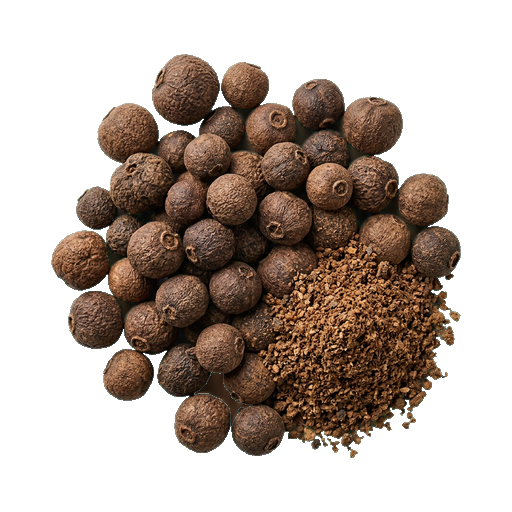
Black allspice is dried berries from the allspice tree with a spicy aroma reminiscent of a blend of cloves, cinnamon, and nutmeg. It has a pungent taste with warm woody notes and is used in marinades, meat dishes, sauces, and for preserving. When choosing, prefer whole berries of dark color — ground pepper quickly loses its aroma, so it's better to grind it just before use.
Micronutrients
per 100 g
Minerals
About
Black fragrant pepper is not just a spice, but an entire bouquet of aromas in a single berry. It is often confused with regular black pepper, but it is a completely different plant with its own character. While regular pepper is sharp and piercing, fragrant pepper offers warmth, softness, and depth. In the kitchen, it works like magic: just a few peppercorns can transform a dish, adding mystery and roundness to its flavor.
Aroma and Taste
Black fragrant pepper smells simultaneously of cloves, cinnamon, nutmeg, and a hint of camphor. It's a complex, multi-layered aroma that unfolds differently depending on how you use it. Freshly ground pepper provides maximum volatility, while whole peppercorns release their flavor more slowly, but for longer.
On the palate, it manifests as a warm, almost sweet pungency with spicy notes. Not burning, not sharp — rather enveloping and warming. The peppercorns are easily crushed between the teeth, releasing fresh, slightly bitter juice. It is this harmony that makes it a favorite in meat marinades, fish dishes, and piquant sauces.
Where and how to use
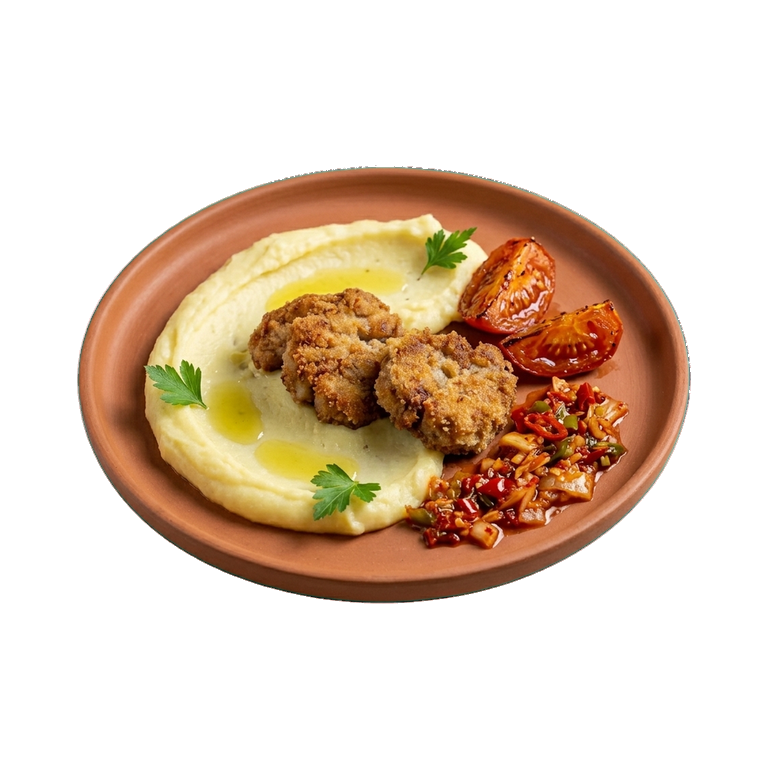
- In marinades for meat and game — a few peppercorns will make the marinade more refined and complex
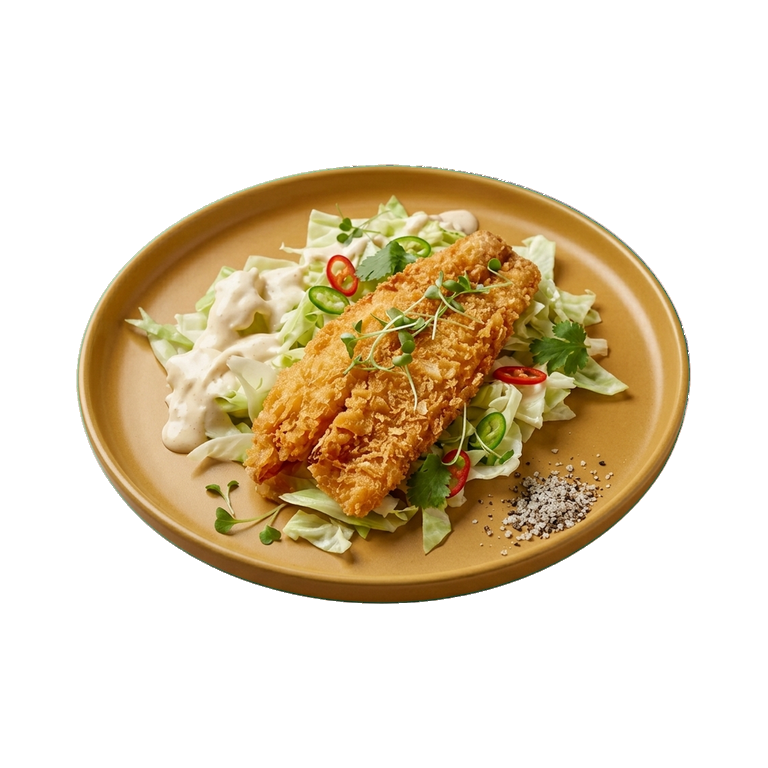
- In fish dishes and seafood — adds sophistication and masks fishy odor
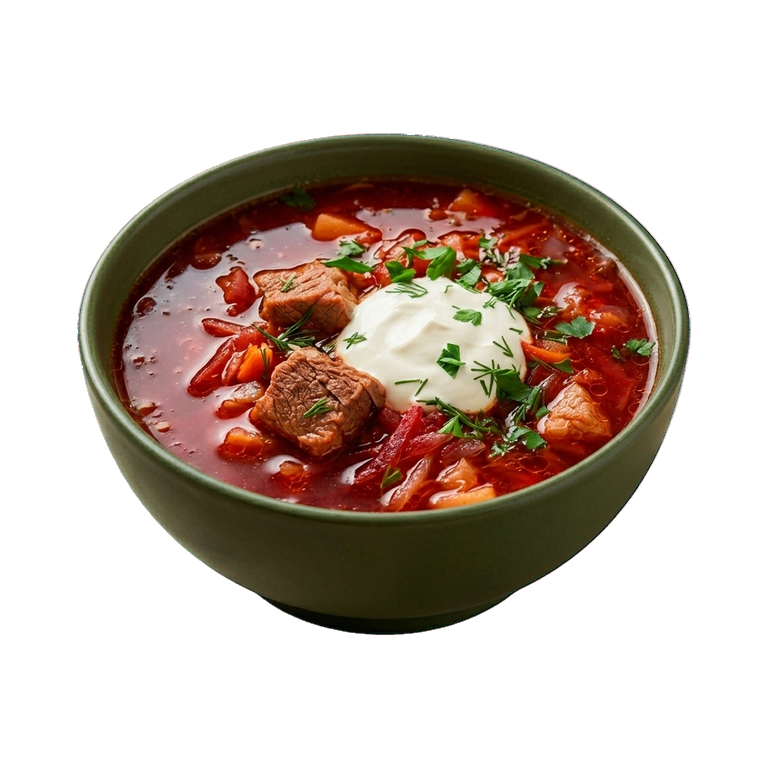
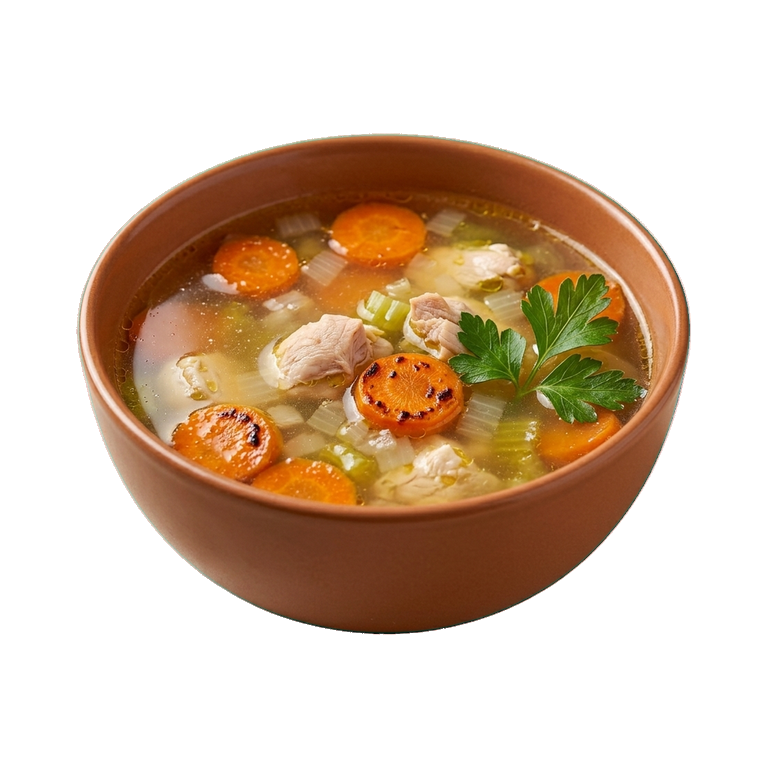
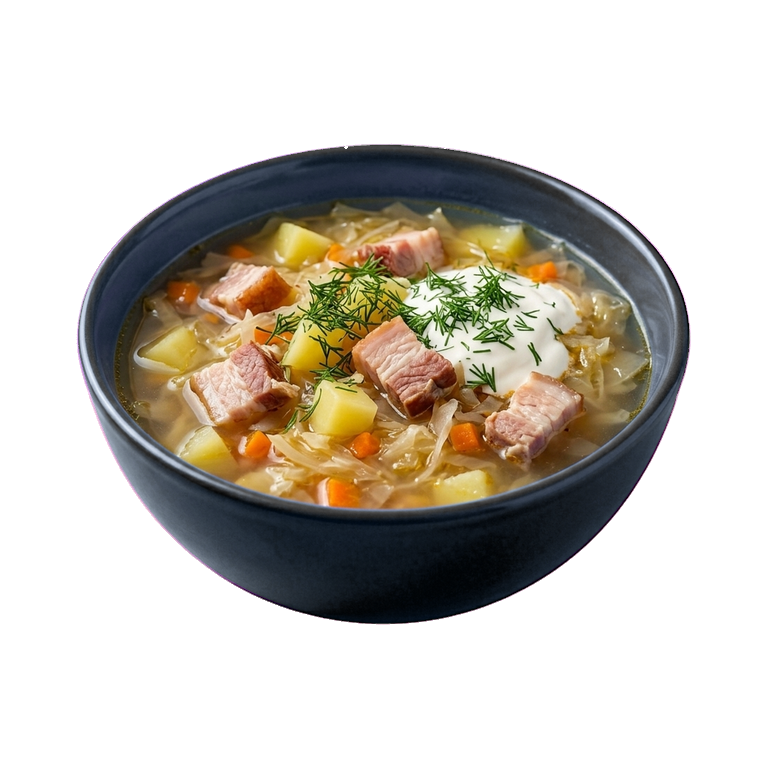
- In soups and broths — drop a peppercorn into the boiling broth 10 minutes before serving
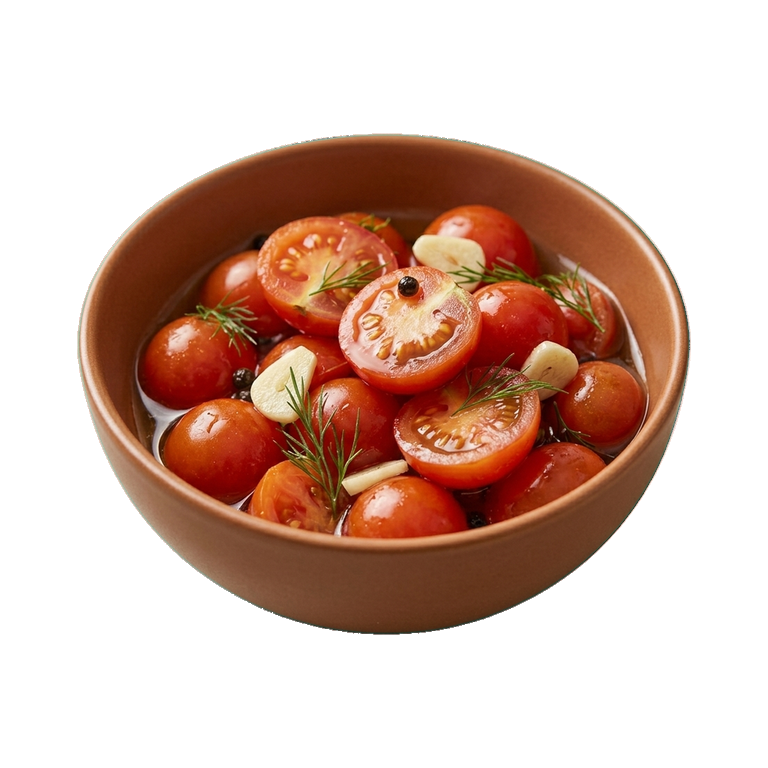
- In canning and pickling — a classic ingredient for jars with vegetables
- In sausages and pâtés — imparts spice and aroma without aggressive heat
- In sweet dishes — a pinch of ground pepper will enhance mulled wine, compote, or pudding
Combinations with other spices
Black fragrant pepper gets along with all warm spices. Together with cloves, it creates a rich, festive aroma. With cinnamon and cardamom, it forms a noble duet for meat stews. With bay leaf and juniper, it becomes the foundation of a classic marinade. Don't be afraid to combine it with ginger, black pepper, and nutmeg — they enhance each other without conflicting.
Selection and Storage
Look for dense, dark, almost black peppercorns with no traces of mold or dust. They should be heavy for their size — this is a sign that moisture has evaporated properly. Smell them: the aroma should be pronounced and appealing, without any mustiness. Avoid berries that are too light or wrinkled — they have lost their potency.
Whole peppercorns can be stored for years in a tightly sealed jar in a dark, cool place. Ground pepper loses its aroma faster, so it's better to grind the peppercorns before use in a coffee grinder or mortar. If you cook often, keep a small supply of ground pepper in an airtight container away from light and heat — this way it will retain its freshness for three to four months.
Main secret: don't spare pepper in marinades and sauces. Its mildness allows you to use it generously without fear of oversalting the dish with spiciness.
Nutrition
per 100 g
- Calories
- 251 kcal
- Protein
- 10.4 g
- Fat
- 3.3 g
- Carbs
- 64.8 g
Micronutrients
per 100 g
Macronutrients
- Fiber
- 25.3 g
- Sugars
- 0.64 g
- Saturated fat
- 1.392 g
- Monounsaturated fat
- 0.739 g
- Polyunsaturated fat
- 0.998 g
- Omega-3 (EPA + DHA)
- 0 g
- Cholesterol
- 0 mg
- Water
- 12.46 g
Minerals
- Sodium
- 20 mg
- Potassium
- 1329 mg
- Calcium
- 443 mg
- Magnesium
- 171 mg
- Phosphorus
- 158 mg
- Iron
- 9.71 mg
- Zinc
- 1.19 mg
- Copper
- 1.33 mg
- Manganese
- 12.75 mg
- Selenium
- 4.9 mcg
Vitamins
- Vitamin A (RAE)
- 27 mcg
- Vitamin D
- 0 mcg
- Vitamin E
- 1.04 mg
- Vitamin K
- 163.7 mcg
- Vitamin C
- 0 mg
- Vitamin B1 (thiamin)
- 0.11 mg
- Vitamin B2 (riboflavin)
- 0.18 mg
- Vitamin B3 (niacin)
- 1.14 mg
- Vitamin B5 (pantothenic acid)
- 1.4 mg
- Vitamin B6
- 0.29 mg
- Vitamin B9 (folate, DFE)
- 17 mcg
- Vitamin B12
- 0 mcg
Measures and weight
- 1 tbsp
- 9.8 g
- 1 tsp
- 3.3 g
- 1 cup
- 162.5 g
- 1 pcs
- 0.5 g
Measure calculator
- Weight
- 100 g
- Calories
- 251 kcal