Usuba
Usuba
Curry powder
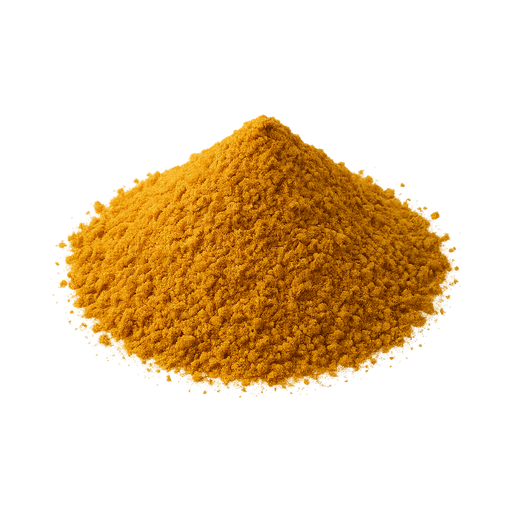
Curry powder is a blend of spices with a yellow or golden color, featuring a warm, slightly spicy taste and a rich aroma of turmeric, coriander, and other oriental spices. It is used in the preparation of Indian and Asian dishes, giving them a characteristic spicy flavor and beautiful hue. When selecting curry powder, pay attention to the freshness of the blend — quality powder has a vibrant color and strong aroma, but loses its intensity quickly during storage, so it's best to buy small packages and keep them in an airtight container.
Micronutrients
per 100 g
Minerals
Vitamins
About
Curry powder is a blend of ground spices that transformed Asian cuisine into a global phenomenon. In the jar before you is not just one ingredient, but an entire orchestra of aromas: turmeric, coriander, fenugreek, and about a dozen other components that work together. This very multilayered nature is what makes curry such a universal kitchen helper — a single teaspoon can dramatically change the character of a dish.
Aroma and Flavor
Curry powder smells of warmth and earth. At first, a sharp, slightly bitter note of turmeric hits the nose, then floral hints of coriander and the light spiciness of fenugreek unfold. On the tongue, you feel a complex blend: moderate heat, a touch of bitterness, and sweet notes. The taste is not aggressive, but rather enveloping — the spice enriches the dish without overpowering it.
Where curry powder works best
- Soups and broths — curry dissolves in the broth, creating a deep background
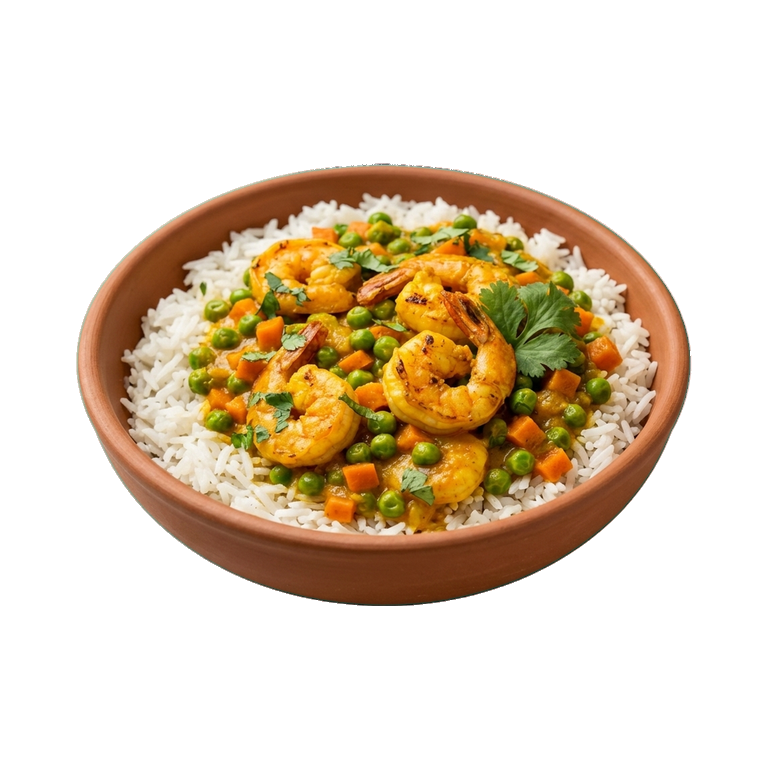
- Rice and grains — a pinch of spice transforms a side dish into a standalone dish
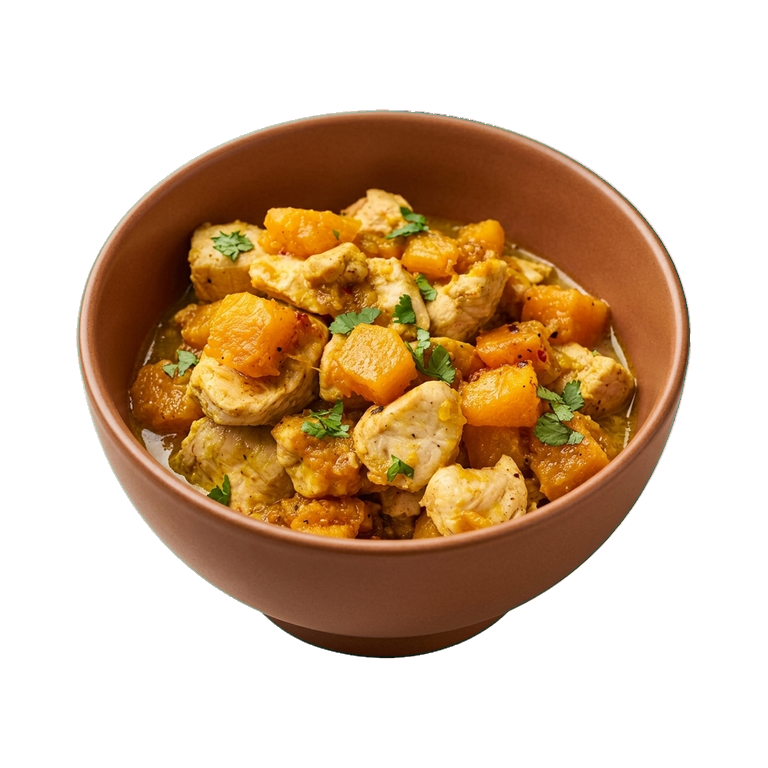
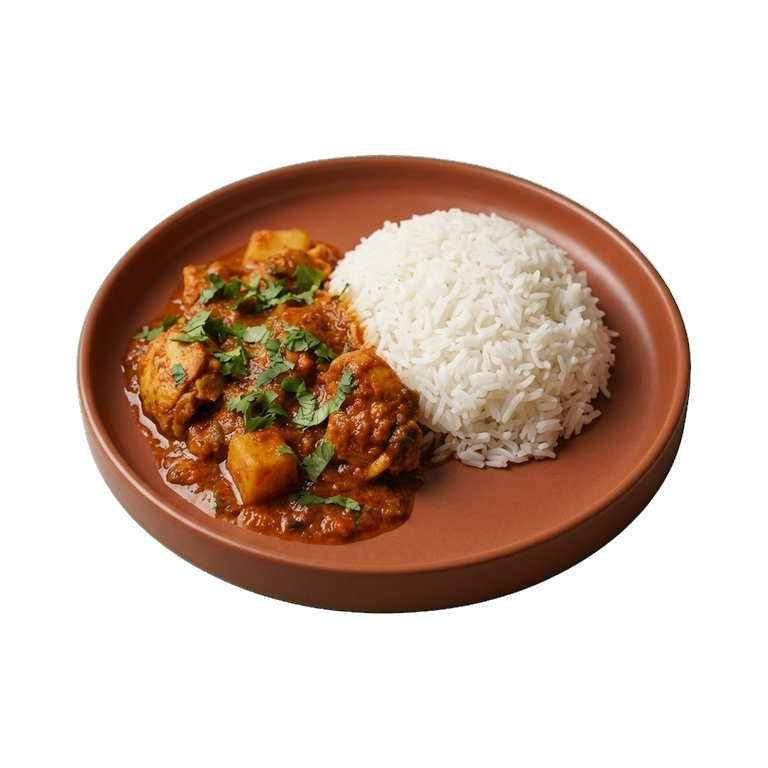
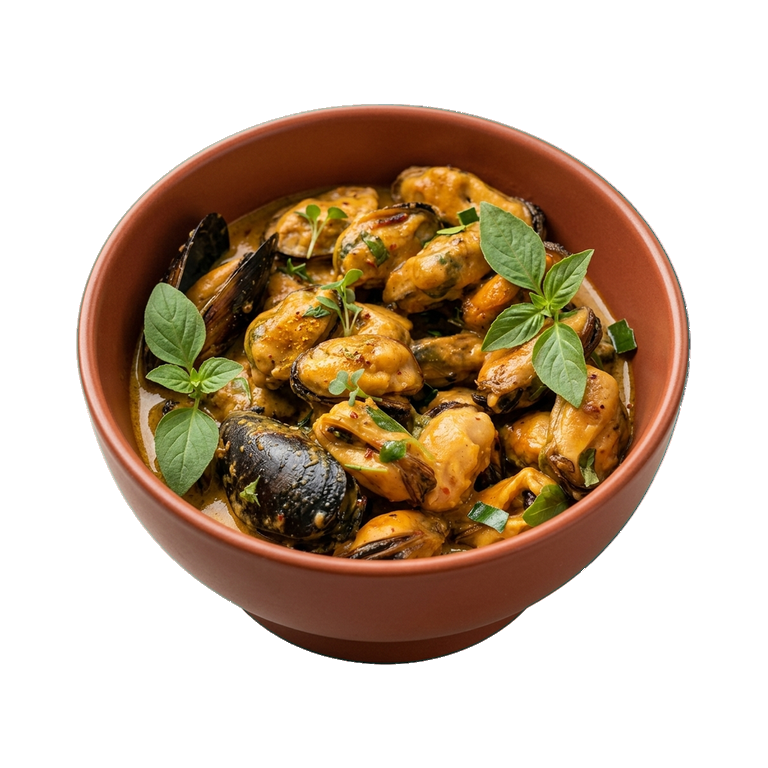
- Sauces and gravies — especially for chicken, seafood and vegetables
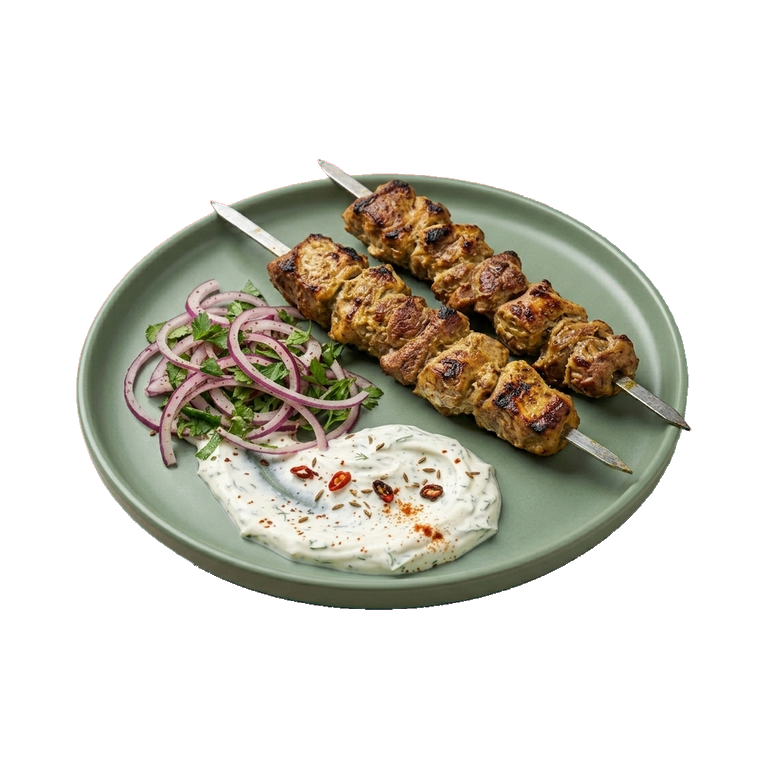
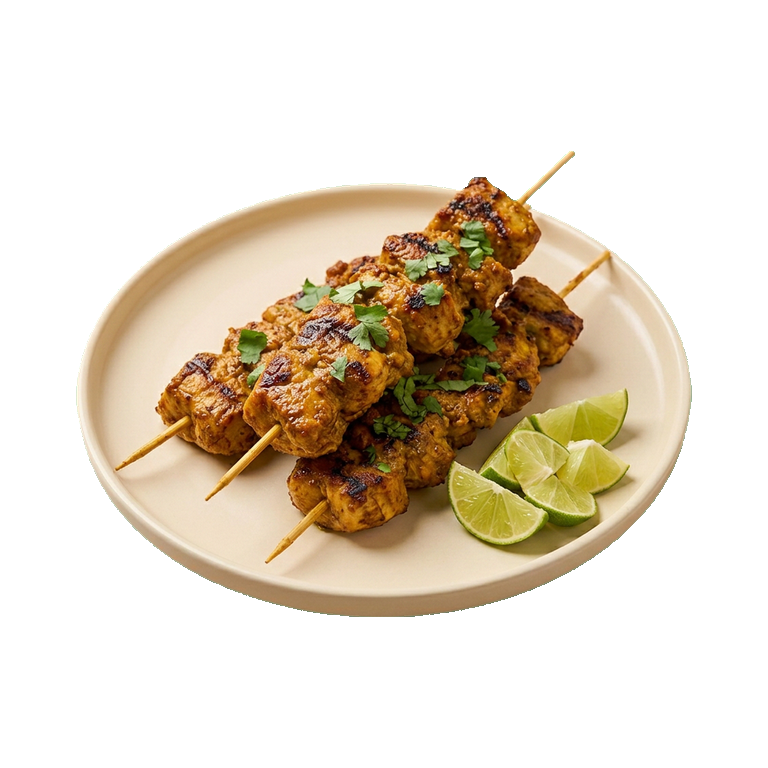
- Marinades — curry makes meat more aromatic and tender
- Eggs and omelets — even a small amount adds character
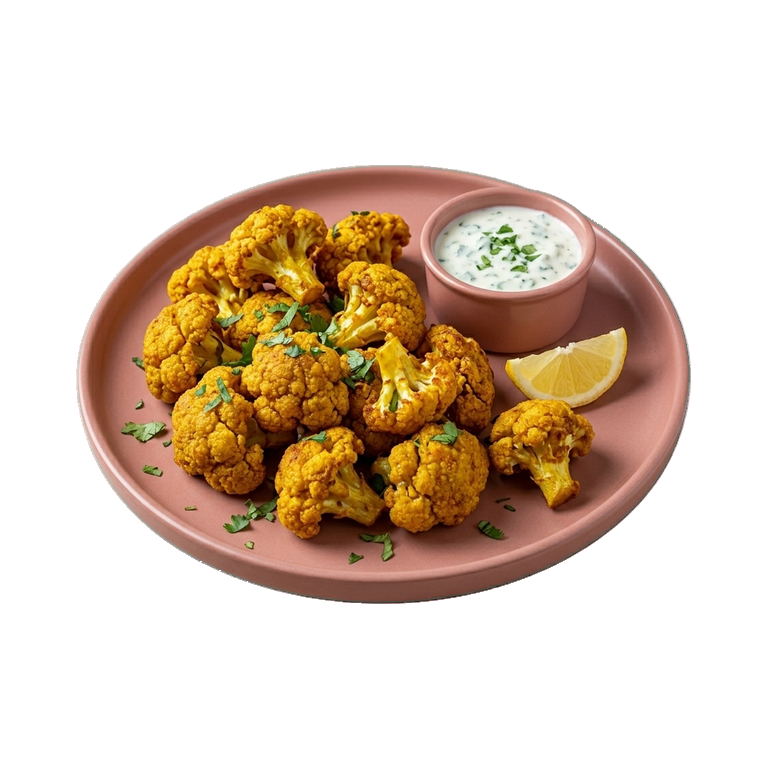
- Vegetable dishes — especially with pumpkin, carrots, potatoes and cauliflower
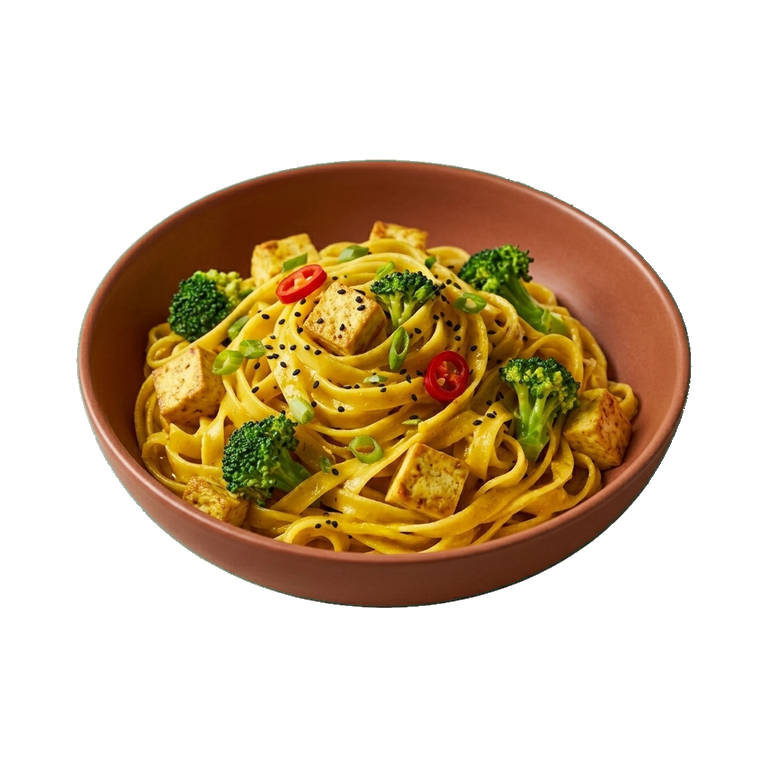
Curry powder reveals its flavors best when fried in oil or oil with onions at the very beginning of cooking. This activates the essential oils and makes the taste more vibrant. If you add the spice at the end, it will remain superficial. Start with half a teaspoon per serving — curry is easy to adjust, but it's harder to overdo it.
Combinations and Harmony
- With coconut milk — a classic Asian combination that softens the spiciness
- With lemon and lime — acidity balances the heat of spices
- With ginger and garlic — enhances spiciness and pungency
- With yogurt — creates a delicate sauce for marinating or serving
- With honey — sweetness softens the spiciness and adds roundness to the flavor
Selection and Storage
When purchasing, pay attention to the color — good curry powder has a bright yellow or golden hue, sometimes with reddish streaks. Smell it: the aroma should be clear and pleasant, without mustiness. If the spice smells like an old rag or mold, this is a sign of improper storage.
Curry powder loses its aroma and flavor over time. Store it in an airtight container in a dark, cool place — away from sunlight, heat, and moisture. A closed kitchen cabinet is ideal. Fresh powder keeps for about a year, but it's best to use it within six months while the flavor is at its peak. After opening the jar, try to use the contents more quickly.
If curry powder seems too spicy to you, try using less of it or add cream, yogurt, or sour cream to the dish — dairy products work great at softening the spice and making the flavor more balanced.
Nutrition
per 100 g
- Calories
- 325 kcal
- Protein
- 12.7 g
- Fat
- 13.9 g
- Carbs
- 54.9 g
Micronutrients
per 100 g
Macronutrients
- Fiber
- 53.2 g
- Sugars
- 2.76 g
- Saturated fat
- 1.648 g
- Monounsaturated fat
- 8.782 g
- Polyunsaturated fat
- 3.056 g
- Omega-3 (EPA + DHA)
- 0 g
- Cholesterol
- 0 mg
- Water
- 8.8 g
Minerals
- Sodium
- 52 mg
- Potassium
- 1170 mg
- Calcium
- 525 mg
- Magnesium
- 255 mg
- Phosphorus
- 367 mg
- Iron
- 19.1 mg
- Zinc
- 4.7 mg
- Copper
- 1.2 mg
- Manganese
- 8.3 mg
- Selenium
- 40.3 mcg
Vitamins
- Vitamin A (RAE)
- 1 mcg
- Vitamin D
- 0 mcg
- Vitamin E
- 25.24 mg
- Vitamin K
- 99.8 mcg
- Vitamin C
- 0.7 mg
- Vitamin B1 (thiamin)
- 0.18 mg
- Vitamin B2 (riboflavin)
- 0.2 mg
- Vitamin B3 (niacin)
- 3.26 mg
- Vitamin B5 (pantothenic acid)
- 1.07 mg
- Vitamin B6
- 0.11 mg
- Vitamin B9 (folate, DFE)
- 56 mcg
- Vitamin B12
- 0 mcg
Measures and weight
- 1 tbsp
- 13.5 g
- 1 tsp
- 4.5 g
- 1 cup
- 225 g
Measure calculator
- Weight
- 100 g
- Calories
- 325 kcal