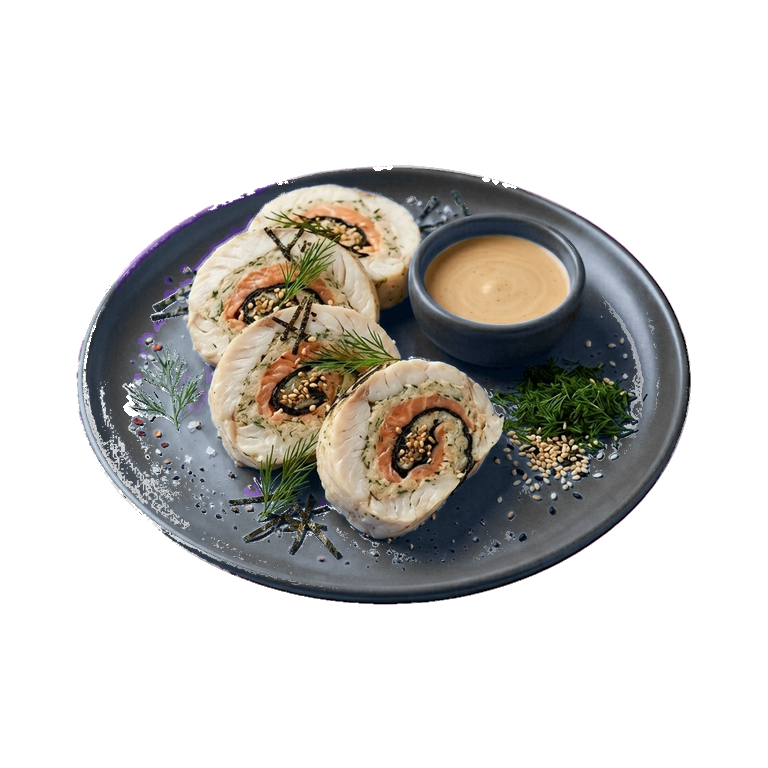
Usuba
Usuba
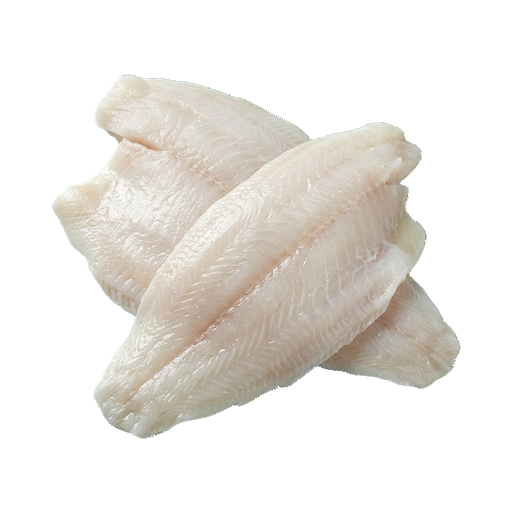
Sole fillet
Sole fillet is tender white meat with a delicate flavor and fine texture that is practically bone-free and easily separates into flakes. The fish has low fat content, so it requires careful handling during cooking to avoid drying out — it is best poached, baked, or steamed with brief cooking time. The fillet readily absorbs the flavors of sauces, lemon, and herbs, making it ideal for simple and elegant dishes where the fish remains the focal point.
Micronutrients
per 100 g
Minerals
Vitamins
- AVitamin A (RAE)10mcg1% DV
- DVitamin D2.8mcg19% DV
- EVitamin E0.63mg4% DV
- KVitamin K0.1mcg0% DV
- B1Vitamin B1 (thiamin)0.02mg1% DV
- B2Vitamin B2 (riboflavin)0.02mg1% DV
- B3Vitamin B3 (niacin)1.04mg5% DV
- B5Vitamin B5 (pantothenic acid)0.19mg4% DV
- B6Vitamin B60.1mg5% DV
- B9Vitamin B9 (folate, DFE)5mcg1% DV
- B12Vitamin B121.1mcg37% DV
About
Sole fillet is one of the most versatile white fish in the kitchen. It has tender, slightly sweet meat with a delicate texture that cooks in minutes and absorbs the flavors of sauces and spices like a sponge. If you're looking for a fish that won't disappoint either a beginner or an experienced cook, sole is a reliable choice.
Aroma and Taste
Sea tongue meat is distinguished by a soft, barely perceptible sea aroma — no sharpness, no fishy smell. It tastes tender, with a barely noticeable sweetness, doesn't require masking, and holds its shape well during cooking. The texture is dense but not tough, with no large bones in the fillet.
How to cook
Sole is excellent with simple cooking techniques: pan-frying with oil will take 3–4 minutes on each side, baking in the oven at 200 degrees — about 10–12 minutes. The fillet doesn't need long marinating; salt, pepper, and lemon 15 minutes before cooking are enough. Fish pairs well with creamy sauces, herbs (dill, parsley, thyme), and light spices.
Plate Pairings
- Lemon, lime, and white wine — a classic base for sauce
- Butter, garlic, and herbs — a simple dressing that doesn't overpower the fish flavor
- Vegetables as a side dish: zucchini, eggplant, tomatoes, asparagus, baby potatoes
- Capers, olives, and tomatoes — for a more expressive dish in Mediterranean style
- Panko or breadcrumb coating — if you want a crispy crust
Selection and Storage
When choosing fillet, pay attention to the color: the meat should be white or with a light pinkish tint, without spots or darkening. The fillet should not be slippery or have an unpleasant odor. Frozen fillet is stored in the freezer for up to three months, fresh fillet in the refrigerator for no more than two days on ice. Before cooking, thaw the fish in the refrigerator for 8–12 hours or quickly under cold running water.
Pollock is a fish that doesn't require complex techniques. Its main advantage is that it allows you to focus on the sauce, garnish, and presentation, rather than on saving overcooked or falling apart fillet.
Nutrition
per 100 g
- Calories
- 88 kcal
- Protein
- 18.2 g
- Fat
- 1.6 g
- Carbs
- 0 g
Micronutrients
per 100 g
Macronutrients
- Fiber
- 0 g
- Sugars
- 0 g
- Saturated fat
- 0.441 g
- Monounsaturated fat
- 0.535 g
- Polyunsaturated fat
- 0.374 g
- Omega-3 (EPA + DHA)
- 0.245 g
- Cholesterol
- 45 mg
- Water
- 84.63 g
Minerals
- Sodium
- 296 mg
- Potassium
- 160 mg
- Calcium
- 21 mg
- Magnesium
- 18 mg
- Phosphorus
- 252 mg
- Iron
- 0.18 mg
- Zinc
- 0.32 mg
- Copper
- 0.02 mg
- Manganese
- 0.01 mg
- Selenium
- 26.6 mcg
Vitamins
- Vitamin A (RAE)
- 10 mcg
- Vitamin D
- 2.8 mcg
- Vitamin E
- 0.63 mg
- Vitamin K
- 0.1 mcg
- Vitamin C
- 0 mg
- Vitamin B1 (thiamin)
- 0.02 mg
- Vitamin B2 (riboflavin)
- 0.02 mg
- Vitamin B3 (niacin)
- 1.04 mg
- Vitamin B5 (pantothenic acid)
- 0.19 mg
- Vitamin B6
- 0.1 mg
- Vitamin B9 (folate, DFE)
- 5 mcg
- Vitamin B12
- 1.1 mcg
Measures and weight
- 1 pcs
- 150 g
Measure calculator
- Weight
- 100 g
- Calories
- 88 kcal