Usuba
Usuba
Mustard
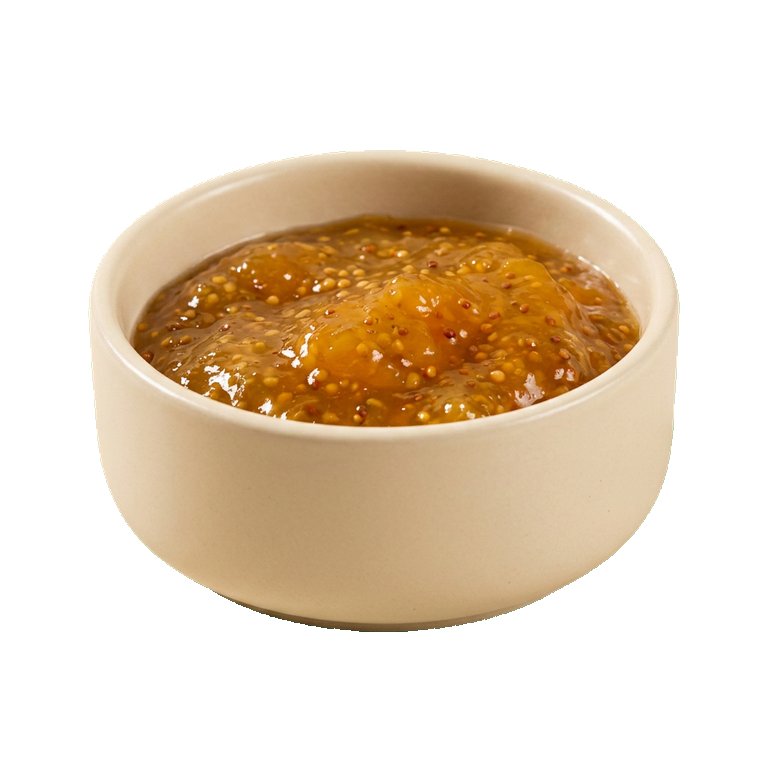
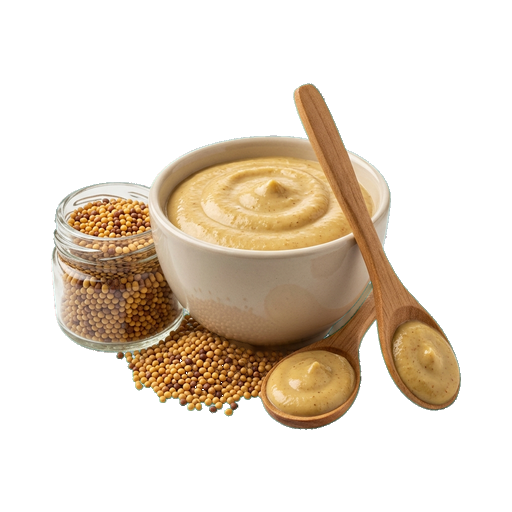
A sharp spice with a characteristic pungent taste and peppery aroma, derived from mustard plant seeds. In cooking, it is used in the form of whole grains, ground powder, or ready-made paste for marinades, sauces, dressings, and meat dishes. When selecting, keep in mind that the sharpness of mustard depends on the type of seeds and processing method, and during storage it gradually loses intensity, so it's best to use fresh spice within a few months after opening.
About
Mustard is one of the most versatile condiments that works everywhere: in sauces, marinades, dressings, and right on the table. Its sharpness and distinctive aroma are instantly recognizable, but at the same time mustard is surprisingly flexible: it can be a subtle background note or the star of the dish, depending on how you use it.
Aroma and Taste
Mustard provides a piercing sharpness that is felt not only on the tongue but also in the nose — this is a characteristic of its volatile oils. The taste is sharp, slightly bitter, with barely noticeable sweetness. The intensity depends on the form: mustard seeds are hotter than prepared paste, and hot water enhances the pungency, while cold water softens it.
If mustard is left in the air, its sharpness gradually evaporates and becomes milder. This is important to remember when preparing sauces: freshly diluted mustard is sharper than the same paste an hour later.
Where mustard works best
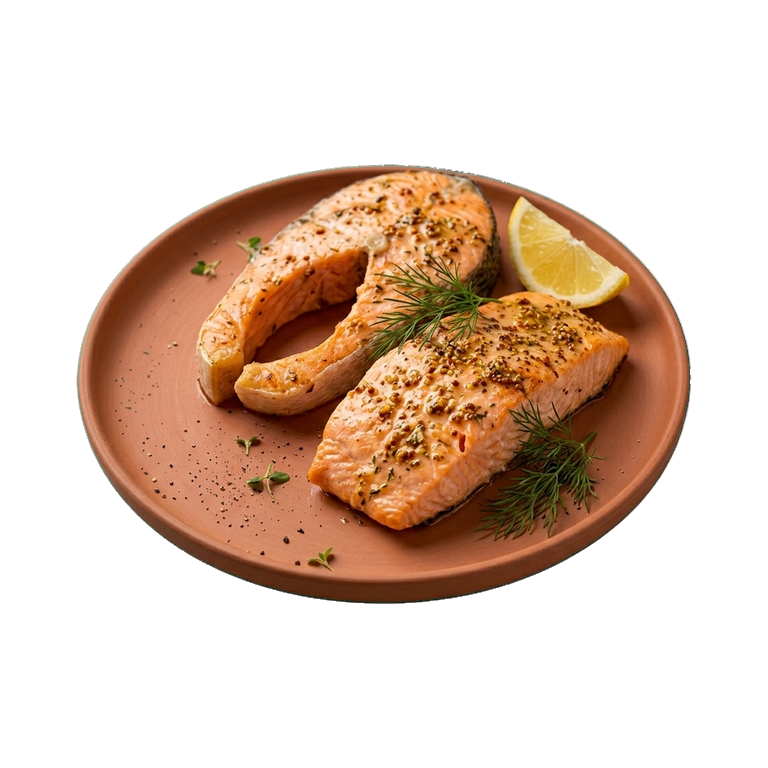
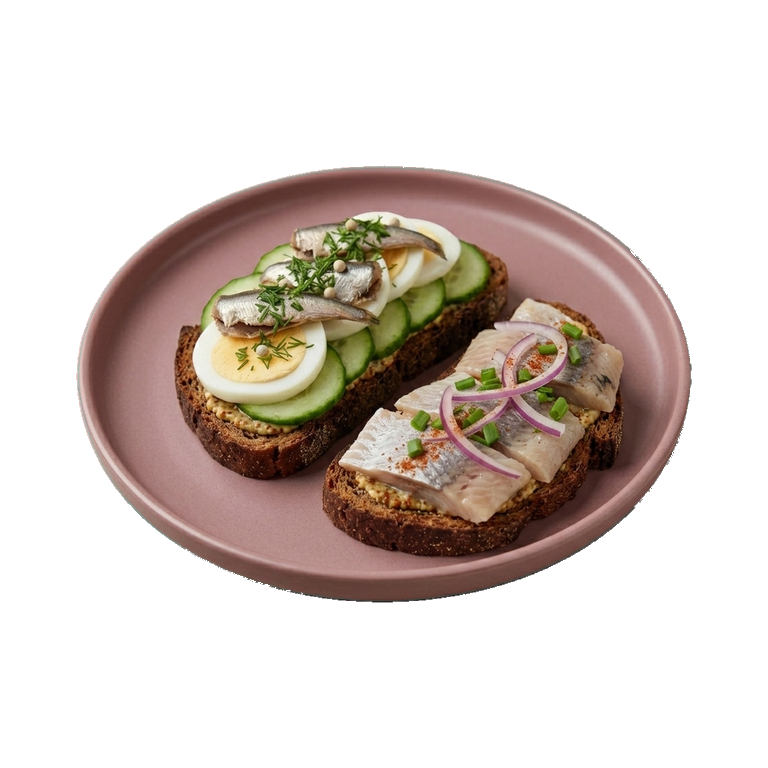
Mustard is an indispensable helper in marinades for meat and fish. It not only adds flavor but also helps soften the fibers, making the dish juicier. In sauces, mustard creates an emulsion, helping oil and acid stay together — which is why it's ideal in vinaigrettes and mayonnaises.
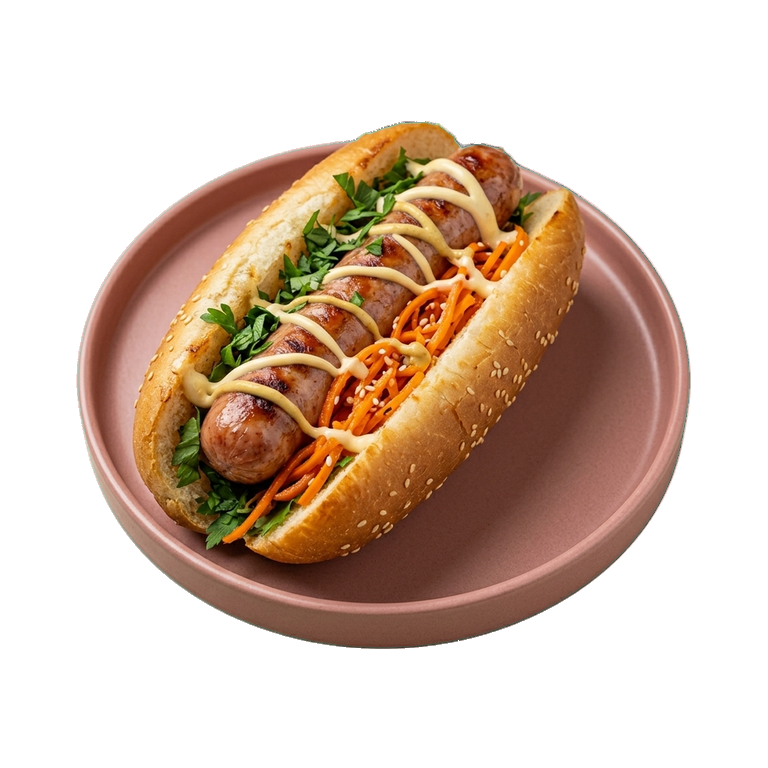
- Classic mustard sauce for sausages and hot dogs
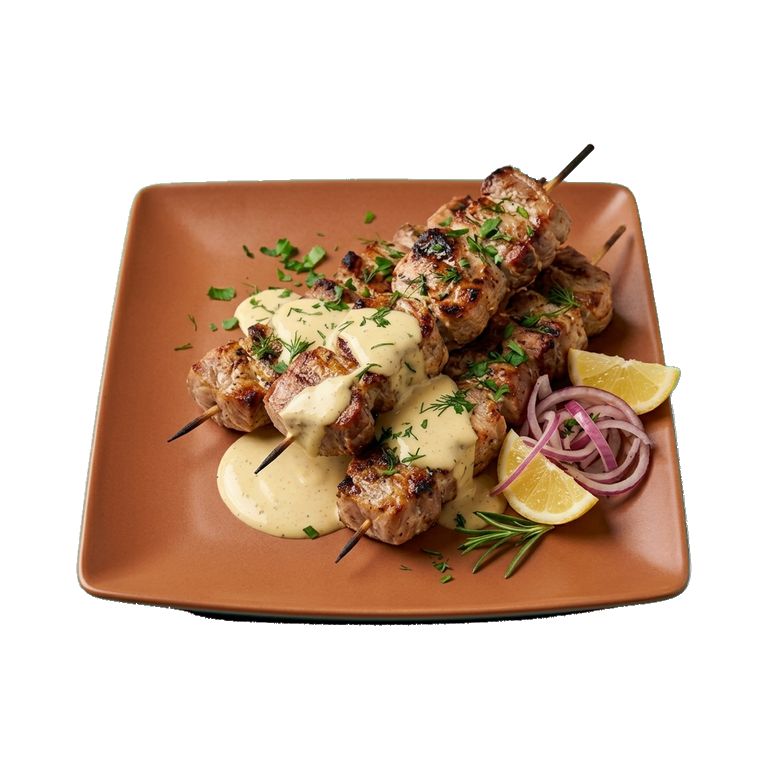
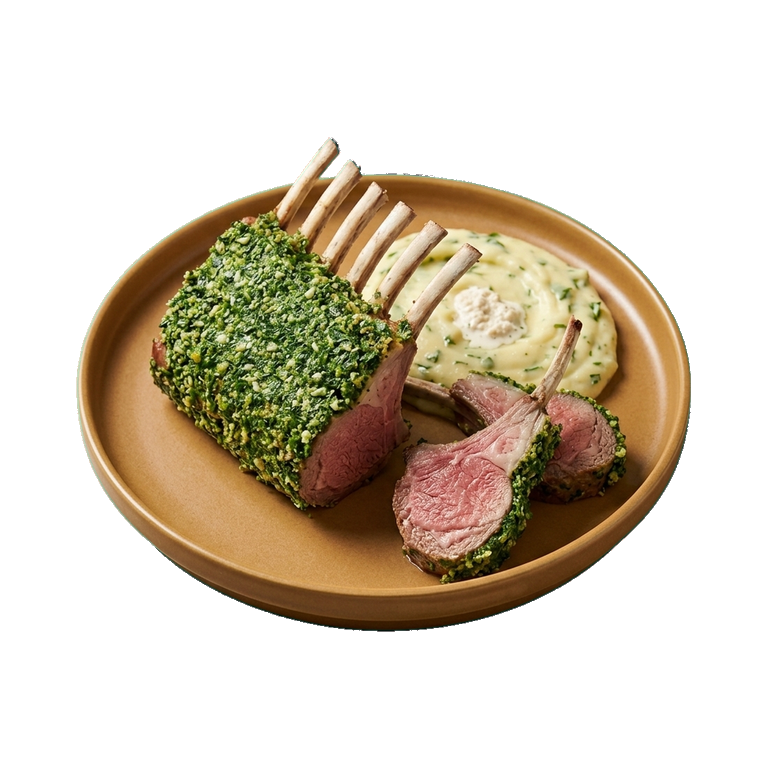
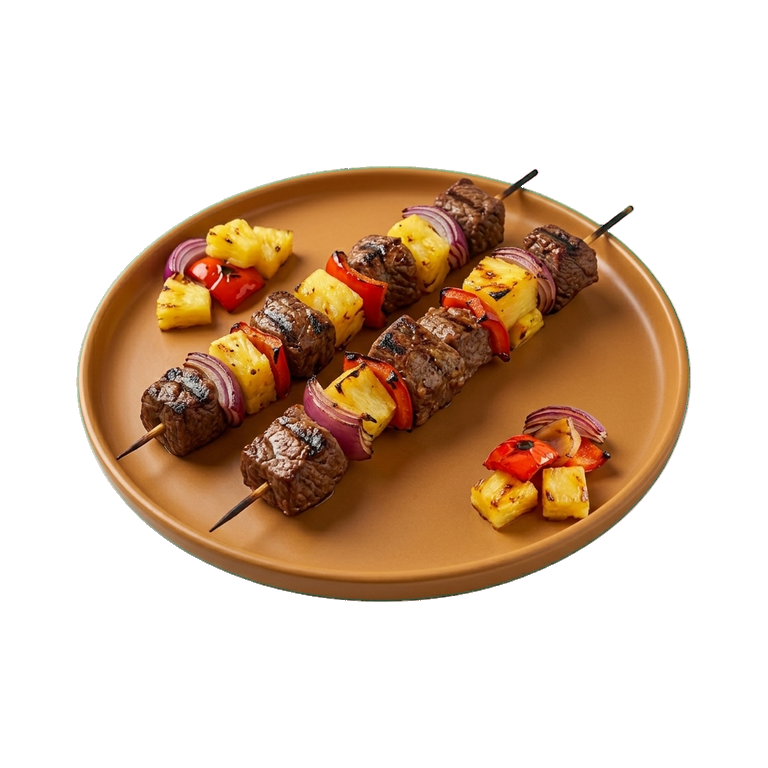
- Marinade component for beef, pork, chicken
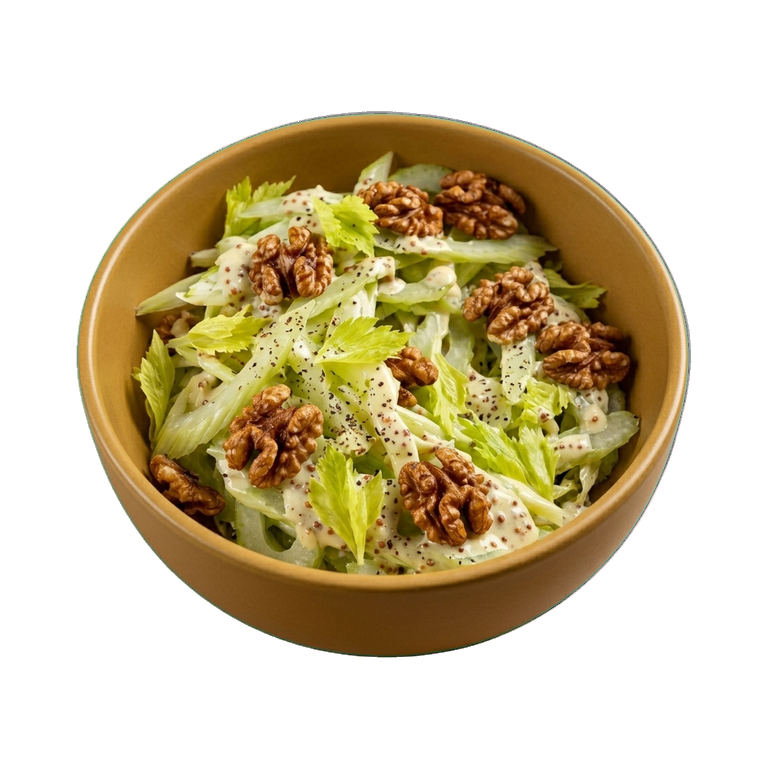
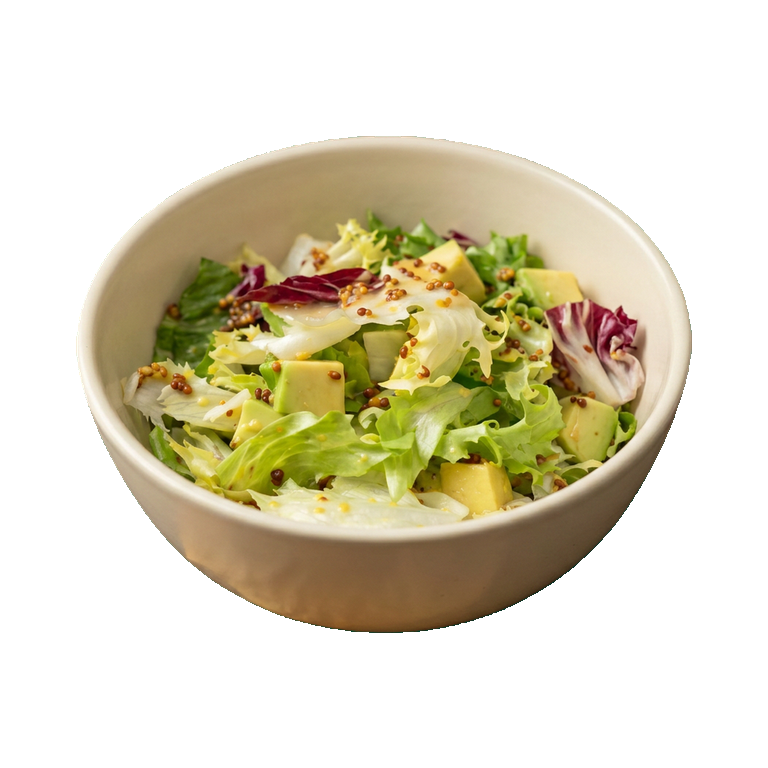
- Base for spicy salad dressing
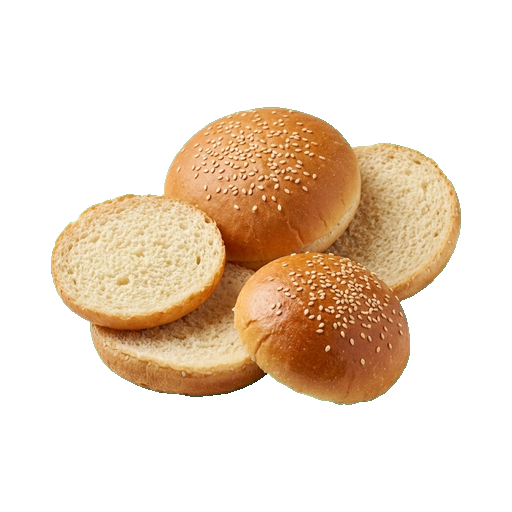
- Additive to dough for buns and bread
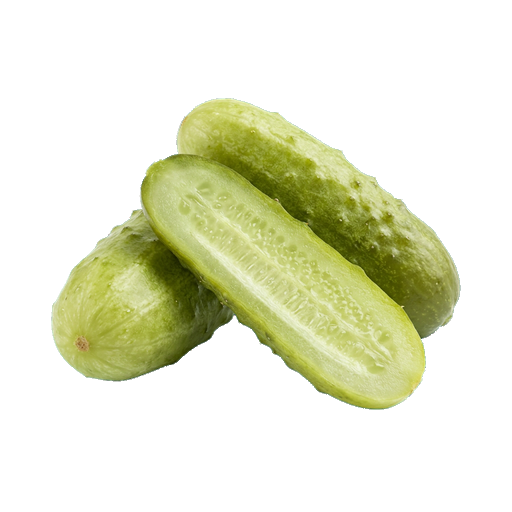
- Ingredient in pickled vegetables and preserves
What goes best with mustard
Mustard pairs excellently with acidity — lemon juice, vinegar, white wine. This combination creates a bright, lively flavor. With honey, mustard becomes sweet and spicy, which works well in sauces for poultry. Herbs like tarragon, dill, and thyme emphasize its pungency without overpowering it. Garlic and mustard are a classic duo, they intensify each other's spiciness.
Selection and Storage
Mustard comes in several forms: whole seeds (the sharpest), ground (medium heat), ready-made paste (milder, more convenient). Choose depending on the dish: seeds are suitable for marinades, paste for sauces, ground for baking. Pay attention to the ingredients: the fewer additives, the purer the taste.
Mustard seeds can be stored for years in an airtight container in a dark place. Prepared mustard paste keeps in the refrigerator for several months, but loses its sharpness over time. Ground mustard evaporates faster — use it within the first few weeks after opening. If mustard has lost its smell and sharpness, it's a sign that it's time to replace it.
Practical tip
If mustard seems too sharp, dilute it not with water, but with sour cream, yogurt, or cream — this will soften the sharpness and make the flavor deeper. For marinades, mustard seeds are best lightly heated in a dry pan before use: this will reveal their aroma and make the sharpness more rounded.
Nutrition
per 100 g
- Calories
- 66 kcal
- Protein
- 8 g
- Fat
- 4.3 g
- Carbs
- 3.3 g
Measures and weight
- 1 tbsp
- 16.5 g
- 1 tsp
- 5.5 g
- 1 cup
- 275 g
Measure calculator
- Weight
- 100 g
- Calories
- 66 kcal