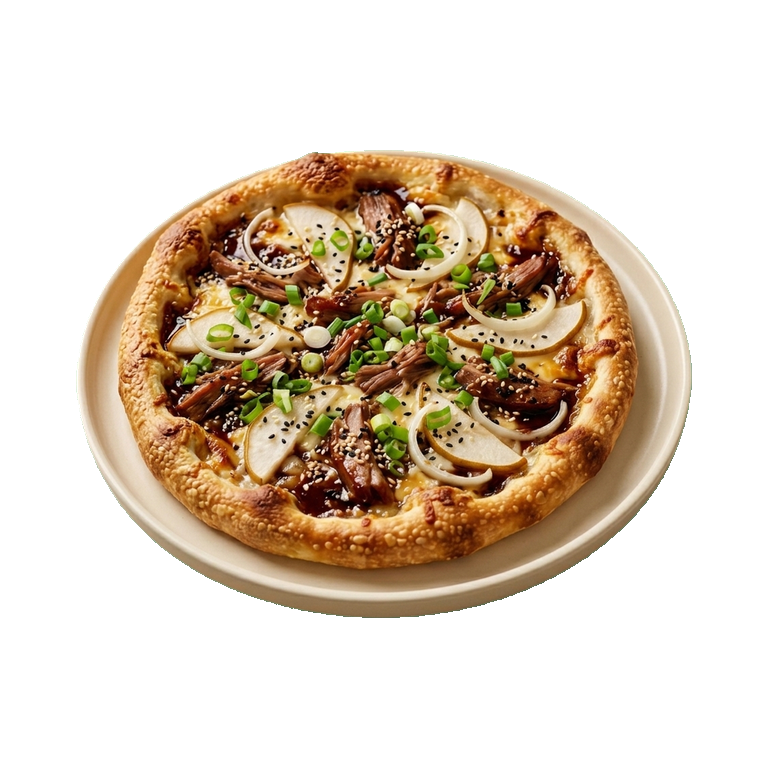
Usuba
Usuba
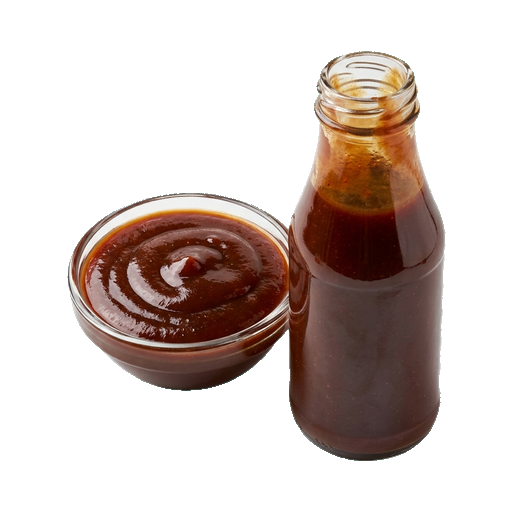
Hoisin sauce
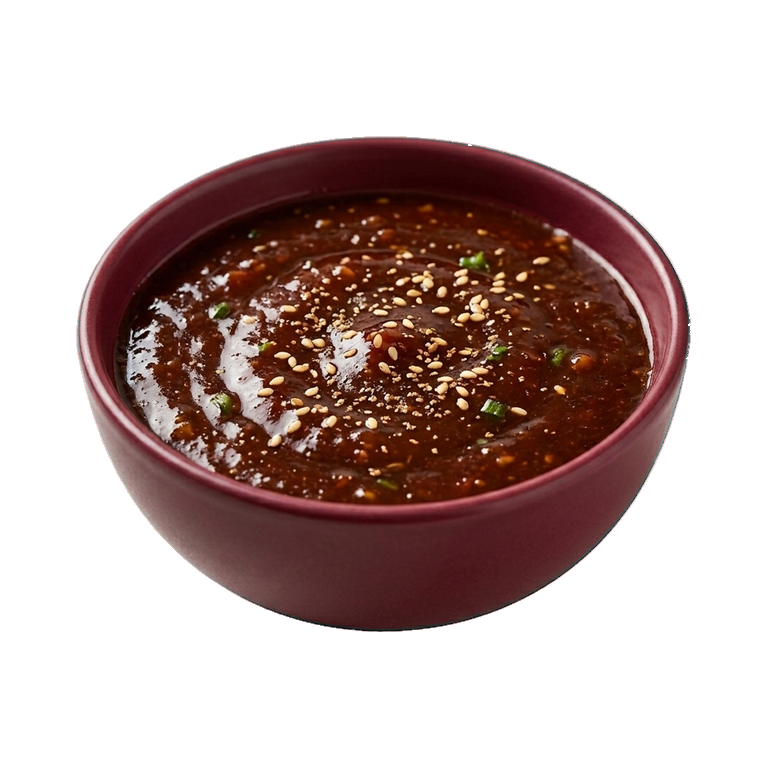
Hoisin sauce is a thick, dark brown condiment with a rich sweet-salty flavor, featuring notes of garlic, spices, and a light heat. It's used as a standalone dipping sauce, added to marinades for meat and poultry, and incorporated into Asian dishes for deep, caramel-like flavor. When selecting hoisin, pay attention to consistency — good hoisin should be uniform and spread easily. Store it in the refrigerator after opening.
Micronutrients
per 100 ml
Minerals
About
Hoisin is a thick, dark sauce with a deep sweet-salty flavor and a slight spiciness. Its consistency resembles condensed plum or berry jam, and its aroma is complex: it carries notes of garlic, spices, and fermented soy. It is one of the most versatile Asian sauces, which is easy to find in stores and simple to use at home.
Taste and Aroma
At first taste, the sauce seems sweet — this is sugar and sometimes molasses in the composition. But the sweetness is not cloying: it is balanced by the saltiness of soy, garlic sharpness, and a subtle piquancy. The aftertaste is slightly astringent, with spicy notes. The consistency is dense but not sticky, so the sauce adheres well to food and does not spread across the plate.
Where to use
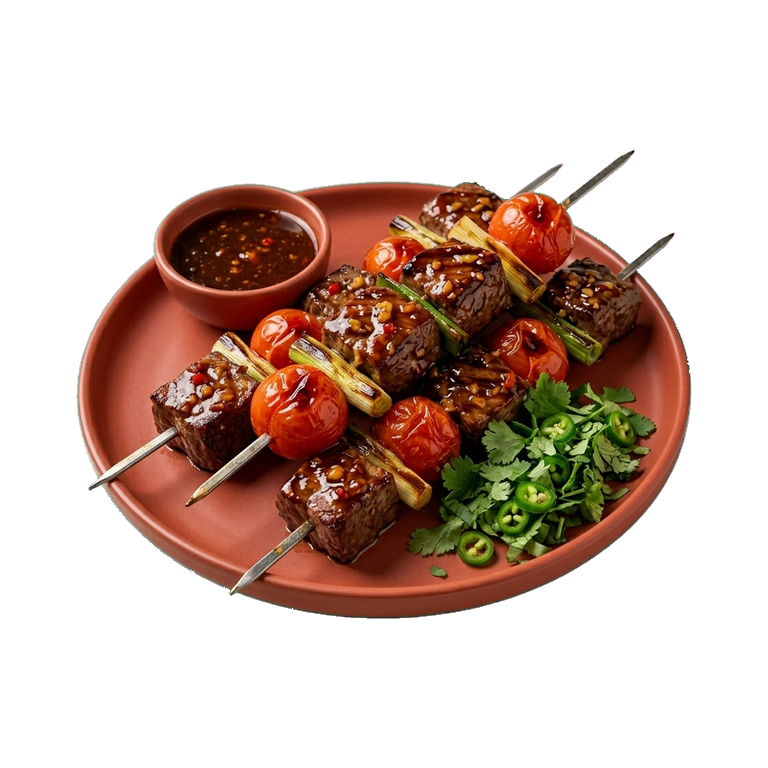
- Marinade for meat and poultry before frying or grilling — the sauce adheres to the surface and creates a glossy crust
- Glaze for finished dishes: duck meat, ribs, shrimp. Applied at the end of cooking to prevent burning
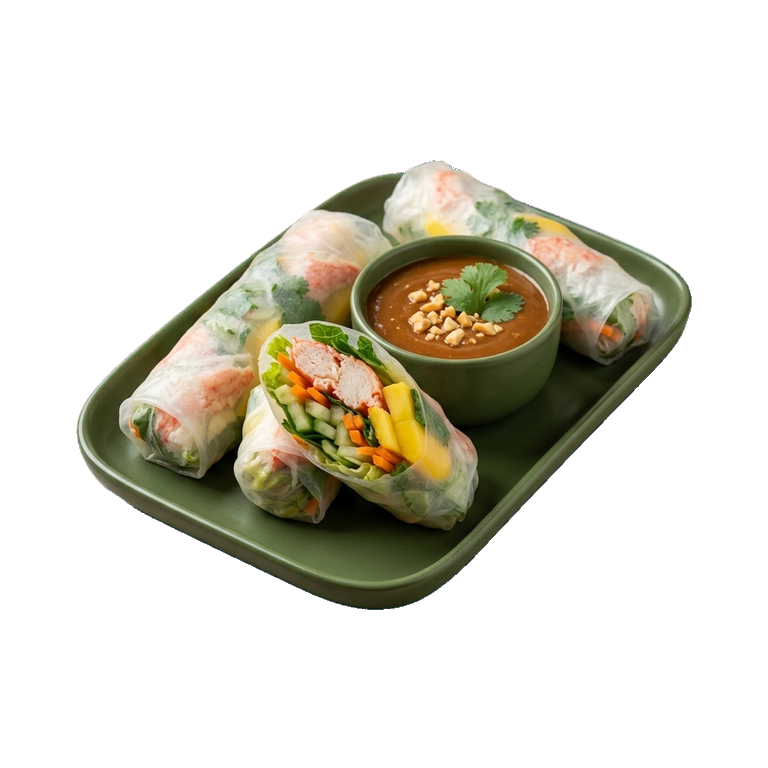
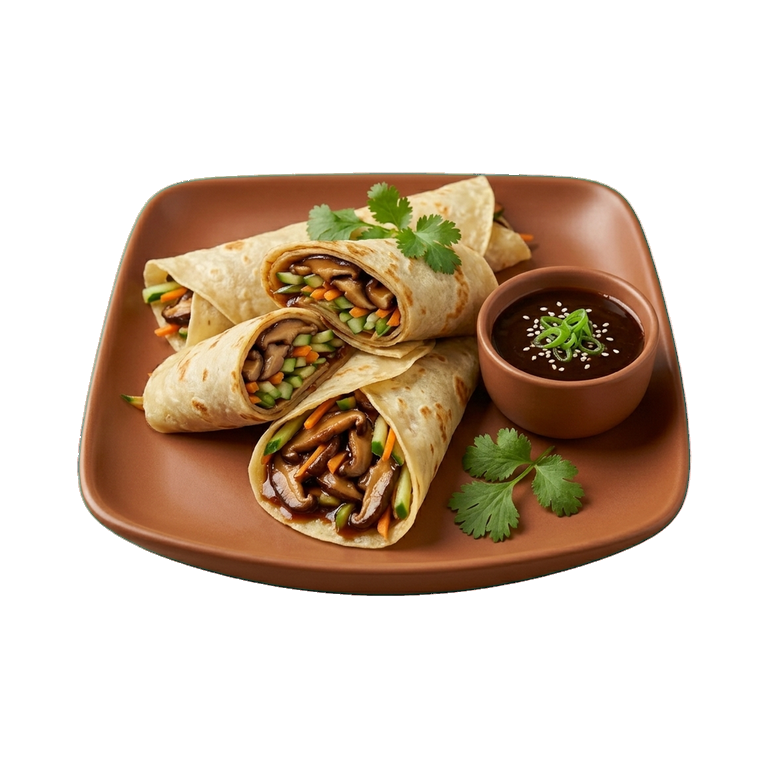
- Dipping sauce for appetizers: spring rolls, croquettes, fried shrimp
- Component in sauces and dressings for noodles, rice and vegetables
- Addition to stir-frying vegetables and meat in a wok — adds depth to the dish and binds ingredients
Successful Pairings
Hoisin pairs well with garlic, ginger, and soy sauce — they enhance its pungency. With lemon and lime, it creates a bright contrast: the acidity dilutes the sweetness. It works excellently with sesame oil, which adds a nutty undertone. If you need heat, mix hoisin with chili or hot sauce.
Selection and Storage
When choosing, pay attention to the color — it should be dark brown, almost black. The consistency should be uniform, without lumps. Check the production date: fresh sauce smells more aromatic. On the label, look for soybeans, wheat, sugar, and spices at the beginning of the ingredients list.
- Keep the closed jar in a cool dark place or in a cupboard — the sauce is stable at room temperature
- After opening, transfer to a glass container, seal tightly and refrigerate
- Storage life in the refrigerator is 2–3 months. If mold appears or there's a strange smell, discard the sauce
- You can freeze in ice cube trays in portions — convenient for quick use
Practical tip
If the sauce is too thick, dilute it with water, broth, or rice vinegar — start with a teaspoon and add gradually. For a marinade, it's better to dilute the sauce so it coats the meat evenly. If you're making a glaze, use the sauce without dilution — it will thicken when heated and create a beautiful crust.
Nutrition
per 100 ml
- Calories
- 150 kcal
- Protein
- 3 g
- Fat
- 0.5 g
- Carbs
- 32 g
Micronutrients
per 100 ml
Macronutrients
- Fiber
- 3.64 g
- Sugars
- 35.438 g
- Saturated fat
- 0.738 g
- Monounsaturated fat
- 1.252 g
- Polyunsaturated fat
- 2.207 g
- Omega-3 (EPA + DHA)
- 0 g
- Cholesterol
- 3.9 mg
- Water
- 57.499 g
Minerals
- Sodium
- 2099.5 mg
- Potassium
- 154.7 mg
- Calcium
- 41.6 mg
- Magnesium
- 31.2 mg
- Phosphorus
- 49.4 mg
- Iron
- 1.31 mg
- Zinc
- 0.42 mg
- Copper
- 0.17 mg
- Manganese
- 0.33 mg
- Selenium
- 2.3 mcg
Vitamins
- Vitamin A (RAE)
- 0 mcg
- Vitamin D
- 0 mcg
- Vitamin E
- 0.36 mg
- Vitamin K
- 0.7 mcg
- Vitamin C
- 0.52 mg
- Vitamin B1 (thiamin)
- 0.01 mg
- Vitamin B2 (riboflavin)
- 0.28 mg
- Vitamin B3 (niacin)
- 1.52 mg
- Vitamin B5 (pantothenic acid)
- 0.09 mg
- Vitamin B6
- 0.08 mg
- Vitamin B9 (folate, DFE)
- 29.9 mcg
- Vitamin B12
- 0 mcg
Measures and weight
- 1 tbsp
- 19.5 g
- 1 tsp
- 6.5 g
- 1 cup
- 325 g
Measure calculator
- Weight
- 100 g
- Calories
- 115 kcal