Usuba
Usuba
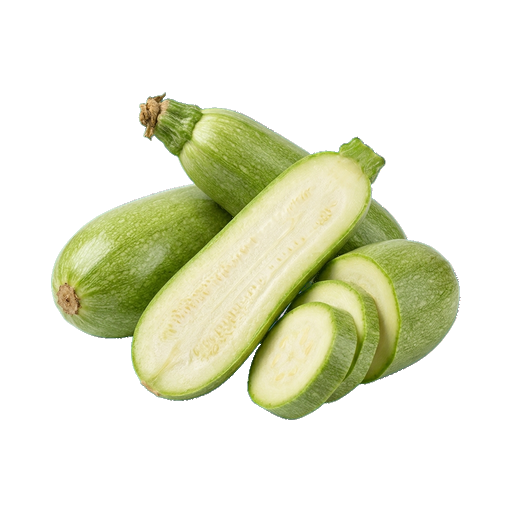
Young zucchini
Young zucchini are tender summer vegetables with thin skin that are harvested before full maturity, while the seeds are still soft. They have a mild, slightly sweet flavor and delicate texture, making them ideal for quick cooking on the grill, in the oven, or in a pan. When selecting, look for fruits 15–20 cm long without damage — they cook quickly and don't require peeling, unlike mature zucchini.
Micronutrients
per 100 g
Minerals
About
Young zucchini are tender vegetables harvested at an early stage of ripeness, while the skin is still thin and the seeds have not yet hardened. They are nothing like large overripe zucchini: their flesh is delicate, slightly sweet, and practically without wateriness. It is this tenderness that makes young zucchini a versatile ingredient for summer cooking.
Taste and Texture
Young zucchini have a soft, slightly sweet taste with a barely noticeable herbaceous note. The flesh cuts easily and does not require prolonged heat treatment — just a few minutes in a pan or on a grill is enough. The skin is so thin that it doesn't need to be removed, and the seeds are barely noticeable when eating. This quality is especially valuable when preparing dishes where a delicate texture is important.
Where to use them
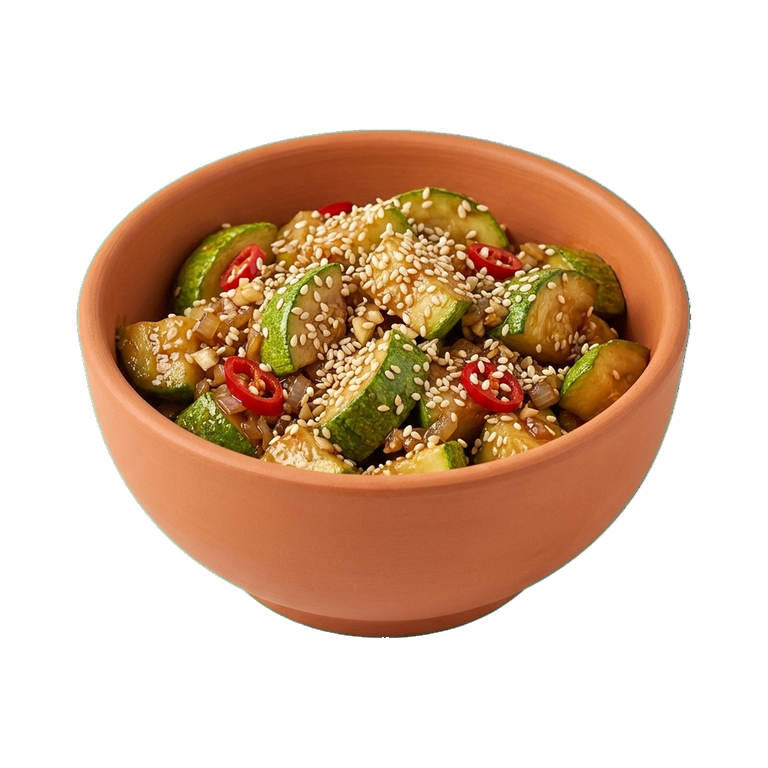
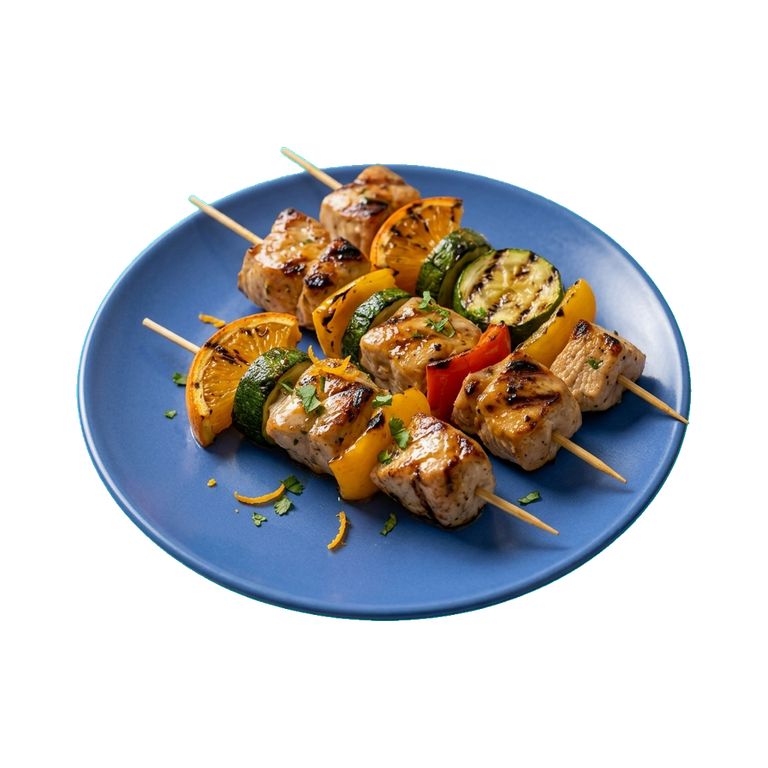
- Grilling and pan-frying — young zucchini cook quickly and develop a beautiful golden crust
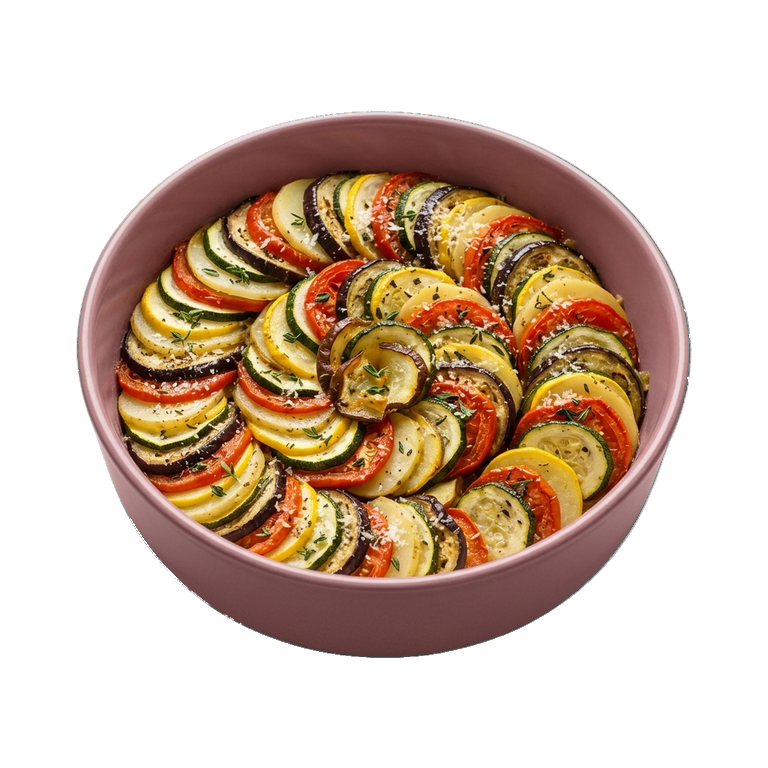
- Stews and braised dishes — maintain their shape, don't fall apart, absorb sauces well
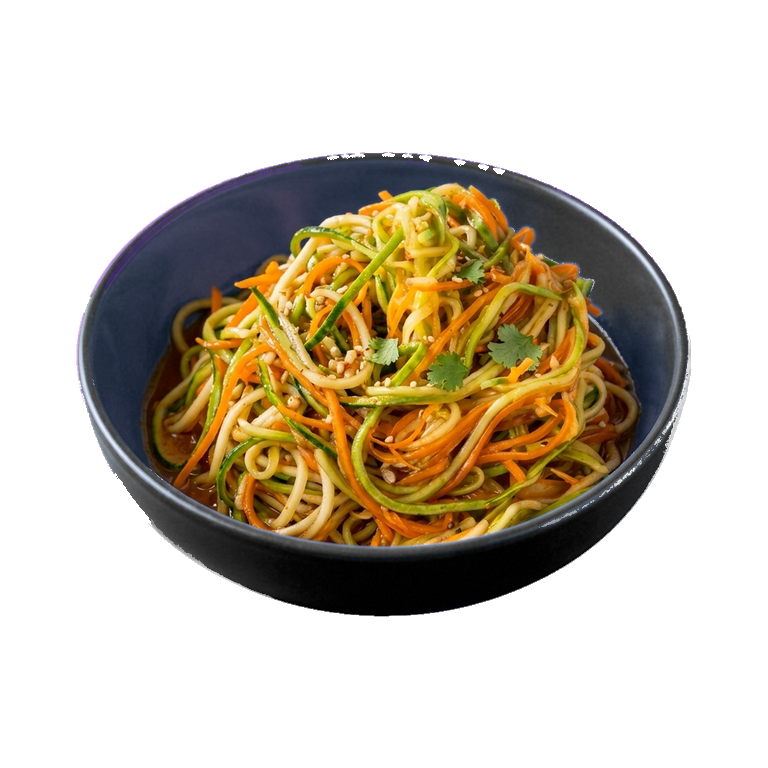
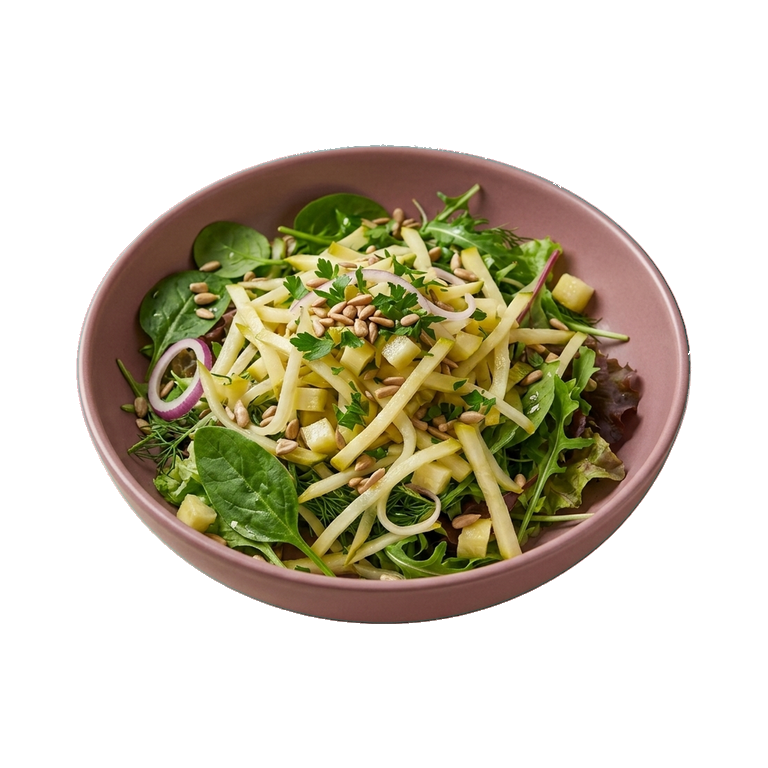
- Salads — fresh, sliced thinly or into ribbons, add lightness and freshness
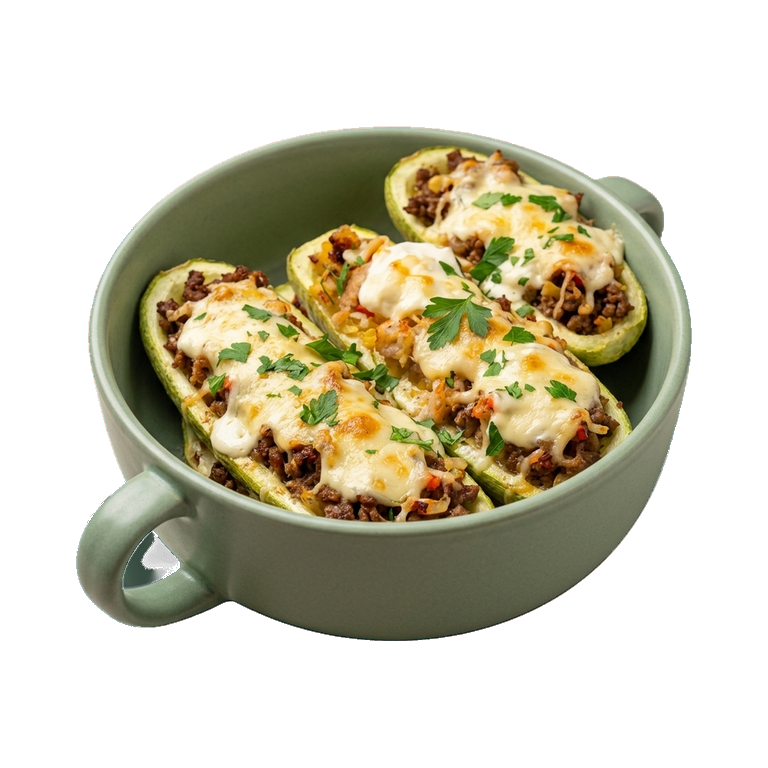
- Stuffing — whole young zucchini are ideal for filling thanks to their size
- Casseroles and pizza — a layer of young zucchini makes the dish juicy and aromatic
Successful Combinations
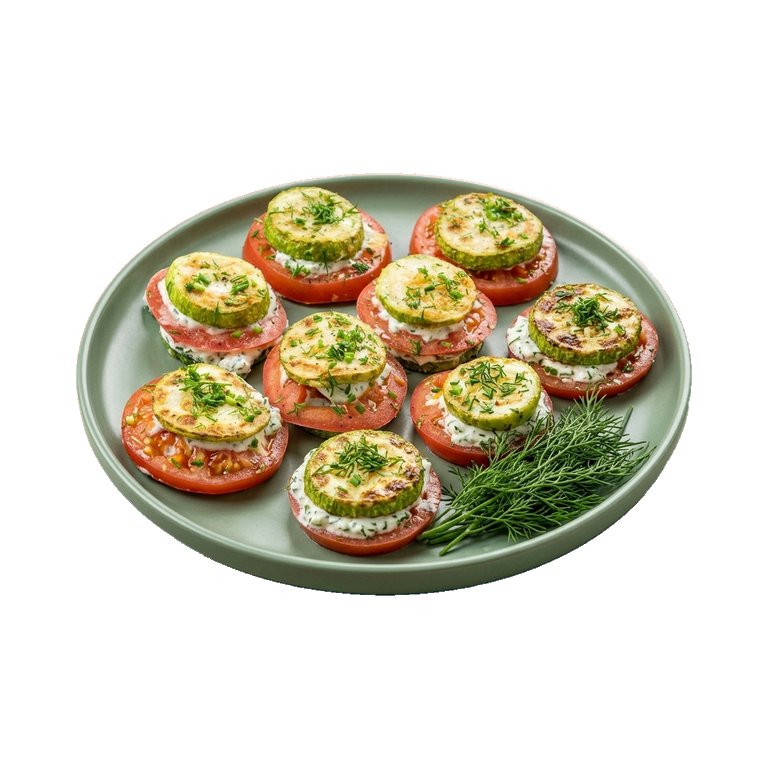
Young zucchini work well with tomatoes, garlic, basil, and other Mediterranean herbs. They don't compete with other vegetables but complement them. Olive oil, lemon, and Parmesan are a classic combination for preparing them. Young zucchini also pairs well with butter, sour cream, and soft cheeses.
How to Choose and Store
Look for zucchini the size of your palm — no more than 15–20 cm in length. The skin should be smooth, shiny, without dark spots or soft areas. When pressed with your finger, a quality young zucchini should not leave an indent. The color can be light green or dark green depending on the variety — both options are equally good.
- Young zucchini are stored in the refrigerator for 5–7 days in the vegetable compartment
- Do not wash them before storage — moisture accelerates spoilage
- Store separately from fruits that release ethylene, otherwise zucchini will quickly turn yellow
- Use within the first few days after purchase while the skin is at its most tender
Cooking Tips
Young zucchini do not need to be peeled or have their seeds removed beforehand. Slice them immediately before cooking so they don't darken. If grilling or pan-frying, don't flip them frequently — let them form a golden crust. When stewing, add them at the end of cooking so they remain firm rather than turning to mush. For salads, slice thinly or use a vegetable peeler to create thin ribbons.
Nutrition
per 100 g
- Calories
- 20 kcal
- Protein
- 0.6 g
- Fat
- 0.3 g
- Carbs
- 3 g
Micronutrients
per 100 g
Macronutrients
- Fiber
- 1.1 g
- Saturated fat
- 0.083 g
- Monounsaturated fat
- 0.031 g
- Polyunsaturated fat
- 0.169 g
- Cholesterol
- 0 mg
- Water
- 92.73 g
Minerals
- Sodium
- 3 mg
- Potassium
- 459 mg
- Calcium
- 21 mg
- Magnesium
- 33 mg
- Phosphorus
- 93 mg
- Iron
- 0.79 mg
- Zinc
- 0.83 mg
- Copper
- 0.1 mg
- Manganese
- 0.2 mg
- Selenium
- 0.3 mcg
Vitamins
- Vitamin A (RAE)
- 25 mcg
- Vitamin D
- 0 mcg
- Vitamin C
- 34.1 mg
- Vitamin B1 (thiamin)
- 0.04 mg
- Vitamin B2 (riboflavin)
- 0.04 mg
- Vitamin B3 (niacin)
- 0.71 mg
- Vitamin B5 (pantothenic acid)
- 0.37 mg
- Vitamin B6
- 0.14 mg
- Vitamin B9 (folate, DFE)
- 20 mcg
- Vitamin B12
- 0 mcg
Measures and weight
- 1 pcs
- 200 g
Measure calculator
- Weight
- 100 g
- Calories
- 20 kcal