Usuba
Usuba
Oregano
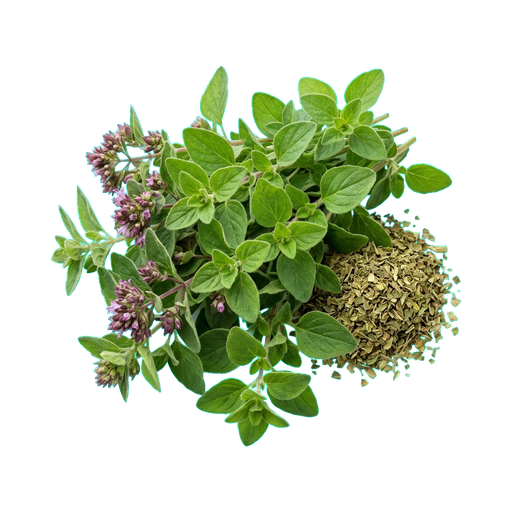
Oregano is a spicy herb with a rich, slightly bitter aroma and warm flavor with woody notes. It is used in Mediterranean and Eastern European cuisine to season meat, vegetable dishes, sauces, and marinades. When added to hot dishes, it releases its aroma more fully than in cold appetizers, which is why it is often added at the beginning of cooking or at the very end for freshness.
Micronutrients
per 100 g
Minerals
Vitamins
- AVitamin A (RAE)85mcg10% DV
- EVitamin E18.26mg122% DV
- KVitamin K621.7mcg518% DV
- CVitamin C2.3mg2% DV
- B1Vitamin B1 (thiamin)0.18mg12% DV
- B2Vitamin B2 (riboflavin)0.53mg29% DV
- B3Vitamin B3 (niacin)4.64mg23% DV
- B5Vitamin B5 (pantothenic acid)0.92mg18% DV
- B6Vitamin B61.04mg52% DV
- B9Vitamin B9 (folate, DFE)237mcg59% DV
About
Oregano is a fragrant herb with a warm, slightly bitter aroma that transforms an ordinary dish into something special. It's easy to recognize by its small leaves and purple flowers if you see it fresh. In dried form, it's an indispensable kitchen helper, because the aroma becomes even more concentrated and expressive.
Aroma and Taste
Oregano brings warmth and depth to dishes. Its taste is a mix of spice, subtle bitterness, and barely perceptible sweetness. When you add it to a hot dish, the aroma unfolds completely, filling everything around it. Fresh herb is more tender and green, dried is more intense and concentrated.
Where to use it
- Mediterranean dishes — pizza, pasta, Greek salads simply call for oregano
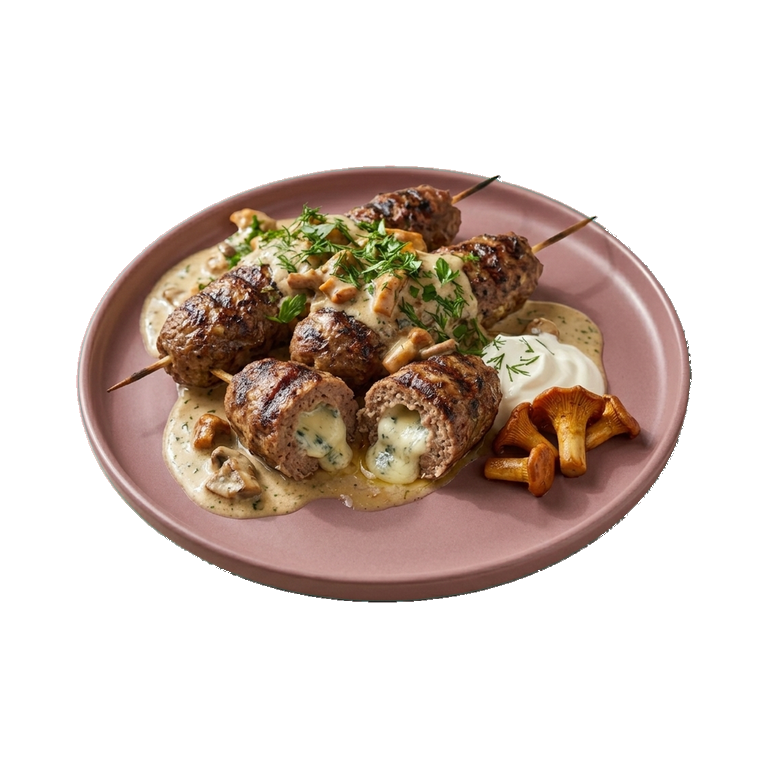
- Meat marinades and ground cutlets — the herb emphasizes the taste of beef and lamb
- Vegetable stews and casseroles — it makes them more aromatic and richer
- Herbal teas and infusions — a few leaves provide a pleasant, warming effect
- Oils and vinegars for storage — oregano infuses beautifully and imparts its distinctive character
Perfect Pairings
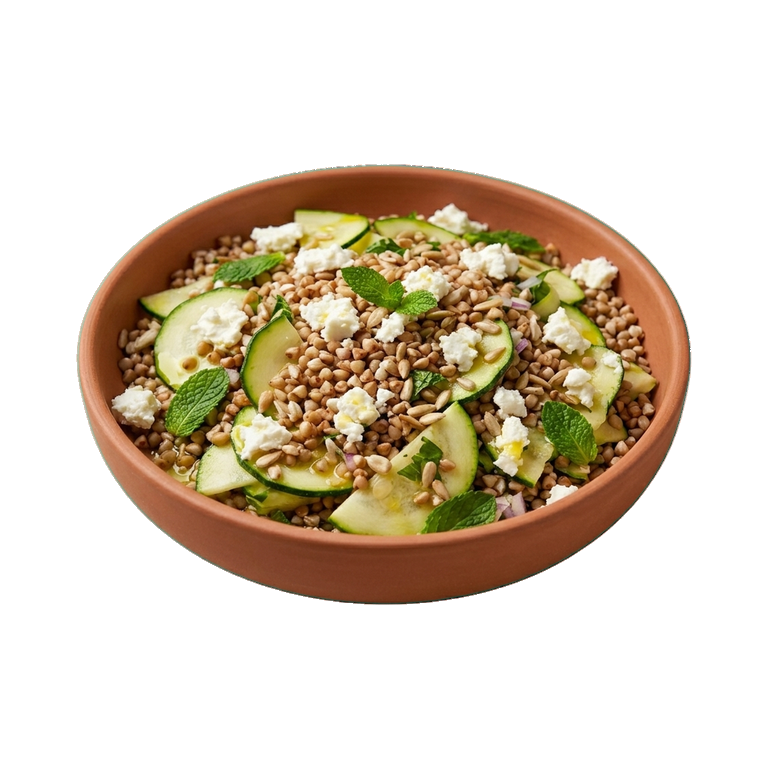
Oregano pairs well with tomatoes — this is a classic combination that works everywhere. It goes perfectly with garlic, olive oil, and lemon. If you're cooking fish, add it at the end — it will turn out light and aromatic. With cheese, especially feta, it creates harmony. Don't forget about combining it with other herbs: basil, thyme, and marjoram — its reliable companions.
How to Choose and Store
Look for fresh oregano in season — it should be green, without spots or wilting. Dried herbs last longer, so many prefer them. When buying dried oregano, make sure it has a rich color and smells vibrant. Store it in an airtight container, away from light and moisture — this way it will retain its potency for a whole year.
How much to add
Dried oregano is a concentrated herb, so you need less of it than fresh. Start with half a teaspoon per dish for four people and add to taste. If you're using fresh herbs, you can be more generous — take a whole spoon or even more. Remember that with prolonged cooking, the aroma may fade slightly, so it makes sense to add some of the herb at the end of cooking.
Practical Tips
- If you're new to oregano, start with dried — it's more predictable and easier to dose
- Fresh herbs are best added at the end of cooking to preserve their delicate aroma
- Try making your own oregano oil — simply pour dry herbs with olive oil and let it infuse for two weeks
- For meat marinades, mix oregano with salt, pepper and garlic a few hours before cooking
Nutrition
per 100 g
- Calories
- 265 kcal
- Protein
- 9 g
- Fat
- 4.3 g
- Carbs
- 42.5 g
Micronutrients
per 100 g
Macronutrients
- Fiber
- 42.5 g
- Sugars
- 4.09 g
- Saturated fat
- 1.551 g
- Monounsaturated fat
- 0.716 g
- Polyunsaturated fat
- 1.369 g
- Omega-3 (EPA + DHA)
- 0 g
- Cholesterol
- 0 mg
- Water
- 9.93 g
Minerals
- Sodium
- 25 mg
- Potassium
- 1260 mg
- Calcium
- 1597 mg
- Magnesium
- 270 mg
- Phosphorus
- 148 mg
- Iron
- 36.8 mg
- Zinc
- 2.69 mg
- Copper
- 0.63 mg
- Manganese
- 4.99 mg
- Selenium
- 4.5 mcg
Vitamins
- Vitamin A (RAE)
- 85 mcg
- Vitamin D
- 0 mcg
- Vitamin E
- 18.26 mg
- Vitamin K
- 621.7 mcg
- Vitamin C
- 2.3 mg
- Vitamin B1 (thiamin)
- 0.18 mg
- Vitamin B2 (riboflavin)
- 0.53 mg
- Vitamin B3 (niacin)
- 4.64 mg
- Vitamin B5 (pantothenic acid)
- 0.92 mg
- Vitamin B6
- 1.04 mg
- Vitamin B9 (folate, DFE)
- 237 mcg
- Vitamin B12
- 0 mcg
Measures and weight
- 1 tbsp
- 4.5 g
- 1 tsp
- 1.5 g
- 1 cup
- 75 g
- 1 sprig
- 2 g
Measure calculator
- Weight
- 100 g
- Calories
- 265 kcal