Usuba
Usuba
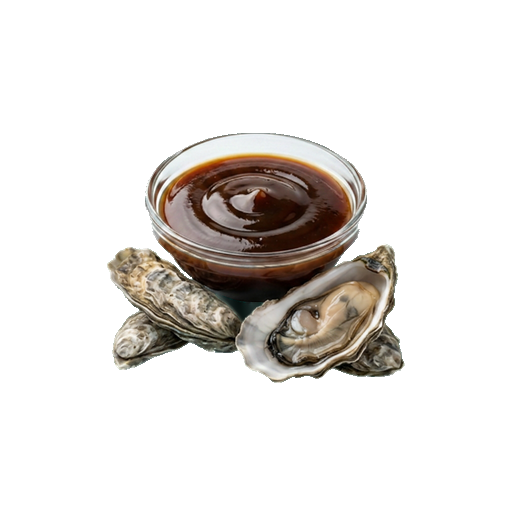
Oyster sauce
A sharp paste made from oysters, salt, and spices that imparts a rich, briny flavor with a subtle bitterness to dishes. Used in Asian cuisine as a versatile condiment for meat, vegetables, noodles, and rice, and is also an ingredient in marinades and sauces. When selecting, pay attention to the consistency — quality sauce should be homogeneous and dark brown in color, and it's best stored in the refrigerator after opening.
Micronutrients
per 100 ml
Minerals
About
Oyster sauce is a dark, viscous liquid with deep umami and a light sweetness. Despite its name, it doesn't have a pronounced oyster flavor; instead, it offers a concentrated, slightly caramelized taste with salty notes. In cooking, it's one of the most versatile helpers, working both in Asian cuisine and in unexpected European combinations.
Taste and Aroma
The base of the sauce is oyster extract, sugar, and salt. When opening the bottle, you can feel a characteristic sea smell with fruity, almost plum notes. On the tongue, the sauce gives a rounded, oily taste with pronounced umami — that very fifth taste note that makes a dish more rich and full-bodied. The sweetness is balanced by saltiness, and its viscous consistency allows it to stick to ingredients and spread evenly.
How to use in cooking
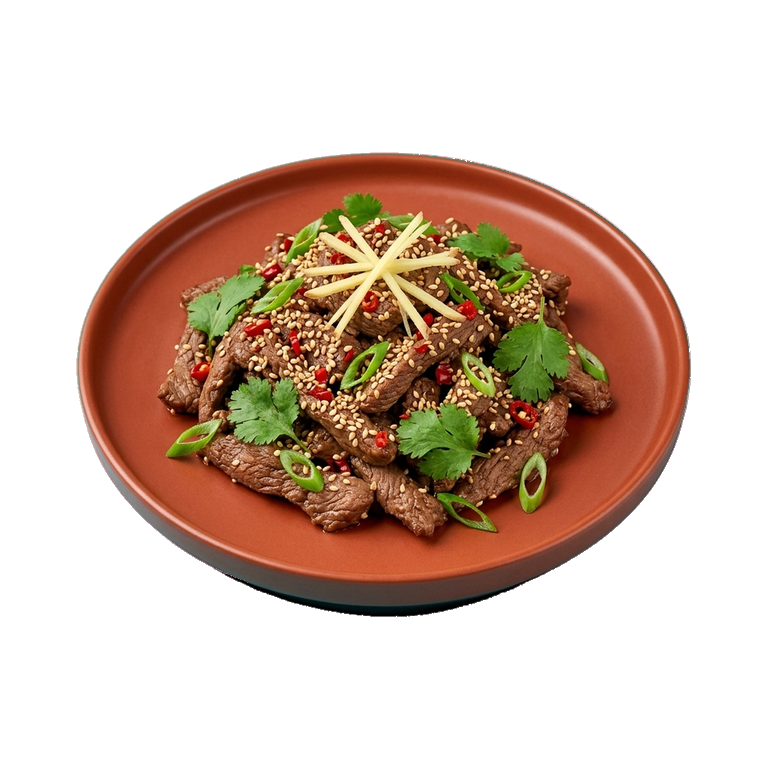
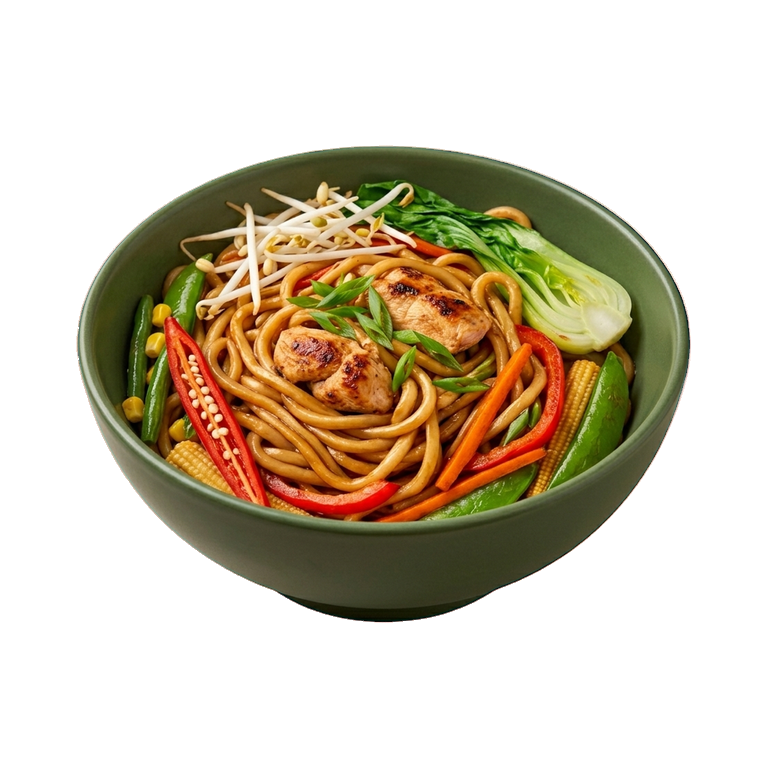
- Marinade for meat and poultry — a few spoonfuls of sauce with garlic and ginger will transform chicken or beef before frying
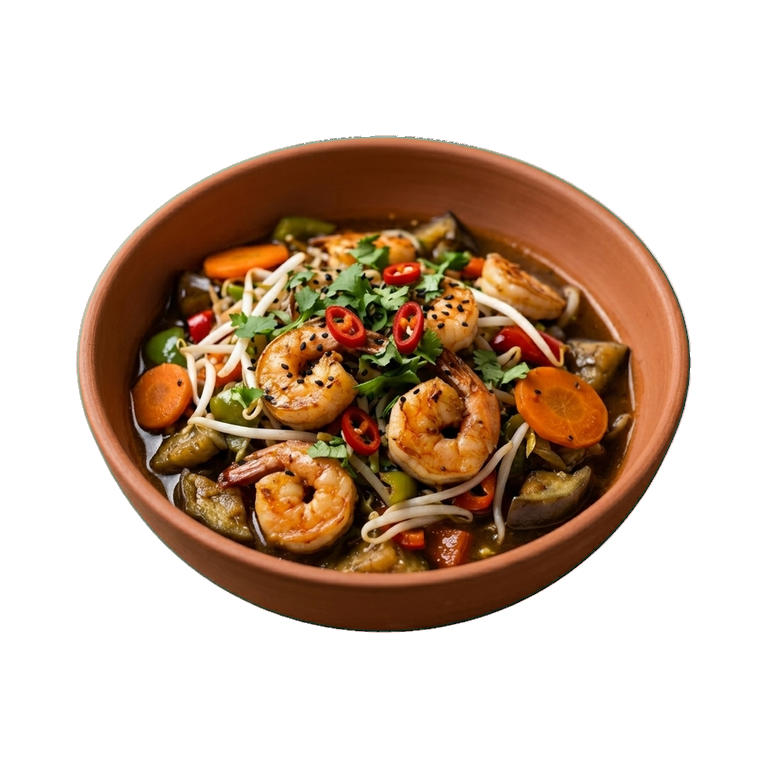
- Final touch for fried vegetables, especially broccoli, eggplant and bell pepper
- Component in sauces and gravies — add a spoonful or two to cream or tomato sauce for depth
- Base for glaze — mix with honey and lemon juice for glaze on baked fish or meat
- Seasoning for soups and stews — literally a teaspoon will add complexity to the taste
Pairings with other ingredients
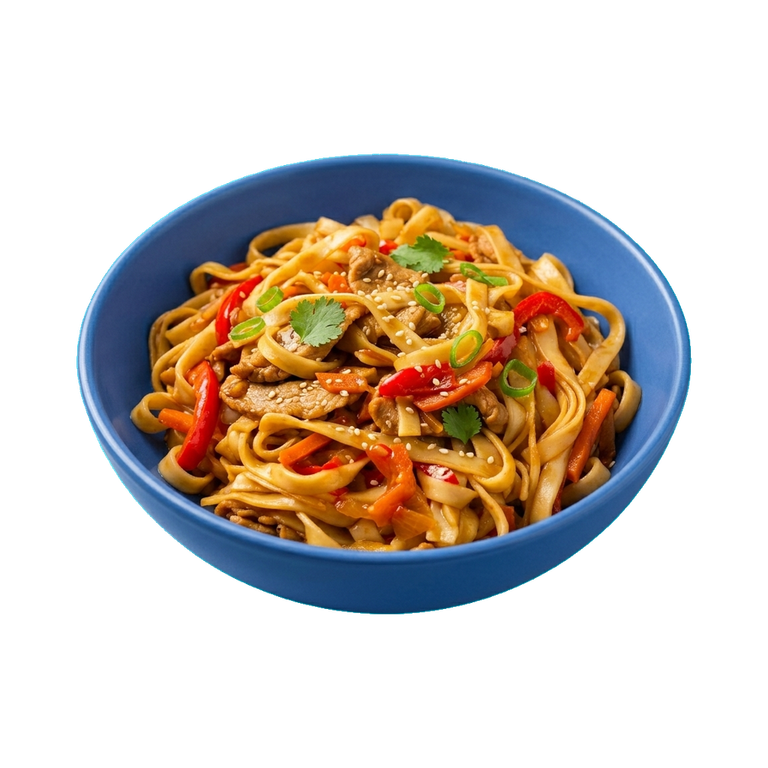
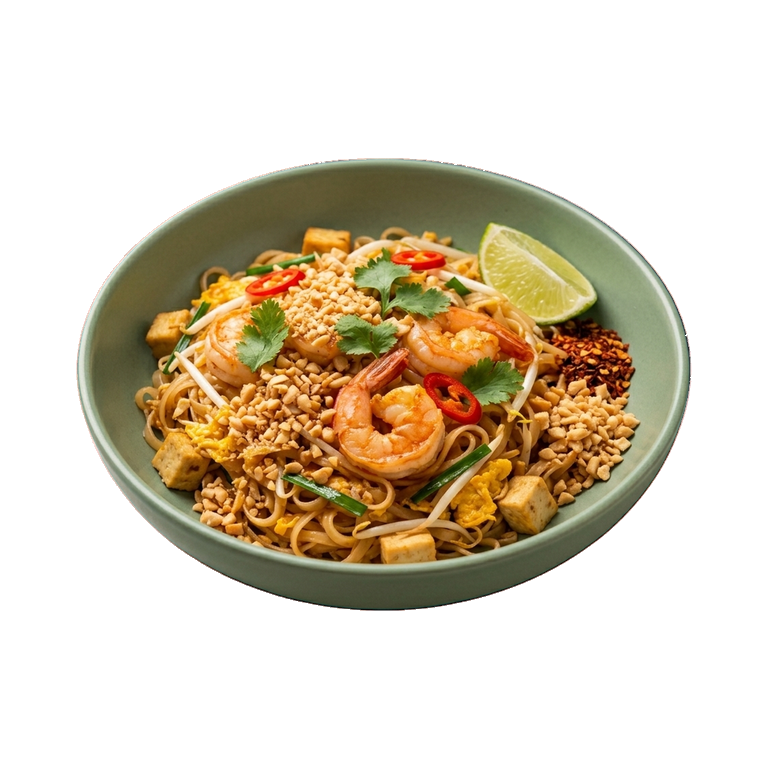
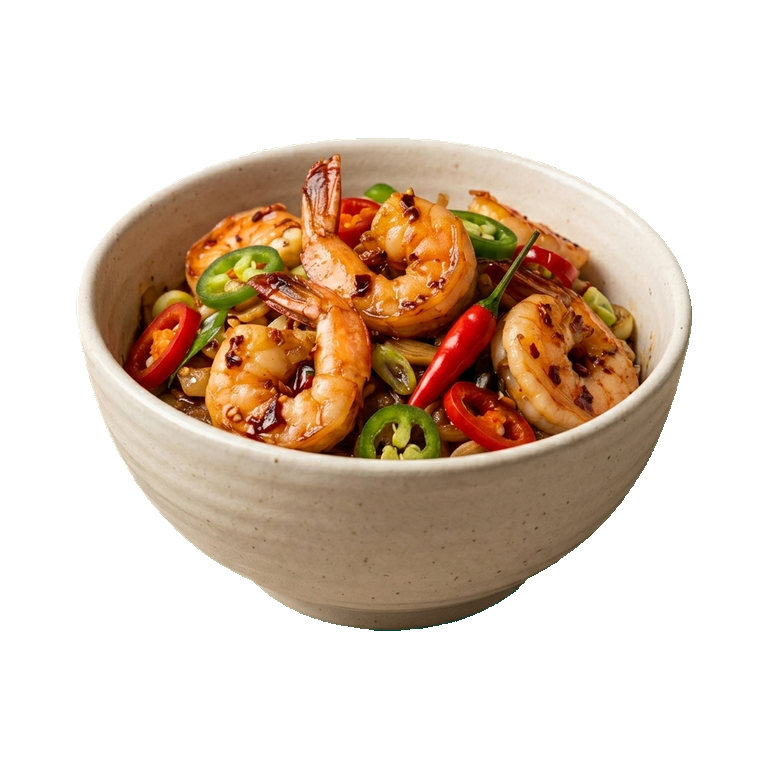
Oyster sauce naturally pairs well with garlic, ginger, soy sauce, and rice vinegar — this is a classic Asian quartet. But it also works great with European components: butter, black pepper, hot chili pepper, lemon. Try it with seafood, beef, pork, and even mushrooms — the umami of the sauce will complement the umami of the mushrooms.
Selection and Storage
- Pay attention to the color — a good sauce has a rich brown color, almost black
- Check the ingredient list — a quality sauce should not contain thickeners and artificial additives
- Shake the bottle — the sauce should flow slowly, without lumps or separation
- Store in a cool place, away from direct sunlight; after opening, keep in the refrigerator
- A closed bottle keeps for years, an open one — for several months
Practical tip
Start small — oyster sauce is concentrated and can easily overpower a dish. Add half a teaspoon at a time, taste and adjust. If you're cooking with this sauce for guests for the first time, remember that its aroma and flavor may seem unusual to those unfamiliar with it. But once you try it, many people become its fans.
Nutrition
per 100 ml
- Calories
- 55 kcal
- Protein
- 8 g
- Fat
- 0.5 g
- Carbs
- 5 g
Micronutrients
per 100 ml
Macronutrients
- Fiber
- 0.33 g
- Sugars
- 0 g
- Saturated fat
- 0.047 g
- Monounsaturated fat
- 0.08 g
- Polyunsaturated fat
- 0.073 g
- Omega-3 (EPA + DHA)
- 0.002 g
- Cholesterol
- 0 mg
- Water
- 88 g
Minerals
- Sodium
- 3006.3 mg
- Potassium
- 59.4 mg
- Calcium
- 35.2 mg
- Magnesium
- 4.4 mg
- Phosphorus
- 24.2 mg
- Iron
- 0.2 mg
- Zinc
- 0.1 mg
- Copper
- 0.16 mg
- Manganese
- 0.06 mg
- Selenium
- 4.8 mcg
Vitamins
- Vitamin A (RAE)
- 0 mcg
- Vitamin D
- 0 mcg
- Vitamin E
- 0 mg
- Vitamin K
- 0 mcg
- Vitamin C
- 0.11 mg
- Vitamin B1 (thiamin)
- 0.01 mg
- Vitamin B2 (riboflavin)
- 0.14 mg
- Vitamin B3 (niacin)
- 1.62 mg
- Vitamin B5 (pantothenic acid)
- 0.02 mg
- Vitamin B6
- 0.02 mg
- Vitamin B9 (folate, DFE)
- 16.5 mcg
- Vitamin B12
- 0.5 mcg
Measures and weight
- 1 tbsp
- 16.5 g
- 1 tsp
- 5.5 g
- 1 cup
- 275 g
Measure calculator
- Weight
- 100 g
- Calories
- 50 kcal