Usuba
Usuba
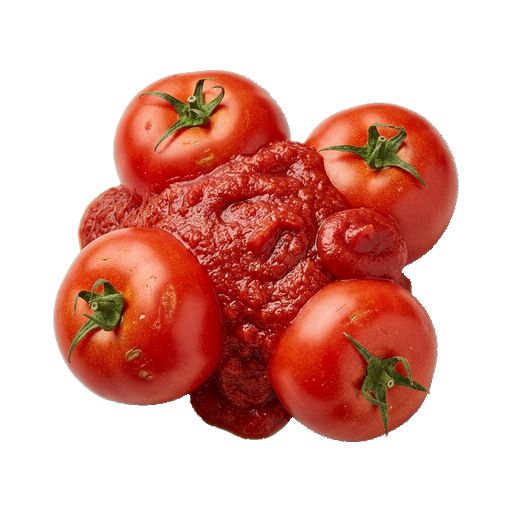
Tomato puree
Tomato paste is a concentrated paste made from tomatoes, obtained by cooking and straining ripe tomatoes. It has a rich, tangy flavor with a subtle sweetness and is used in sauces, soups, stews, and meat dishes to add depth and color. When choosing, pay attention to consistency — quality paste should be uniform and thick, without wateriness or lumps.
Micronutrients
per 100 g
About
Tomato paste is a concentrated paste made from ripe tomatoes, where all the sweetness and acidity of the fruit is compressed into a thick homogeneous mass. It is not just an ingredient, but a complete kitchen helper that saves time and money, while giving dishes a deep tomato flavor without excess liquid.
Aroma and Taste
The puree smells intensely, with a pronounced tartness and light sweetness. The taste is concentrated, slightly astringent — which is why it's added in small portions. Good puree has a uniform consistency without lumps and foreign impurities.
Where puree works best
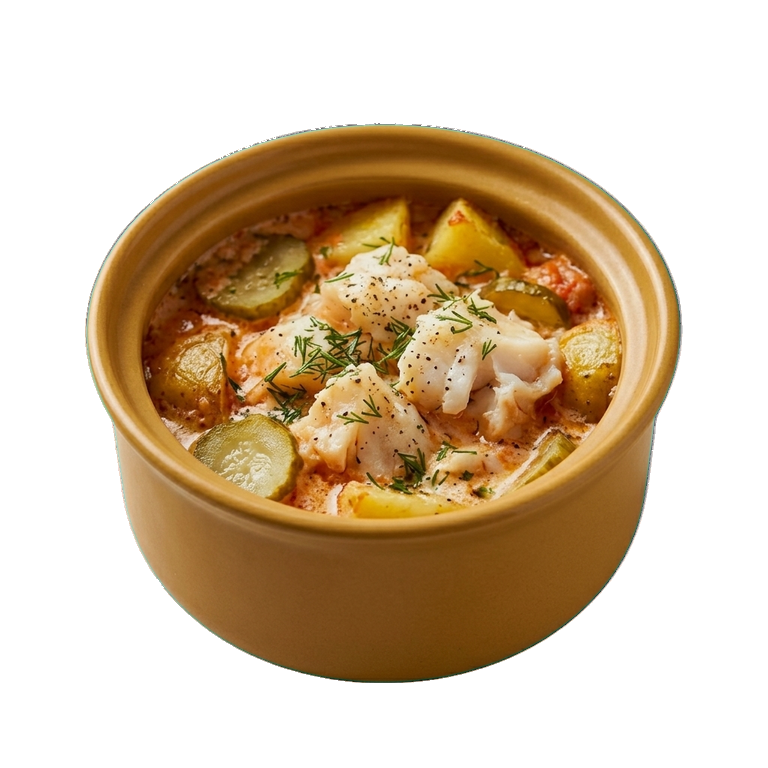
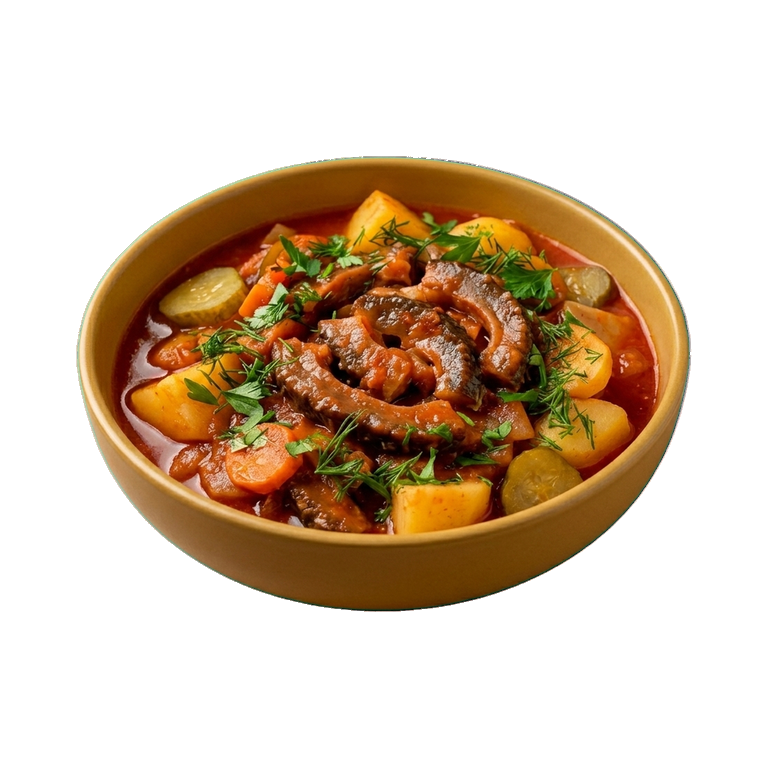
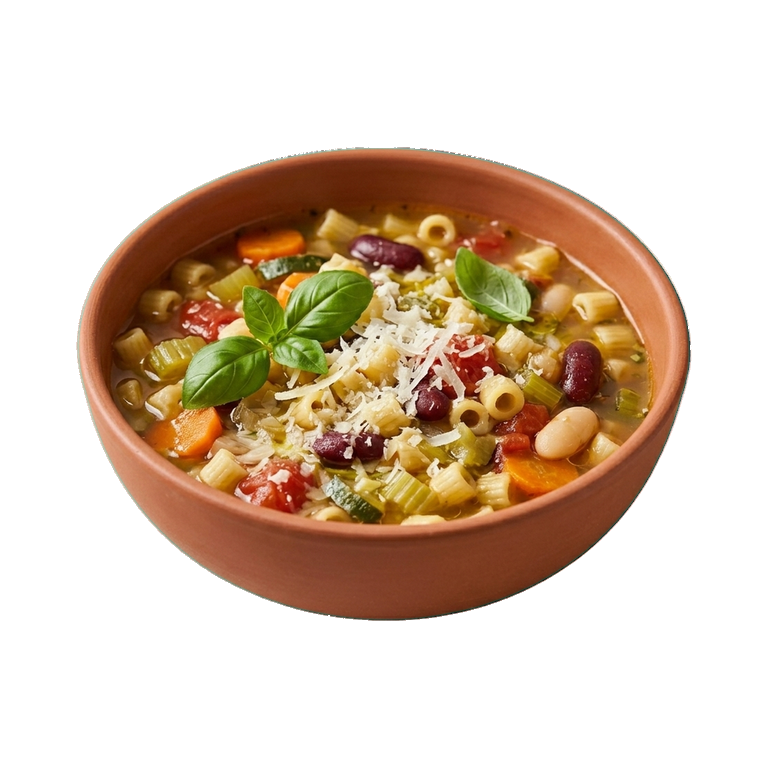
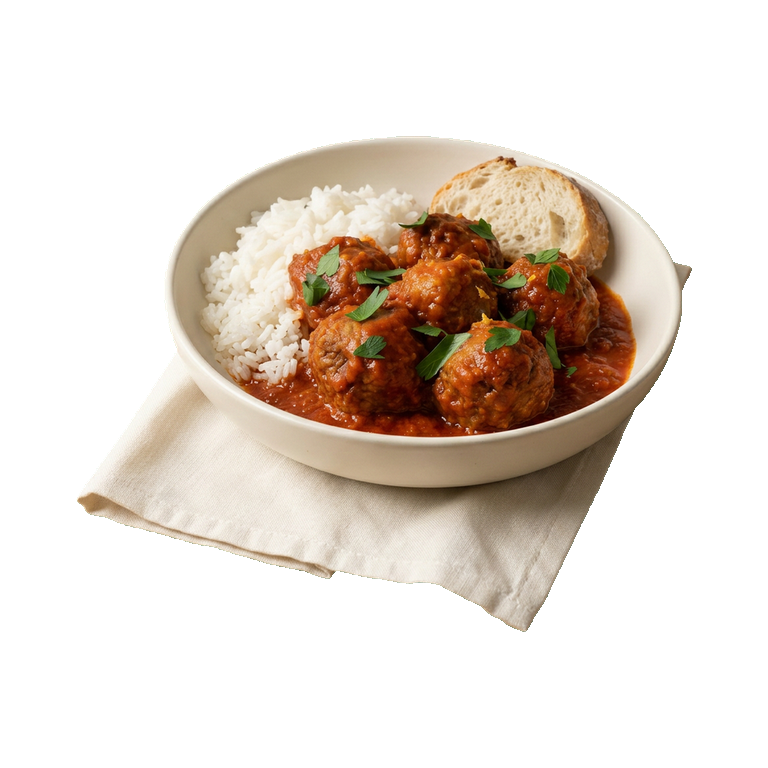
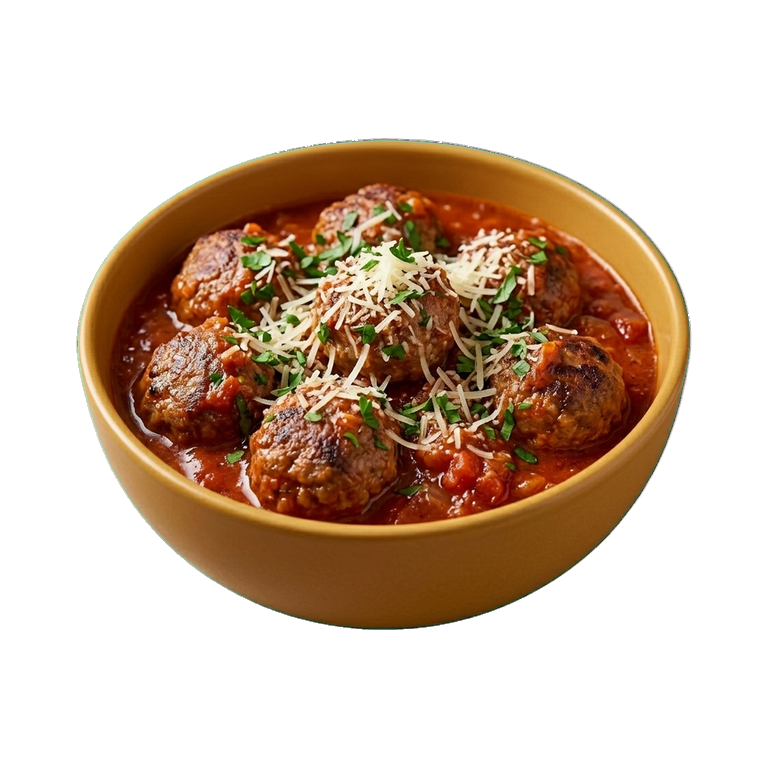
Tomato paste is the foundation for sauces. It thickens and enriches ragù, bolognese, shakshuka. In soups it is diluted with broth, and in marinades and meat sauces it creates depth of flavor. A few spoonfuls of paste transform a simple soup into a hearty first course, and a glass of tomato juice with added paste becomes the base for gazpacho or pickling.
- Red sauces for pasta and pizza
- Meat and vegetable stews
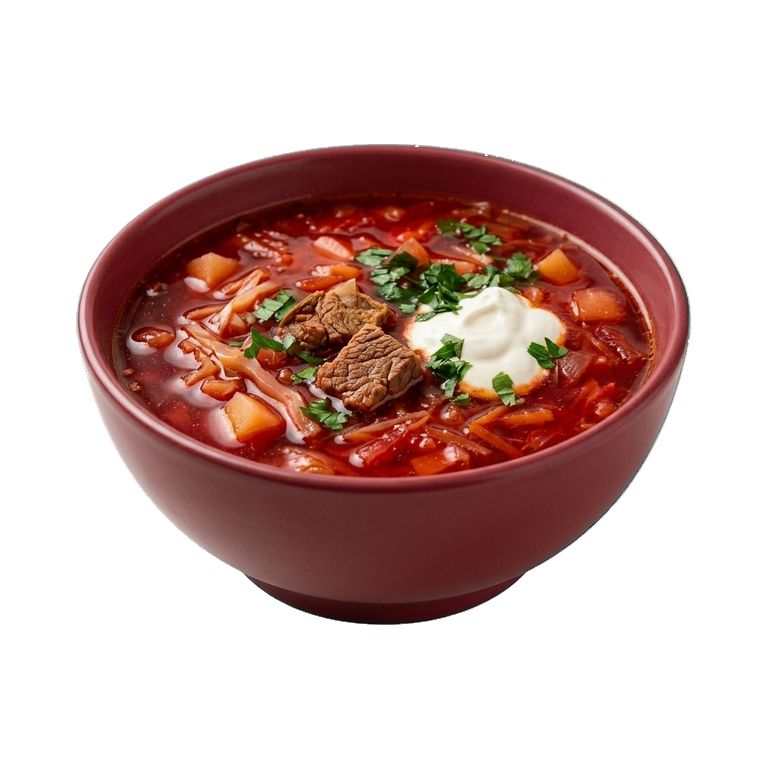
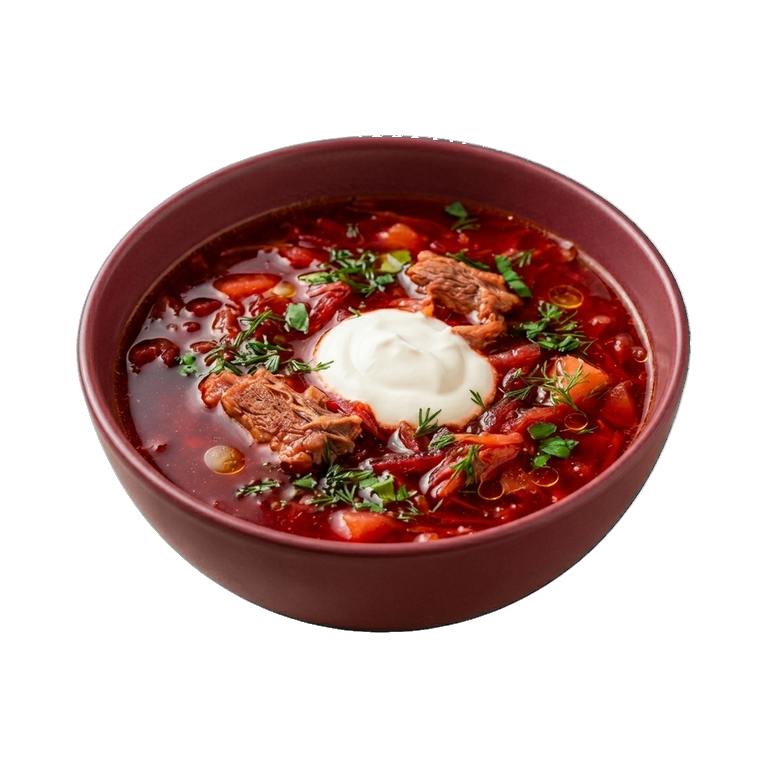
- Soups and borscht
- Marinades for kebabs and meat
- Base for ketchups and sauces
Pairs well with
Tomato puree loves garlic, onion, and herbs — basil, oregano, thyme. It pairs well with olive oil, which softens the acidity. Puree complements meat, fish, and vegetables. A pinch of sugar neutralizes excess acid if the puree turns out too tart.
How to Choose and Store
When buying, check the ingredients — good puree contains only tomatoes and salt, sometimes citric acid is used as a preservative. Avoid products with starch and thickeners. Canned puree in a jar or tube can be stored for years in a cool cupboard. Transfer an opened jar to a glass container, cover it with a lid, and keep it in the refrigerator — it will last about a month.
- Closed jar — in a dark cool place for up to 2 years
- Opened — in the refrigerator in a glass container for up to a month
- Frozen in cubes — in the freezer for up to six months
Practical tip
If you cook often, freeze the puree in portions using ice cube trays. This way you'll always have the right amount on hand and won't need to open a jar every time. The puree can be easily diluted with water or broth to the consistency of tomato juice if the recipe requires a less concentrated product.
Nutrition
per 100 g
- Calories
- 32 kcal
- Protein
- 1.6 g
- Fat
- 0.3 g
- Carbs
- 7.2 g
Micronutrients
per 100 g
Macronutrients
- Fiber
- 1.971 g
- Water
- 89.11 g
Minerals
- Sodium
- 29.36 mg
- Potassium
- 416.4 mg
- Calcium
- 17.64 mg
- Magnesium
- 19.33 mg
- Phosphorus
- 34.14 mg
- Iron
- 1.24 mg
- Zinc
- 0.21 mg
- Copper
- 0.12 mg
- Manganese
- 0.14 mg
Vitamins
- Vitamin C
- 10.4 mg
Measures and weight
- 1 tbsp
- 15.8 g
- 1 tsp
- 5.3 g
- 1 cup
- 262.5 g
Measure calculator
- Weight
- 100 g
- Calories
- 32 kcal