Usuba
Usuba
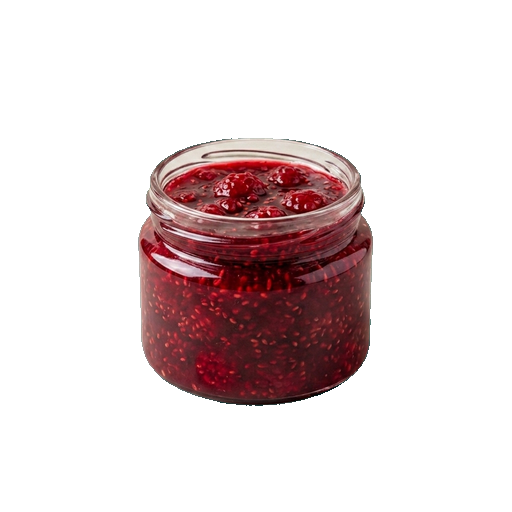
Jam
Jam is fruit or berries cooked with sugar until soft and thickened. Due to prolonged heat treatment, it acquires a deep, concentrated flavor and thick consistency that holds its shape well on bread or in baked goods. When choosing jam for a recipe, consider its density and sugar content — thick jam works better for fillings, while thinner jam mixes more easily with dough or creams.
Micronutrients
per 100 g
Minerals
About
Jam is not just a way to preserve berries and fruits for the winter. It's a ready-made ingredient that works in the kitchen much broader than it seems. Yes, it's spread on bread, but jam easily becomes a filling for pies, a component of meat sauce, a base for glaze, or even an element of a salad. Each variety carries its own character — from dense consistency to almost syrupy texture, from bright berry notes to delicate sweetness.
Taste and Texture
Jam made from different fruits and berries behaves differently in taste. Strawberry jam is usually softer, with a delicate tartness and an almost creamy aftertaste. Raspberry jam is more aromatic and tangy, sometimes with a slight bitterness. Apricot jam is denser, golden, with fruity depth. Blackcurrant jam is the most acidic and intense, requiring boldness in its use.
The consistency of jam depends on cooking time and sugar quantity. Liquid jam (almost a fruit spread) absorbs well into dough and creates a juicy filling. Dense jam holds its shape, doesn't spread, and is convenient to cut into pieces. Medium jam is universal and works well for almost everything.
Where jam truly reveals itself
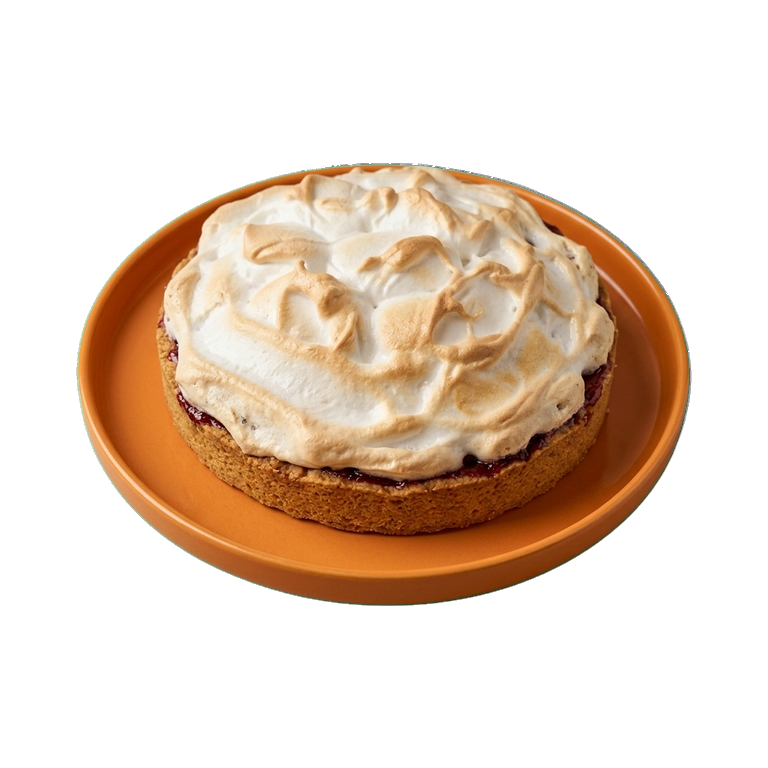
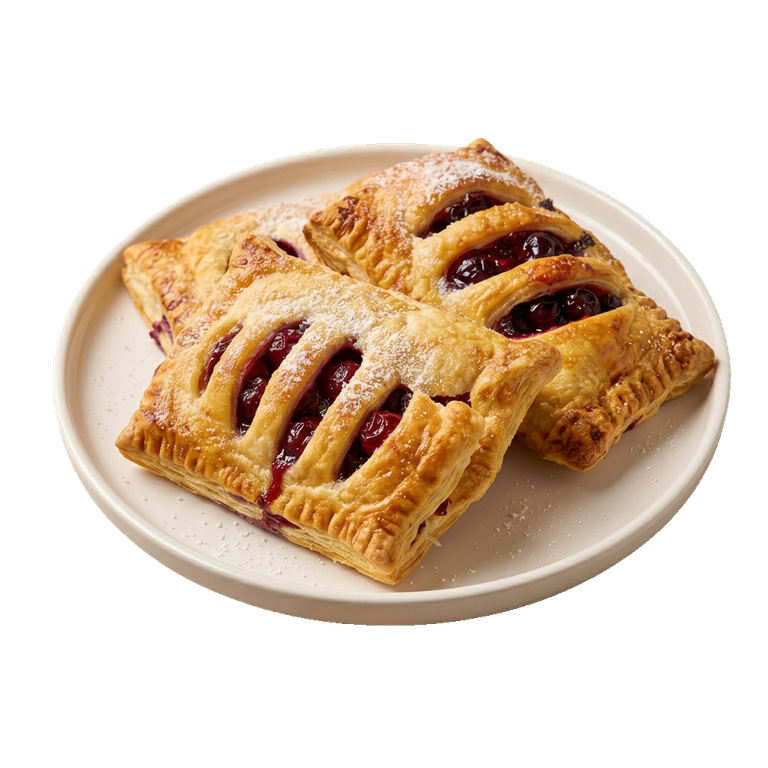
- In fillings for pies, buns and donuts — choose thick jam so it doesn't leak during baking
- Glaze for cakes and pastries — mix jam with butter or cream, you'll get an elegant sauce
- Sauce for meat and poultry — apricot or plum jam adds sweetness and depth to spicy marinades
- Yogurts, cottage cheese, cereals — jam becomes a bright accent, requires no additional sweetening
- Beverages — dilute jam with hot water or add to compote for intense flavor
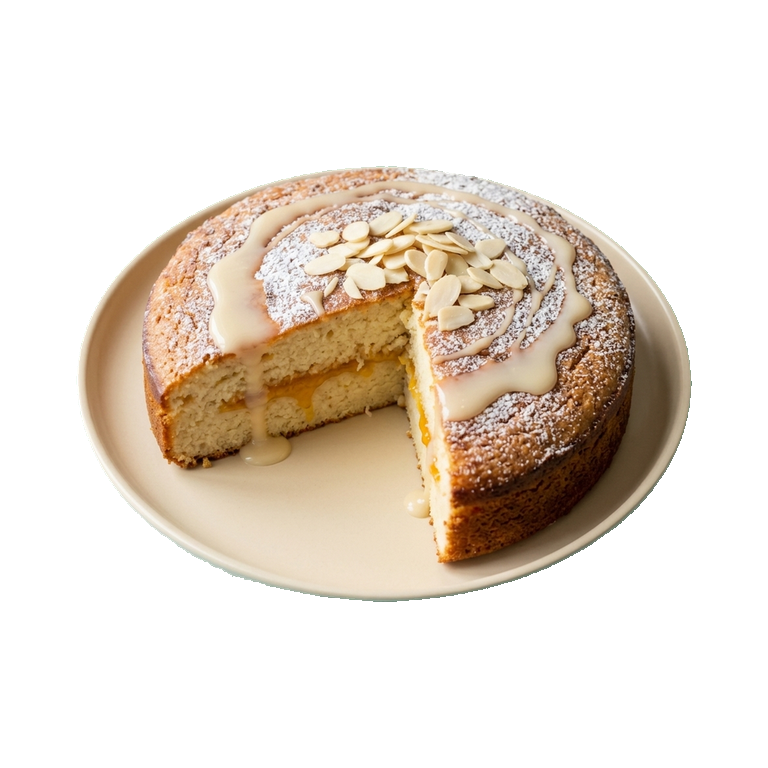
- Baked goods — brush jam between sponge layers or add to dough for moisture
How to Choose Jam
Pay attention to the composition: good jam should contain only fruits, berries, and sugar. No thickeners or preservatives. If you see large chunks of fruit, this indicates quality — it means the jam was cooked for a short time using a gentle method.
Color is also informative. Bright, saturated color indicates freshness and minimal heat treatment. Overly dark jam could have been cooked for a long time or stored in incorrect conditions. Transparency indicates high sugar concentration — such jam keeps longer, but may be overly sweet.
Storage and use of an open can
Closed jam sits peacefully in a cool dark place for several years. Put an open jar in the refrigerator and use it within one or two months. If mold appears on the surface — don't rush to throw everything away. Remove the top layer (approximately one centimeter), the rest usually remains clean and suitable for use.
Always take jam out with a dry spoon — any moisture or bread crumbs that get into it will speed up fermentation. If the jam has thickened from the cold, simply leave the jar at room temperature for half an hour before using.
Successful Pairings
- Strawberry jam works well with vanilla, lemon and black pepper
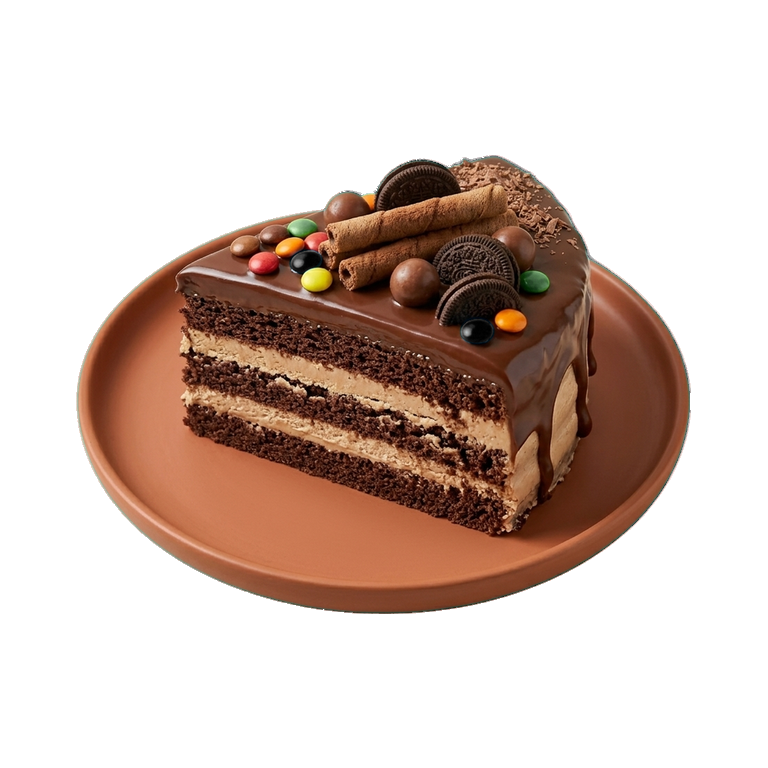
- Raspberry pairs with chocolate, almond and rose water
- Apricot jam enhances the flavor of cinnamon, ginger and cardamom
- Plum and dark jam go well with red wine, black pepper and meat
- Currant jam — with herbs (mint, basil) and spicy spices
Jam is not just a sweet addition. It is a tool that adds moisture, sweetness and fruity character to a dish. The right jam in the right place turns a simple recipe into something memorable.
Nutrition
per 100 g
- Calories
- 270 kcal
- Protein
- 0.3 g
- Fat
- 0.1 g
- Carbs
- 67 g
Micronutrients
per 100 g
Macronutrients
- Fiber
- 1.1 g
- Sugars
- 48.5 g
- Saturated fat
- 0.01 g
- Monounsaturated fat
- 0.038 g
- Polyunsaturated fat
- 0 g
- Omega-3 (EPA + DHA)
- 0 g
- Cholesterol
- 0 mg
- Water
- 30.47 g
Minerals
- Sodium
- 32 mg
- Potassium
- 77 mg
- Calcium
- 20 mg
- Magnesium
- 4 mg
- Phosphorus
- 19 mg
- Iron
- 0.49 mg
- Zinc
- 0.06 mg
- Copper
- 0.1 mg
- Manganese
- 0.04 mg
- Selenium
- 2 mcg
Vitamins
- Vitamin A (RAE)
- 0 mcg
- Vitamin D
- 0 mcg
- Vitamin E
- 0.12 mg
- Vitamin K
- 0 mcg
- Vitamin C
- 8.8 mg
- Vitamin B1 (thiamin)
- 0.02 mg
- Vitamin B2 (riboflavin)
- 0.08 mg
- Vitamin B3 (niacin)
- 0.04 mg
- Vitamin B5 (pantothenic acid)
- 0.02 mg
- Vitamin B6
- 0.02 mg
- Vitamin B9 (folate, DFE)
- 11 mcg
- Vitamin B12
- 0 mcg
Measures and weight
- 1 tbsp
- 19.5 g
- 1 tsp
- 6.5 g
- 1 cup
- 325 g
Measure calculator
- Weight
- 100 g
- Calories
- 270 kcal