Usuba
Usuba
Cauliflower
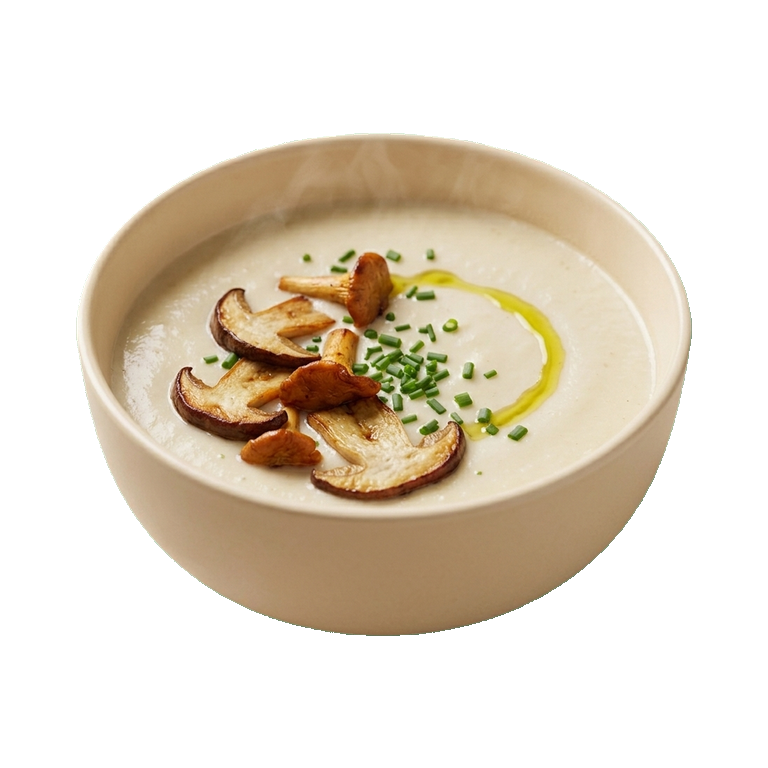
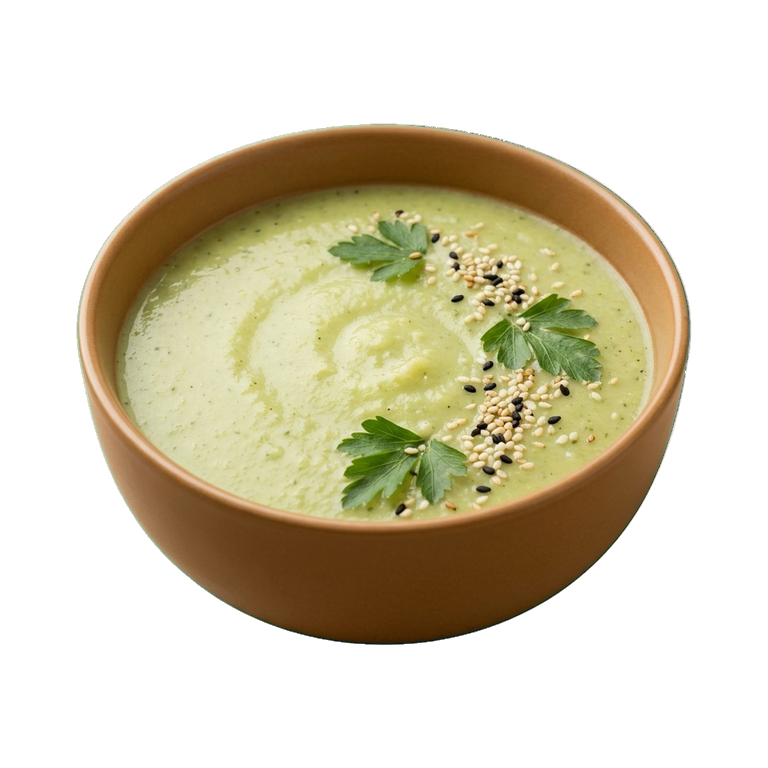
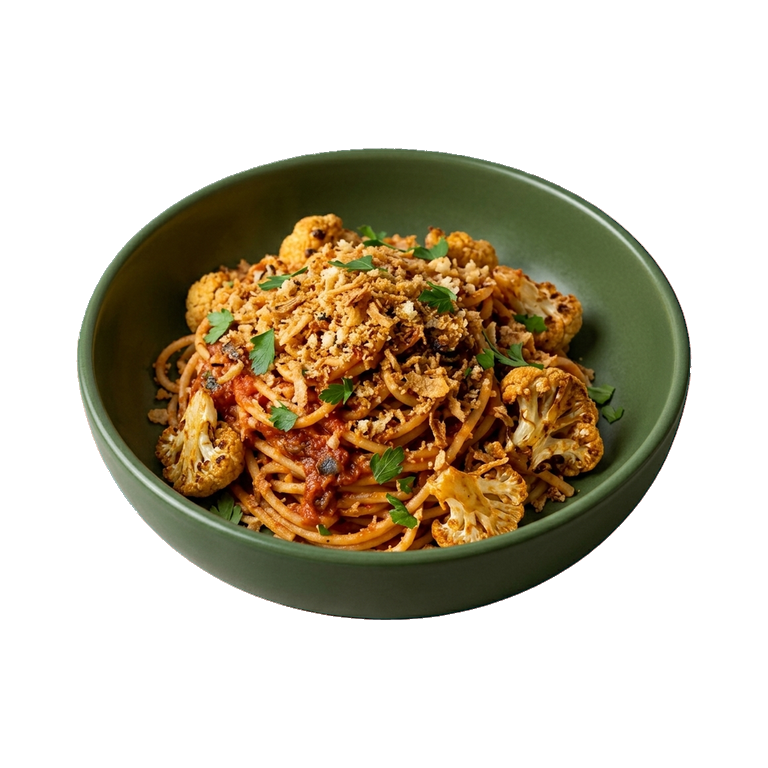
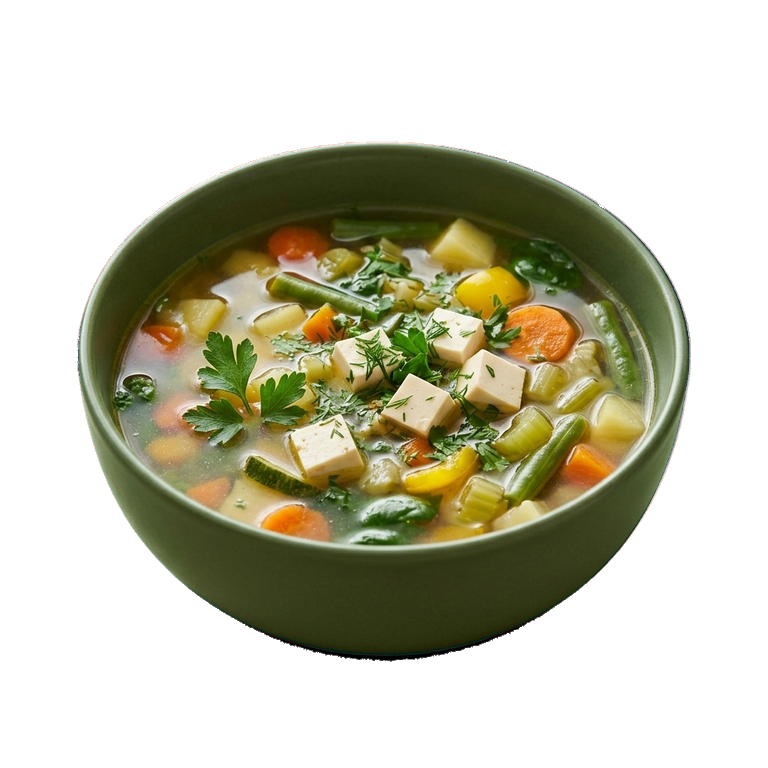
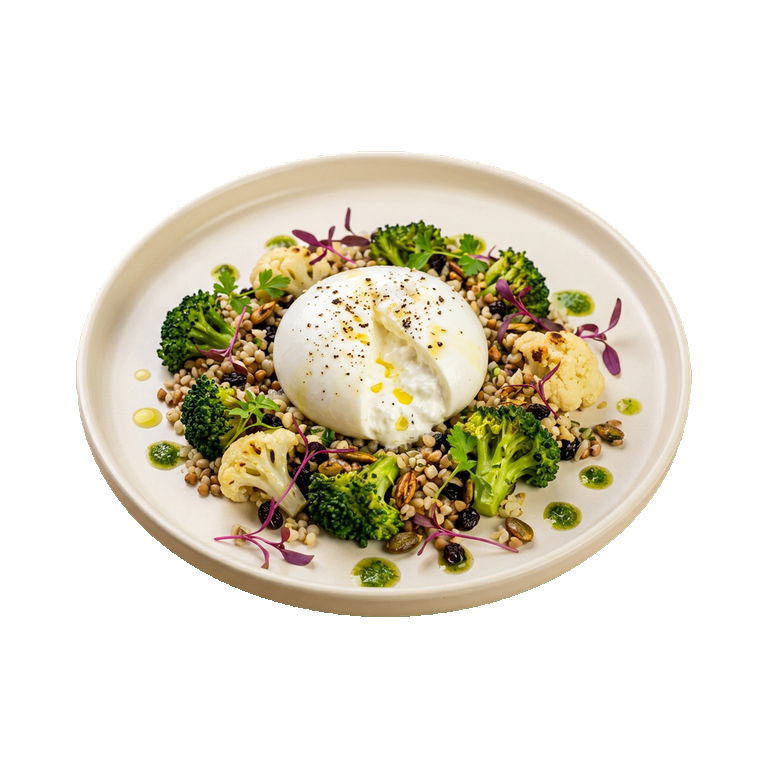
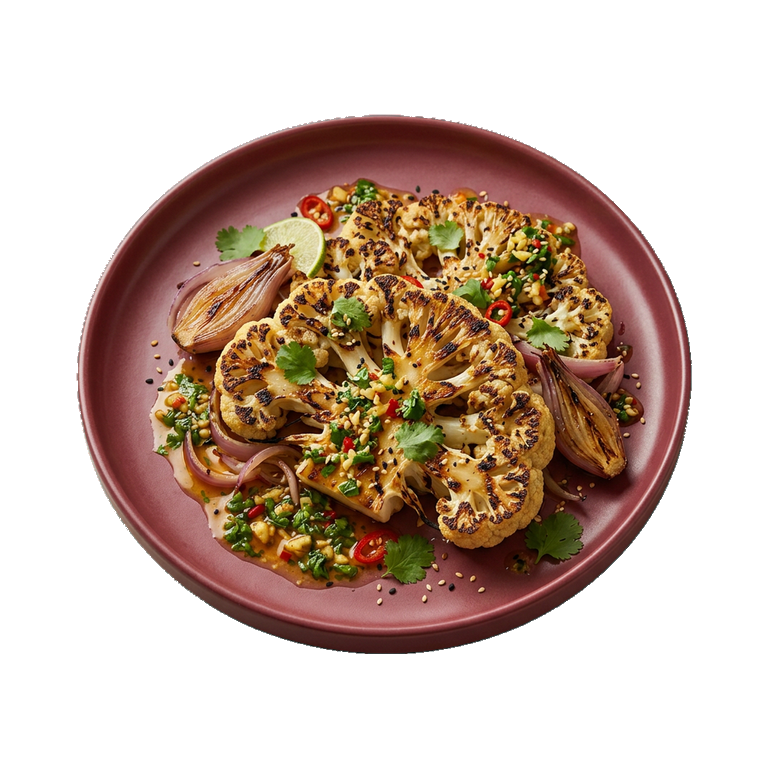
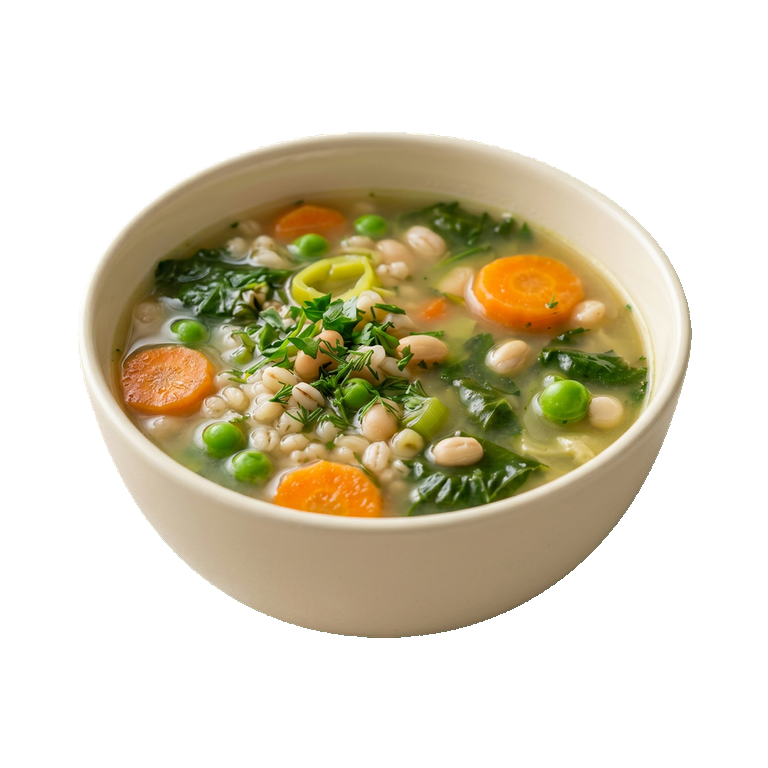
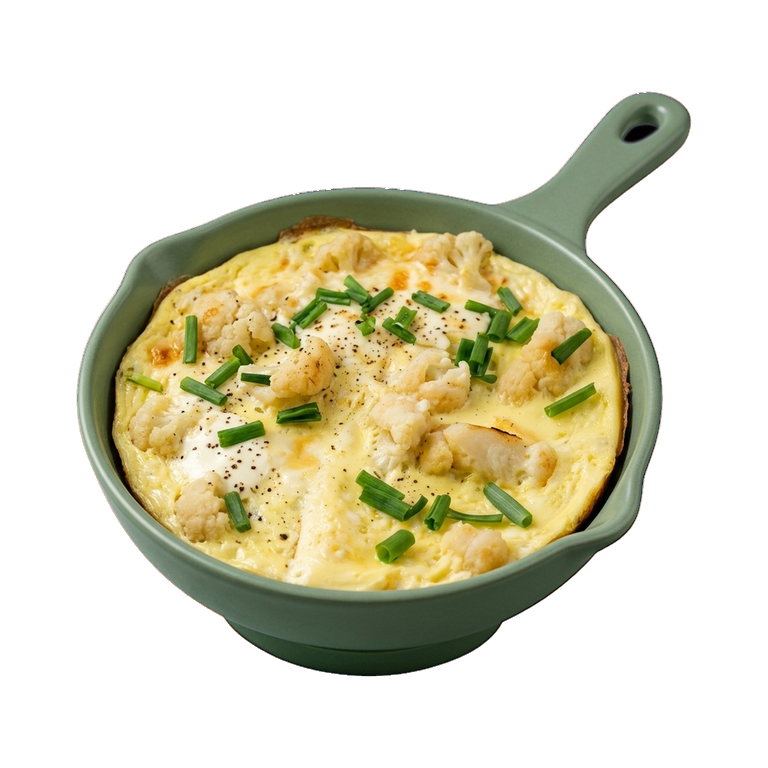
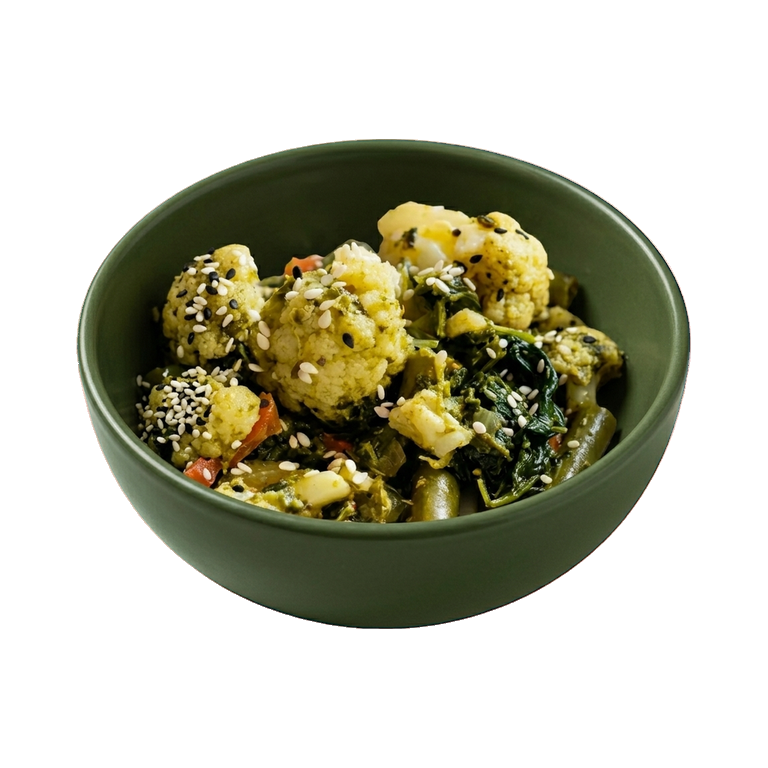
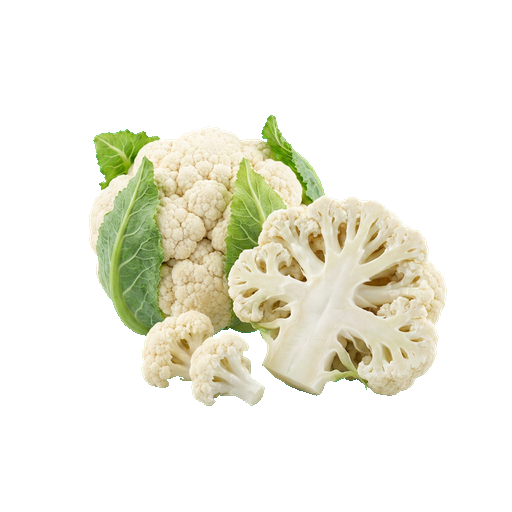
Cauliflower is a vegetable with dense florets in cream-white, purple, or green colors, which are cut together with the head. It has a mild, slightly sweet taste and a tender texture that readily absorbs sauces and seasonings. The vegetable is versatile in cooking: it can be boiled, fried, baked, added to soups and side dishes, as well as used raw for appetizers.
Micronutrients
per 100 g
About
Cauliflower is not just a vegetable, but a true kitchen helper. Its dense florets cook quickly, absorb the aromas of spices and sauces, while remaining tender and crispy in itself. It's no wonder that it is equally respected in home cooking and in restaurant kitchens.
Taste and texture
Raw colored cauliflower has a delicate, slightly sweet taste with a barely noticeable bitterness. When heat-treated, it becomes softer, but when prepared correctly, it doesn't lose its firmness. The florets hold their shape well both when steamed and when fried — this is convenient when you need an attractive presentation on the plate.
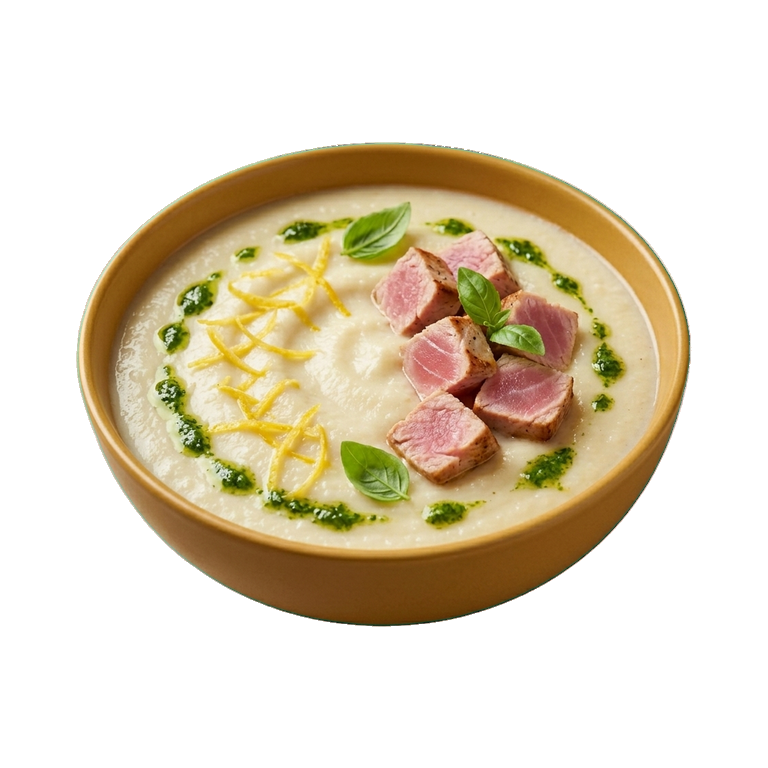
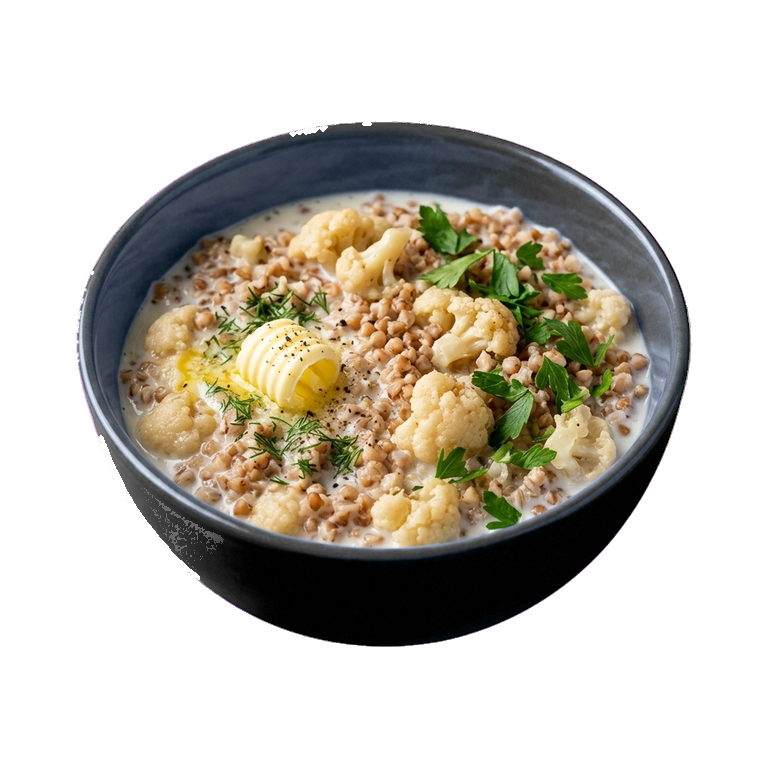
The neutral taste of cabbage allows it to work in any direction: from spicy Asian dishes to creamy European side dishes. It doesn't compete with other ingredients, but supports them, creating balance on the plate.
Cooking Methods
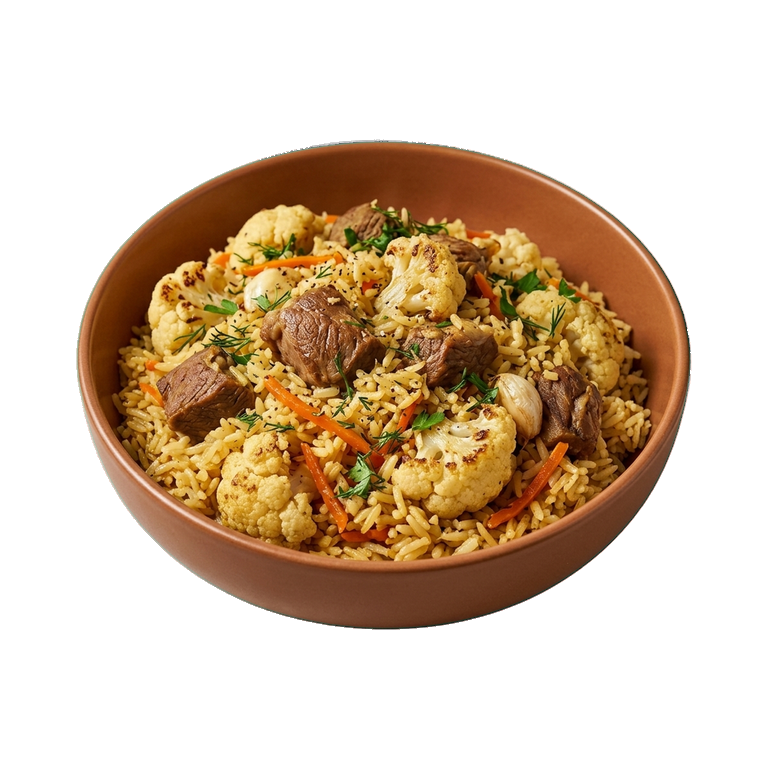
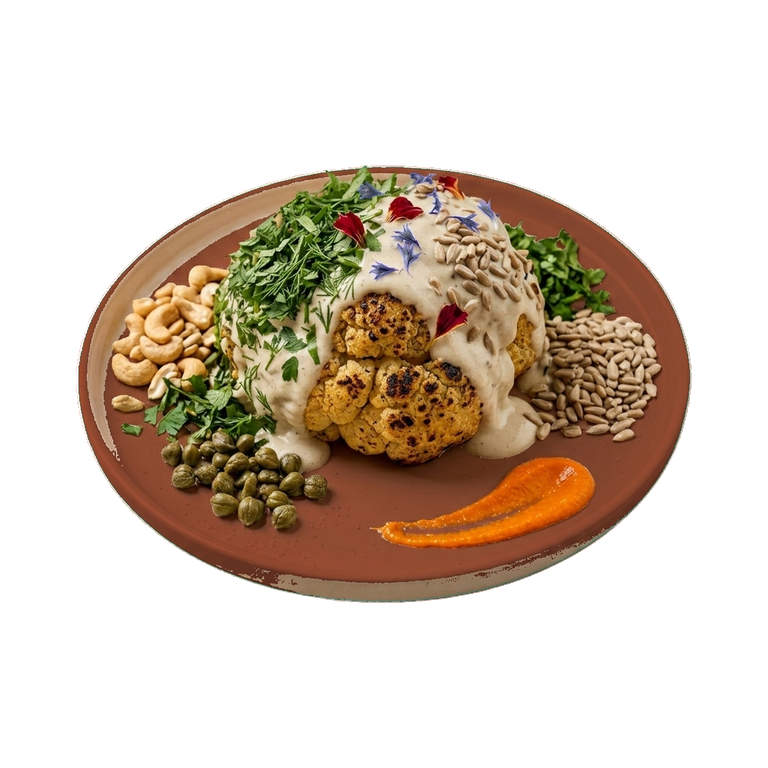
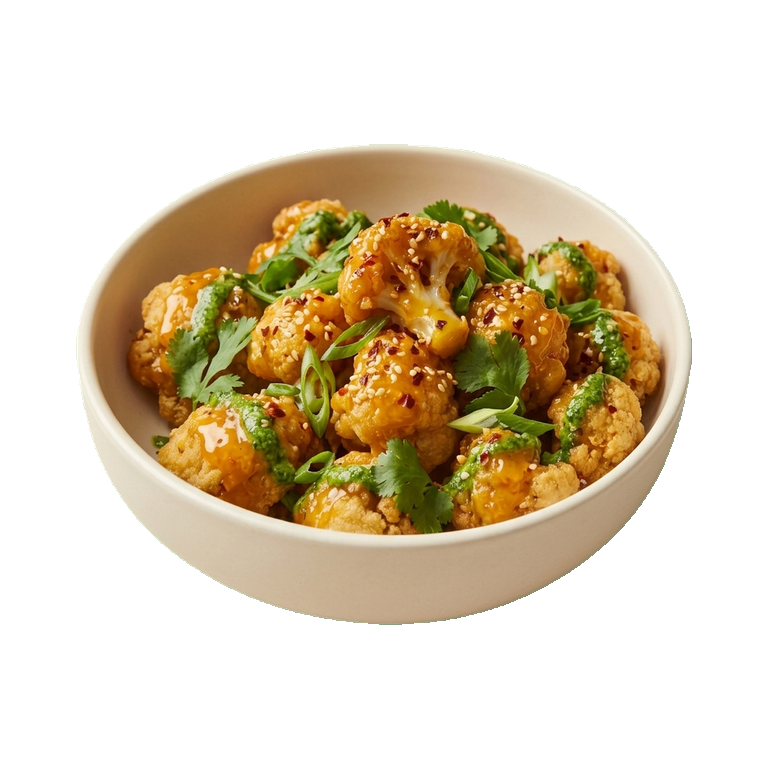
- Stir-frying in a pan or wok — florets develop a golden crust and caramel flavor notes
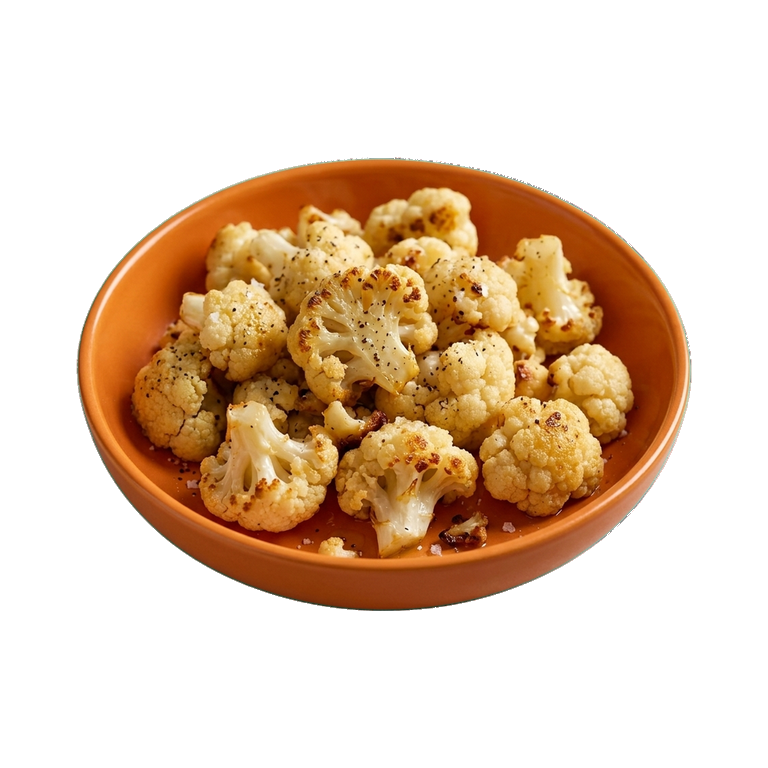
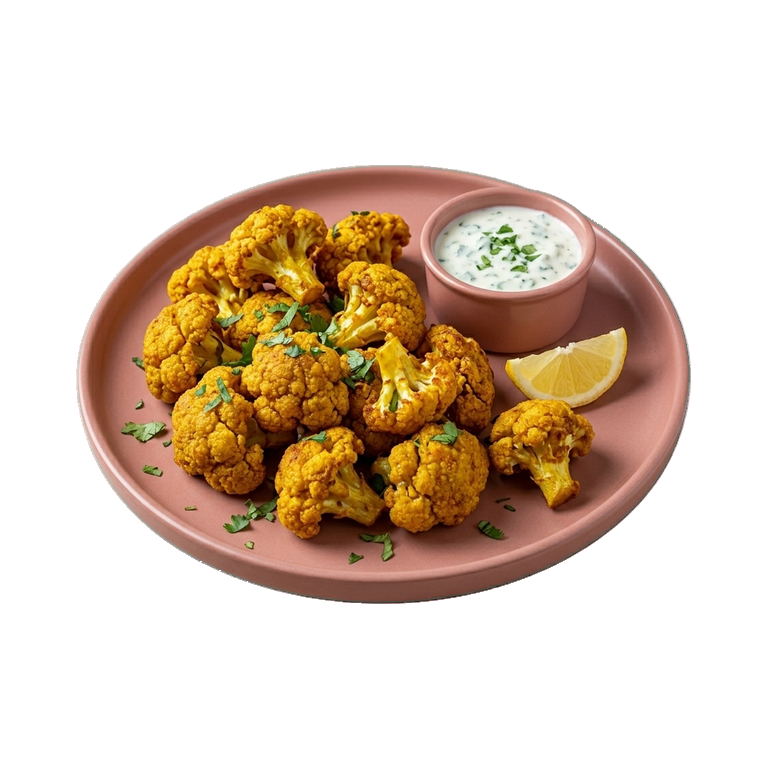
- Baking in the oven — with oil and spices you get a crispy side dish or appetizer
- Steaming — the most gentle method, preserves maximum nutrients and tenderness
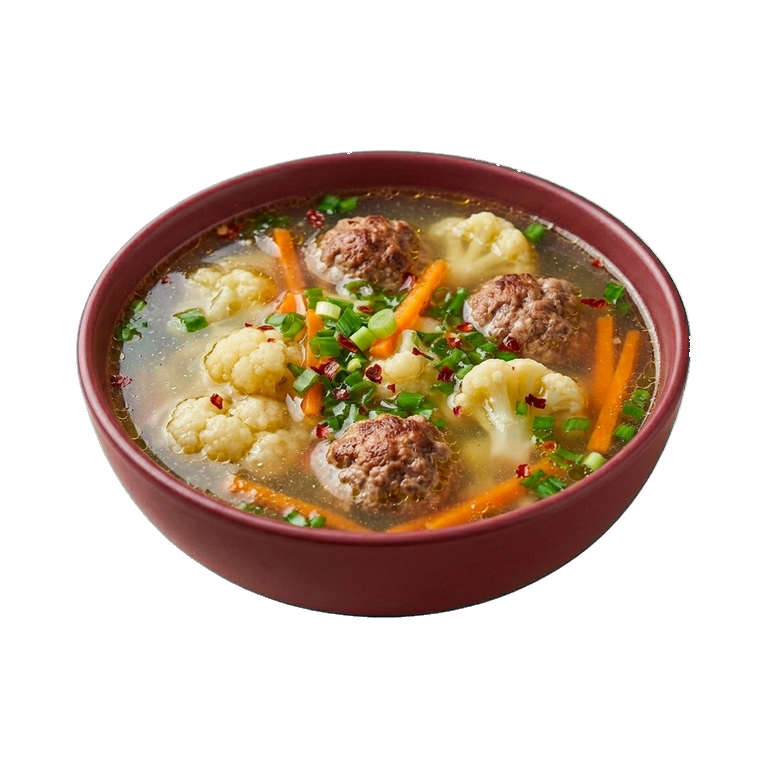
- Stewing in sauce — cabbage absorbs the aromas and becomes the base of a complete dish
- Using raw — in salads and with dips, when crunchiness is important
Pairings and Spices
Cauliflower pairs wonderfully with spices that give it character. Turmeric and curry highlight its sweetness and bring warmth. Black pepper and garlic make it more expressive. For a European style, nutmeg and thyme work well, while for Asian cuisine — ginger, soy sauce, and sesame.
Cabbage on the table pairs well with spicy sauces (chili, sriracha), creamy ones (béchamel, cream sauce with parmesan) and tangy ones (vinaigrette, lemon juice). It handles even contrasting flavors — spicy, sweet, sour — and brings them together into one harmonious dish.
Selection and Storage
Choose dense heads without dark spots and soft areas. The florets should be tightly packed together, creamy or white (purple varieties also occur). The leaves at the base may be slightly wilted — this is normal, but the head itself should be firm.
In the refrigerator, cauliflower keeps for one to two weeks in a plastic bag in the vegetable compartment. If you want to extend its shelf life, break it into florets, spread them on a board, and freeze them — this way it will take up less space and will be ready to use at any time. Frozen cauliflower is ideal for stewing and baking, although fresh is better for raw consumption.
Cauliflower is one of those vegetables that you should always have on hand. It's versatile, cooks quickly, and never disappoints if you give it the right amount of attention while cooking.
Nutrition
per 100 g
- Calories
- 25 kcal
- Protein
- 1.9 g
- Fat
- 0.3 g
- Carbs
- 4.9 g
Micronutrients
per 100 g
Macronutrients
- Fiber
- 1.948 g
- Water
- 92.72 g
Minerals
- Sodium
- 20 mg
- Potassium
- 274.4 mg
- Calcium
- 20.35 mg
- Magnesium
- 14.2 mg
- Phosphorus
- 39.69 mg
- Iron
- 0.33 mg
- Zinc
- 0.23 mg
- Copper
- 0.02 mg
- Manganese
- 0.14 mg
Vitamins
- Vitamin C
- 67.1 mg
Measures and weight
- 1 pcs
- 800 g
- 1 head
- 500 g
Measure calculator
- Weight
- 100 g
- Calories
- 25 kcal