Usuba
Usuba

Ginger
A pungent spicy root with a fiery taste and warm aroma that adds depth to Asian dishes, baked goods, and beverages. Fresh ginger has a brighter, slightly citrusy note, while ground ginger is milder and slightly sweet. When selecting, prefer dense rhizomes without soft spots, and when substituting, keep in mind that ground ginger is more concentrated than fresh, so you'll need 3–4 times less of it.
About
Aroma and Taste
Ginger is a sharp spice with a warm, slightly sweet aftertaste and a pronounced aroma. Fresh root provides a pungency that starts on the tongue and gently spreads down the throat. Dried ginger becomes more concentrated, with notes of spice and a subtle bitterness. Ground powder quickly releases its heat and aroma into the dish, while thin slices of fresh root work more slowly but maintain flavor longer.
Role in dishes
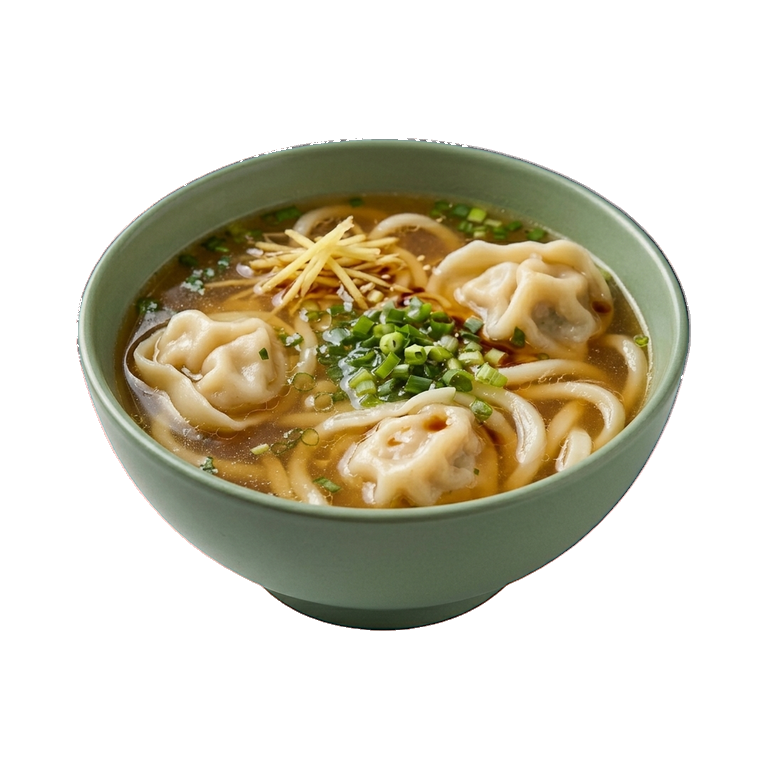
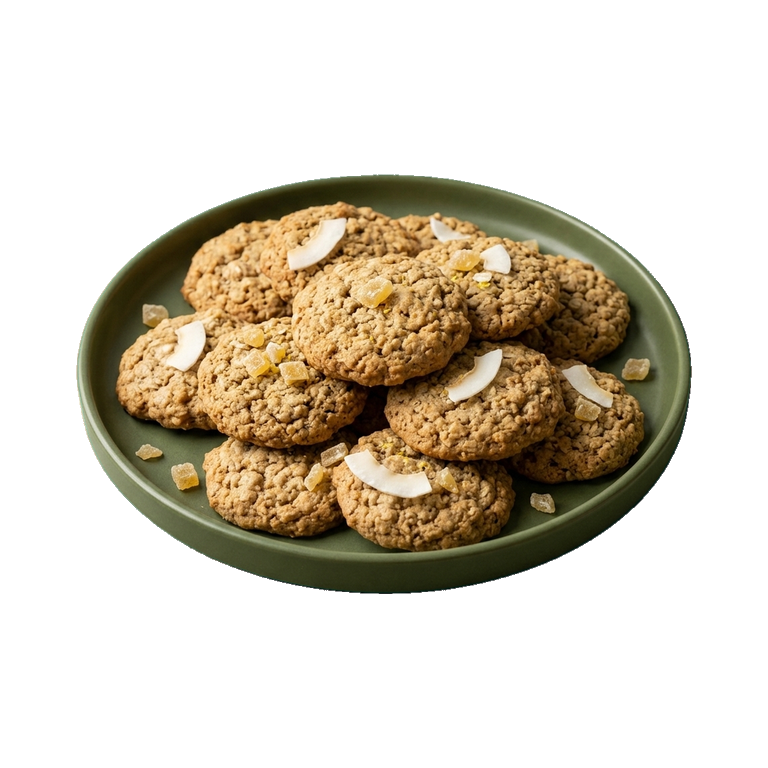
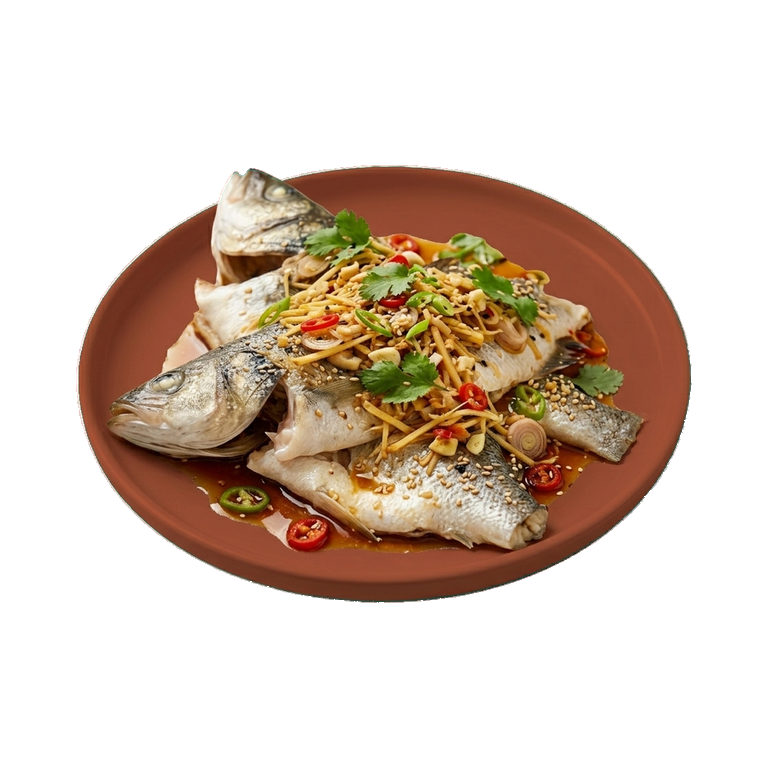
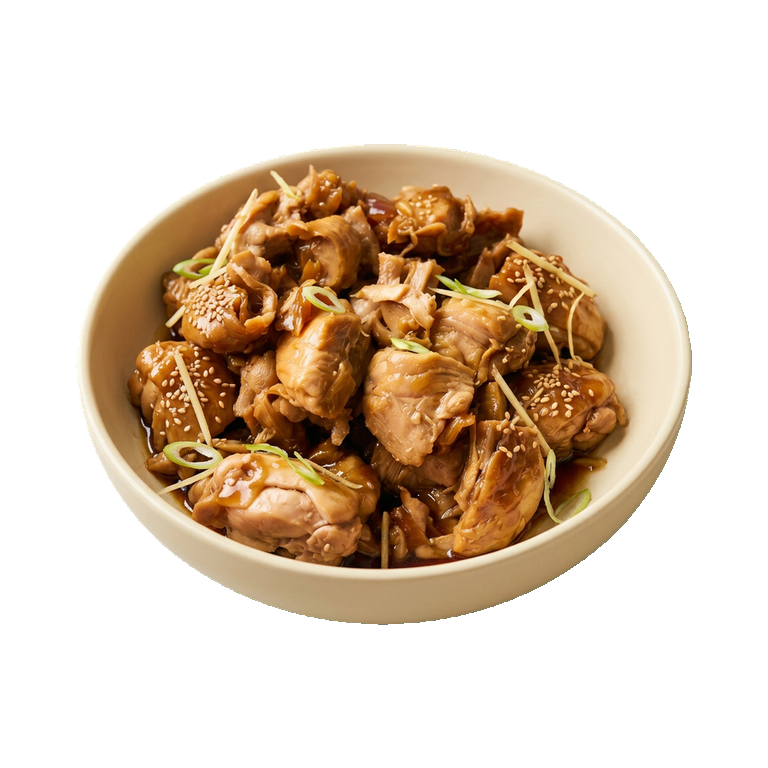
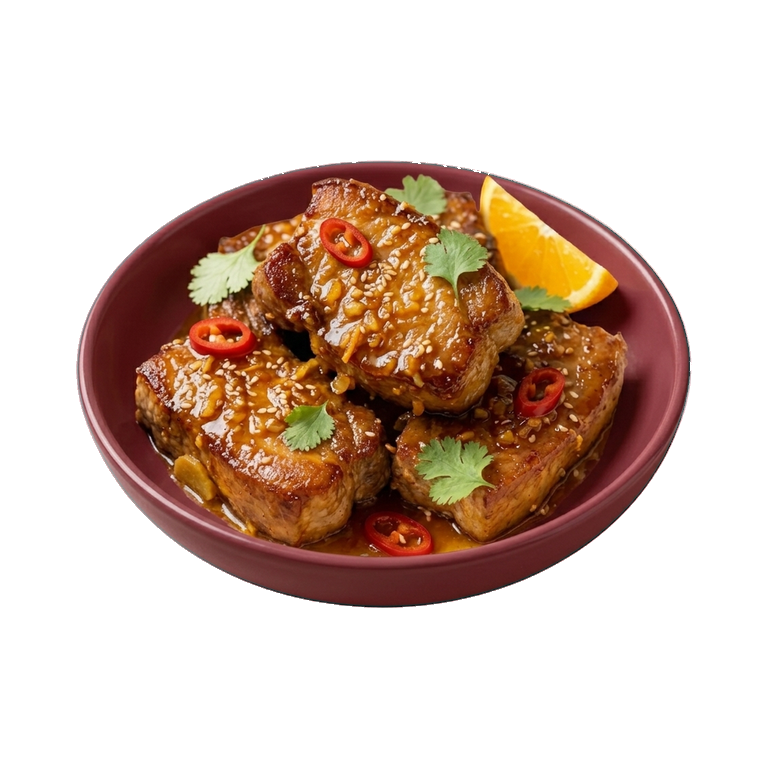
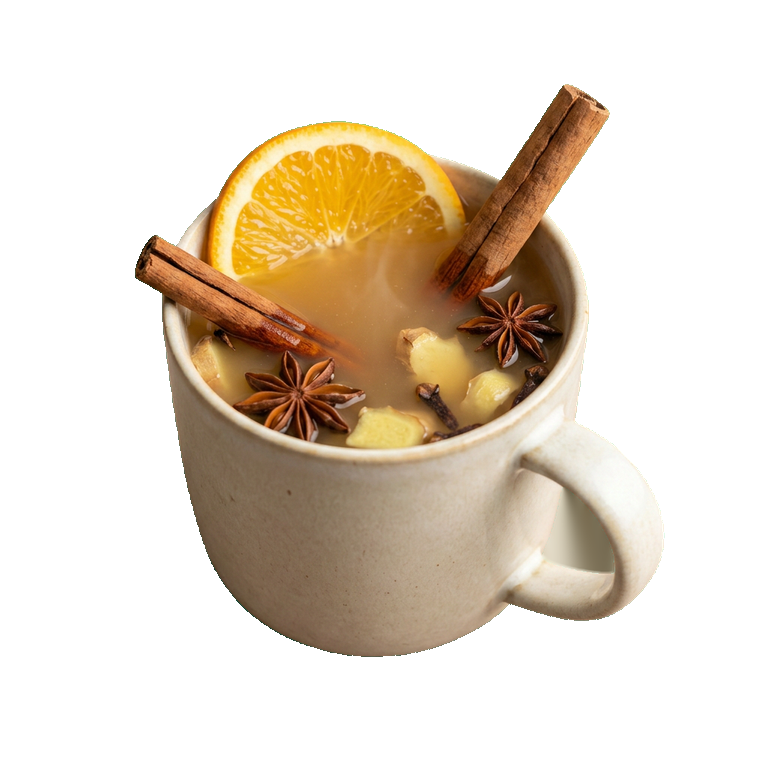
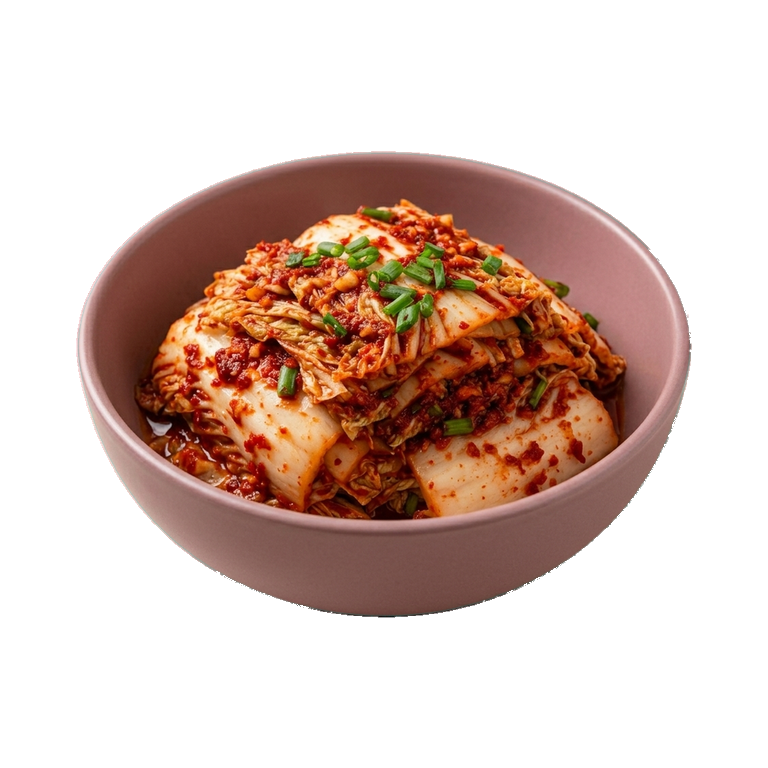
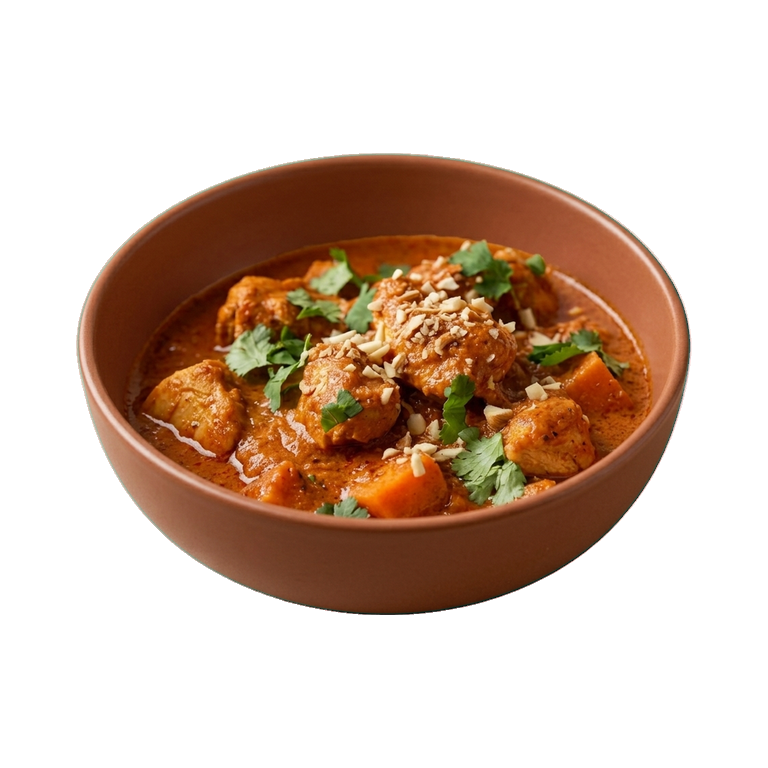
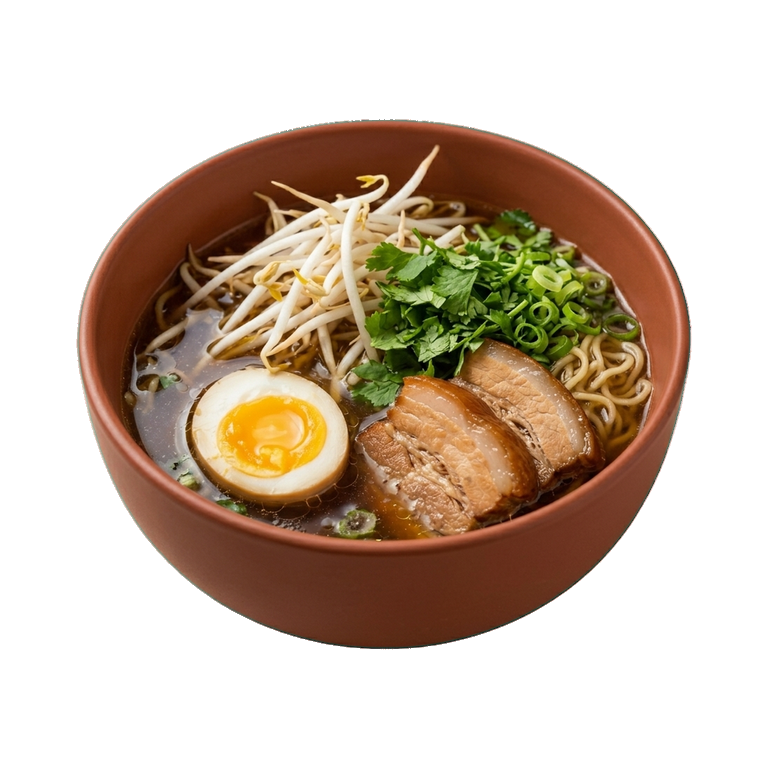
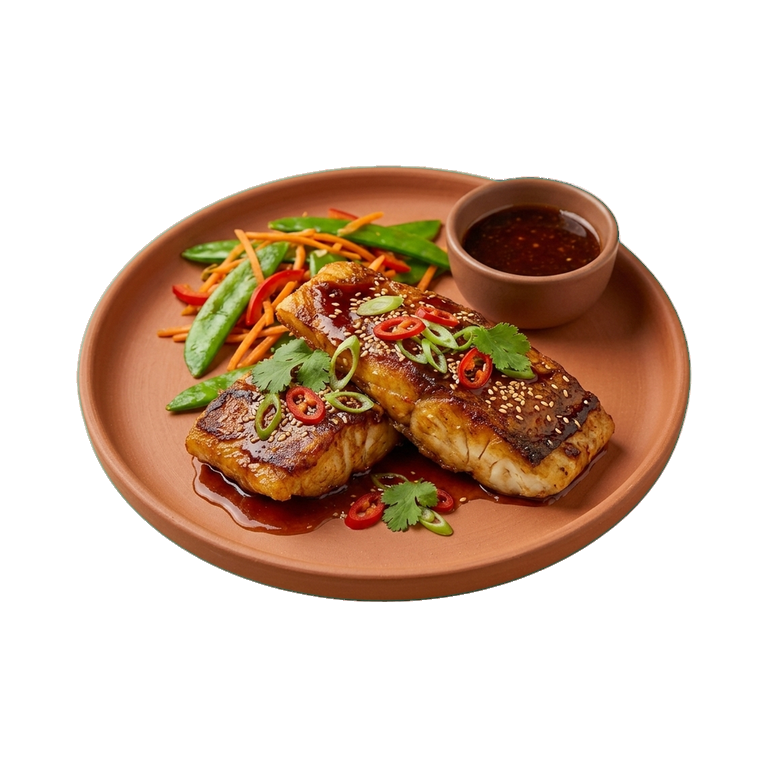
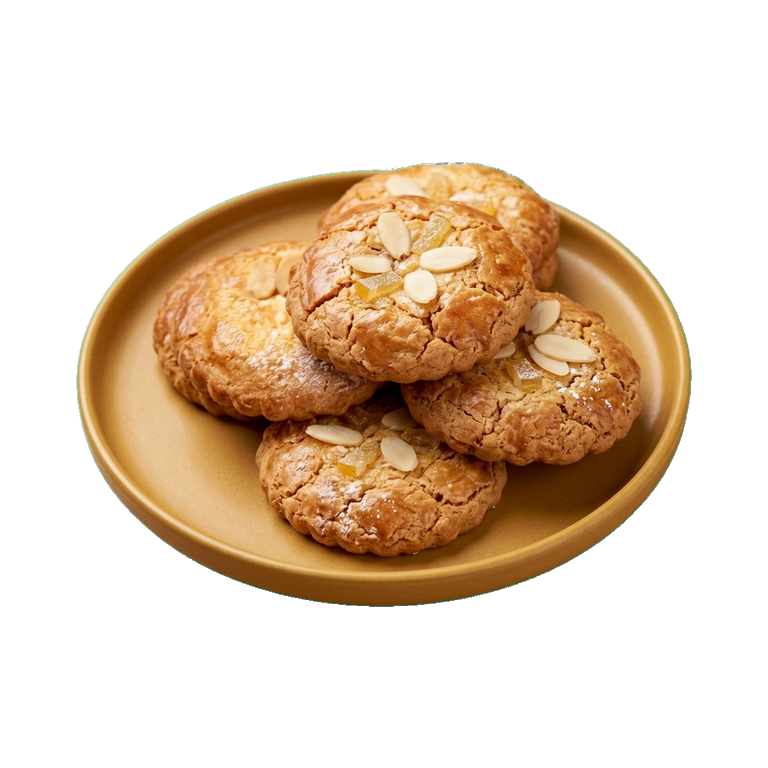
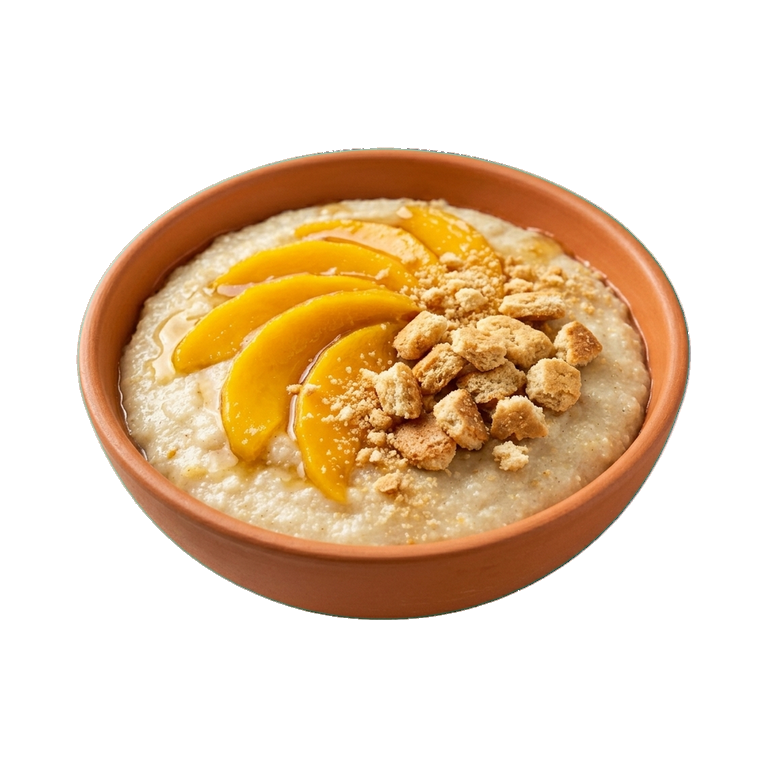
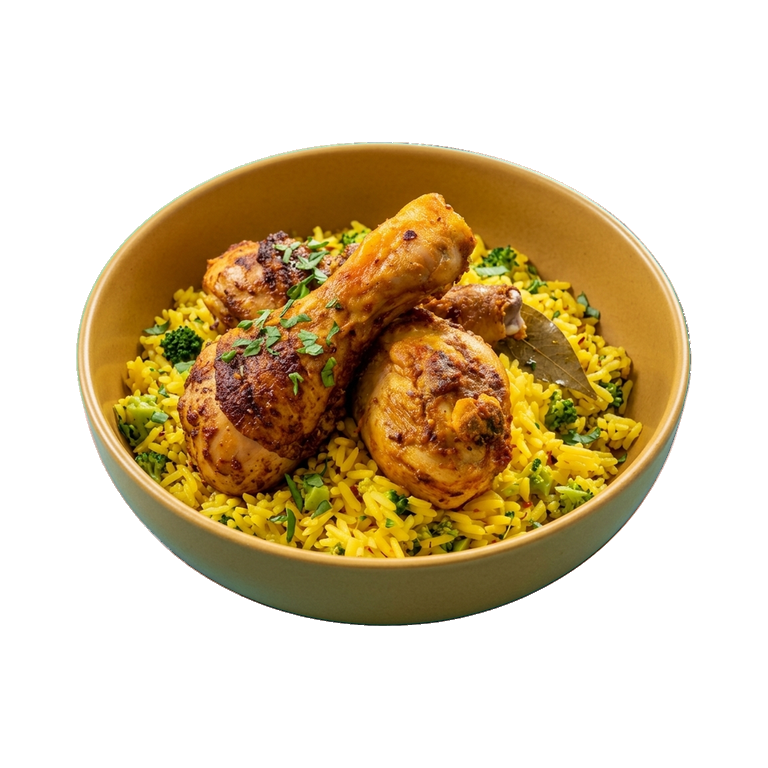
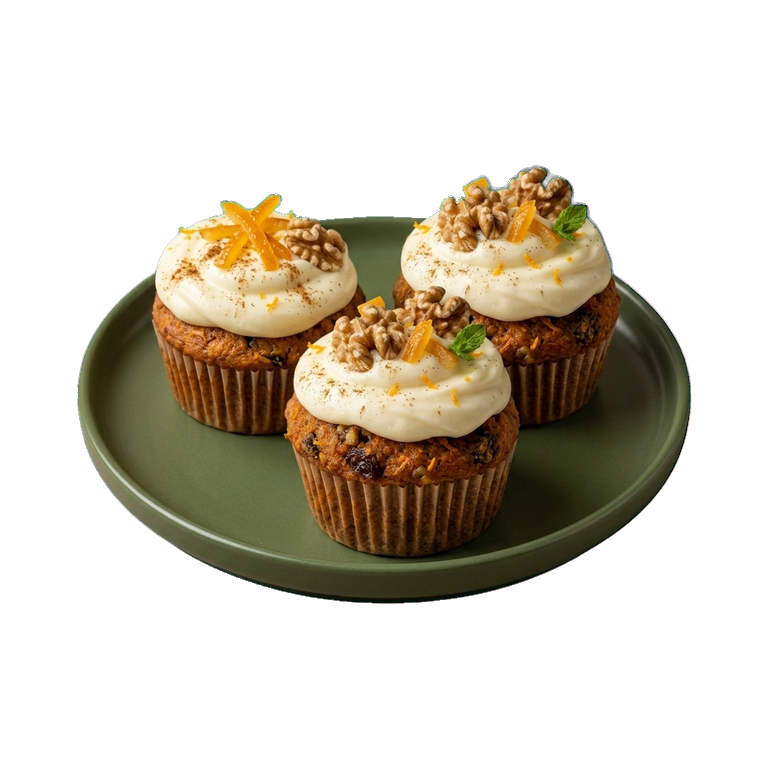
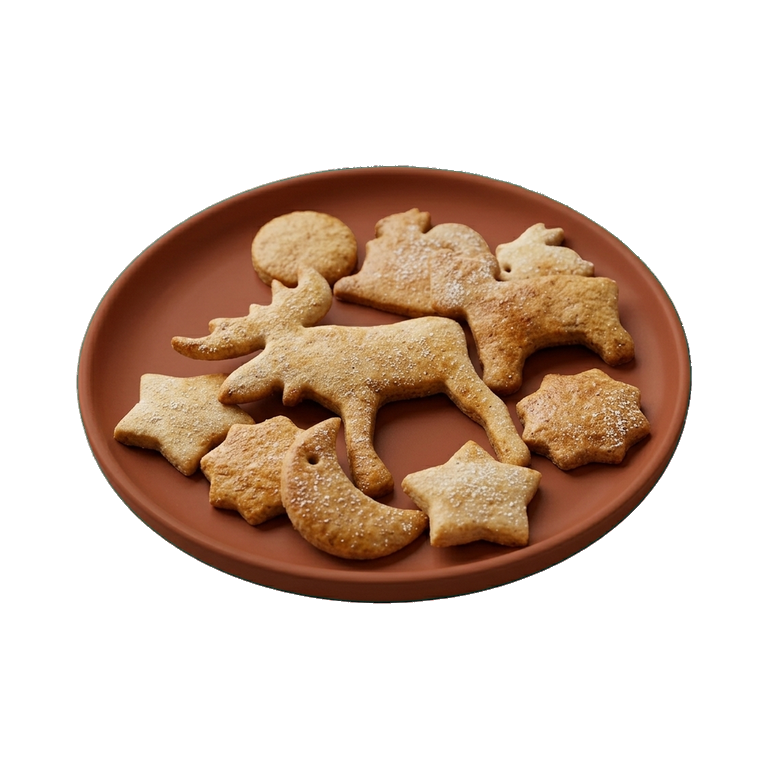
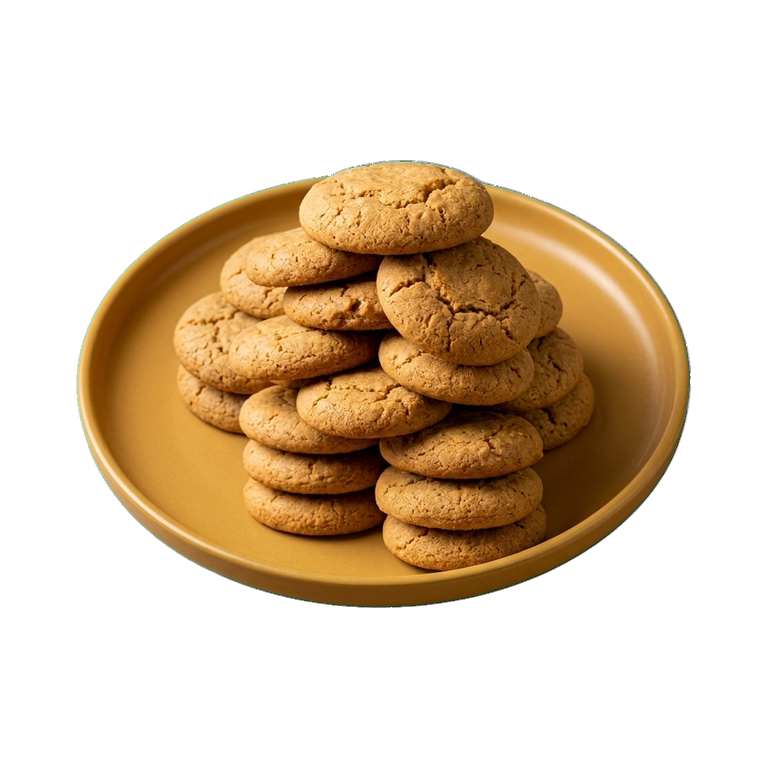
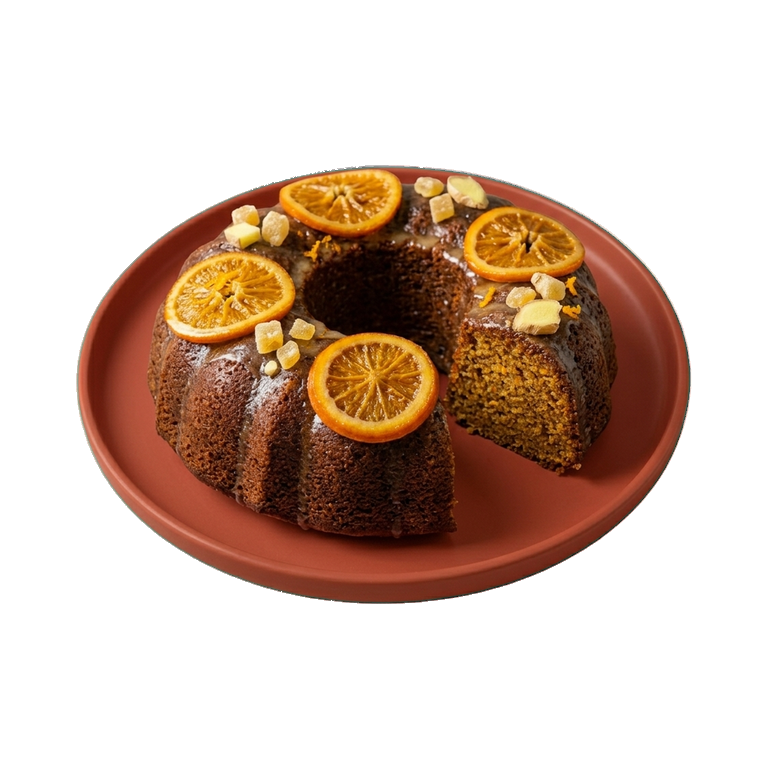
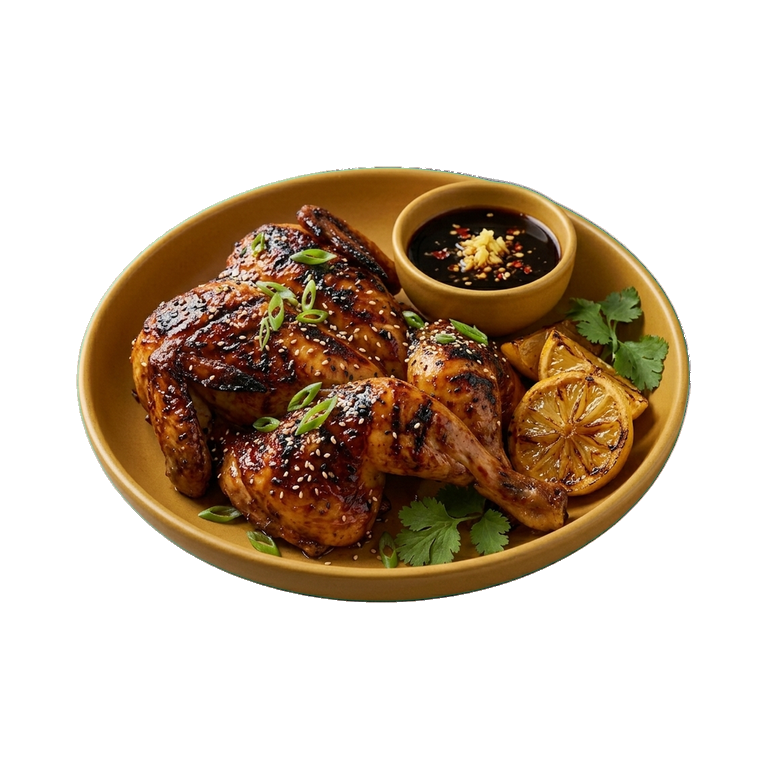
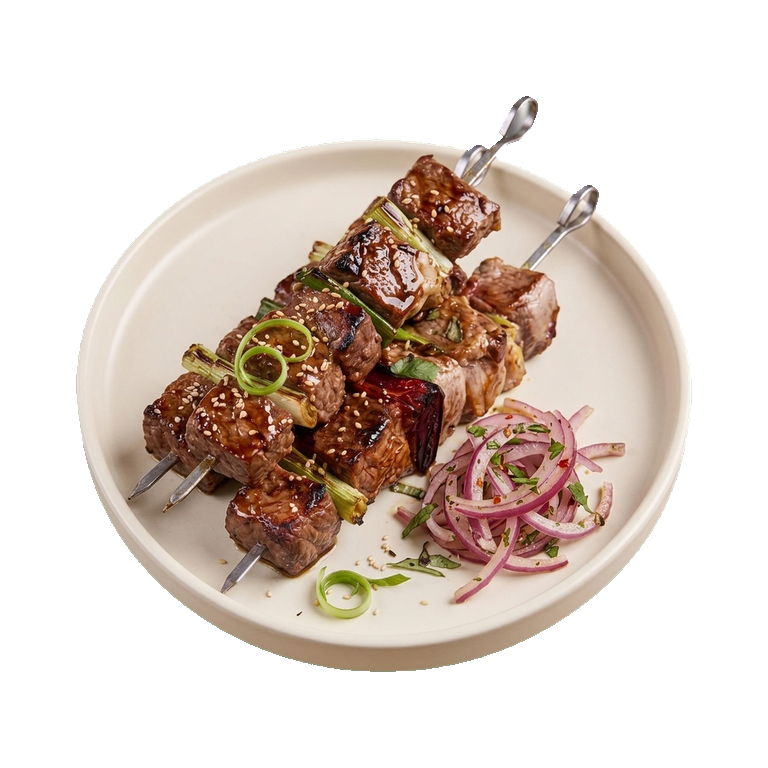
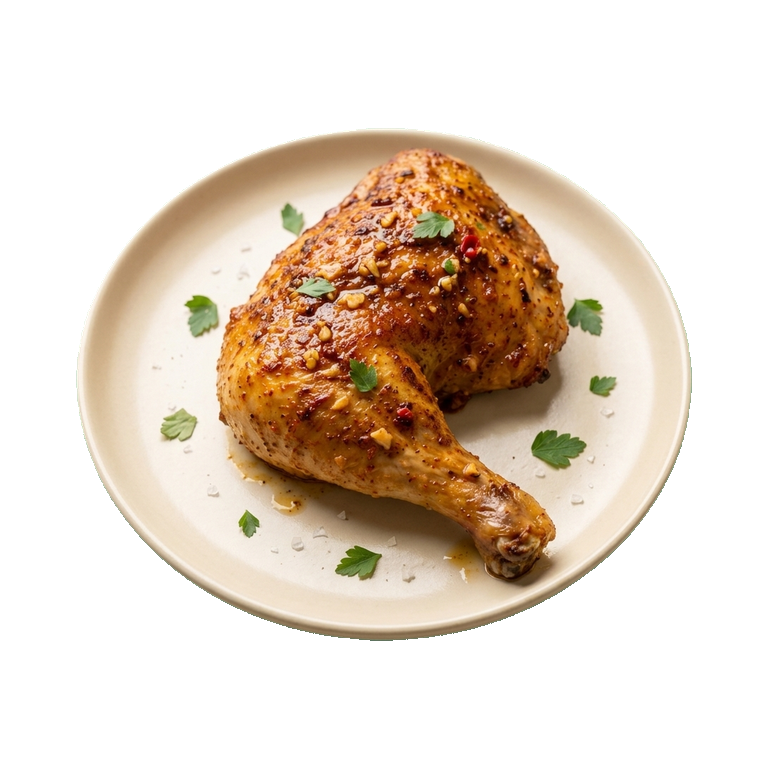
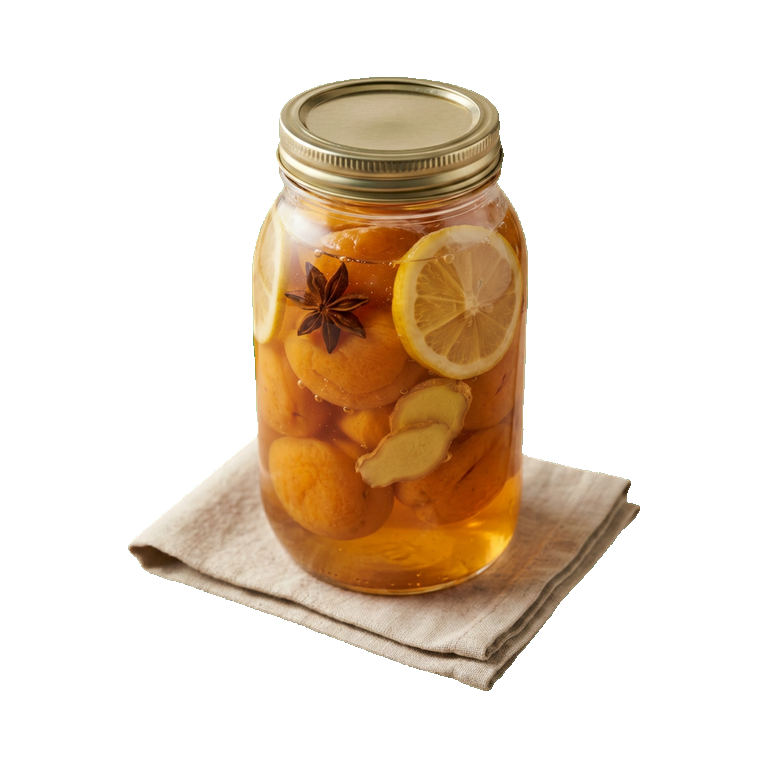
Ginger is a universal helper in the kitchen. It warms soups and broths, brings life to marinades for meat and fish, and adds depth to sauces and curries. In sweet dishes — cookies, compotes, jams — ginger creates a contrast, preventing sweetness from becoming cloying. Drinks with ginger become invigorating and beneficial: from classic tea to cocktail mixes.
Combinations with other ingredients
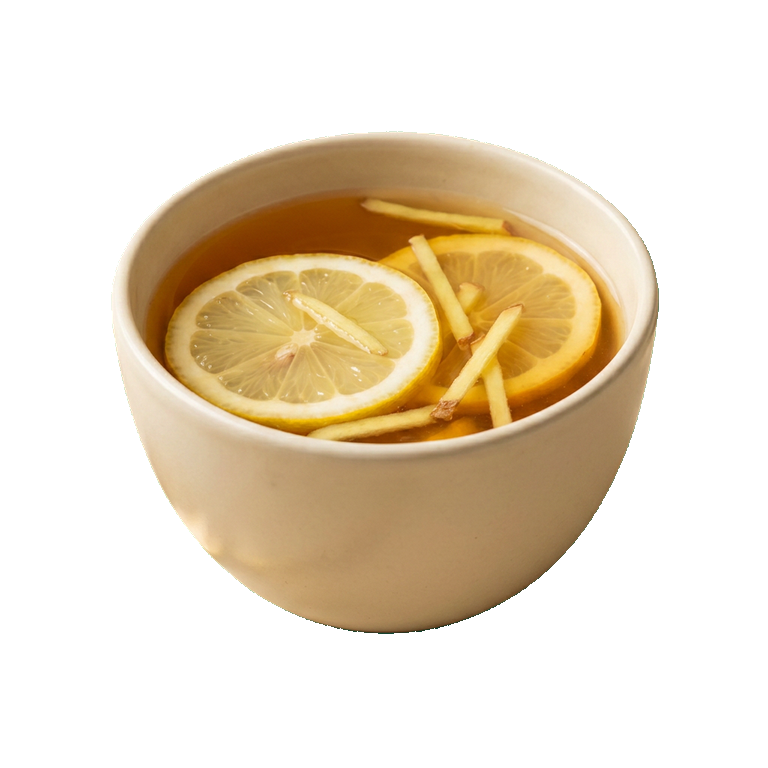
- With lemon and honey — a classic duo for teas and beverages
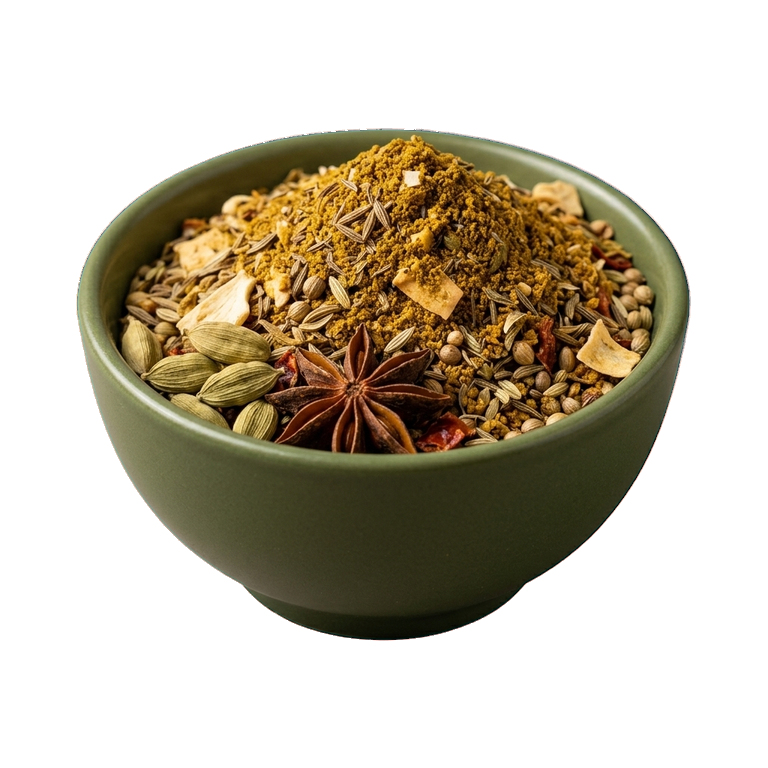
- With garlic and turmeric — the foundation of Eastern spicy pastes
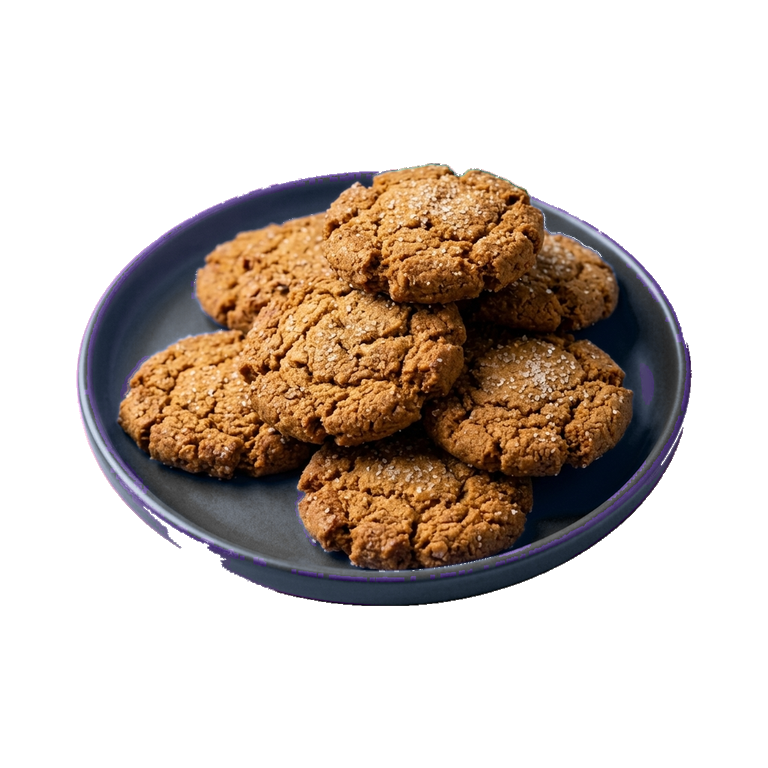
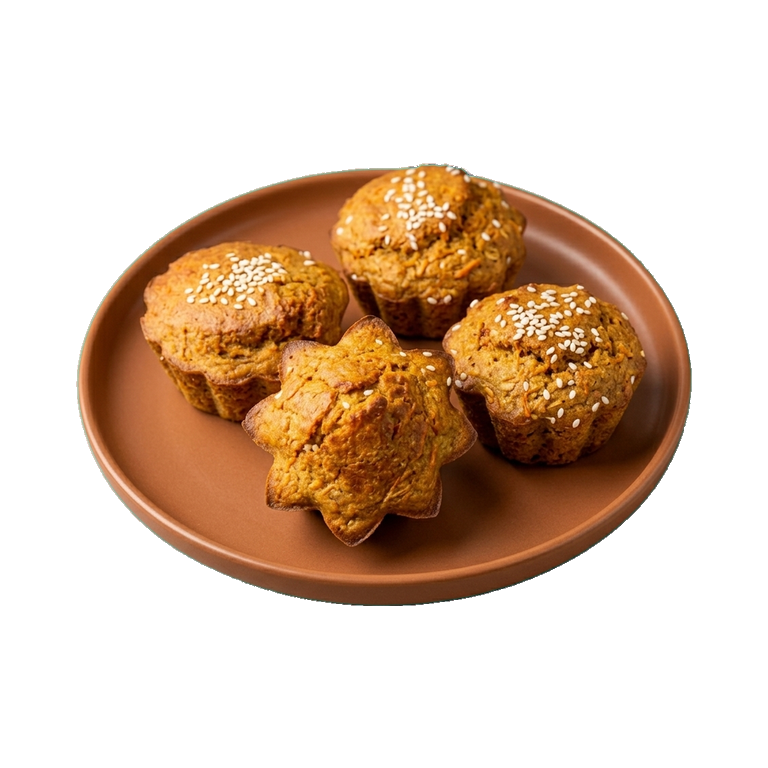
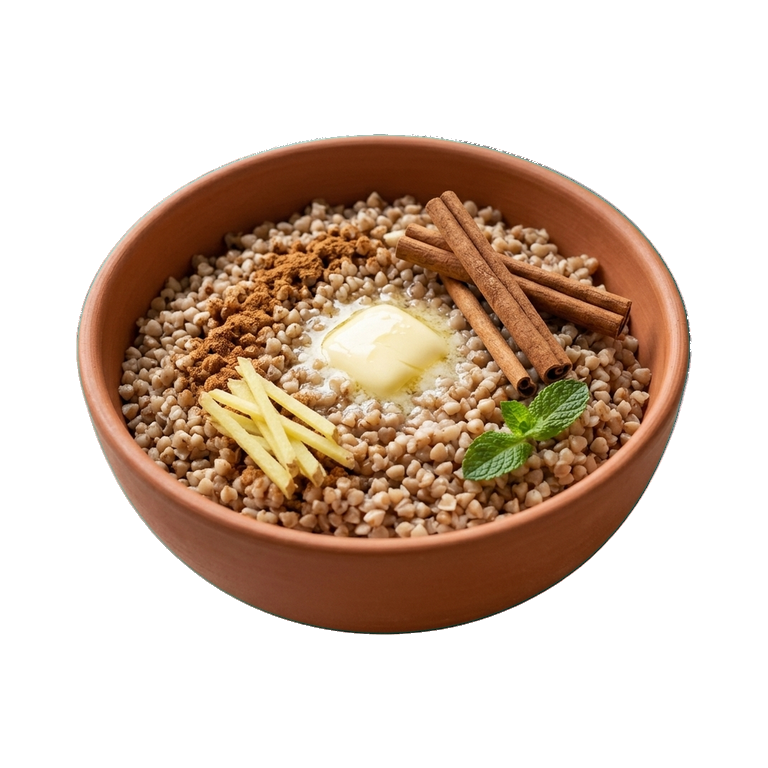
- With cinnamon and cloves — for sweet baked goods and compotes
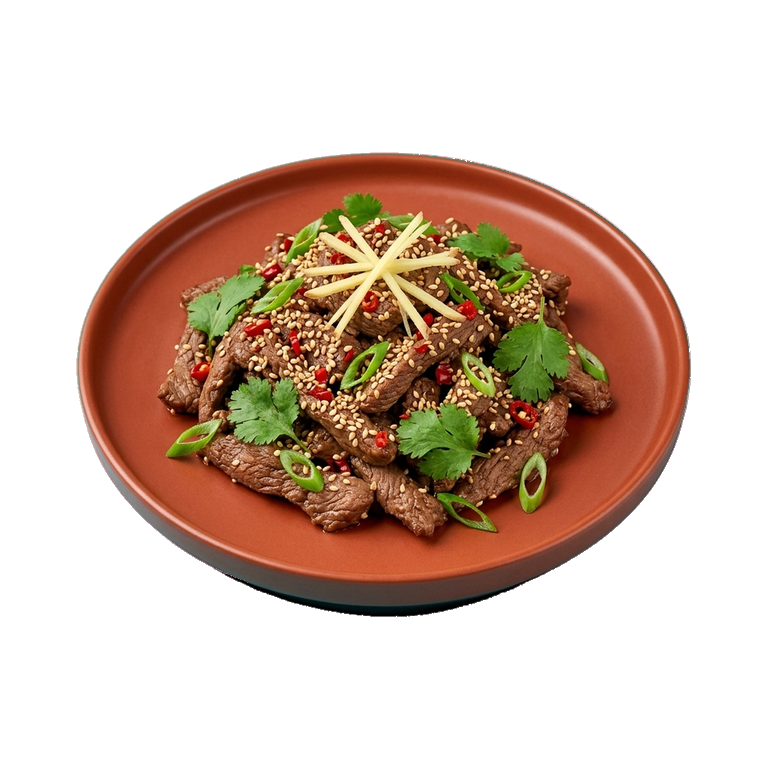
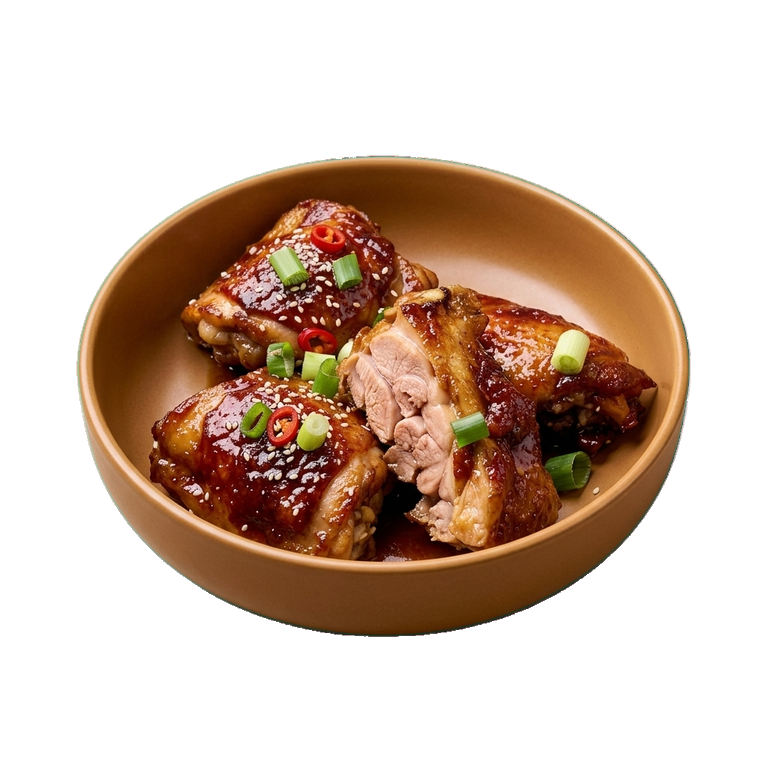
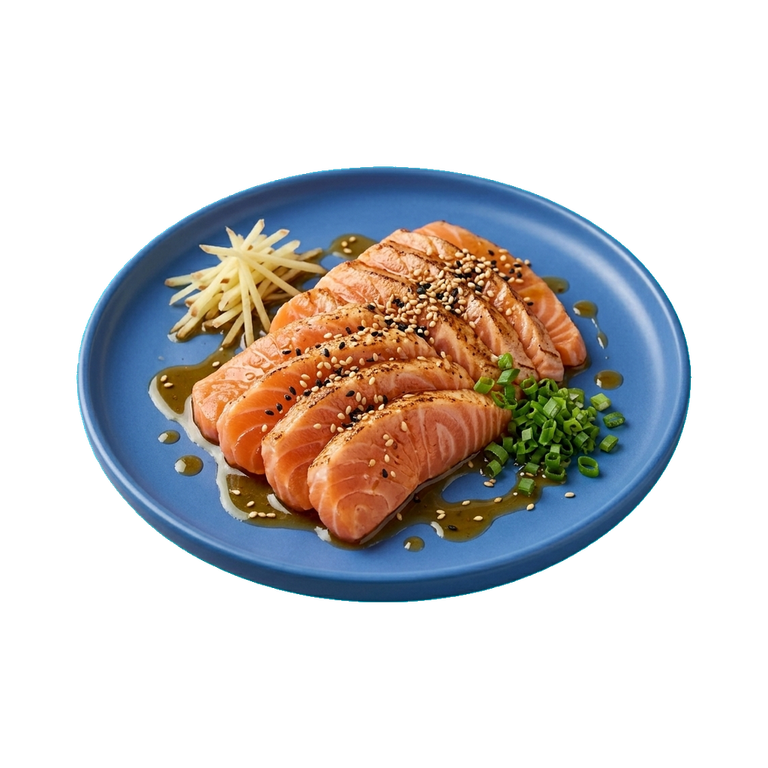
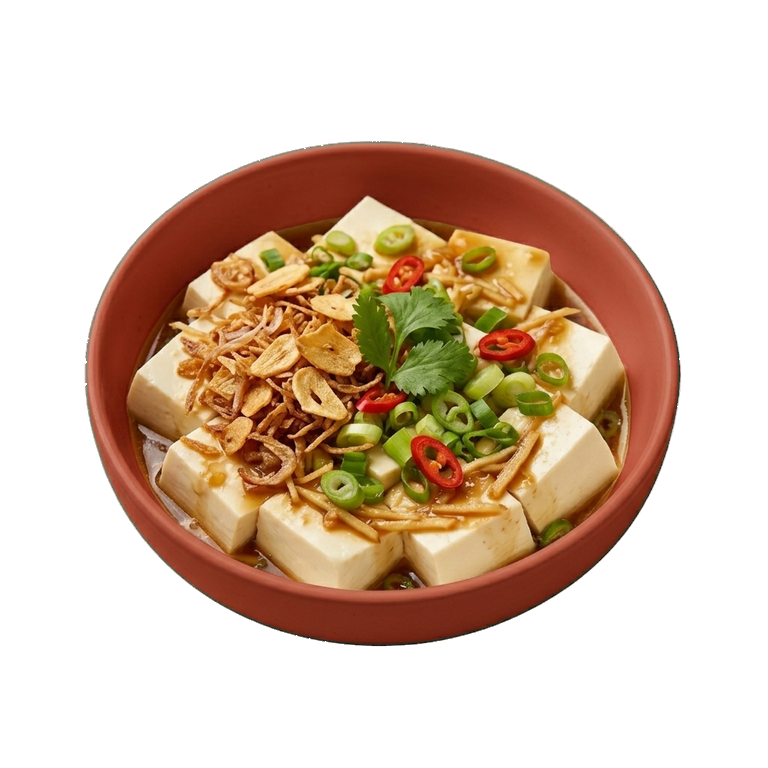
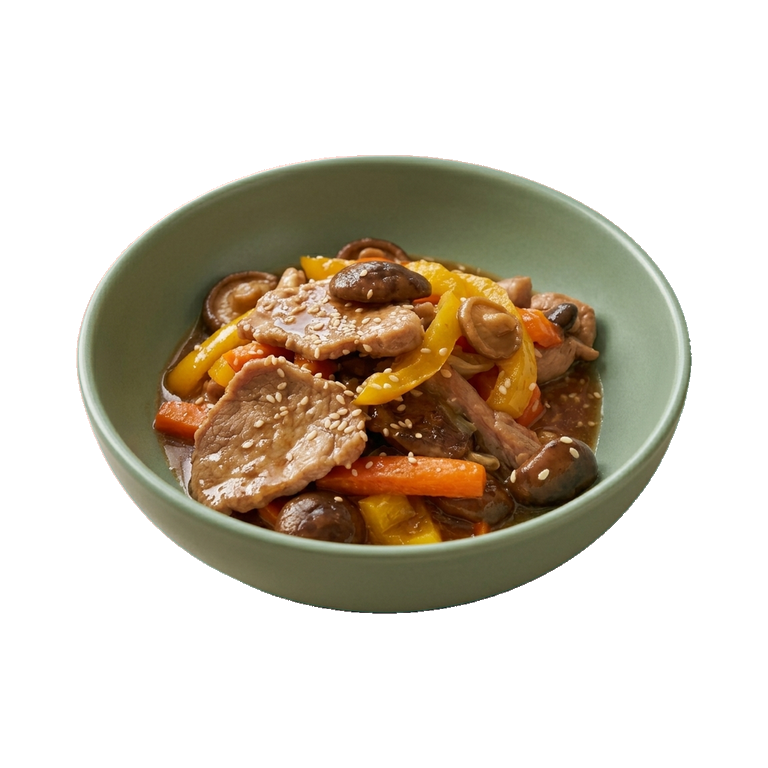
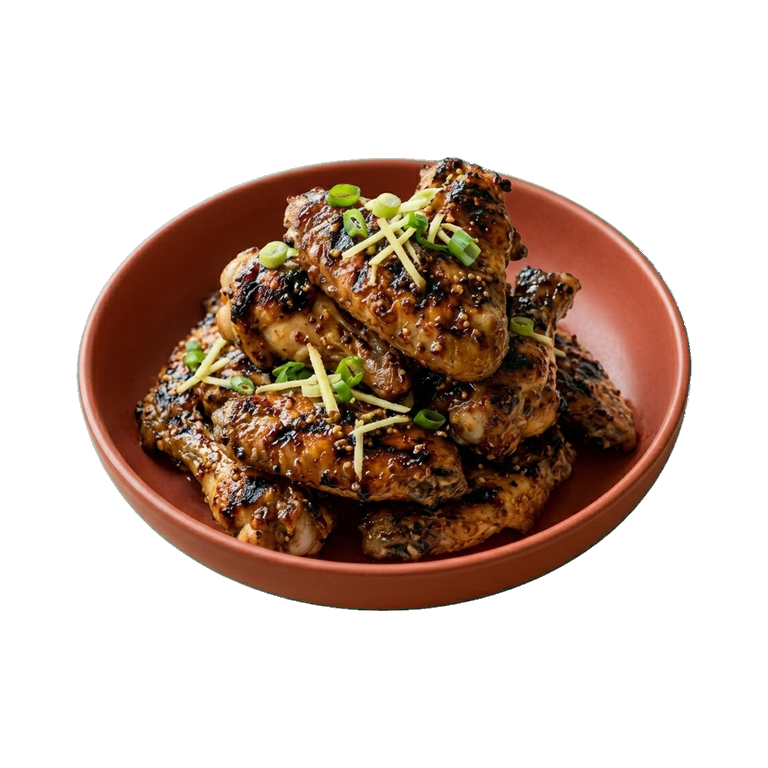
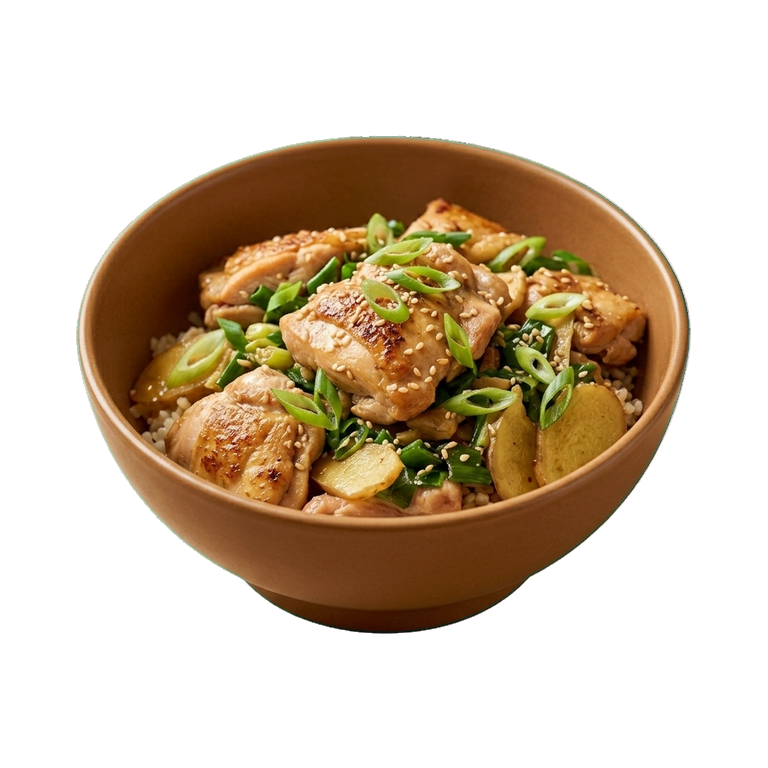
- With soy sauce and sesame — for Asian marinades
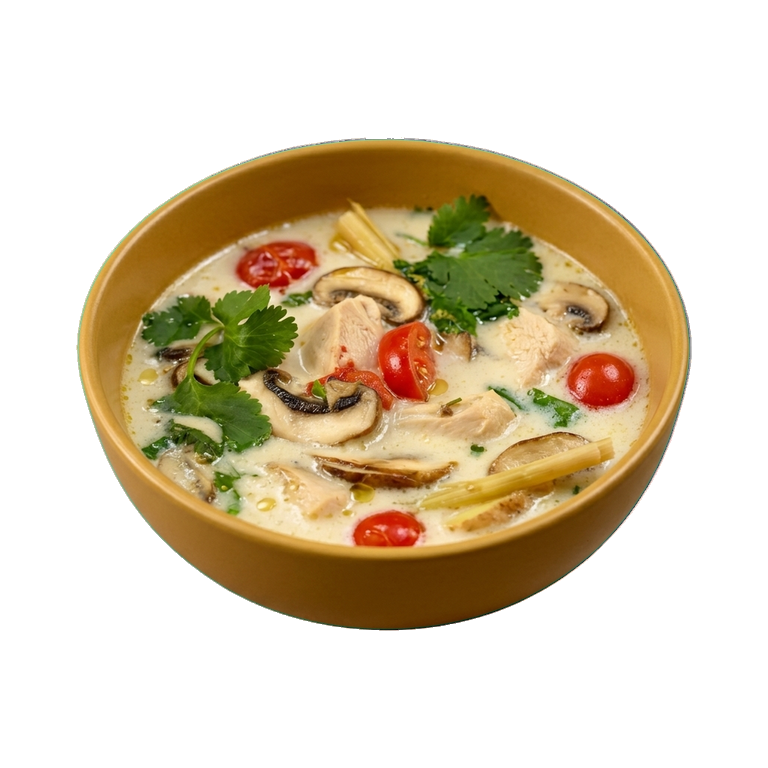
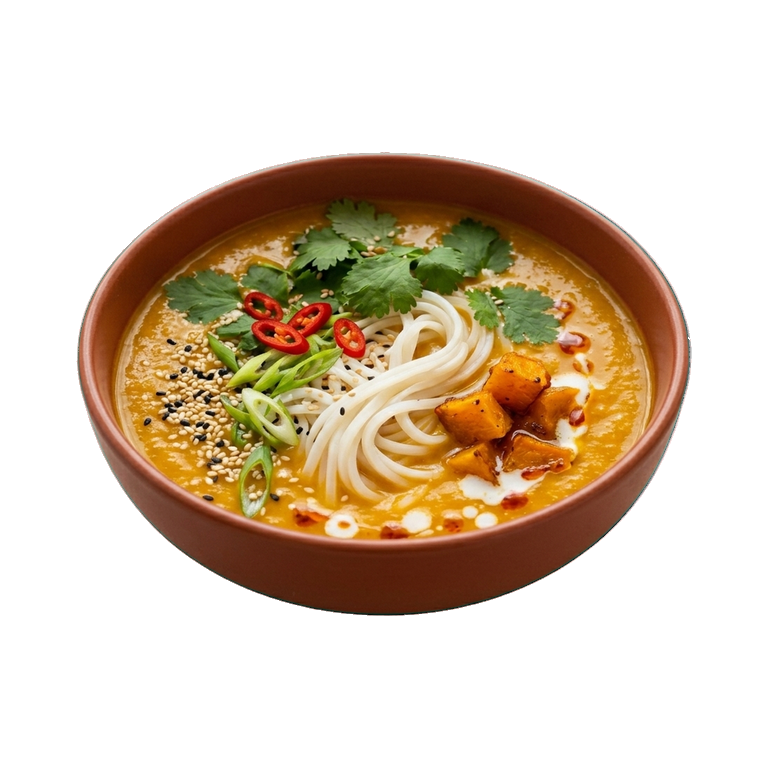
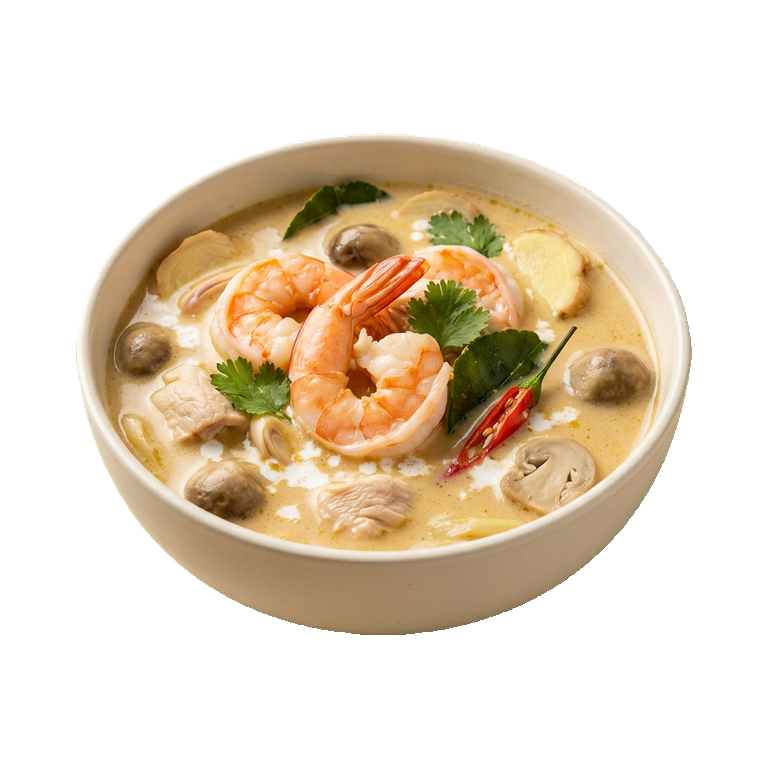
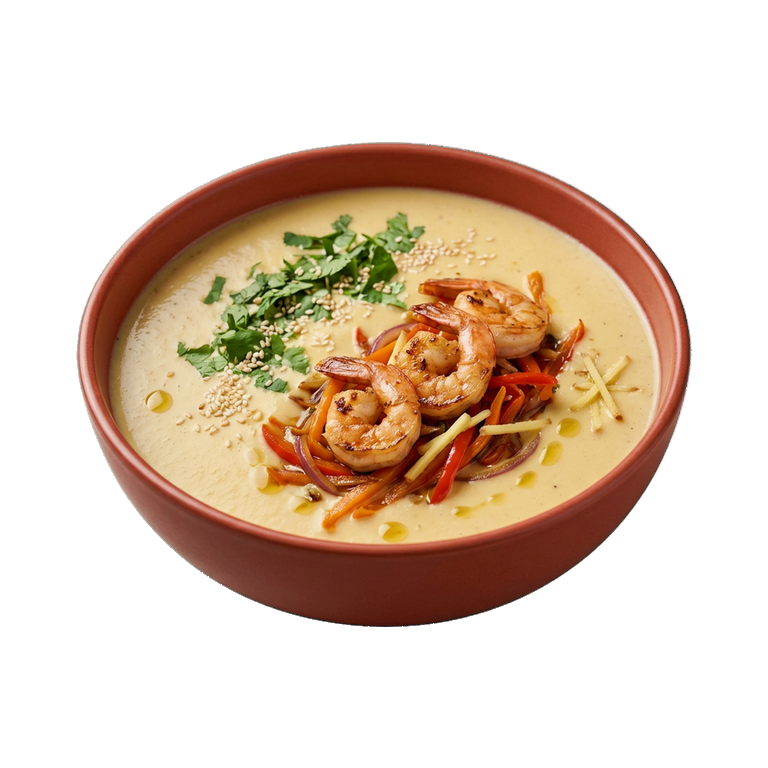
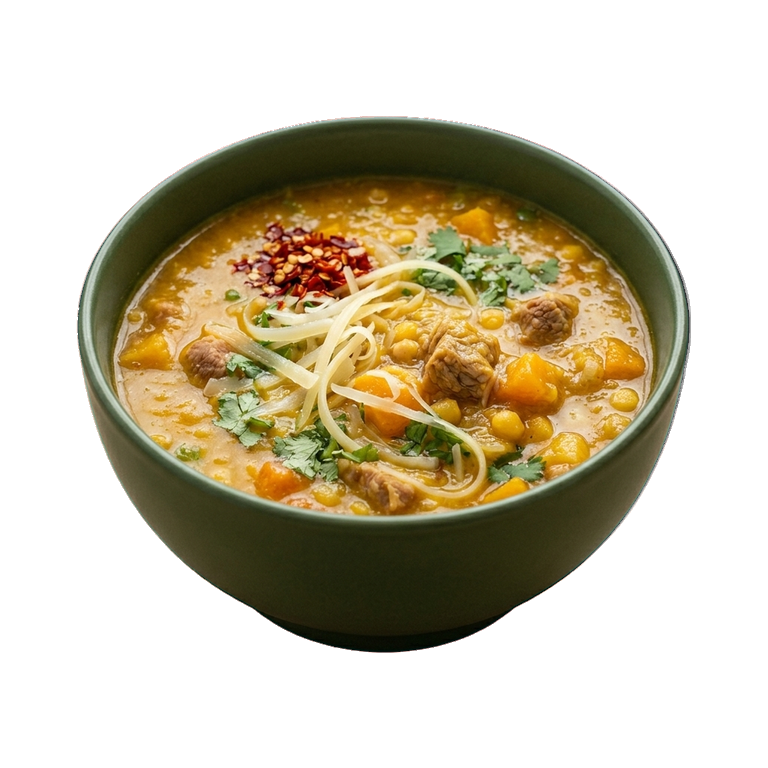
- With coconut milk — for creamy soups and curries
Selection and Storage
Fresh ginger should be firm, without soft spots or wrinkles. Young root is thinner, more tender, less fibrous, and doesn't need to be peeled. Mature ginger requires peeling but lasts longer. Keep fresh ginger in the refrigerator in a paper bag — it will last several weeks. Ground ginger is best stored in an airtight container in a dark place, away from moisture and heat.
Practical Tips
- Clean ginger with a spoon — this loses less flesh than with a knife
- For a sharp taste, add ginger at the end of cooking; for a mild taste, cook it together with the main ingredients
- Frozen grated ginger is convenient for quick use — store in ice cubes
- Fresh ginger juice is obtained by grating the root and squeezing it through cheesecloth — use in drinks and marinades
Nutrition
per 100 g
- Calories
- 80 kcal
- Protein
- 1.8 g
- Fat
- 0.8 g
- Carbs
- 17.8 g
Measures and weight
- 1 tbsp
- 15.8 g
- 1 tsp
- 5.3 g
- 1 cup
- 262.5 g
- 1 pcs
- 25 g
- 1 slice
- 5 g
Measure calculator
- Weight
- 100 g
- Calories
- 80 kcal