Usuba
Usuba
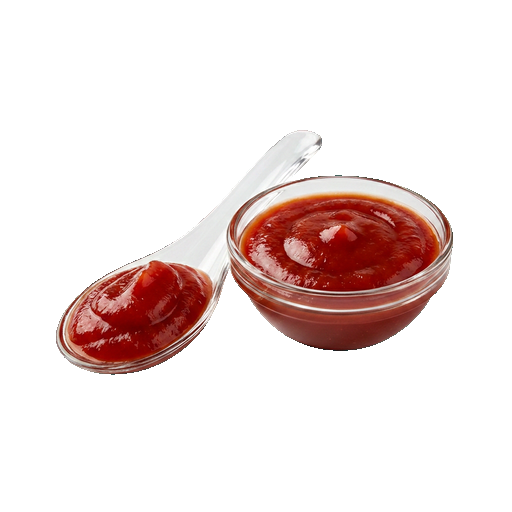
Ketchup
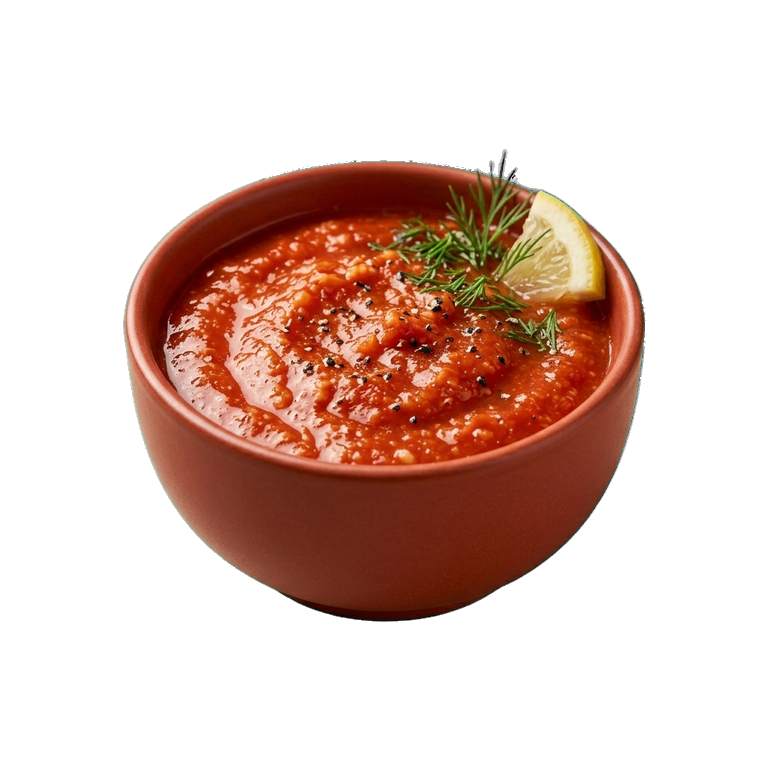
A sweet and sour sauce made from tomatoes with the addition of vinegar, sugar, and spices, which gives dishes a bright tomato flavor with piquant notes. Used as a condiment for meat, french fries, sandwiches, and many other dishes, and can also serve as a base for marinades and sauces. When choosing, pay attention to the composition — prefer ketchup with natural tomatoes and a minimal amount of thickeners, and when substituting, keep in mind that tomato paste will give a more concentrated flavor and will require the addition of acid and sugar.
About
What you need to know about ketchup
Ketchup is not just a condiment, but a true universal kitchen helper. Tomato paste, vinegar, spices and sugar create that very thick consistency and characteristic sweet and sour taste that everyone recognizes. It applies easily, doesn't spread across the plate, and at the same time holds well on food — that's exactly why it's so convenient to use.
Taste and Aroma
The main flavor profile is tomato acidity, supported by sweetness and a light spiciness from spices. The aroma is recognizable, slightly peppery, with notes of garlic and onion. The intensity of taste depends on the manufacturer: some versions are more acidic and spicy, others are milder and sweeter. This is important to consider when choosing ketchup for a specific dish.
Where to use it
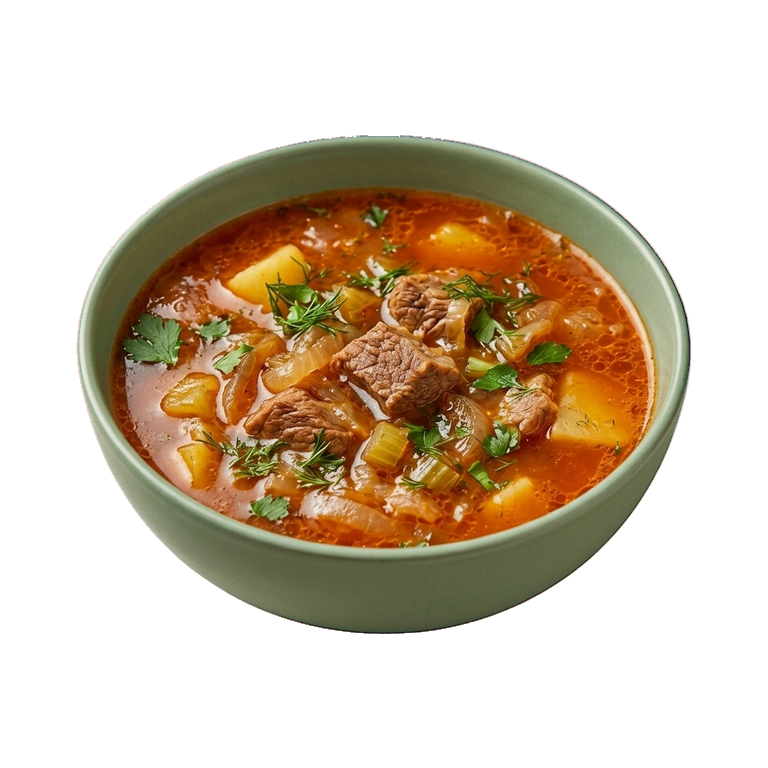
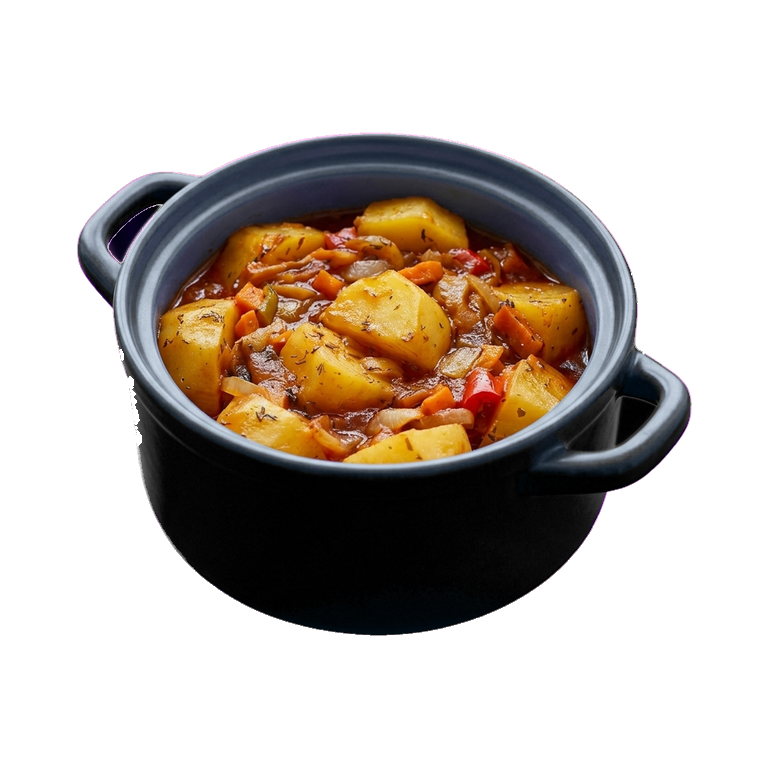
Ketchup works not only as a sauce for finished dishes, but also as an ingredient that you add directly during the cooking process. It works great for marinades, sauces, and glazes — the tomato base quickly adds depth of flavor and beautiful color. In soups and stews, it helps bind flavors and add the right acidity without excess liquid.
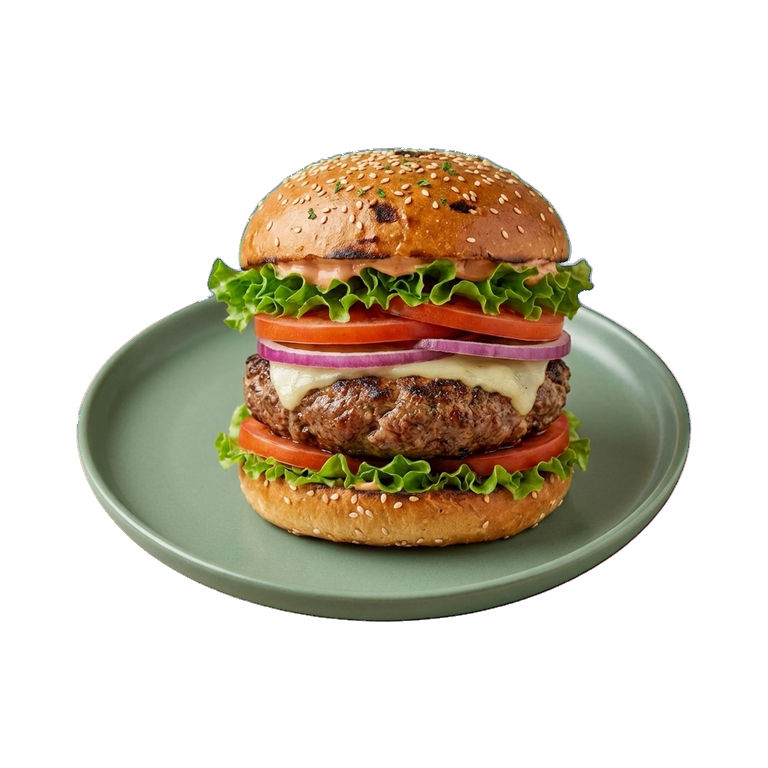
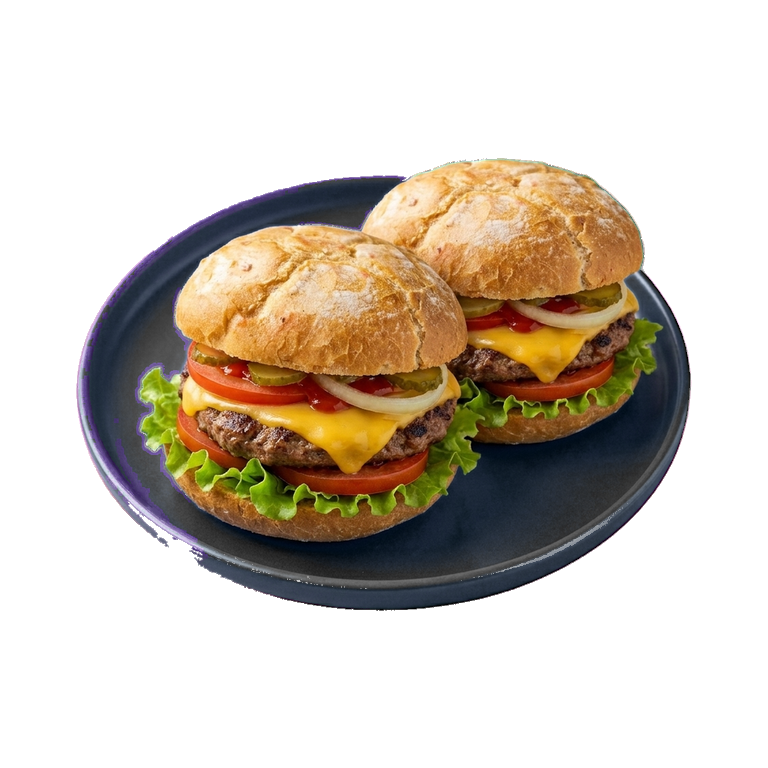
- Classic use: with french fries, burgers and hot dogs
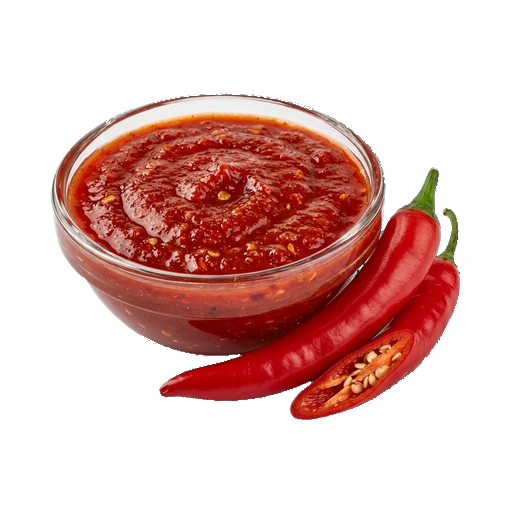
- In sauces: as a base for barbecue sauce or hot sauce
- In marinades: for meat before grilling or baking
- In soups and stews: for depth and acidity
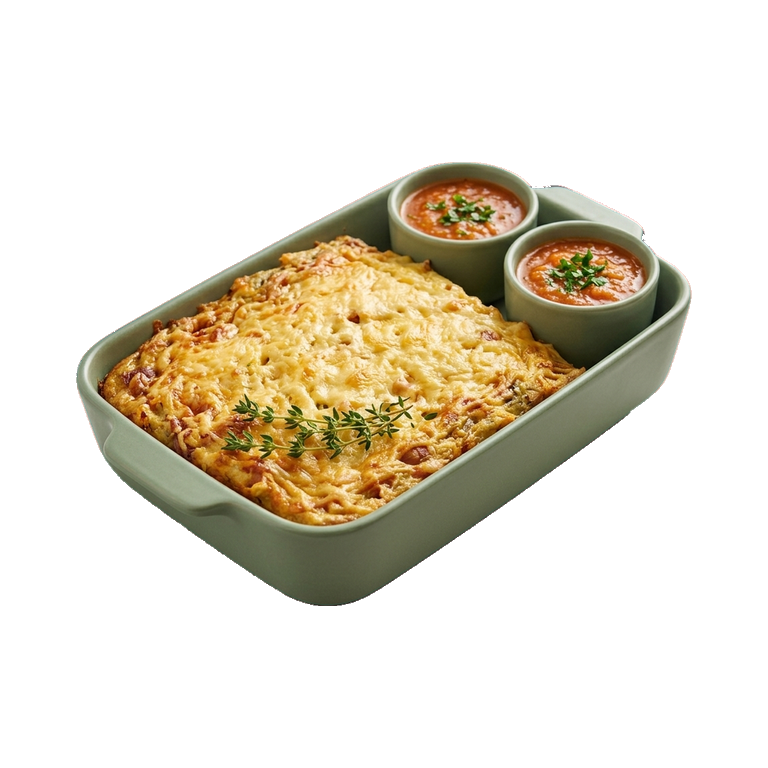
- In eggs and breakfasts: as an addition to omelets and baked dishes
Works well with
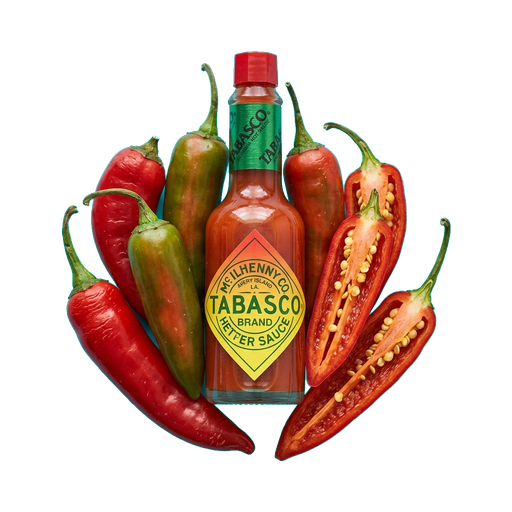
Ketchup pairs well with hot spices, garlic, and onions. If you're making a sauce, add mustard, mayonnaise, or sour cream to it — you'll get an interesting multi-layered base. With butter and black pepper, ketchup becomes more refined, and with Tabasco or hot pepper — more aggressive and vibrant. It combines well with smoked meats and smokiness.
How to choose and store
When choosing, pay attention to the consistency — it should be uniform, without lumps or separation. Check the ingredients: the fewer preservatives and thickeners, the better. Taste preferences are individual, so it's worth trying different options until you find yours.
Store an unopened bottle or jar in a cool place, away from direct sunlight. After opening, ketchup should be stored in the refrigerator and typically remains fresh for several months. If you notice mold, separation, or an unusual smell — it's better not to risk it and throw it away. Before use, stir the contents if they have separated: this is normal and does not mean the product has spoiled.
Nutrition
per 100 ml
- Calories
- 99 kcal
- Protein
- 1.7 g
- Fat
- 0.3 g
- Carbs
- 22 g
Measures and weight
- 1 tbsp
- 15.8 g
- 1 tsp
- 5.3 g
- 1 cup
- 262.5 g
Measure calculator
- Weight
- 100 g
- Calories
- 94 kcal