Usuba
Usuba
Couscous
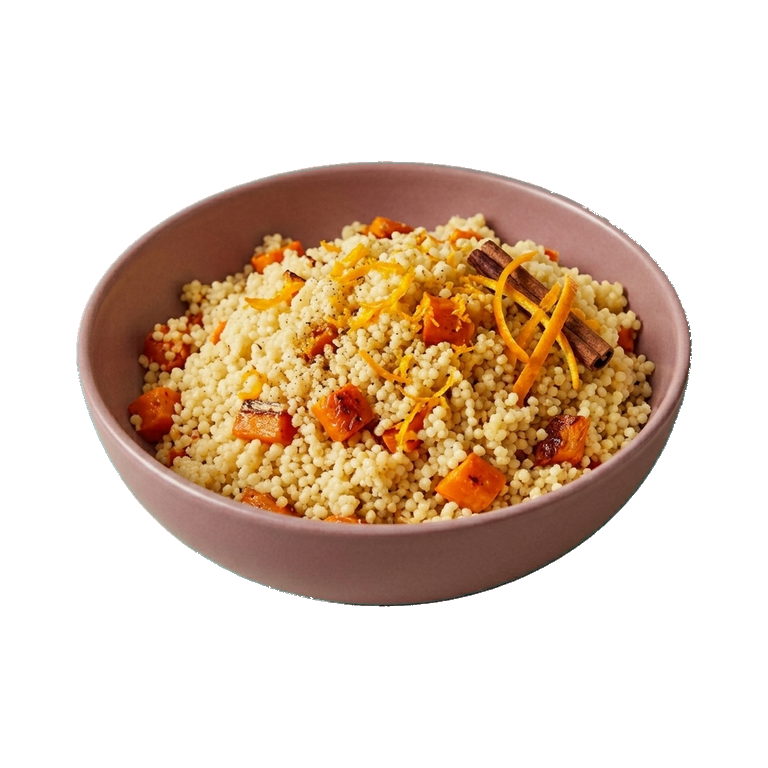
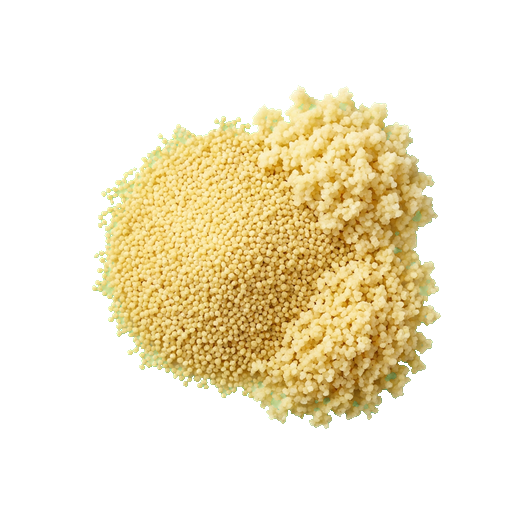
Couscous is a semolina-based grain formed into tiny pellets the size of a pinhead. It cooks quickly thanks to its porous structure and absorbs the flavors of broth or oil, making it an ideal base for spicy Moroccan and Middle Eastern dishes. When selecting couscous, pay attention to the color — it should be uniform and light yellow, and when boiling or steaming, couscous should not clump if you mix it with oil beforehand or fluff it with a fork after cooking.
Micronutrients
per 100 g
Minerals
About
Couscous is not a grain in the classical sense, but rather semolina rolled into tiny balls. It is made from hard wheat varieties that are ground, mixed with water and salt, and then rolled by hand or industrial methods into grains the size of a pinhead. The result is a light, airy product that cooks in minutes and absorbs the flavors of everything around it.
Texture and taste
When cooked properly, couscous becomes fluffy and tender, with a barely noticeable nutty wheat flavor. The grains remain separate from each other and don't clump together, making it an ideal side dish. The taste is neutral and unobtrusive — couscous readily absorbs the aroma of broth, spices, and ingredients that you use during preparation.
Role in dishes
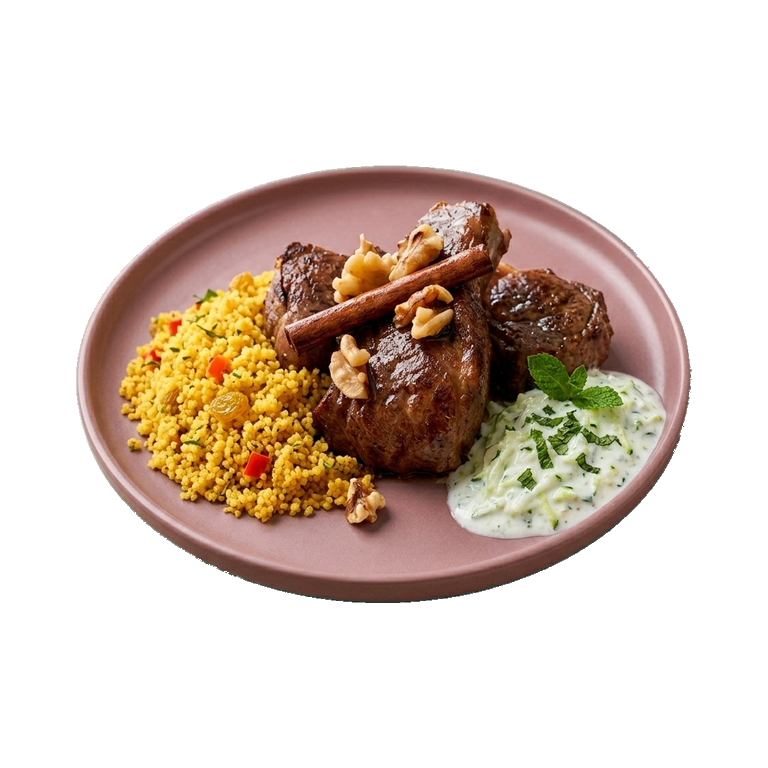
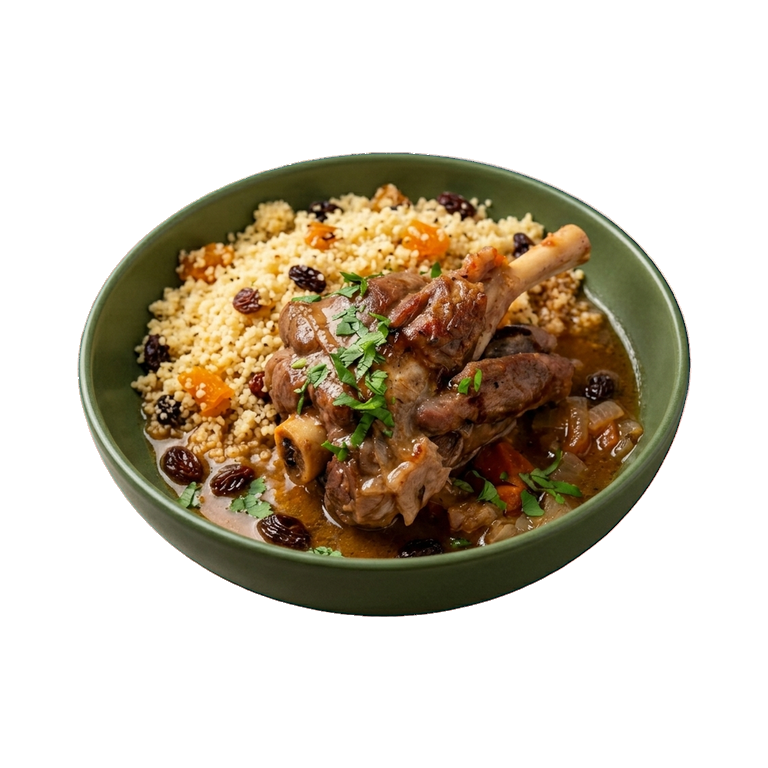
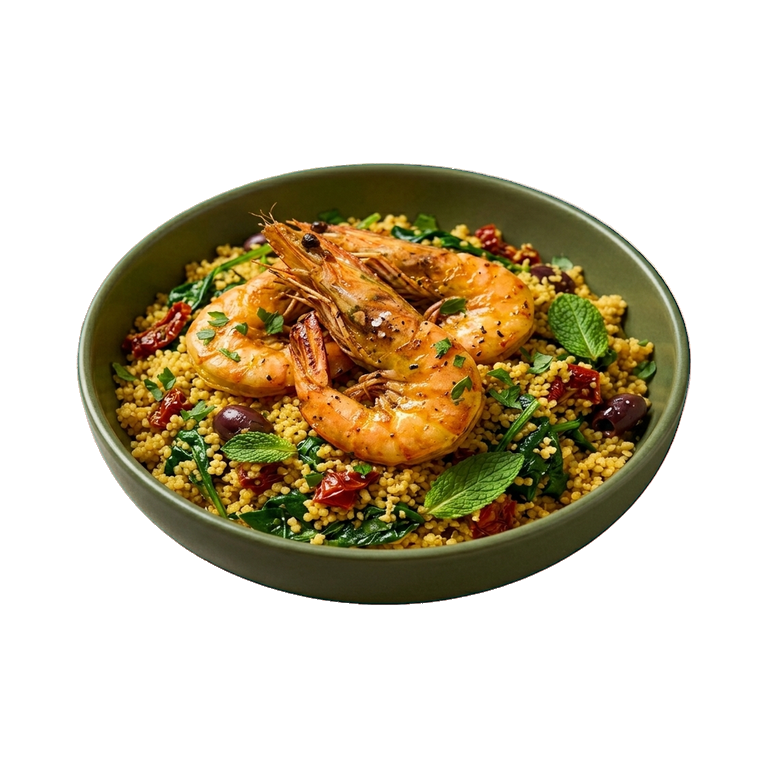
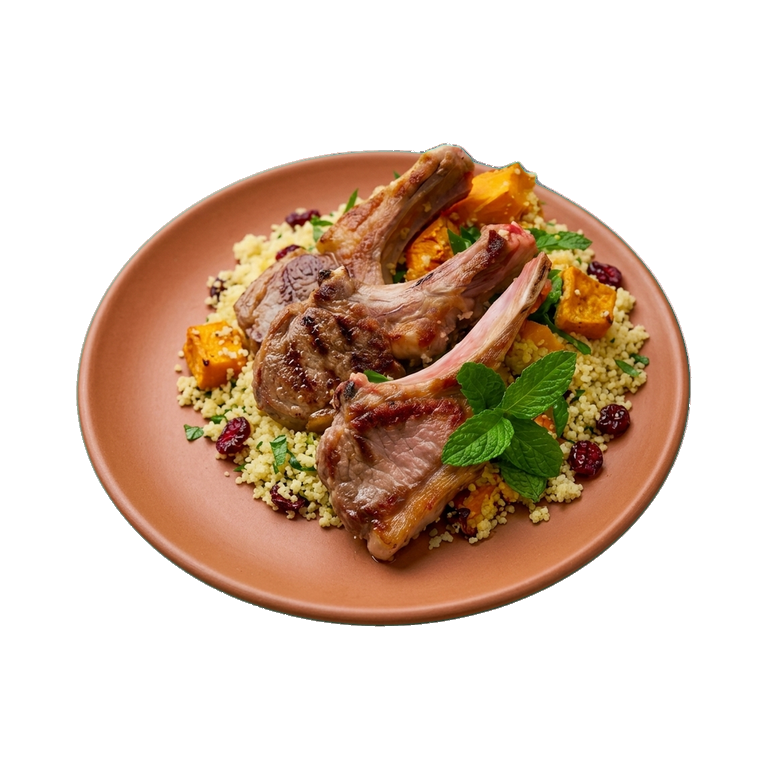
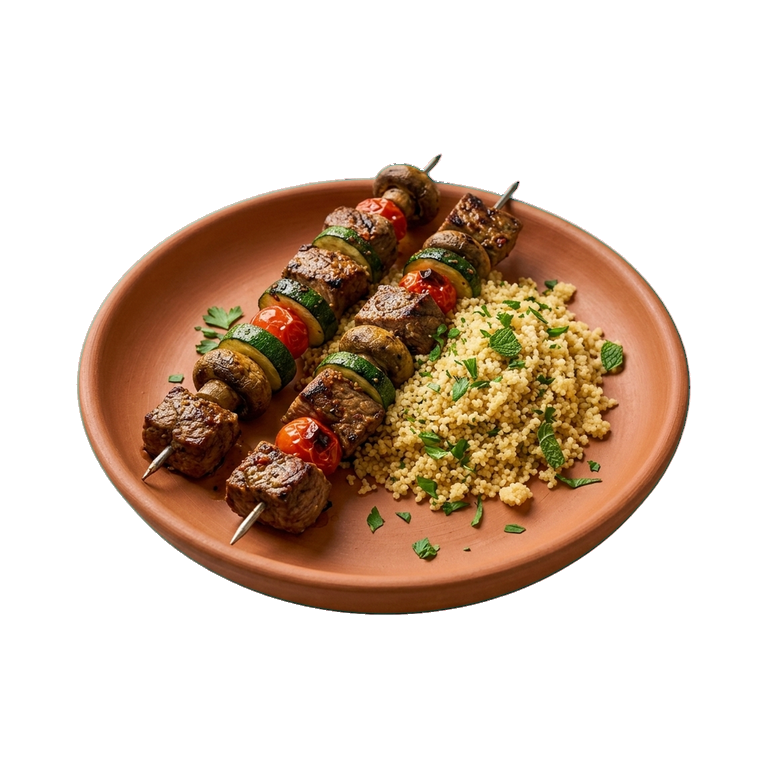
- A side dish for meat and fish dishes — absorbs sauces and gravies
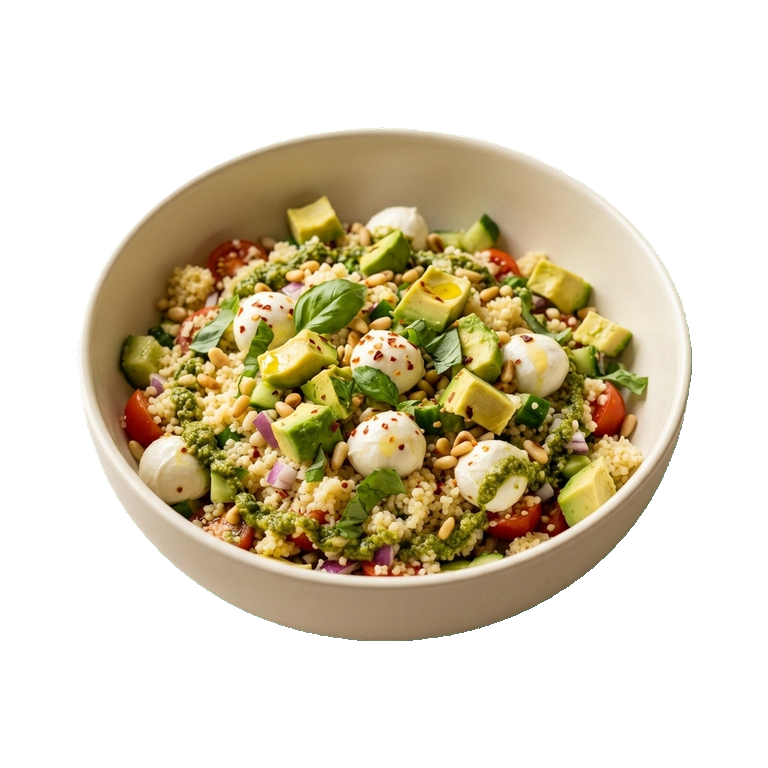
- Base for cold salads — holds shape well after cooling
- Component of soups and stews — added at the end of cooking
- Filling for stuffed vegetables and poultry
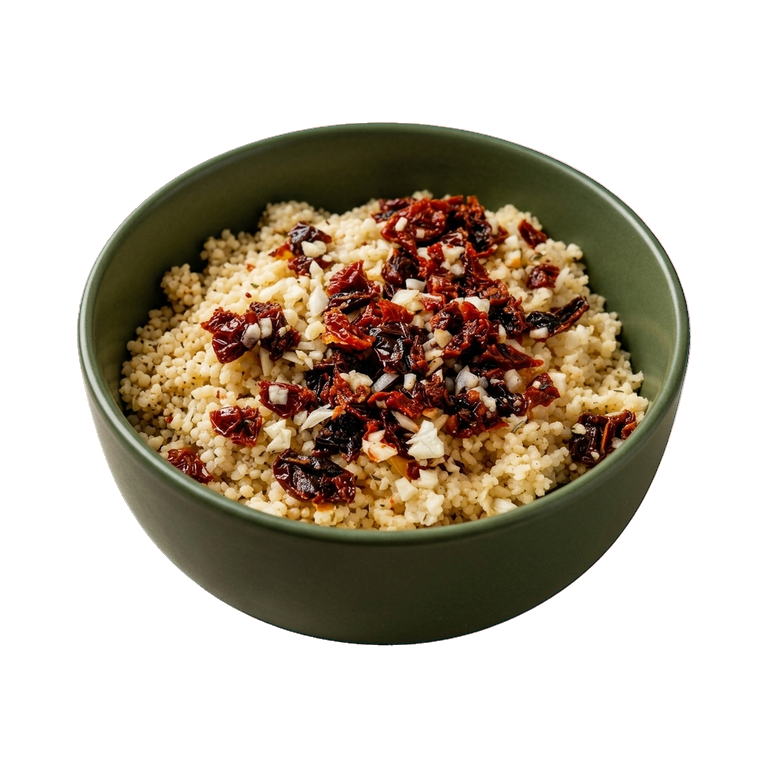
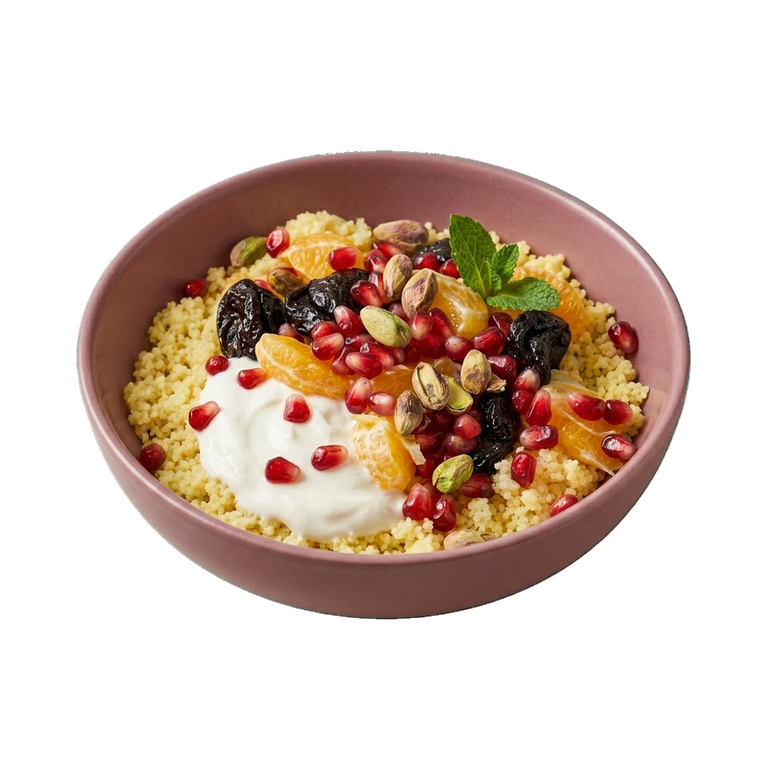
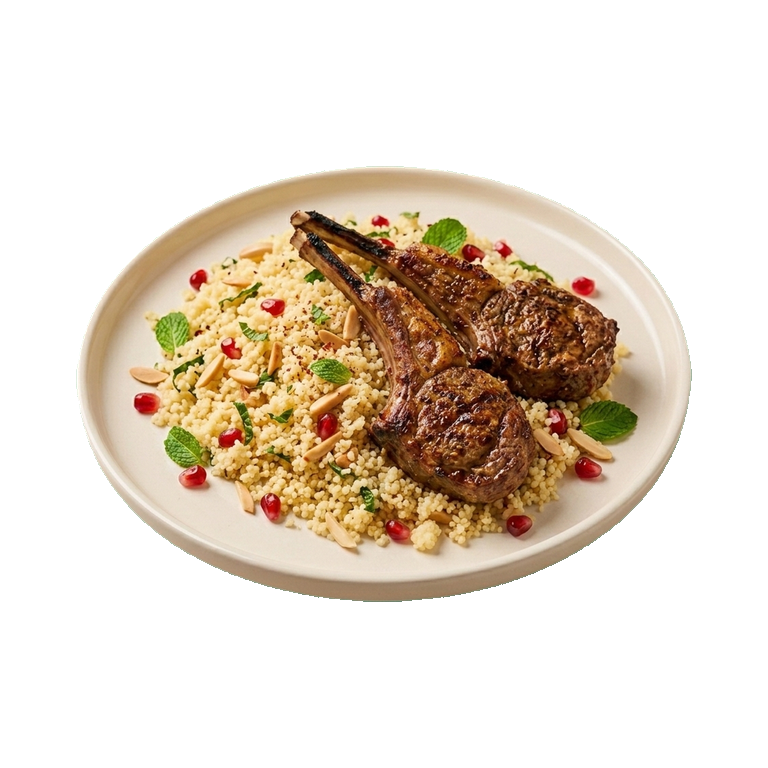
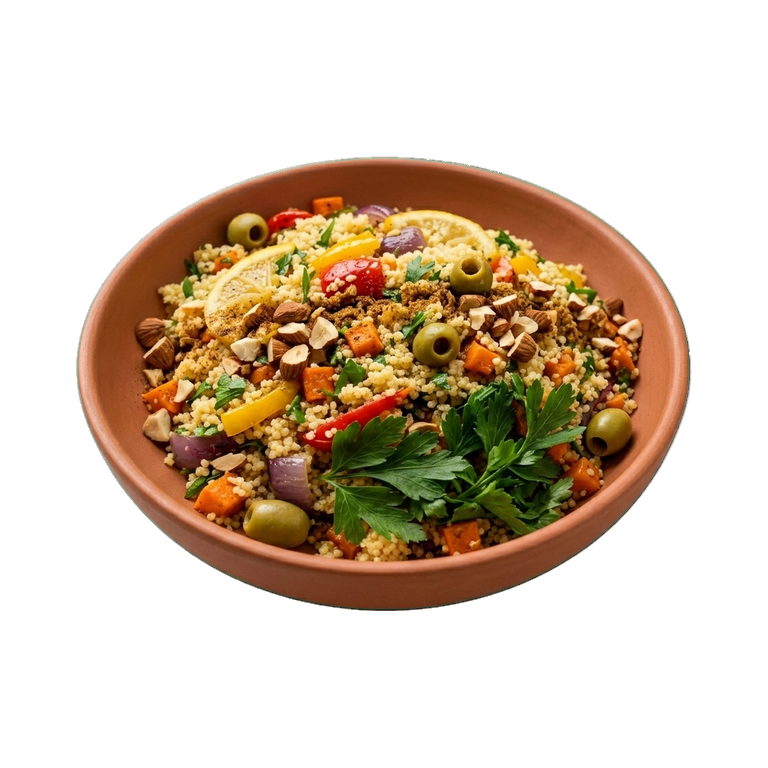
- Base for grain dishes with vegetables, dried fruits and nuts
Couscous is especially good combined with bright, aromatic ingredients: tomatoes, lemon, garlic, fresh herbs. It doesn't compete with flavors, but allows them to shine brighter. Thanks to its quick cooking time, couscous is indispensable in everyday cooking when you need a side dish in five minutes.
How to Cook
The simplest way is to pour couscous with boiling broth or salted water in a one-to-one ratio by volume. Cover with a lid, let it sit for five minutes, then fluff with a fork. If you want a more intense flavor, fry the couscous in oil with spices before adding the liquid. Ready couscous mixes easily with any additions — from vegetables to nuts.
Selection and Storage
When choosing, pay attention to the color — it should be light yellow, uniform, without lumps and signs of moisture. Couscous is stored in an airtight container in a dry place at room temperature. Shelf life is several months if moisture is not allowed to enter. Open the package before use: quality couscous smells like wheat, with no foreign odors.
Successful Combinations
- Vegetables: zucchini, eggplant, tomatoes, bell pepper, carrots
- Proteins: chicken, fish, chickpeas, lentils
- Aromatics: turmeric, cumin, coriander, mint, parsley
- Fats: olive oil, sesame oil
- Acid: lemon juice, pomegranate sauce
Couscous is a product that works at speed and versatility. It requires no complex cooking techniques, takes up no space in a pot, and is ready in minutes. If you're looking for a side dish that won't compete with the main course but will still be interesting on its own, couscous is your choice.
Nutrition
per 100 g
- Calories
- 376 kcal
- Protein
- 12.8 g
- Fat
- 0.6 g
- Carbs
- 77 g
Micronutrients
per 100 g
Macronutrients
- Fiber
- 5 g
- Saturated fat
- 0.117 g
- Monounsaturated fat
- 0.089 g
- Polyunsaturated fat
- 0.252 g
- Cholesterol
- 0 mg
- Water
- 8.56 g
Minerals
- Sodium
- 10 mg
- Potassium
- 166 mg
- Calcium
- 24 mg
- Magnesium
- 44 mg
- Phosphorus
- 170 mg
- Iron
- 1.08 mg
- Zinc
- 0.83 mg
- Copper
- 0.25 mg
- Manganese
- 0.78 mg
Vitamins
- Vitamin A (RAE)
- 0 mcg
- Vitamin D
- 0 mcg
- Vitamin C
- 0 mg
- Vitamin B1 (thiamin)
- 0.16 mg
- Vitamin B2 (riboflavin)
- 0.08 mg
- Vitamin B3 (niacin)
- 3.49 mg
- Vitamin B5 (pantothenic acid)
- 1.24 mg
- Vitamin B6
- 0.11 mg
- Vitamin B9 (folate, DFE)
- 20 mcg
- Vitamin B12
- 0 mcg
Measures and weight
- 1 tbsp
- 9.8 g
- 1 tsp
- 3.3 g
- 1 cup
- 162.5 g
Measure calculator
- Weight
- 100 g
- Calories
- 376 kcal