Usuba
Usuba
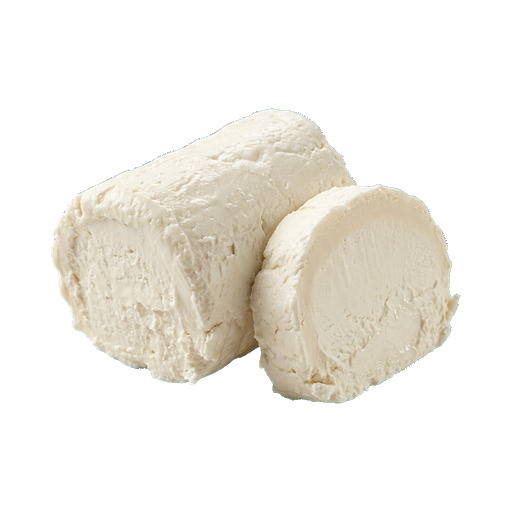
Soft goat cheese
Soft goat cheese is distinguished by its delicate, almost creamy texture and characteristic tangy flavor with a subtle tartness that becomes more pronounced as it matures. This cheese is versatile in cooking: it is added to salads, spread on bread, used in pastas and desserts, and also served as a standalone dish. When selecting, pay attention to consistency — it should be uniform, without lumps, and the aroma should be intense but not sharp; store the cheese in the refrigerator in an airtight package so it does not absorb foreign odors.
Micronutrients
per 100 g
Minerals
Vitamins
- AVitamin A (RAE)288mcg34% DV
- DVitamin D0.4mcg3% DV
- EVitamin E0.18mg1% DV
- KVitamin K1.8mcg2% DV
- B1Vitamin B1 (thiamin)0.07mg5% DV
- B2Vitamin B2 (riboflavin)0.38mg21% DV
- B3Vitamin B3 (niacin)0.43mg2% DV
- B5Vitamin B5 (pantothenic acid)0.68mg14% DV
- B6Vitamin B60.25mg13% DV
- B9Vitamin B9 (folate, DFE)12mcg3% DV
- B12Vitamin B120.2mcg7% DV
About
Soft goat cheese is one of the most versatile ingredients in the kitchen. It spreads easily, has a delicate texture, and yet has a distinctive enough flavor to transform a simple dish. Its main advantage is that it requires no special preparation: take it out of the package and it's ready to use.
Aroma and taste
The taste of goat cheese is its main instrument. It is tangy, slightly sharp, but not aggressive. Young cheese is more delicate, with a more subtle sourness. If the cheese has aged longer, the taste becomes more intense, sometimes with piquant notes. The aroma is delicate, milky, with a light piquancy that doesn't overpower other ingredients in the dish.
The texture of soft goat cheese is what makes it versatile. It is simultaneously dense and airy, cuts easily, but also spreads well. When heated, the cheese doesn't melt into a puddle, but melts gently while maintaining its shape. This is important when you grill it or add it to a hot dish.
Where and how to use it
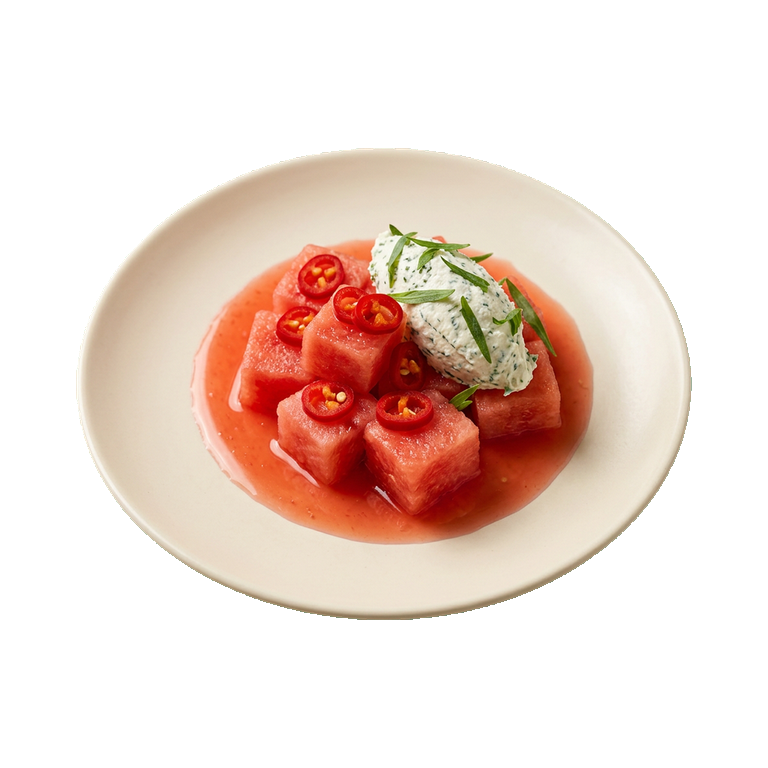
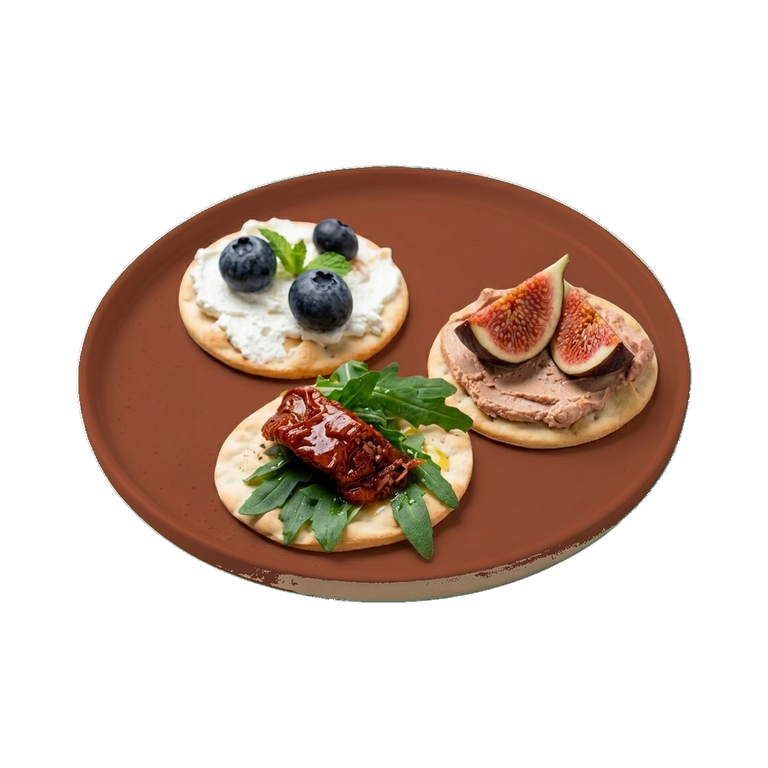
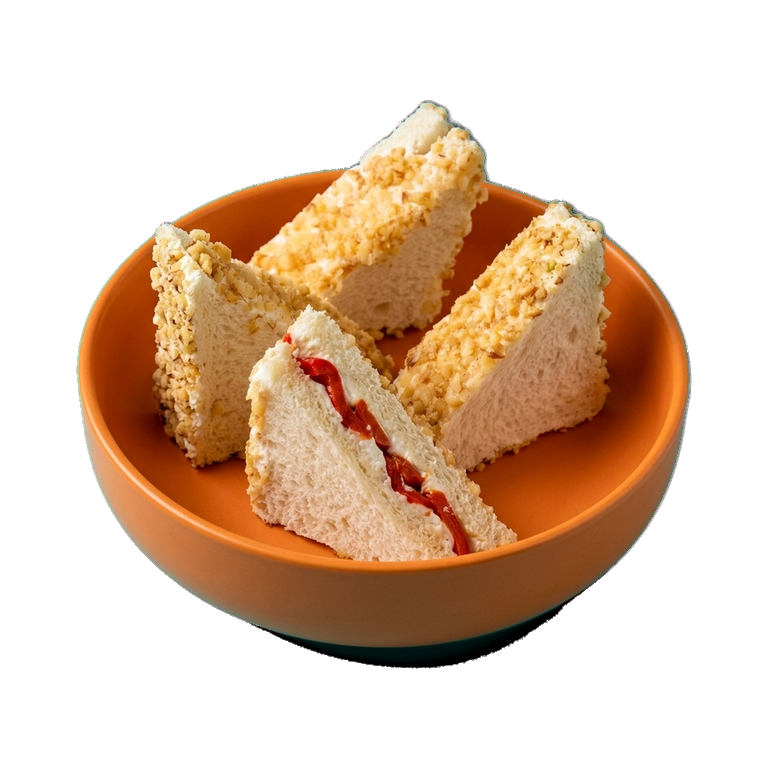
- As an appetizer: spread on bread, add honey, nuts or jam — ready to serve
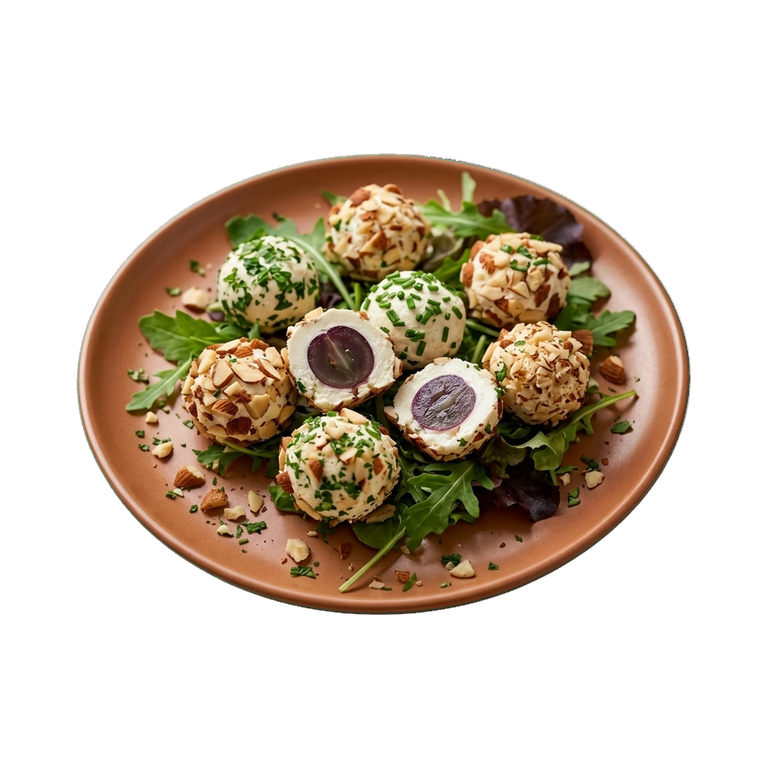
- In salads: goat cheese crumbles work great with greens, fresh vegetables, berries
- On the grill: place a slice on a vegetable or bread, bake for a few minutes — you'll get a warm appetizer
- In hot dishes: add at the end of cooking soup, risotto or pasta for creaminess
- In baking: goat cheese works well in savory pies and galettes
Main rule: add goat cheese at the end or just before serving. This way it will retain its tenderness and won't turn into a rubbery lump. Exception — baked appetizers, where the cheese should slightly melt and turn golden.
Perfect Pairings
Goat cheese loves sour and sweet flavors. Honey, jam, fresh berries — all of these enhance its taste. With fresh greens (arugula, spinach, salad mix) the cheese sounds brighter. Vegetables — tomatoes, cucumbers, radish, beets — highlight its delicacy. Nuts (walnuts, pecans, pistachios) add textural contrast. Spices are used gently: black pepper, fresh thyme, rosemary.
Goat cheese pairs beautifully with fruits: figs, apricots, pears. This combination works as an appetizer, in a salad, and even in a dessert.
How to Choose and Store
- Check the packaging: the cheese should be whole, without mold and strange spots
- Read the date: soft goat cheese has a short shelf life, usually 2–3 weeks
- Smell it: fresh cheese smells of milk and sourness, without a musty odor
- Texture: the cheese should not be too liquid or, conversely, dried out
Store goat cheese in the refrigerator at a temperature of 4–8 degrees. It's best to keep it in its original packaging or in an airtight container so it doesn't absorb odors from neighboring products. If the cheese starts to dry out, use it for baked appetizers or add it to hot dishes. Freezing soft goat cheese is not recommended — it will lose its tenderness.
Nutrition
per 100 g
- Calories
- 245 kcal
- Protein
- 18.3 g
- Fat
- 19.5 g
- Carbs
- 0.3 g
Micronutrients
per 100 g
Macronutrients
- Fiber
- 0 g
- Sugars
- 0 g
- Saturated fat
- 14.575 g
- Monounsaturated fat
- 4.807 g
- Polyunsaturated fat
- 0.501 g
- Omega-3 (EPA + DHA)
- 0 g
- Cholesterol
- 46 mg
- Water
- 60.75 g
Minerals
- Sodium
- 459 mg
- Potassium
- 26 mg
- Calcium
- 140 mg
- Magnesium
- 16 mg
- Phosphorus
- 256 mg
- Iron
- 1.9 mg
- Zinc
- 0.92 mg
- Copper
- 0.73 mg
- Manganese
- 0.1 mg
- Selenium
- 2.8 mcg
Vitamins
- Vitamin A (RAE)
- 288 mcg
- Vitamin D
- 0.4 mcg
- Vitamin E
- 0.18 mg
- Vitamin K
- 1.8 mcg
- Vitamin C
- 0 mg
- Vitamin B1 (thiamin)
- 0.07 mg
- Vitamin B2 (riboflavin)
- 0.38 mg
- Vitamin B3 (niacin)
- 0.43 mg
- Vitamin B5 (pantothenic acid)
- 0.68 mg
- Vitamin B6
- 0.25 mg
- Vitamin B9 (folate, DFE)
- 12 mcg
- Vitamin B12
- 0.2 mcg
Measures and weight
- 1 tbsp
- 15.8 g
- 1 tsp
- 5.3 g
- 1 cup
- 262.5 g
Measure calculator
- Weight
- 100 g
- Calories
- 245 kcal