Usuba
Usuba
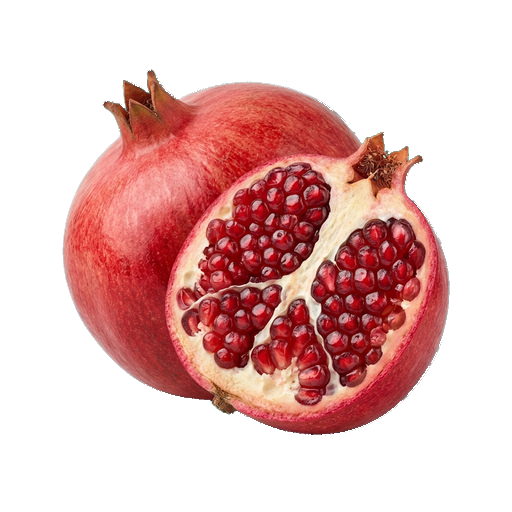
Pomegranates
Pomegranates are fruits with a leathery skin and numerous juicy arils inside, each containing a seed. The arils have a refreshing sweet-tart flavor with a subtle astringency, and their juice colors dishes in a deep red or burgundy hue. In cooking, both the arils themselves are used for garnish and freshly pressed juice is used for sauces, marinades, and beverages; when selecting, look for heavier fruits with thin skin free of dents, as they contain more juice.
Micronutrients
per 100 g
Minerals
About
Pomegranate is one of the most rewarding ingredients in the kitchen. Sweet, slightly tart grains give dishes depth of flavor, vibrant color, and pleasant texture. It is no wonder that it is used not only in sweet desserts, but also in serious cooking: in sauces, marinades, salads, and even meat dishes.
Taste and Aroma
A ripe pomegranate balances between sweetness and a subtle tartness. The flesh of the seeds is juicy and tender, while the pit inside adds a pleasant crunchiness. The aroma is fresh, somewhat floral — distinctive and refreshing. Underripe fruits will be more sour and astringent, overripe ones — loose and less aromatic.
Role in Dishes
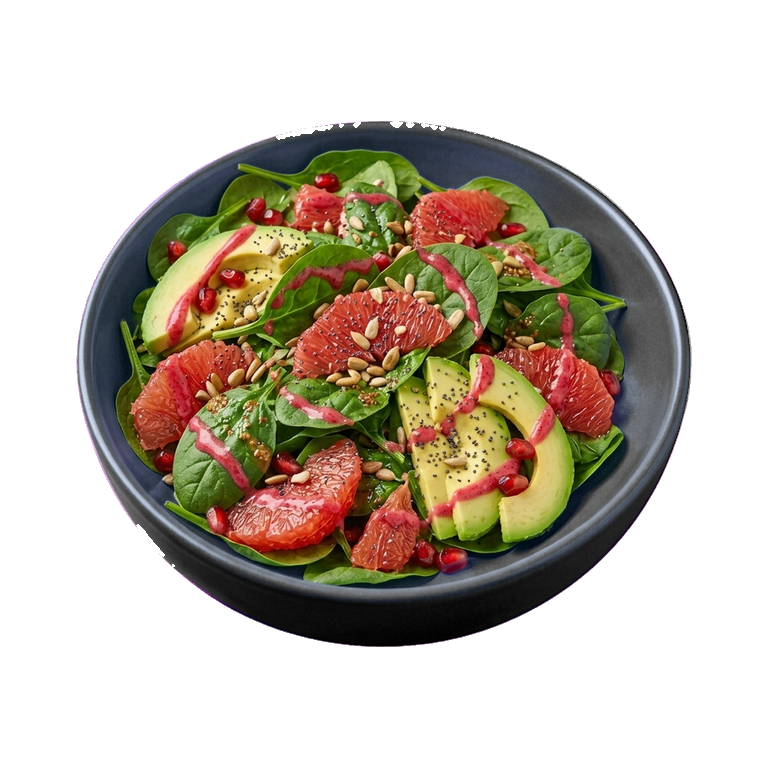
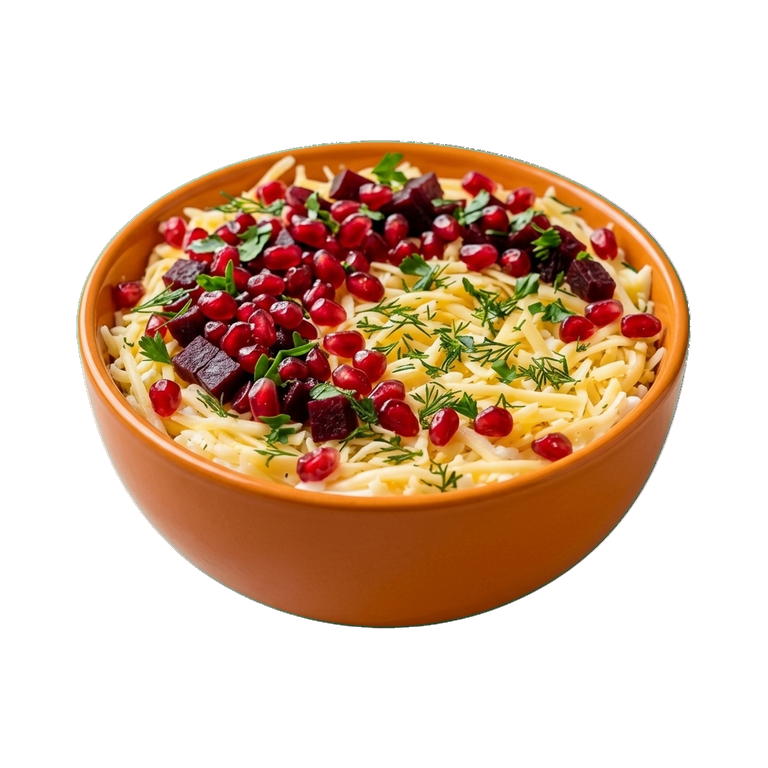
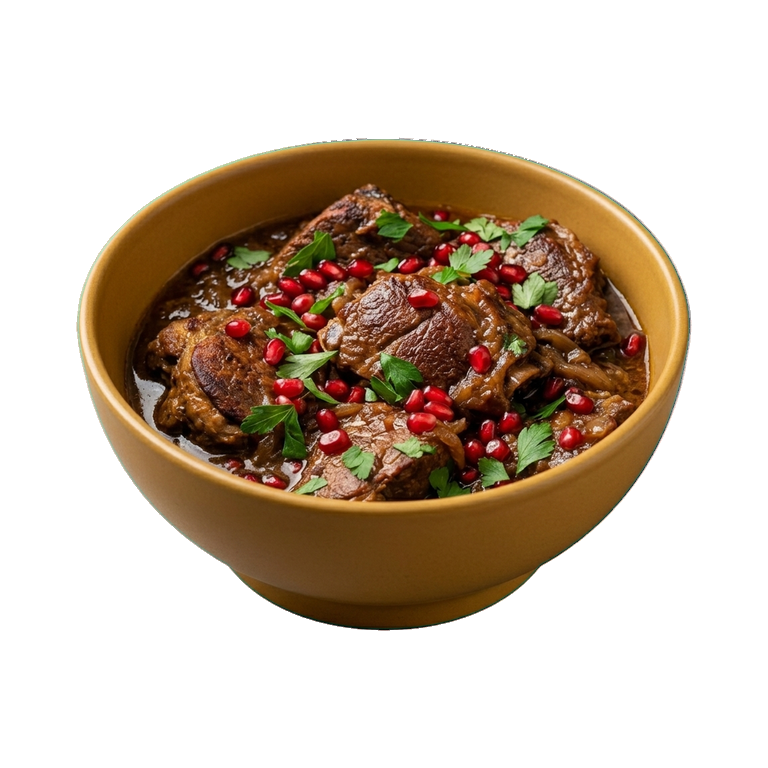
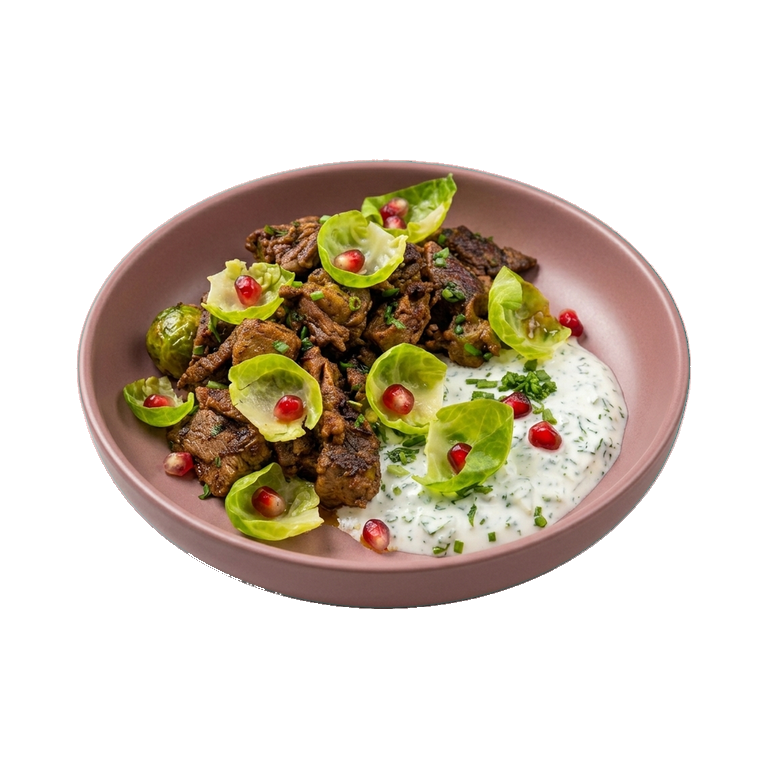
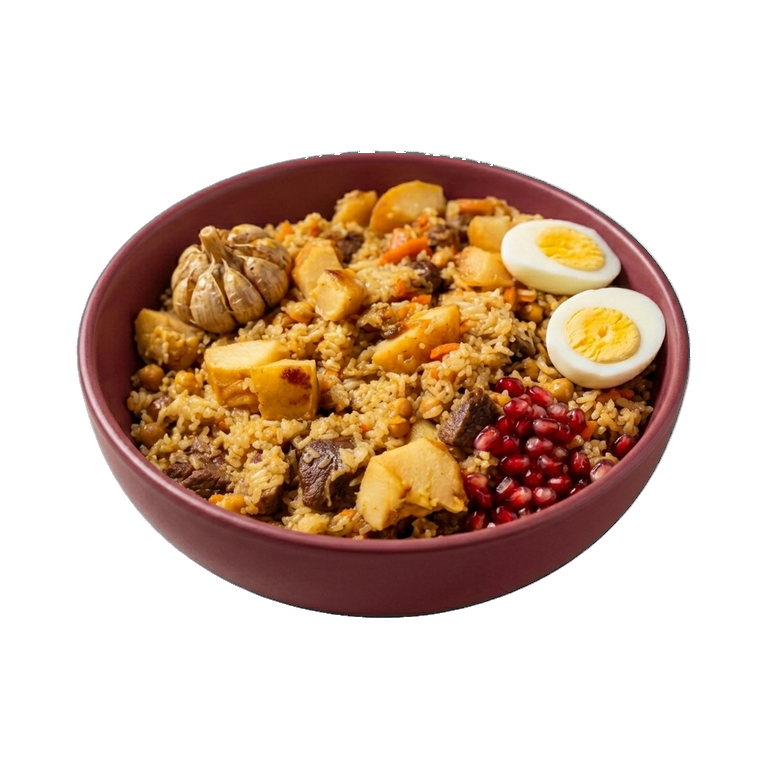
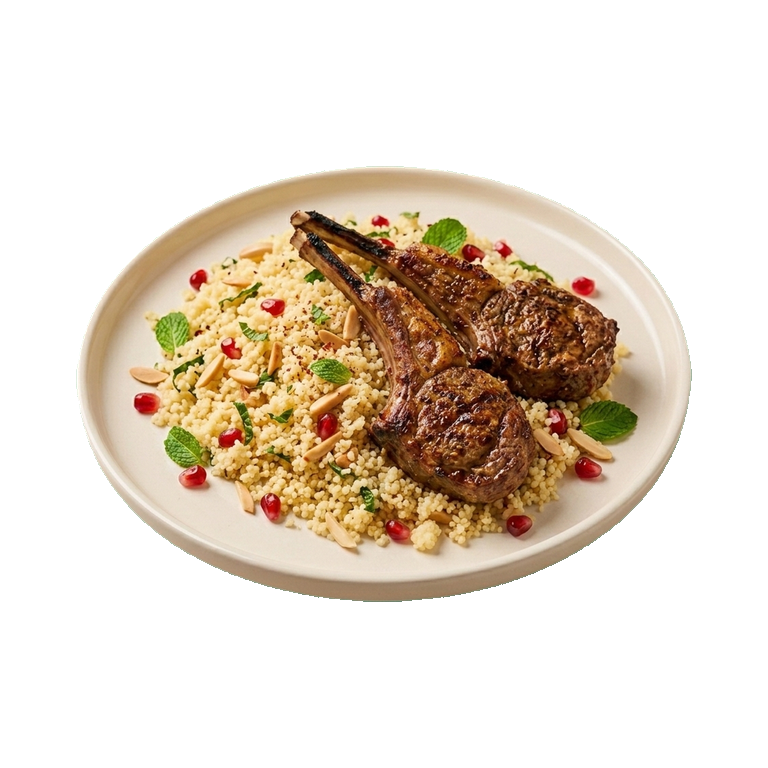
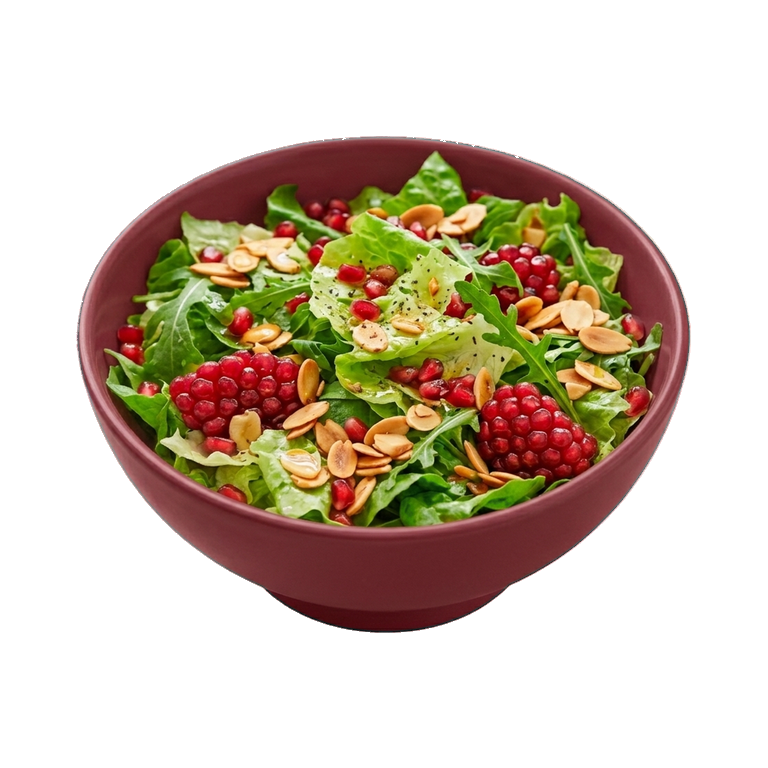
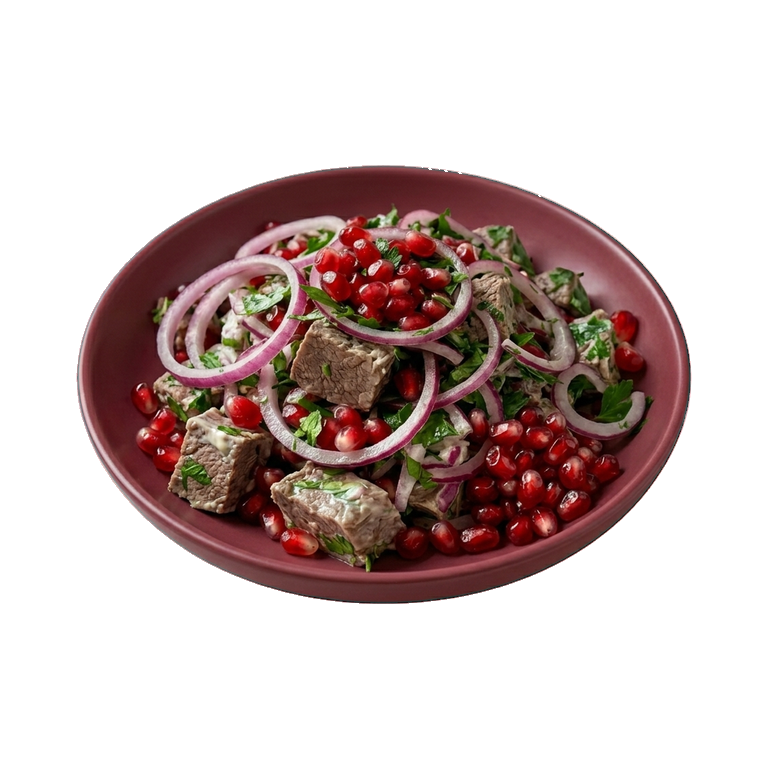
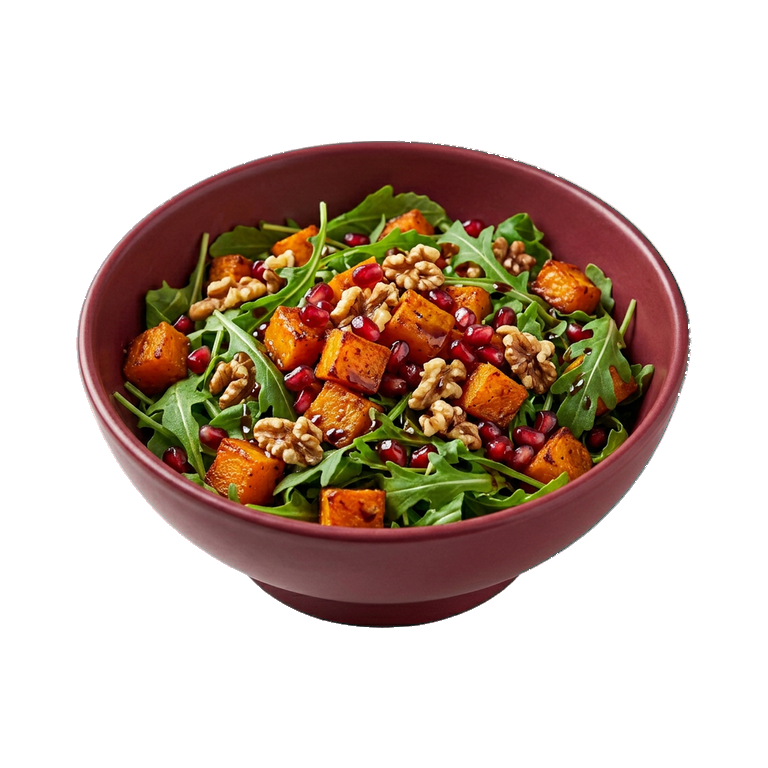
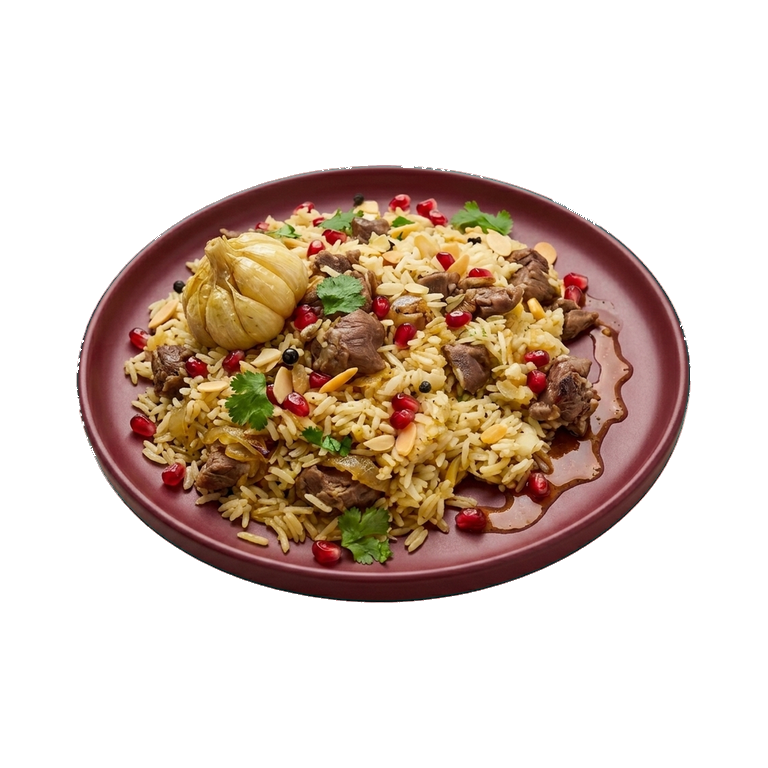
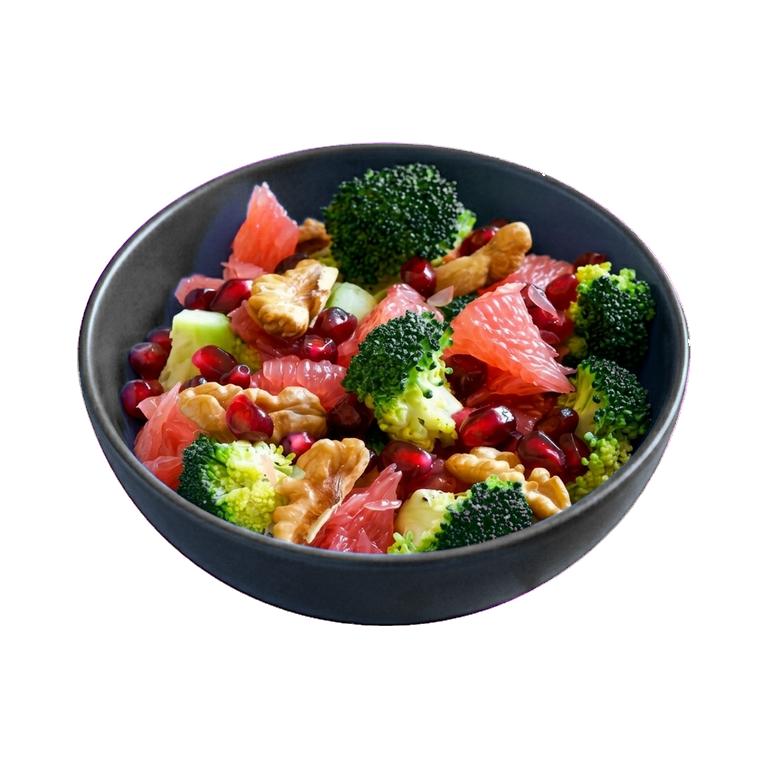
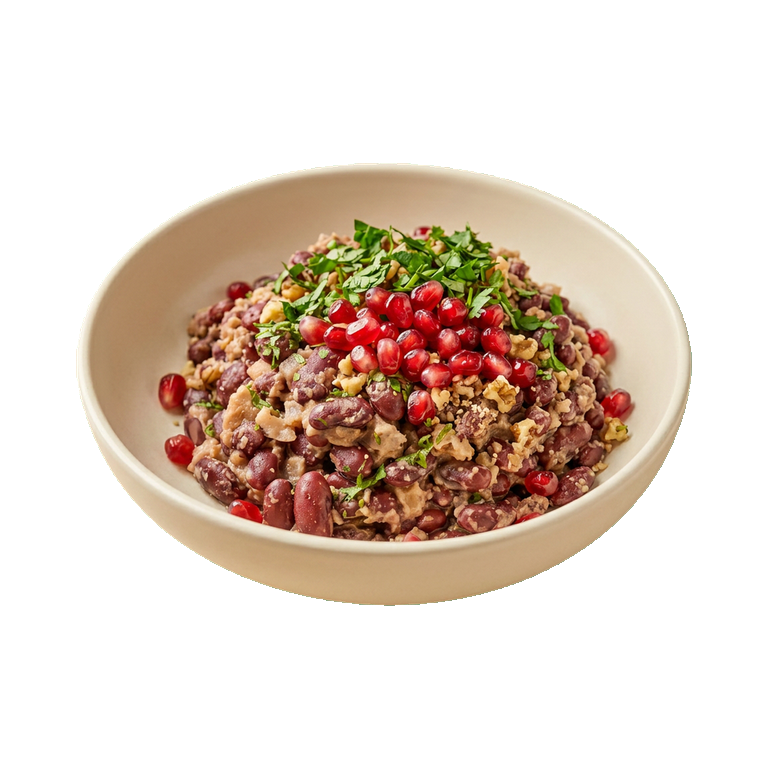
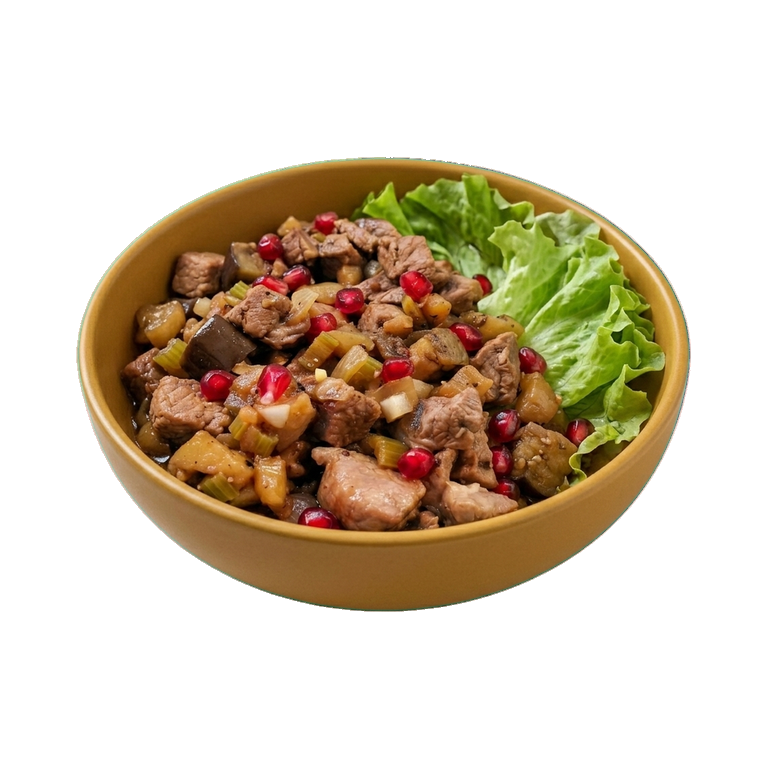
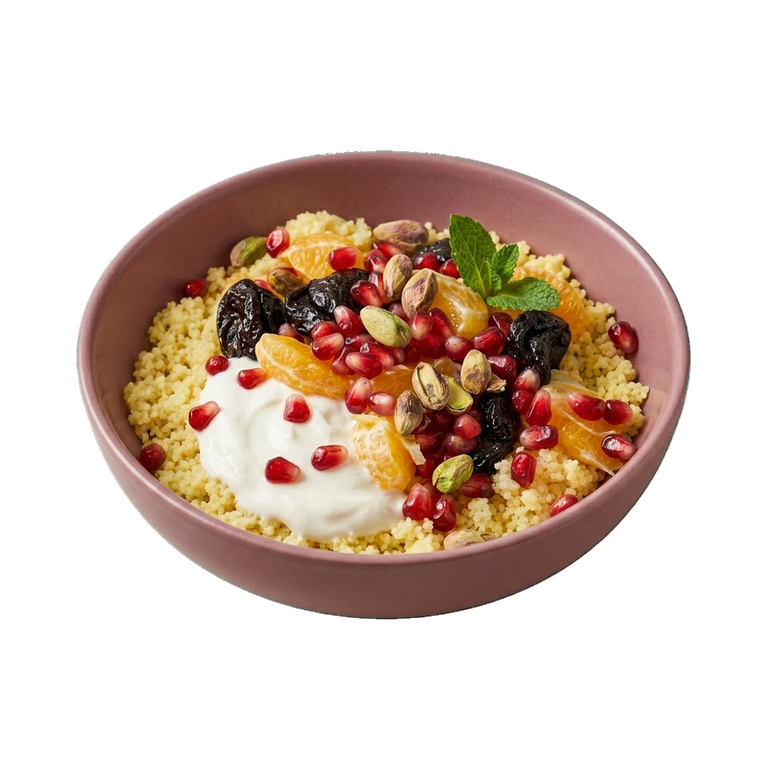
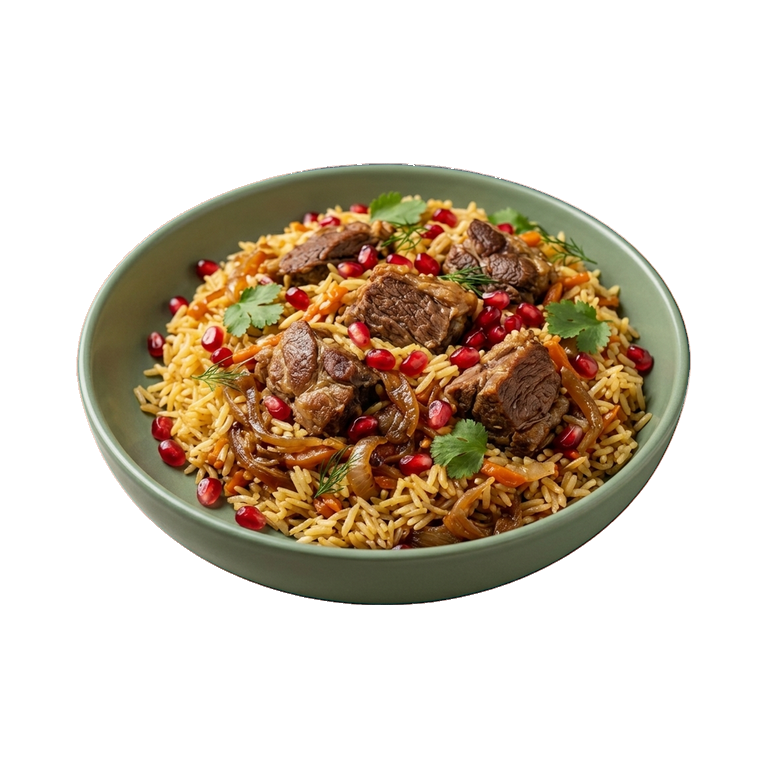
Pomegranate seeds work on multiple levels simultaneously. They add sweetness and acidity, create textural contrast, and bring a bright visual accent. In salads, pomegranate emphasizes the freshness of greens, in meat dishes it enhances the depth of the sauce, in desserts it provides natural sweetness and juiciness.
- Pomegranate juice and syrup are the base for marinades and glazes for duck, chicken, and lamb
- Seeds are sprinkled on top of salads, cereals, yogurt, and cottage cheese before serving
- In Eastern cuisine, pomegranate is an ingredient in spicy sauces and piquant seasonings
- Seeds are added to baked goods, mousse, panna cotta, and fruit compotes
What goes well with
Pomegranate pairs well with spicy spices — cumin, cinnamon, and black pepper. Its tartness complements fatty meats and fish. On the sweet side, pomegranate shines alongside chocolate, vanilla, almonds, and pistachios. Don't forget about herbs: pomegranate works beautifully with mint, cilantro, and parsley.
Selection and Storage
Choose heavy fruits with smooth, unblemished skin. The color should be rich, ranging from dark red to burgundy. If the pomegranate is light, it will be dried out inside. A slightly soft fruit is a sign of ripeness, but not overripeness.
- A whole pomegranate keeps in the refrigerator for up to three weeks, in a cool place — one to two weeks
- Seeds in an airtight container will last in the refrigerator for 3–4 days
- Pomegranate juice can be frozen in ice cubes and stored for several months
Tip: to quickly extract pomegranate seeds, cut the pomegranate in half and hold it over a bowl with the cut side down. Tap the skin with a wooden spoon — the seeds will fall out on their own. This way you'll avoid splashing and save time.
Nutrition
per 100 g
- Calories
- 52 kcal
- Protein
- 0.9 g
- Fat
- 0.3 g
- Carbs
- 13.9 g
Micronutrients
per 100 g
Macronutrients
- Fiber
- 4 g
- Sugars
- 13.67 g
- Saturated fat
- 0.12 g
- Monounsaturated fat
- 0.093 g
- Polyunsaturated fat
- 0.079 g
- Omega-3 (EPA + DHA)
- 0 g
- Cholesterol
- 0 mg
- Water
- 77.93 g
Minerals
- Sodium
- 3 mg
- Potassium
- 236 mg
- Calcium
- 10 mg
- Magnesium
- 12 mg
- Phosphorus
- 36 mg
- Iron
- 0.3 mg
- Zinc
- 0.35 mg
- Copper
- 0.16 mg
- Manganese
- 0.12 mg
- Selenium
- 0.5 mcg
Vitamins
- Vitamin A (RAE)
- 0 mcg
- Vitamin D
- 0 mcg
- Vitamin E
- 0.6 mg
- Vitamin K
- 16.4 mcg
- Vitamin C
- 10.2 mg
- Vitamin B1 (thiamin)
- 0.07 mg
- Vitamin B2 (riboflavin)
- 0.05 mg
- Vitamin B3 (niacin)
- 0.29 mg
- Vitamin B5 (pantothenic acid)
- 0.38 mg
- Vitamin B6
- 0.08 mg
- Vitamin B9 (folate, DFE)
- 38 mcg
- Vitamin B12
- 0 mcg
Measures and weight
- 1 tbsp
- 9 g
- 1 tsp
- 3 g
- 1 cup
- 150 g
- 1 pcs
- 250 g
Measure calculator
- Weight
- 100 g
- Calories
- 52 kcal