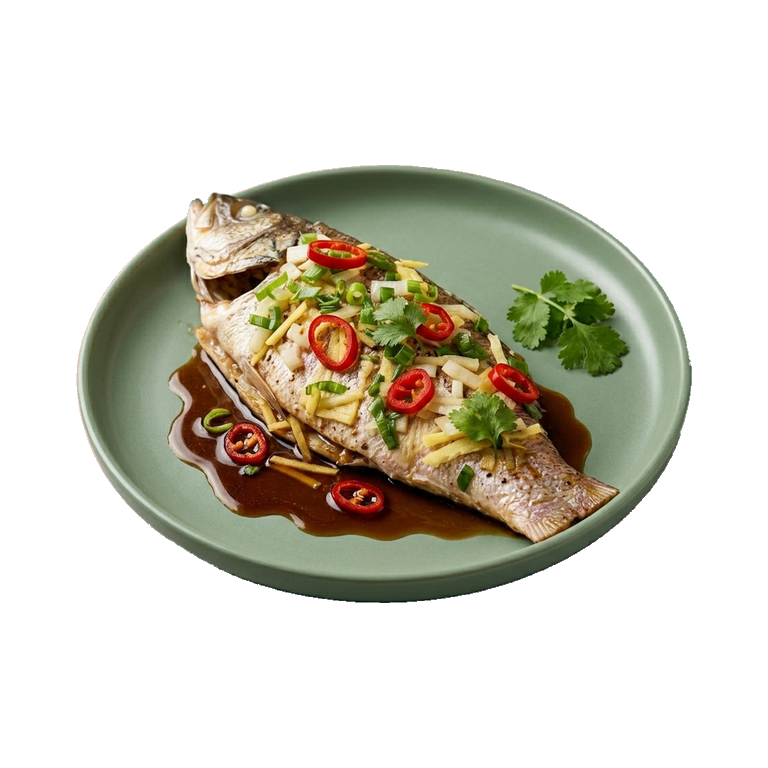
Usuba
Usuba
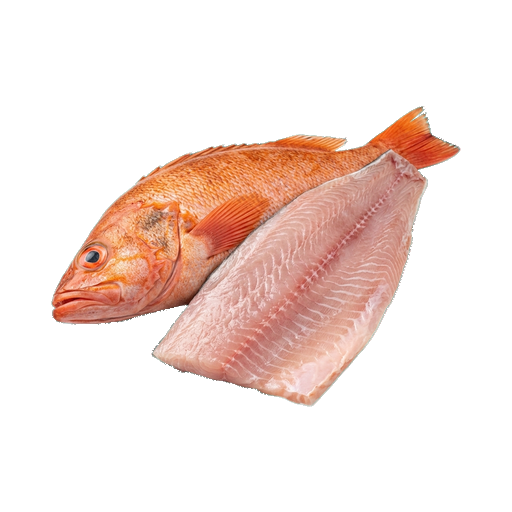
Sea bass
Sea perch is a red fish with tender, slightly sweet meat and minimal bones, making it convenient for culinary preparation. Thanks to its high fat content, the fish remains juicy with any cooking method: it can be fried, baked, steamed, or used in soups. When selecting, pay attention to meat firmness and fresh sea aroma, and suitable substitutes include trout, halibut, or other red fish with similar texture.
Micronutrients
per 100 g
Minerals
Vitamins
- AVitamin A (RAE)46mcg5% DV
- DVitamin D5.6mcg37% DV
- EVitamin E0.84mg6% DV
- KVitamin K0.1mcg0% DV
- B1Vitamin B1 (thiamin)0.11mg7% DV
- B2Vitamin B2 (riboflavin)0.12mg7% DV
- B3Vitamin B3 (niacin)1.6mg8% DV
- B5Vitamin B5 (pantothenic acid)0.75mg15% DV
- B6Vitamin B60.4mg20% DV
- B9Vitamin B9 (folate, DFE)5mcg1% DV
- B12Vitamin B120.3mcg10% DV
About
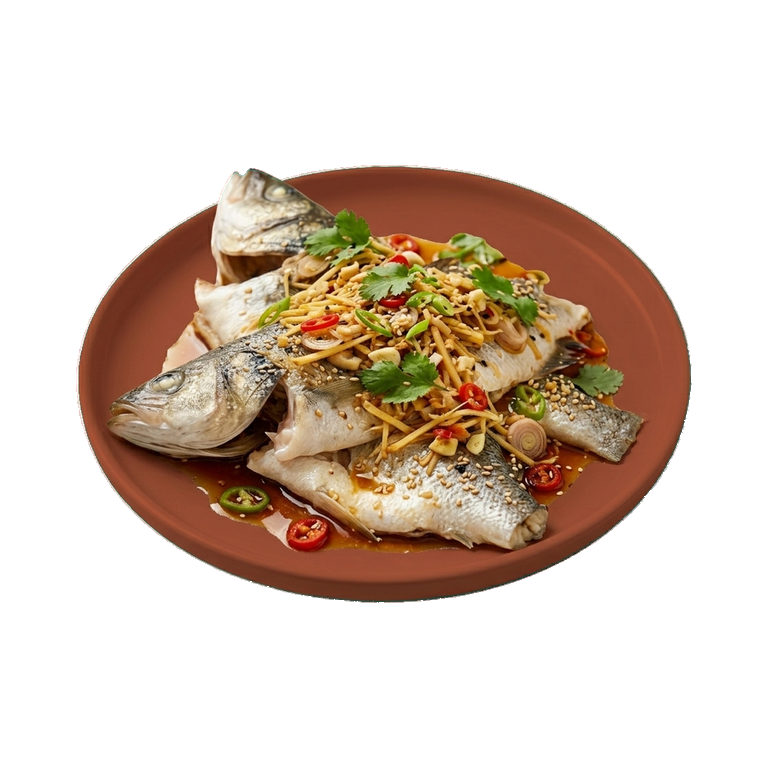
Sea bass is a fish that is equally good for an everyday dinner and a festive table. Its meat is dense, white, with a delicate structure and a pleasant slightly sweet taste. The fish contains few bones, which makes it convenient to work with, and its versatility allows you to cook it in almost any way — from simple frying to complex restaurant techniques.
Taste and texture
In taste, sea bass is a delicate fish with a subtle, unobtrusive aroma. The meat is neither flaky nor dry; it holds its shape during cooking and remains juicy. The fat content is moderate, which allows the fish to absorb marinades and sauces well, while remaining light. Thanks to this, sea bass works wonderfully with both light lemon dressings and richer creamy or tomato-based sauces.
How to cook and what to pair with
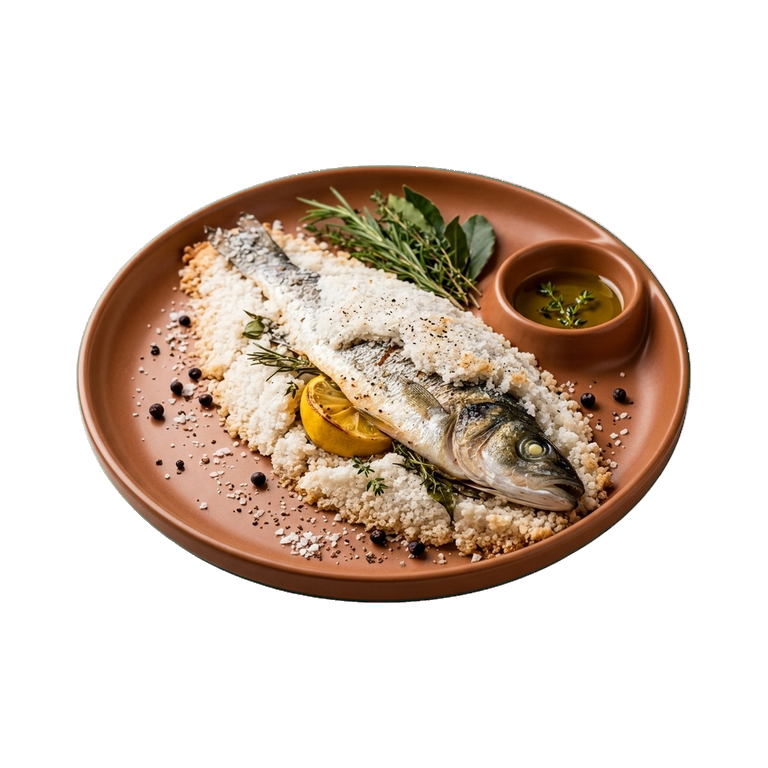
Sea bass cooks quickly — a whole medium-sized fish takes 20–25 minutes in the oven at 180 degrees, fillets are ready in 10–15 minutes. It can be baked with vegetables and herbs, pan-fried with a crispy crust, boiled in soups, or grilled. The fish handles smoking well and is excellent for fish soup.
- With lemon and white wine — a classic combination that highlights the tenderness of the meat
- With herbs: dill, parsley, tarragon — enhance the aroma of the fish without overpowering it
- With vegetables: tomatoes, zucchini, eggplant, carrots — great for baking together
- With butter and garlic — a simple way that reveals the natural taste
- With cream sauce or béarnaise — for a more festive dish
Selection and Storage
When purchasing, pay attention to appearance: the gills should be bright red or pink, the eyes should be clear and convex, the scales should be shiny and fit tightly. The smell should be of the sea, pleasant, without sourness or ammonia notes. Fresh perch is elastic — when pressed, the indentation quickly disappears.
Whole fish is best cooked on the day of purchase or the next day, storing it on the bottom shelf of the refrigerator in the coldest part. If you bought fillets, they can be stored for 1–2 days. For longer storage, redfish freezes well — in the freezer it maintains quality for up to three months. Before cooking, it's better to thaw frozen fish in the refrigerator rather than at room temperature.
Practical Tips
- If cooking a whole fish, make several diagonal cuts on the sides — this will help it cook more evenly and quickly
- Before frying, pat the fish dry with a paper towel — moisture will prevent a crispy crust from forming
- Do not overcook: overcooked perch becomes dry. Cook until the meat easily separates from the bones
- For baking in the oven, use foil or parchment paper — the fish will stay juicier and cook more easily
Nutrition
per 100 g
- Calories
- 103 kcal
- Protein
- 18.2 g
- Fat
- 3.3 g
- Carbs
- 0 g
Micronutrients
per 100 g
Macronutrients
- Fiber
- 0 g
- Sugars
- 0 g
- Saturated fat
- 0.511 g
- Monounsaturated fat
- 0.424 g
- Polyunsaturated fat
- 0.743 g
- Omega-3 (EPA + DHA)
- 0.595 g
- Cholesterol
- 41 mg
- Water
- 78.27 g
Minerals
- Sodium
- 68 mg
- Potassium
- 256 mg
- Calcium
- 10 mg
- Magnesium
- 41 mg
- Phosphorus
- 194 mg
- Iron
- 0.29 mg
- Zinc
- 0.4 mg
- Copper
- 0.02 mg
- Manganese
- 0.02 mg
- Selenium
- 36.5 mcg
Vitamins
- Vitamin A (RAE)
- 46 mcg
- Vitamin D
- 5.6 mcg
- Vitamin E
- 0.84 mg
- Vitamin K
- 0.1 mcg
- Vitamin C
- 0 mg
- Vitamin B1 (thiamin)
- 0.11 mg
- Vitamin B2 (riboflavin)
- 0.12 mg
- Vitamin B3 (niacin)
- 1.6 mg
- Vitamin B5 (pantothenic acid)
- 0.75 mg
- Vitamin B6
- 0.4 mg
- Vitamin B9 (folate, DFE)
- 5 mcg
- Vitamin B12
- 0.3 mcg
Measures and weight
- 1 pcs
- 300 g
Measure calculator
- Weight
- 100 g
- Calories
- 103 kcal