Usuba
Usuba
Balsamic vinegar
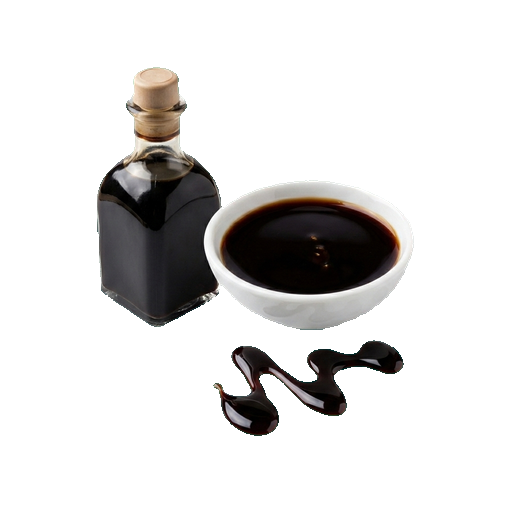
Dark vinegar with a thick consistency and complex flavor — sweet, sour, and slightly tannic all at once. Made from grape must that is aged for a long time in wooden barrels, which gives it a deep color and caramel notes. Used as a salad dressing, sauce for meat and vegetables, and for glazing dishes — add it at the end of cooking to preserve its aroma, as prolonged heating causes it to lose its flavor complexity.
Micronutrients
per 100 ml
About
Taste and Aroma
Balsamic vinegar is a thick, dark liquid with a multi-layered flavor. First impression: sweetness with a slight tanginess, but not sharp like regular vinegar. Behind it unfold notes of prune, caramel, and even a subtle spiciness. The longer the vinegar is aged, the more rounded and rich its flavor becomes — young vinegar is more acidic, while mature vinegar is softer and sweeter.
By smell — fruity, slightly wine-like, with woody notes. This is not a sharp vinegar aroma in its classical sense, but rather a delicate, captivating scent of caramelized juice.
How to use it
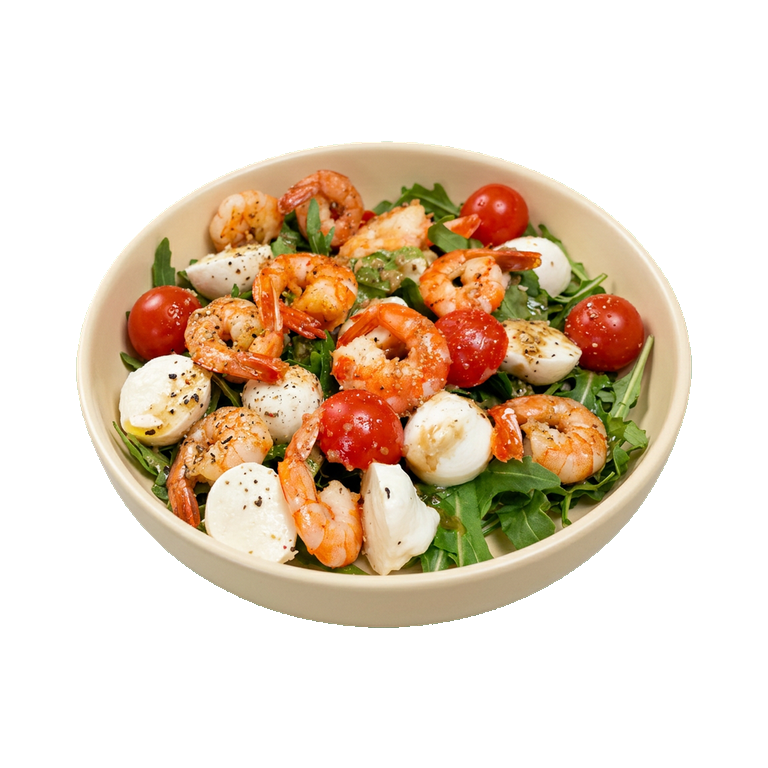
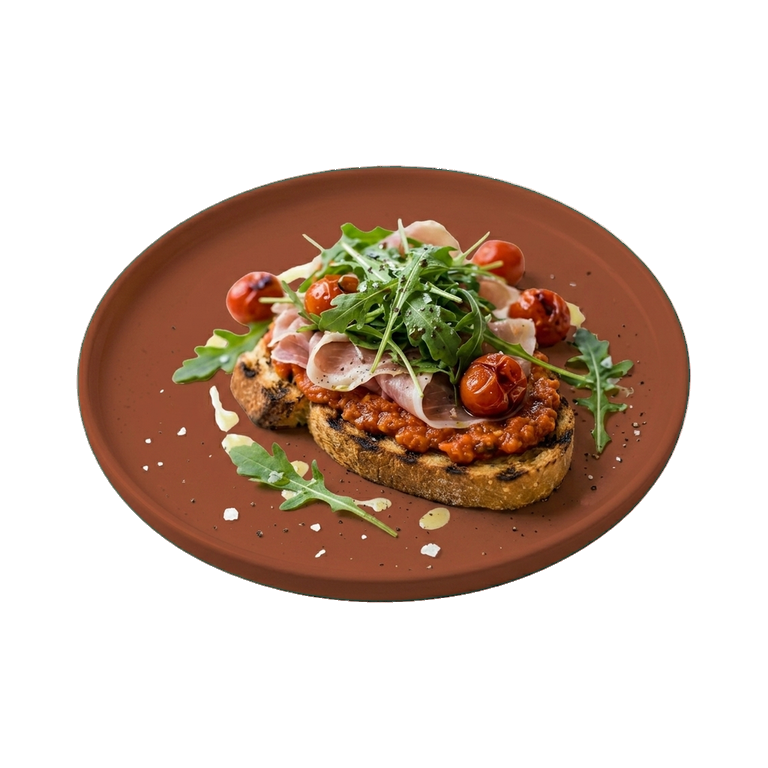
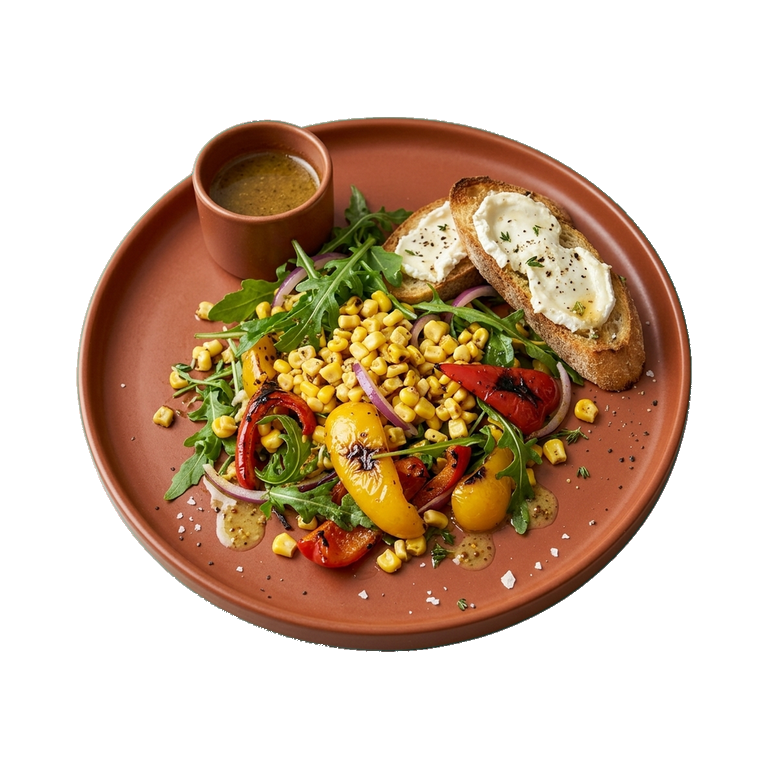
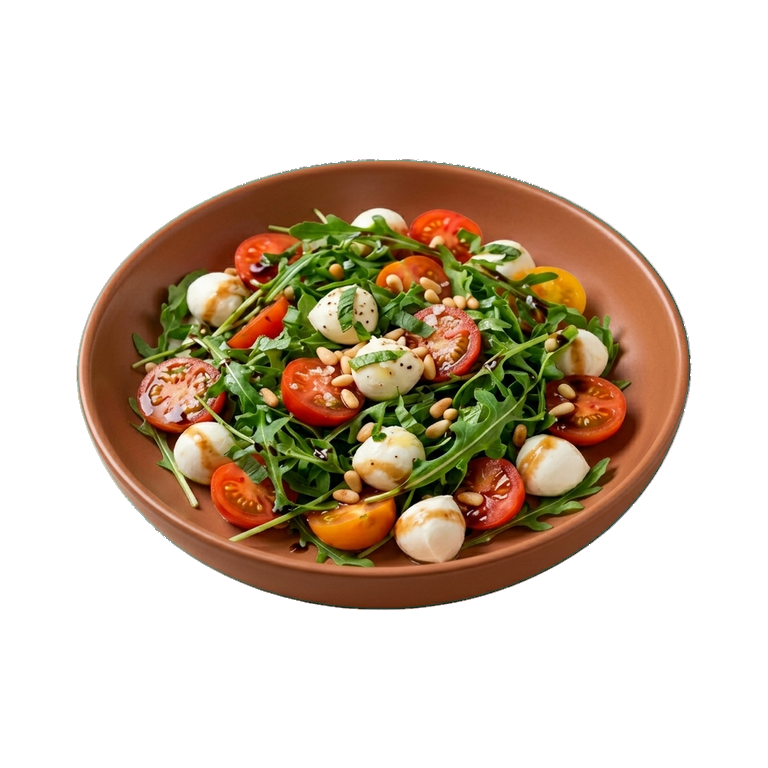
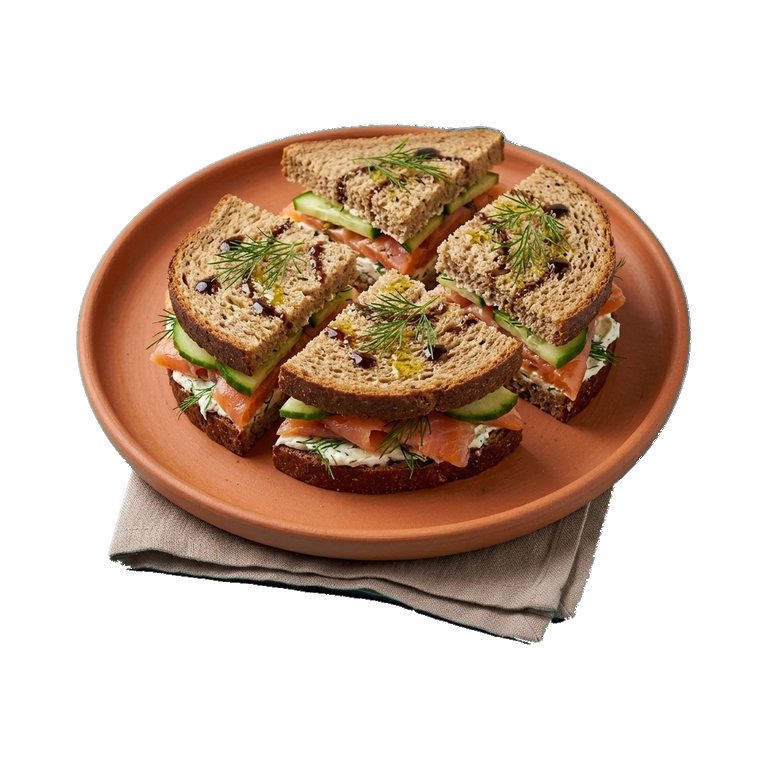
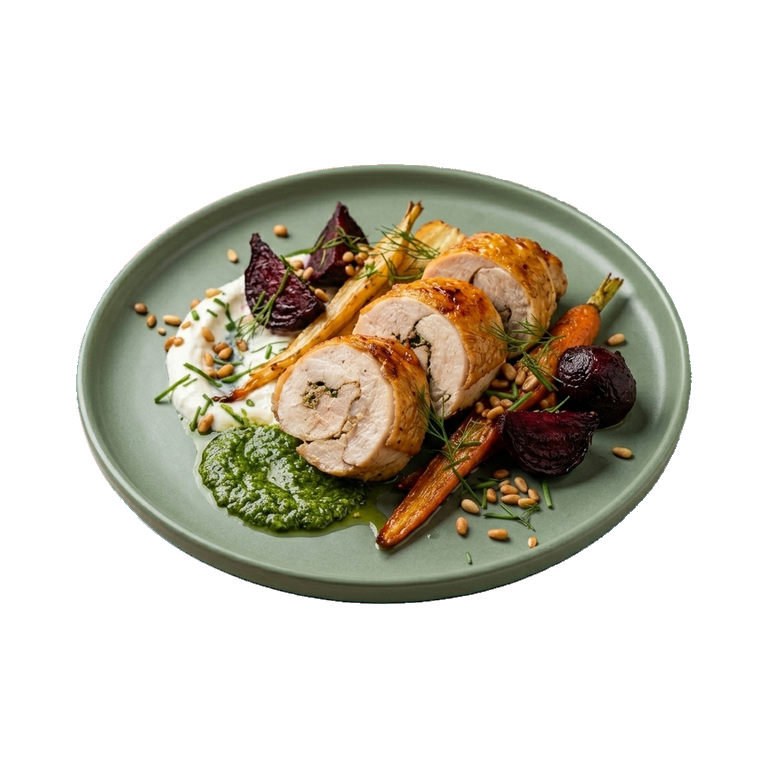
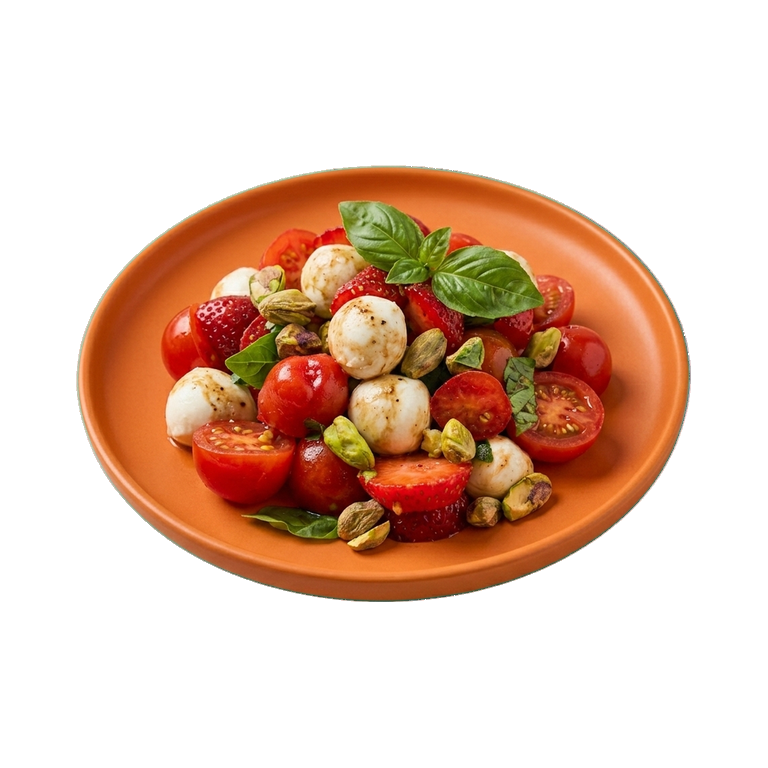
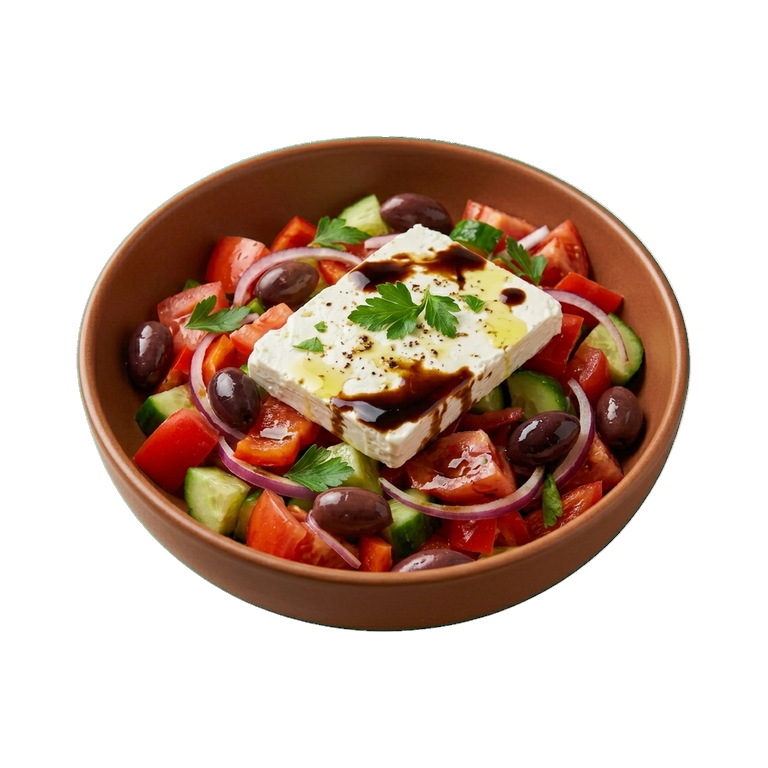
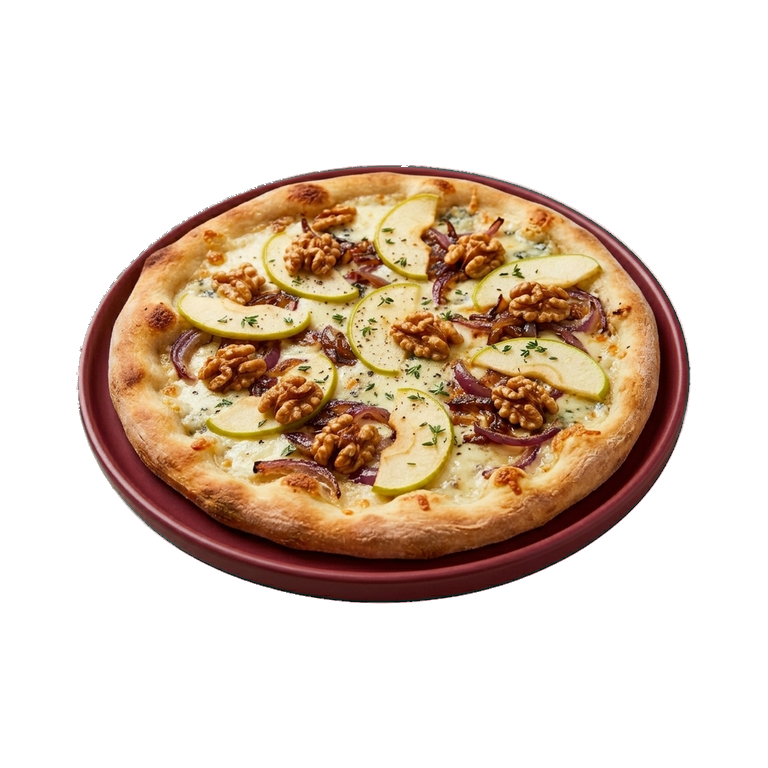
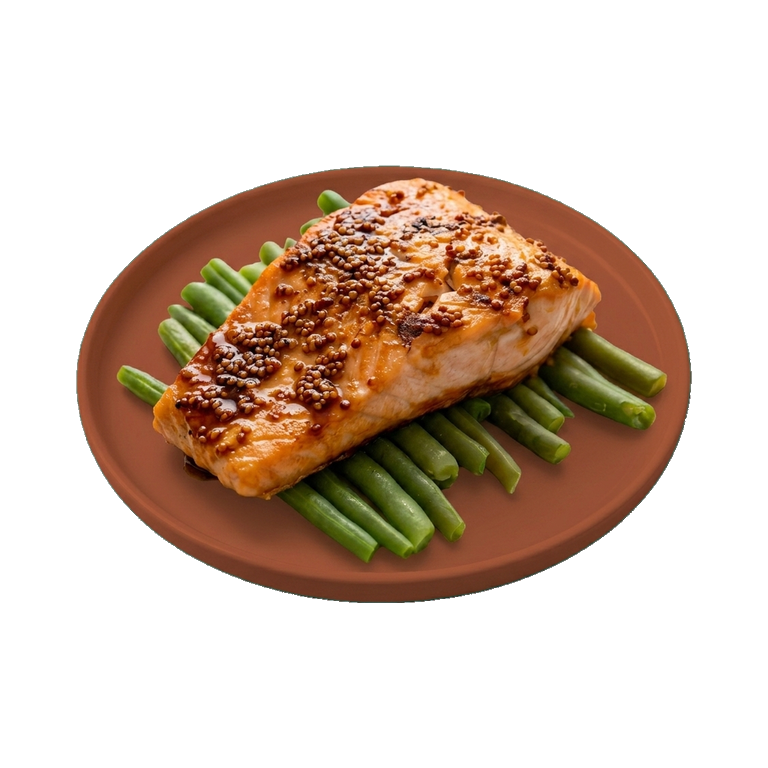
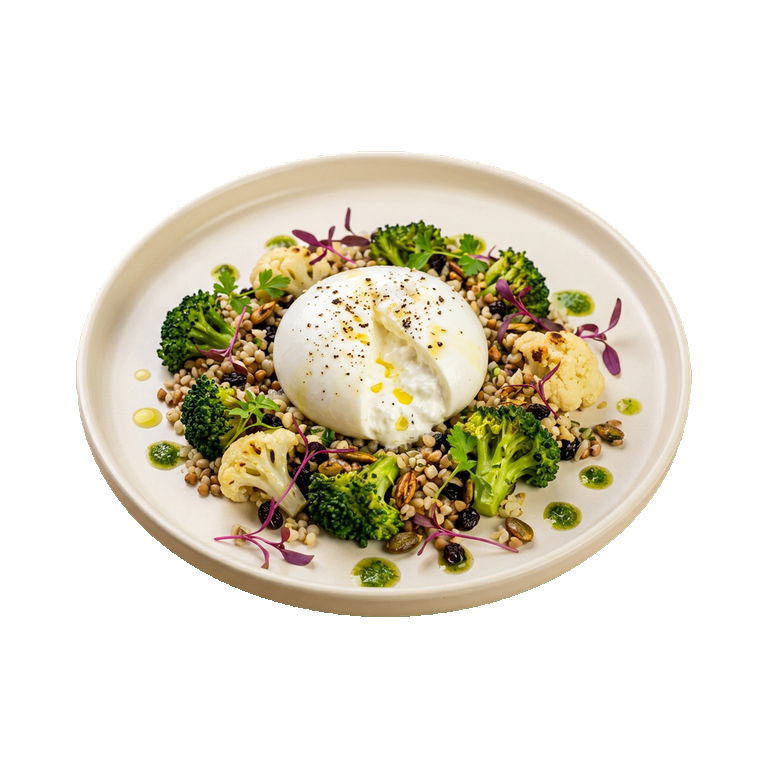
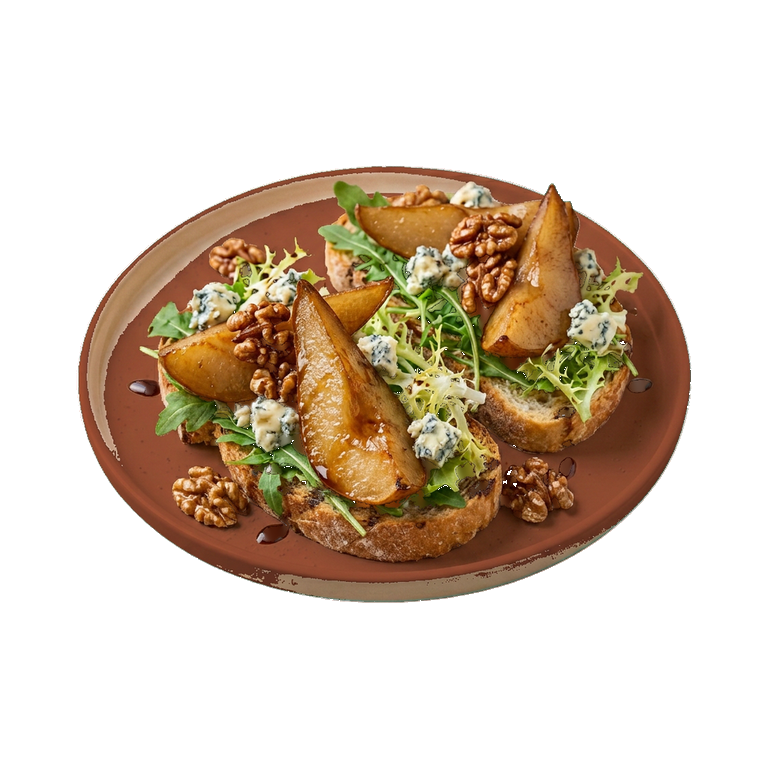
Balsamic vinegar works everywhere you need depth of flavor and subtle sweetness. Add a few drops to the finished dish at the last moment — this way it will fully reveal itself. In salads, it creates the base for dressing together with oil. On meat or fish — a few drops before serving will add contrast. It also goes well with sweet dishes: strawberries with balsam, pear with cheese and a drop of vinegar, even ice cream gets an interesting accent.
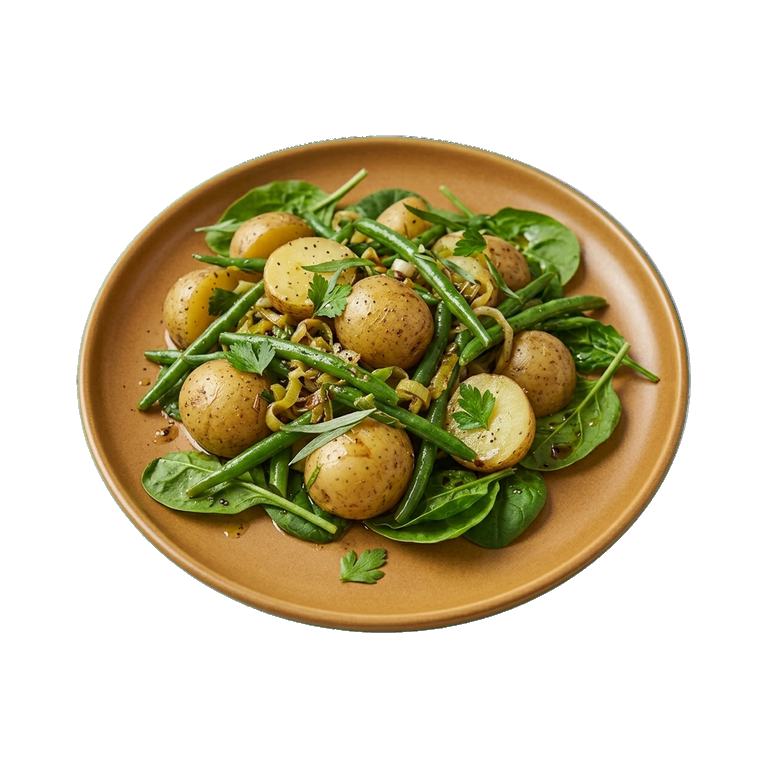
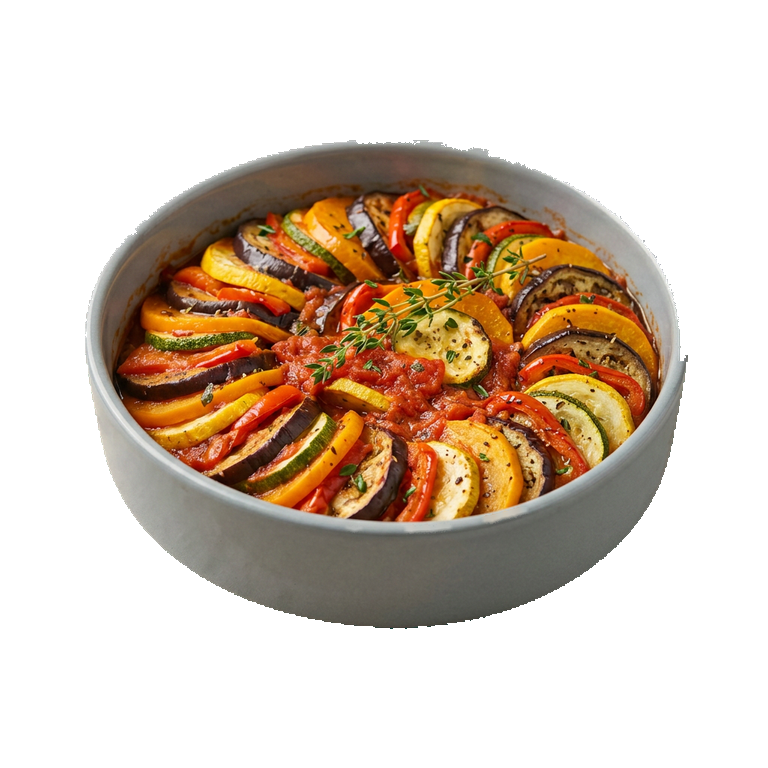
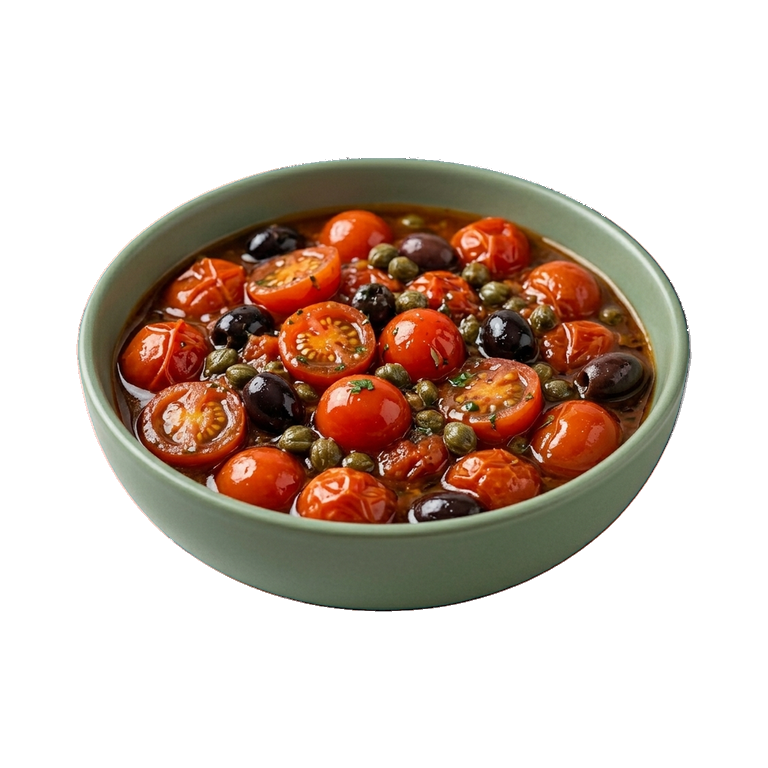
- Salads and vegetables — main application, especially with leafy greens and tomatoes
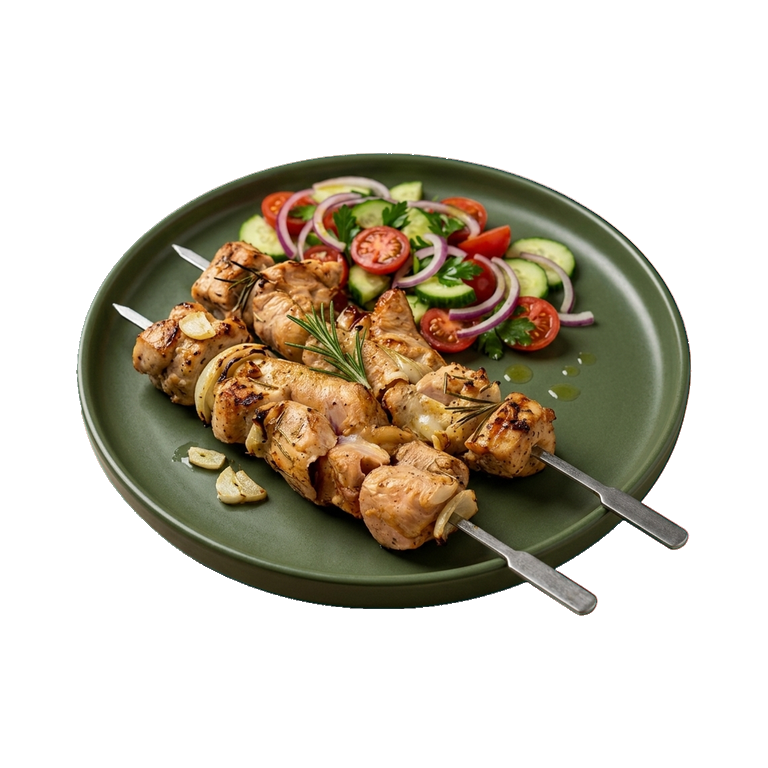
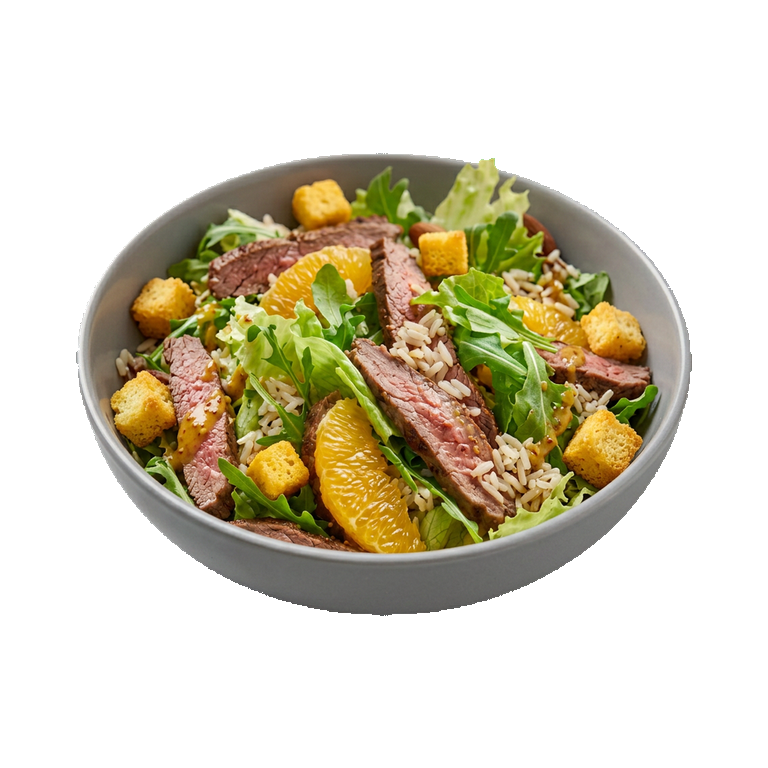
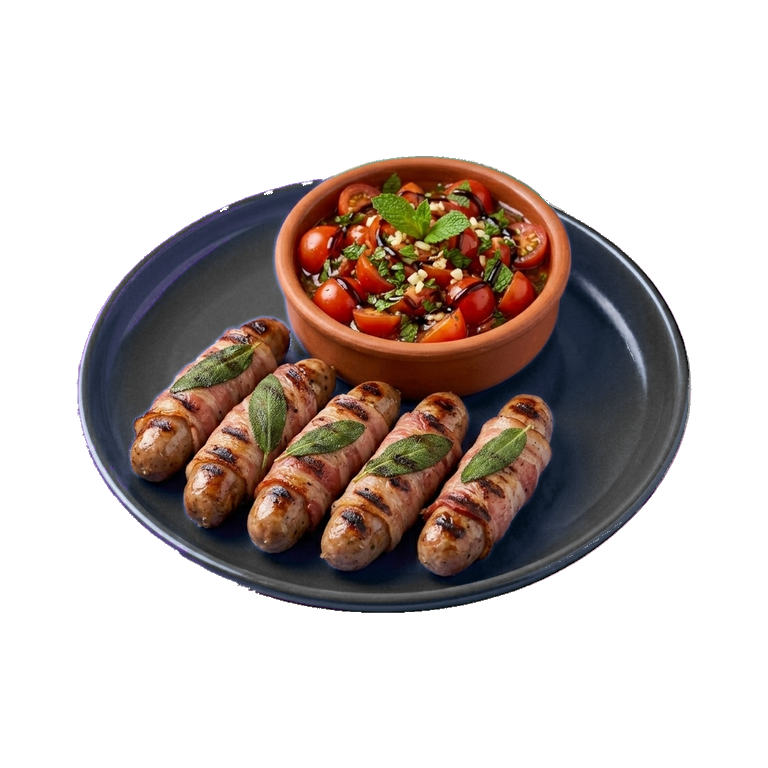
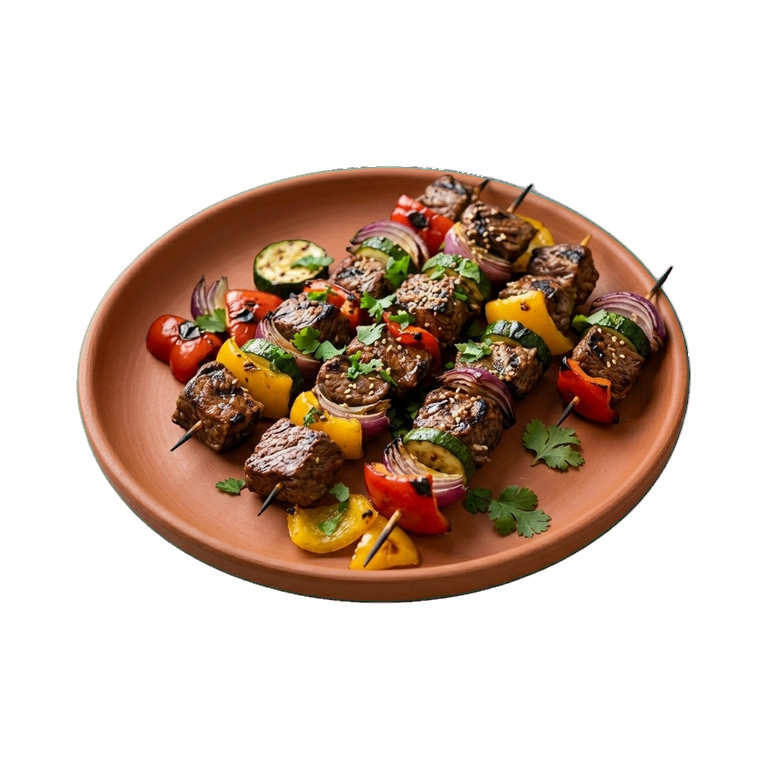
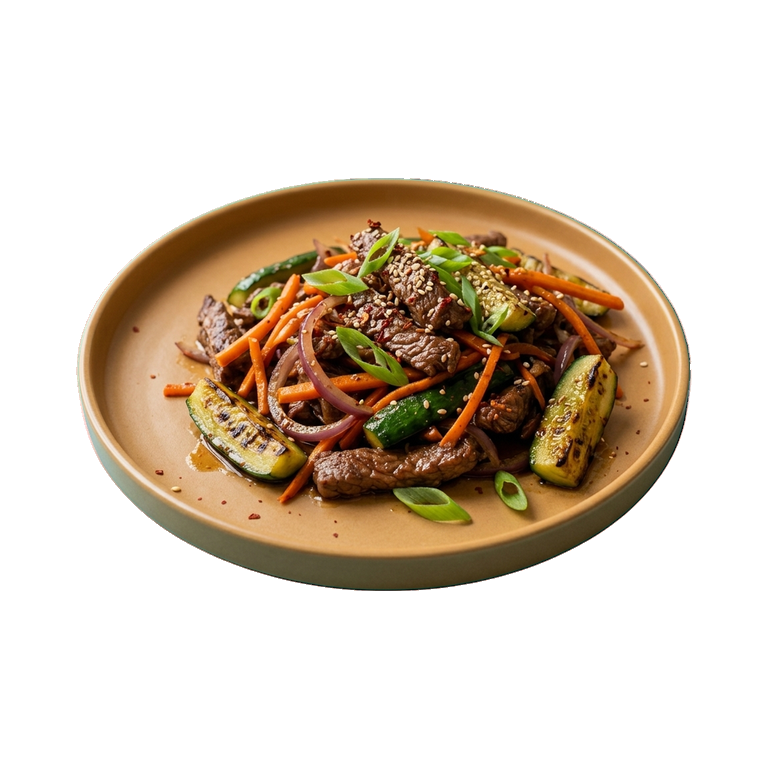
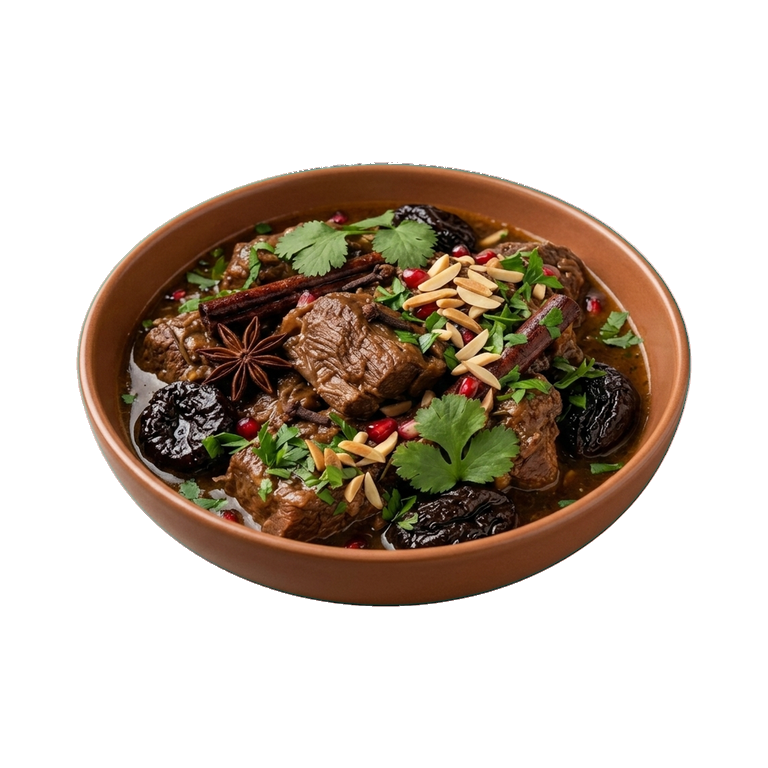
- Meat and poultry — suitable for both marinade and final accent
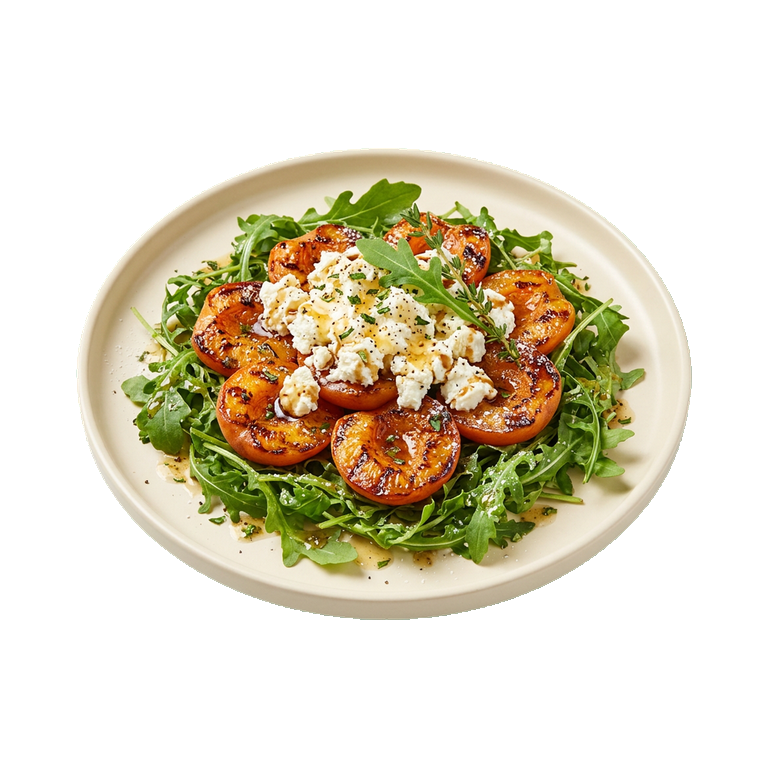
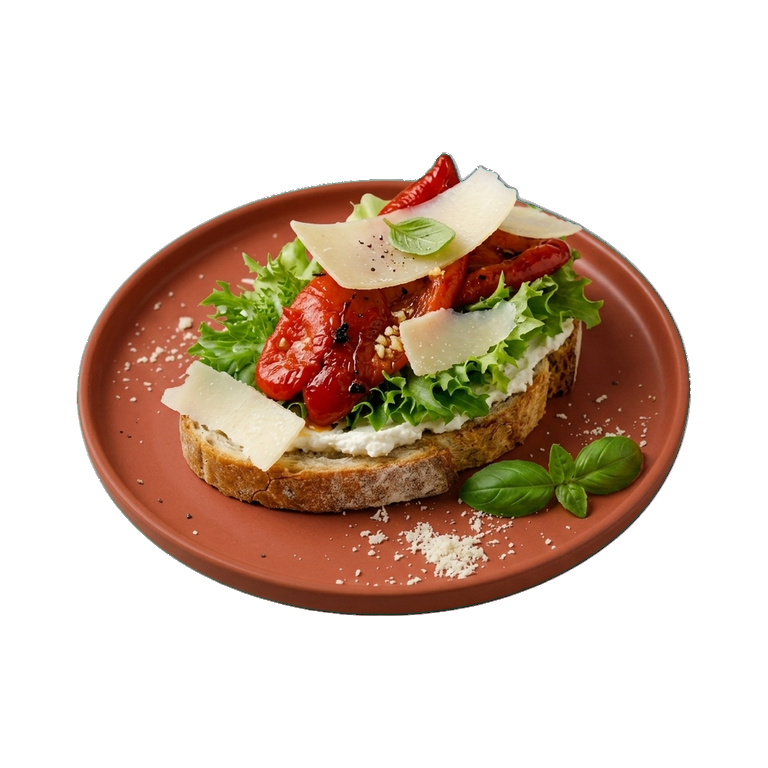
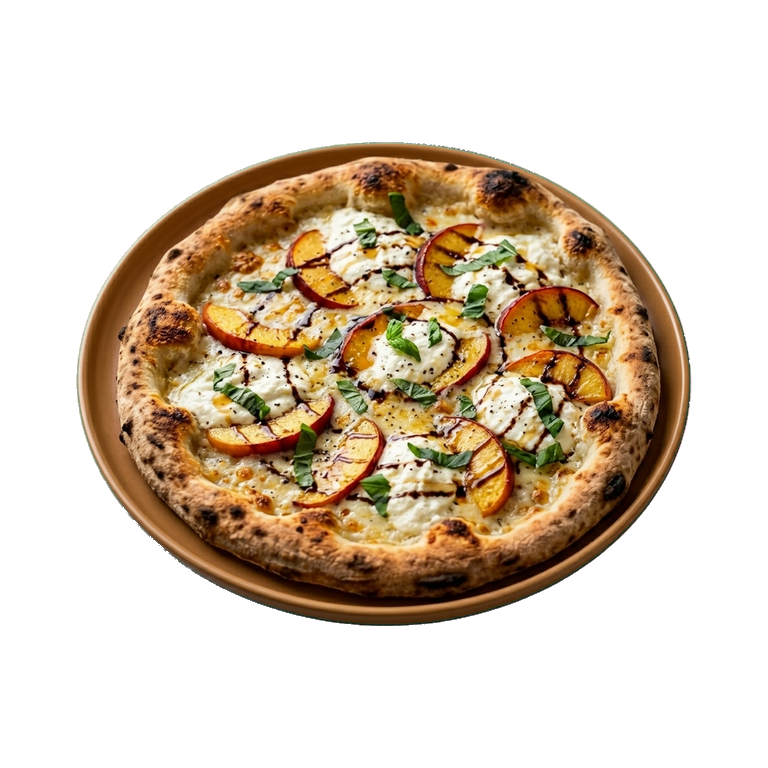
- Cheese and berries — classic combination for appetizers
- Reduction — when heated, vinegar thickens and becomes even sweeter
Selection and Storage
Look at the color — the darker and thicker it is, the longer the vinegar has been aged and the more noble its taste. Young vinegar is lighter and more acidic. Check the label for information about the aging period: even 5–6 years make a noticeable difference. Very cheap balsam is often just dark vinegar with a thickener and caramel, not real aged liquid.
Vinegar is stored for a long time in a cool, dark place, tightly sealed. It does not require refrigeration. Over time, it may become even thicker — this is normal. If you need a thinner consistency, dilute it with a small amount of good wine vinegar or water.
Food Pairings
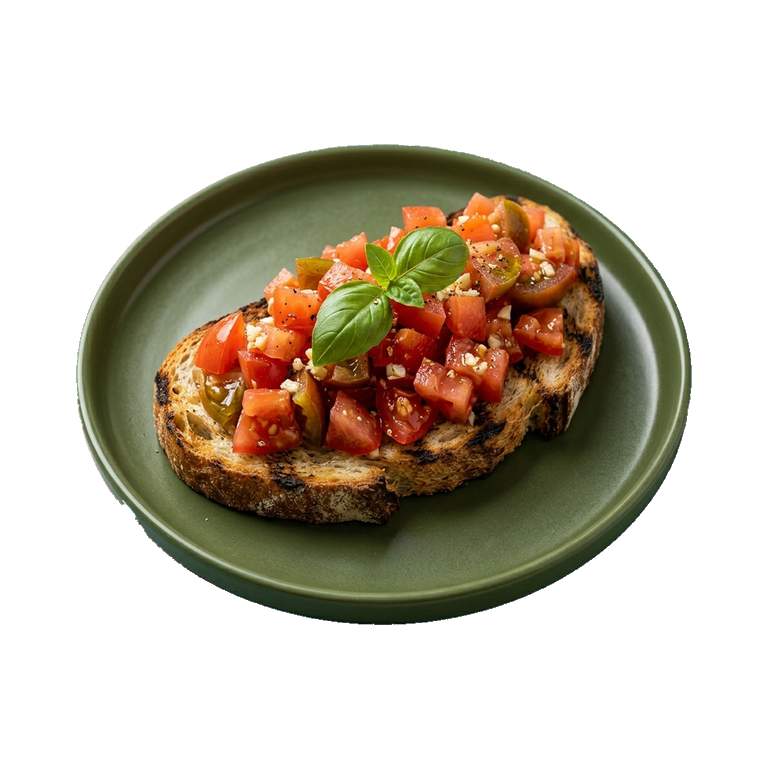
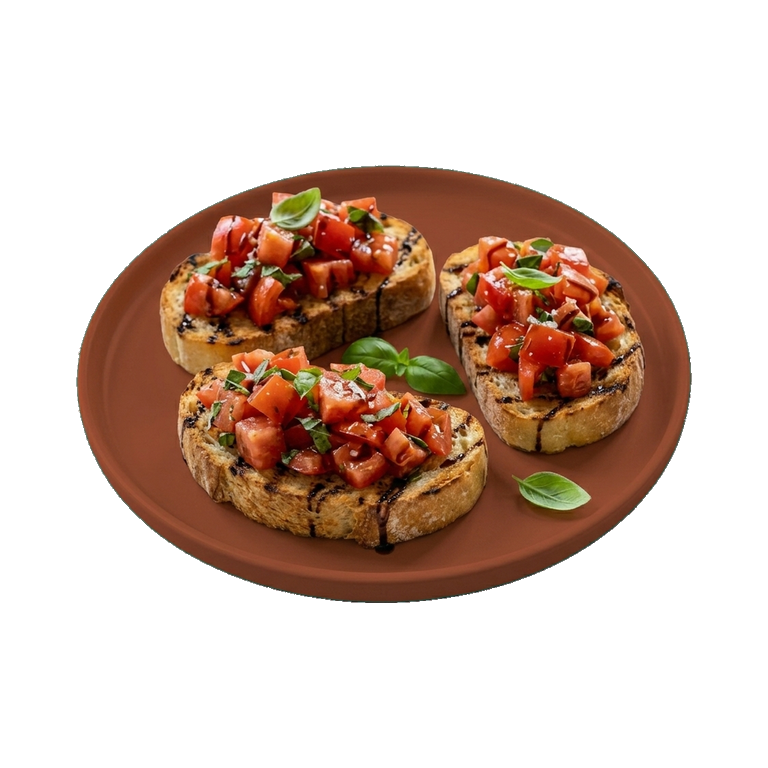
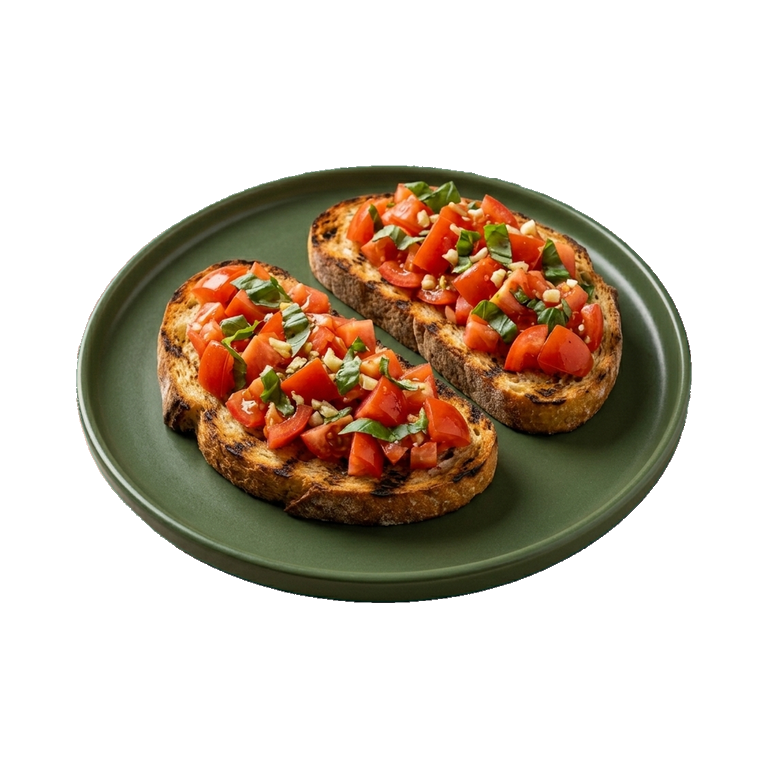
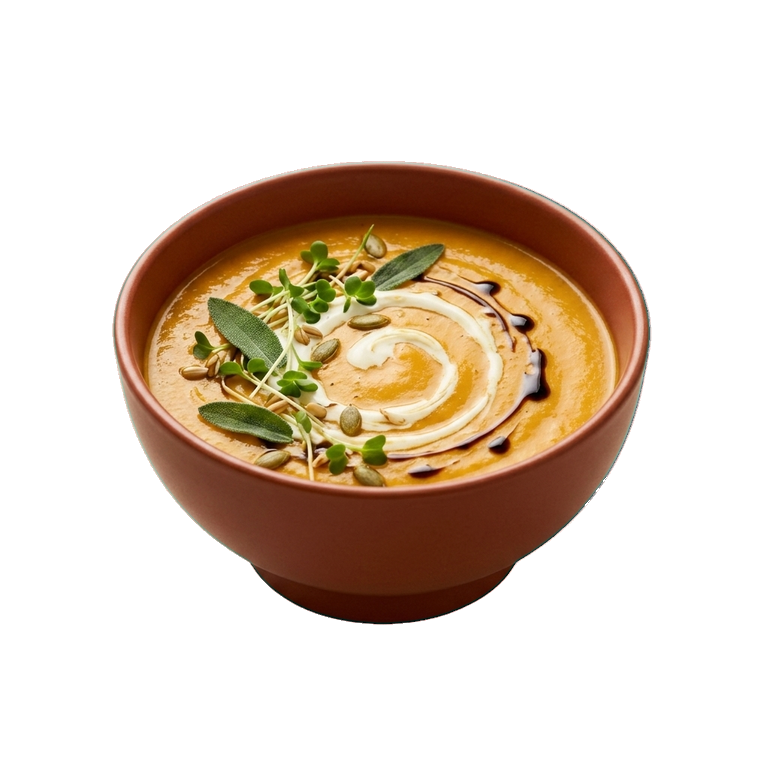
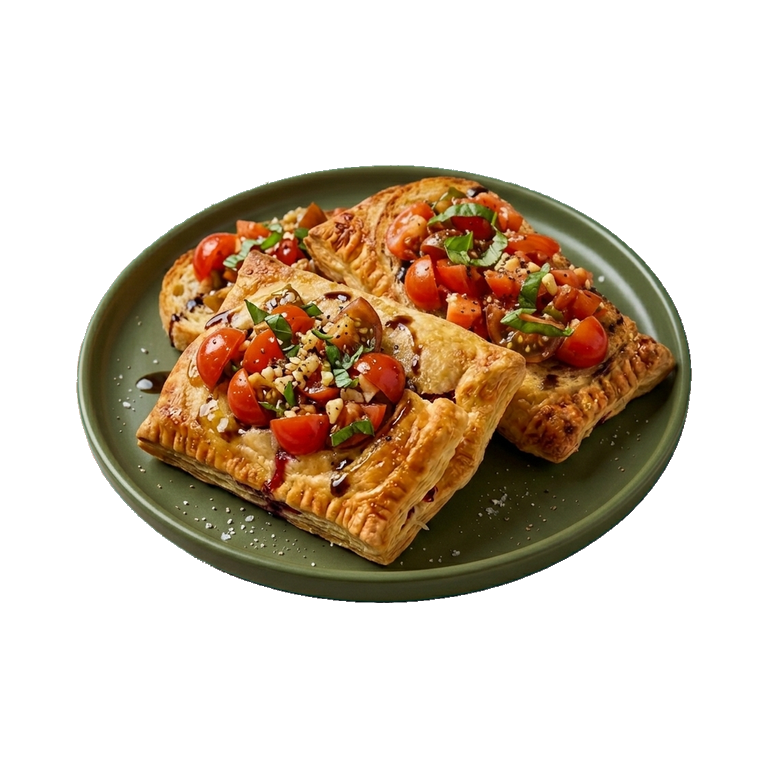
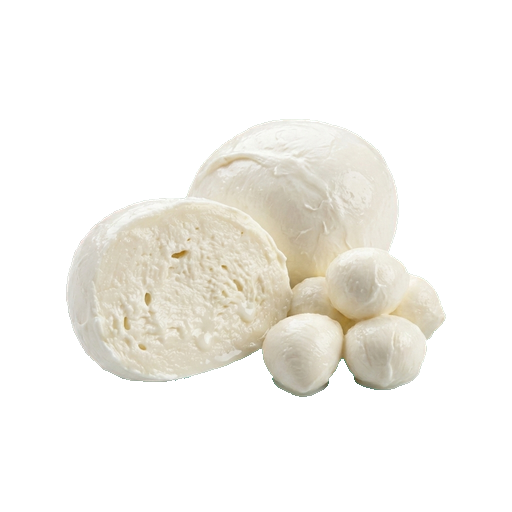
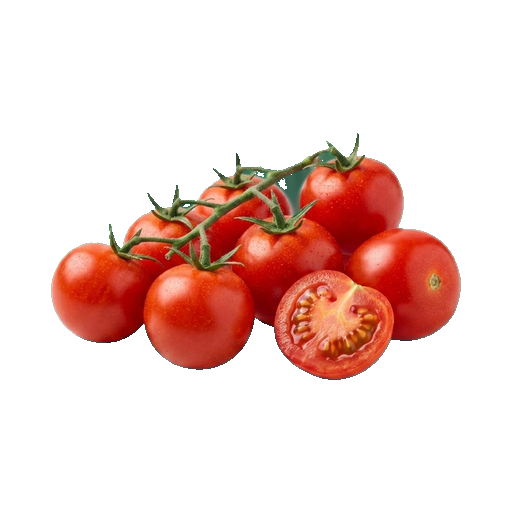
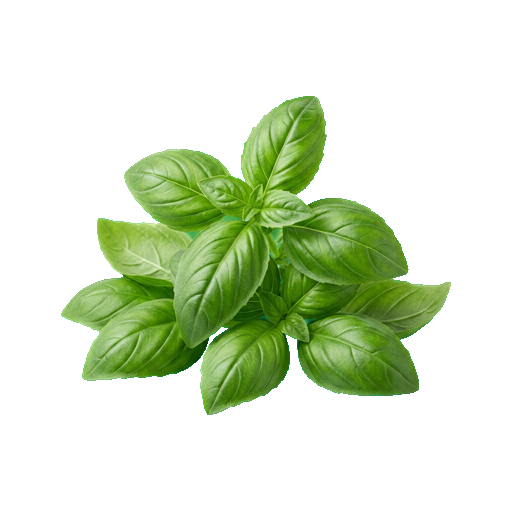
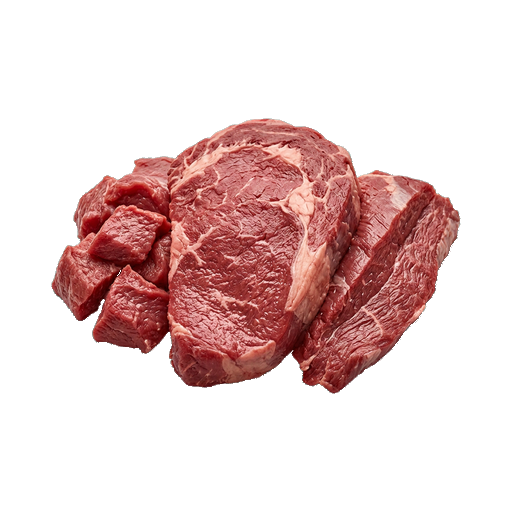
Balsamic vinegar is versatile, but shines especially bright when paired with simple ingredients. Tomatoes and basil become more vibrant with its help. Soft cheese or mozzarella with strawberries and a drop of balsam is already a ready-made appetizer. Beef, especially steak, gains an additional dimension of flavor. Even a simple vegetable soup acquires nobility if you add a little vinegar at the end.
Main rule: use it sparingly. It's not a main ingredient, but an accent. A few drops often have more effect than a generous portion. Start small, taste as you go, and add as needed.
Nutrition
per 100 ml
- Calories
- 88 kcal
- Protein
- 0.5 g
- Fat
- 0 g
- Carbs
- 4.3 g
Micronutrients
per 100 ml
Macronutrients
- Sugars
- 15.698 g
- Saturated fat
- 0 g
- Water
- 80.273 g
Minerals
- Sodium
- 24.15 mg
- Potassium
- 117.6 mg
- Calcium
- 28.35 mg
- Magnesium
- 12.6 mg
- Phosphorus
- 19.95 mg
- Iron
- 0.76 mg
- Zinc
- 0.08 mg
- Copper
- 0.03 mg
- Manganese
- 0.14 mg
Vitamins
- Vitamin A (RAE)
- 0 mcg
- Vitamin C
- 0 mg
Measures and weight
- 1 tbsp
- 15.8 g
- 1 tsp
- 5.3 g
- 1 cup
- 262.5 g
Measure calculator
- Weight
- 100 g
- Calories
- 84 kcal