Usuba
Usuba
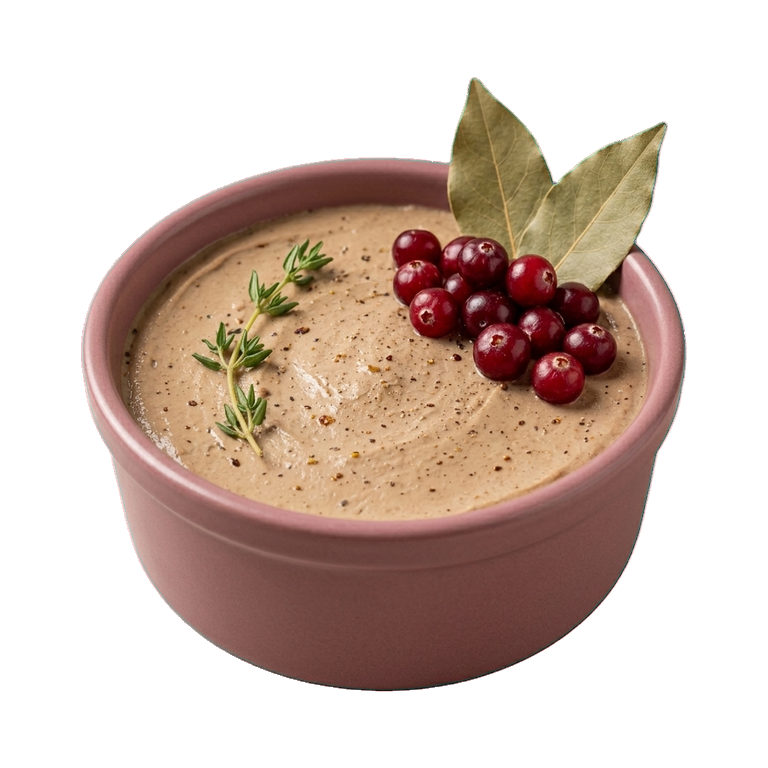
Bay leaf
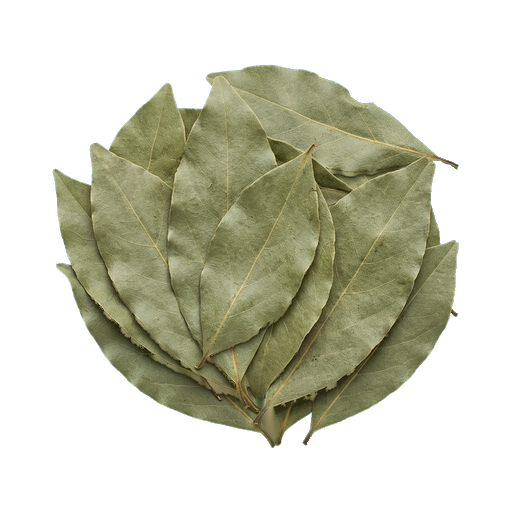
Dried leaves of noble bay laurel with a bitter, slightly camphoraceous flavor and spicy aroma. A versatile spice for first and second courses, marinades and broths that reveals depth of flavor and masks unwanted odors. Leaves are added at the beginning of cooking and must be removed before serving — prolonged contact with liquid makes the bitterness more pronounced.
Micronutrients
per 100 g
Minerals
About
Bay leaf is one of the most recognizable aromas in the kitchen. It's added to soups, broths, marinades, and stews so often that many cooks use it automatically, without even thinking about why it's needed. But that's a mistake: this leaf works as a flavor enhancer that binds ingredients together and gives the dish depth.
Aroma and Taste
Fresh bay leaf smells softer and more herbaceous than dried. The dried leaf reveals a more concentrated, slightly bitter aroma with woody notes. The taste is delicate but persistent — it doesn't overpower the dish, but creates a background against which other spices and ingredients shine.
Important note: the leaf releases its aroma gradually, so it is added at the beginning of cooking. The longer it simmers in the liquid, the stronger its effect becomes. This is why it is added to broths for an hour or two, and to marinades for the entire night.
Where to use it
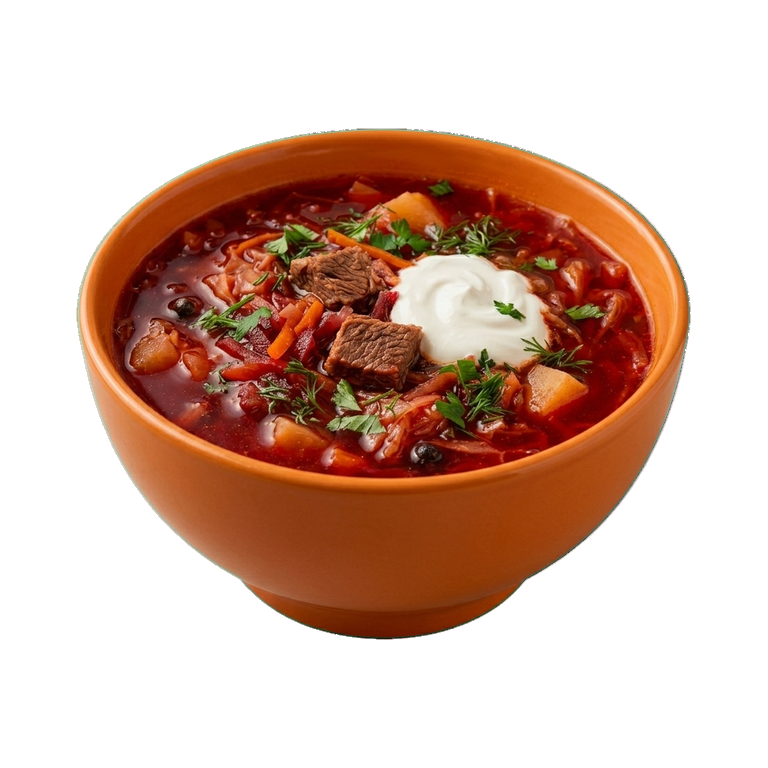
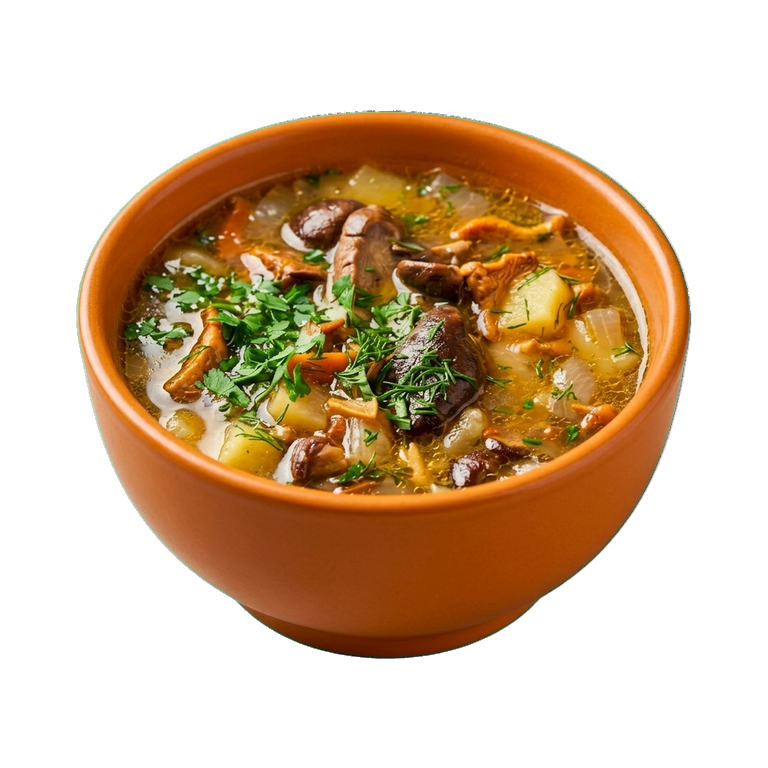
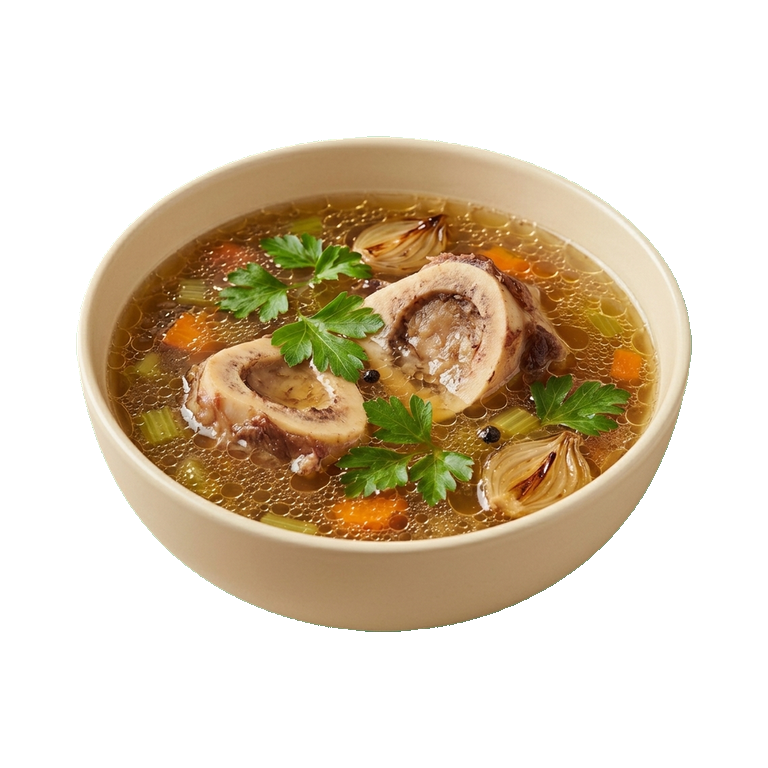
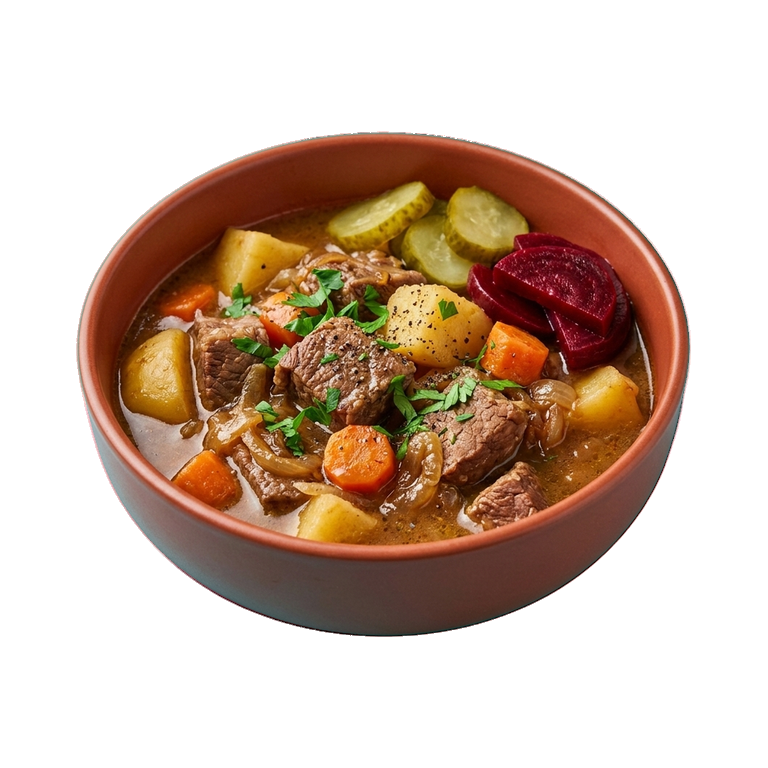
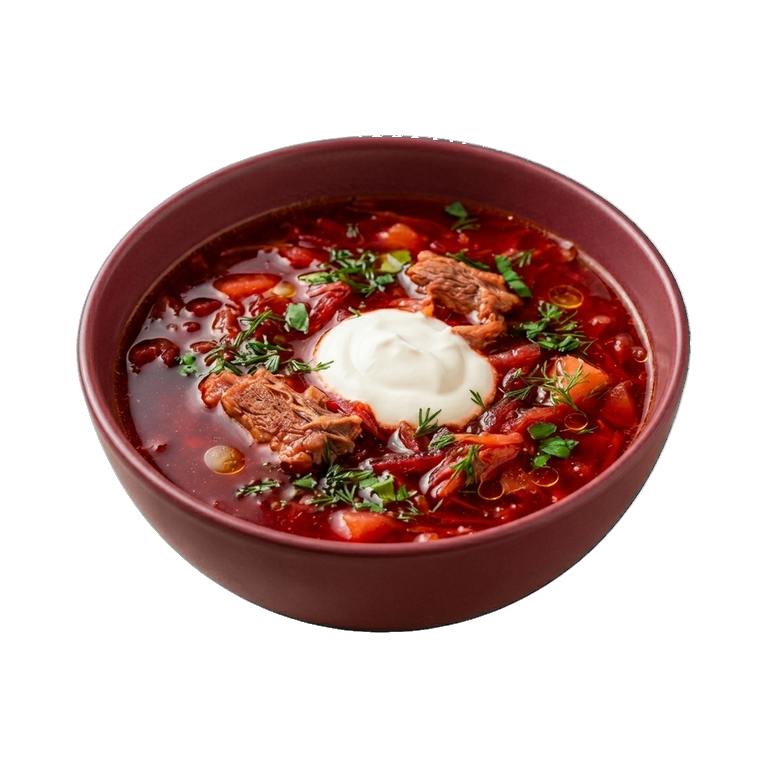
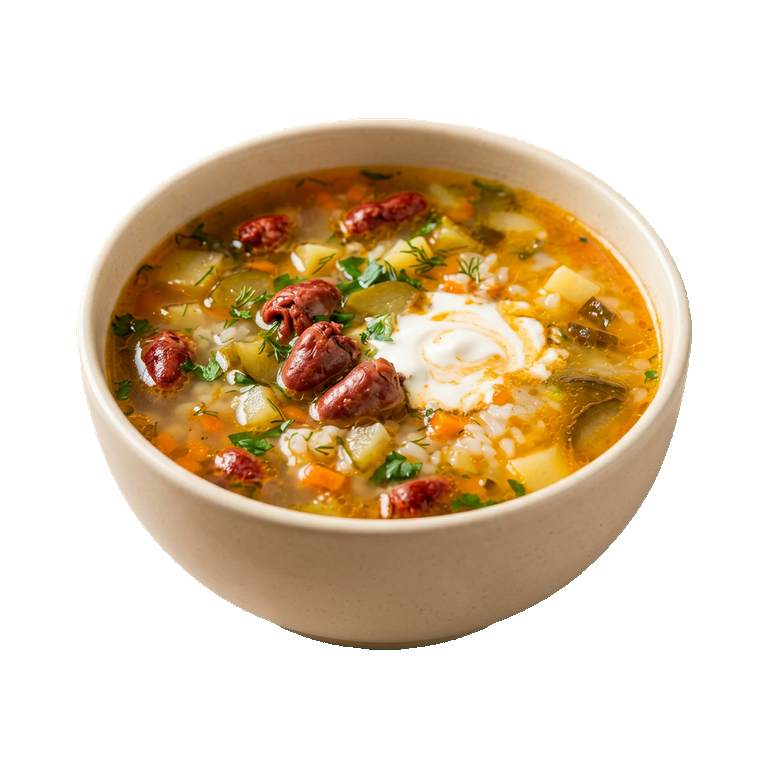
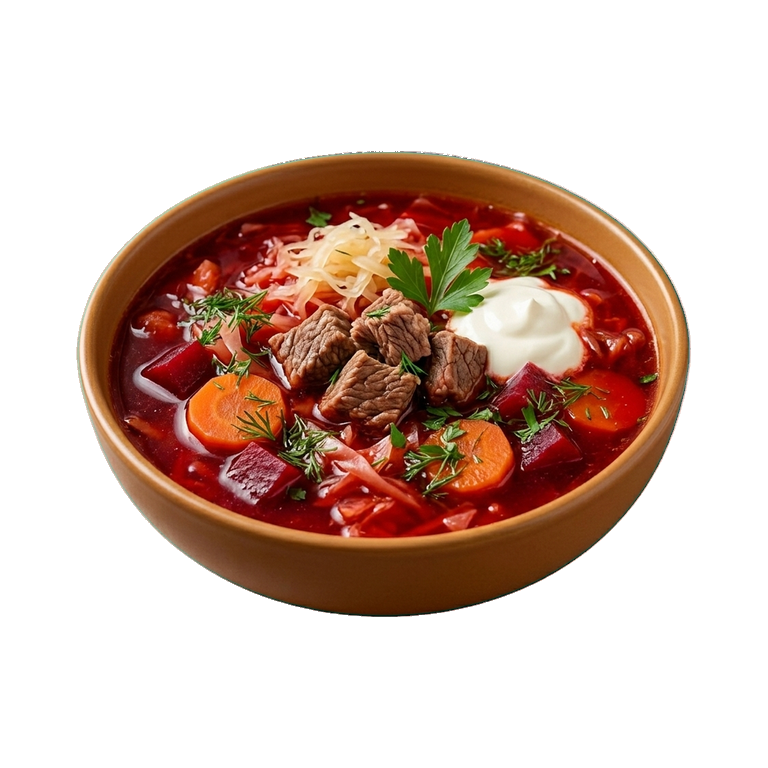
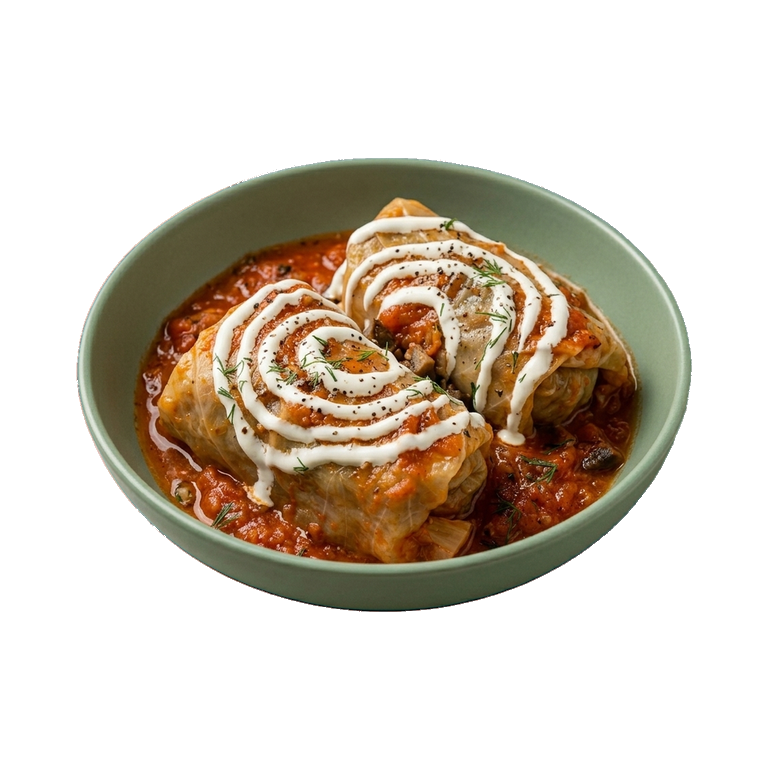
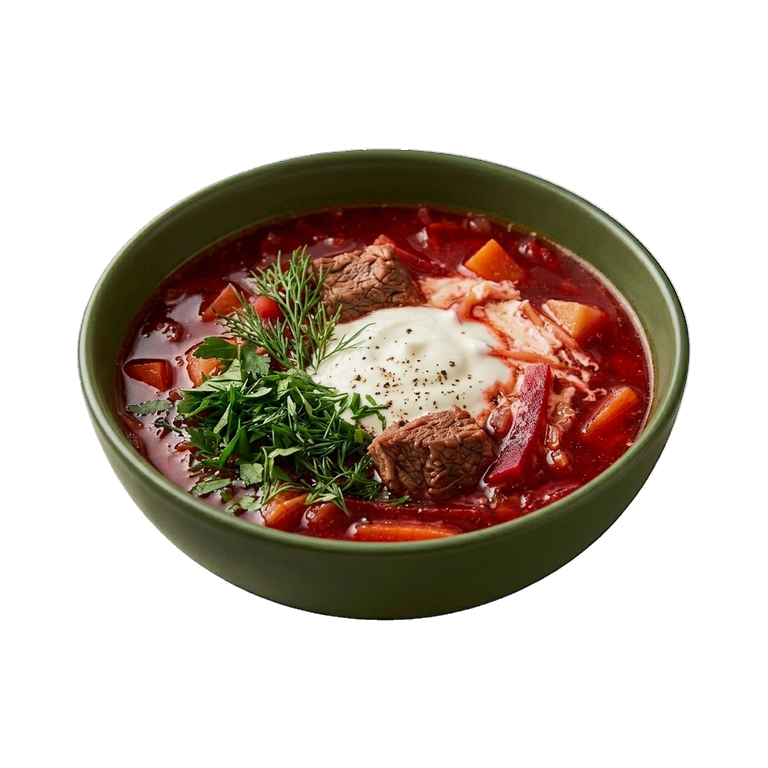
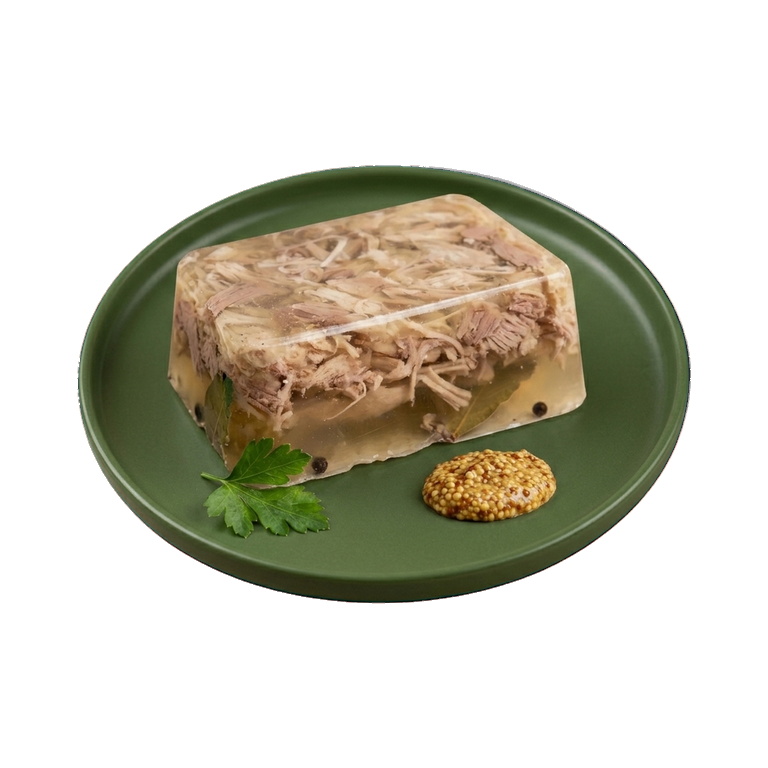
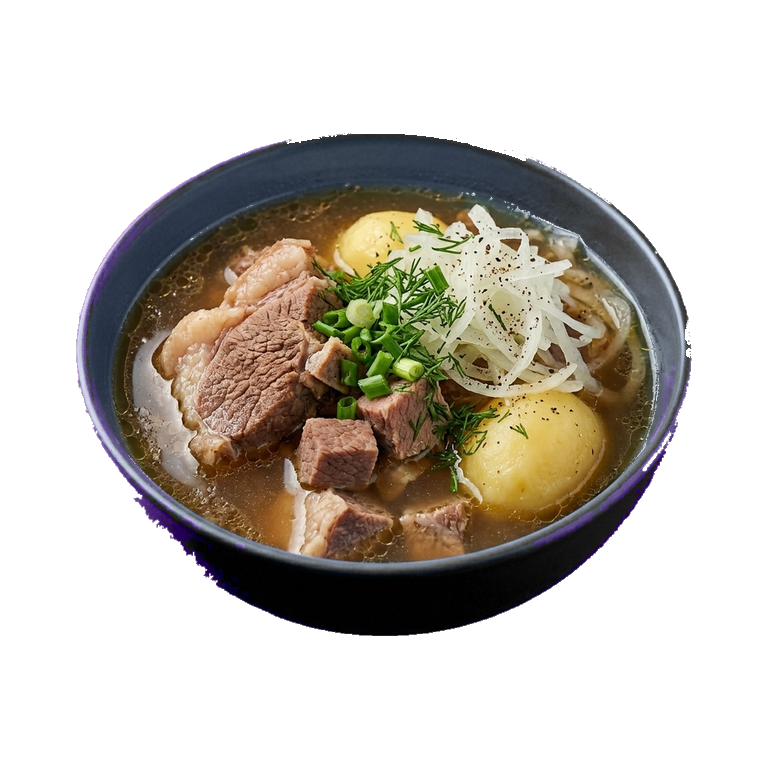
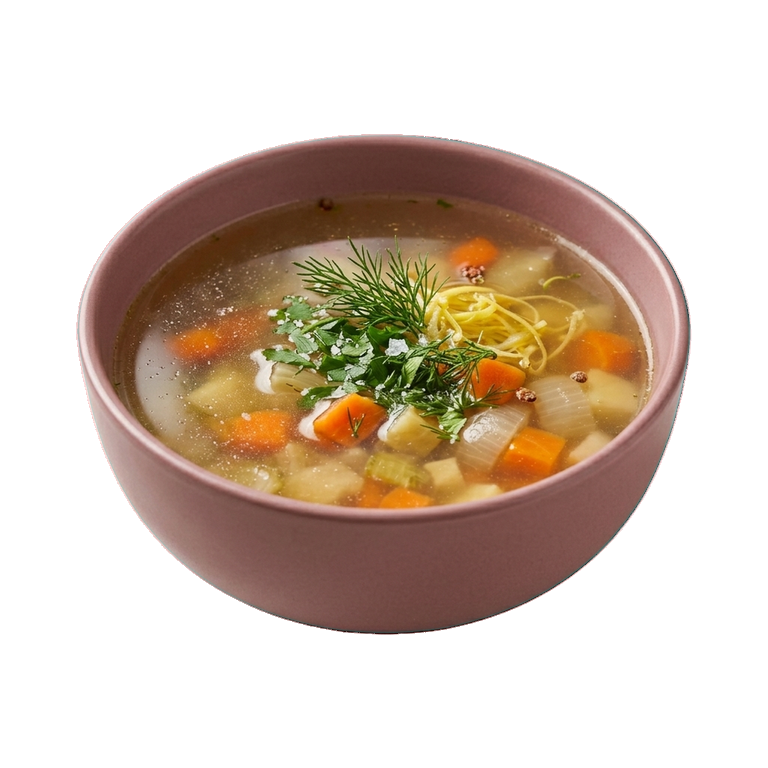
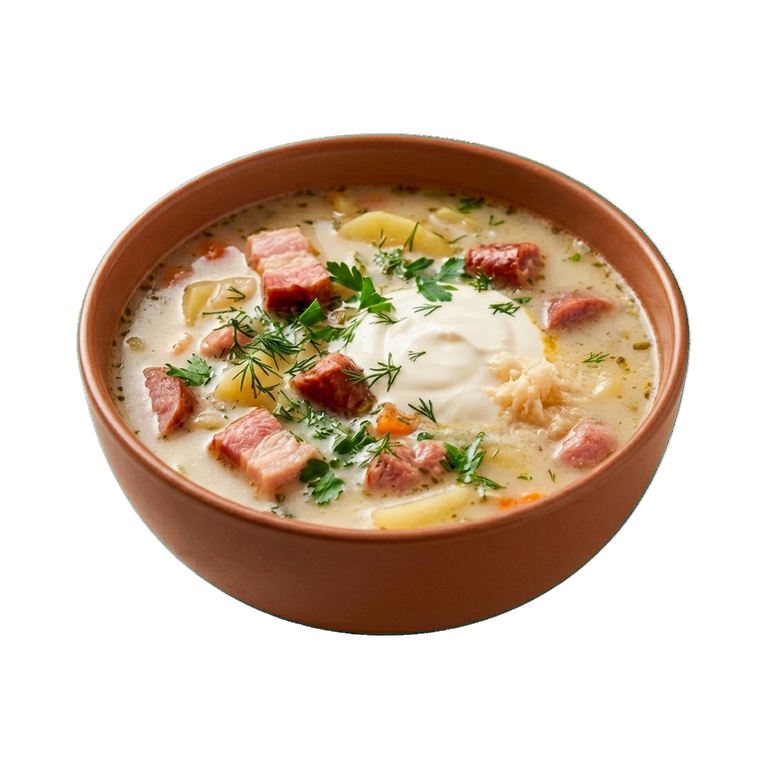
- Hot dishes: soups, borscht, shchi, meat and fish broths
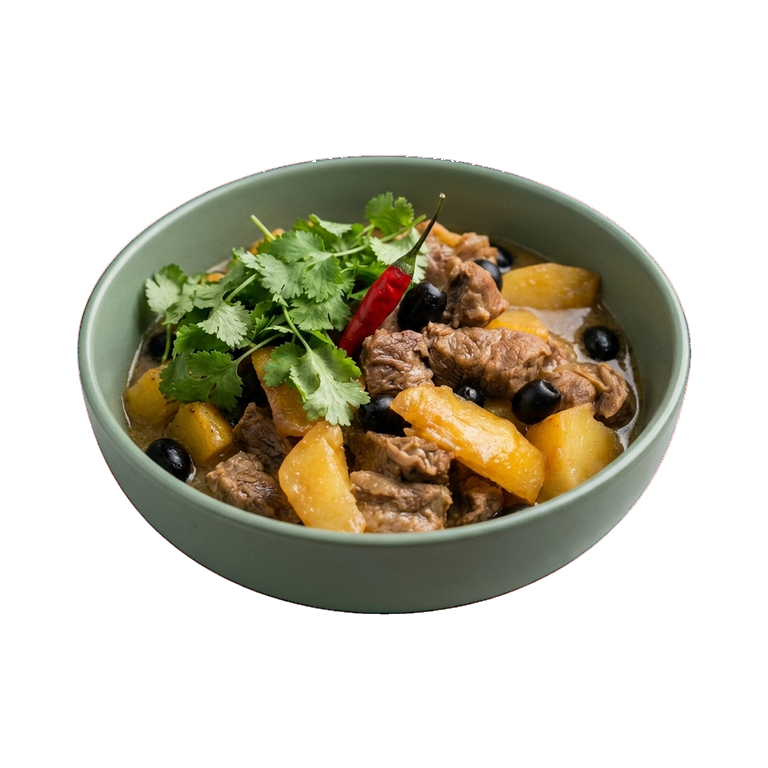
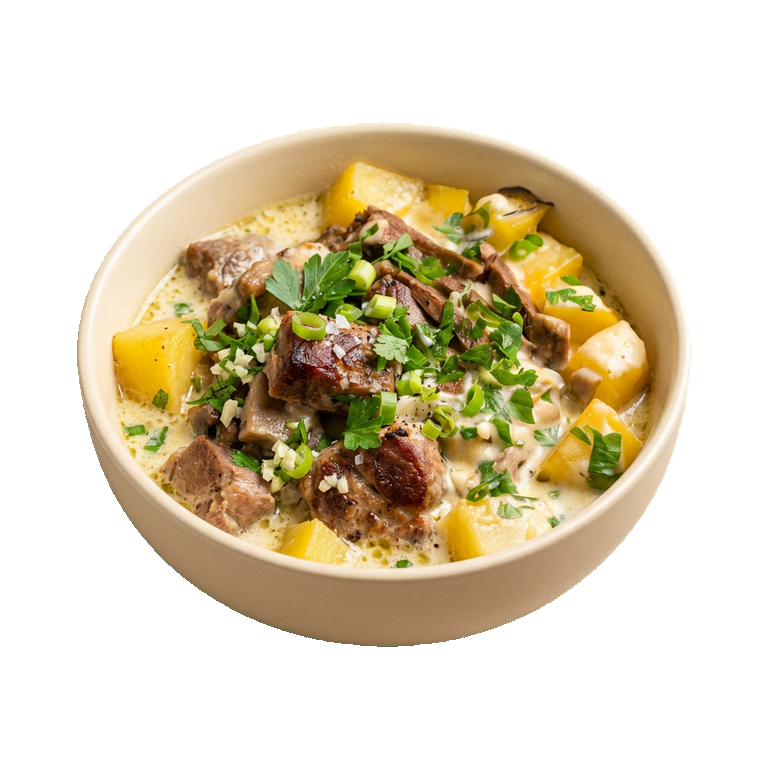
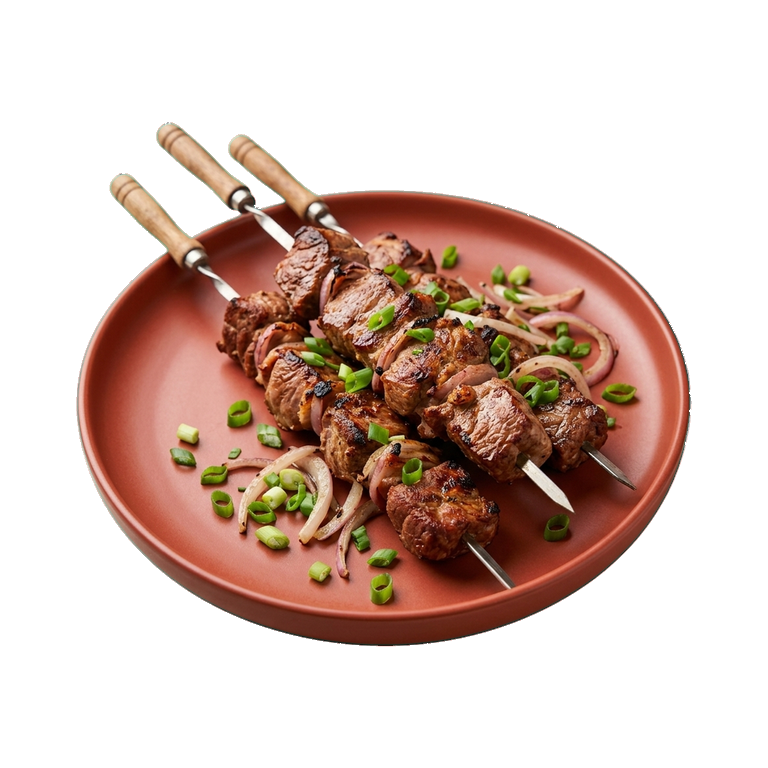
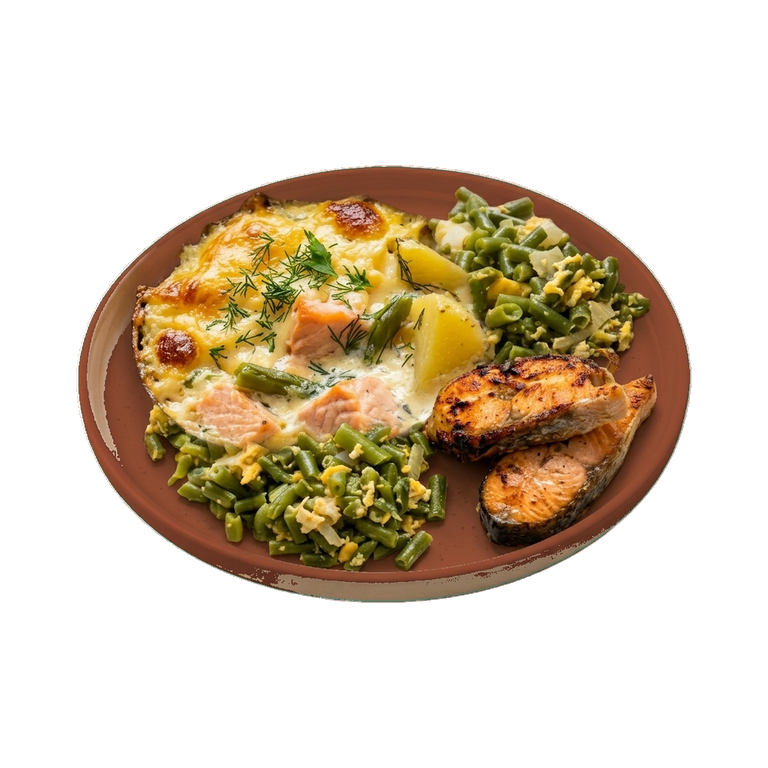
- Stews, braised meat, potato dishes — add the leaf at the very beginning
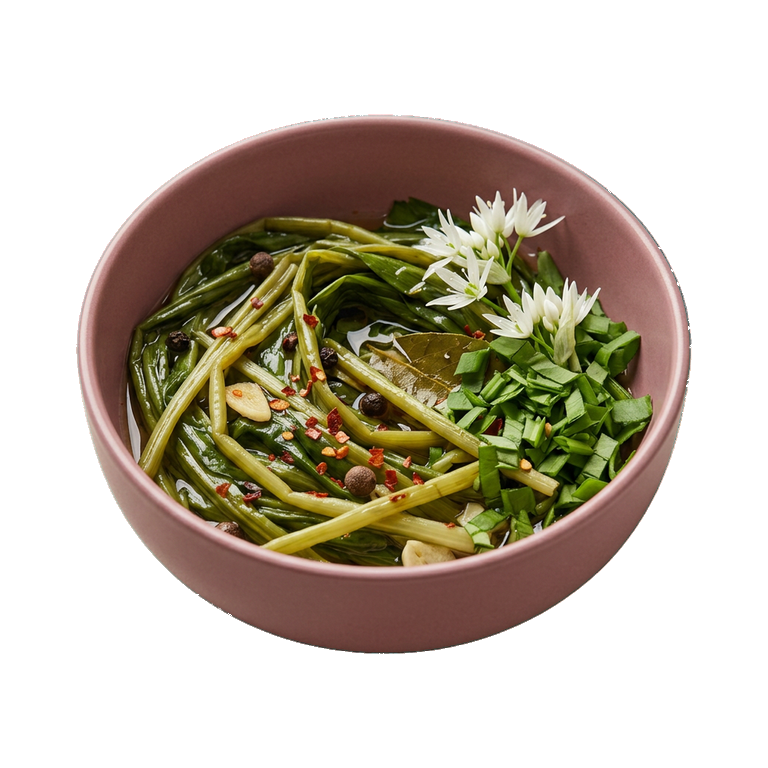
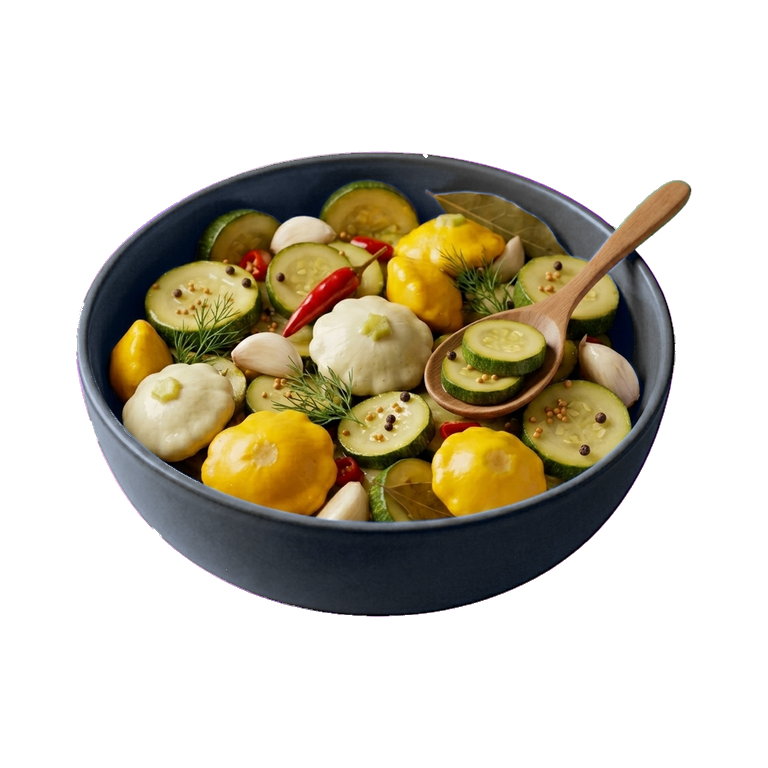
- Marinades for vegetables, meat, fish — gives them a noble flavor
- Sauces and gravies — add 15–20 minutes before the end of cooking
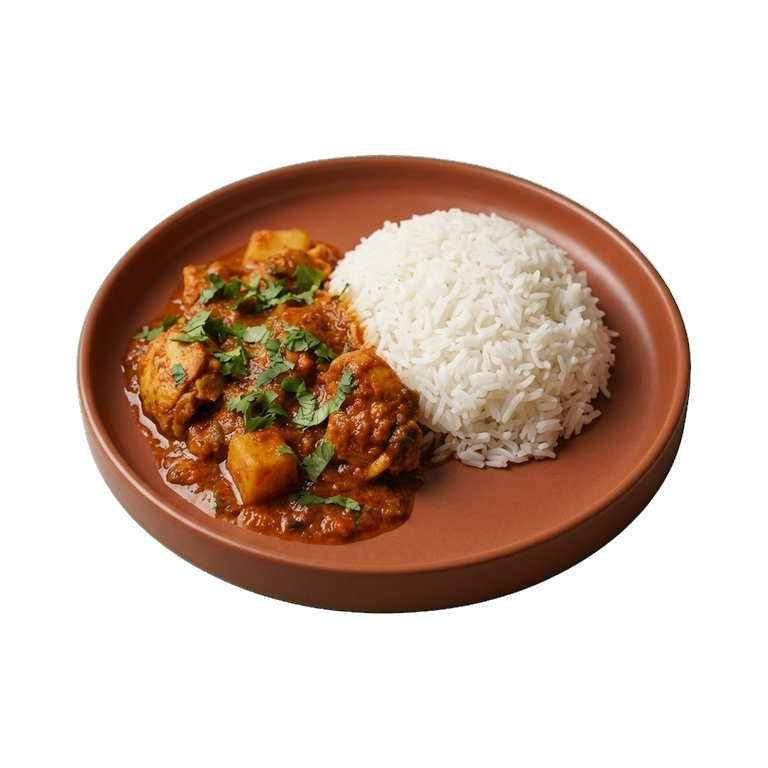
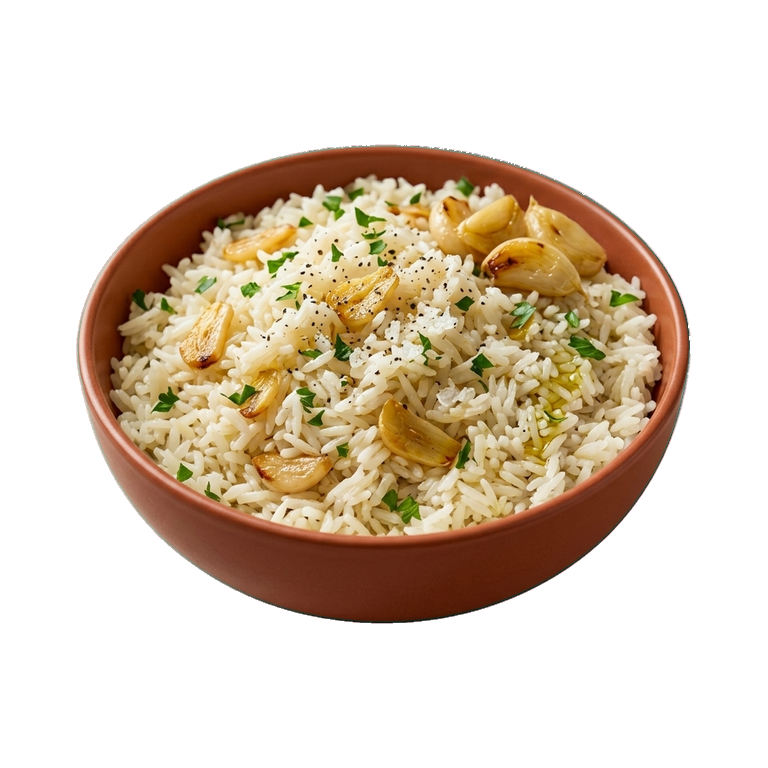
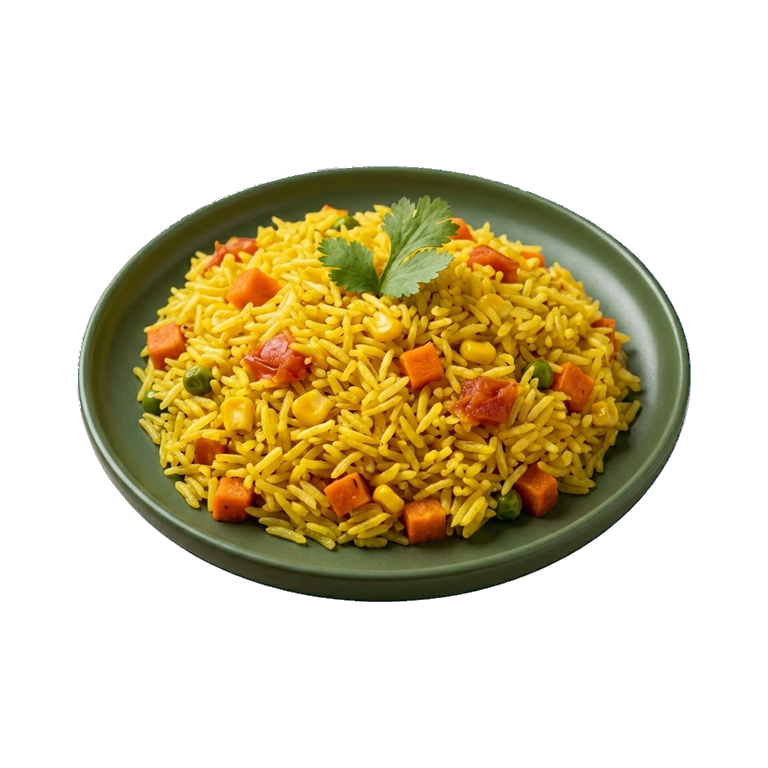
- Rice, buckwheat, pasta — add to water during cooking
Bay leaves are not added to cold dishes, sweet desserts, and beverages. The exception is some herbal teas and infusions, but this is rare and requires caution.
Pairings
Bay leaf works well with black pepper, cumin, juniper, and cloves. In Russian cuisine, it is often placed alongside garlic and onion. With herbs — dill and parsley — there are no conflicts, but they play different roles: the leaf is a background, while fresh herbs are a bright accent.
Selection and Storage
- Choose whole leaves without dark spots or mold, with rich green or olive color
- The aroma should be fragrant and recognizable, without mustiness
- Dried leaves are stored in an airtight glass jar in a dark cabinet for up to two years
- Keep fresh leaves in the refrigerator in a bag or container — they'll stay fresh for a couple of weeks without any issues
Keep it simple: one or two leaves per liter of liquid is the standard amount. If you add too much, the dish will become bitter. Before serving, remove the leaf from the dish — it is not edible in this form, it only imparts aroma.
Bay leaf — it's not just a tradition, it's a tool. When you understand how and when to use it, dishes become tastier, and culinary intuition develops faster.
Nutrition
per 100 g
- Calories
- 313 kcal
- Protein
- 7.6 g
- Fat
- 8.4 g
- Carbs
- 48.7 g
Micronutrients
per 100 g
Macronutrients
- Fiber
- 26.3 g
- Saturated fat
- 2.28 g
- Monounsaturated fat
- 1.64 g
- Polyunsaturated fat
- 2.29 g
- Omega-3 (EPA + DHA)
- 0 g
- Cholesterol
- 0 mg
- Water
- 5.44 g
Minerals
- Sodium
- 23 mg
- Potassium
- 529 mg
- Calcium
- 834 mg
- Magnesium
- 120 mg
- Phosphorus
- 113 mg
- Iron
- 43 mg
- Zinc
- 3.7 mg
- Copper
- 0.42 mg
- Manganese
- 8.17 mg
- Selenium
- 2.8 mcg
Vitamins
- Vitamin A (RAE)
- 309 mcg
- Vitamin D
- 0 mcg
- Vitamin C
- 46.5 mg
- Vitamin B1 (thiamin)
- 0.01 mg
- Vitamin B2 (riboflavin)
- 0.42 mg
- Vitamin B3 (niacin)
- 2.01 mg
- Vitamin B6
- 1.74 mg
- Vitamin B9 (folate, DFE)
- 180 mcg
- Vitamin B12
- 0 mcg
Measures and weight
- 1 pcs
- 0.5 g
- 1 sprig
- 0.5 g
Measure calculator
- Weight
- 100 g
- Calories
- 313 kcal