Usuba
Usuba
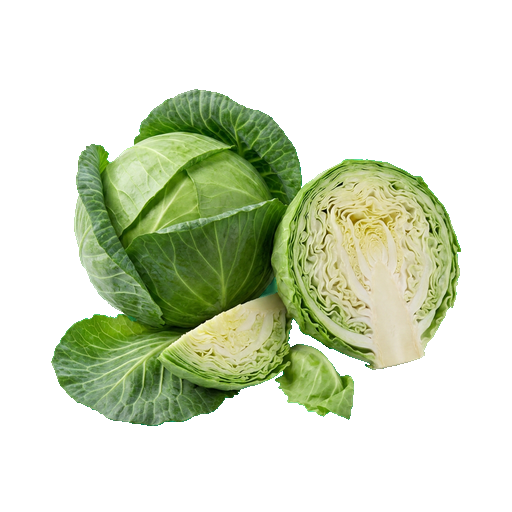
Cabbage
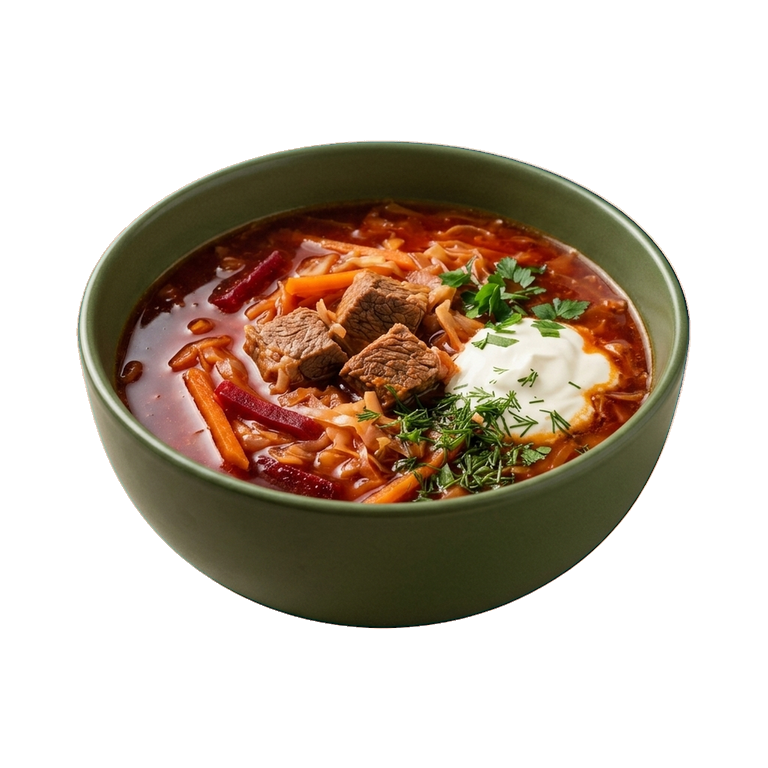
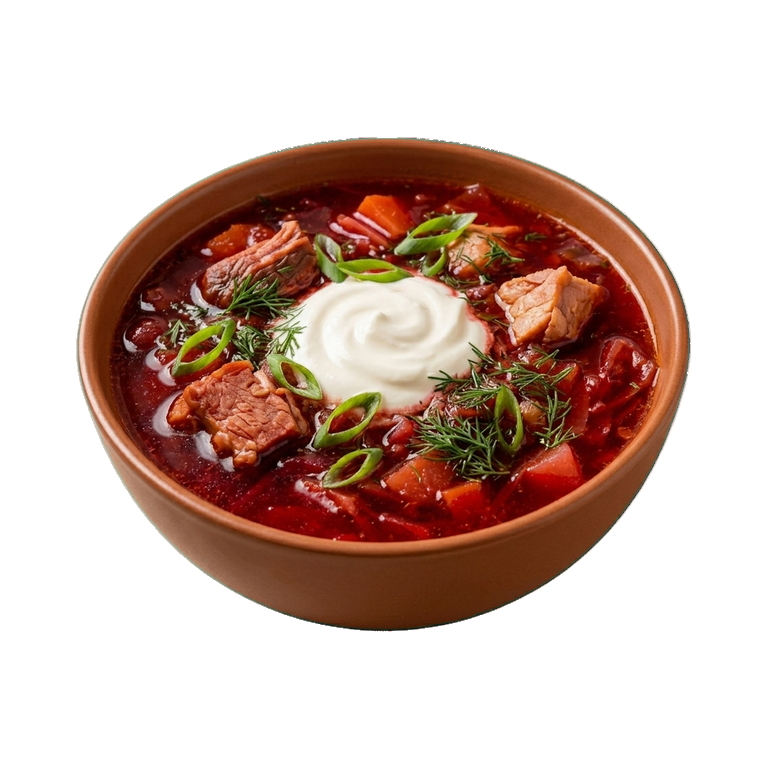
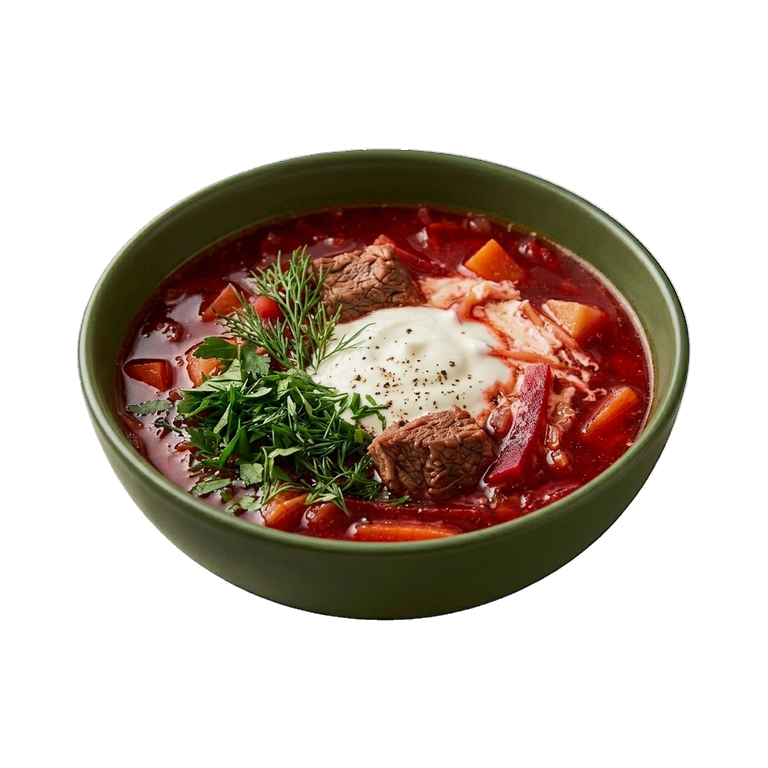
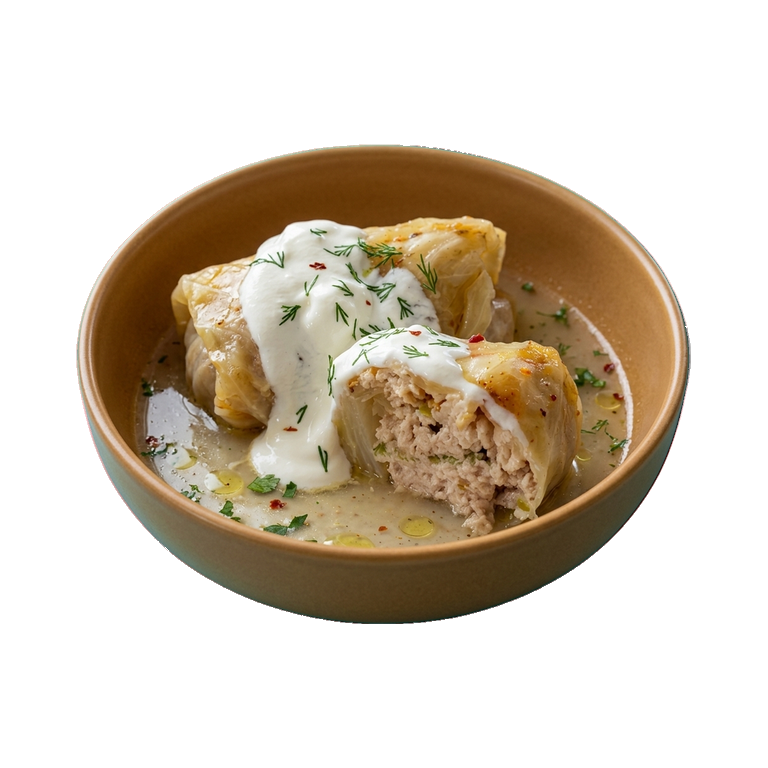
Cabbage is a vegetable with dense leaves that form a head or rosette, depending on the variety. It has a fresh, slightly sweet taste with a hint of bitterness, especially noticeable in the core, and a crispy texture when raw. In cooking, cabbage is used for salads, stewing, fermenting, and soups, with white and red cabbage varieties maintaining their shape well during heat treatment, while young cabbage cooks faster and has a delicate flavor.
Micronutrients
per 100 g
Minerals
About
Cabbage is one of the most versatile vegetables in the kitchen, working equally well in fresh salads, hot dishes, and preserves. Its dense structure allows the vegetable to maintain its shape with any type of preparation, and its mild, slightly sweet flavor easily adapts to different culinary styles. It is not just an affordable ingredient — it is the foundation upon which many dishes from different cuisines around the world are built.
Taste and texture depending on variety
White cabbage is a classic with a tender texture and a subtle bitterness that becomes sweeter with heat treatment. Red cabbage is denser, with a more pronounced sweet taste and interesting color that is preserved during cooking. Savoy cabbage surprises with its corrugated leaves, more delicate structure, and subtle flavor — it shines best in soups and stews. Broccoli and cauliflower are on a completely different level: the florets crunch when raw, become soft and creamy when boiled, with a nutty aftertaste.
Where cabbage opens up best
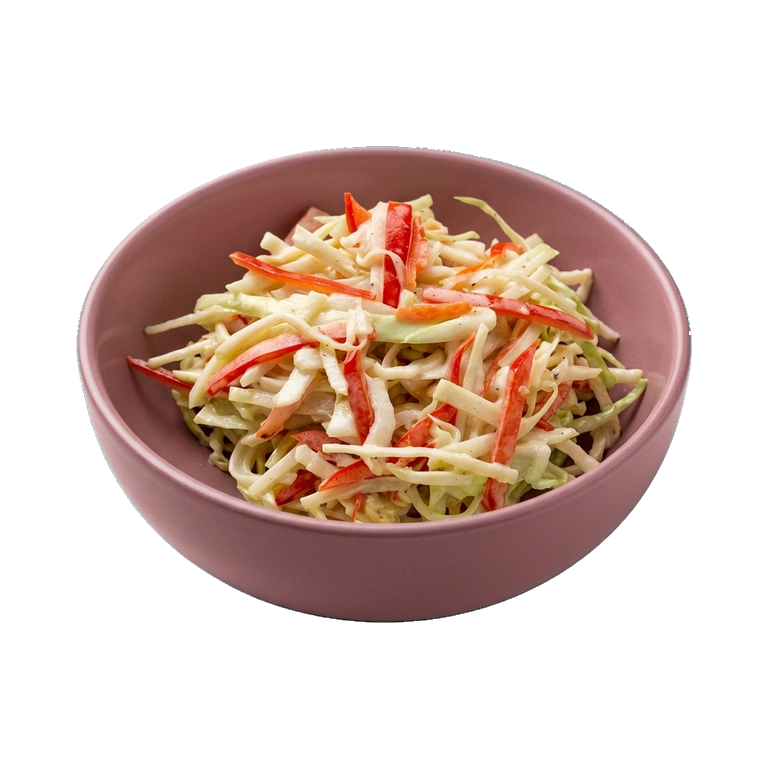
- Raw — cabbage provides crunch and freshness to salads, especially if shredded thinly and slightly massaged with salt
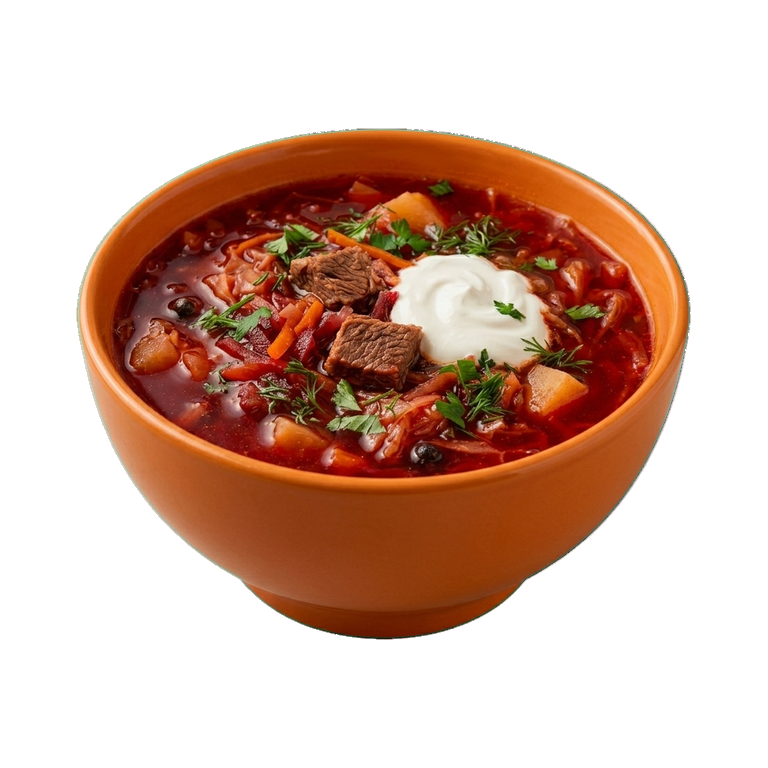
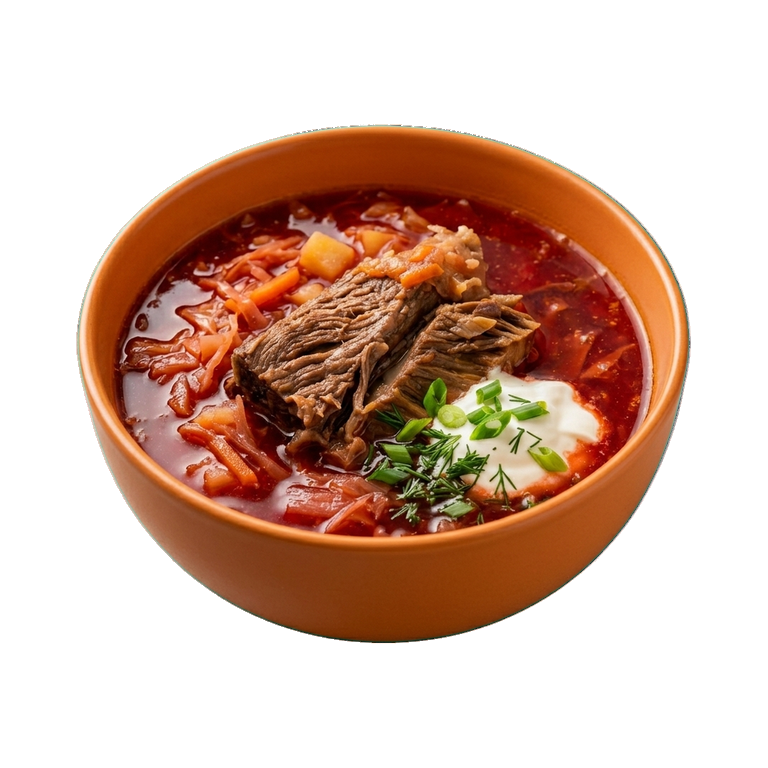
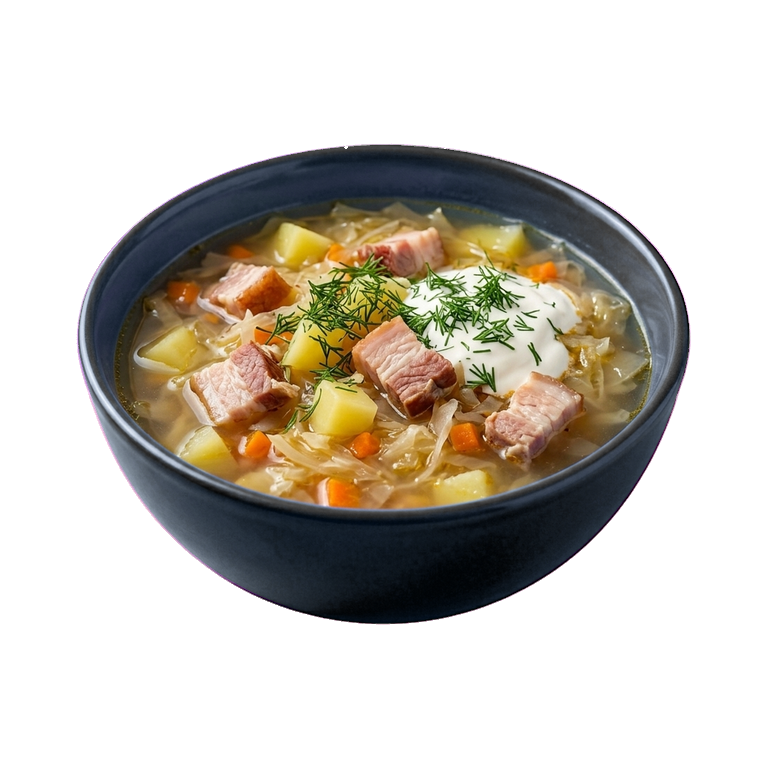
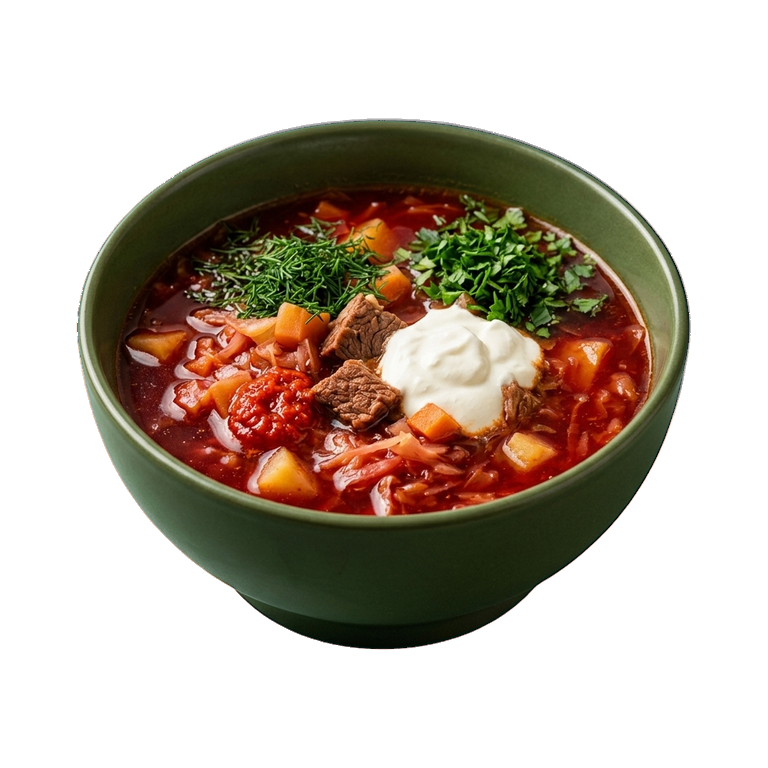
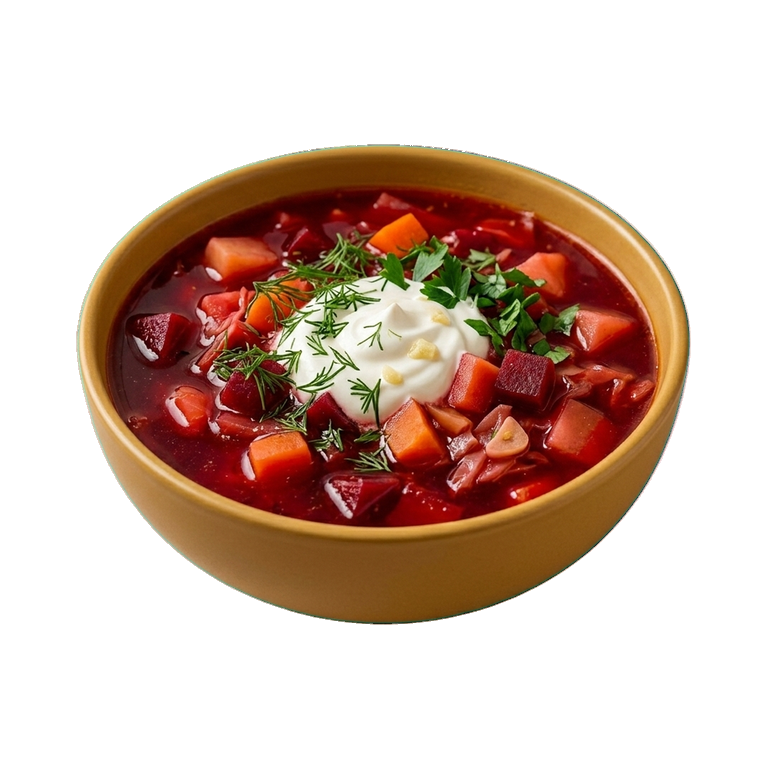
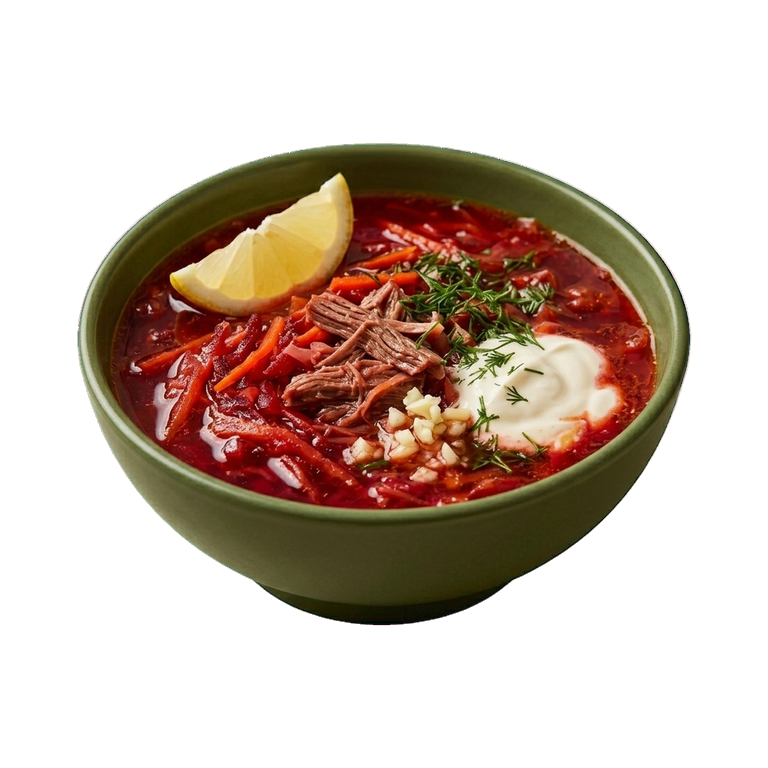
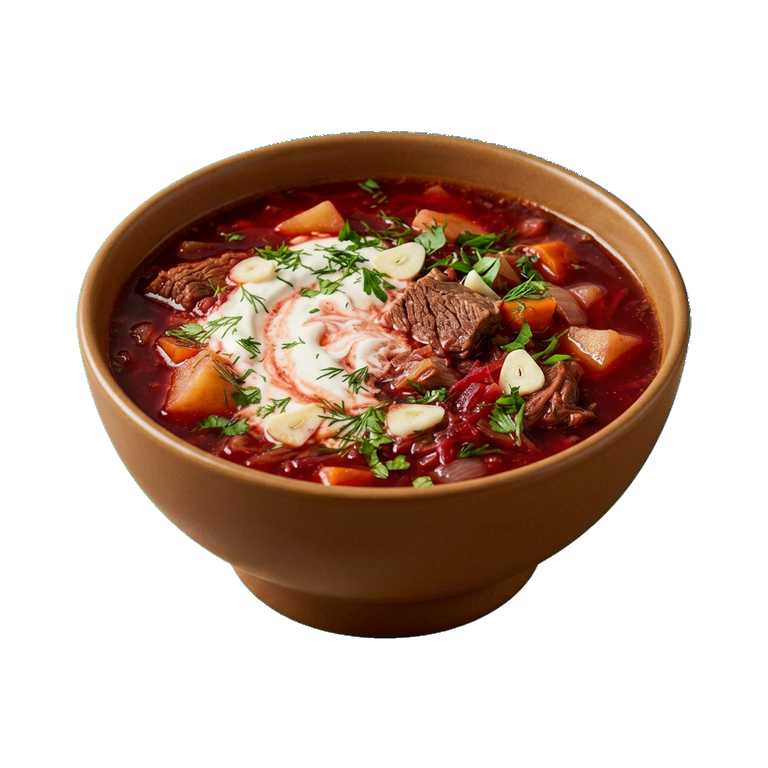
- In soups — integrates gently into the broth, absorbs the aromas of spices and other vegetables
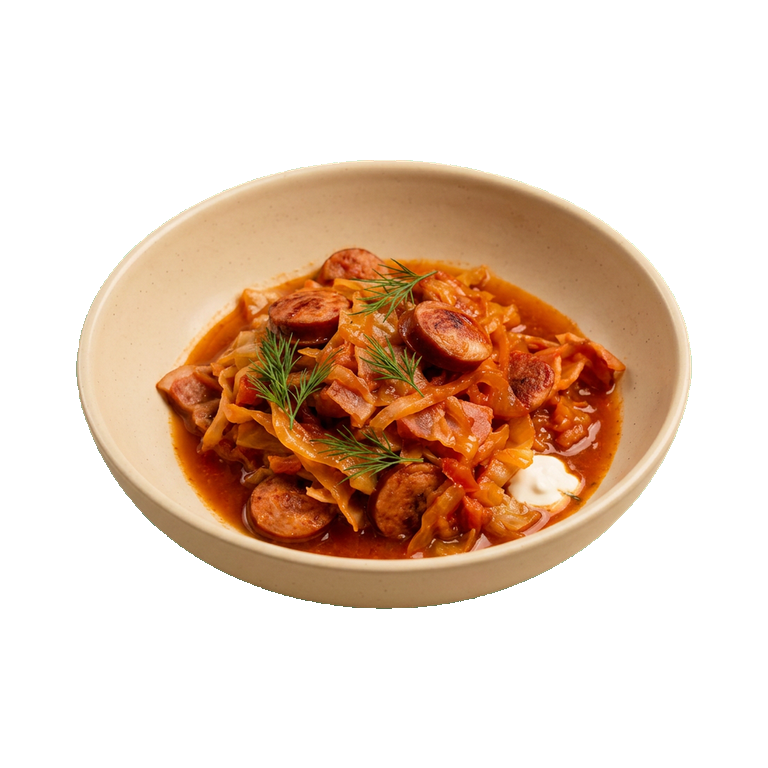
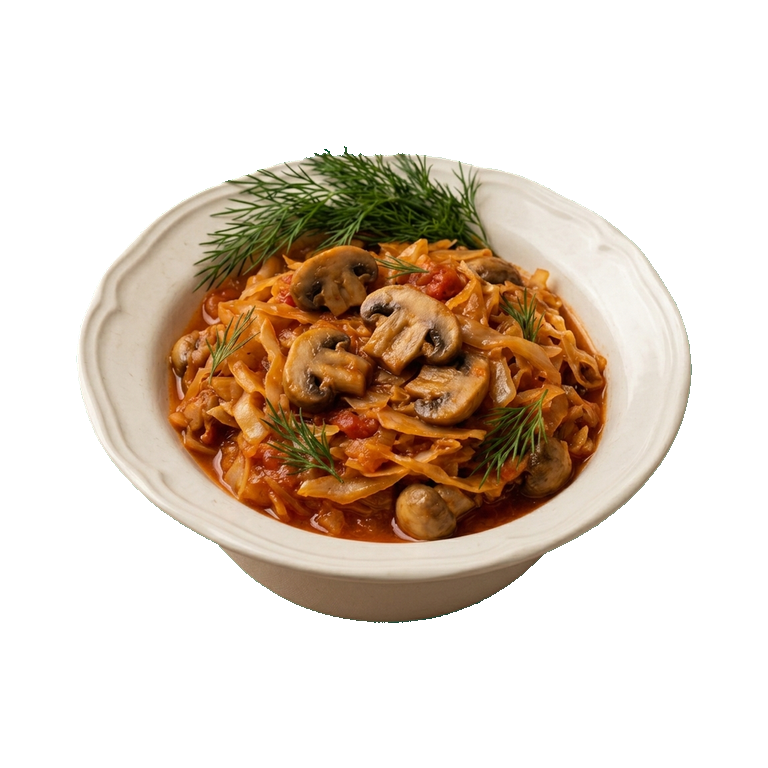
- When stewed and fried — becomes sweet, caramelizes, creates a base for side dishes and main courses
- When fermented — transforms into a probiotic product with a bright sour taste and crispy texture
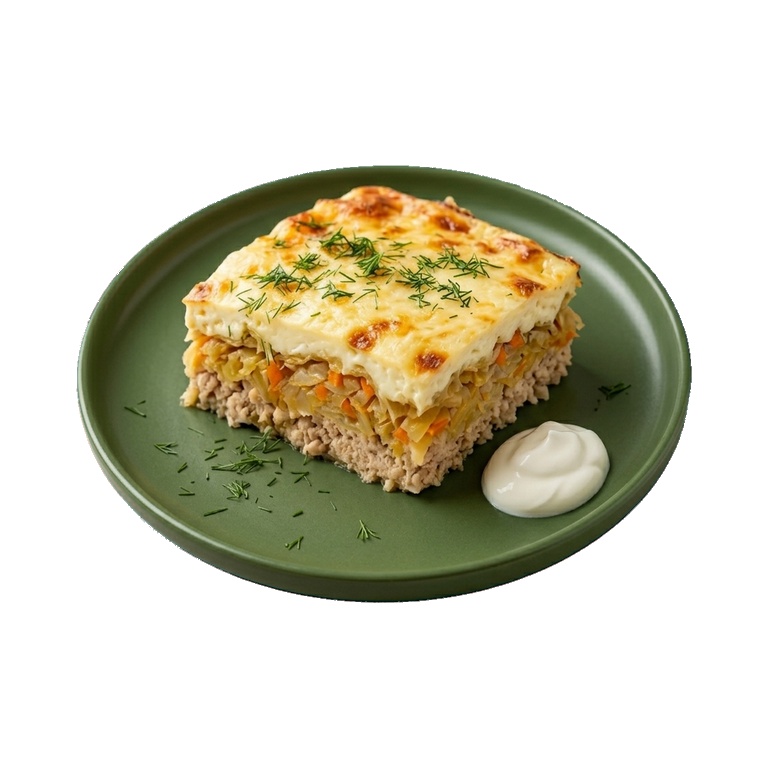
- Steamed and baked — broccoli and cauliflower florets become tender and are perfect as side dishes for meat and fish
Combinations that work
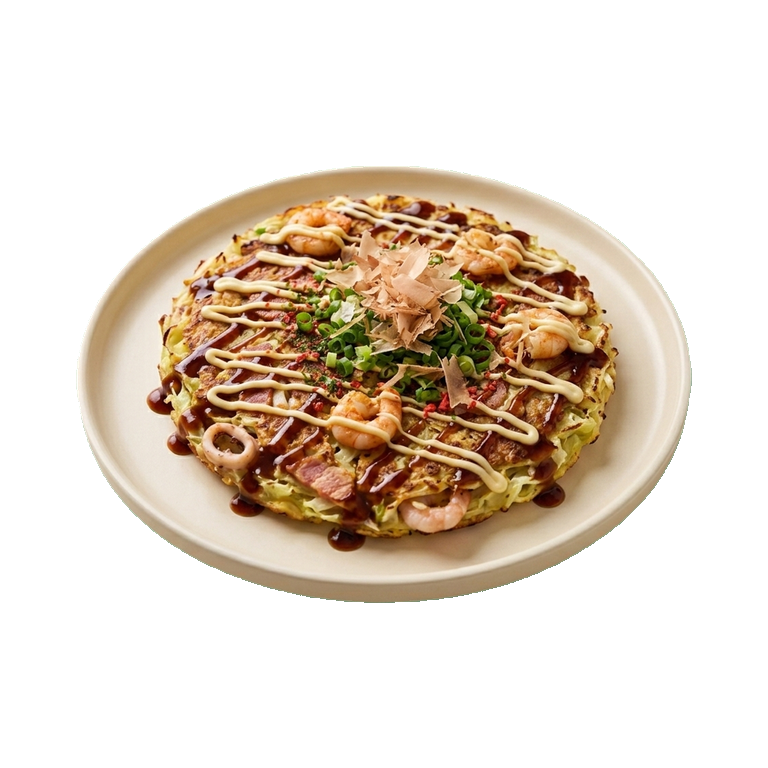
Cabbage pairs well with acidity — vinegar, lemon, tomato — which highlights its natural sweetness. Garlic and ginger add sharpness and depth. Cumin, coriander, and mustard enhance its piquancy. With meat, cabbage works as an ideal companion, absorbing juices and softening richness. Cream and butter make it creamy in finished dishes. Even in Asian dishes with soy sauce and sesame, cabbage finds its place.
How to choose and store
When choosing, focus on weight — the head should be heavy and dense, without soft spots or cracks. The outer leaves may be bruised or dirty, but underneath them hides perfect cabbage. Cut cabbage quickly loses moisture, so a whole head is always the best choice. Store fresh cabbage in the refrigerator in the lower compartment, wrapped in a bag — this way it will last two to three weeks. Use cut cabbage within a few days, otherwise it will start to oxidize and darken at the cut edges.
Simple preparation techniques
- For salads, shred the cabbage with a knife or mandoline, then massage it with salt for a few minutes — it will become softer and release excess moisture
- For boiling and stewing, cut into larger pieces — this way the cabbage won't fall apart and will retain its structure
- For broccoli and cauliflower, break them into florets of equal size so they cook evenly
- Rinse the cabbage with cold water before cooking, but do not soak it — it will absorb moisture and become watery
Cabbage is valued for its reliability: it doesn't require fussy care, stores well, is available year-round, and remains tasty and nutritious. Whether you're preparing a quick dinner or a complex dish — cabbage always finds its place on the table.
Nutrition
per 100 g
- Calories
- 25 kcal
- Protein
- 1.3 g
- Fat
- 0.1 g
- Carbs
- 5.2 g
Micronutrients
per 100 g
Macronutrients
- Fiber
- 2.3 g
- Saturated fat
- 0.023 g
- Monounsaturated fat
- 0.013 g
- Polyunsaturated fat
- 0.087 g
- Cholesterol
- 0 mg
- Water
- 92.52 g
Minerals
- Sodium
- 18 mg
- Potassium
- 246 mg
- Calcium
- 47 mg
- Magnesium
- 15 mg
- Phosphorus
- 23 mg
- Iron
- 0.56 mg
- Zinc
- 0.18 mg
- Copper
- 0.02 mg
- Manganese
- 0.16 mg
- Selenium
- 0.9 mcg
Vitamins
- Vitamin A (RAE)
- 6 mcg
- Vitamin D
- 0 mcg
- Vitamin C
- 51 mg
- Vitamin B1 (thiamin)
- 0.05 mg
- Vitamin B2 (riboflavin)
- 0.03 mg
- Vitamin B3 (niacin)
- 0.3 mg
- Vitamin B5 (pantothenic acid)
- 0.14 mg
- Vitamin B6
- 0.1 mg
- Vitamin B9 (folate, DFE)
- 57 mcg
- Vitamin B12
- 0 mcg
Measures and weight
- 1 pcs
- 1200 g
- 1 head
- 1500 g
Measure calculator
- Weight
- 100 g
- Calories
- 25 kcal