Usuba
Usuba
Chives
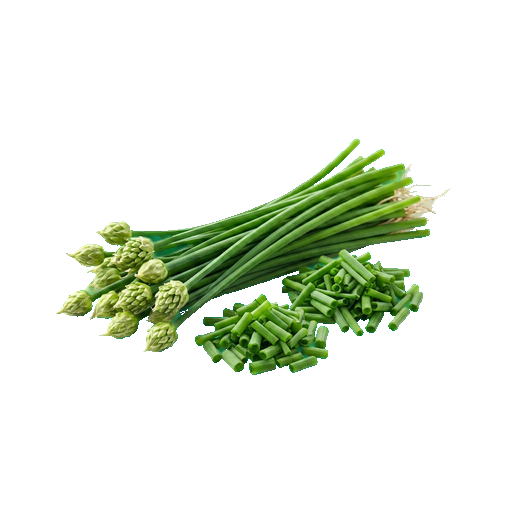
Thin hollow tubes with delicate onion flavor and a subtle garlic note, more refined than regular onions. Primarily used as fresh garnish in salads and cold dishes, as it quickly loses its aroma and becomes bland when heated. Choose young firm tubes with bright green color and add at the end of cooking or serve separately for maximum flavor.
Micronutrients
per 100 g
Minerals
Vitamins
- AVitamin A (RAE)218mcg26% DV
- EVitamin E0.21mg1% DV
- KVitamin K212.7mcg177% DV
- CVitamin C58.1mg58% DV
- B1Vitamin B1 (thiamin)0.08mg5% DV
- B2Vitamin B2 (riboflavin)0.12mg7% DV
- B3Vitamin B3 (niacin)0.65mg3% DV
- B5Vitamin B5 (pantothenic acid)0.32mg6% DV
- B6Vitamin B60.14mg7% DV
- B9Vitamin B9 (folate, DFE)105mcg26% DV
About
Chives are thin tubular leaves with a delicate onion flavor that appear in early spring and delight with freshness until the first frost. Unlike bulb onions, here it is the greens that are edible, not the underground part. The plant is unpretentious, regrows quickly after cutting, and is easy to grow even on a windowsill — an ideal option for those who want to have fresh herbs on hand.
Aroma and Taste
Young chives leaves have a mild, delicate onion flavor without sharp pungency. The aroma is fresh, herbaceous, with a barely perceptible sweetness. The more tender the leaves, the more delicious they are — old leaves become tough and somewhat bitter. After heat treatment, the flavor practically disappears, so chives work best in their raw form.
Where to use it
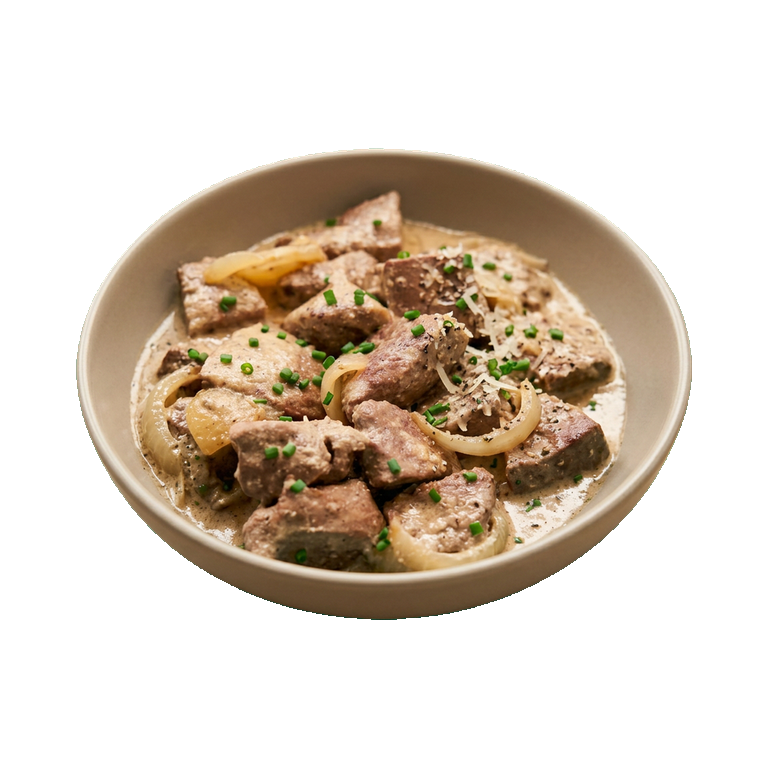
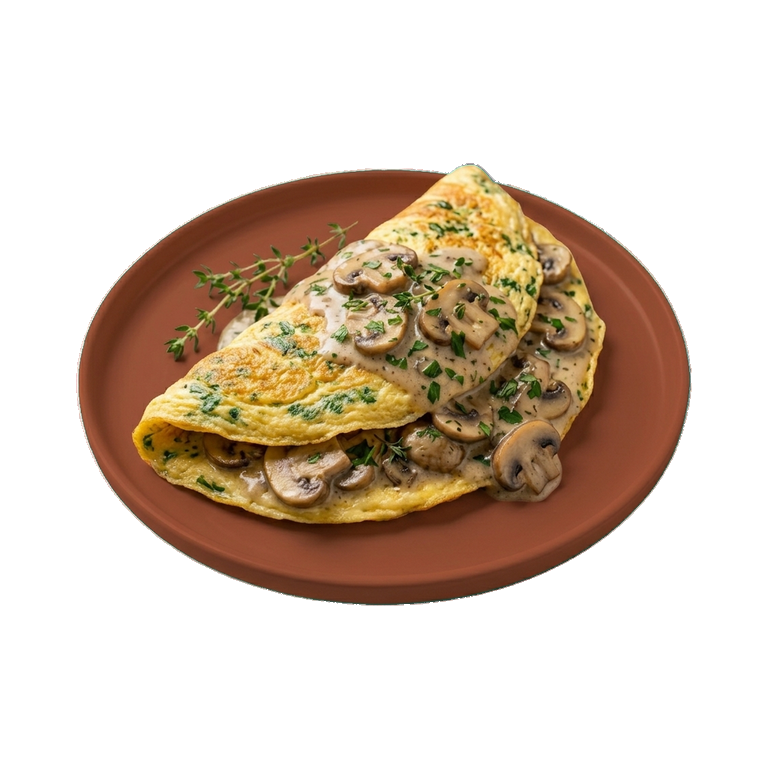
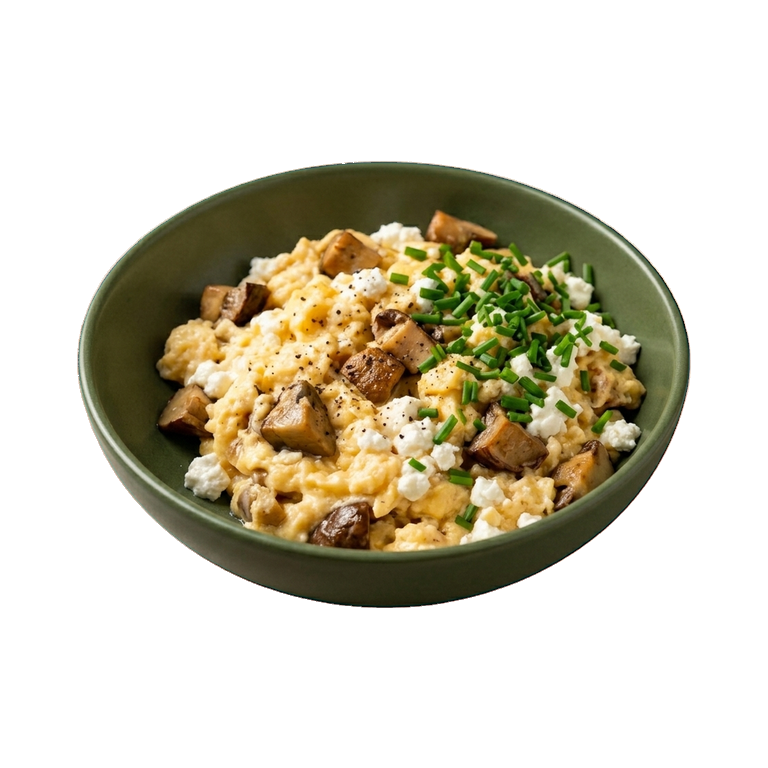
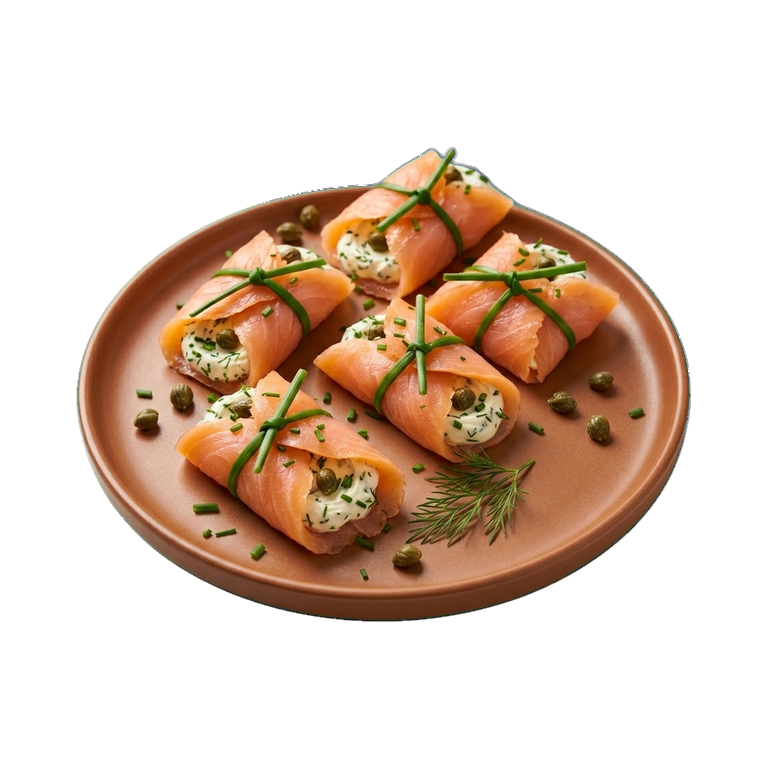
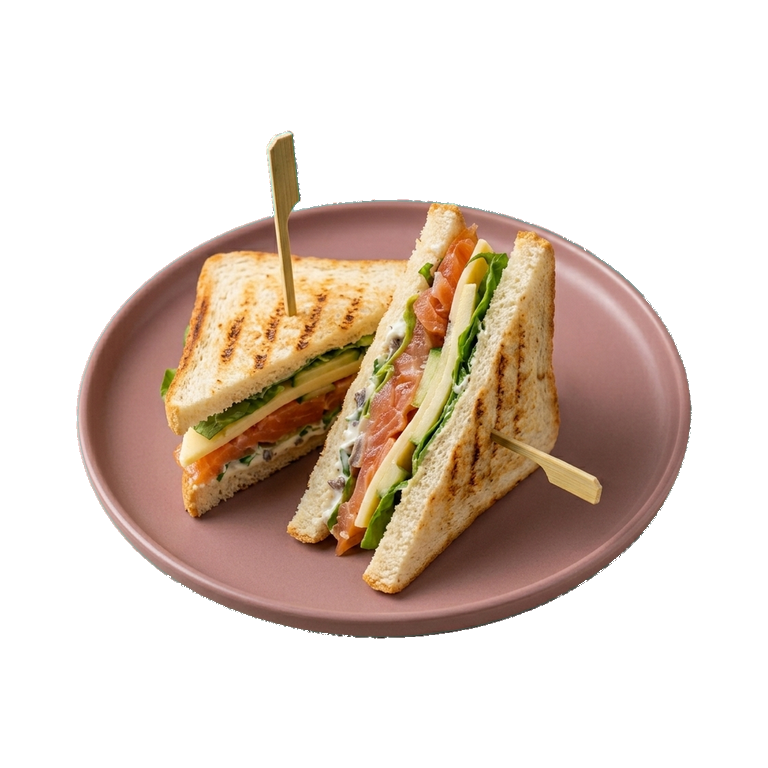
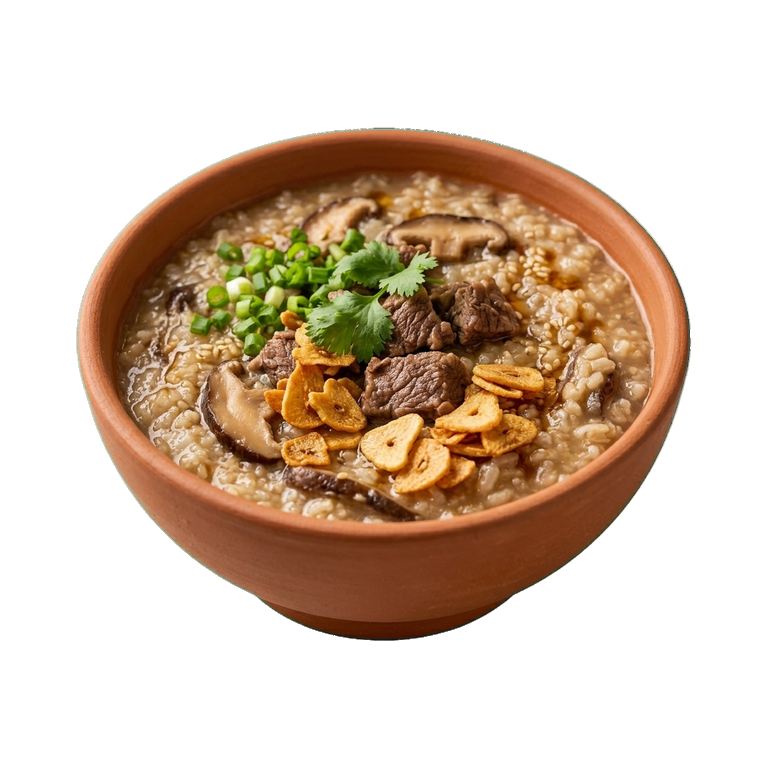
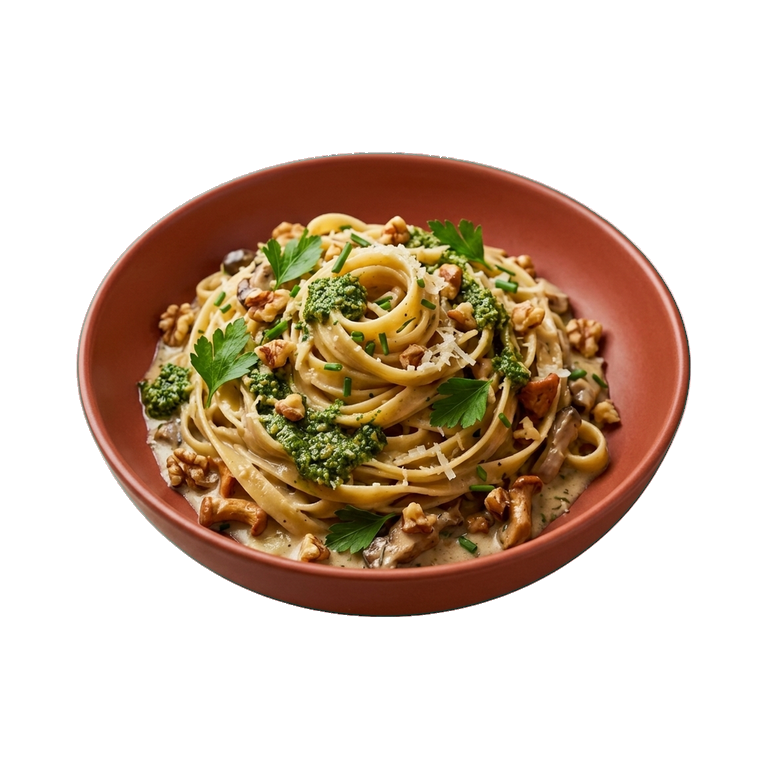
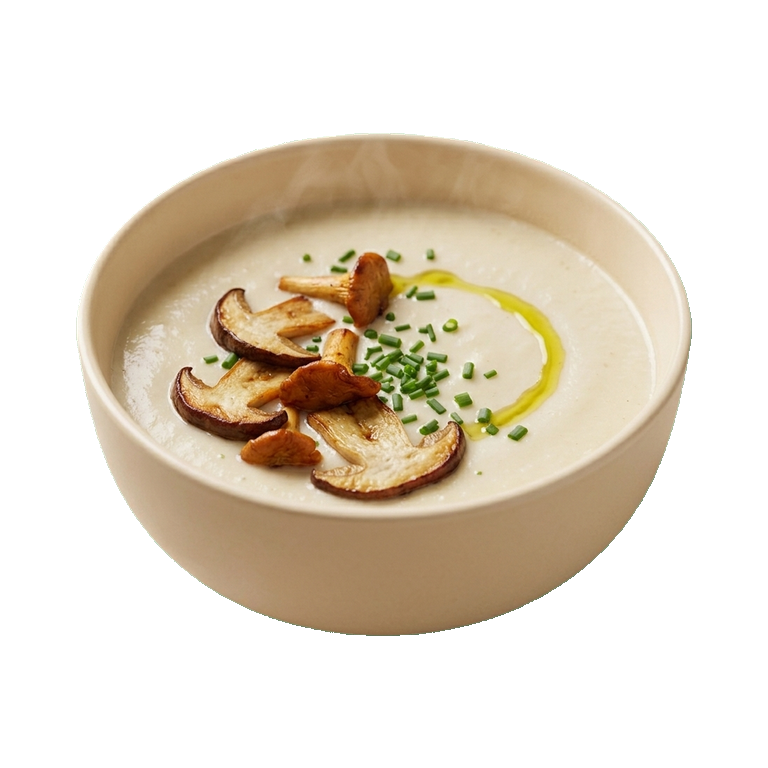
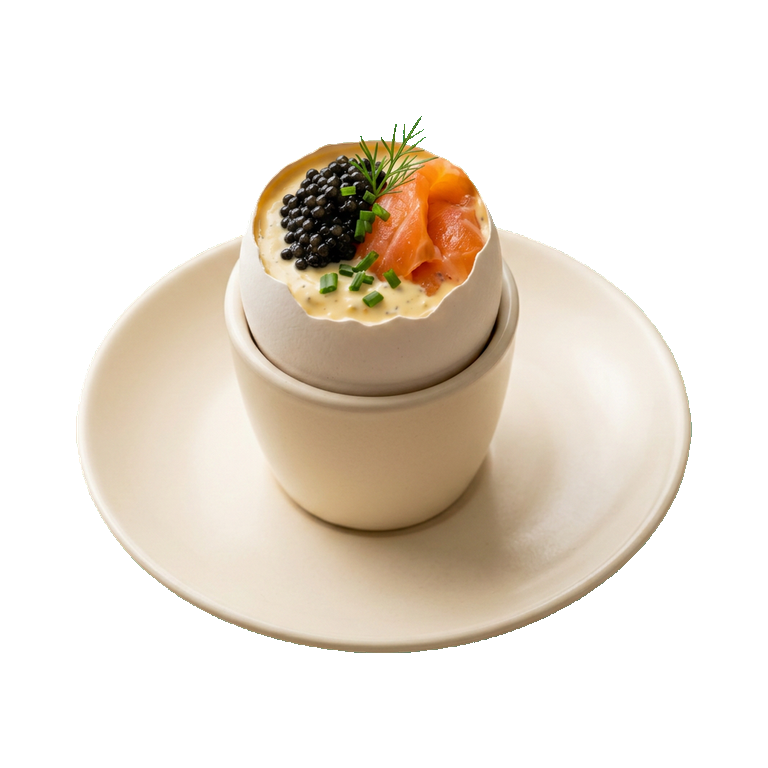
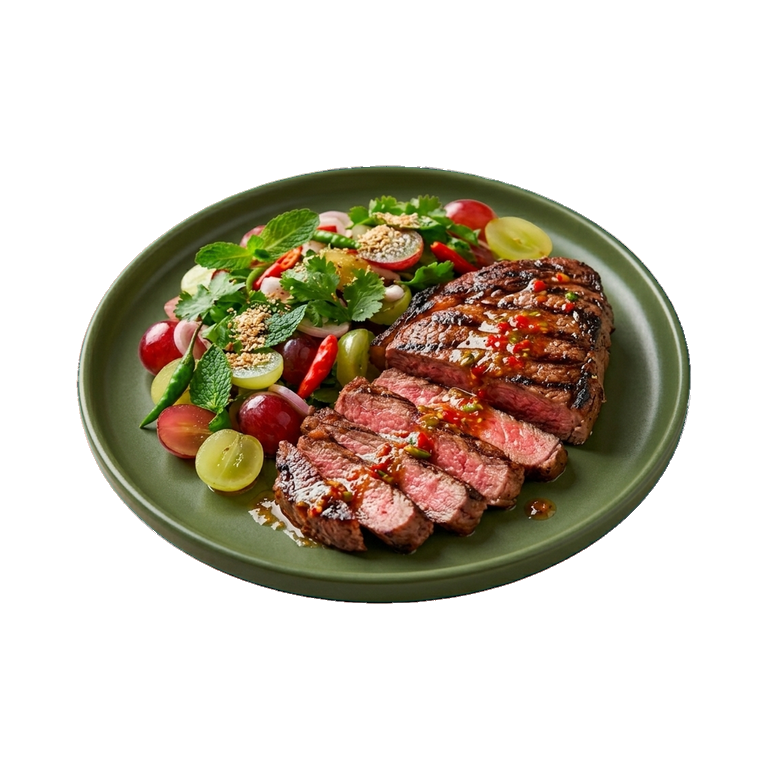
This is a versatile herb for finishing dishes. Generously sprinkle it over butter on bread, add to an omelet or fried eggs a minute before serving, garnish a cream soup or mashed potatoes. Chives are great in salads, cottage cheese spreads, in sour cream with baked potatoes, and as a garnish for meat.
Successful Combinations
- Eggs and dairy products — a classic trio
- Potatoes in any form
- Fish and seafood
- Butter and sour cream
- Fresh vegetables in salads
Selection and Storage
Look for firm, bright green leaves without spots or wilting. If you buy a bunch with roots, it will stay fresh longer. In the refrigerator, chives will keep for one to one and a half weeks in a bag or glass of water. Cut leaves are best used within two days while they are most crispy and aromatic. You can freeze them, but after thawing the texture is lost — they are only suitable for hot dishes.
Practical tip
Cut the leaves with scissors just above the ground or above the pot surface — the plant will quickly produce new growth. Add chives at the very last moment, literally just before serving, so it doesn't lose its brightness and crunch. If the chives taste bitter, it's a sign that the leaves have overgrown — choose young, thin blades.
Nutrition
per 100 g
- Calories
- 30 kcal
- Protein
- 2.7 g
- Fat
- 0.4 g
- Carbs
- 4.4 g
Micronutrients
per 100 g
Macronutrients
- Fiber
- 2.5 g
- Sugars
- 1.85 g
- Saturated fat
- 0.146 g
- Monounsaturated fat
- 0.095 g
- Polyunsaturated fat
- 0.267 g
- Omega-3 (EPA + DHA)
- 0 g
- Cholesterol
- 0 mg
- Water
- 90.65 g
Minerals
- Sodium
- 3 mg
- Potassium
- 296 mg
- Calcium
- 92 mg
- Magnesium
- 42 mg
- Phosphorus
- 58 mg
- Iron
- 1.6 mg
- Zinc
- 0.56 mg
- Copper
- 0.16 mg
- Manganese
- 0.37 mg
- Selenium
- 0.9 mcg
Vitamins
- Vitamin A (RAE)
- 218 mcg
- Vitamin D
- 0 mcg
- Vitamin E
- 0.21 mg
- Vitamin K
- 212.7 mcg
- Vitamin C
- 58.1 mg
- Vitamin B1 (thiamin)
- 0.08 mg
- Vitamin B2 (riboflavin)
- 0.12 mg
- Vitamin B3 (niacin)
- 0.65 mg
- Vitamin B5 (pantothenic acid)
- 0.32 mg
- Vitamin B6
- 0.14 mg
- Vitamin B9 (folate, DFE)
- 105 mcg
- Vitamin B12
- 0 mcg
Measures and weight
- 1 tbsp
- 8.3 g
- 1 tsp
- 2.8 g
- 1 cup
- 137.5 g
- 1 bunch
- 25 g
- 1 sprig
- 3 g
Measure calculator
- Weight
- 100 g
- Calories
- 30 kcal