Usuba
Usuba
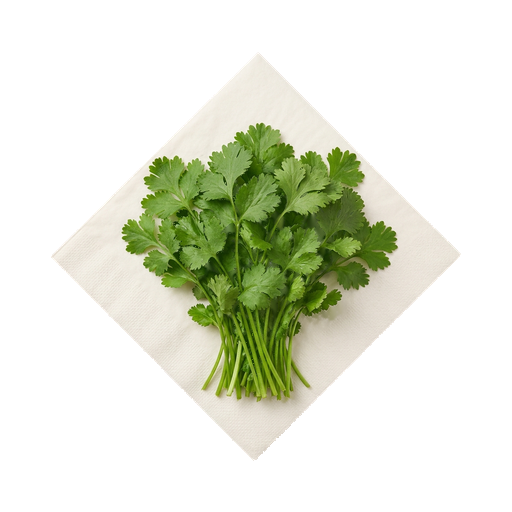
Cilantro (Coriander)
Fresh cilantro with its characteristic sharp, slightly floral aroma and piquant taste is indispensable in Eastern, Mexican, and Indian cuisine. Leaves are added to salads, soups, sauces, and meat and fish dishes at the end of cooking to preserve the bright flavor and aroma. When choosing, look for fresh green leaves without darkening, remember that cilantro wilts quickly, so store it in the refrigerator wrapped in damp cloth, or place the stems in water like a bouquet.
Micronutrients
per 100 g
Minerals
Vitamins
About
Cilantro is the leaves of a plant that, when dried, is known as coriander. Fresh greens have a sharp, slightly spicy taste with floral notes that some people love and others strongly dislike. It is this very polarity that makes cilantro interesting: it doesn't simply garnish a dish, but fundamentally changes its character.
Aroma and Taste
Fresh cilantro leaves smell simultaneously herbaceous and spicy — they have notes of lemon and pepper. The greens taste slightly bitter with a mild heat that unfolds gradually. If you're encountering cilantro for the first time, start with a small amount: add a few leaves to a finished dish to see if you like this flavor.
Role in dishes
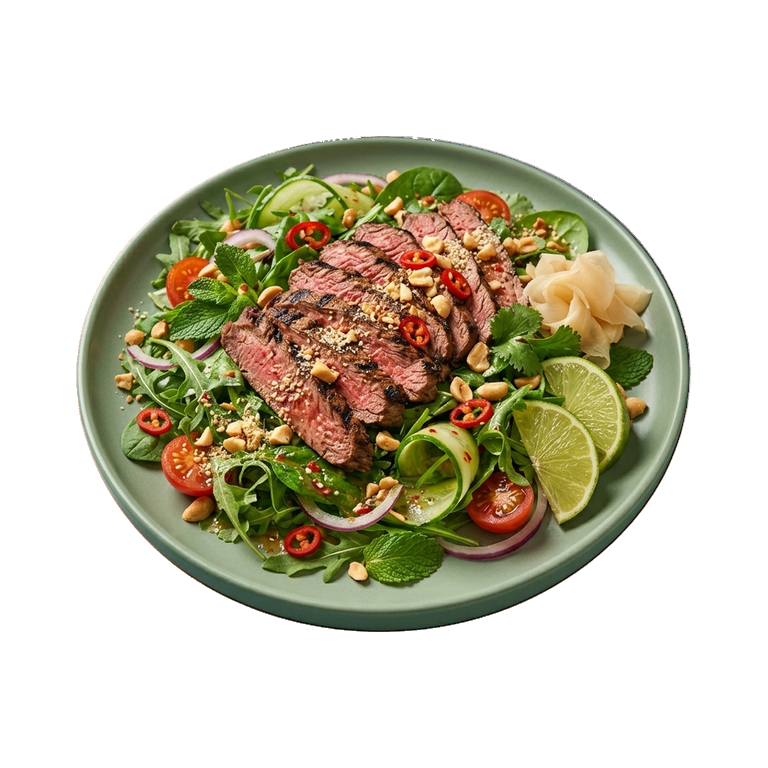
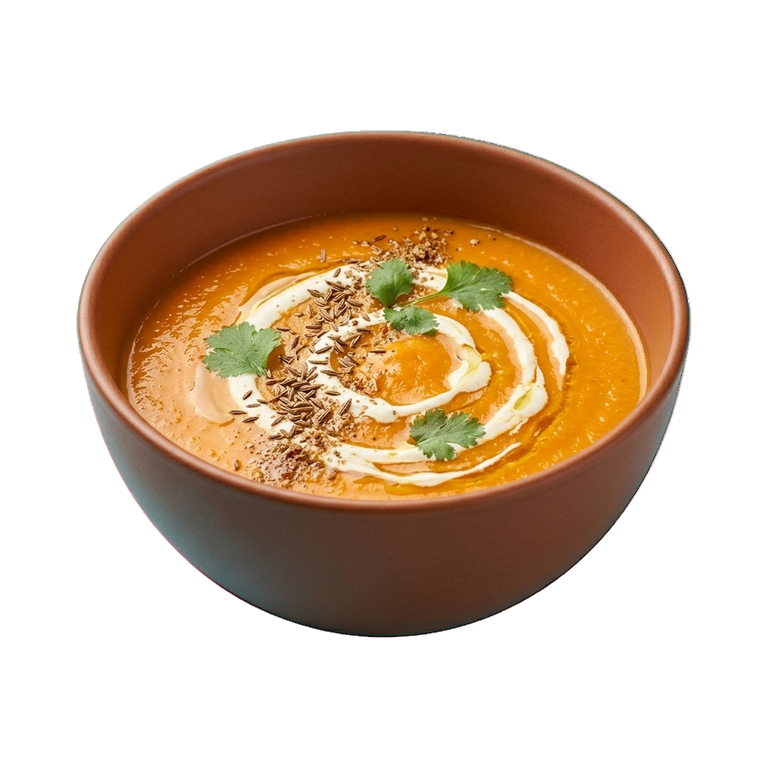
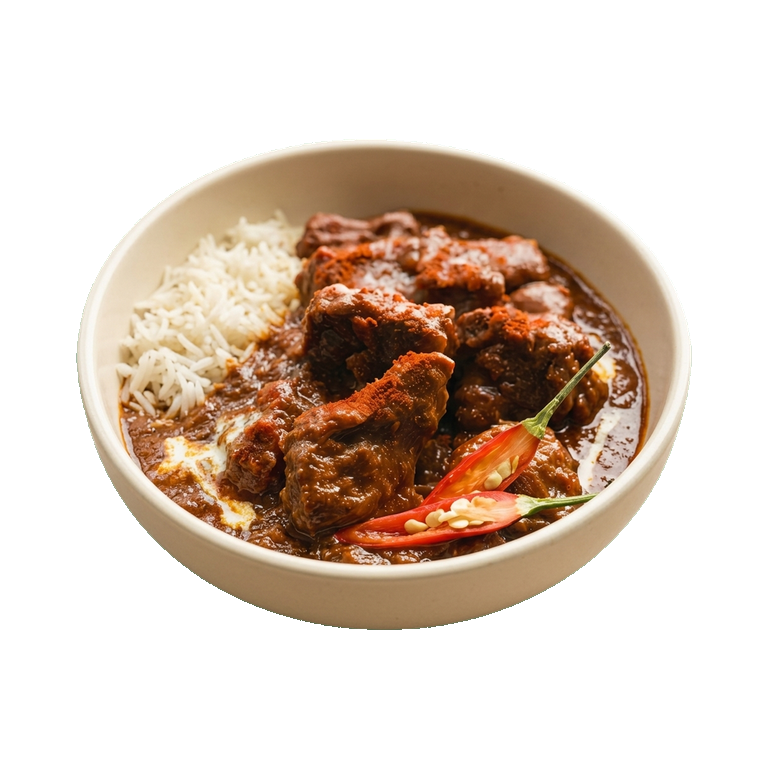
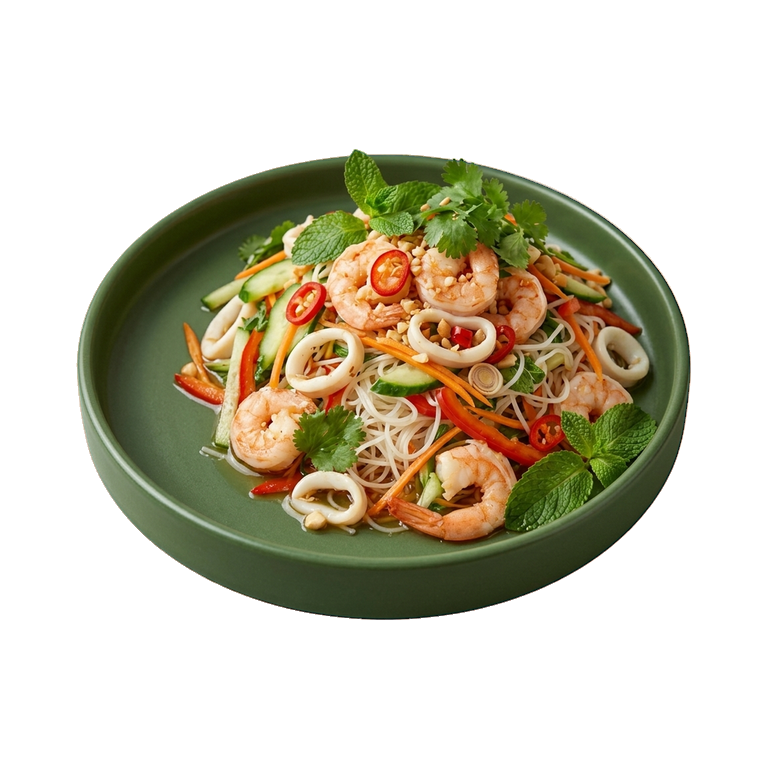
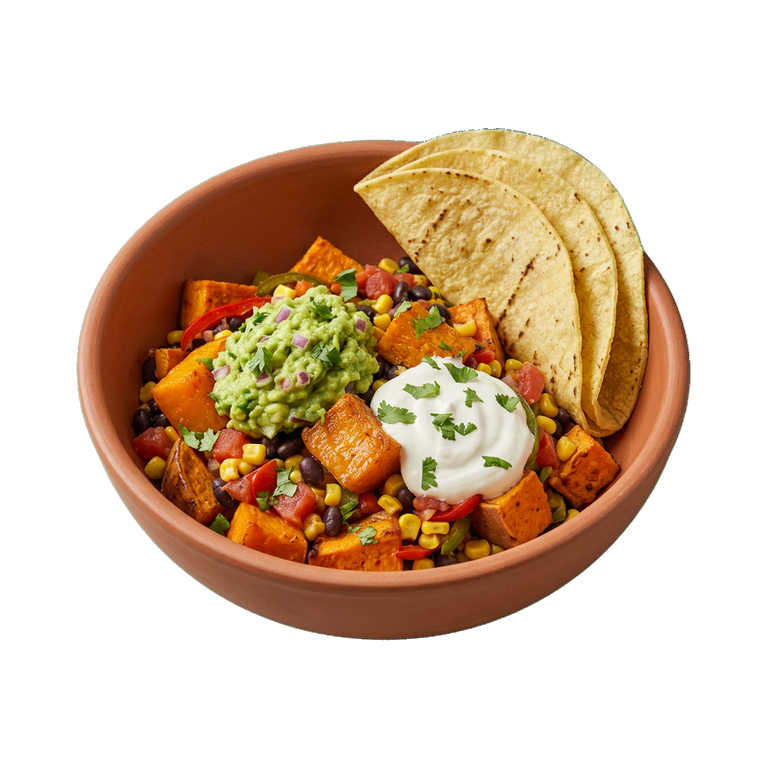
- In Mexican cuisine, cilantro is a mandatory component of salsa and guacamole, where it serves as the main flavor accent
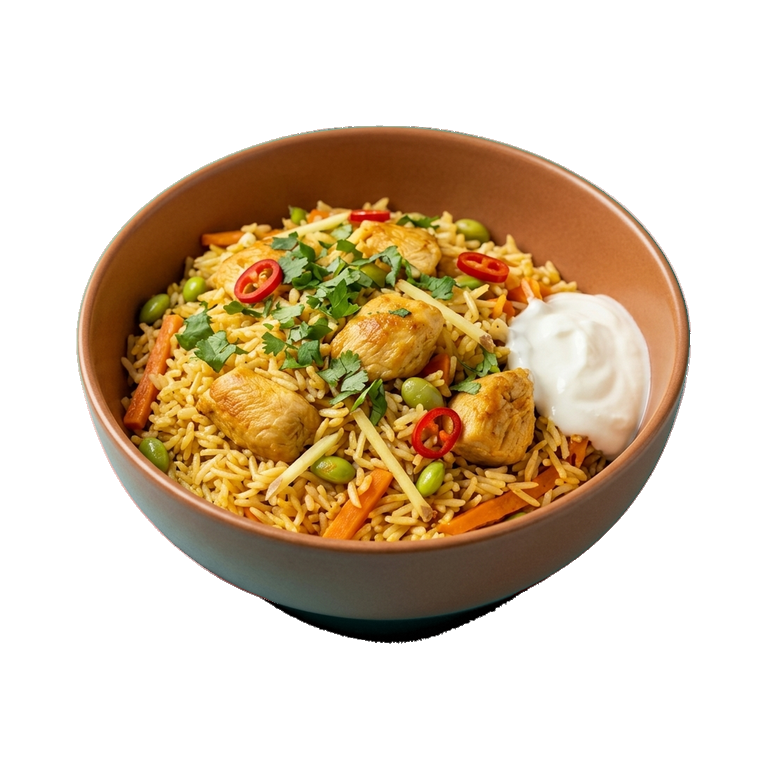
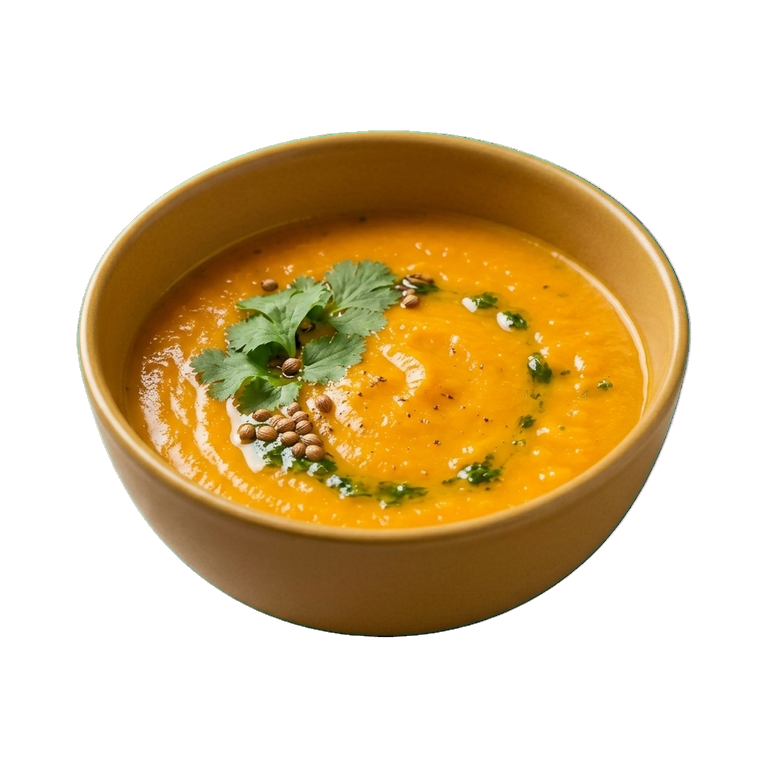
- In Indian and Eastern cuisine, herbs are added to curries, meat marinades, and yogurt-based sauces
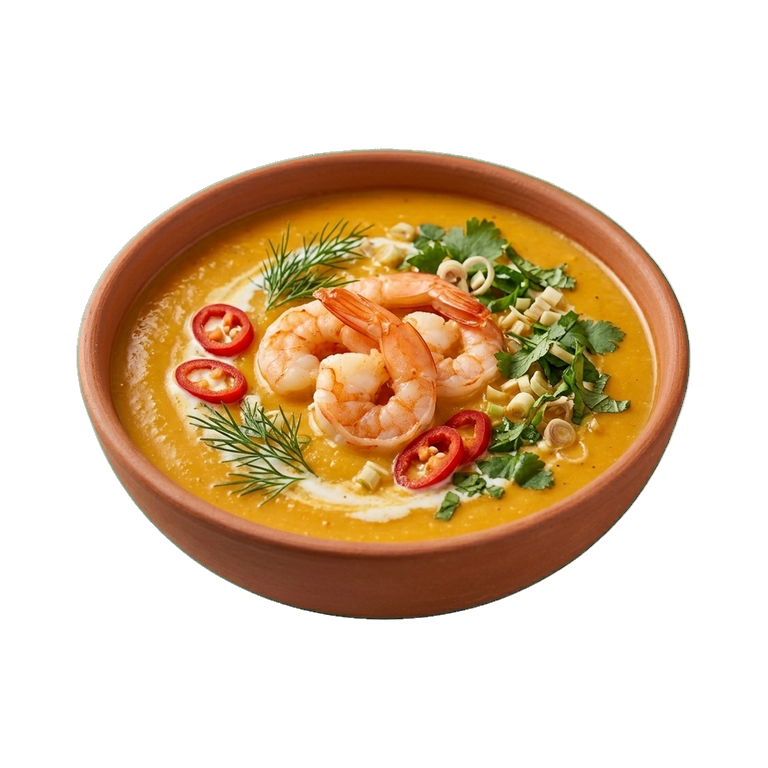
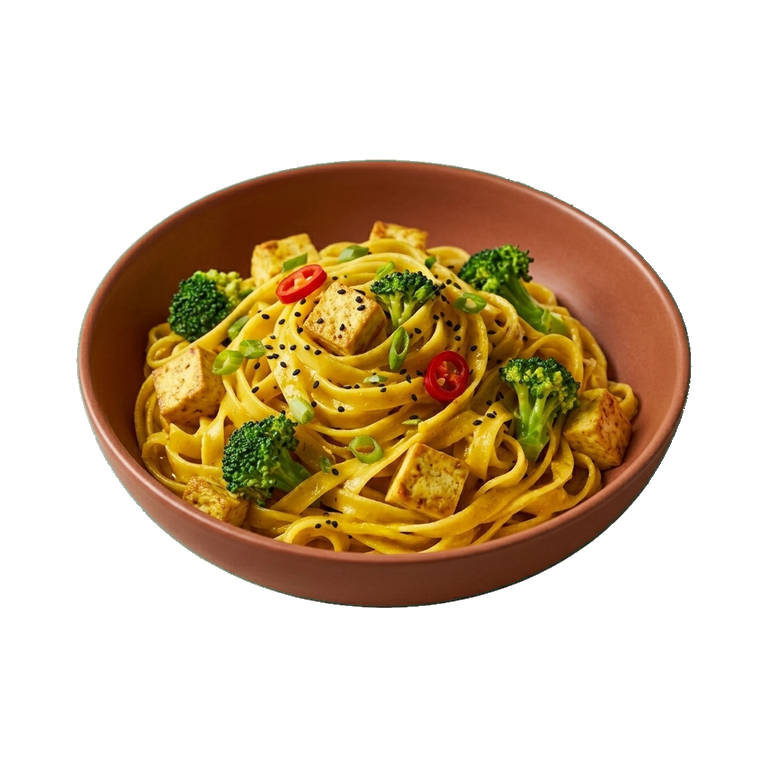
- In Asian cuisine, cilantro garnishes soups, noodles, and rice dishes at the very last moment
- In Mediterranean cuisine, it is used less frequently, but it works well in fish marinades and salads
Main rule: add cilantro at the end of cooking or right before serving. With prolonged heat treatment, the herbs lose freshness and become unpleasantly bitter. If you are preparing a hot dish, sprinkle cilantro on the plate right before serving it to the table.
Successful Combinations
- Cilantro + lime + garlic — a classic trio for Mexican and Asian dishes
- Cilantro + ginger + soy sauce — the base for meat and fish marinades
- Cilantro + yogurt + spices — a base for Indian sauces and marinades
- Cilantro + tomatoes + onion — components of fresh salsa
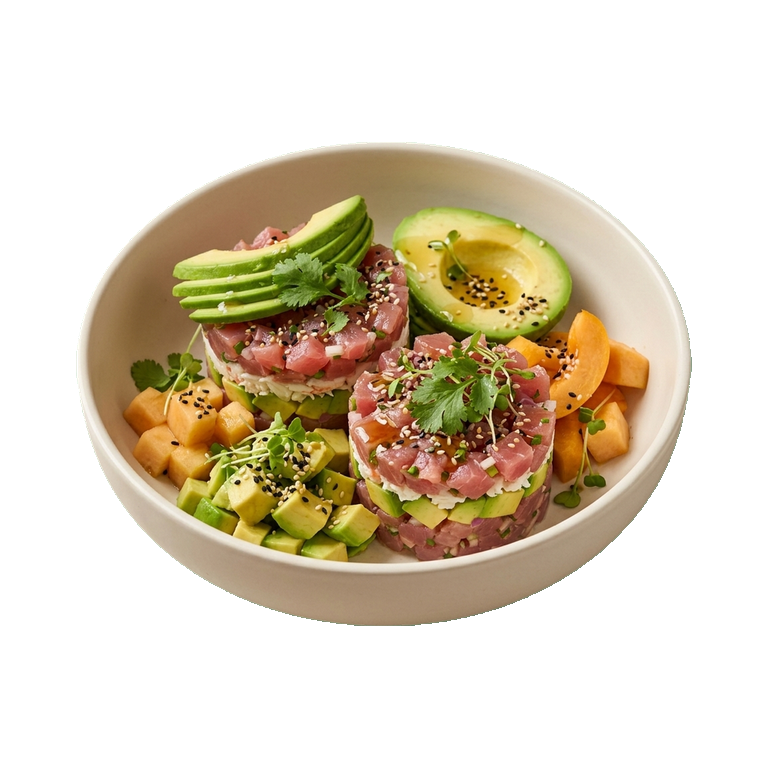
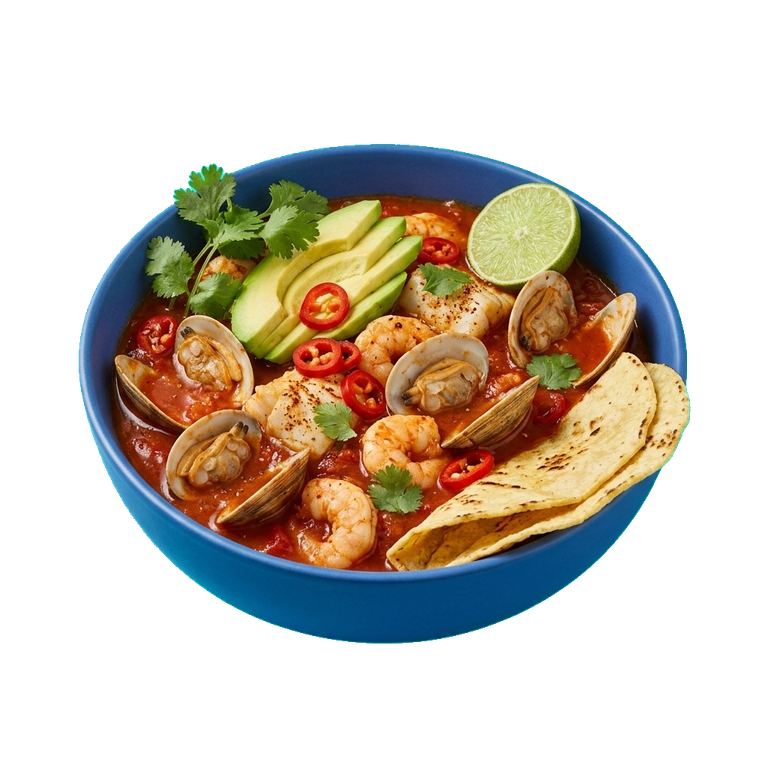
- Cilantro + avocado + chili pepper — for guacamole and Mexican salads
Selection and Storage
When choosing cilantro, pay attention to the color of the leaves — they should be bright green, without any yellowish tinge or dark spots. The stems should be firm and fresh, not wilted. Smell the bunch: the aroma should be bright and recognizable, without any mustiness.
Fresh cilantro doesn't keep in the refrigerator for long — a maximum of one week. Place a bunch of stems in a glass of water and cover the leaves with a plastic bag, or wrap it in a damp towel and put it in a container. If you want to keep cilantro longer, chop it finely, spread it on a baking sheet, freeze it, and then transfer it to a container — this way the greens will last a couple of months, although the flavor will become less vibrant.
If you are cooking a dish for the first time and are unsure about the amount of cilantro, start with half of the recommended volume. It is easier to add more than to redo the dish.
Nutrition
per 100 g
- Calories
- 23 kcal
- Protein
- 2.1 g
- Fat
- 0.5 g
- Carbs
- 3.7 g
Micronutrients
per 100 g
Macronutrients
- Fiber
- 2.8 g
- Sugars
- 0.87 g
- Saturated fat
- 0.014 g
- Monounsaturated fat
- 0.275 g
- Polyunsaturated fat
- 0.04 g
- Omega-3 (EPA + DHA)
- 0 g
- Cholesterol
- 0 mg
- Water
- 92.21 g
Minerals
- Sodium
- 46 mg
- Potassium
- 521 mg
- Calcium
- 67 mg
- Magnesium
- 26 mg
- Phosphorus
- 48 mg
- Iron
- 1.77 mg
- Zinc
- 0.5 mg
- Copper
- 0.23 mg
- Manganese
- 0.43 mg
- Selenium
- 0.9 mcg
Vitamins
- Vitamin A (RAE)
- 337 mcg
- Vitamin D
- 0 mcg
- Vitamin E
- 2.5 mg
- Vitamin K
- 310 mcg
- Vitamin C
- 27 mg
- Vitamin B1 (thiamin)
- 0.07 mg
- Vitamin B2 (riboflavin)
- 0.16 mg
- Vitamin B3 (niacin)
- 1.11 mg
- Vitamin B5 (pantothenic acid)
- 0.57 mg
- Vitamin B6
- 0.15 mg
- Vitamin B9 (folate, DFE)
- 62 mcg
- Vitamin B12
- 0 mcg
Measures and weight
- 1 tbsp
- 3 g
- 1 tsp
- 1 g
- 1 cup
- 50 g
- 1 bunch
- 50 g
Measure calculator
- Weight
- 100 g
- Calories
- 23 kcal