Usuba
Usuba
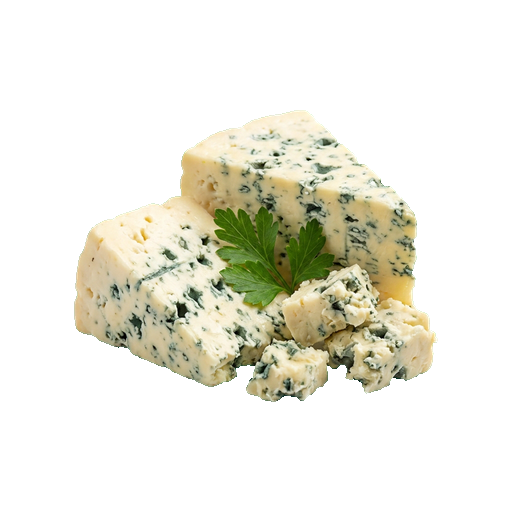
Blue cheese
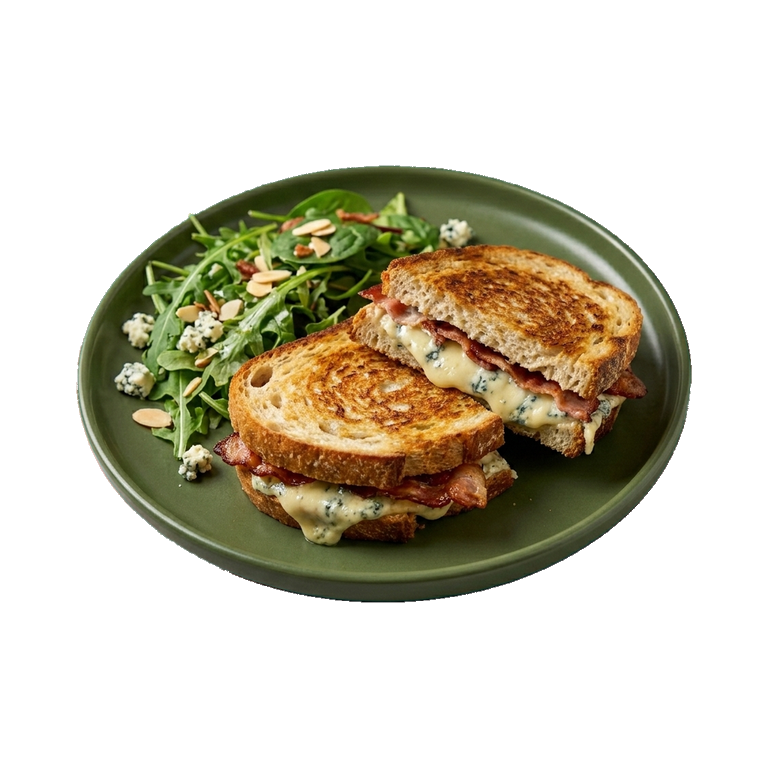
Blue cheese is a soft cheese with characteristic blue-green mold that gives it a sharp, piquant flavor with a slight bitterness and saltiness. This cheese has a creamy texture, sometimes slightly crumbly, and a rich, pronounced aroma. In cooking, blue cheese is used in salads, sauces, pastas, in the preparation of appetizers and desserts, and is also served as a standalone dish on a cheese board — its intense flavor pairs well with honey, nuts, and sweet wine.
Micronutrients
per 100 g
Minerals
Vitamins
- AVitamin A (RAE)198mcg23% DV
- DVitamin D0.5mcg3% DV
- EVitamin E0.25mg2% DV
- KVitamin K2.4mcg2% DV
- B1Vitamin B1 (thiamin)0.03mg2% DV
- B2Vitamin B2 (riboflavin)0.38mg21% DV
- B3Vitamin B3 (niacin)1.02mg5% DV
- B5Vitamin B5 (pantothenic acid)1.73mg35% DV
- B6Vitamin B60.17mg9% DV
- B9Vitamin B9 (folate, DFE)36mcg9% DV
- B12Vitamin B121.2mcg40% DV
About
Blue cheese is not just an ingredient, but an entire class of cheeses with its own logic and character. It is recognized at first glance: marble veins of mold run through white or cream-colored mass, creating a pattern as if someone were painting directly in the cheese. This mold is not an accident, but the result of intentional maturation, and it is precisely this that makes such cheese so sharp, salty, and memorable.
Aroma and taste
The first impression is usually sharp: a pungent, spicy taste, sometimes with a bitter note. But if you take your time, you can catch creamy notes and even a slight nuttiness. The aroma is also rich, with a characteristic pungency that may seem aggressive to those encountering blue cheese for the first time. The intensity of the taste depends on the age of the cheese: young cheese is milder, while mature cheese is more assertive and salty.
The consistency varies from soft and almost creamy to dense and crumbly. A good blue cheese should be moist, but not turn into a paste. The veins of mold are easily felt on the tongue, adding an interesting unevenness to the texture.
Role in dishes
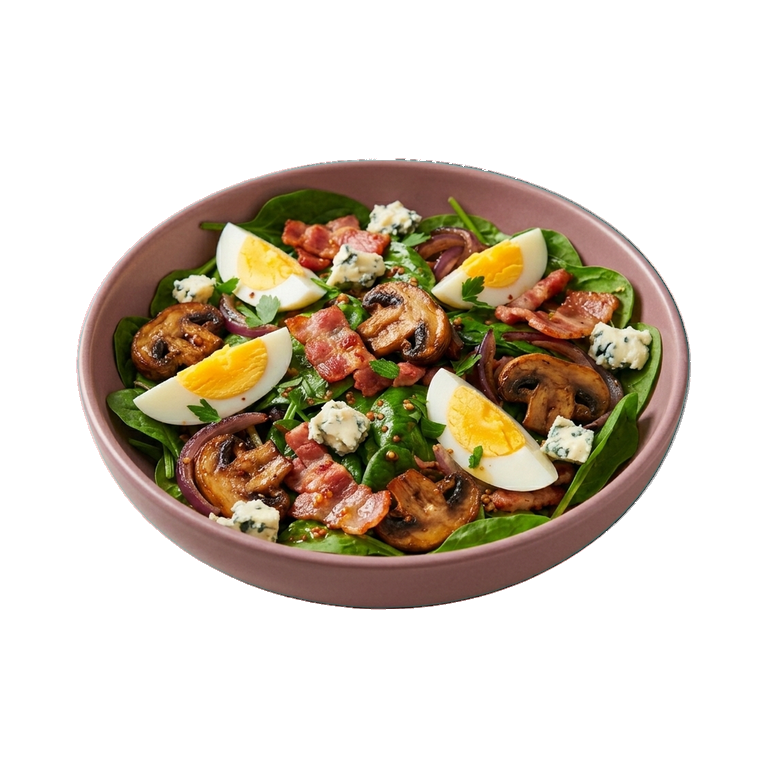
Blue cheese is not a background ingredient. It dominates any dish, so it should be added consciously. A small piece crumbles into a salad with pear or apple, where the acidity of the fruit balances the sharpness of the cheese. It works well with honey, nuts and dried fruits — sweetness helps soften its character.
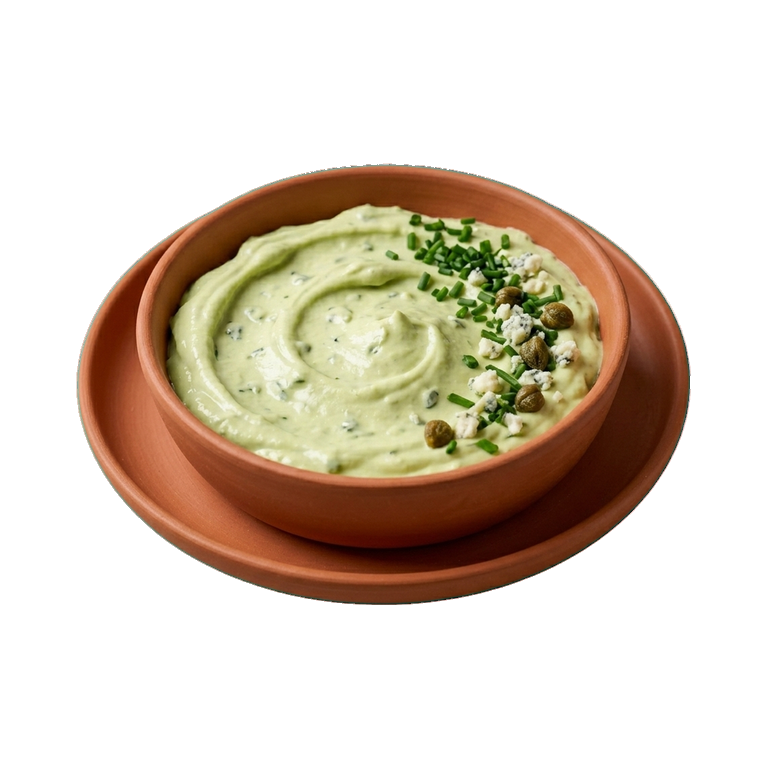
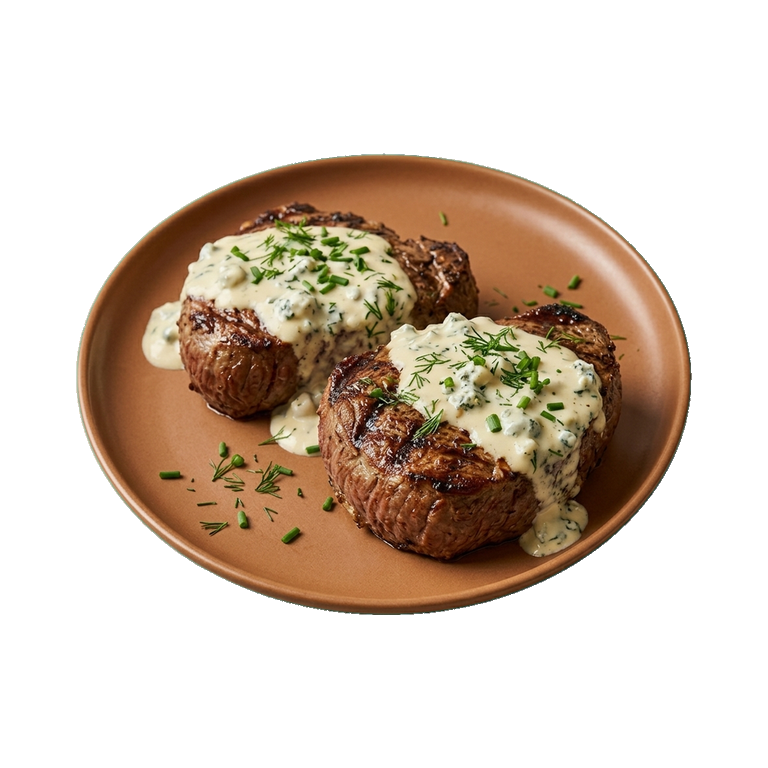
In the kitchen, blue cheese is often used for sauces: melted in cream or butter, it becomes the base for dressing for steaks or vegetables. In soups, it is added at the end of cooking so it doesn't fall apart completely. Even a few crumbs of blue cheese in pasta are capable of transforming the entire dish, giving it depth and saltiness.
What goes well with
- Pear, apple, fig — the sweetness of fruits balances the sharpness
- Walnuts, almonds, pecans — add texture and richness
- Honey — a classic pairing where sweetness softens the piquancy
- Beef and duck — meat dense enough to stand up to such cheese
- Red wine — the wine's tannins support the sharpness of the cheese
- Cream and butter — for sauces where cheese becomes the flavor base
- Greens (arugula, spinach) — the bitterness of greens echoes the sharpness of the cheese
Selection and Storage
When choosing, pay attention to the color of the veins: they should be uniform, ranging from gray-blue to greenish tones. The cheese should not be too dry or, conversely, soggy. If you see traces of mold only on the edges while the center is white — this is a sign of young cheese, it will be softer and less sharp.
Store blue cheese in the refrigerator, wrapped in parchment or plastic wrap, but not hermetically sealed — the mold needs some air circulation. If the cheese starts to dry out, you can lightly spray it with water before wrapping. The shelf life is usually two to three weeks, but it's best to eat it sooner while the flavor is at its peak.
Before serving, remove the blue cheese from the refrigerator 15–20 minutes in advance: at room temperature, its flavor opens up more fully, and the texture becomes creamier.
Nutrition
per 100 g
- Calories
- 353 kcal
- Protein
- 20.7 g
- Fat
- 28.7 g
- Carbs
- 2.3 g
Micronutrients
per 100 g
Macronutrients
- Fiber
- 0 g
- Sugars
- 0.5 g
- Saturated fat
- 18.669 g
- Monounsaturated fat
- 7.778 g
- Polyunsaturated fat
- 0.8 g
- Omega-3 (EPA + DHA)
- 0 g
- Cholesterol
- 75 mg
- Water
- 42.41 g
Minerals
- Sodium
- 1146 mg
- Potassium
- 256 mg
- Calcium
- 528 mg
- Magnesium
- 23 mg
- Phosphorus
- 387 mg
- Iron
- 0.31 mg
- Zinc
- 2.66 mg
- Copper
- 0.04 mg
- Manganese
- 0.01 mg
- Selenium
- 14.5 mcg
Vitamins
- Vitamin A (RAE)
- 198 mcg
- Vitamin D
- 0.5 mcg
- Vitamin E
- 0.25 mg
- Vitamin K
- 2.4 mcg
- Vitamin C
- 0 mg
- Vitamin B1 (thiamin)
- 0.03 mg
- Vitamin B2 (riboflavin)
- 0.38 mg
- Vitamin B3 (niacin)
- 1.02 mg
- Vitamin B5 (pantothenic acid)
- 1.73 mg
- Vitamin B6
- 0.17 mg
- Vitamin B9 (folate, DFE)
- 36 mcg
- Vitamin B12
- 1.2 mcg
Measures and weight
- 1 slice
- 25 g
Measure calculator
- Weight
- 100 g
- Calories
- 353 kcal