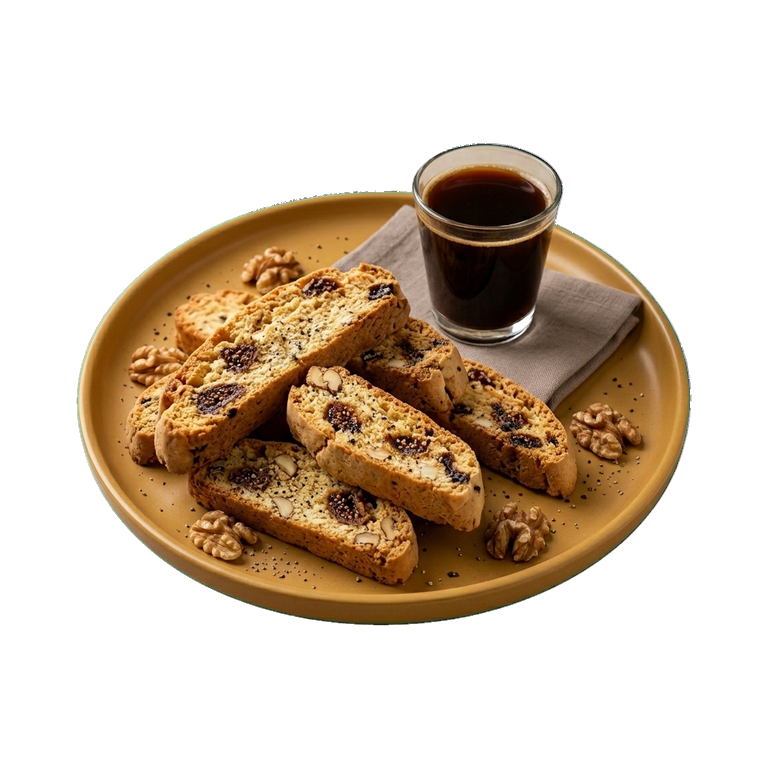
Usuba
Usuba
Fig
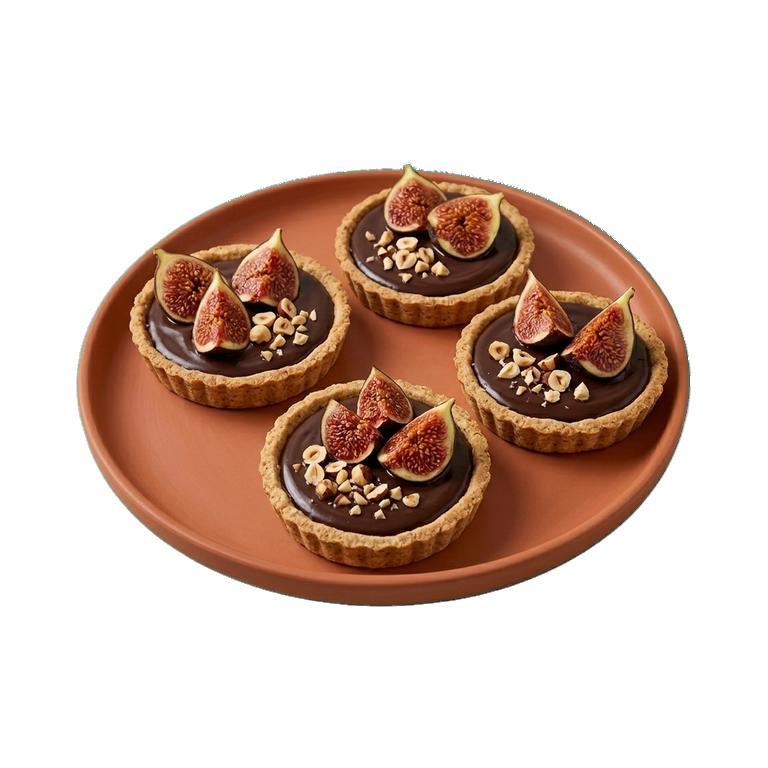
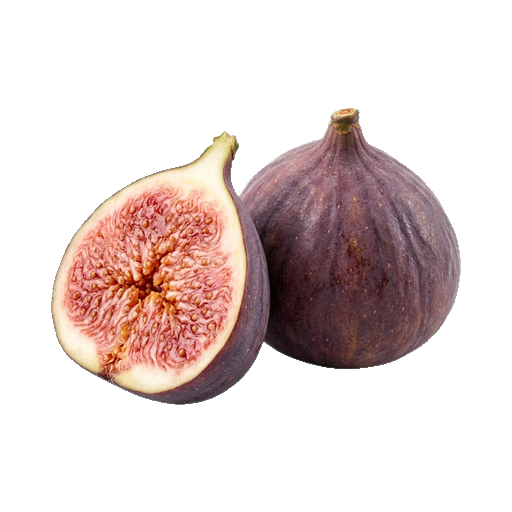
Fig — a sweet fruit with tender flesh and numerous tiny seeds, featuring a honey aroma and delicate flavor with a subtle tartness. Used both fresh for desserts and appetizers, and dried for compotes, baked goods, and sauces. When selecting fresh figs, it is important to pay attention to the softness of the fruit and the absence of damage, and when substituting in recipes, keep in mind that dried figs are more concentrated in sweetness and require soaking before use.
Micronutrients
per 100 g
Minerals
About
Taste and Aroma
Fig is a sweet, soft fruit with tender flesh and many tiny seeds inside. It has a honey-like flavor with a subtle berry note and a barely perceptible tartness. Fresh fig has a delicate and refined aroma, while dried fig develops a more intense, almost caramel-like fragrance. The skin can be green, yellow, purple, or almost black depending on the variety — the color does not affect quality, only the intensity of sweetness.
Role in the Kitchen
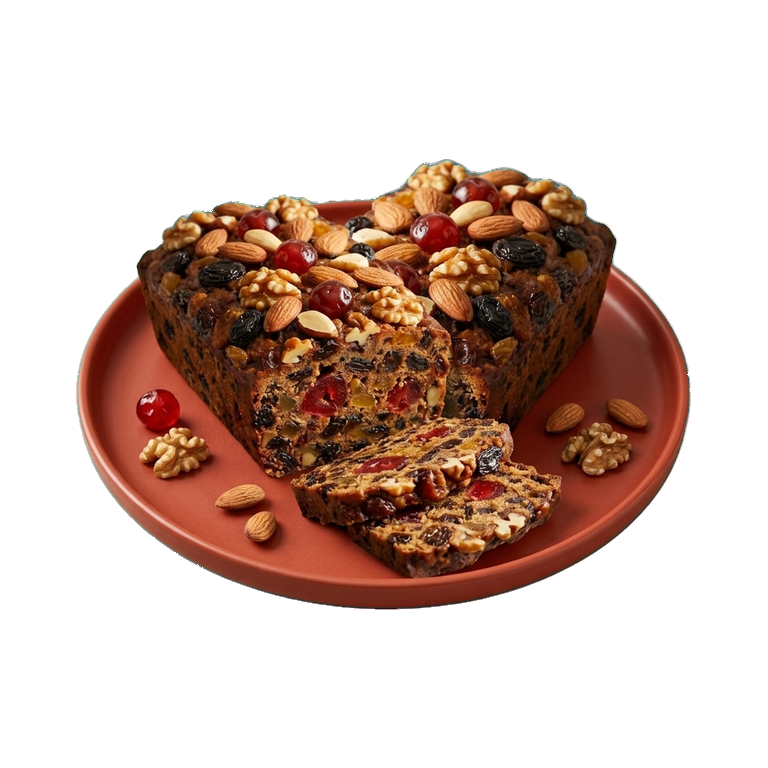
Fresh figs are delicious on their own — with a slice of cheese, in fruit salads, or as a finishing touch to sweet breakfasts. Their delicate texture requires no processing, except perhaps cutting in half and enjoying with a spoon. Dried figs are more versatile: they hold their shape during cooking, become even sweeter, and are perfect for compotes, jams, pies, and sweet sauces.
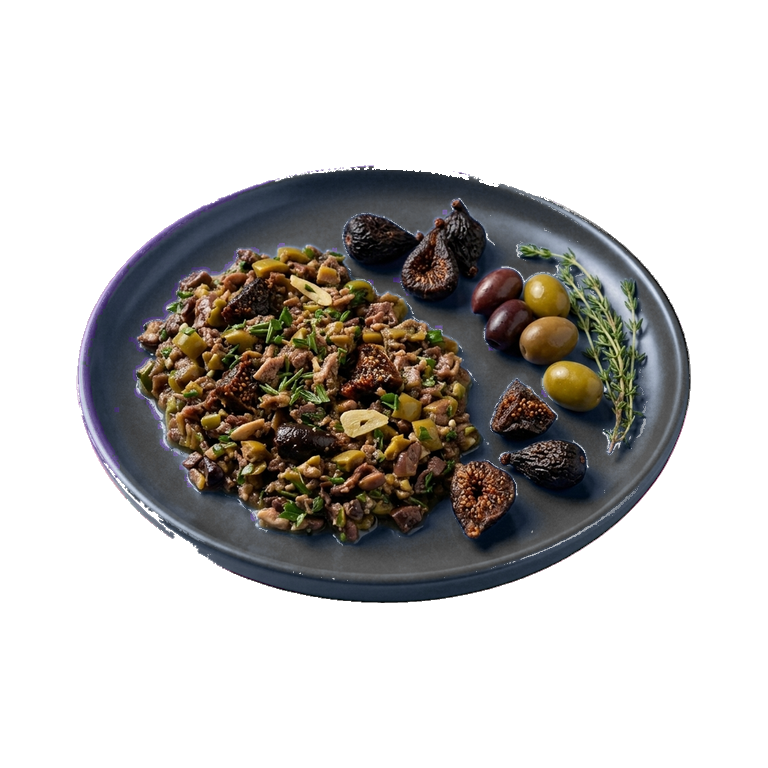
Don't forget about savory combinations. Figs work beautifully in salads with arugula and gorgonzola, and they're added to meat marinades and spicy sauces. Their honey sweetness balances saltiness and heat, creating an interesting contrast on the plate.
Pairings
- Cheeses: goat, ricotta, mascarpone, gorgonzola, parmesan
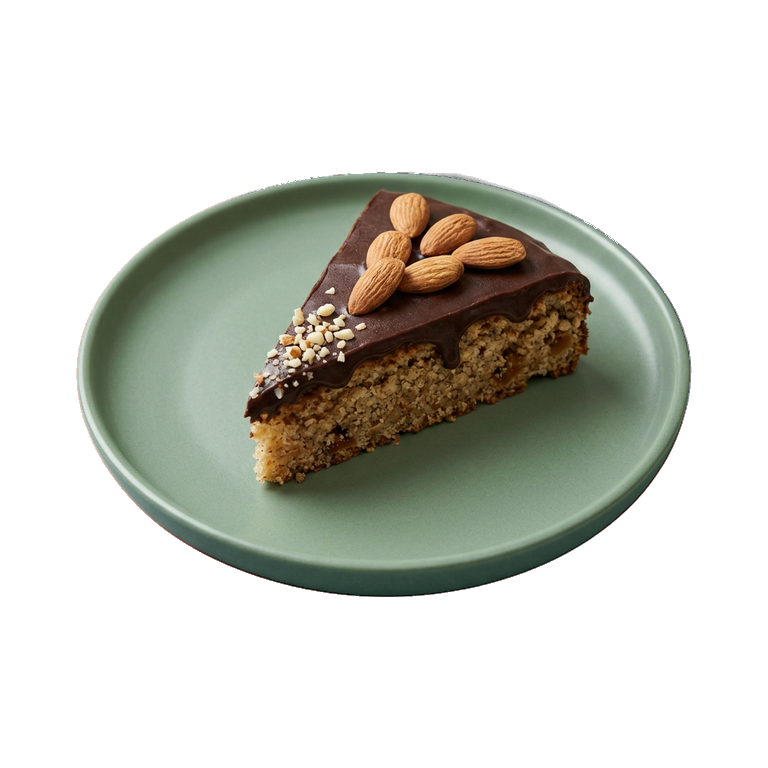
- Nuts: walnuts, almonds, pistachios, pecans
- Spices: cinnamon, cloves, star anise, ginger, black pepper
- Other ingredients: honey, prosciutto, thyme, red wine
Selection and Storage
Fresh figs should be selected carefully: the fruit should be soft but not bruised, with unblemished skin free from cracks. If it yields slightly to finger pressure — that's a good sign. The smell should be pleasant and sweet, with no signs of fermentation or mold. Ripe figs are stored in the refrigerator for no more than 3–4 days, so buy only as much as you'll eat over a few days.
Dried figs are more stable. Choose whole fruits without damage and mold, without lumps. They should appear soft and slightly sticky from natural sugar. Dried figs are stored in an airtight container in a cool place for months. Before use, they are often soaked in warm water or tea to restore softness and reveal the aroma.
Nutrition
per 100 g
- Calories
- 74 kcal
- Protein
- 0.7 g
- Fat
- 0.3 g
- Carbs
- 19.2 g
Micronutrients
per 100 g
Macronutrients
- Fiber
- 2.9 g
- Sugars
- 16.26 g
- Saturated fat
- 0.06 g
- Monounsaturated fat
- 0.066 g
- Polyunsaturated fat
- 0.144 g
- Omega-3 (EPA + DHA)
- 0 g
- Cholesterol
- 0 mg
- Water
- 79.11 g
Minerals
- Sodium
- 1 mg
- Potassium
- 232 mg
- Calcium
- 35 mg
- Magnesium
- 17 mg
- Phosphorus
- 14 mg
- Iron
- 0.37 mg
- Zinc
- 0.15 mg
- Copper
- 0.07 mg
- Manganese
- 0.13 mg
- Selenium
- 0.2 mcg
Vitamins
- Vitamin A (RAE)
- 7 mcg
- Vitamin D
- 0 mcg
- Vitamin E
- 0.11 mg
- Vitamin K
- 4.7 mcg
- Vitamin C
- 2 mg
- Vitamin B1 (thiamin)
- 0.06 mg
- Vitamin B2 (riboflavin)
- 0.05 mg
- Vitamin B3 (niacin)
- 0.4 mg
- Vitamin B5 (pantothenic acid)
- 0.3 mg
- Vitamin B6
- 0.11 mg
- Vitamin B9 (folate, DFE)
- 6 mcg
- Vitamin B12
- 0 mcg
Measures and weight
- 1 pcs
- 40 g
Measure calculator
- Weight
- 100 g
- Calories
- 74 kcal