Usuba
Usuba
Cardamom
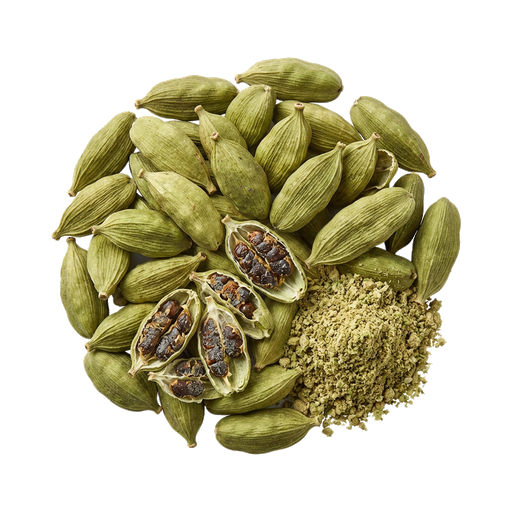
Cardamom is a spicy seasoning with a sharp, slightly sweet flavor and a pronounced aroma reminiscent of eucalyptus and lemon. It is used in both sweet and savory dishes: added to baked goods, coffee, tea, curries, and meat stews. For maximum aroma, it is best to buy whole pods and grind the seeds immediately before use, as ground cardamom quickly loses its volatile oils.
Micronutrients
per 100 g
Minerals
About
Cardamom is a spice that works in the kitchen like magic: add a pinch, and the dish gains depth and complexity. It's not a sharp spice that burns your tongue, but rather an aromatic one that unfolds gradually. If you haven't cooked with cardamom yet, now is the time to start.
Aroma and Taste
Cardamom smells both fresh and warm at the same time: it has hints of eucalyptus and mint, but also camphor and black pepper. The taste is complex — slightly sweet with a light bitterness and spicy sharpness, but not burning. When you take a pod and crush it with your fingers, the aroma becomes richer and almost more intense.
Ground cardamom loses its aroma faster than whole pods. If you cook often, it makes sense to buy whole pods and grind them as needed — the aroma will be much more vibrant and intense.
Where cardamom reveals itself best
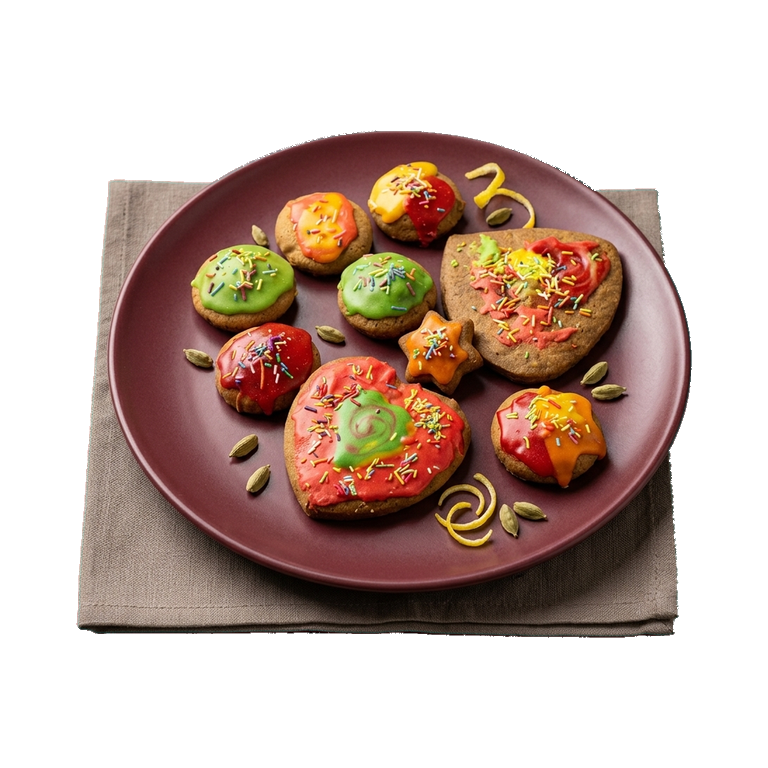
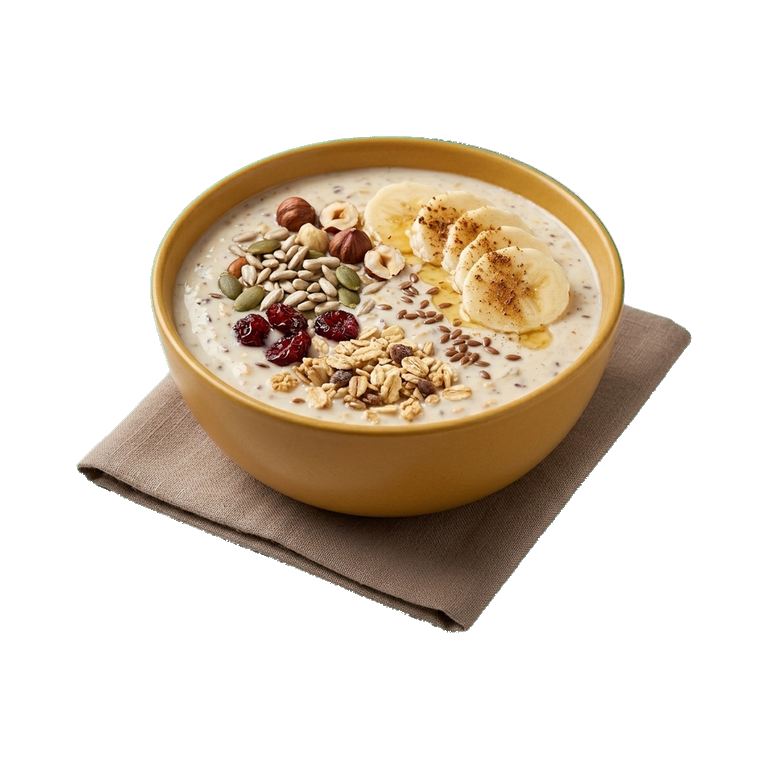
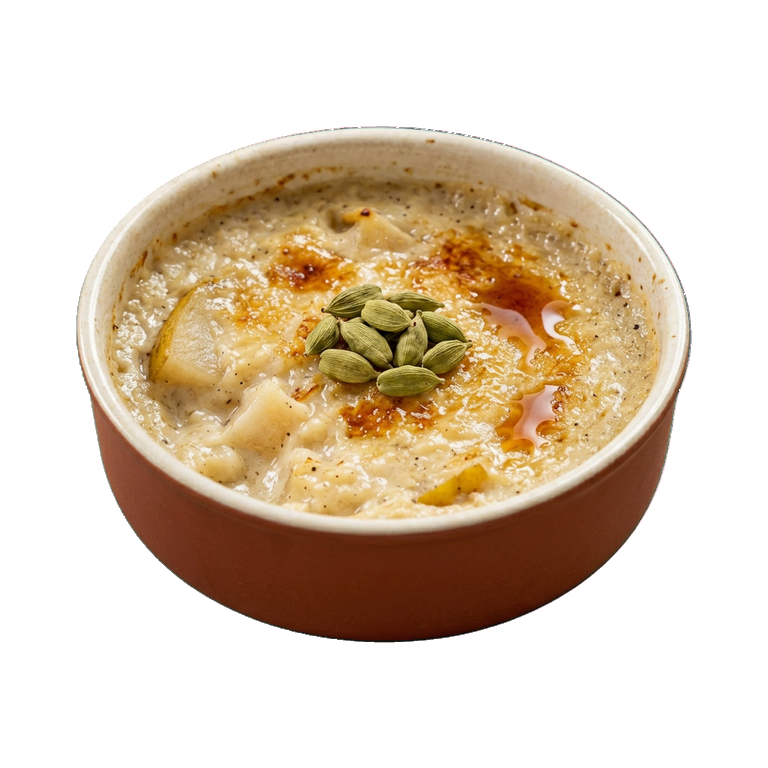
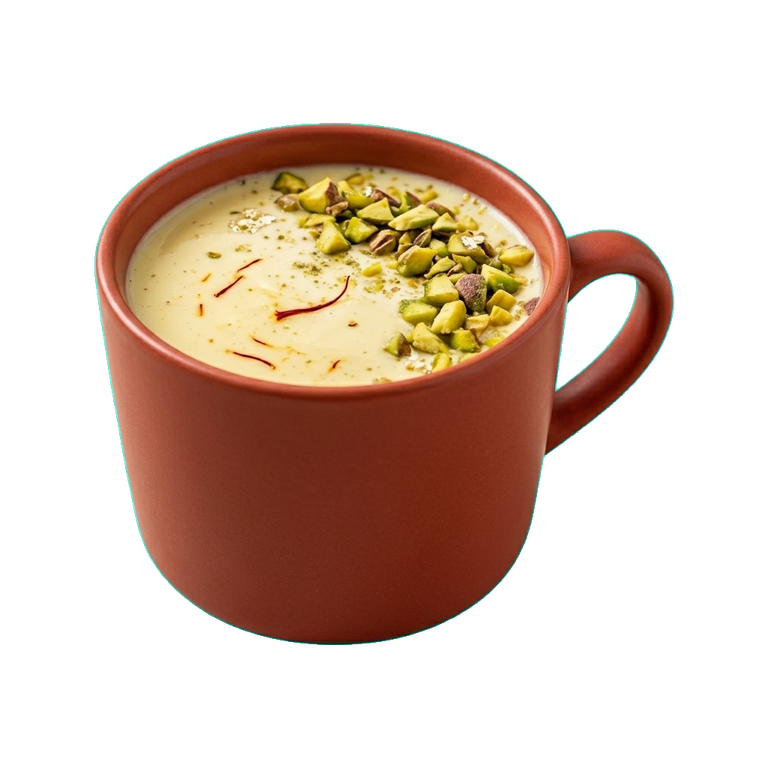
Cardamom loves sweetness and dairy. It decorates baked goods, especially buns and cookies, and adds intrigue to porridges and puddings. In hot milk or tea, cardamom reveals itself fully — try adding a pinch of ground cardamom to your morning coffee or black tea.
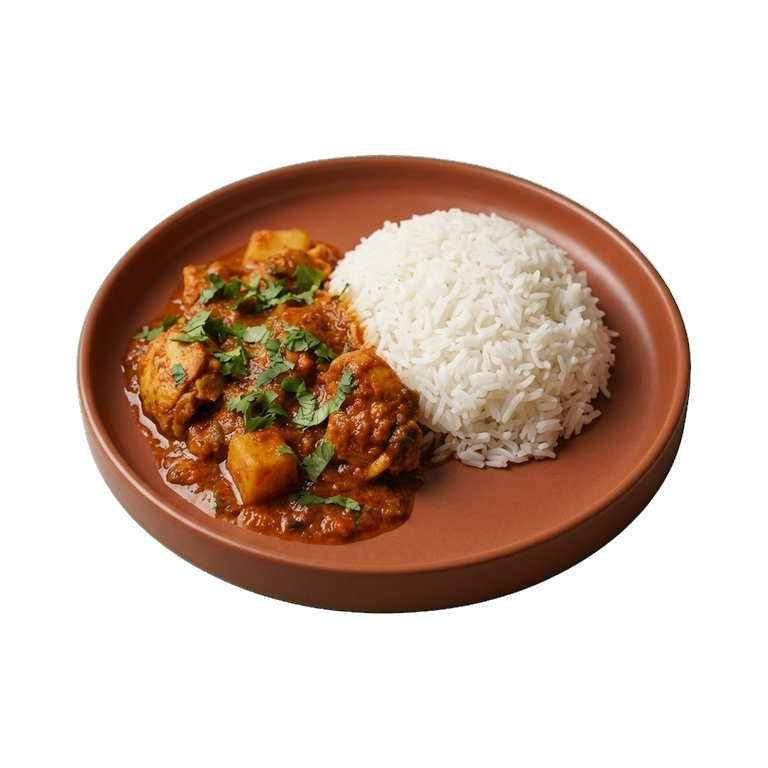
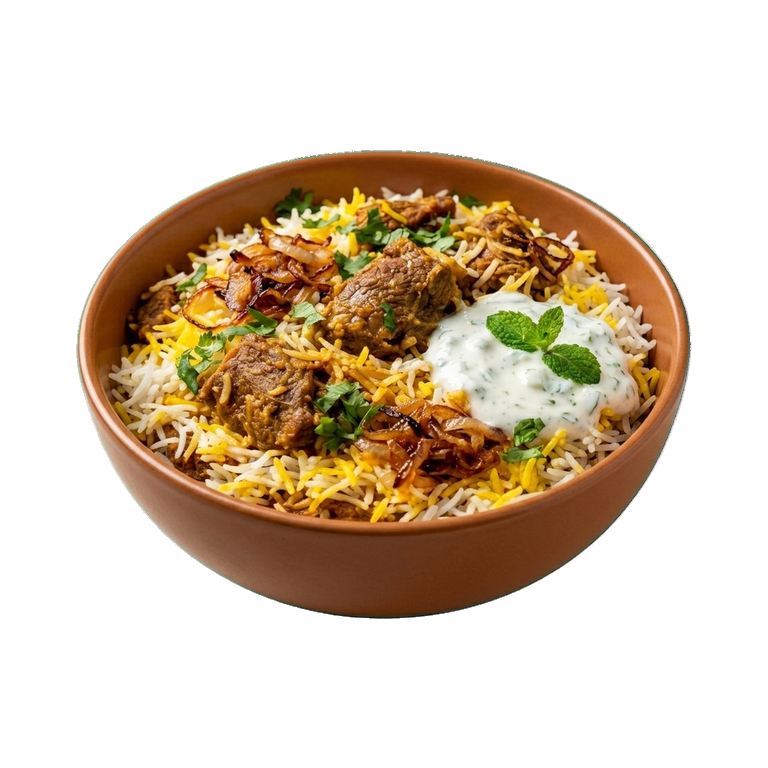
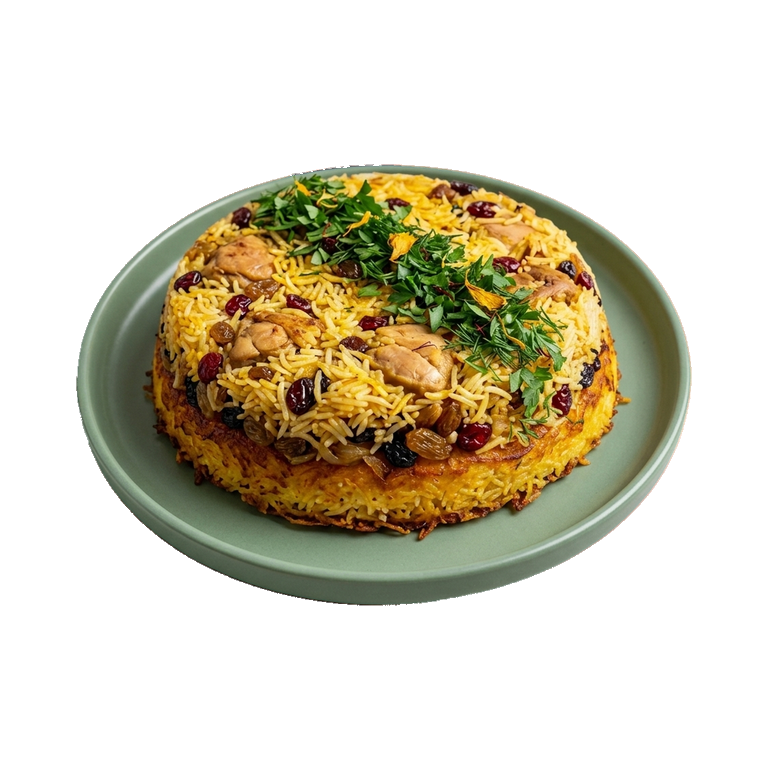
But cardamom is versatile. It works well in spicy dishes, especially in Indian and Middle Eastern cuisine: in curries, pilafs, and meat marinades. A pinch added to a compote or jam will give them a touch of elegance. Cardamom can even go into soups — the main thing is not to overdo it.
Successful Combinations
- Cardamom plus cinnamon and cloves — a classic trio for baking and hot beverages
- Cardamom plus ginger — a spicy pair for marinades and hot sauces
- Cardamom plus coconut and milk — a delicate combination for desserts and beverages
- Cardamom plus black pepper — for meat dishes and rice side dishes
Dosage and Precautions
Cardamom is a strong spice, and it's easy to overdo it. For most dishes, 3–5 whole pods per serving or a pinch of ground cardamom is enough. Start with less, then add to taste. Remember that when boiling and stewing, the aroma becomes more intense, so if you're cooking a dish for a long time, add cardamom at the end.
How to choose and store
Choose whole pods — they should be dry, free from mold and spots. Good cardamom has a rich aroma even through the packaging. If the pods look shriveled or don't smell, it's a sign that the spice is old.
- Whole pods are stored in an airtight jar in a cool, dark place for up to a year
- Ground cardamom loses quality within 2–3 months, so buy it in small quantities
- If cardamom has lost its aroma, it's time to replace it — without fragrance the spice is useless
Cardamom — an investment in your dishes. A small jar of whole pods will open new flavor horizons in your familiar recipes and become a reliable helper in culinary experiments.
Nutrition
per 100 g
- Calories
- 311 kcal
- Protein
- 10.8 g
- Fat
- 6.7 g
- Carbs
- 68.5 g
Micronutrients
per 100 g
Macronutrients
- Fiber
- 28 g
- Saturated fat
- 0.68 g
- Monounsaturated fat
- 0.87 g
- Polyunsaturated fat
- 0.43 g
- Cholesterol
- 0 mg
- Water
- 8.28 g
Minerals
- Sodium
- 18 mg
- Potassium
- 1119 mg
- Calcium
- 383 mg
- Magnesium
- 229 mg
- Phosphorus
- 178 mg
- Iron
- 13.97 mg
- Zinc
- 7.47 mg
- Copper
- 0.38 mg
- Manganese
- 28 mg
Vitamins
- Vitamin A (RAE)
- 0 mcg
- Vitamin D
- 0 mcg
- Vitamin C
- 21 mg
- Vitamin B1 (thiamin)
- 0.2 mg
- Vitamin B2 (riboflavin)
- 0.18 mg
- Vitamin B3 (niacin)
- 1.1 mg
- Vitamin B6
- 0.23 mg
- Vitamin B12
- 0 mcg
Measures and weight
- 1 tbsp
- 9 g
- 1 tsp
- 3 g
- 1 cup
- 150 g
- 1 pcs
- 0.5 g
Measure calculator
- Weight
- 100 g
- Calories
- 311 kcal