Usuba
Usuba
Cornstarch
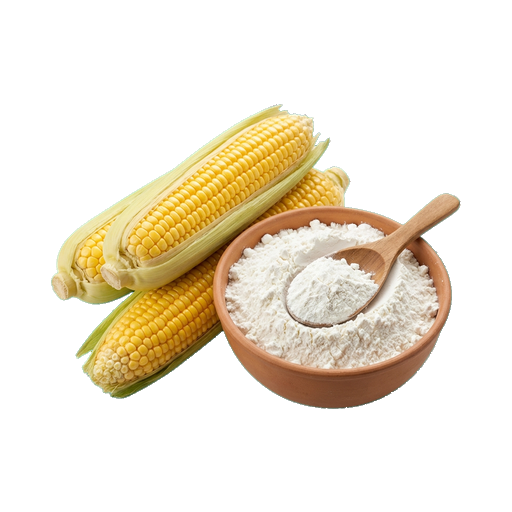
Cornstarch is a white, odorless and tasteless powder derived from corn kernels. It serves as an excellent thickener for sauces, gravies, and creams, giving them a smooth consistency and transparency, and is also used in baking to improve dough texture. When working with cornstarch, it is important to dissolve it in cold liquid before adding it to hot dishes to avoid lumps, and remember that it loses its thickening properties during prolonged boiling.
Micronutrients
per 100 g
About
Cornstarch is one of the most versatile thickeners in the kitchen. It is a white, odorless powder obtained from corn kernels. Unlike flour, cornstarch works quickly and does not require prolonged cooking, which is why it is valued by chefs who are in a hurry but don't want to compromise on results.
How it works in dishes
The main superpower of cornstarch is turning liquids into thick substances. When you add it to a hot sauce, it absorbs moisture and creates a smooth, velvety consistency. Starch works at temperatures above 65 degrees, so it needs to be added to already boiling liquid or pre-diluted in cold water.
- Sauces and gravies — starch makes them smooth and shiny, without lumps
- Jellies and puddings — creates a delicate texture without firmness
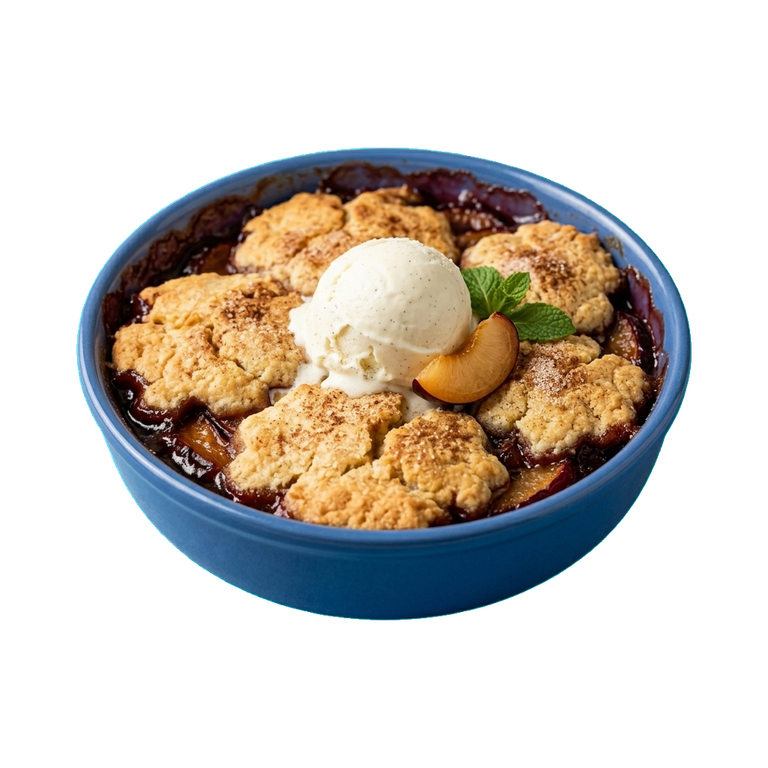
- Fruits in pies — absorbs excess juice, filling doesn't run
- Asian cuisine — indispensable in meat marinades and in batter
Adding Technique
The main mistake is pouring starch directly into hot liquid. It will clump together in lumps that won't dissolve later. The correct way: dissolve the starch in cold water or another cold liquid in a one to two ratio, mix well, and only then pour it in a thin stream into the boiling sauce, stirring constantly.
Add starch gradually: it's better to add more than to fix an over-sweetened sauce later
Selection and Storage
When purchasing, pay attention to the packaging — starch should be white, without a yellow tint or lumps. Check the date: although starch has a long shelf life, its thickening properties weaken over time. Store it at home in an airtight container in a cool, dry place, away from moisture and odors.
- Storage period — up to two years in sealed packaging
- Starch's enemy — humidity; even slight moisture makes it lumpy
- If starch has caked, sift it through a fine sieve before use
Cornstarch is not just an ingredient, it's insurance for sauces and fillings. One packet in the pantry solves half of the consistency problems. The main thing is to remember the cold water rule and not overdo the amount.
Nutrition
per 100 g
- Calories
- 381 kcal
- Protein
- 0.3 g
- Fat
- 0.1 g
- Carbs
- 91.3 g
Micronutrients
per 100 g
Macronutrients
- Fiber
- 0.9 g
- Sugars
- 0 g
- Saturated fat
- 0.009 g
- Monounsaturated fat
- 0.016 g
- Polyunsaturated fat
- 0.025 g
- Omega-3 (EPA + DHA)
- 0 g
- Cholesterol
- 0 mg
- Water
- 8.32 g
Minerals
- Sodium
- 9 mg
- Potassium
- 3 mg
- Calcium
- 2 mg
- Magnesium
- 3 mg
- Phosphorus
- 13 mg
- Iron
- 0.47 mg
- Zinc
- 0.06 mg
- Copper
- 0.05 mg
- Manganese
- 0.05 mg
- Selenium
- 2.8 mcg
Vitamins
- Vitamin A (RAE)
- 0 mcg
- Vitamin D
- 0 mcg
- Vitamin E
- 0 mg
- Vitamin K
- 0 mcg
- Vitamin C
- 0 mg
- Vitamin B1 (thiamin)
- 0 mg
- Vitamin B2 (riboflavin)
- 0 mg
- Vitamin B3 (niacin)
- 0 mg
- Vitamin B5 (pantothenic acid)
- 0 mg
- Vitamin B6
- 0 mg
- Vitamin B9 (folate, DFE)
- 0 mcg
- Vitamin B12
- 0 mcg
Measures and weight
- 1 tbsp
- 9 g
- 1 tsp
- 3 g
- 1 cup
- 150 g
Measure calculator
- Weight
- 100 g
- Calories
- 381 kcal