Usuba
Usuba
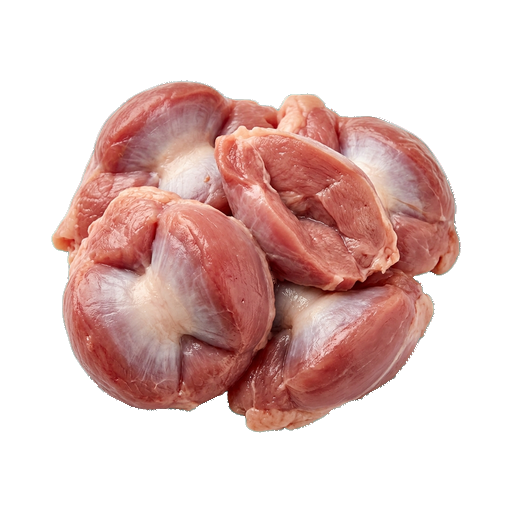
Chicken gizzards
Chicken gizzards are a poultry muscle organ with a dense, firm texture and neutral meat flavor. They require careful cleaning to remove the inner yellow layer and fairly long cooking or braising for tenderization, typically 40–60 minutes. Gizzards absorb spice and sauce flavors well, so they are often prepared with onion, garlic, tomato or in spicy marinades, and are also added to soup sets and stews.
Micronutrients
per 100 g
Minerals
Vitamins
About
What You Need to Know About Chicken Gizzards
Chicken gizzards are an underrated offal in the kitchen. Yet this is meat with a special texture: dense, slightly elastic, with a subtle, almost neutral flavor. When prepared correctly, gizzards become tender and absorb the aromas of spices and sauces better than fillet. It's an economical choice that allows you to experiment with different cuisines — from Asian to Mediterranean.
Texture and Preparation
The key to working with chicken stomachs is proper cleaning. You need to thoroughly rinse them under cold water, remove the yellow film that covers the inner part, and trim the excess fat. It takes time, but the result is worth it. After cleaning, the stomachs become light in color and ready for cooking.
Gizzards need to be cooked for a long time — at least 40–50 minutes over medium heat or in a slow cooker, otherwise they will remain tough. Some chefs prefer pre-boiling for 20–30 minutes, followed by frying. This helps make them more tender and reduces the overall cooking time of the main dish.
Where to use in the kitchen
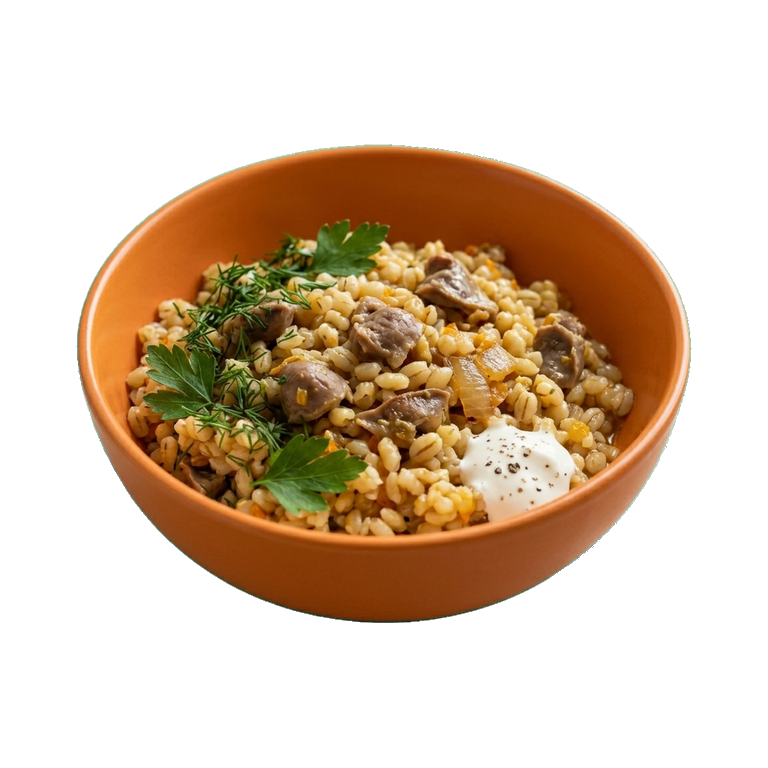
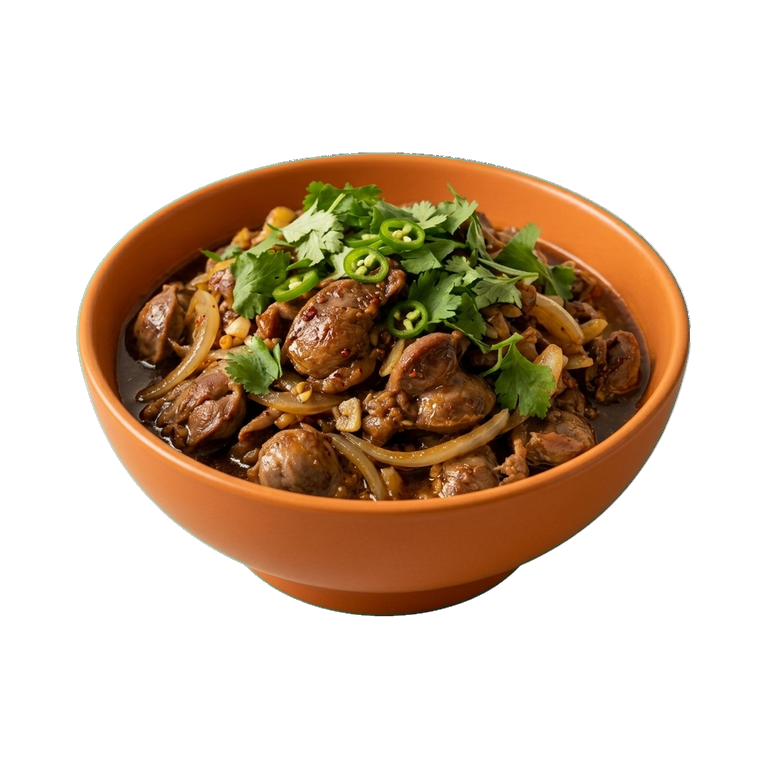
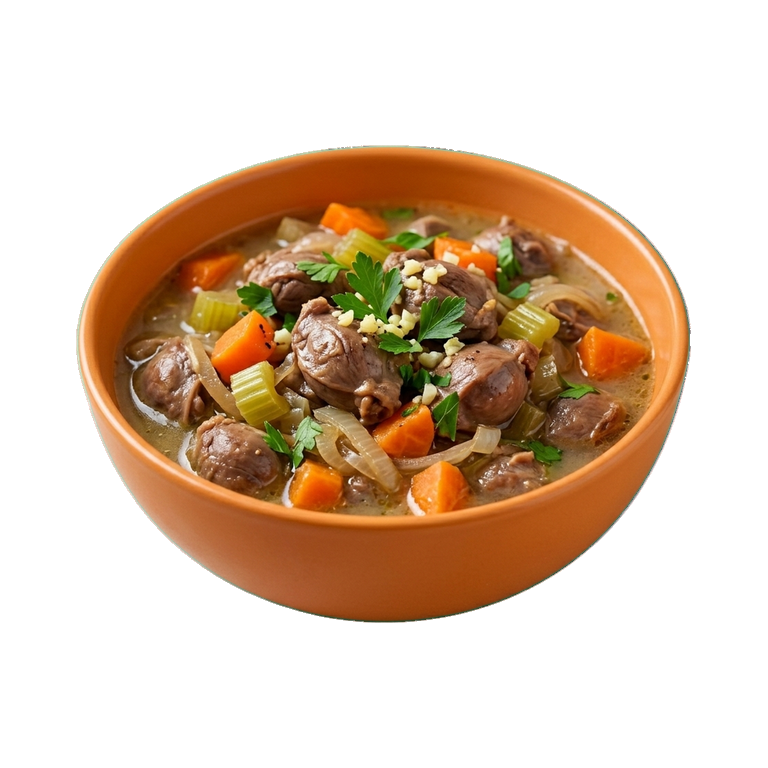
Chicken gizzards are excellent in stews, braised dishes with vegetables, and soups. They are often added to paella, cooked with mushrooms and sour cream, or marinated before frying. Asian cuisine uses gizzards in stir-fries with vegetables and sauce, often adding ginger and soy sauce. The main thing is to remember that they require long cooking time, so they are added to the dish before other ingredients.
- Stew with potatoes and carrots
- Roast with mushrooms and onions
- Soup with noodles or rice
- Marinated gizzards as an appetizer
- Paella with vegetables and spices
Selection and Storage
When buying, pay attention to the color — giblets should be light pink or light brown, without dark spots or slime. The smell should be fresh, meaty, without any off-odors. If the giblets are frozen, make sure the packaging is intact and there are no signs of refreezing.
Fresh stomachs are stored in the refrigerator for no more than two days. Frozen ones can be kept for several months. Before use, it is better to thaw the frozen product in the refrigerator rather than at room temperature — this will preserve the quality of the meat. After thawing, stomachs should be used within one day.
Nutrition
per 100 g
- Calories
- 130 kcal
- Protein
- 17.9 g
- Fat
- 6.3 g
- Carbs
- 0.6 g
Micronutrients
per 100 g
Macronutrients
- Fiber
- 0 g
- Sugars
- 0 g
- Saturated fat
- 0.529 g
- Monounsaturated fat
- 0.512 g
- Polyunsaturated fat
- 0.357 g
- Omega-3 (EPA + DHA)
- 0 g
- Cholesterol
- 240 mg
- Water
- 79.33 g
Minerals
- Sodium
- 69 mg
- Potassium
- 237 mg
- Calcium
- 11 mg
- Magnesium
- 15 mg
- Phosphorus
- 148 mg
- Iron
- 2.49 mg
- Zinc
- 2.72 mg
- Copper
- 0.12 mg
- Manganese
- 0.06 mg
- Selenium
- 25.5 mcg
Vitamins
- Vitamin A (RAE)
- 19 mcg
- Vitamin E
- 0.33 mg
- Vitamin K
- 0 mcg
- Vitamin C
- 3.7 mg
- Vitamin B1 (thiamin)
- 0.03 mg
- Vitamin B2 (riboflavin)
- 0.23 mg
- Vitamin B3 (niacin)
- 3.68 mg
- Vitamin B5 (pantothenic acid)
- 0.63 mg
- Vitamin B6
- 0.11 mg
- Vitamin B9 (folate, DFE)
- 5 mcg
- Vitamin B12
- 1.2 mcg
Measures and weight
- 1 pcs
- 30 g
Measure calculator
- Weight
- 100 g
- Calories
- 130 kcal