Usuba
Usuba
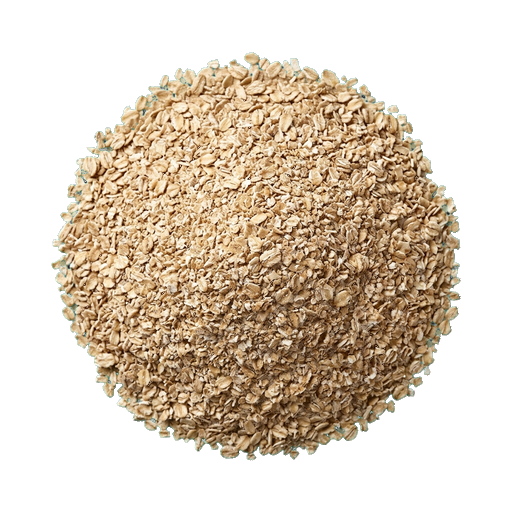
Oat bran
Oat bran is the outer shell of oat grains that remains after grain processing. It is rich in fiber and micronutrients. In cooking, it is added to baked goods, porridges, yogurts, and smoothies to increase nutritional value and create a denser texture. When using oat bran in dough, it is necessary to increase the amount of liquid, as bran absorbs moisture well, otherwise the baked goods will turn out dry.
Micronutrients
per 100 g
Minerals
About
Oat bran is the outer shell of an oat grain that remains after the grain is cleaned. Unlike common oat flakes, bran is much more concentrated in nutrients and provides a completely different texture in dishes. It is easily recognized by its brownish-gray color and slightly rough structure.
Aroma and Taste
Oat bran has a mild, slightly nutty flavor with barely perceptible sweetness. The aroma is natural, grainy, without sharp notes. The texture is crumbly, somewhat coarse — this sensation indicates that you have real bran, not ground grain. When added to liquid, it absorbs moisture and becomes softer, but retains its characteristic graininess.
Where to use
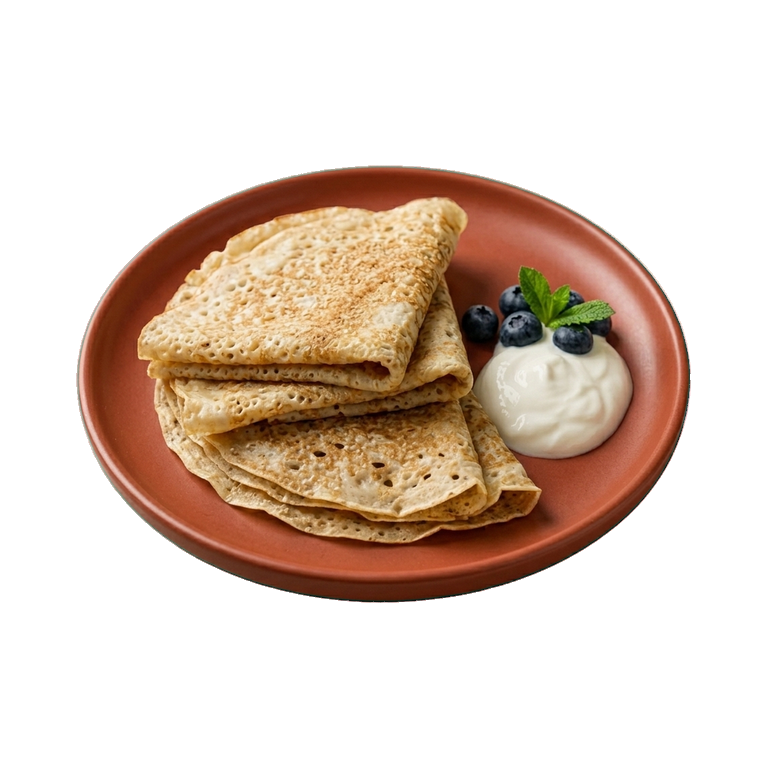
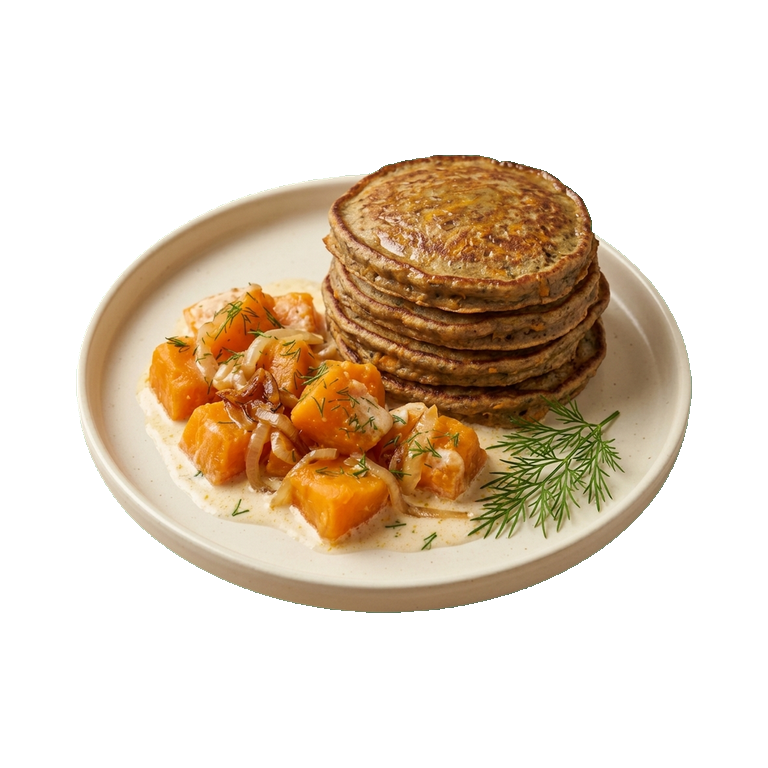
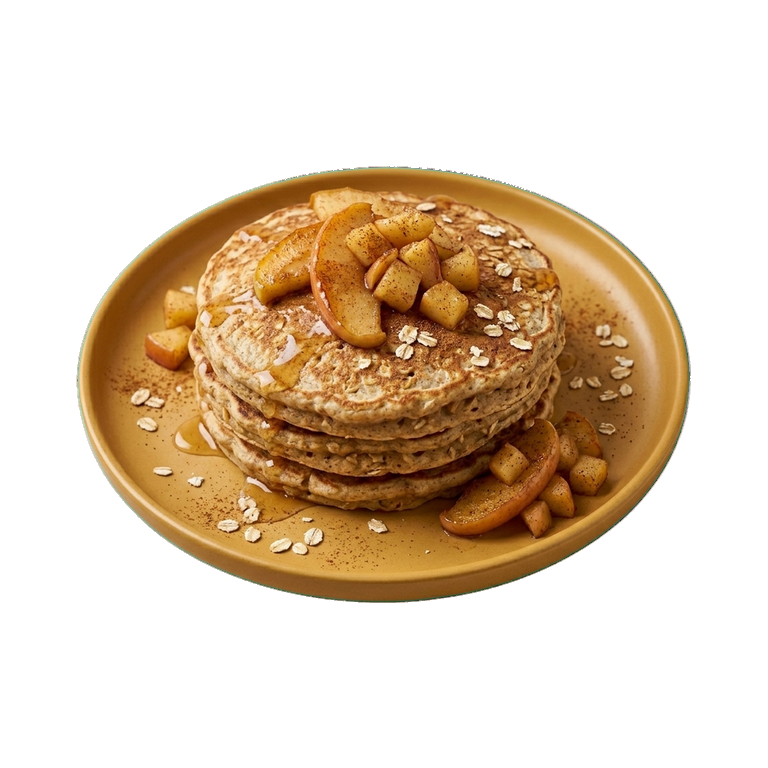
Oat bran works well in porridge, yogurt, smoothies, and baked goods. It adds density and satiety to dishes, so even a small amount noticeably changes the consistency. It is added to bread and buns for texture and nutritional benefits, and to pancakes and fritters for better dough binding and more interesting flavor. Bran pairs well with fruits, honey, berries, and nuts.
Successful Combinations
- With apple, cinnamon and honey in porridge
- With banana and peanut butter in smoothie
- With berries and yogurt in breakfast
- In bread dough together with seeds
- With milk and vanilla in milk drink
Selection and Storage
When purchasing, pay attention to the color — quality bran has a uniform brown shade without dark spots. The smell should be fresh, grainy, without any mold or mustiness. Store bran in an airtight container in a cool, dry place — it quickly absorbs moisture and can become rancid. With proper storage, it maintains quality for several months.
Practical Tips
- Start with a small amount — 1–2 tablespoons per serving to get used to the texture
- Soak the bran in liquid before adding to the dish if you want a soft consistency
- In baking, they absorb more moisture than regular flour — slightly increase the amount of liquid ingredient
- Bran works well as a thickener in soups and sauces
Nutrition
per 100 g
- Calories
- 404 kcal
- Protein
- 17.3 g
- Fat
- 6.9 g
- Carbs
- 66.3 g
Micronutrients
per 100 g
Macronutrients
- Fiber
- 15.4 g
- Sugars
- 1.45 g
- Saturated fat
- 1.328 g
- Monounsaturated fat
- 2.376 g
- Polyunsaturated fat
- 2.766 g
- Omega-3 (EPA + DHA)
- 0 g
- Cholesterol
- 0 mg
- Water
- 6.55 g
Minerals
- Sodium
- 4 mg
- Potassium
- 566 mg
- Calcium
- 58 mg
- Magnesium
- 235 mg
- Phosphorus
- 734 mg
- Iron
- 5.41 mg
- Zinc
- 3.11 mg
- Copper
- 0.4 mg
- Manganese
- 5.63 mg
- Selenium
- 45.2 mcg
Vitamins
- Vitamin A (RAE)
- 0 mcg
- Vitamin D
- 0 mcg
- Vitamin E
- 1.01 mg
- Vitamin K
- 3.2 mcg
- Vitamin C
- 0 mg
- Vitamin B1 (thiamin)
- 1.17 mg
- Vitamin B2 (riboflavin)
- 0.22 mg
- Vitamin B3 (niacin)
- 0.93 mg
- Vitamin B5 (pantothenic acid)
- 1.49 mg
- Vitamin B6
- 0.17 mg
- Vitamin B9 (folate, DFE)
- 52 mcg
- Vitamin B12
- 0 mcg
Measures and weight
- 1 tbsp
- 6.8 g
- 1 tsp
- 2.3 g
- 1 cup
- 112.5 g
Measure calculator
- Weight
- 100 g
- Calories
- 404 kcal