Usuba
Usuba
Plums
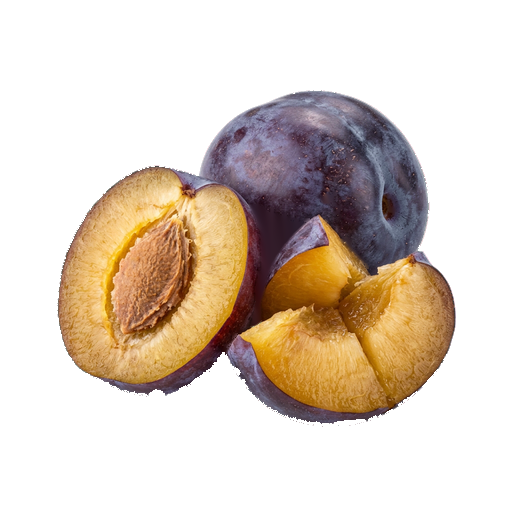
Plums are sweet or slightly tart stone fruits with thin skin and juicy flesh that can be used both fresh and for processing. They work well in compotes, jams, sauces, and desserts thanks to their natural sweetness and moderate acidity. When selecting, look for fruits without damage that give slightly to pressure. When cooking, keep in mind that sweet varieties are better suited for fresh dishes, while more tart plums are ideal for preserving and sauces.
Micronutrients
per 100 g
Minerals
About
Taste and Aroma
Plums are fruits with character. The spectrum of flavors is enormous: from sour and tart early varieties to honey-sweet late ones. The flesh can be firm or tender, almost melting in your mouth. The aroma varies from fresh and floral to deep and almost wine-like, especially in dark and black varieties. Yellow and red plums are usually brighter and more sour, black ones are sweeter and more rounded in taste.
The main thing when choosing is the degree of ripeness. A ripe plum yields slightly to pressure, but is not soft. Underripe fruits are hard and sour, overripe ones spoil quickly. Smell the fruit: a good aroma is a sign of sweetness and juiciness.
Role in dishes
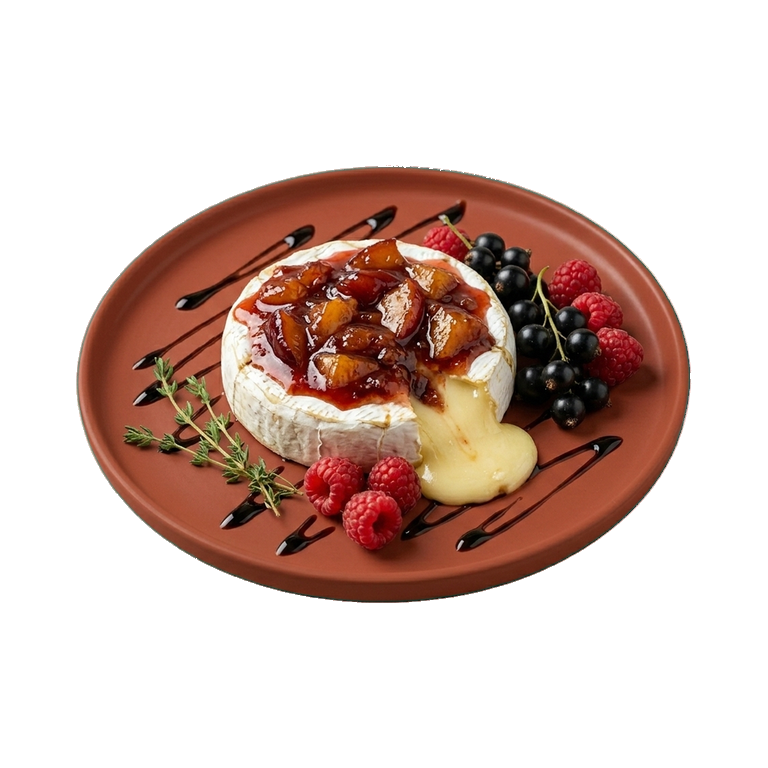
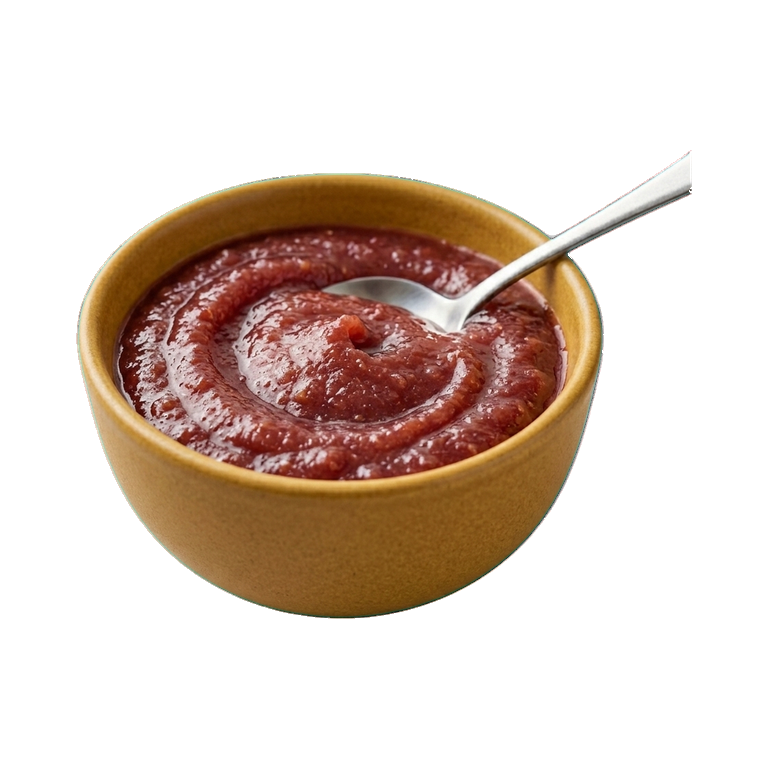
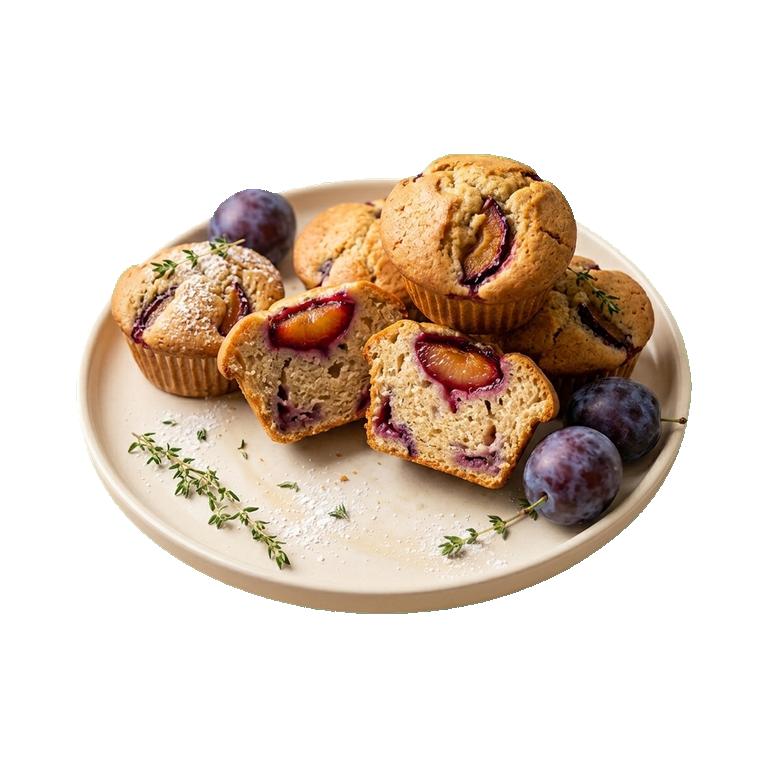
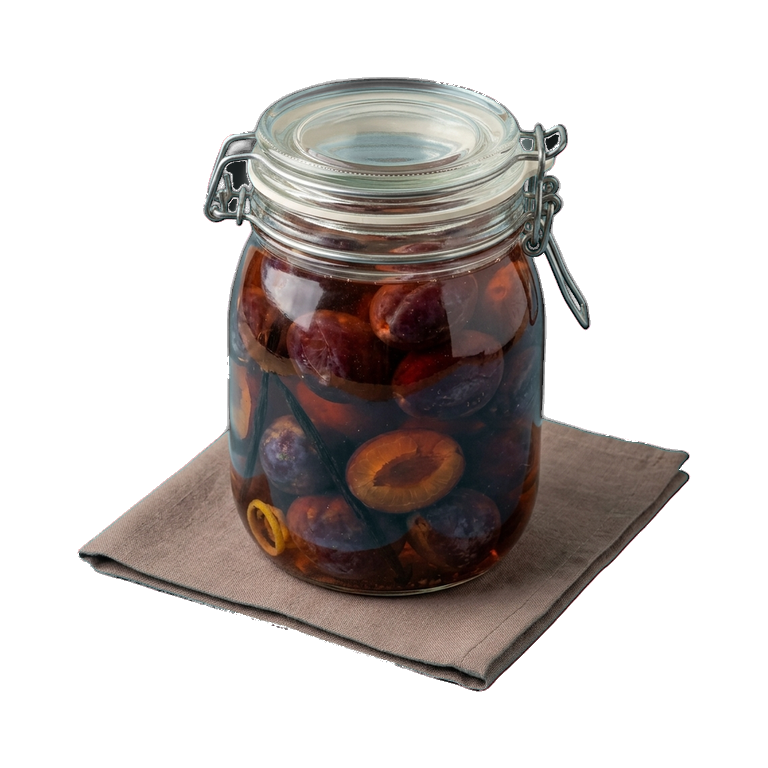
Plums are versatile. Fresh, they make an ideal snack or ingredient for fruit salads. In hot dishes, they reveal new dimensions: they pair well with duck, pork, and beef, where their acidity and sweetness balance out the richness. Compotes, jams, and preserves turn out rich thanks to the natural pectin in the fruit.
- Sweet black plums — the best choice for desserts and jam
- Sour yellow and red — for meat sauces and marinades
- Dense varieties hold their shape during heat treatment, soft ones — go into puree
Pairings and Storage
Plums pair easily with cinnamon, cloves, ginger, and black pepper. They work well with cottage cheese, yogurt, and almonds. In meat dishes, they combine with rosemary and garlic. On the table, they look good alongside white cheeses and dark chocolate.
Store ripe plums in the refrigerator for best results — they will keep for a week. Unripe plums can be left at room temperature for a day or two, but no longer. If you need them in a week, buy slightly unripe ones. Frozen pitted plums work great in compotes and baked goods throughout the winter.
Nutrition
per 100 g
- Calories
- 46 kcal
- Protein
- 0.7 g
- Fat
- 0.3 g
- Carbs
- 11.4 g
Micronutrients
per 100 g
Macronutrients
- Fiber
- 1.4 g
- Sugars
- 9.92 g
- Saturated fat
- 0.017 g
- Monounsaturated fat
- 0.134 g
- Polyunsaturated fat
- 0.044 g
- Omega-3 (EPA + DHA)
- 0 g
- Cholesterol
- 0 mg
- Water
- 87.23 g
Minerals
- Sodium
- 0 mg
- Potassium
- 157 mg
- Calcium
- 6 mg
- Magnesium
- 7 mg
- Phosphorus
- 16 mg
- Iron
- 0.17 mg
- Zinc
- 0.1 mg
- Copper
- 0.06 mg
- Manganese
- 0.05 mg
- Selenium
- 0 mcg
Vitamins
- Vitamin A (RAE)
- 17 mcg
- Vitamin D
- 0 mcg
- Vitamin E
- 0.26 mg
- Vitamin K
- 6.4 mcg
- Vitamin C
- 9.5 mg
- Vitamin B1 (thiamin)
- 0.03 mg
- Vitamin B2 (riboflavin)
- 0.03 mg
- Vitamin B3 (niacin)
- 0.42 mg
- Vitamin B5 (pantothenic acid)
- 0.14 mg
- Vitamin B6
- 0.03 mg
- Vitamin B9 (folate, DFE)
- 5 mcg
- Vitamin B12
- 0 mcg
Measures and weight
- 1 pcs
- 70 g
Measure calculator
- Weight
- 100 g
- Calories
- 46 kcal