Usuba
Usuba
Saffron
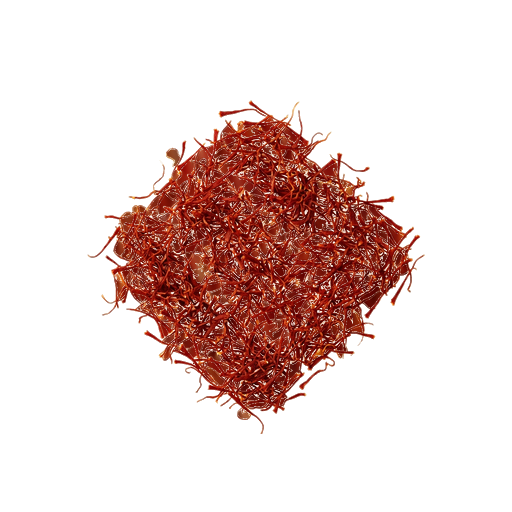
Saffron is a spice with a deep golden color and a characteristic bitter-earthy flavor with subtle floral notes. It is used in minimal quantities for coloring and flavoring rice, soups, fish dishes, and desserts due to its strong flavor concentration. When choosing saffron, pay attention to the rich red color of the threads and their integrity — quality saffron should not crumble, and it is best to soak it in warm liquid before use to fully reveal its aroma and distribute it evenly throughout the dish.
Micronutrients
per 100 g
Minerals
About
Saffron is not just a spice, but one of the most expensive and coveted ingredients in the kitchen. It is prized for its rich golden color, which it imparts to dishes, and for its complex, slightly bitter aroma with honey notes. A few delicate threads can transform an entire dish, which is why even a small package lasts a long time.
Aroma and Taste
Saffron has a unique flavor profile: it is simultaneously bitter, sweet, and slightly earthy. When placed in hot liquid, the threads reveal their full potential — the aroma becomes deeper and more pungent. The intensity of the taste demands respect for dosage: a pinch is already a lot.
Where to use it
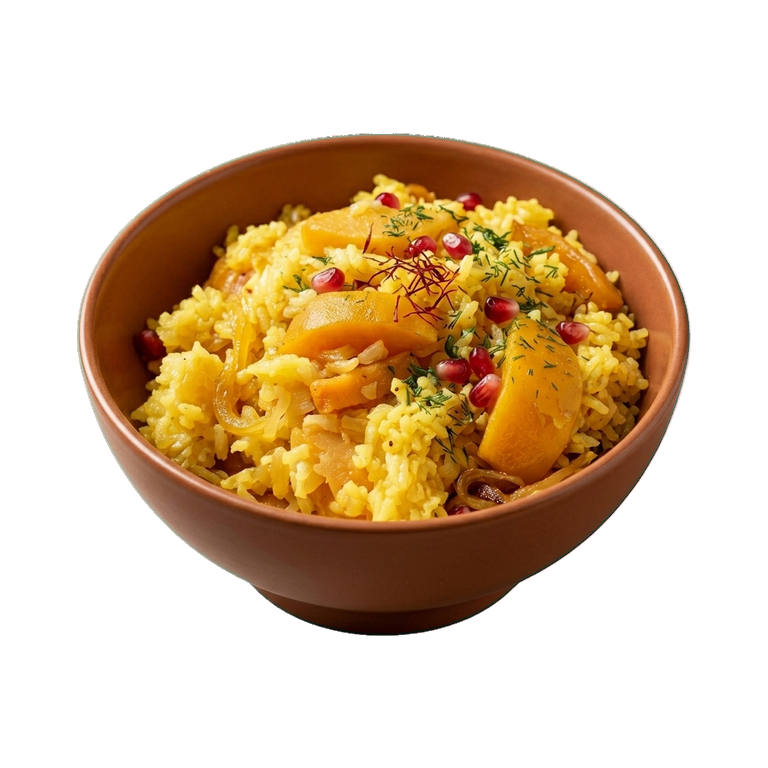
- Risotto — a classic combination where saffron colors the rice golden and gives it a delicate aroma
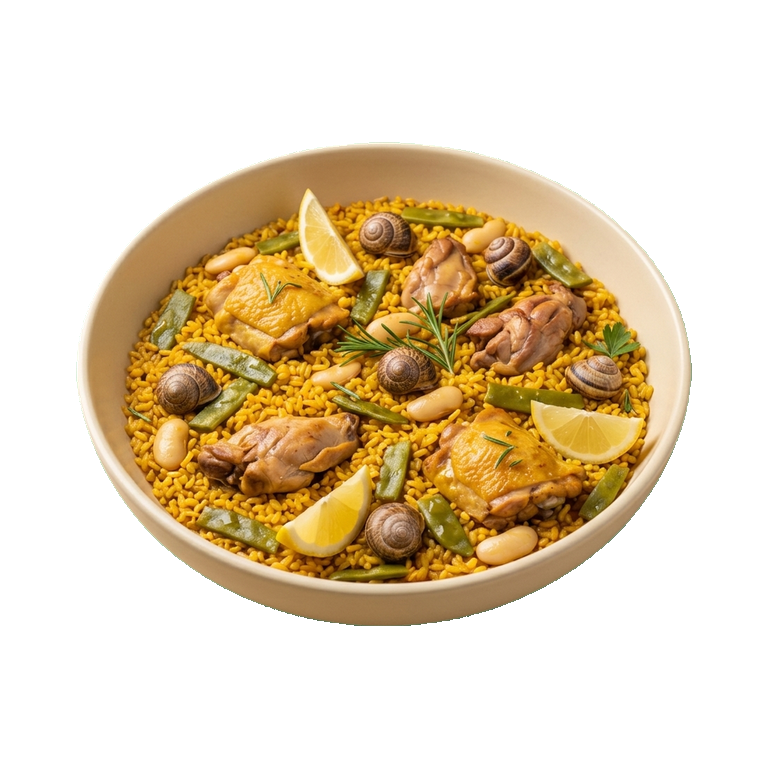
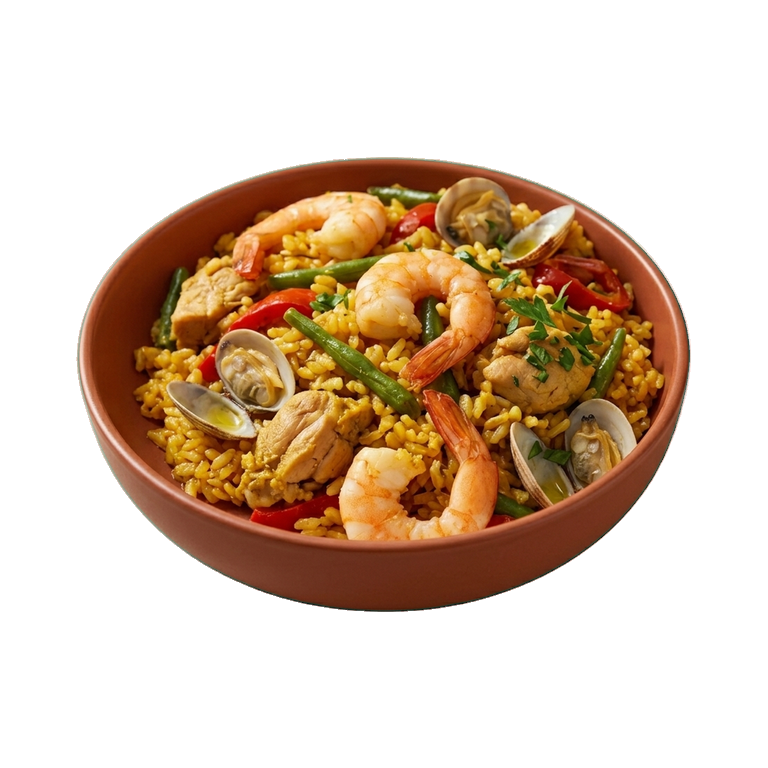
- Paella — a Spanish dish where saffron works alongside seafood and vegetables
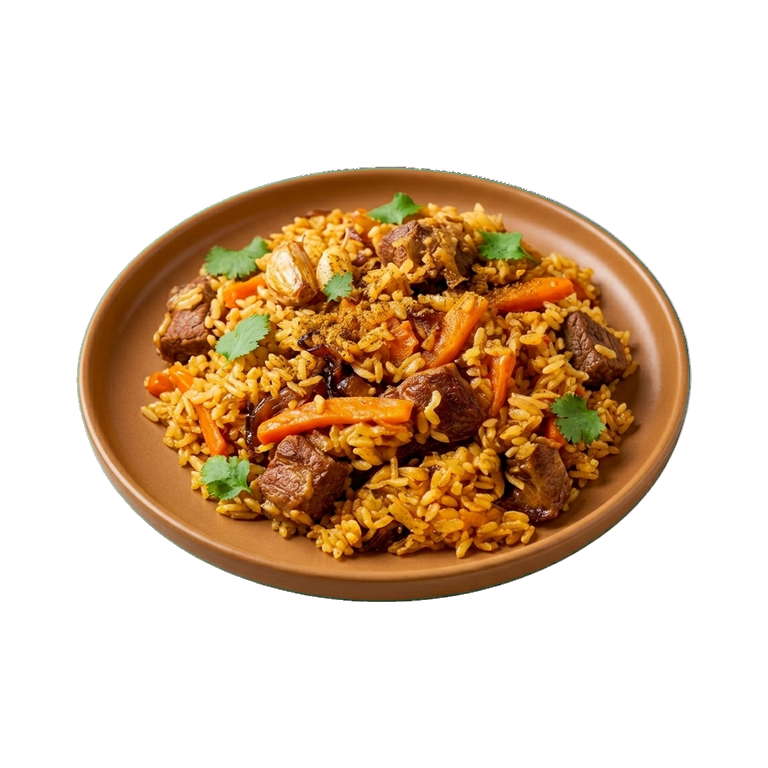
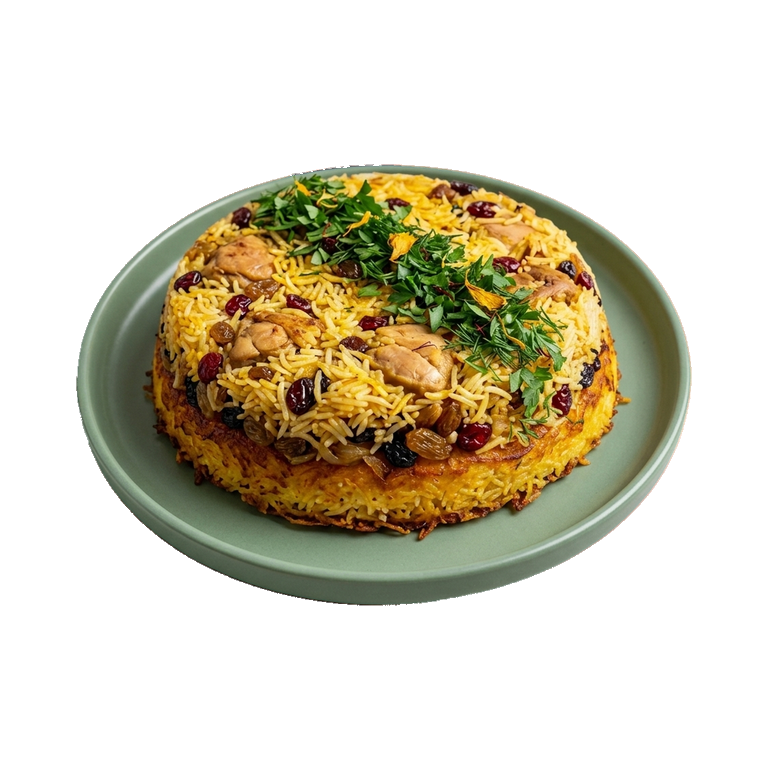
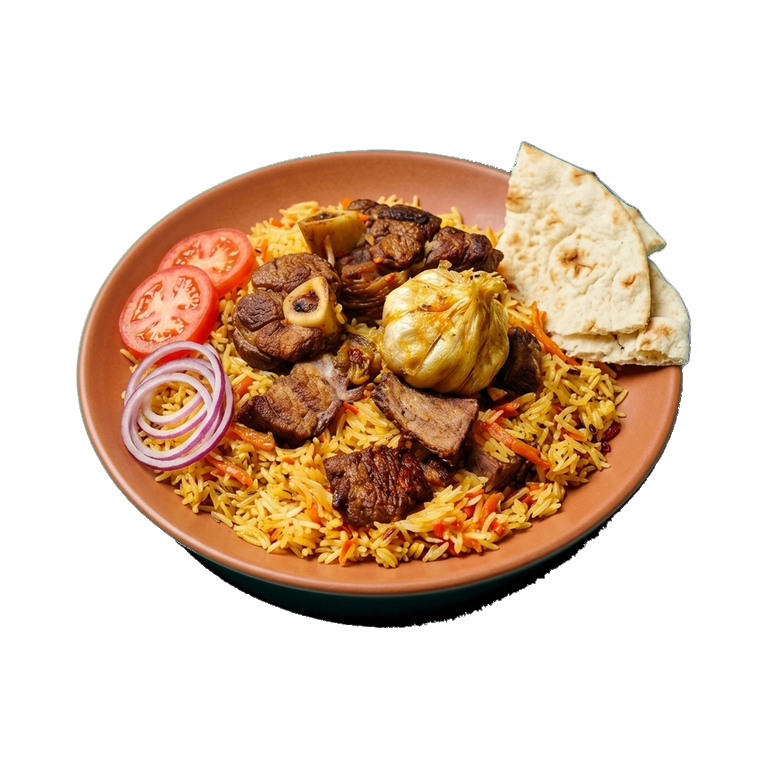
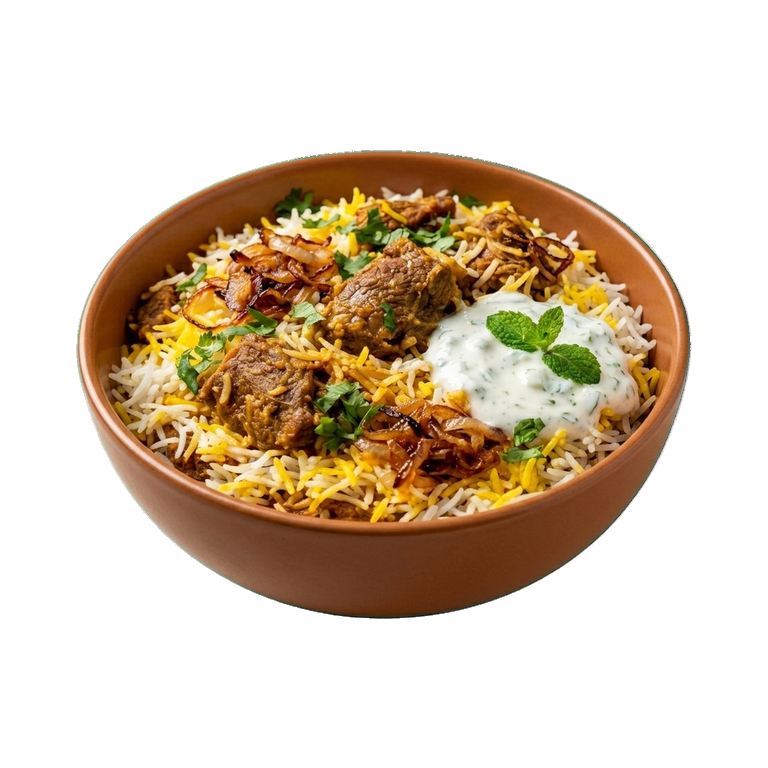
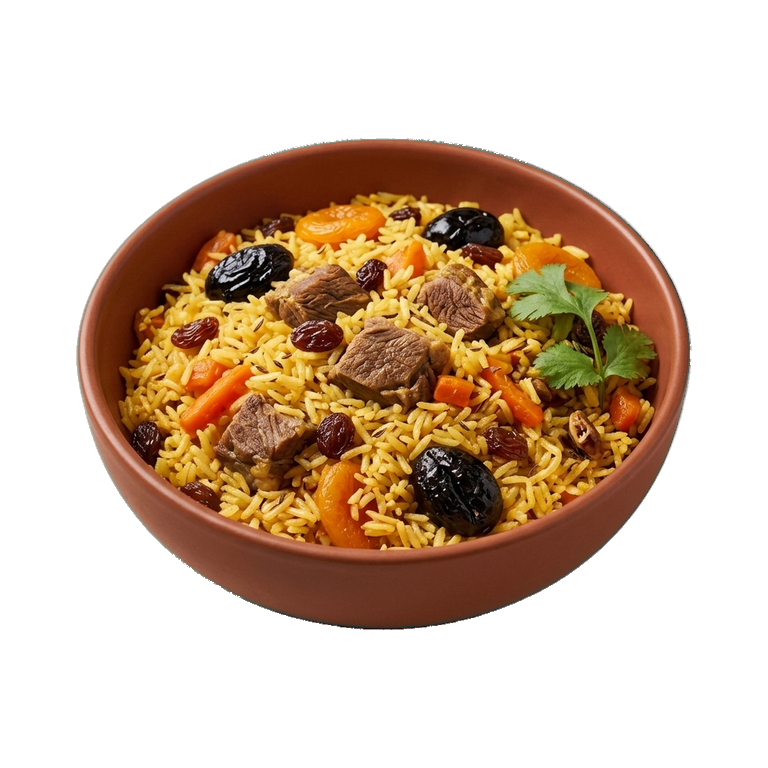
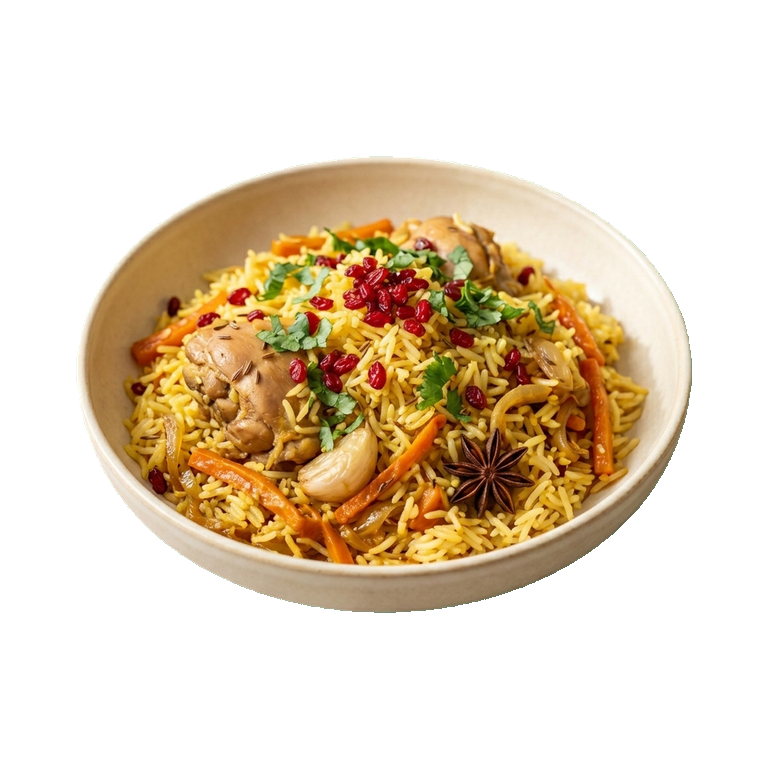
- Pilaf — an oriental delicacy where the spice harmonizes with meat and rice
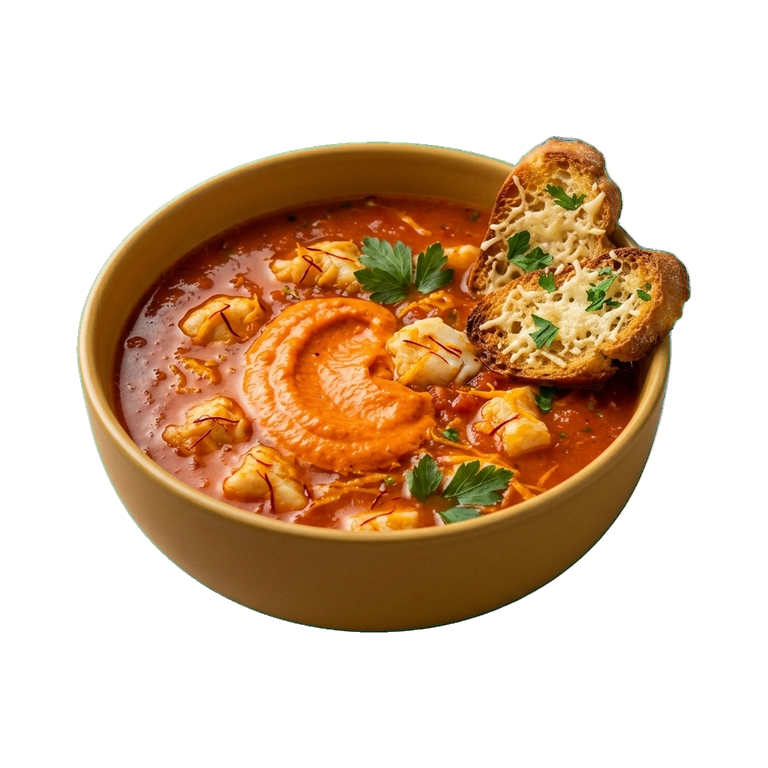
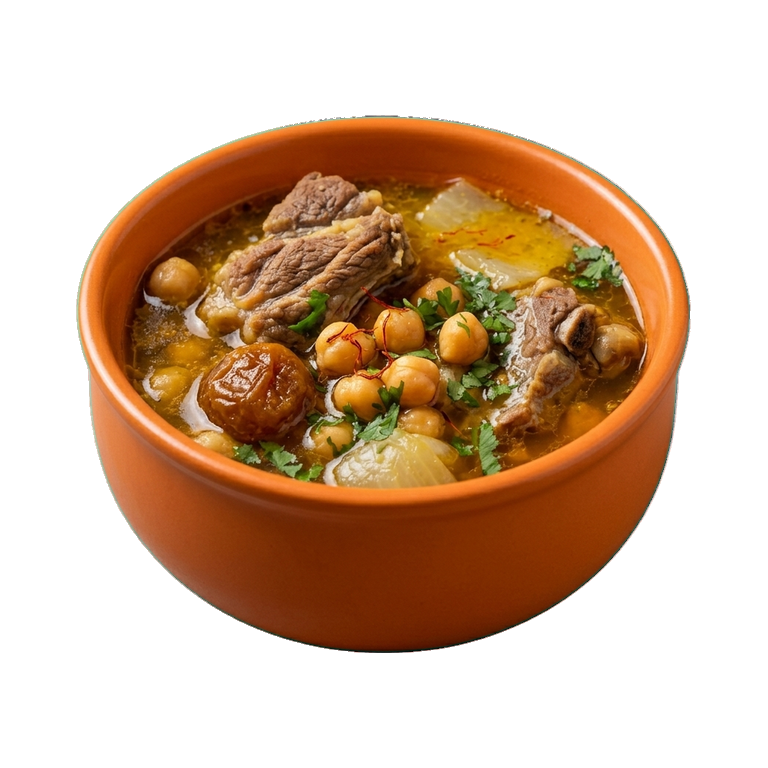
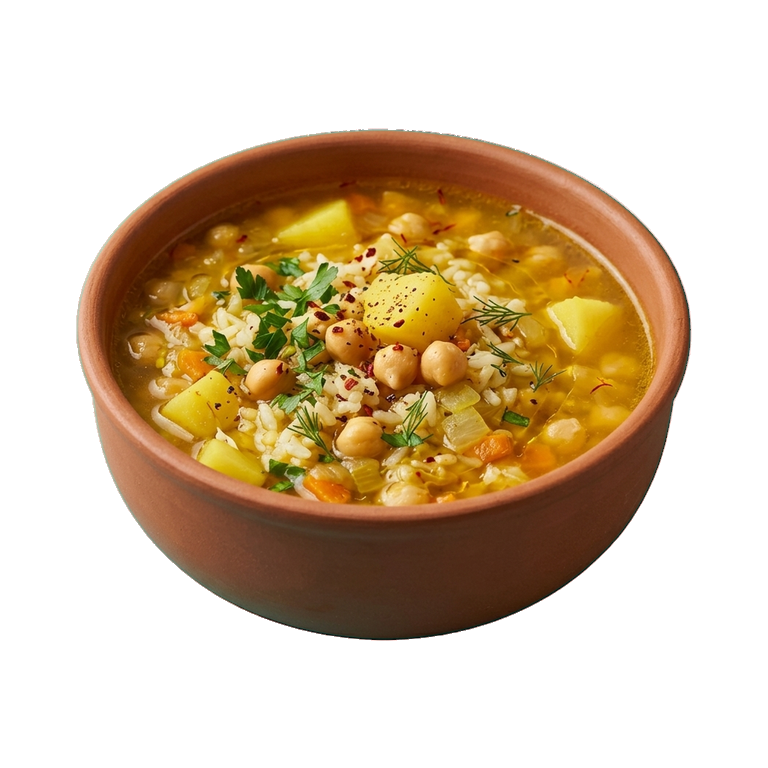
- Soups and broths — a few threads enrich the taste and color
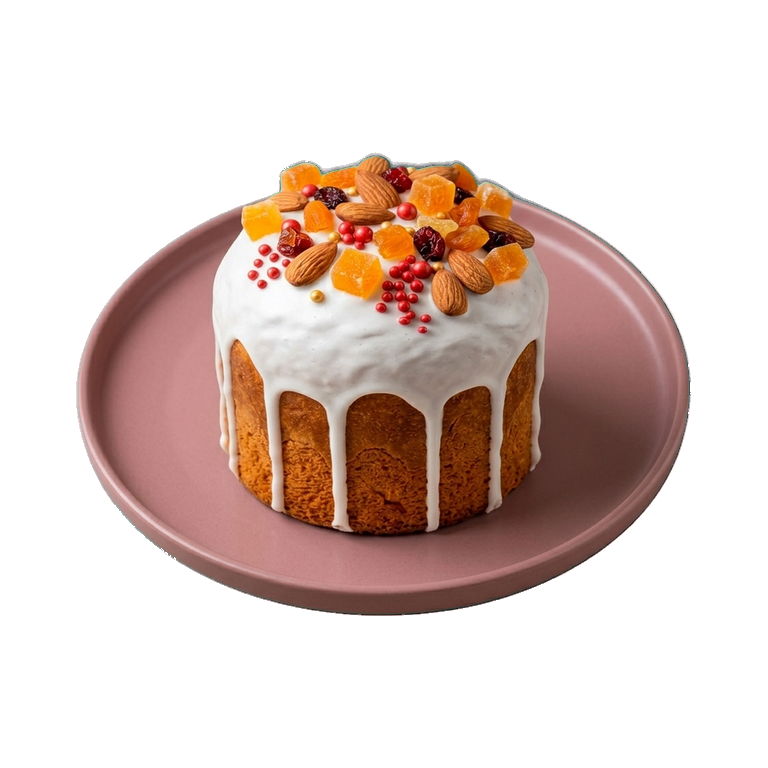
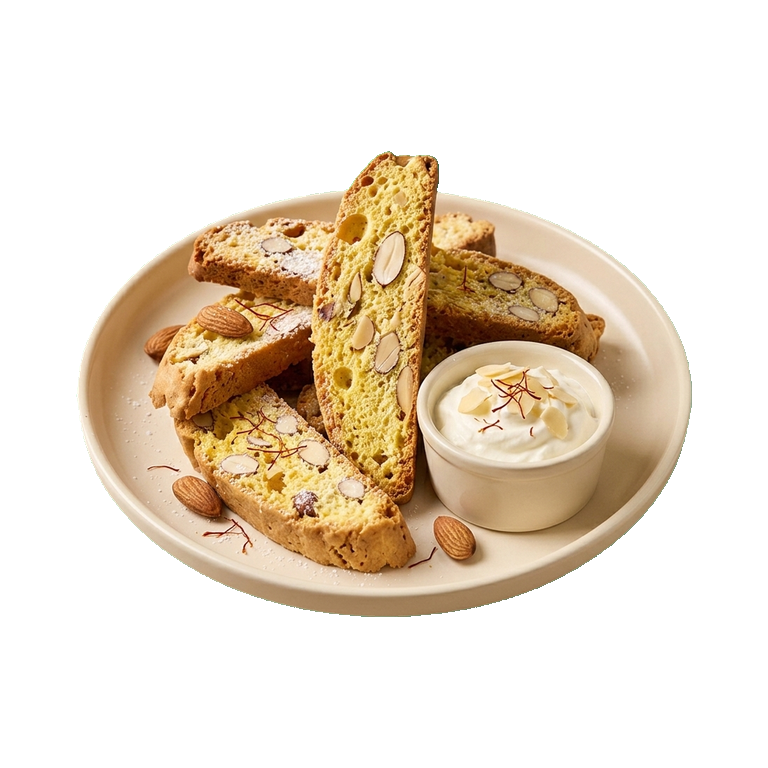
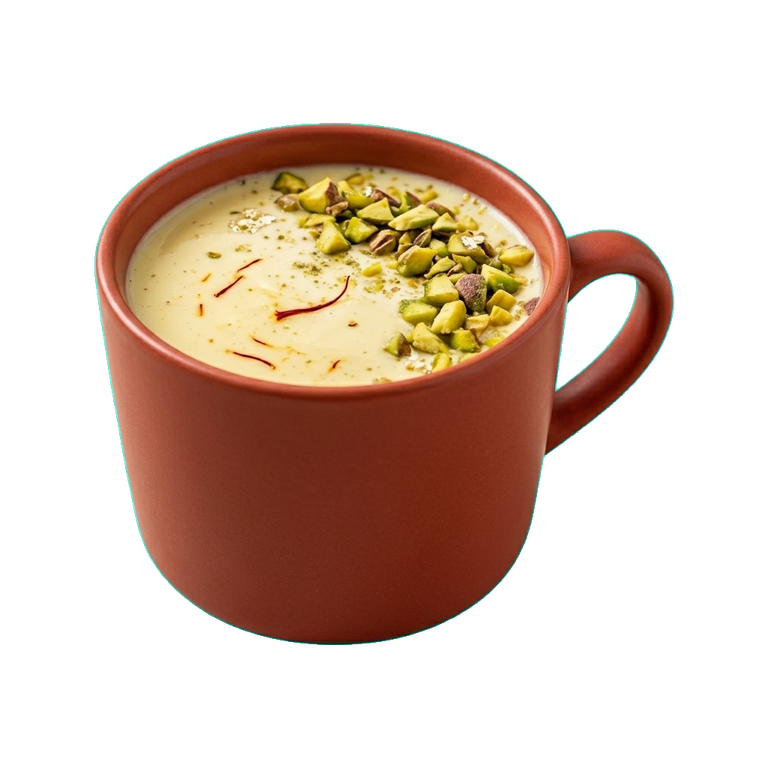
- Sweet dishes — in Eastern cuisine, saffron is added to milk desserts and puddings
How to Cook Properly
Before adding to a dish, soak the threads in hot water, broth, or milk for 10–15 minutes. This will allow the spice to fully bloom and distribute evenly. Do not boil saffron — hot liquid is sufficient. Add it together with the liquid in which it has steeped to avoid losing a single drop of flavor and color.
What pairs well with
- Rice — the main partner of saffron
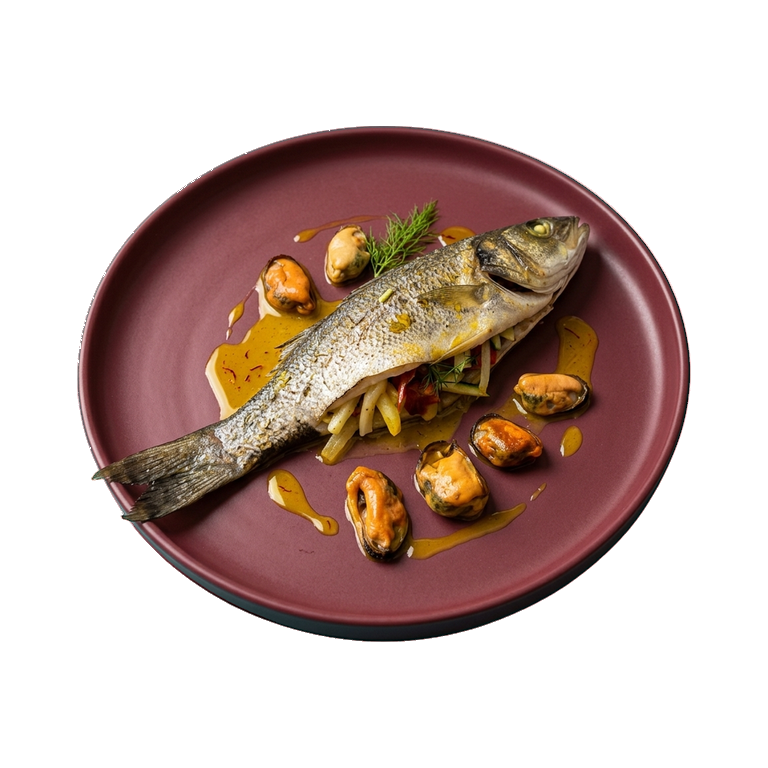
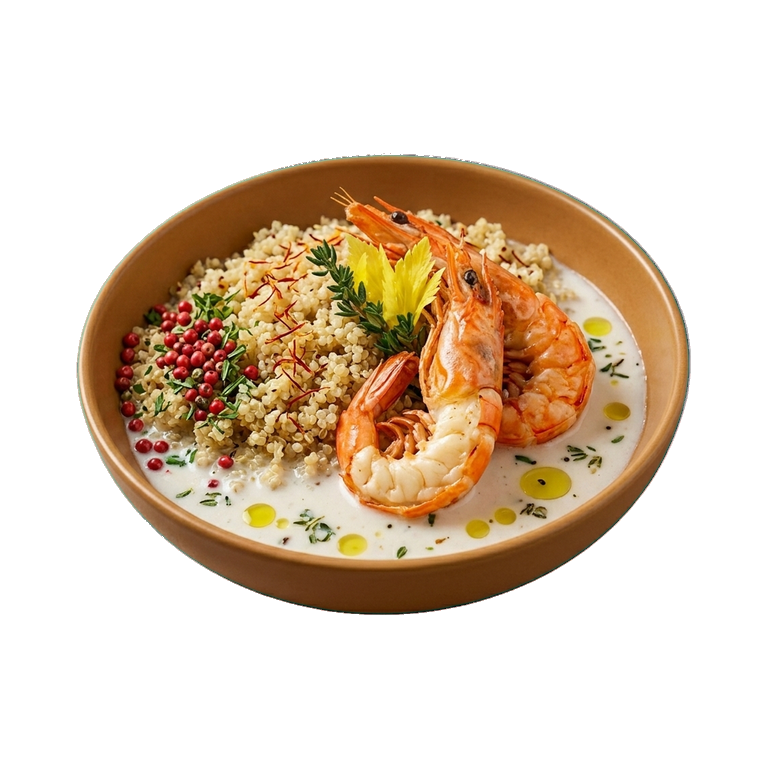
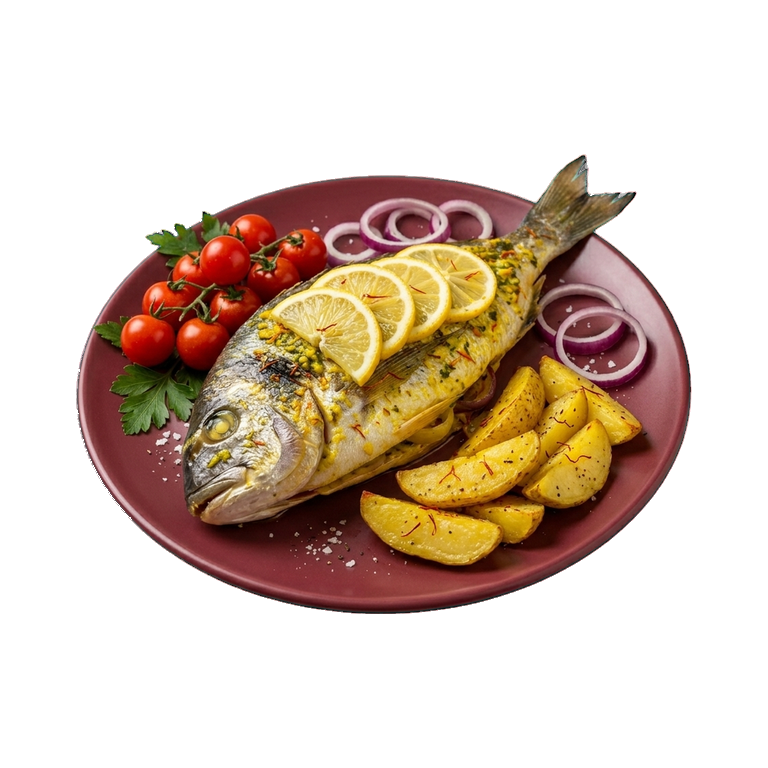
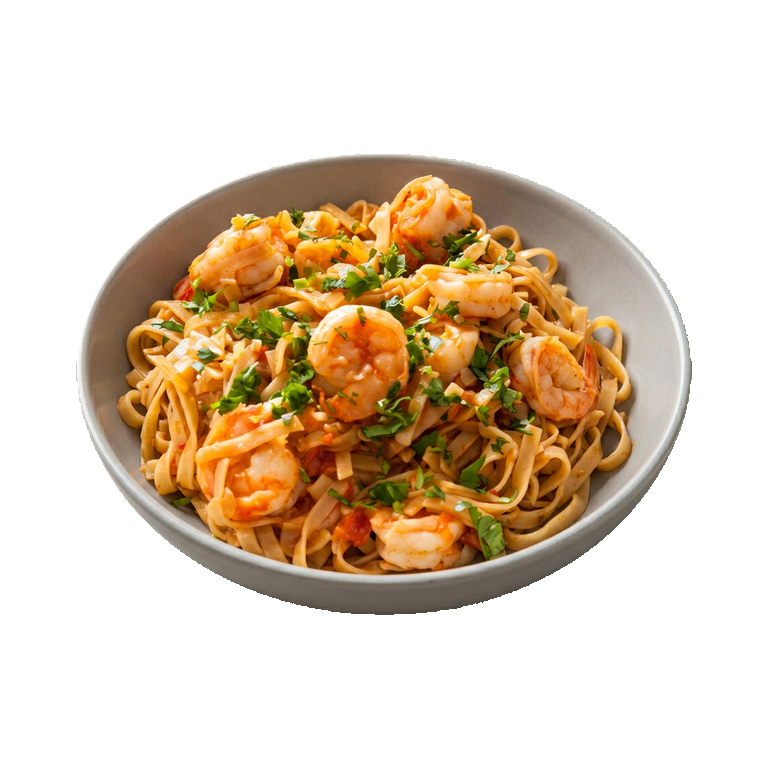
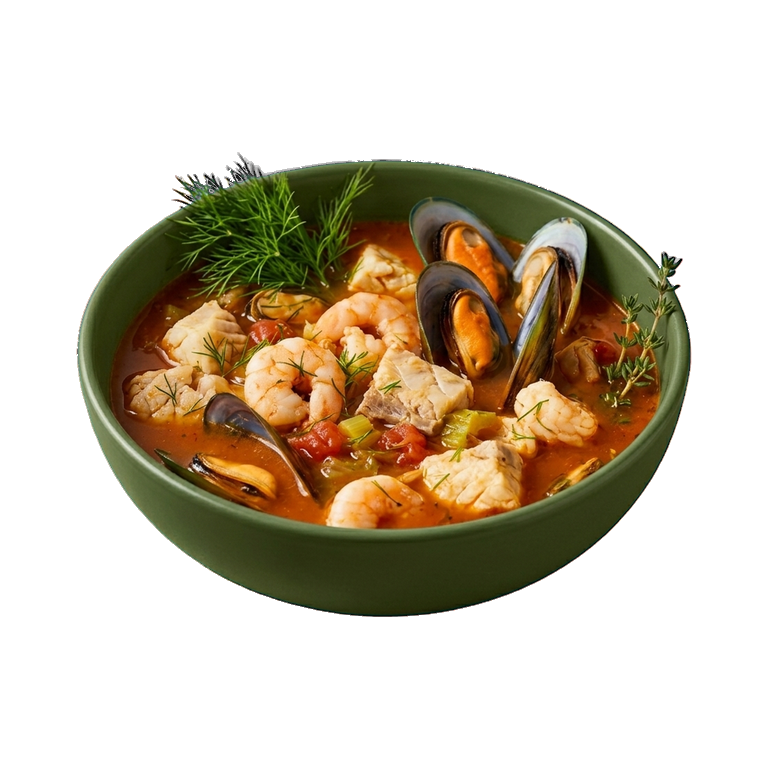
- Seafood — shrimp, mussels, fish
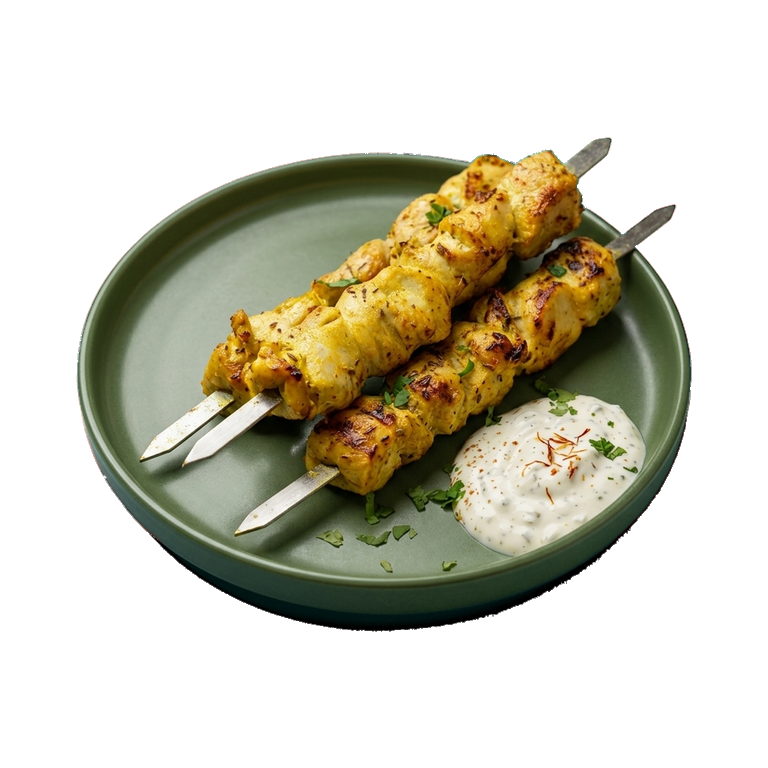
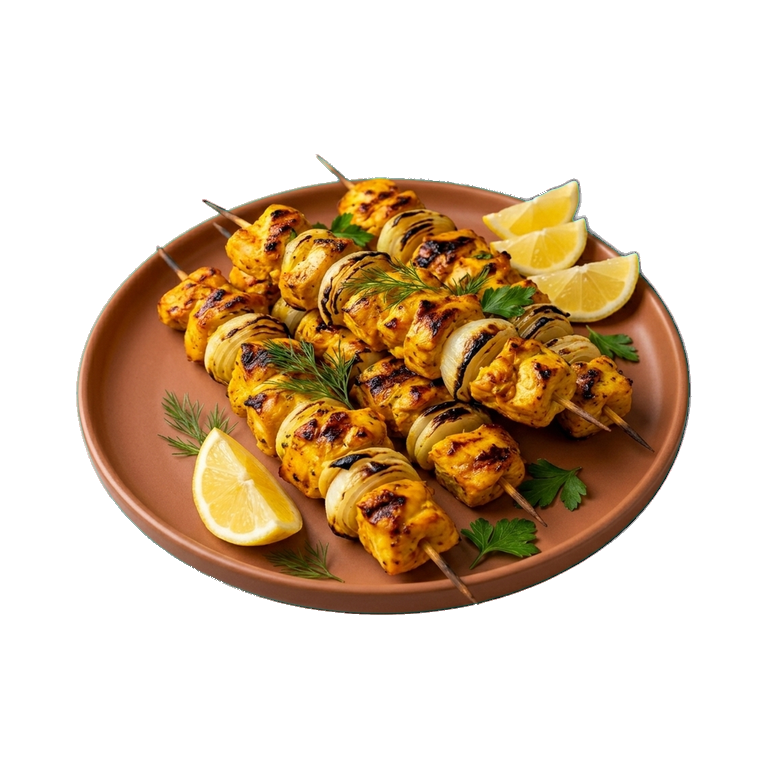
- Chicken — the meat absorbs flavor well
- Onion and garlic — a classic aromatic base
- Tomatoes — their acidity balances bitterness
- Milk and cream — for soft, delicate dishes
Selection and Storage
Buy saffron in whole threads rather than ground — this way you are guaranteed to get a genuine product without counterfeits. The threads should be bright red, almost burgundy, with yellow tips. Store in an airtight container, protected from light and moisture, at room temperature. Quality saffron can be stored for several years without losing its properties.
Dosage
For a dish serving four people, 10–15 threads are enough. If you overdo it, saffron will become bitter and overpower the other flavors. It's better to add less than to regret using too much. Remember: saffron is a spice that works in the background, enhancing and enriching the main ingredients, not dominating them.
Nutrition
per 100 g
- Calories
- 310 kcal
- Protein
- 11.4 g
- Fat
- 5.9 g
- Carbs
- 65.4 g
Micronutrients
per 100 g
Macronutrients
- Fiber
- 3.9 g
- Saturated fat
- 1.586 g
- Monounsaturated fat
- 0.429 g
- Polyunsaturated fat
- 2.067 g
- Omega-3 (EPA + DHA)
- 0 g
- Cholesterol
- 0 mg
- Water
- 11.9 g
Minerals
- Sodium
- 148 mg
- Potassium
- 1724 mg
- Calcium
- 111 mg
- Magnesium
- 264 mg
- Phosphorus
- 252 mg
- Iron
- 11.1 mg
- Zinc
- 1.09 mg
- Copper
- 0.33 mg
- Manganese
- 28.41 mg
- Selenium
- 5.6 mcg
Vitamins
- Vitamin A (RAE)
- 27 mcg
- Vitamin D
- 0 mcg
- Vitamin C
- 80.8 mg
- Vitamin B1 (thiamin)
- 0.12 mg
- Vitamin B2 (riboflavin)
- 0.27 mg
- Vitamin B3 (niacin)
- 1.46 mg
- Vitamin B6
- 1.01 mg
- Vitamin B9 (folate, DFE)
- 93 mcg
- Vitamin B12
- 0 mcg
Measures and weight
- 1 tbsp
- 13.5 g
- 1 tsp
- 4.5 g
- 1 cup
- 225 g
- 1 sprig
- 0.1 g
Measure calculator
- Weight
- 100 g
- Calories
- 310 kcal