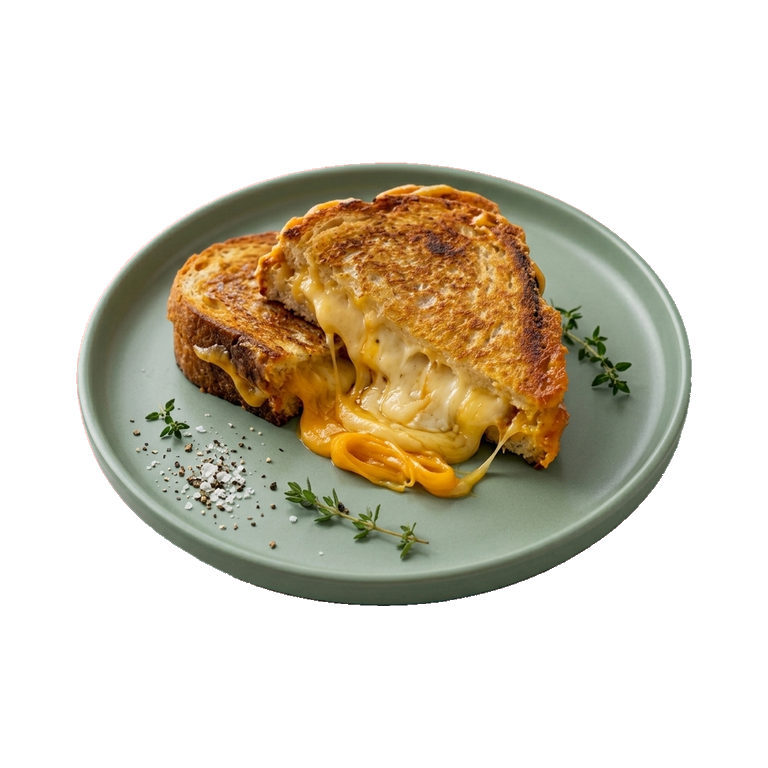
Usuba
Usuba
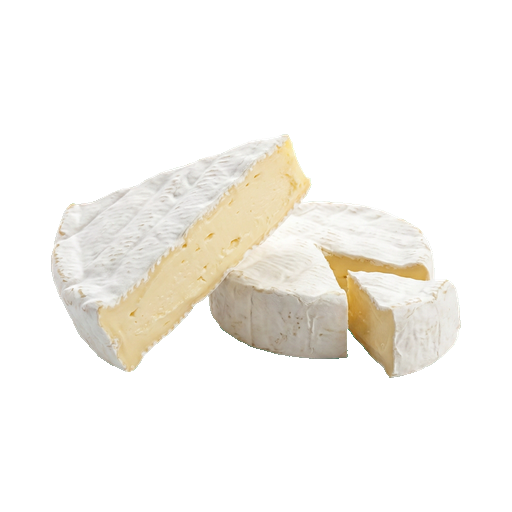
Brie cheese
A soft cheese with a moldy rind, creamy and delicate inside, with subtle mushroom aroma and buttery flavor. Ideal for cheese boards, appetizers, and desserts thanks to its delicate texture, which becomes more fluid at room temperature. When selecting, pay attention to the firmness of the rind and avoid cheese with an ammonia smell — this is a sign of overripeness.
Micronutrients
per 100 g
Minerals
Vitamins
- AVitamin A (RAE)174mcg20% DV
- DVitamin D0.5mcg3% DV
- EVitamin E0.24mg2% DV
- KVitamin K2.3mcg2% DV
- B1Vitamin B1 (thiamin)0.07mg5% DV
- B2Vitamin B2 (riboflavin)0.52mg29% DV
- B3Vitamin B3 (niacin)0.38mg2% DV
- B5Vitamin B5 (pantothenic acid)0.69mg14% DV
- B6Vitamin B60.24mg12% DV
- B9Vitamin B9 (folate, DFE)65mcg16% DV
- B12Vitamin B121.7mcg57% DV
About
Brie is a soft cheese with a white moldy rind that melts on your tongue and leaves a creamy, slightly mushroom-like taste. Its consistency resembles butter: the warmer the cheese, the more fluid it becomes. This very characteristic makes it one of the most recognizable cheeses in world cuisine.
Aroma and taste
Young brie smells delicate, almost buttery, with barely perceptible mushroom notes. As it matures, the aroma becomes more pronounced, with earthy and nutty undertones. The cheese tastes soft and creamy, without sharpness, although there may be a slight pungency under the rind.
How to Choose and Store
When selecting, pay attention to the rind — it should be white, without dark spots or mold, only with a natural bloom. Press gently on the cheese: it should yield slightly, but not be too soft. Brie that is too hard is not yet ripe, and one that is too soft may be overripe.
Store brie in the refrigerator in its original packaging or wrapped in parchment paper. Do not put it in the freezer — the texture will be damaged when thawed. Remove the cheese from the refrigerator 15–20 minutes before serving so it can fully reveal its flavor and aroma.
Role in dishes
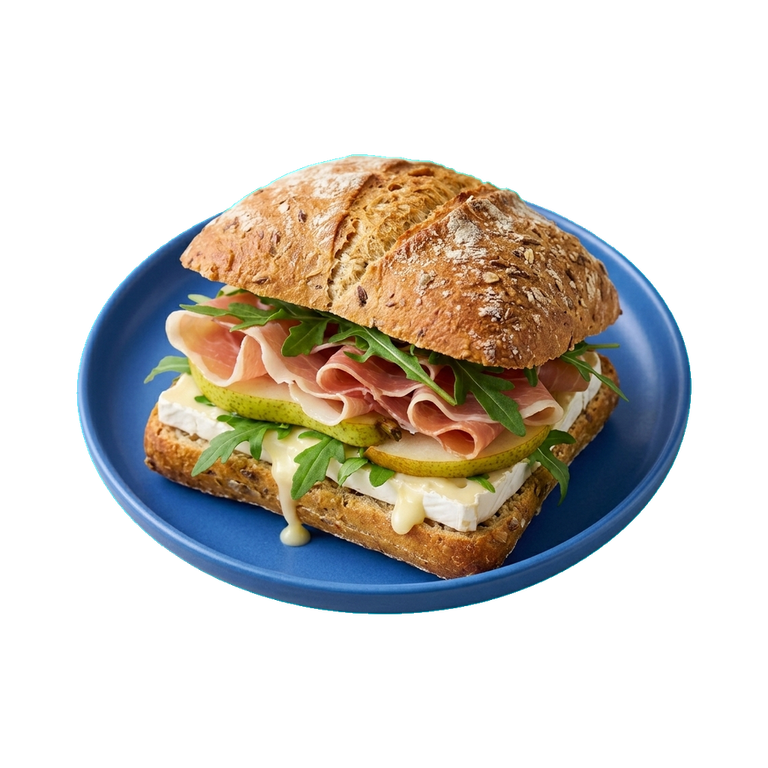
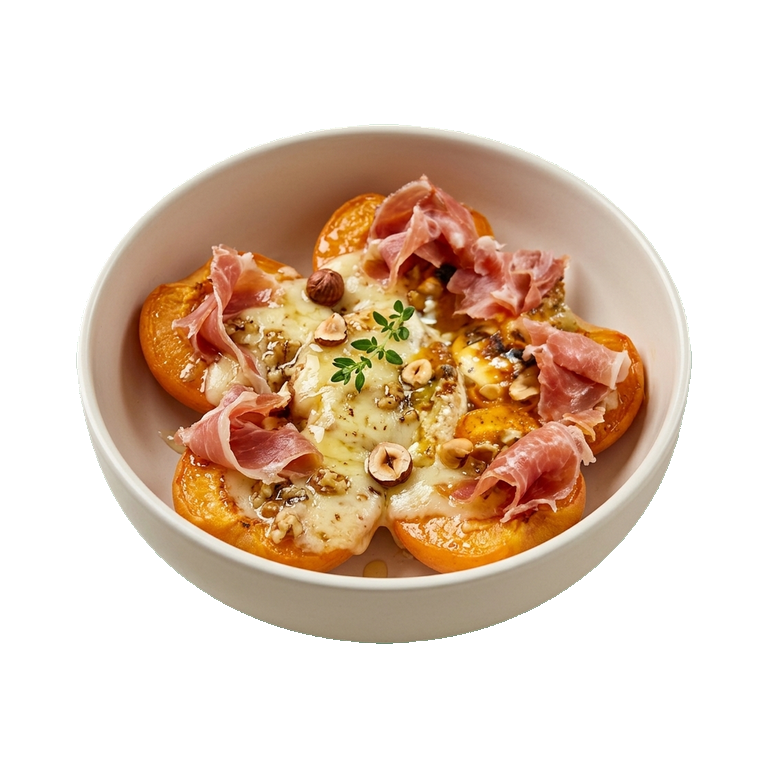
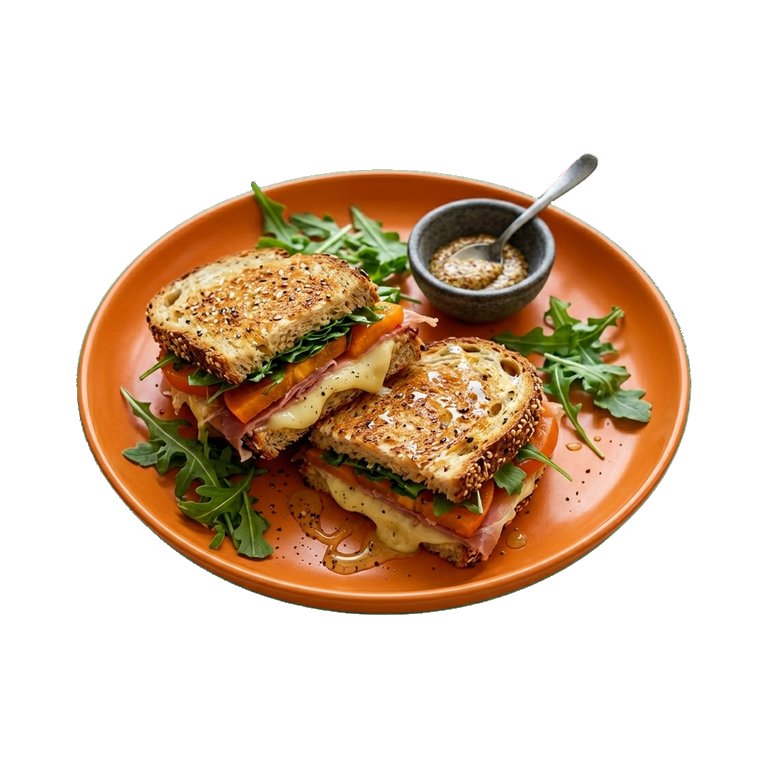
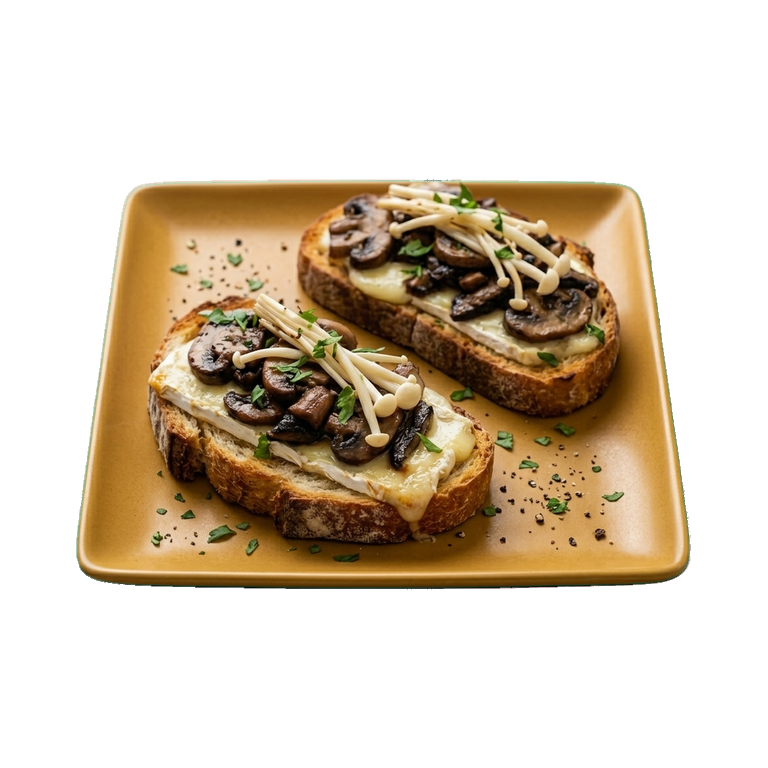
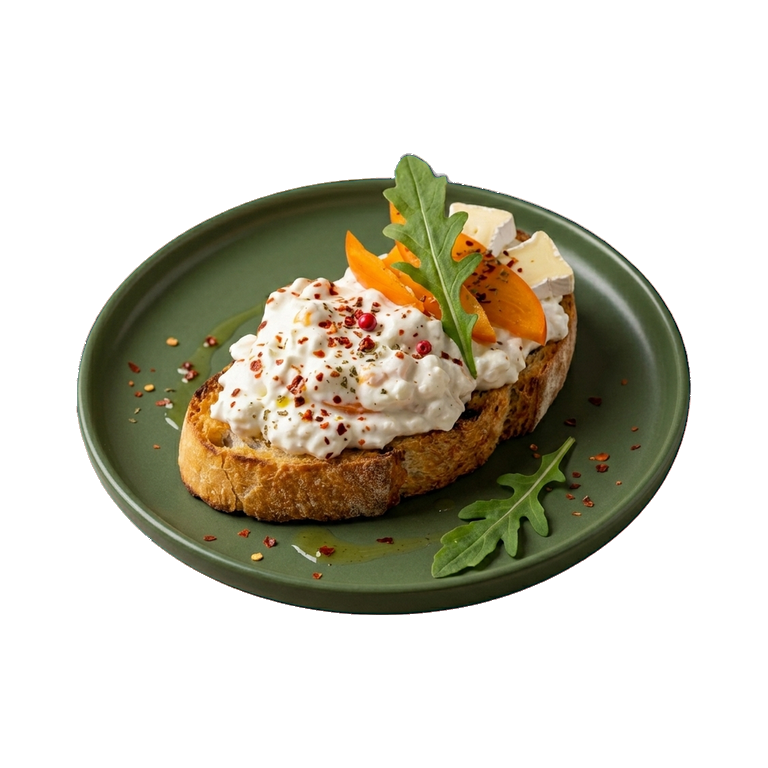
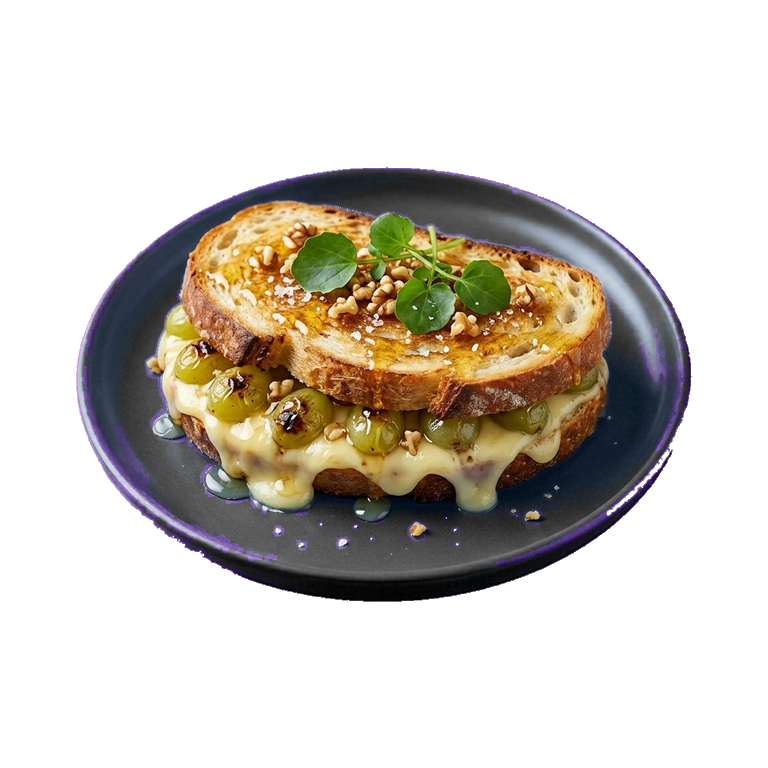
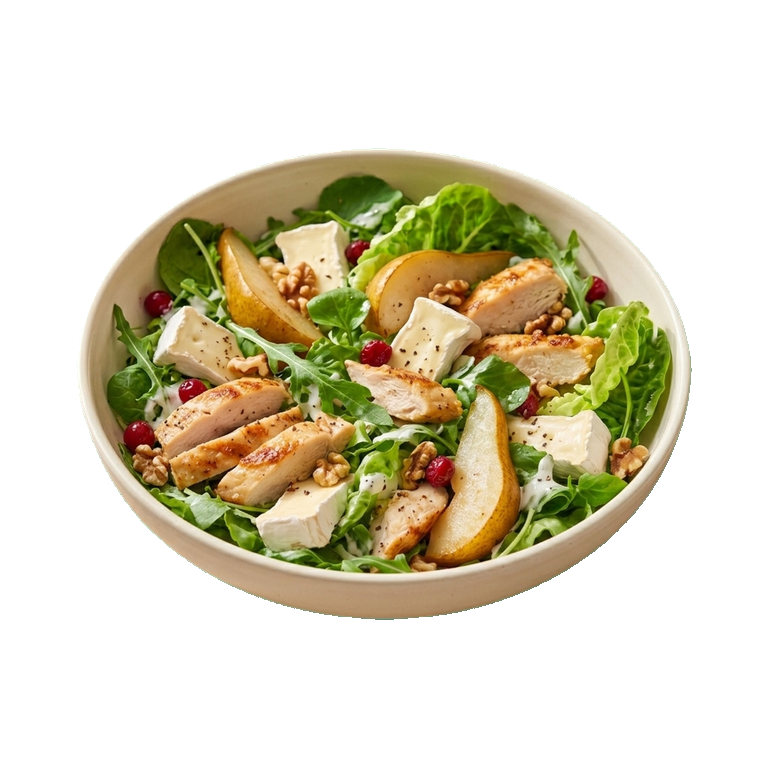
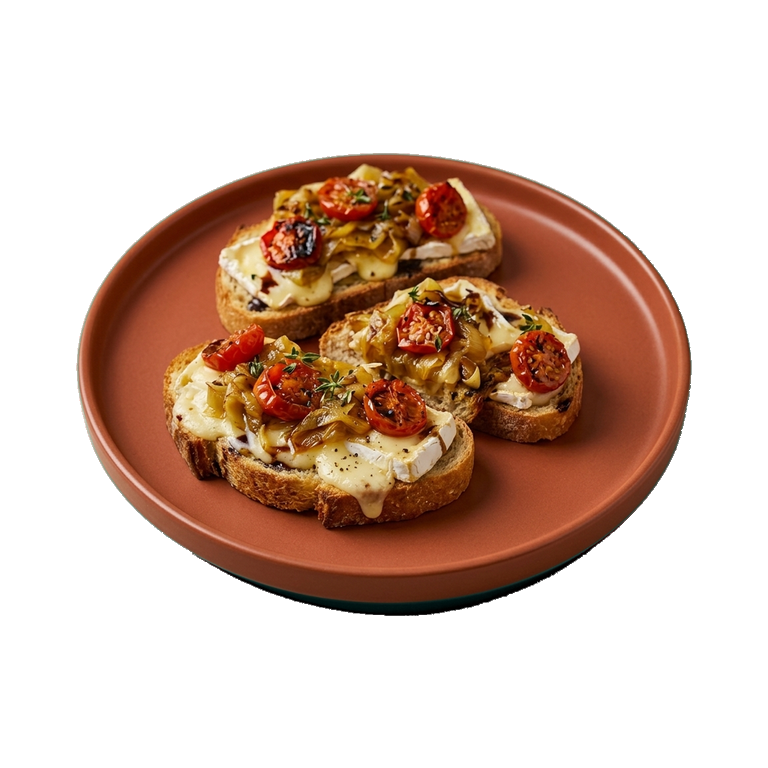
Brie is versatile: it can be enjoyed as a standalone dish with bread, crackers, or fresh fruits. It works great in salads, especially with pear, apple, or honey. The cheese can be baked whole in the oven with nuts and berries — when heated, it becomes even more creamy and aromatic.
Pairings
- Pear, apple, quince — a classic combination with fruity sweetness
- Honey, jam, preserves — emphasize creaminess and add contrast
- Walnuts, almonds, hazelnuts — provide crunch and nutty depth
- White wine, champagne, light beer — the best drinks to pair with cheese
- Leafy greens, arugula, spinach — freshness balances the richness
Practical tip
If you are preparing a cheese board, add brie at the last moment before serving — it warms quickly at room temperature and may start to leak. Slice it thinly with a sharp knife dipped in hot water so the cheese doesn't stick. For baked brie, choose young cheese rather than overripe — it holds its shape better in the oven.
Nutrition
per 100 g
- Calories
- 334 kcal
- Protein
- 20.8 g
- Fat
- 27.7 g
- Carbs
- 0.7 g
Micronutrients
per 100 g
Macronutrients
- Fiber
- 0 g
- Sugars
- 0.45 g
- Saturated fat
- 17.41 g
- Monounsaturated fat
- 8.013 g
- Polyunsaturated fat
- 0.826 g
- Omega-3 (EPA + DHA)
- 0 g
- Cholesterol
- 100 mg
- Water
- 48.42 g
Minerals
- Sodium
- 629 mg
- Potassium
- 152 mg
- Calcium
- 184 mg
- Magnesium
- 20 mg
- Phosphorus
- 188 mg
- Iron
- 0.5 mg
- Zinc
- 2.38 mg
- Copper
- 0.02 mg
- Manganese
- 0.03 mg
- Selenium
- 14.5 mcg
Vitamins
- Vitamin A (RAE)
- 174 mcg
- Vitamin D
- 0.5 mcg
- Vitamin E
- 0.24 mg
- Vitamin K
- 2.3 mcg
- Vitamin C
- 0 mg
- Vitamin B1 (thiamin)
- 0.07 mg
- Vitamin B2 (riboflavin)
- 0.52 mg
- Vitamin B3 (niacin)
- 0.38 mg
- Vitamin B5 (pantothenic acid)
- 0.69 mg
- Vitamin B6
- 0.24 mg
- Vitamin B9 (folate, DFE)
- 65 mcg
- Vitamin B12
- 1.7 mcg
Measures and weight
- 1 head
- 125 g
- 1 slice
- 30 g
Measure calculator
- Weight
- 100 g
- Calories
- 334 kcal