Usuba
Usuba
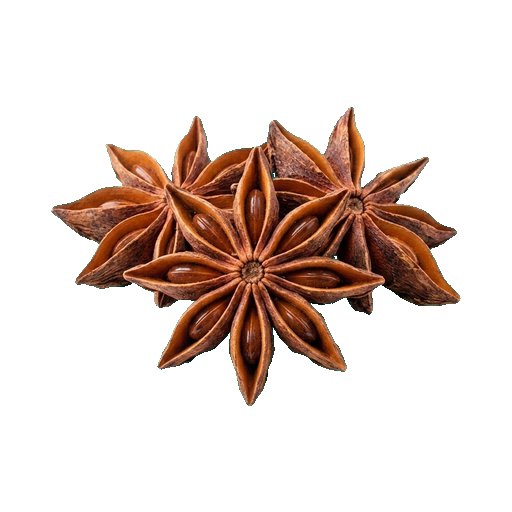
Anise (star anise)
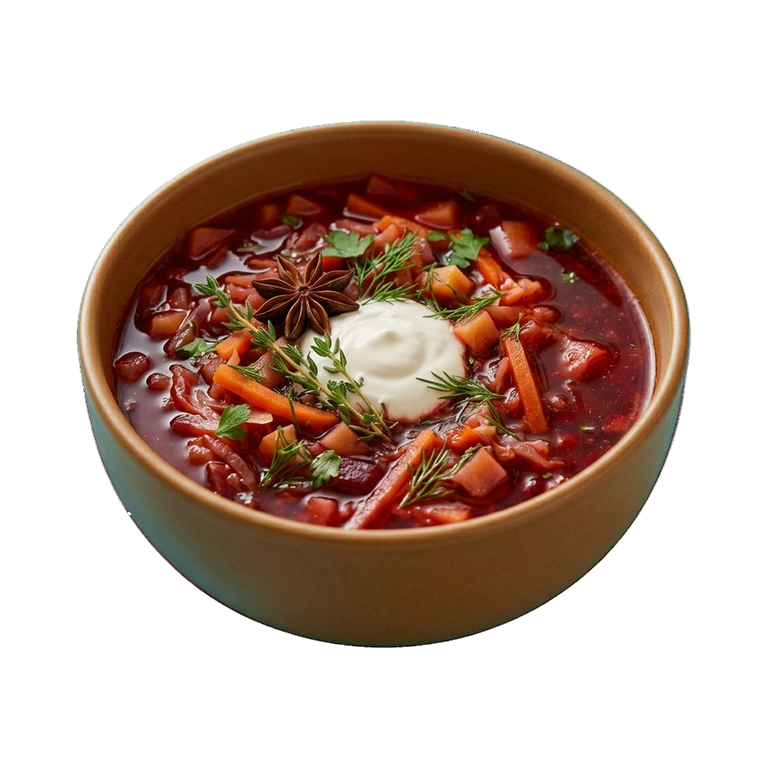
A spice with a distinctive sweet aroma reminiscent of licorice and fennel. Star anise contains essential oils that unfold when heated, imparting a warm, slightly spicy flavor with a subtle bitterness to dishes. Used in baking, compotes, marinades, and oriental dishes; fennel or coriander can be used as substitutes, though the flavor will differ.
Micronutrients
per 100 g
Minerals
About
Anise and star anise are often confused, although they are different plants with similar flavors. Anise is seeds, while star anise (also called Chinese star anise) is star-shaped fruits. Both give dishes a sweet spicy aroma with a slight bitterness and licorice notes. In cooking, they are often used interchangeably, but each has its own characteristics.
Aroma and taste
Anise seeds are softer and more delicate, their aroma opens up immediately as soon as you crush them. Star anise is more intense and persistent — its spiciness lasts longer and penetrates deeper into the dish. Both contain anethole, a substance that gives a characteristic sweet taste reminiscent of candy or licorice.
If you add anise to a hot dish, it is better to add it at the end of cooking or even after — this way it will retain its freshness. Star anise, on the other hand, tolerates prolonged heat treatment well and even becomes more aromatic in broths and stews.
Where to use
- Baking and sweets: cookies, cupcakes, gingerbread, jam
- Beverages: tea, mulled wine, compotes, spiced milk
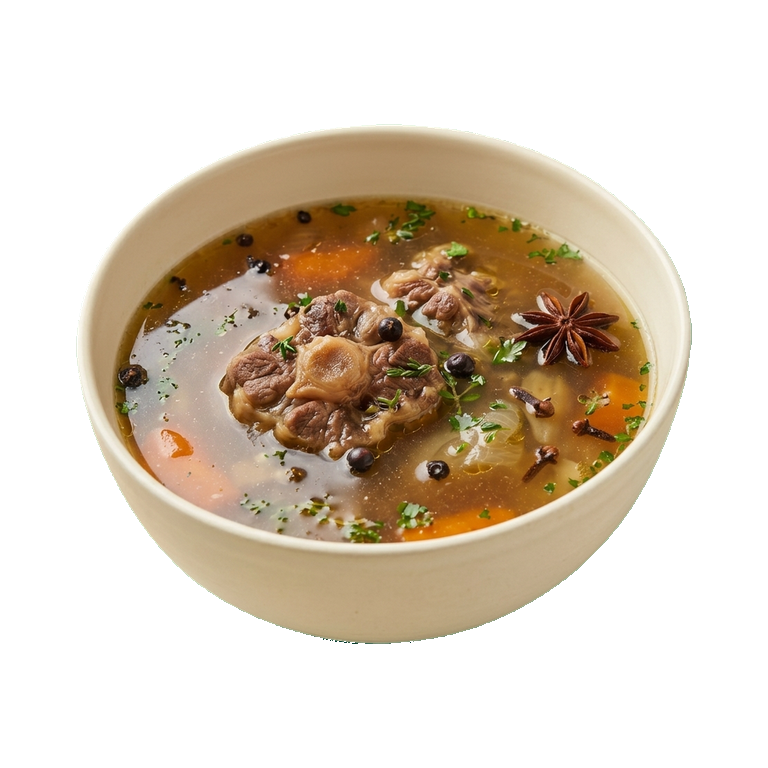
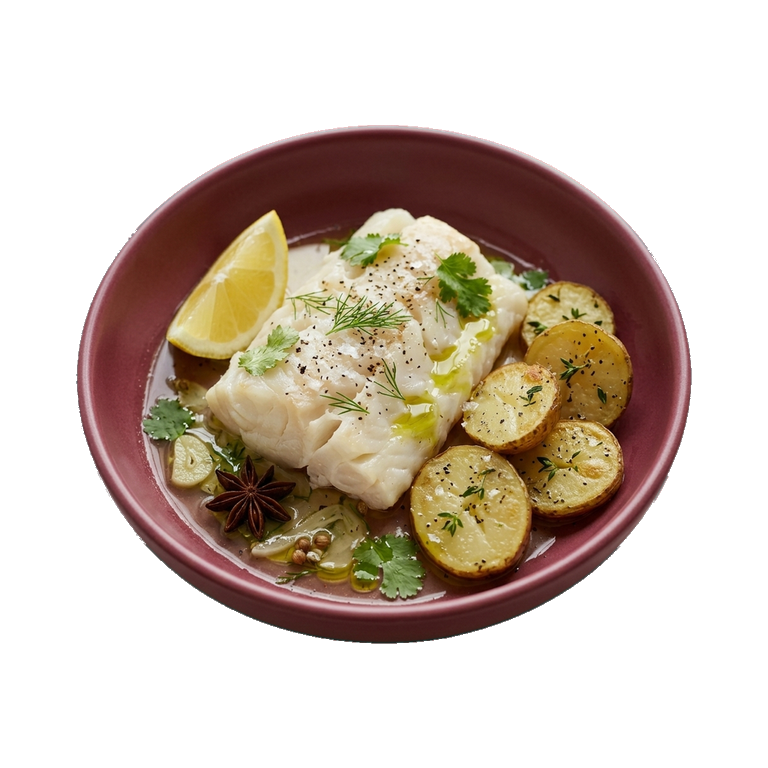
- Soups and broths: especially meat and fish
- Marinades: for vegetables, fish, meat
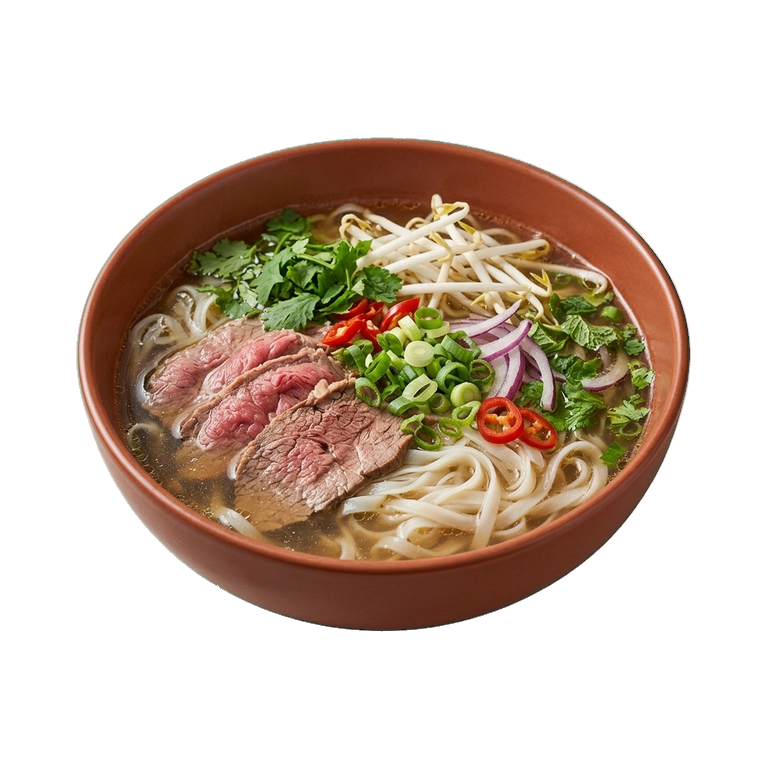
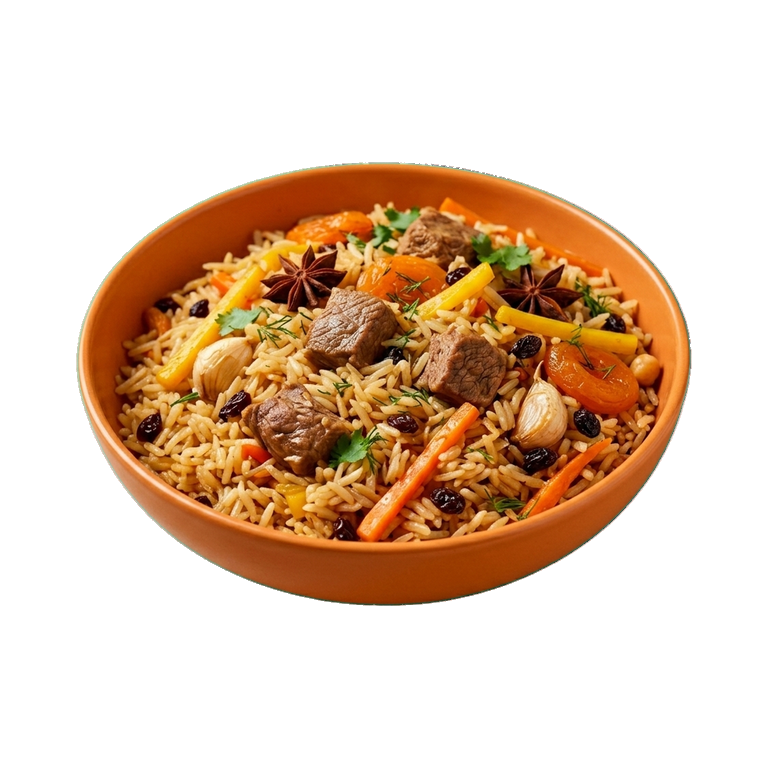
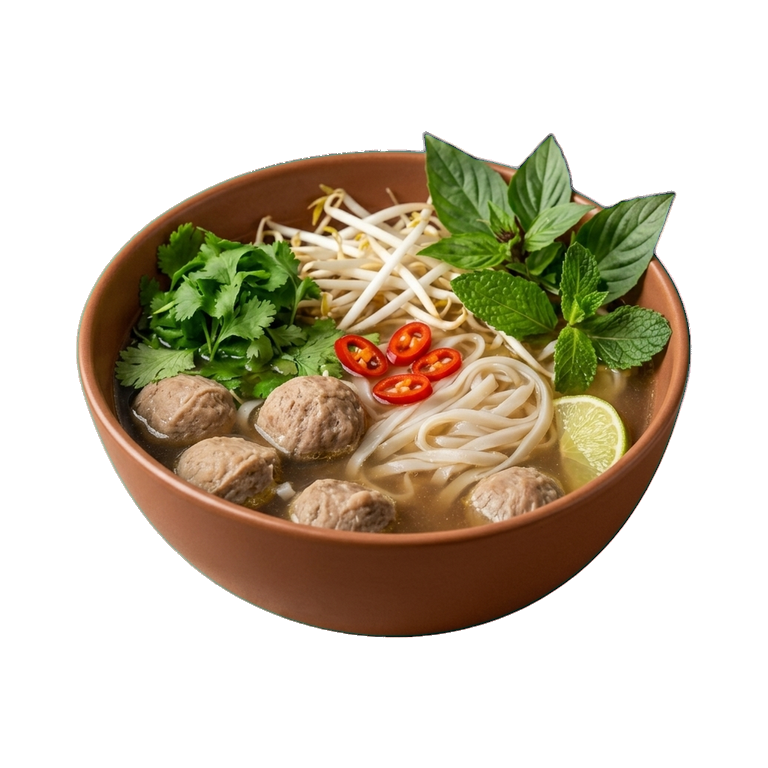
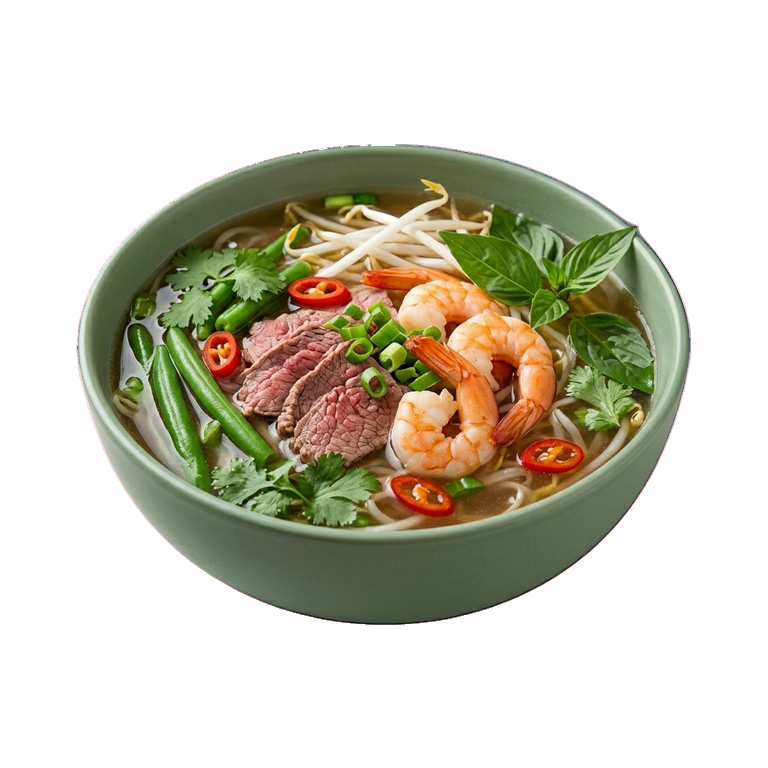
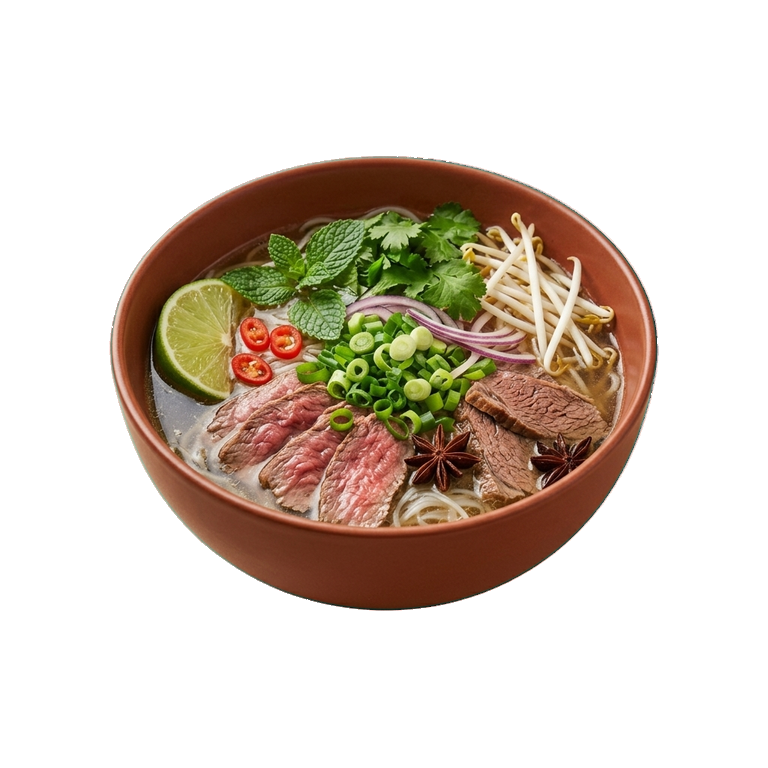
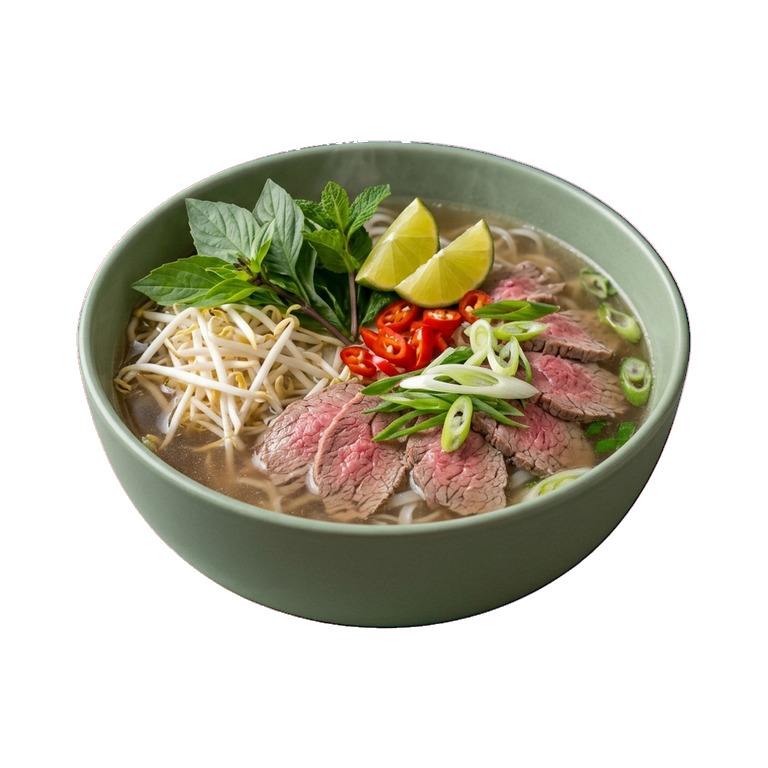
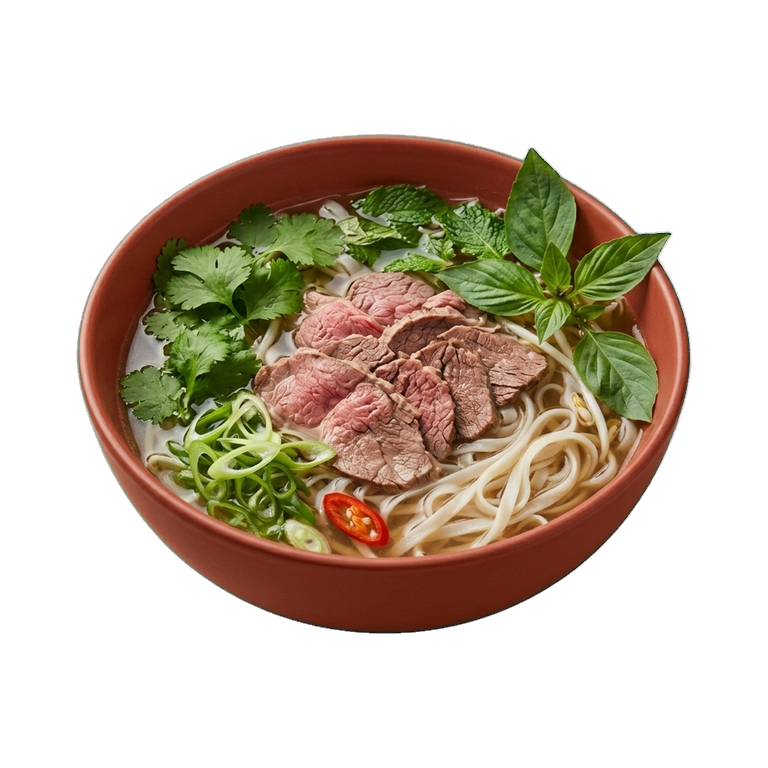
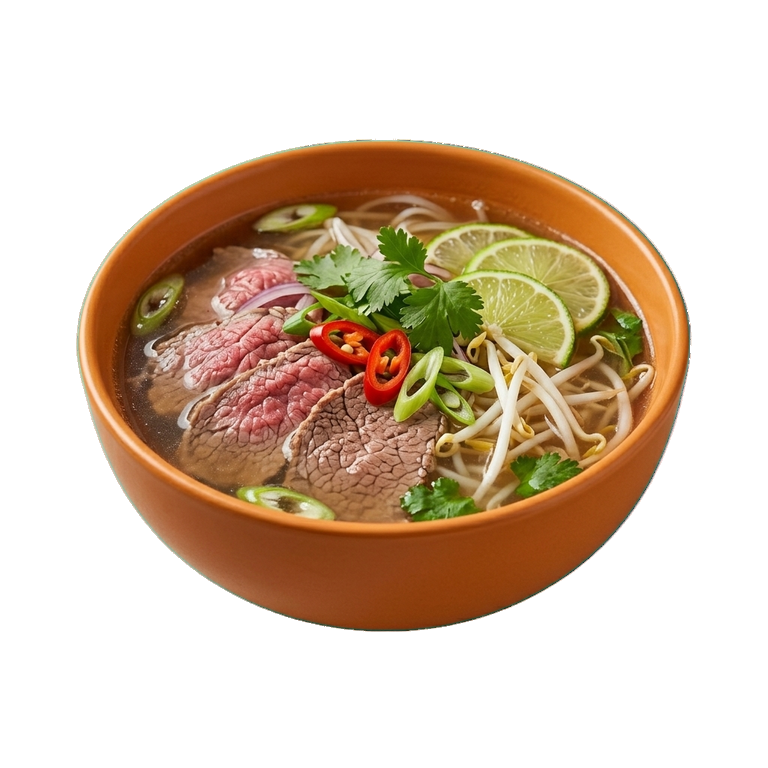
- Asian cuisine: pho, curry, rice, noodles
- Canning: cucumbers, tomatoes, compotes
Spice Combinations
Anise and star anise work well together with cinnamon, cloves, cardamom, and black pepper. Together they create a deep, multi-layered aroma. With ginger, you get a warm, soothing blend. With fennel, anise and star anise enhance each other — be careful with the quantity to avoid overdoing the sweetness.
Selection and Storage
- Choose whole seeds or stars, without dust and lumps
- The color should be brownish or grayish-brown, uniform
- Smell it: the aroma should be bright and pleasant, without mustiness
- Store in an airtight glass jar in a dark cool place
- Shelf life is up to a year, but it's better to use within 6 months
- Ground anise loses its aroma faster, so buy whole seeds and grind as needed
Practical Tips
If a recipe calls for anise and you only have star anise (or vice versa), you can substitute, but keep in mind the intensity. You'll need about half as much star anise as anise seeds. For tea or compote, one star anise per liter of liquid is enough.
Before using, lightly crush the seeds or star anise with a spoon — this will release their aroma more actively. In marinades and broths, you can add them whole and remove before serving if you want to avoid pieces in the finished dish.
Anise works best when not overdone. A pinch can transform a dish, but two can ruin it.
Nutrition
per 100 g
- Calories
- 338 kcal
- Protein
- 17.6 g
- Fat
- 15.9 g
- Carbs
- 50 g
Micronutrients
per 100 g
Macronutrients
- Fiber
- 14.6 g
- Saturated fat
- 0.586 g
- Monounsaturated fat
- 9.78 g
- Polyunsaturated fat
- 3.15 g
- Omega-3 (EPA + DHA)
- 0 g
- Cholesterol
- 0 mg
- Water
- 9.54 g
Minerals
- Sodium
- 16 mg
- Potassium
- 1441 mg
- Calcium
- 646 mg
- Magnesium
- 170 mg
- Phosphorus
- 440 mg
- Iron
- 36.96 mg
- Zinc
- 5.3 mg
- Copper
- 0.91 mg
- Manganese
- 2.3 mg
- Selenium
- 5 mcg
Vitamins
- Vitamin A (RAE)
- 16 mcg
- Vitamin D
- 0 mcg
- Vitamin C
- 21 mg
- Vitamin B1 (thiamin)
- 0.34 mg
- Vitamin B2 (riboflavin)
- 0.29 mg
- Vitamin B3 (niacin)
- 3.06 mg
- Vitamin B5 (pantothenic acid)
- 0.8 mg
- Vitamin B6
- 0.65 mg
- Vitamin B9 (folate, DFE)
- 10 mcg
- Vitamin B12
- 0 mcg
Measures and weight
- 1 tbsp
- 10.5 g
- 1 tsp
- 3.5 g
- 1 cup
- 175 g
- 1 pcs
- 3.5 g
- 1 sprig
- 1 g
Measure calculator
- Weight
- 100 g
- Calories
- 338 kcal