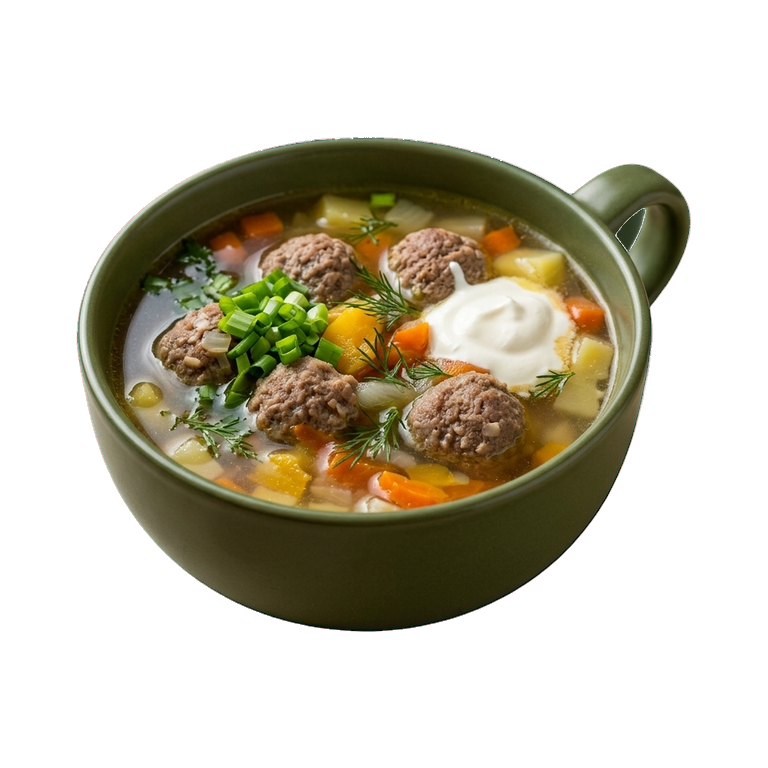
Usuba
Usuba
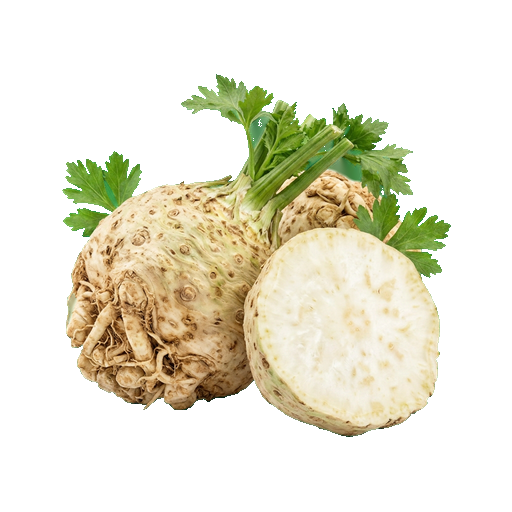
Celery root
Celeriac is a tuberous root with beige skin and white flesh inside, featuring a rich, slightly sharp flavor with herbaceous notes. It is used in soups, stews, purees, and vegetable side dishes, adding a deep savory taste and subtle bitterness to dishes. When selecting, prefer firm root vegetables without soft spots or cracks, and when storing, keep in a cool place to maintain freshness and crispness.
Micronutrients
per 100 g
Minerals
About
Celeriac is one of those vegetables that's easy to pass by at the market, but once you use it in the kitchen, it will become a regular guest in your dishes. It's not just a byproduct of the plant: a meaty, dense root with creamy flesh has its own character and is capable of transforming a soup, stew, or puree.
Aroma and Flavor
The taste of celery root is a delicate blend of herbaceous and nutty notes with a hint of sweetness. Unlike the stalks, which can be quite sharp, the root is milder and more delicate. When cooked, the aroma becomes more pronounced and warm, slightly reminiscent of parsley and carrot at the same time. Raw root is crispy and provides freshness, while with heat treatment it becomes tender and creamy.
Role in dishes
Celeriac is a versatile player in cooking. It is part of the classic French mirepoix with carrots and onions for broths and sauces, giving them depth and refinement. In soups, it acts as a thickener thanks to its starch content, making the dish more rich and full-bodied. Pureed celeriac becomes the base for delicate side dishes or a standalone dish.
Pairings and Uses
- In broths and bouillon cubes — main component of aromatic base
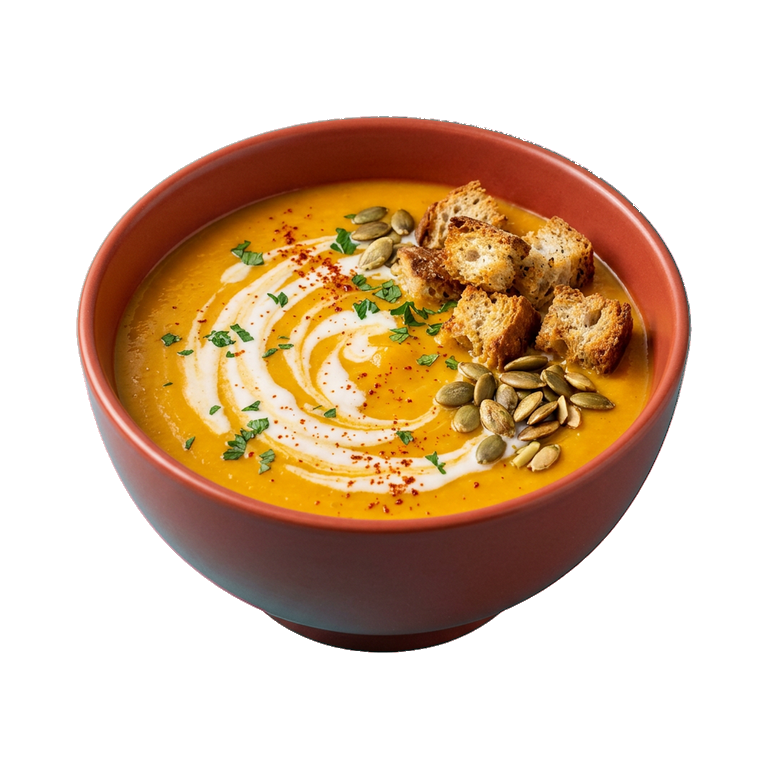
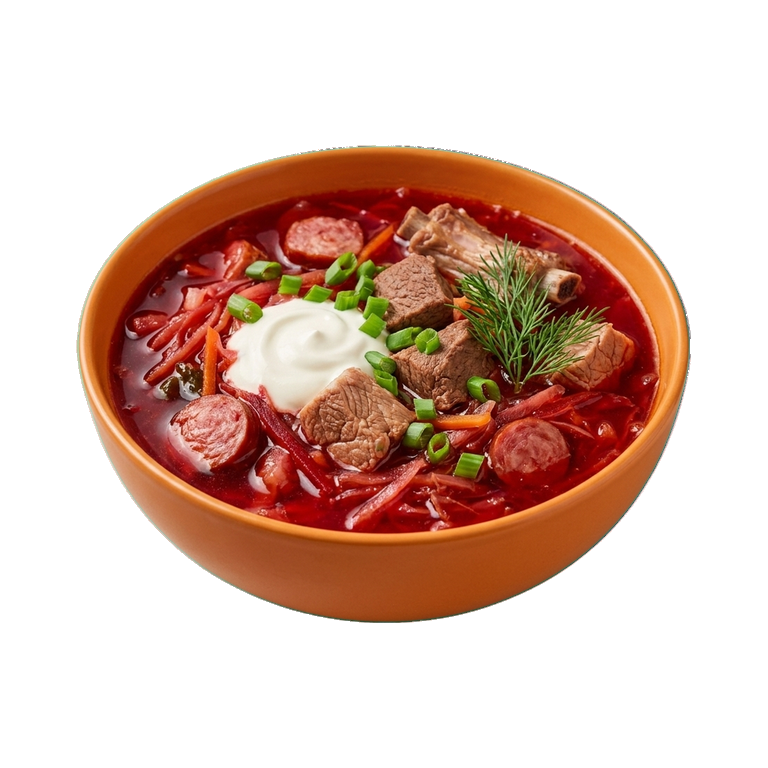
- In creamy soups — with potatoes, mushrooms or carrots
- In puree — on its own or with potatoes and butter
- In stews and braised dishes — adds sweetness and volume
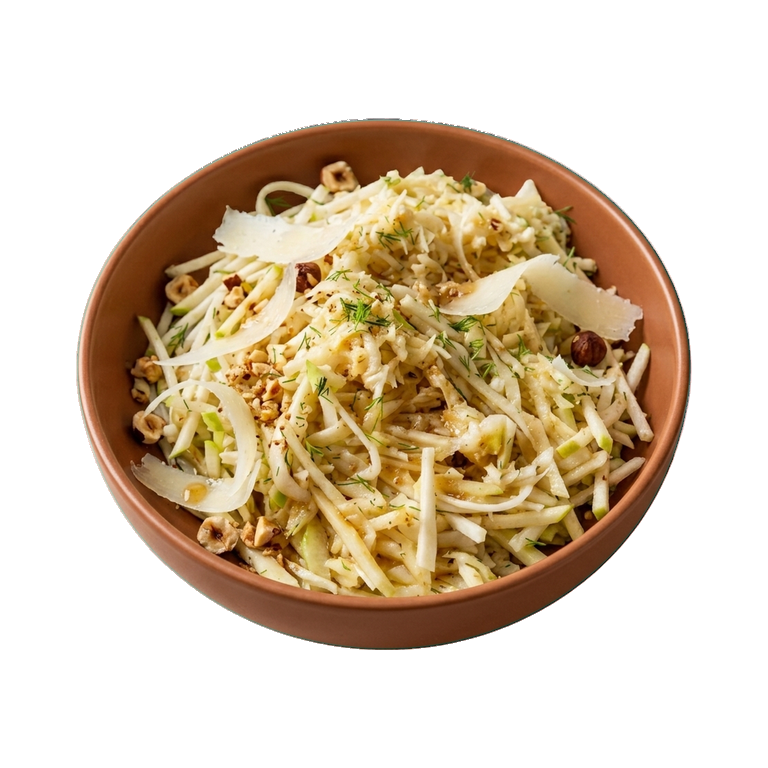
- In raw form — in salads and appetizers, cut into julienne
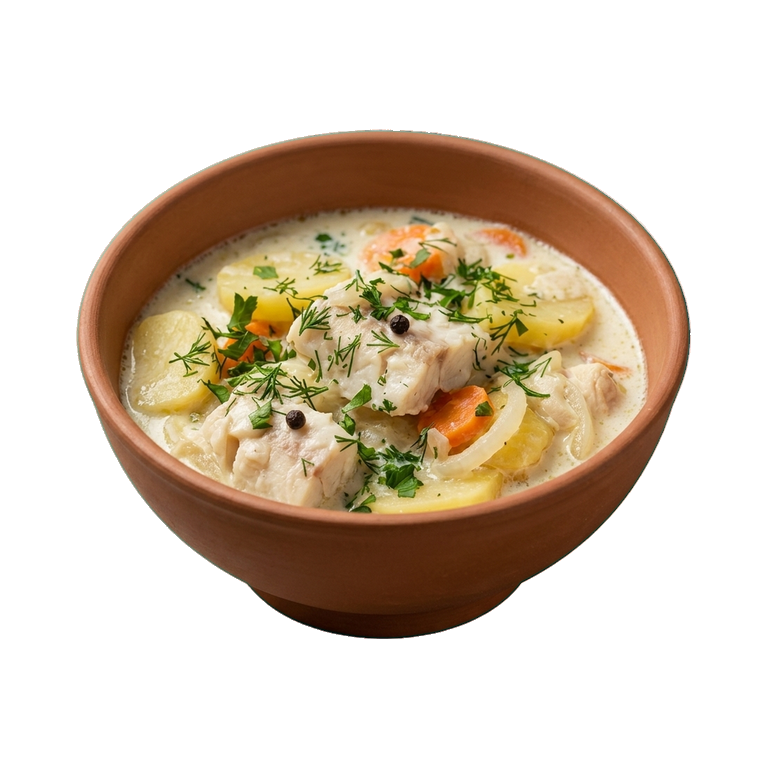
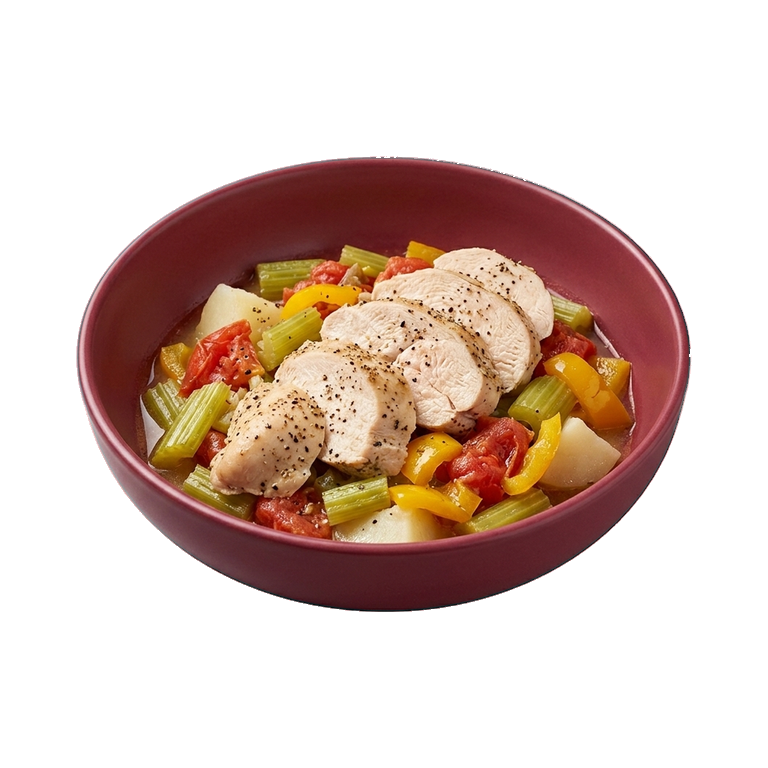
- With poultry and white fish — classic partnership
Selection and Preparation
When choosing, look for medium-sized roots — they are more tender than large specimens. The skin should be smooth, without soft spots or damage. Press lightly on the root: it should be firm and heavy for its size. Before use, wash with a brush under cold running water, then peel with a vegetable peeler or knife — it is quite thick. The flesh oxidizes quickly, so once cut, place the root immediately in water with lemon juice.
Storage
A whole unpeeled celery root keeps in the refrigerator in the vegetable compartment for two to three weeks. Wrap it in paper towels to absorb moisture and prevent mold. Sliced celery root placed in an airtight container with water will last about a week. It's best to freeze pre-blanched celery root — this way it will better retain its texture.
Don't be afraid to experiment: celery root generously imparts its flavor to any dish while not overpowering other ingredients. It's the ideal vegetable for those who want to add depth and complexity to everyday cooking.
Nutrition
per 100 g
- Calories
- 42 kcal
- Protein
- 1.5 g
- Fat
- 0.3 g
- Carbs
- 9.2 g
Micronutrients
per 100 g
Macronutrients
- Fiber
- 1.8 g
- Sugars
- 1.6 g
- Saturated fat
- 0.079 g
- Monounsaturated fat
- 0.058 g
- Polyunsaturated fat
- 0.148 g
- Omega-3 (EPA + DHA)
- 0 g
- Cholesterol
- 0 mg
- Water
- 88 g
Minerals
- Sodium
- 100 mg
- Potassium
- 300 mg
- Calcium
- 43 mg
- Magnesium
- 20 mg
- Phosphorus
- 115 mg
- Iron
- 0.7 mg
- Zinc
- 0.33 mg
- Copper
- 0.07 mg
- Manganese
- 0.16 mg
- Selenium
- 0.7 mcg
Vitamins
- Vitamin A (RAE)
- 0 mcg
- Vitamin D
- 0 mcg
- Vitamin E
- 0.36 mg
- Vitamin K
- 41 mcg
- Vitamin C
- 8 mg
- Vitamin B1 (thiamin)
- 0.05 mg
- Vitamin B2 (riboflavin)
- 0.06 mg
- Vitamin B3 (niacin)
- 0.7 mg
- Vitamin B5 (pantothenic acid)
- 0.35 mg
- Vitamin B6
- 0.17 mg
- Vitamin B9 (folate, DFE)
- 8 mcg
- Vitamin B12
- 0 mcg
Measures and weight
- 1 pcs
- 200 g
- 1 slice
- 15 g
Measure calculator
- Weight
- 100 g
- Calories
- 42 kcal