Usuba
Usuba
Long-grain rice
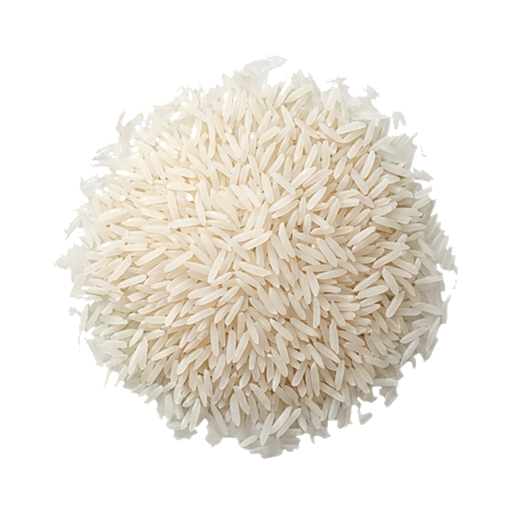
Long-grain rice is distinguished by thin, elongated grains longer than 6 mm, which remain fluffy and do not stick together when cooked. This rice is ideal for pilaf, risotto, and side dishes due to its ability to maintain its shape and absorb the flavors of broths and oil. When selecting, pay attention to the uniformity of grains and the absence of debris, and when cooking, maintain the correct ratio of water to rice to achieve the desired consistency.
Micronutrients
per 100 g
Minerals
About
Long-grain rice is a workhorse in the kitchen if you want to get a fluffy dish with clearly visible grains. Its grains are three to four times longer than they are wide, and it is precisely this shape that determines its behavior when cooking: it absorbs moisture more evenly than round varieties and remains firm without turning into porridge.
How to cook: basic rules
Long-grain rice works well with the absorption method — when you cook it in the exact amount of liquid that is completely absorbed. The classic ratio is: one part rice to two parts water or broth. Rinse the rice before cooking with cold water to wash away surface starch — this will help the grains stay separate and not stick together.
- Bring water to a boil, add rice and a pinch of salt
- Reduce heat to the lowest setting and cover with a lid
- Cook for 15–18 minutes — long-grain rice cooks faster than short-grain
- Let the rice rest under the lid for 5 minutes after turning off the heat
- Fluff with a fork before serving
Where to use it
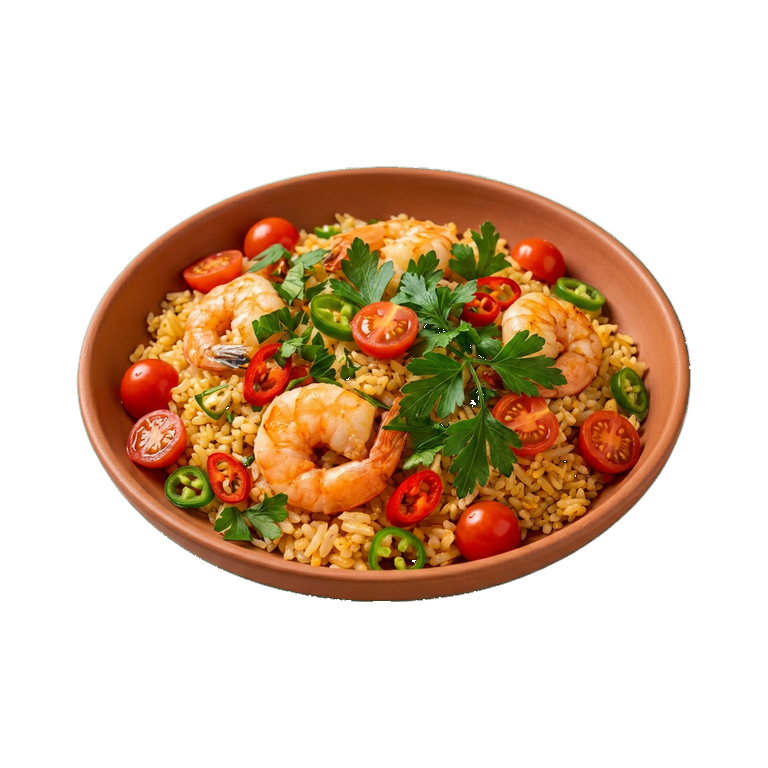
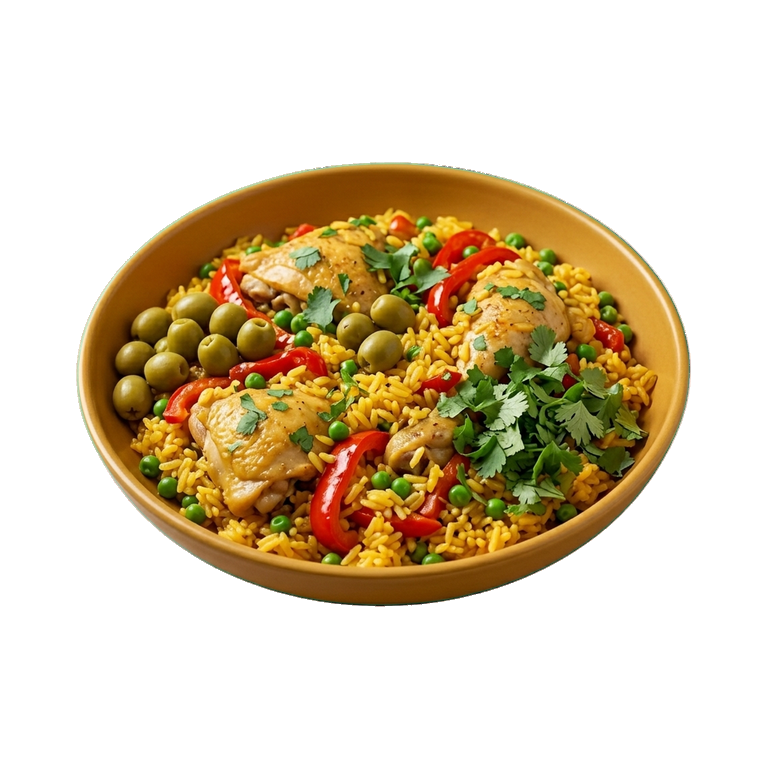
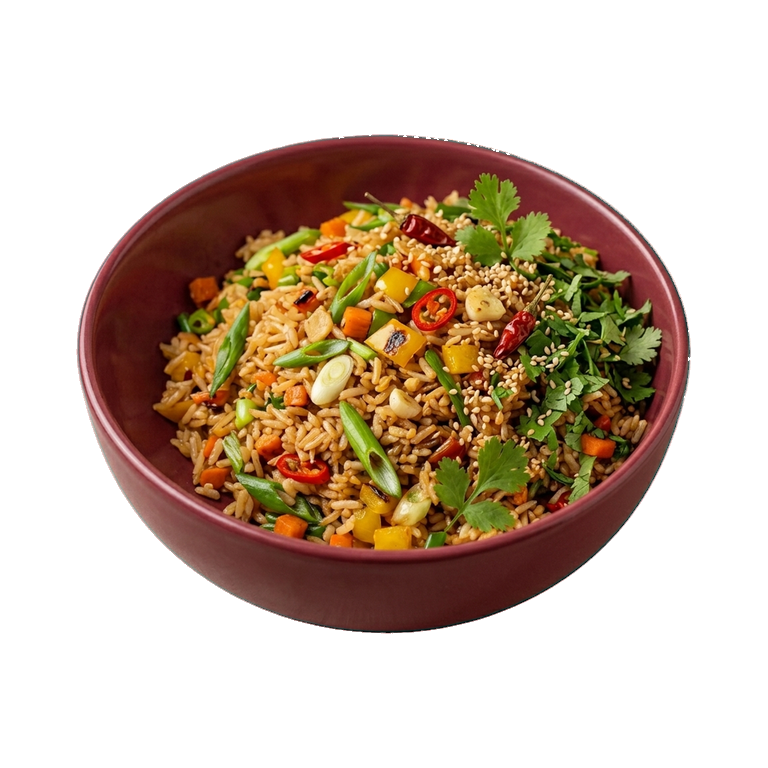
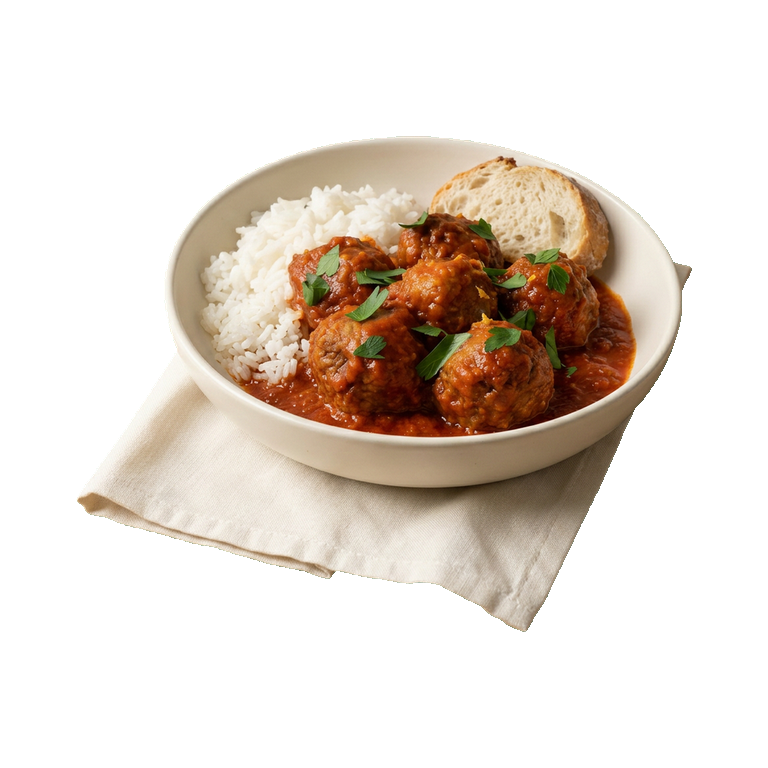
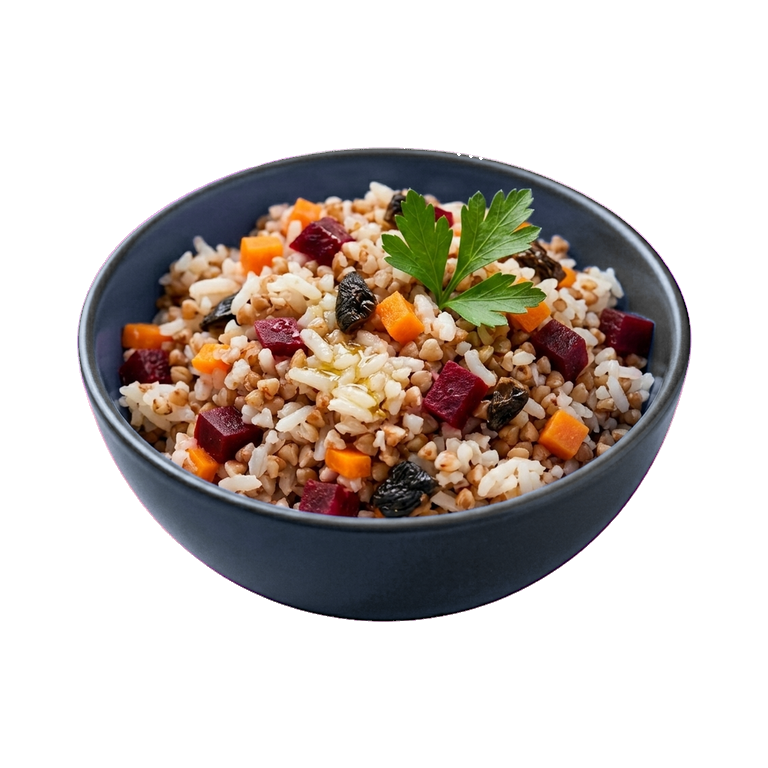
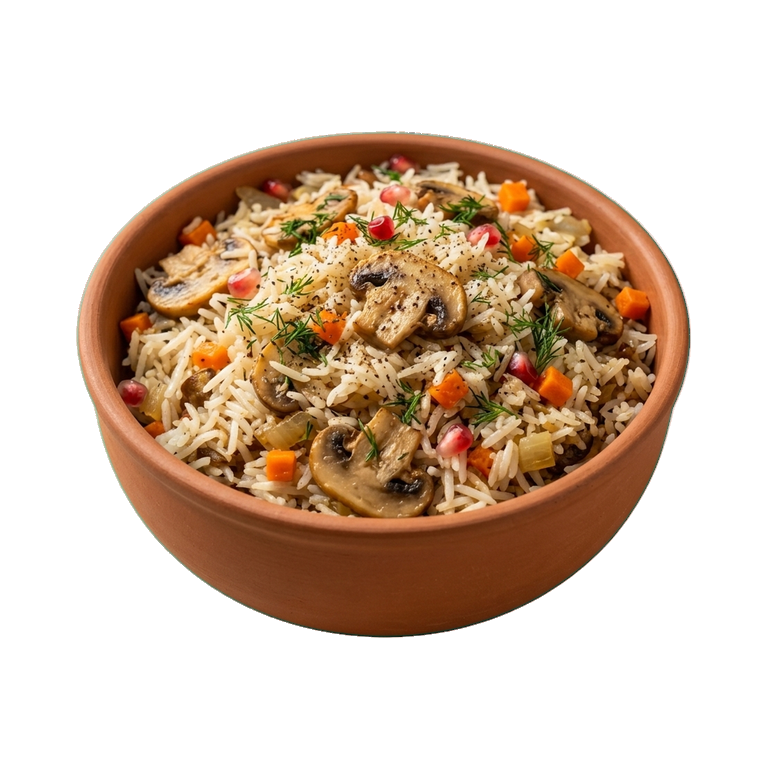
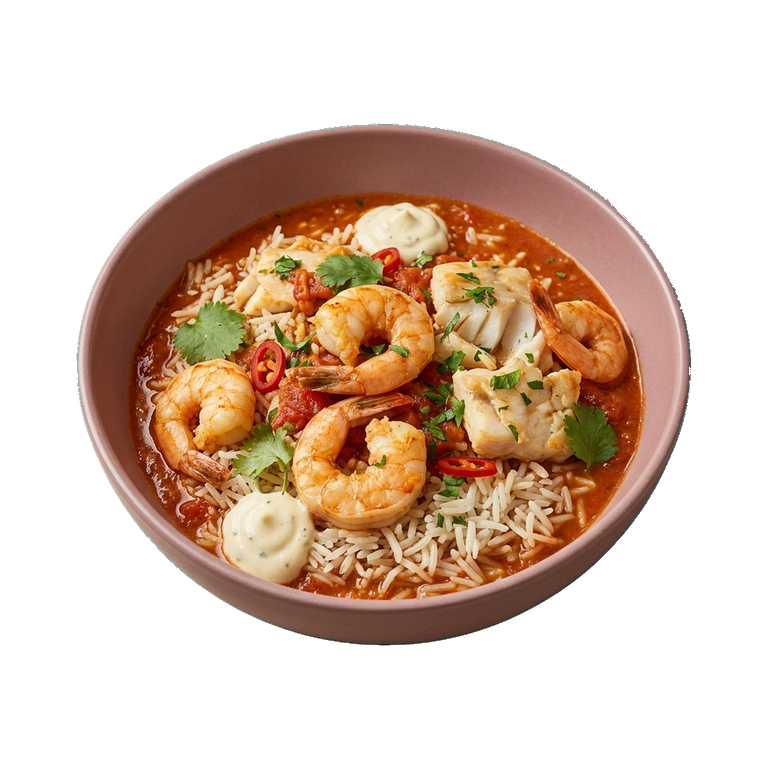
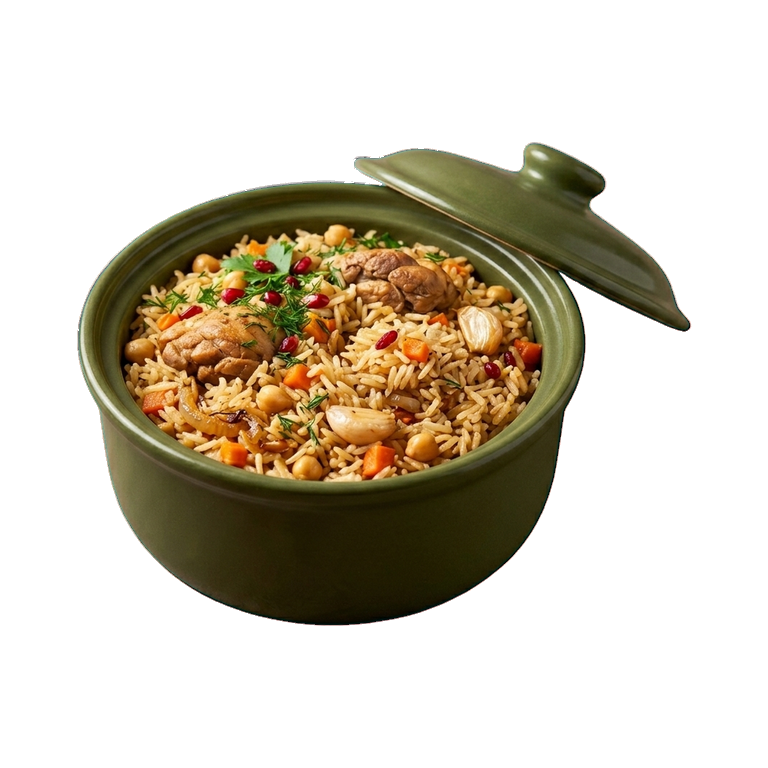
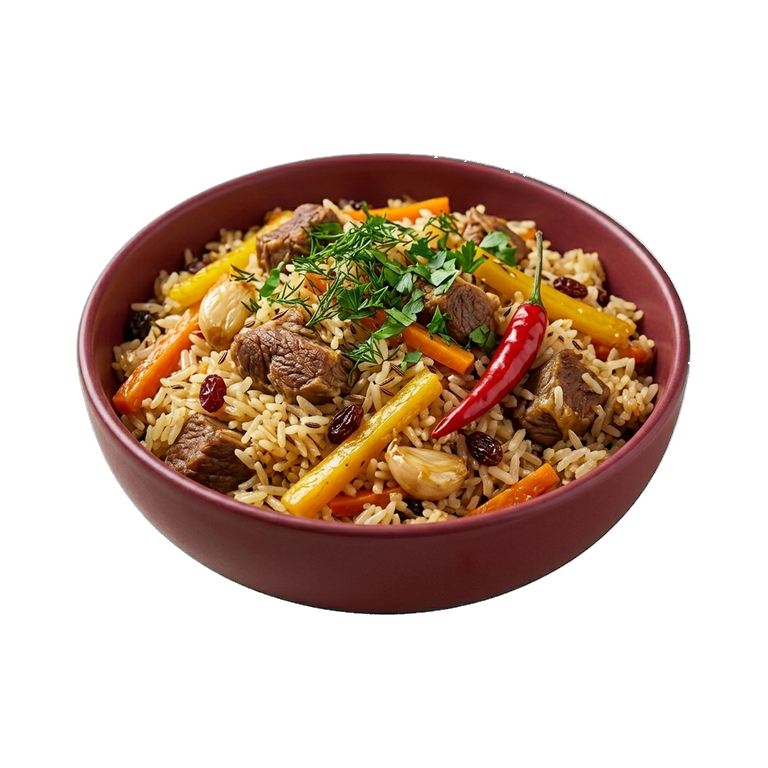
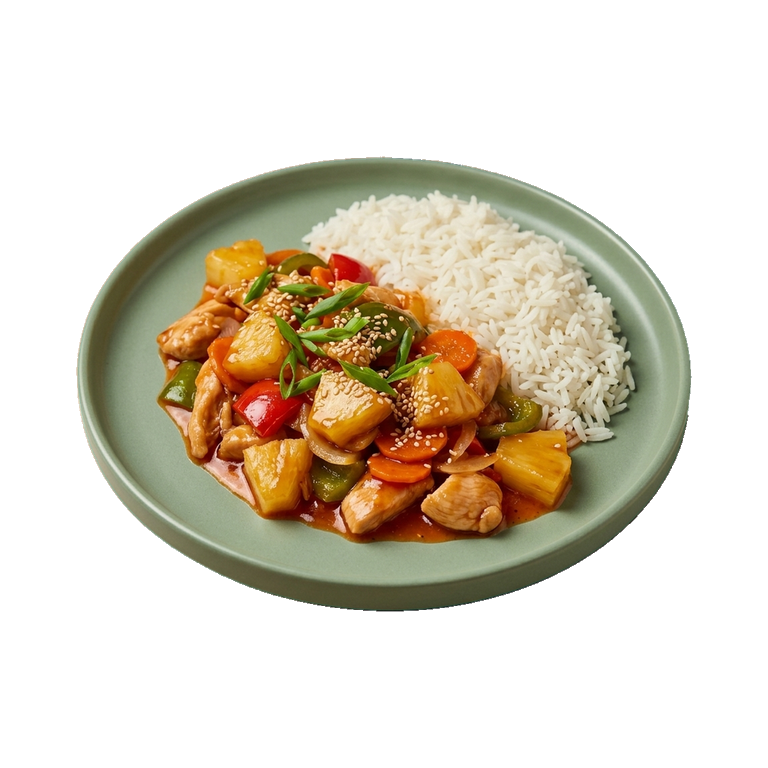
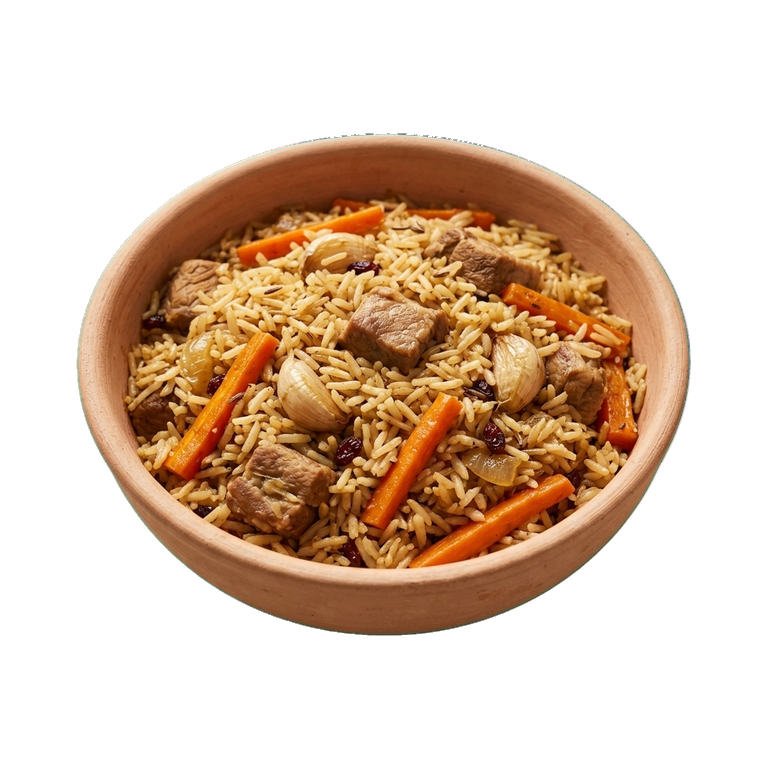
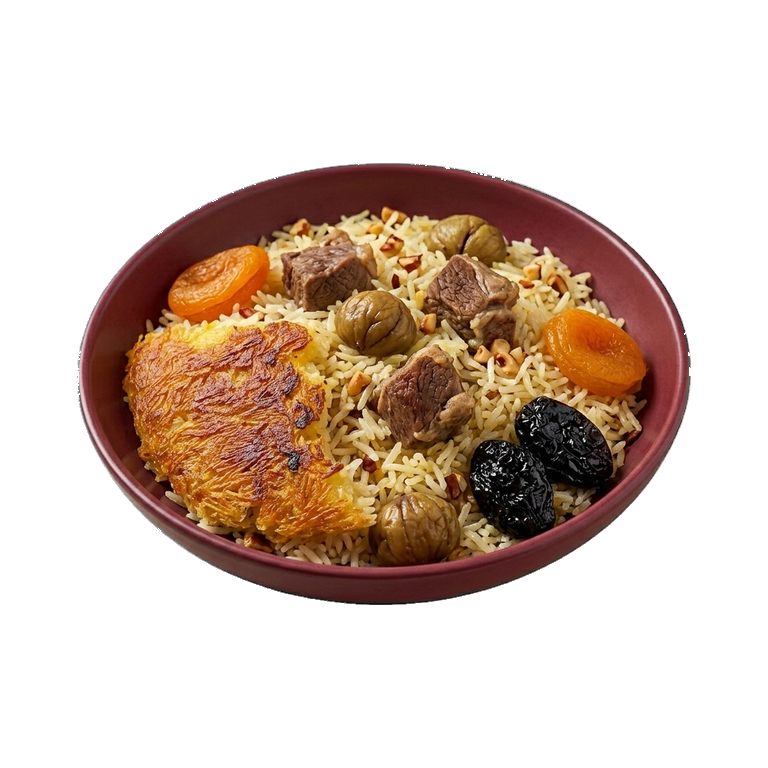
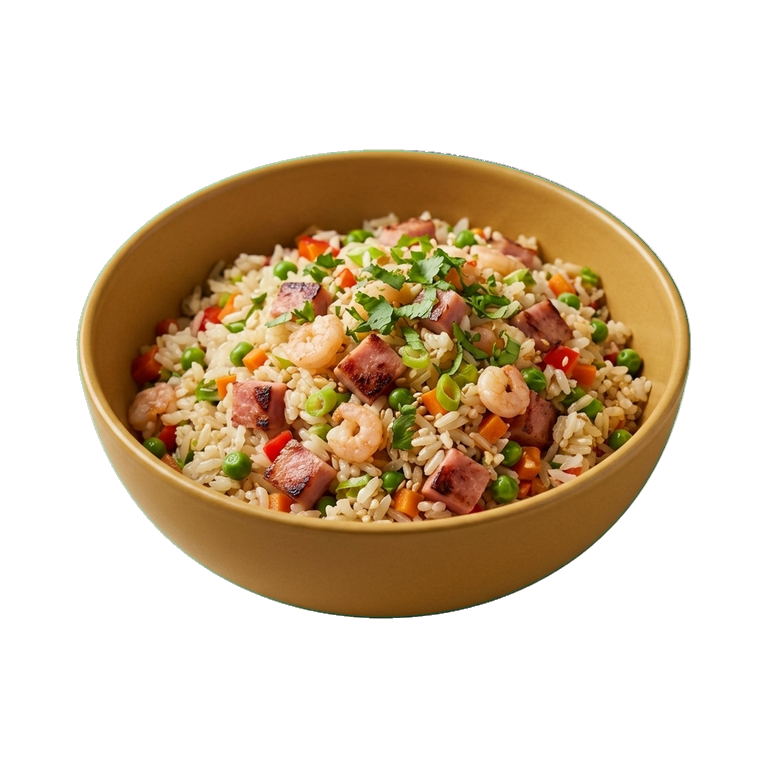
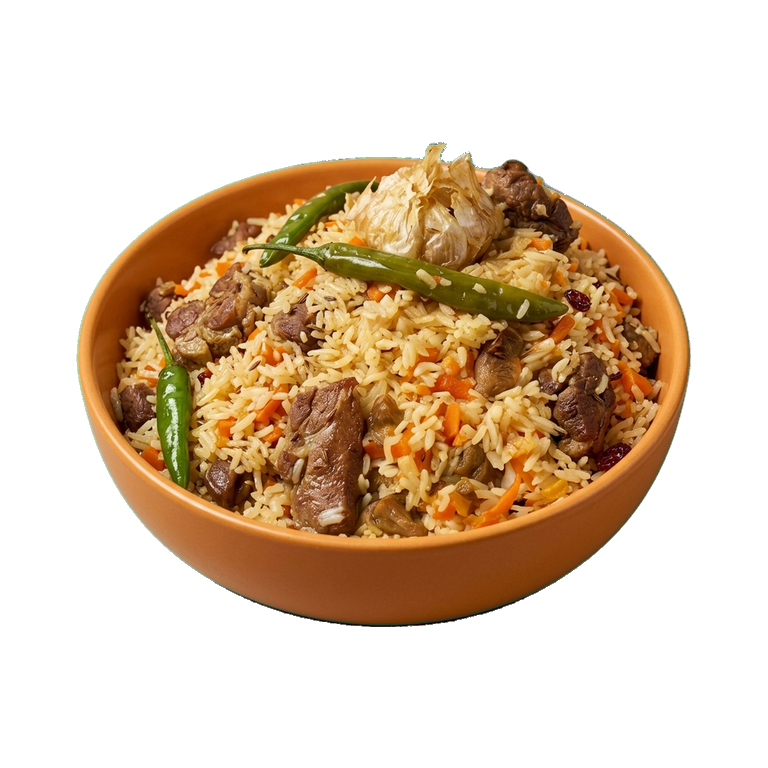
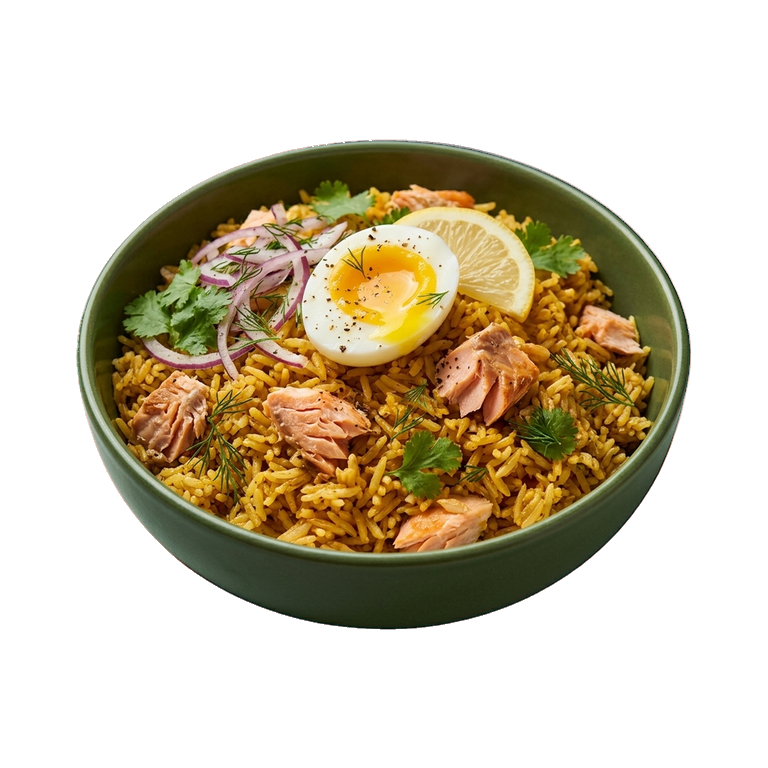
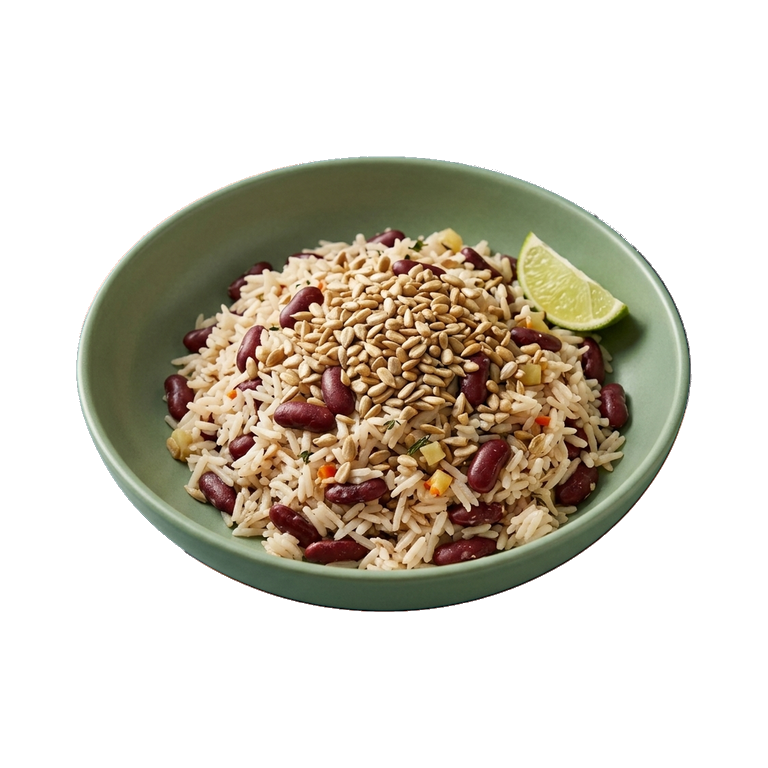
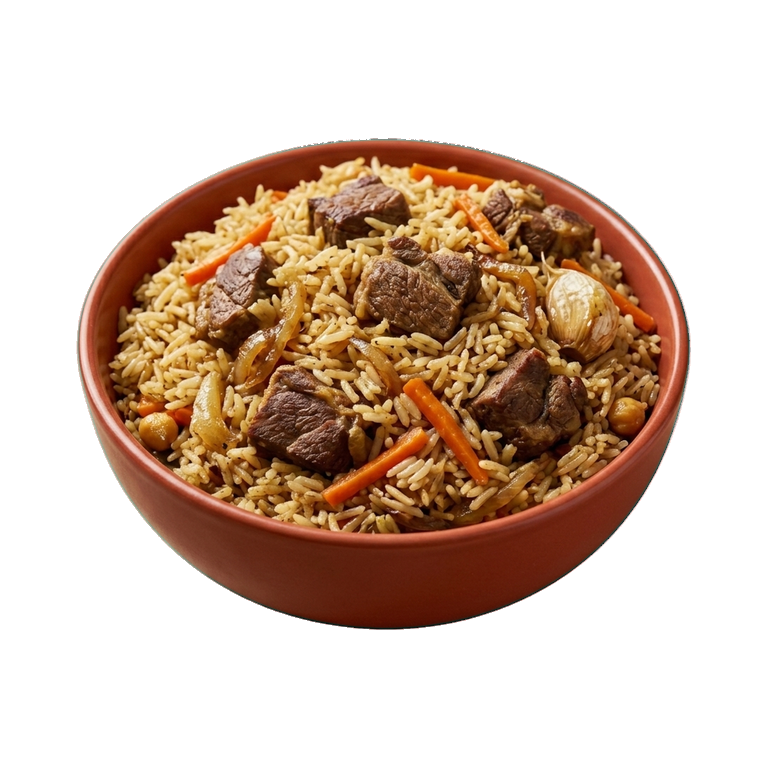
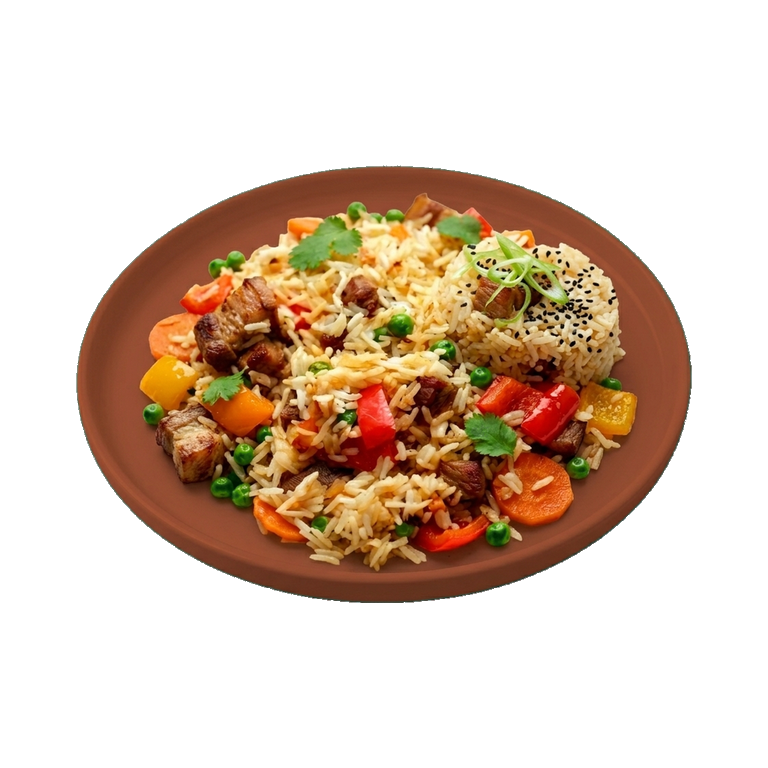
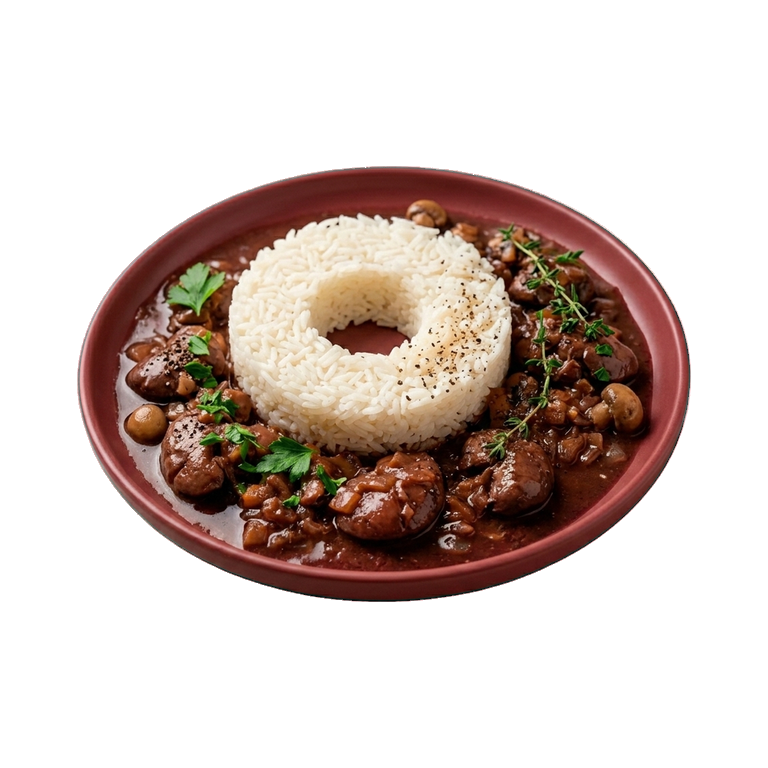
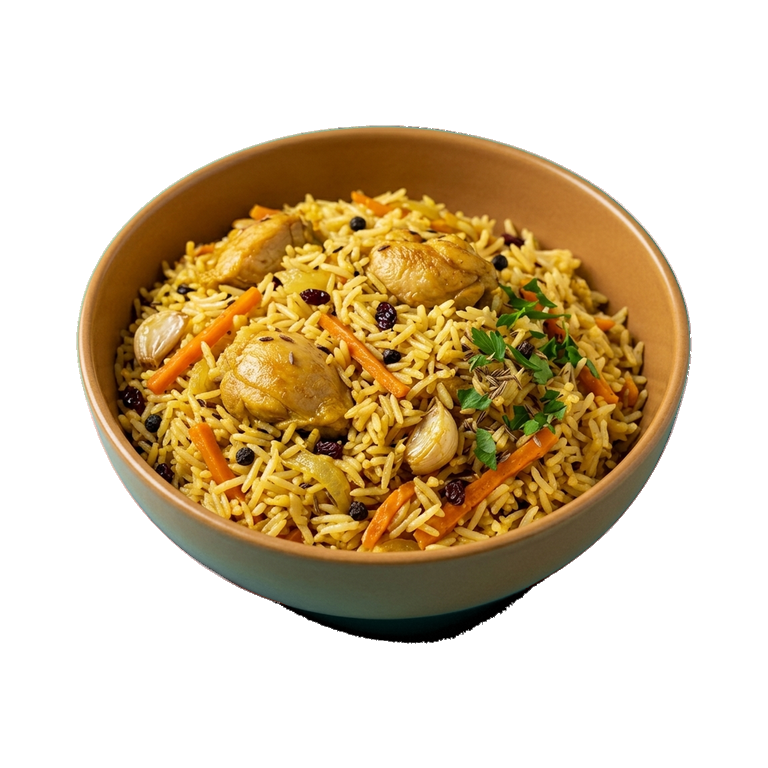
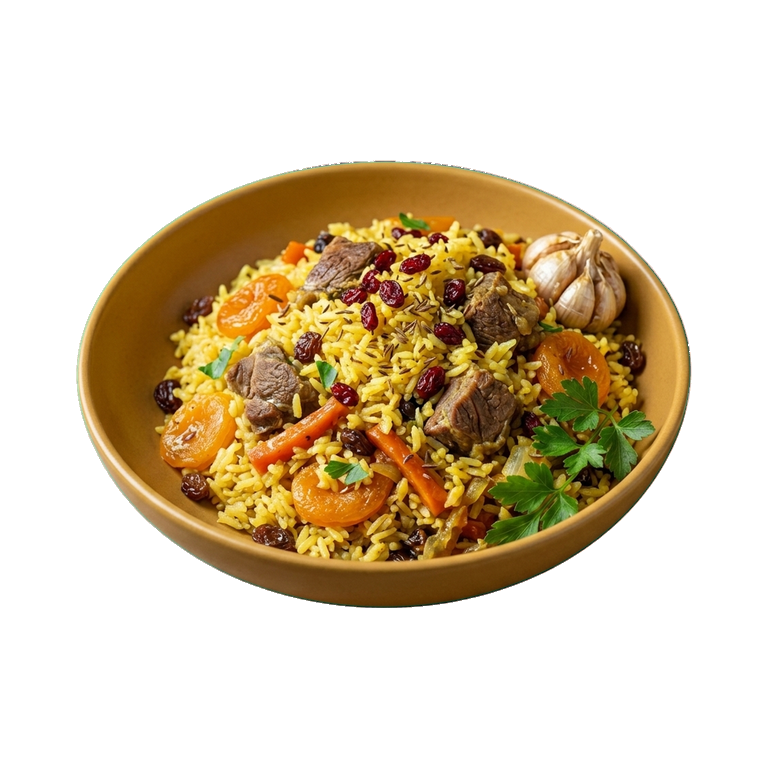
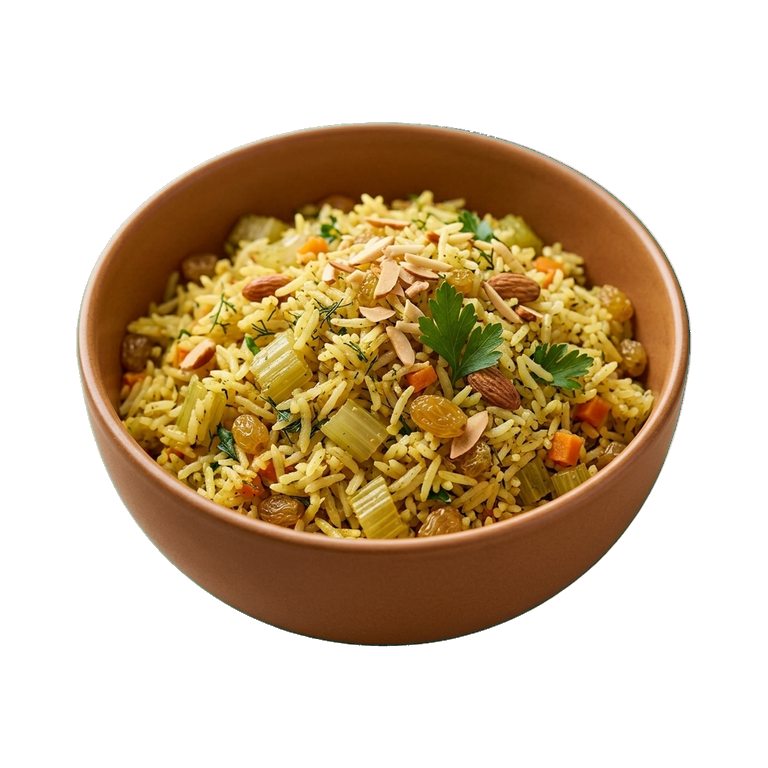
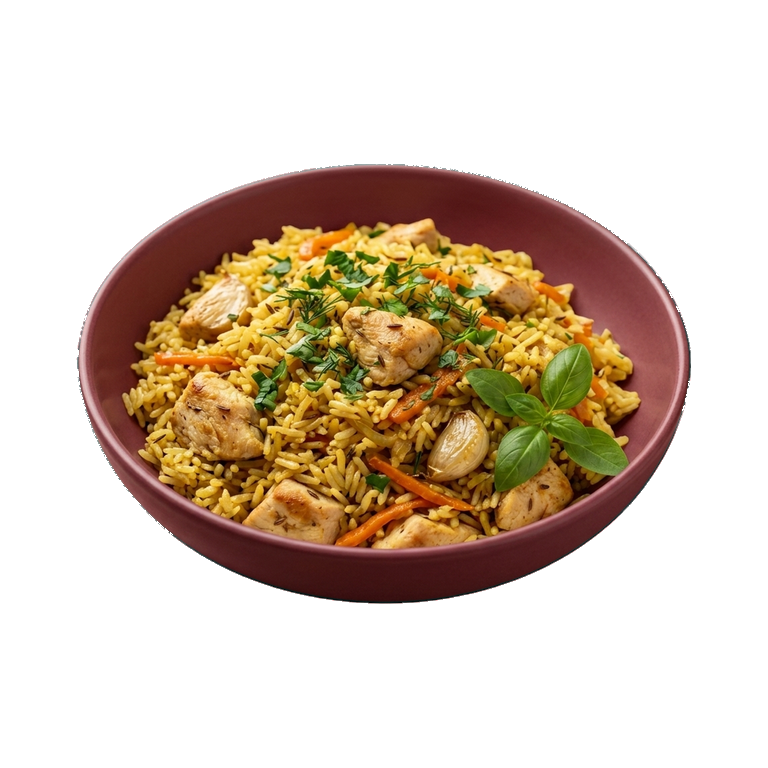
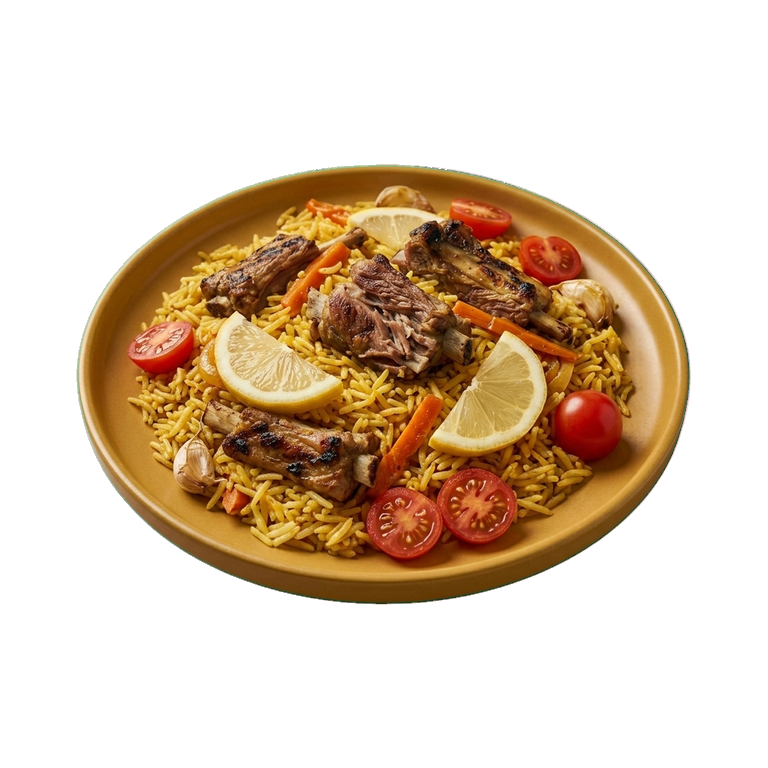
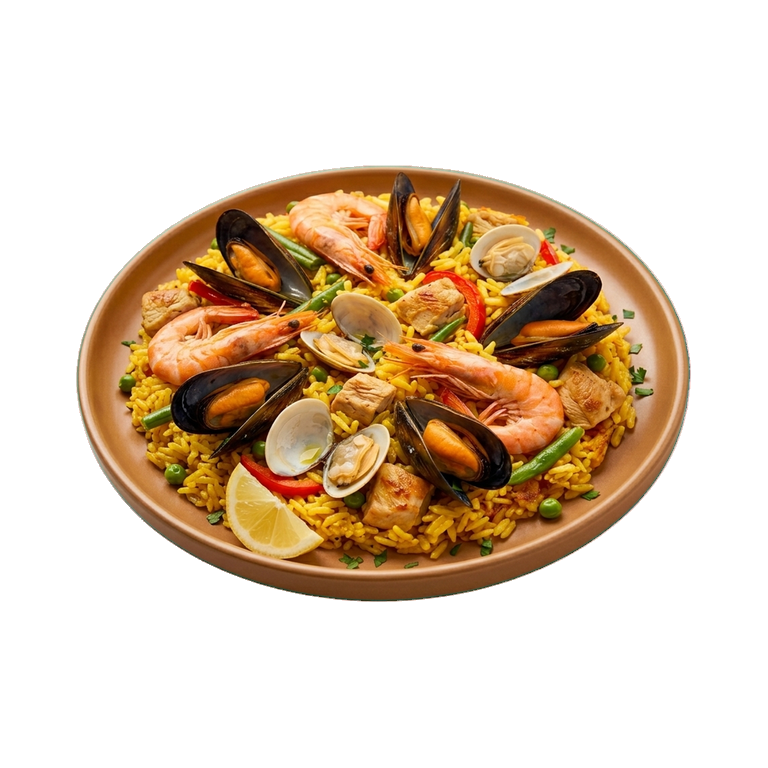
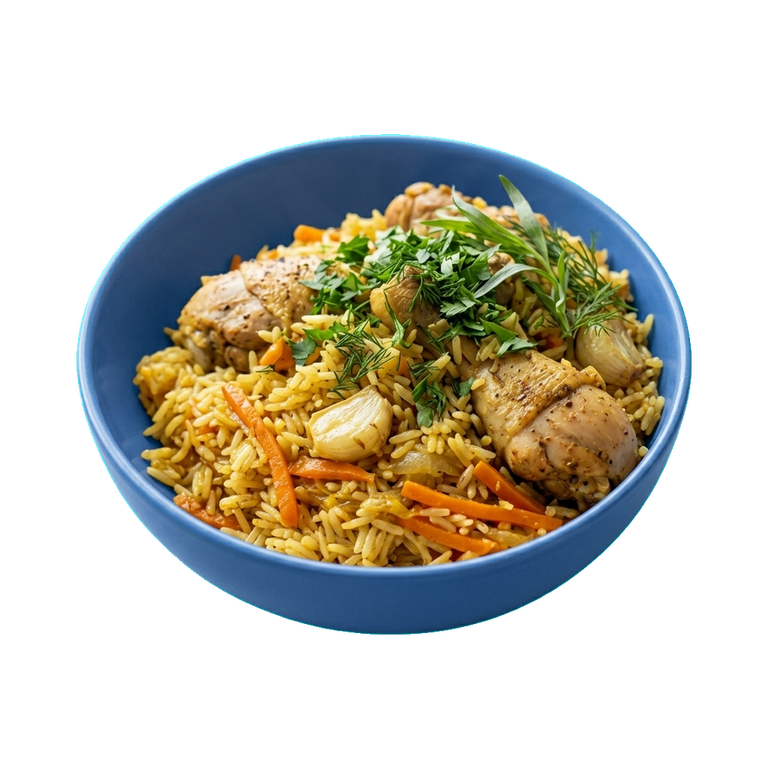
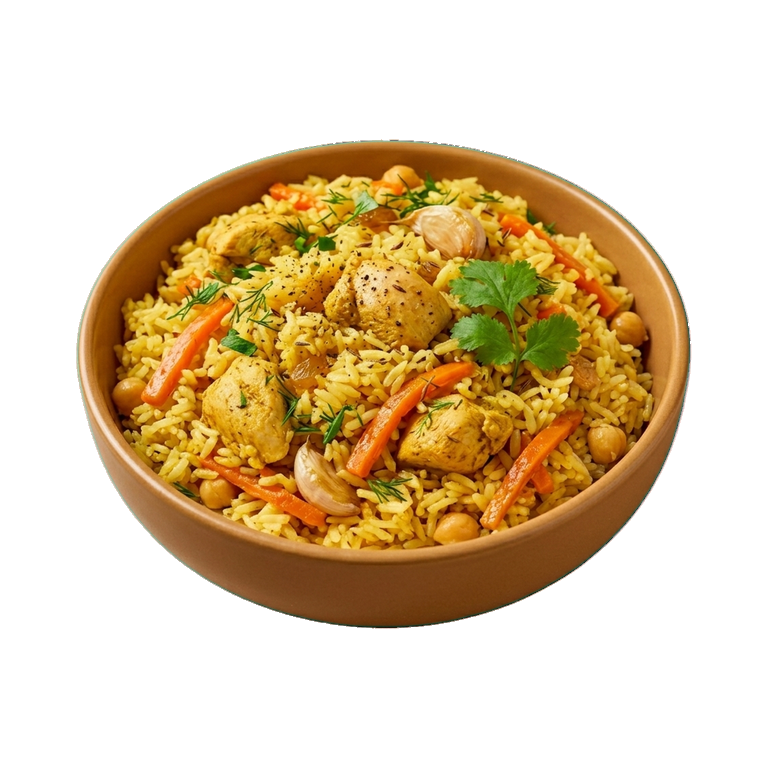
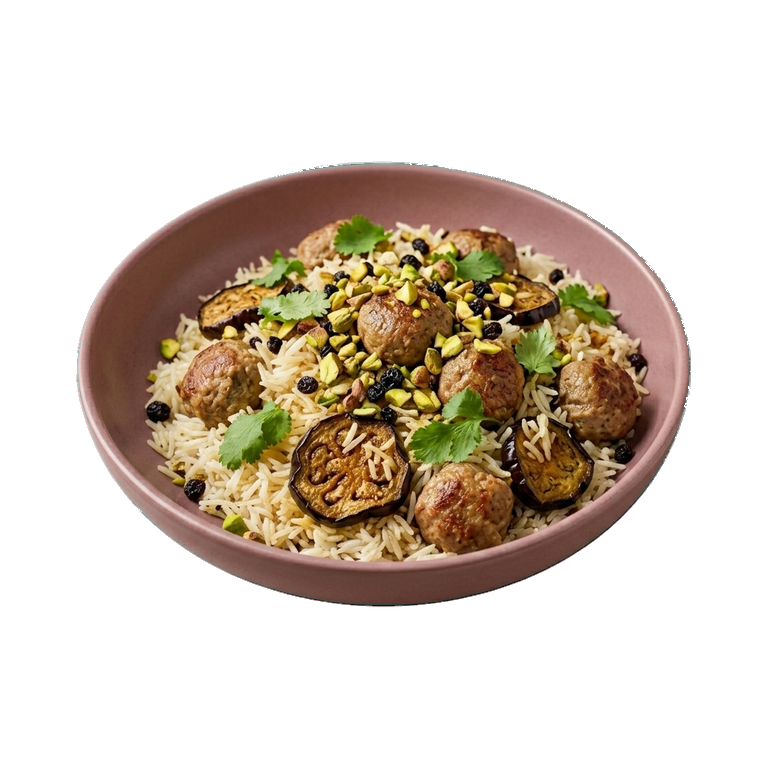
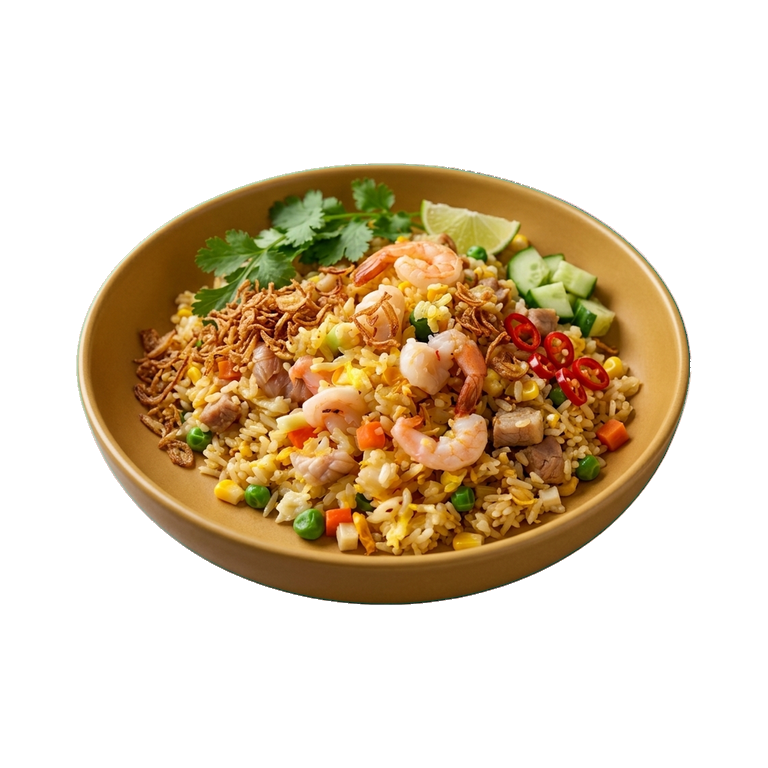
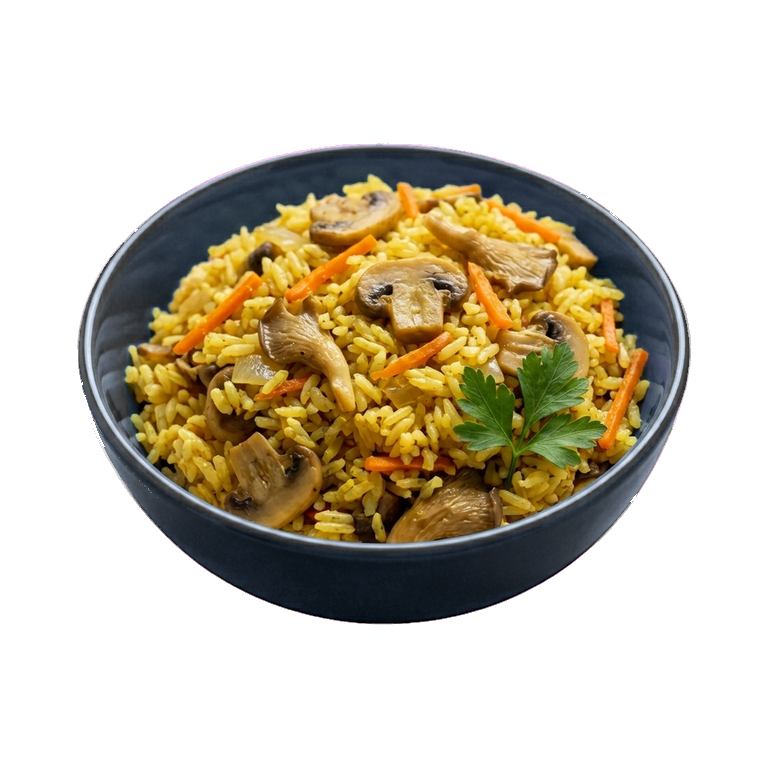
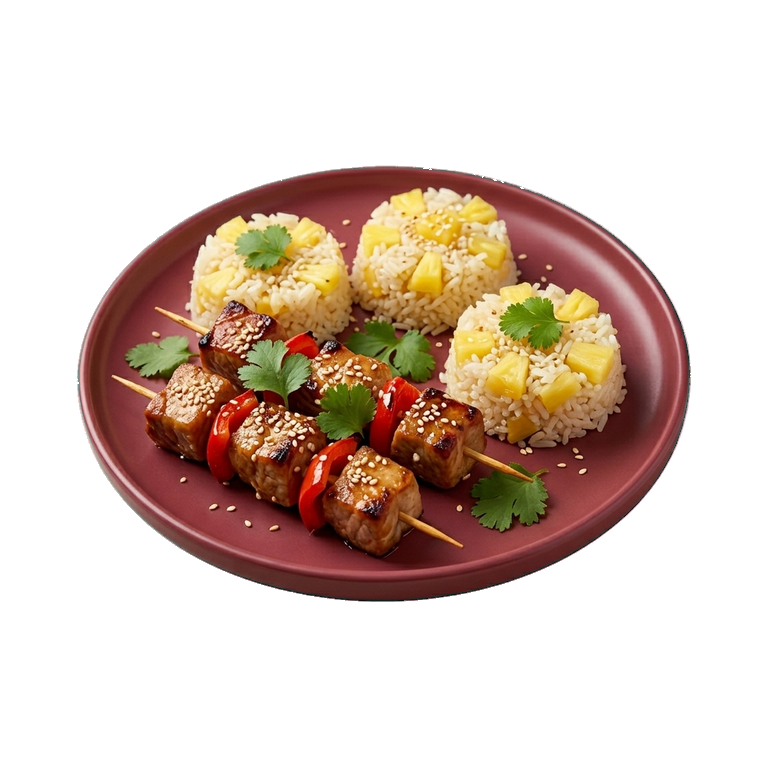
This is a universal rice for side dishes: it pairs well with meat, fish, and vegetables. It is ideal for pilaf, where it's important that each grain is visible and distinct. It works well in salads — the grains hold their shape and don't break apart when stirred. For risotto and paella, it's better to choose special varieties (arborio or bomba), but long-grain rice is not suitable for sushi and rolls.
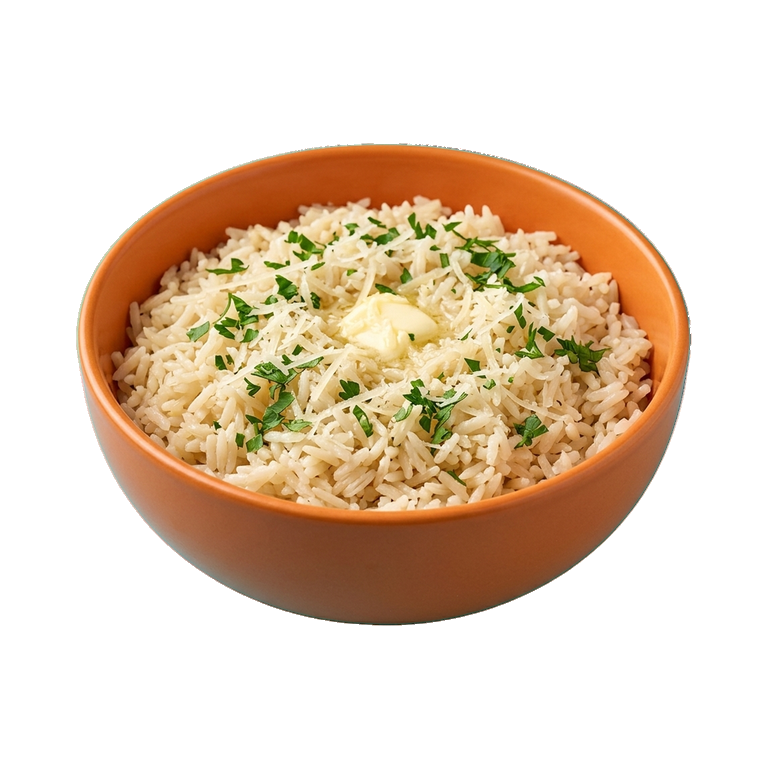
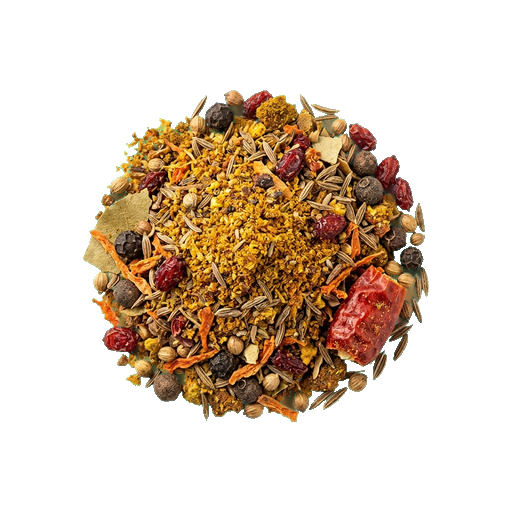
Long-grain rice absorbs flavors well: add a bay leaf, cinnamon stick, star anise, or cardamom to the water if you're preparing an Eastern dish. It works better with spices and seasonings than neutral options, and brings out their flavor. Butter or vegetable oil added at the end of cooking makes the rice more tender and the dish more satisfying.
Selection and Storage
When buying, pay attention to the color: the grains should be translucent, without cracks or chips. White long-grain rice is the most affordable option. Golden (parboiled) rice cooks more slowly and holds its shape better, but requires a bit more time. Brown (unmilled) rice contains more fiber and is more nutritious, but takes longer to cook—approximately 30–40 minutes.
Store rice in a tightly sealed glass or plastic container in a dry, cool place. Protect it from moisture and odors — rice easily absorbs both. When stored properly, long-grain rice will not spoil for years, but over time it may absorb moisture and take longer to cook. If rice has been stored for a long time, rinse it several times before cooking.
Nutrition
per 100 g
- Calories
- 130 kcal
- Protein
- 2.7 g
- Fat
- 0.3 g
- Carbs
- 28 g
Micronutrients
per 100 g
Macronutrients
- Fiber
- 0.149 g
- Water
- 11.19 g
Minerals
- Sodium
- 0.46 mg
- Potassium
- 82.26 mg
- Calcium
- 4.46 mg
- Magnesium
- 26.53 mg
- Phosphorus
- 108.2 mg
- Iron
- 0.14 mg
- Zinc
- 1.35 mg
- Copper
- 0.21 mg
- Manganese
- 0.98 mg
- Selenium
- 6.6 mcg
Vitamins
- Vitamin B1 (thiamin)
- 0.07 mg
- Vitamin B2 (riboflavin)
- 0.08 mg
- Vitamin B3 (niacin)
- 1.43 mg
- Vitamin B6
- 0.06 mg
Measures and weight
- 1 tbsp
- 11.3 g
- 1 tsp
- 3.8 g
- 1 cup
- 187.5 g
Measure calculator
- Weight
- 100 g
- Calories
- 130 kcal