Usuba
Usuba
Ground beef
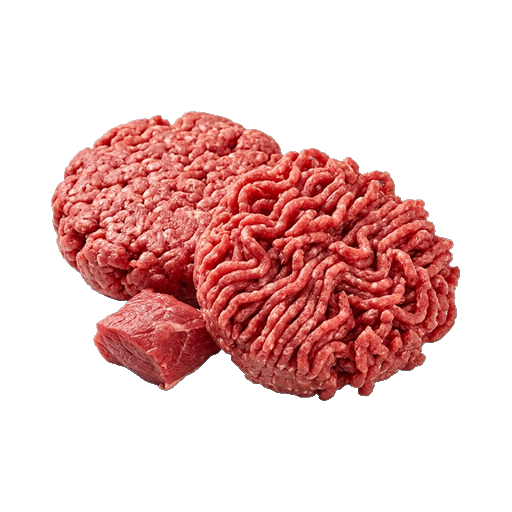
Ground beef is minced beef meat obtained from various parts of the carcass and often mixed with fat for juiciness and flavor. It cooks quickly and serves as the base for patties, meatballs, bolognese, fillings for dumplings and pies. When selecting, it's important to ensure the freshness of the meat — it should be red in color without gray coating, and when storing in the refrigerator use within a day, in the freezer — up to three months.
Micronutrients
per 100 g
About
Beef mince is one of the most versatile semi-finished products in the kitchen. It is a ready-to-use mixture of minced meat that saves time on preparation and allows you to focus on the taste of the dish. Quality mince has a uniform structure, bright red color, and a pleasant meat aroma without any foreign impurities.
Taste and Aroma
Ground beef has a rich, deep meaty flavor with a subtle sweetness. It doesn't require extra effort to release its aroma — simply sauté it in a hot pan, and it will immediately start to emit an appetizing smell. When properly prepared, the ground meat becomes the foundation on which the entire dish's flavor is built, rather than just a filler.
The intensity of taste depends on fat content. Ground meat with 15–20% fat content gives a more juicy result than lean options, but requires careful storage. Lean ground meat is more convenient for diet dishes, but during cooking it can turn out dry without adding oil or binding agents.
Where to use
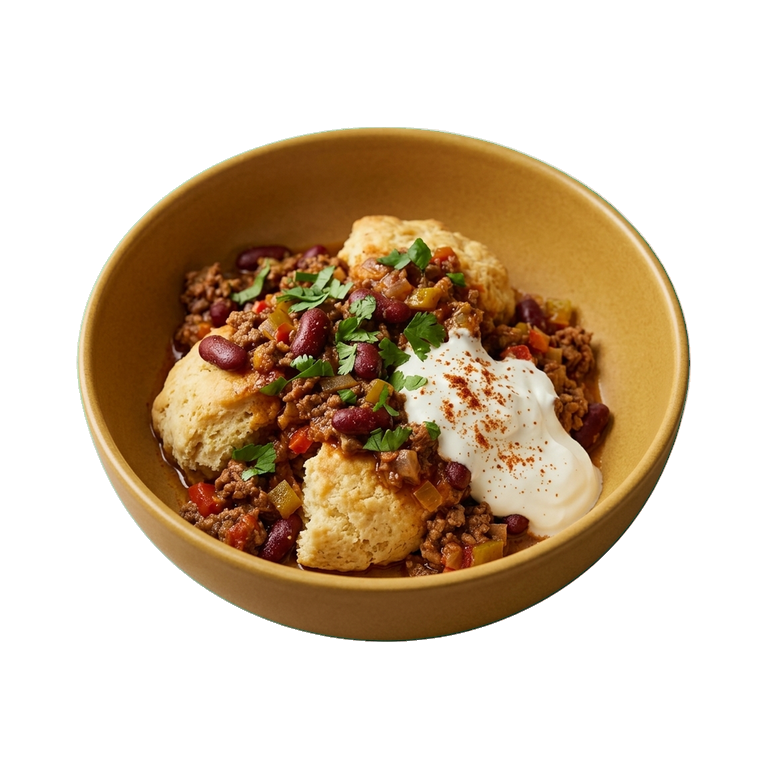
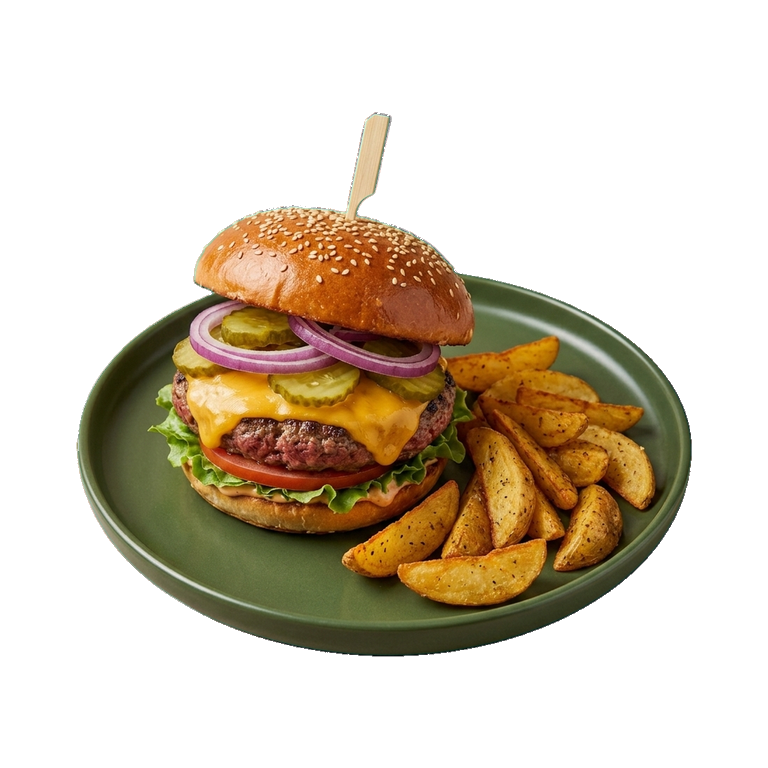
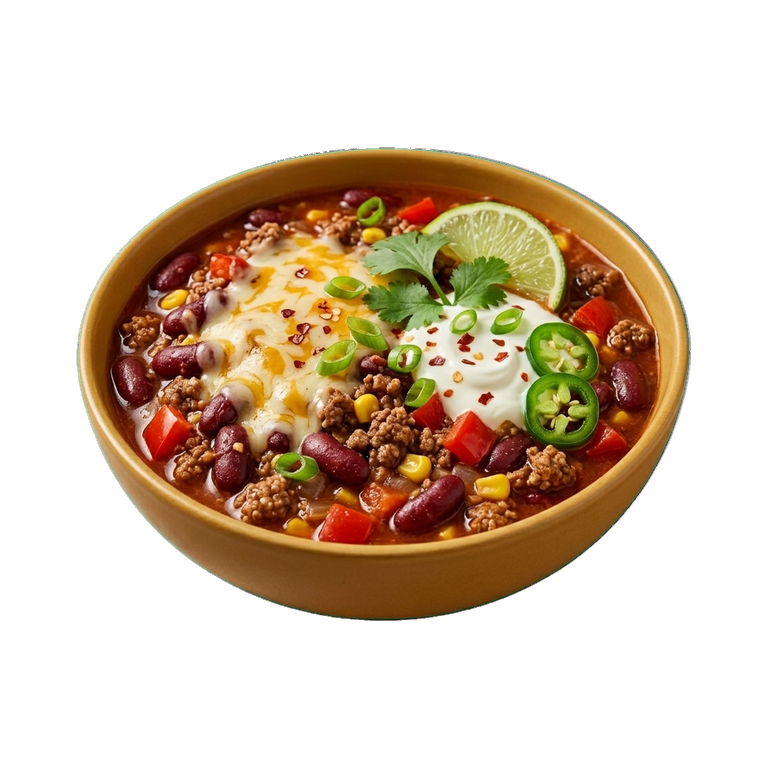
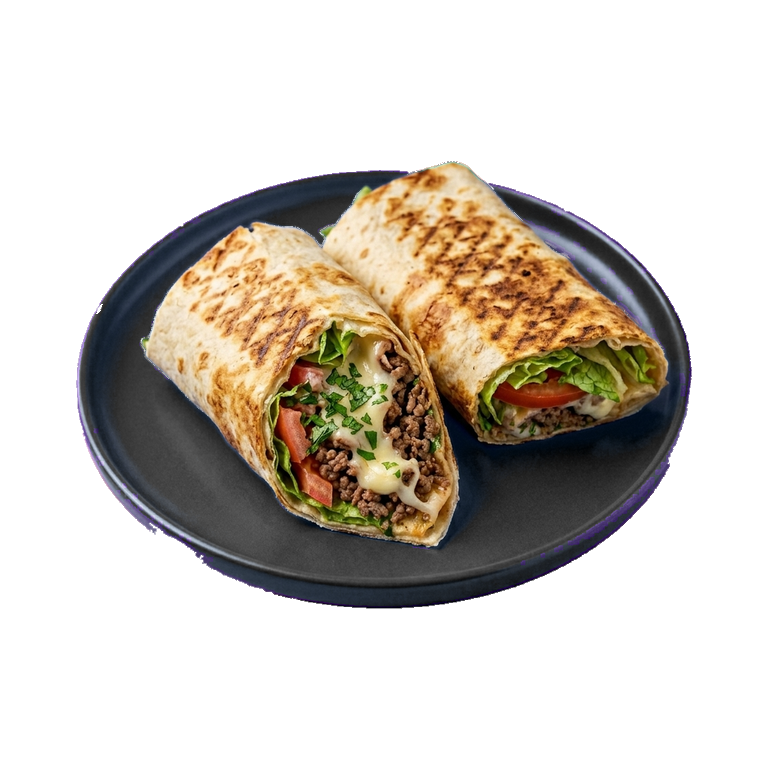
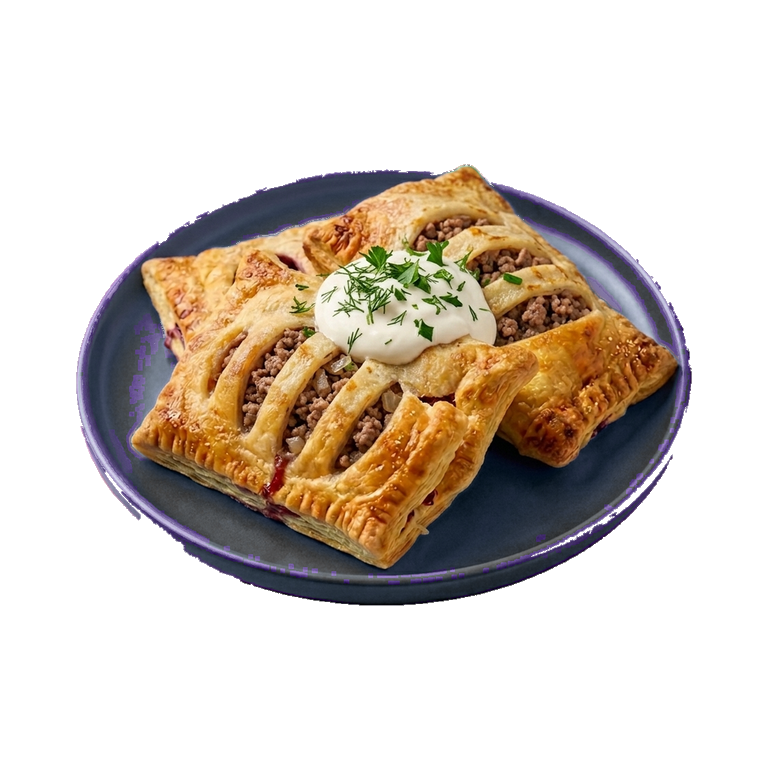
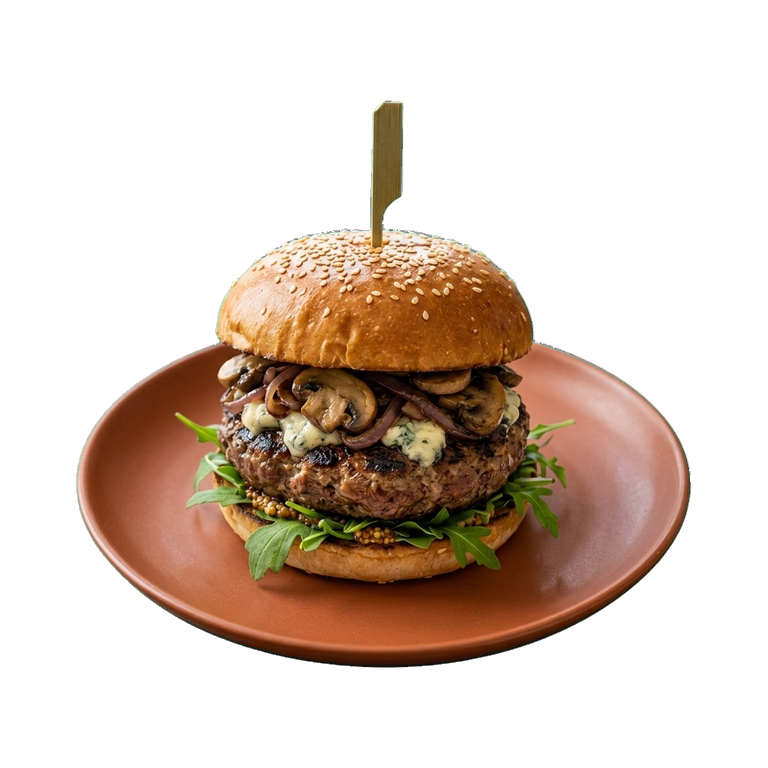
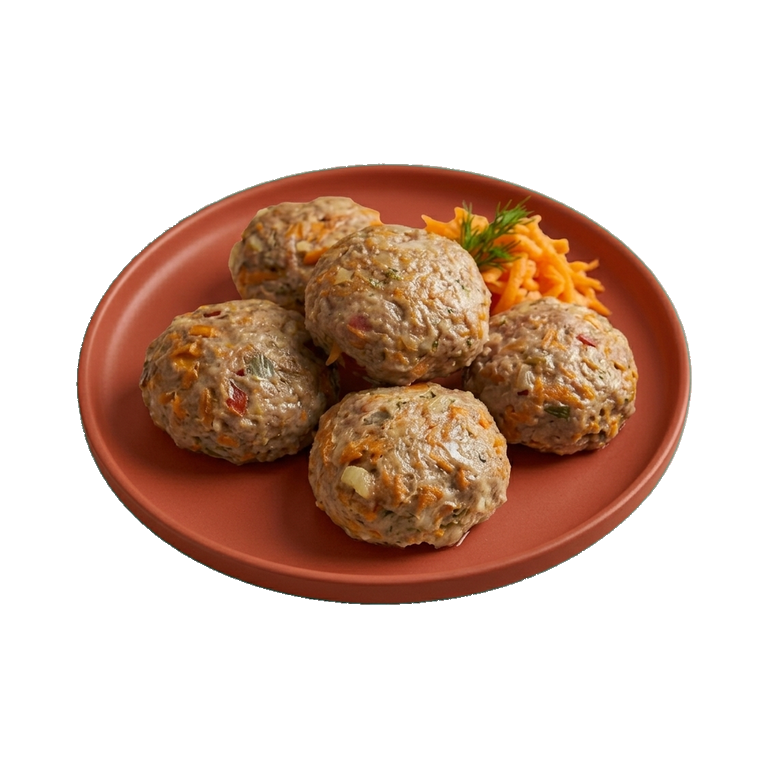
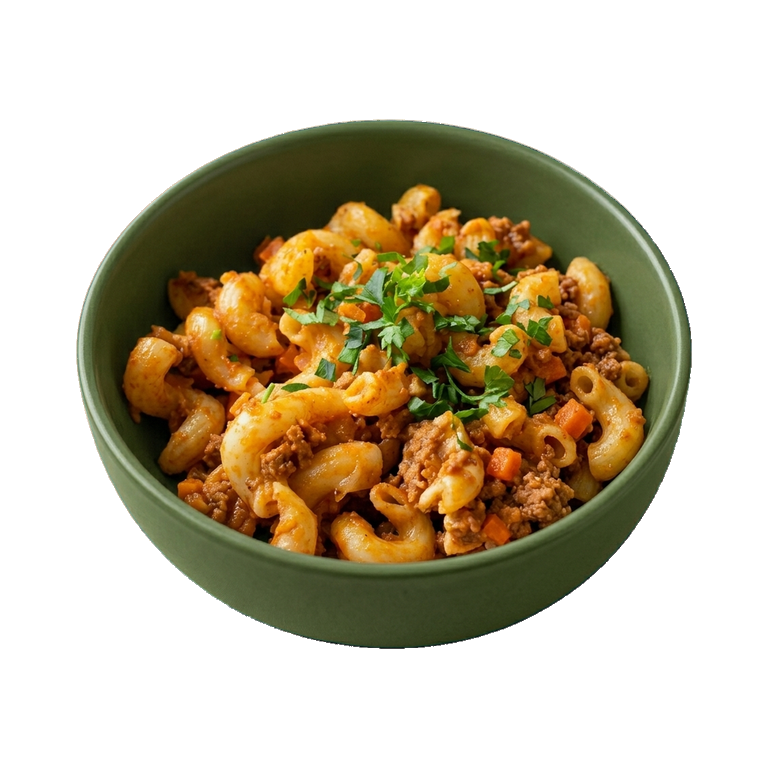
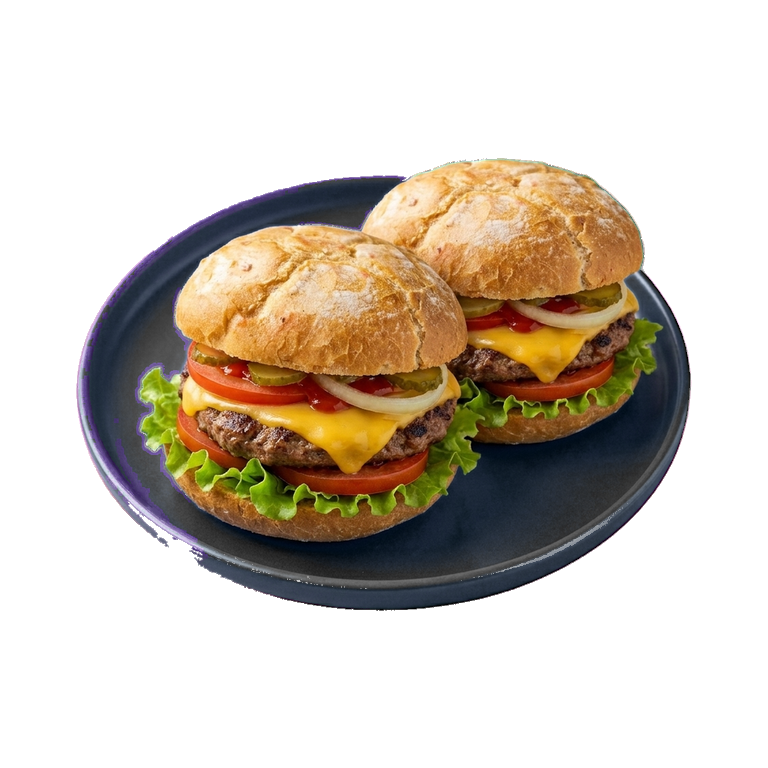
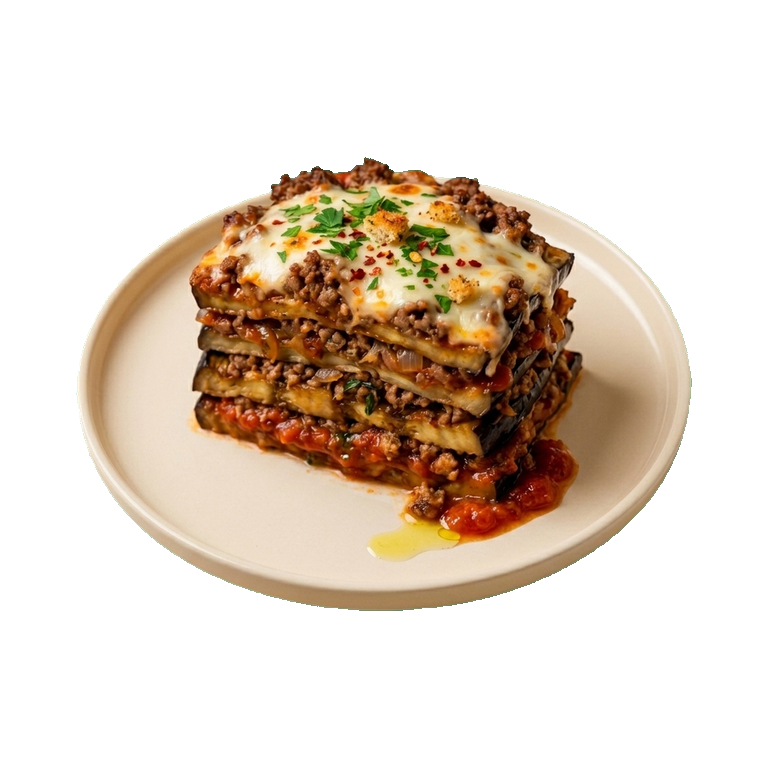
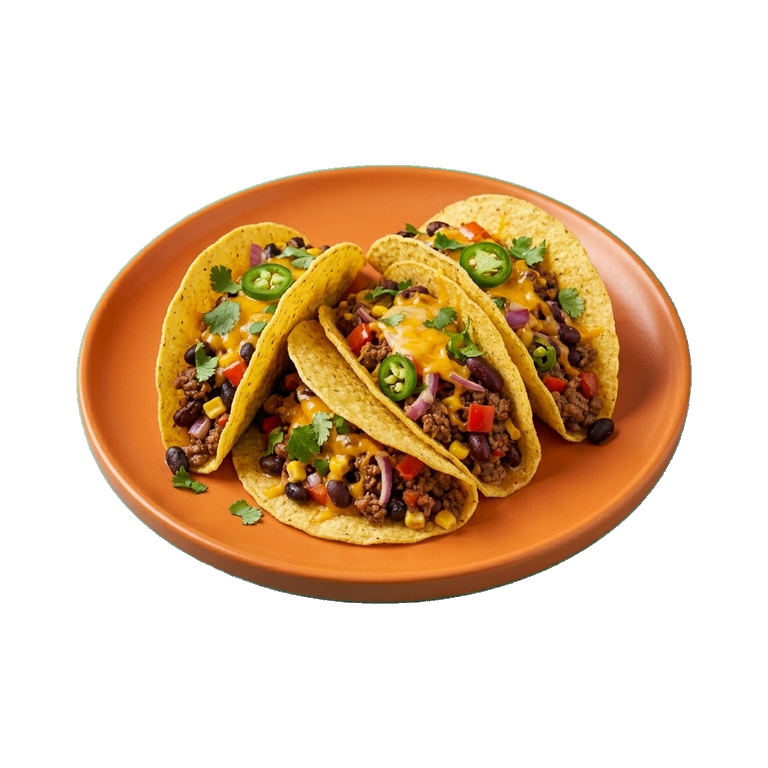
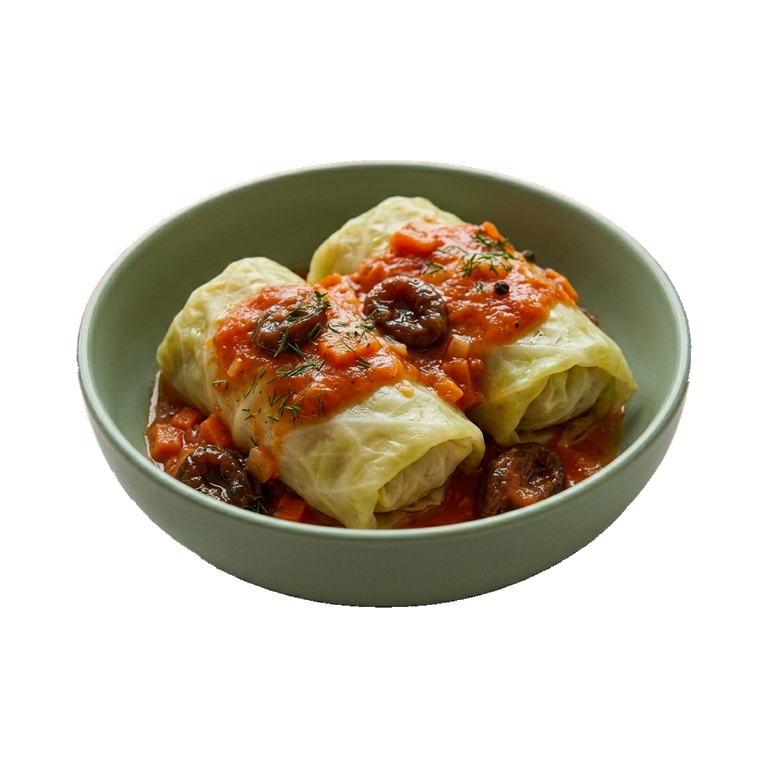
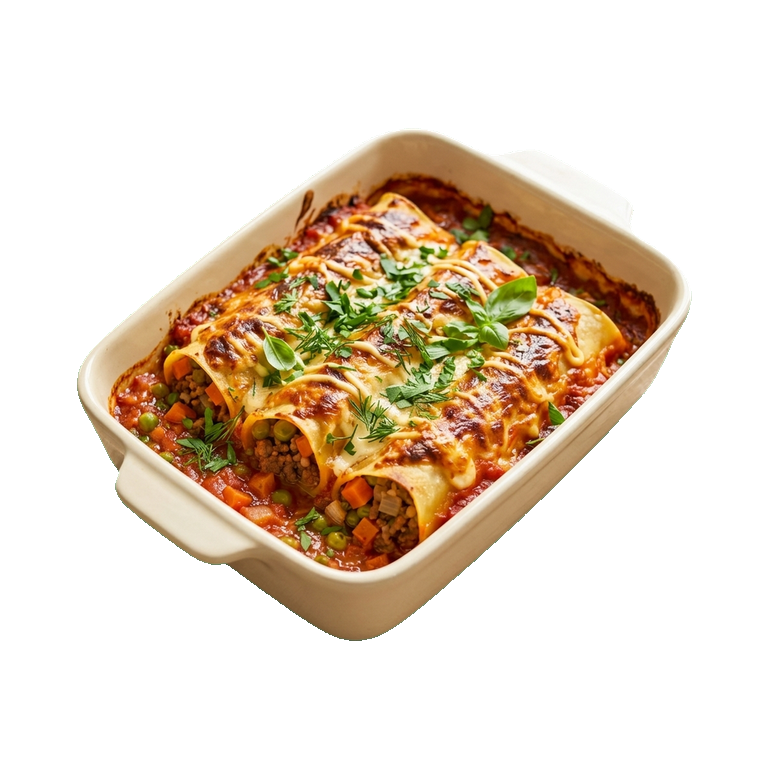
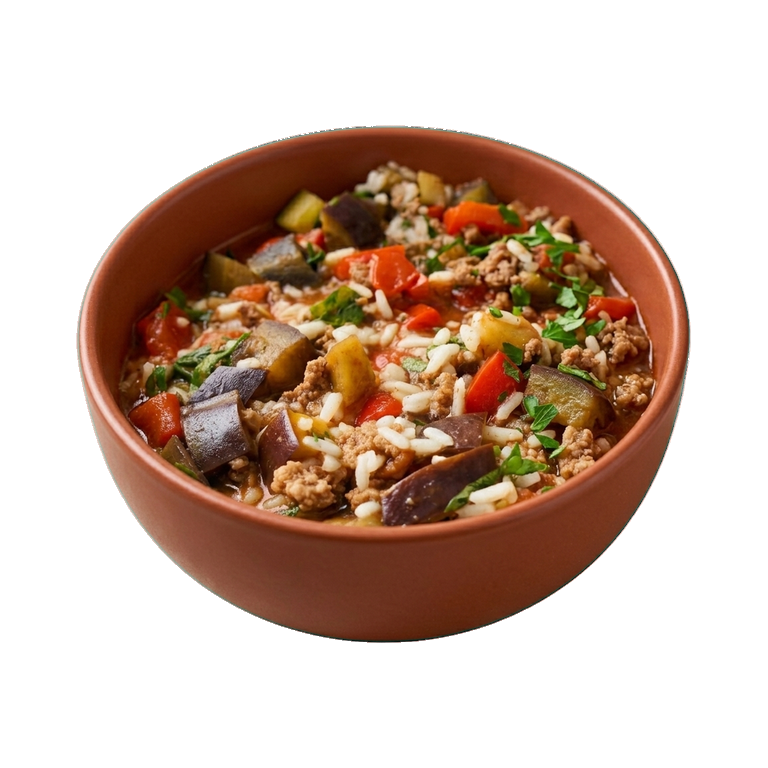
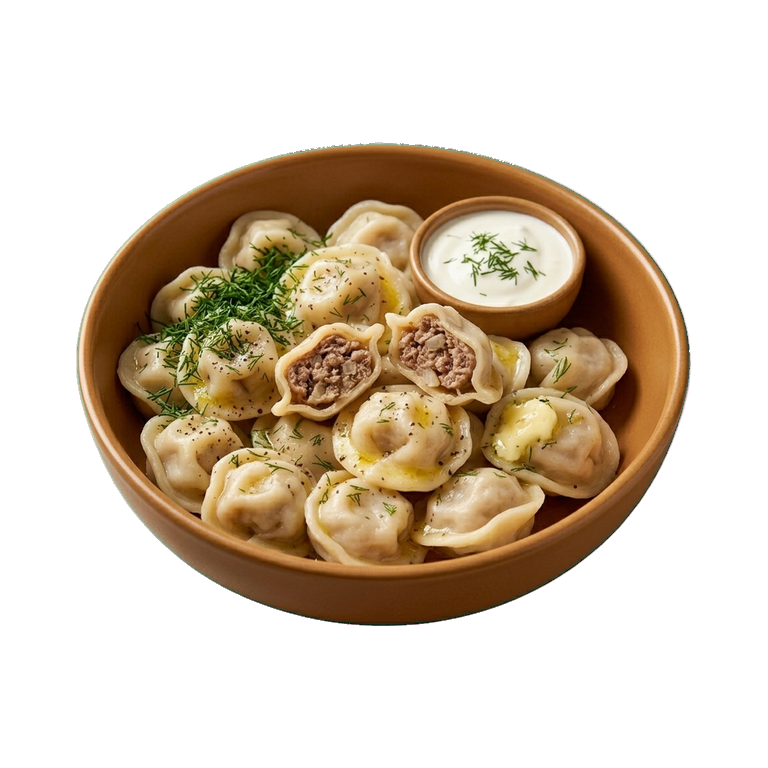
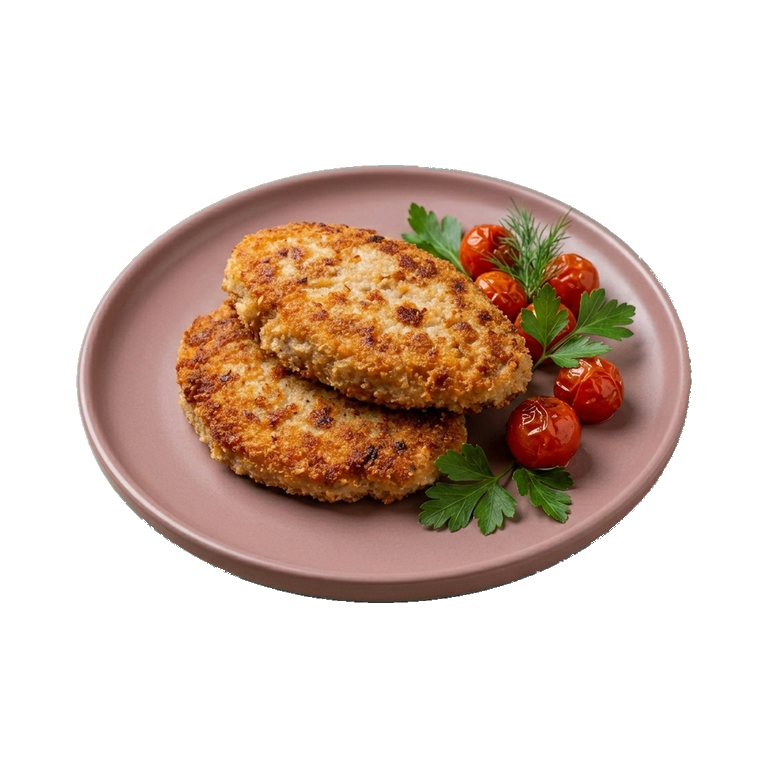
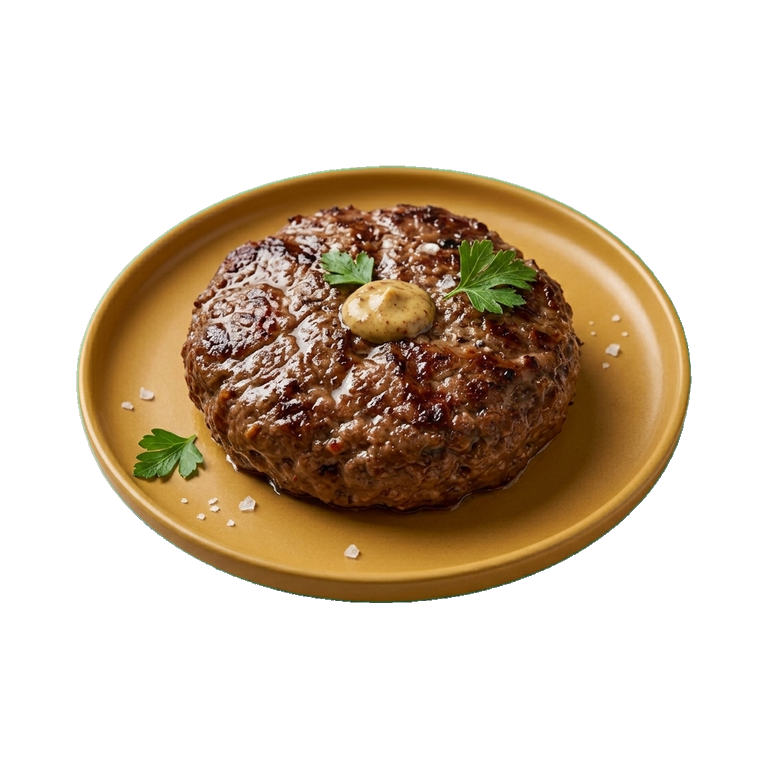
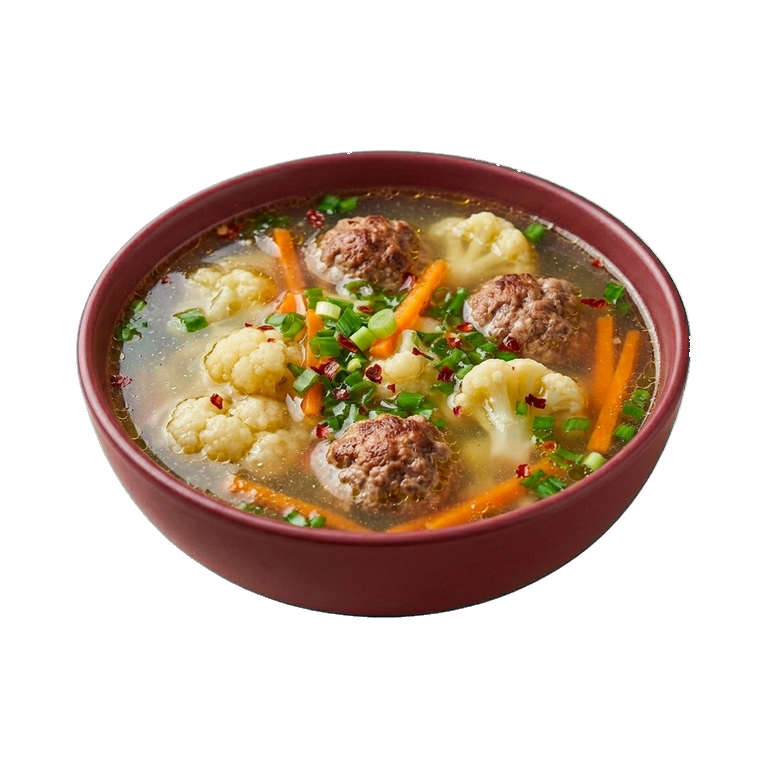
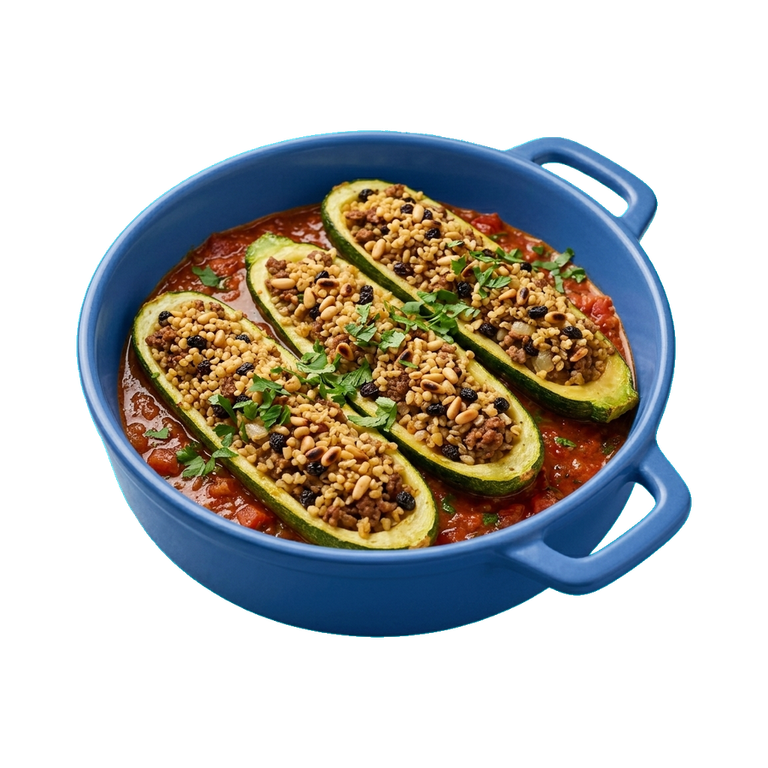
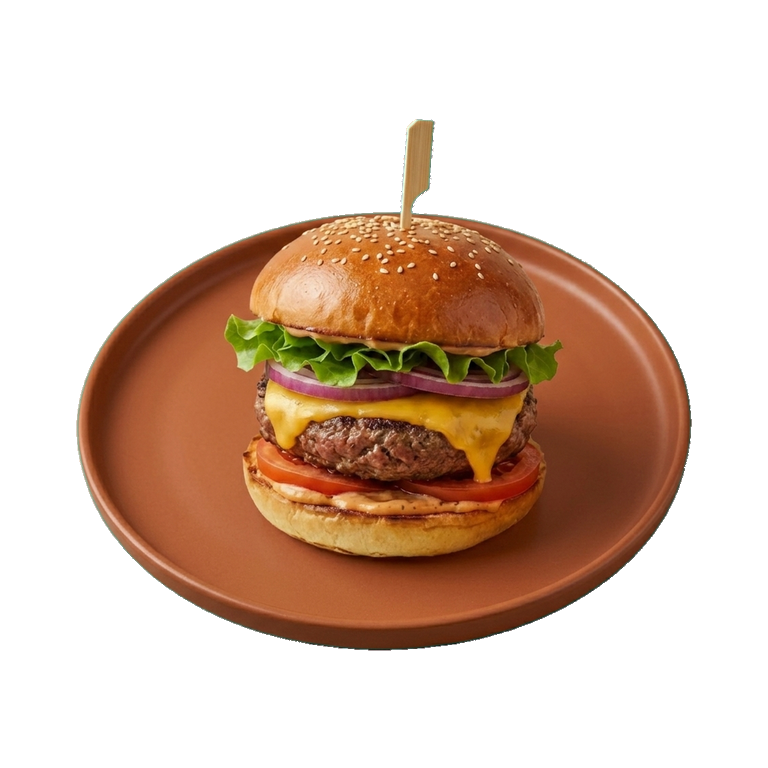
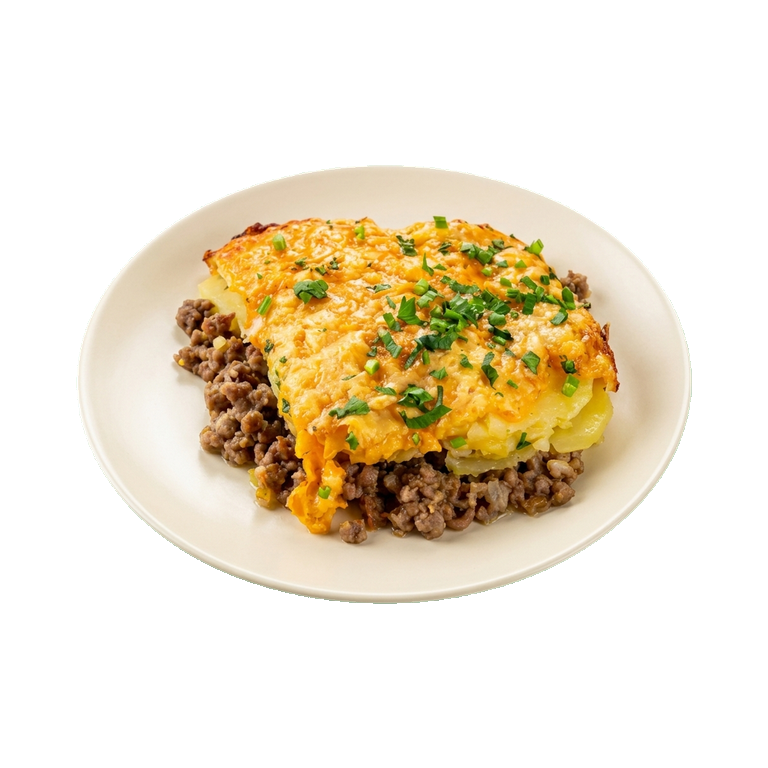
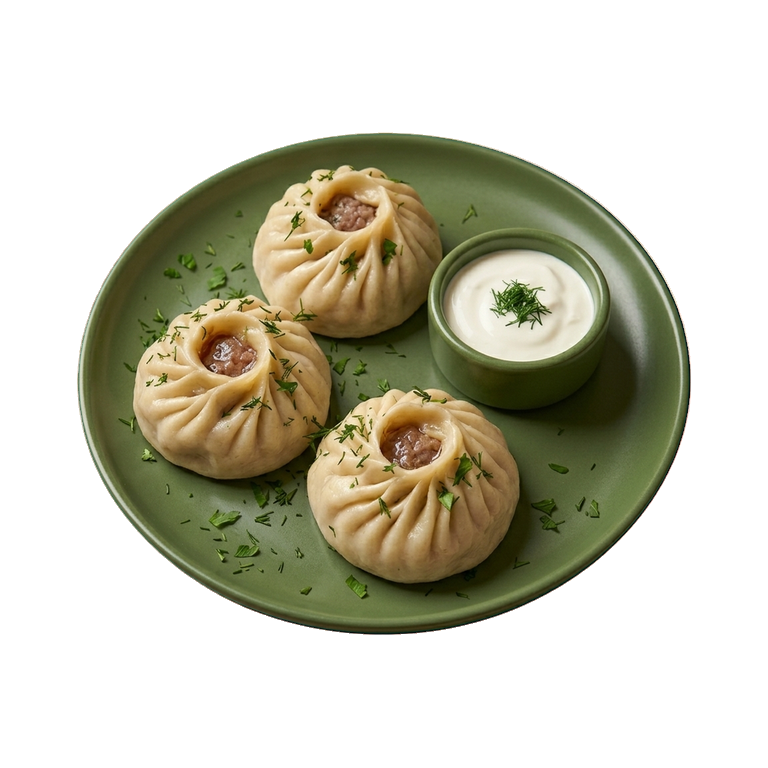
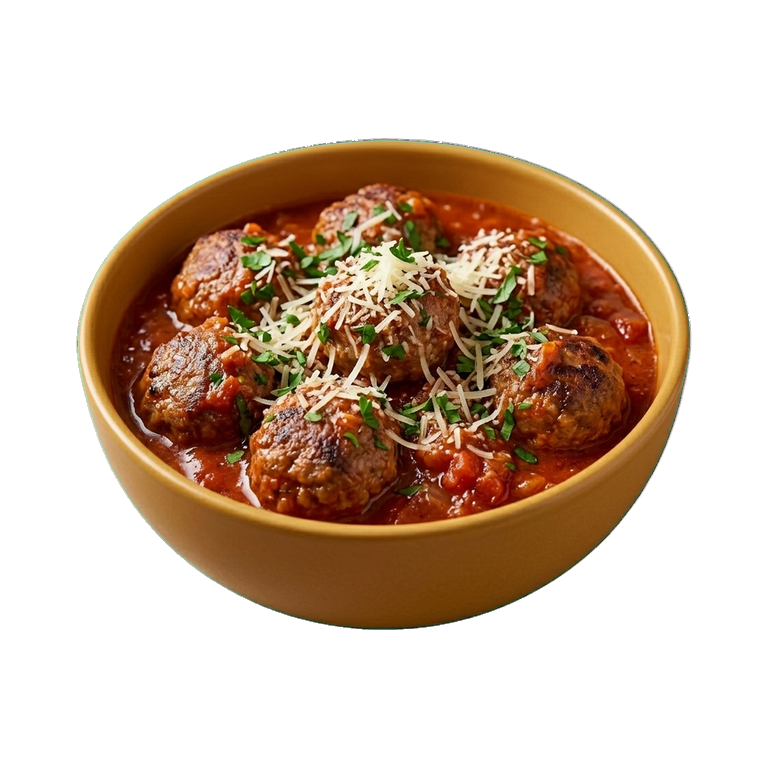
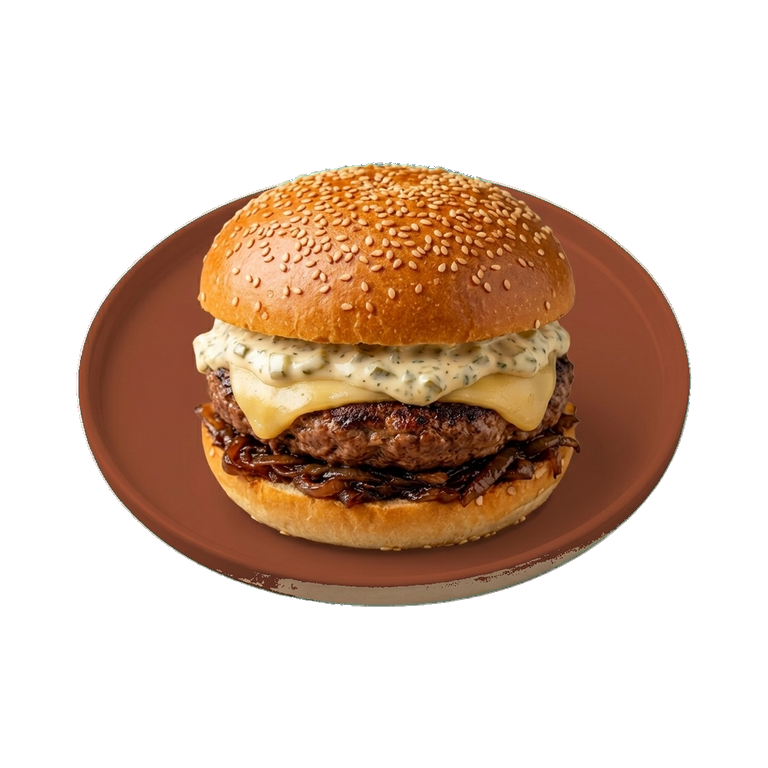
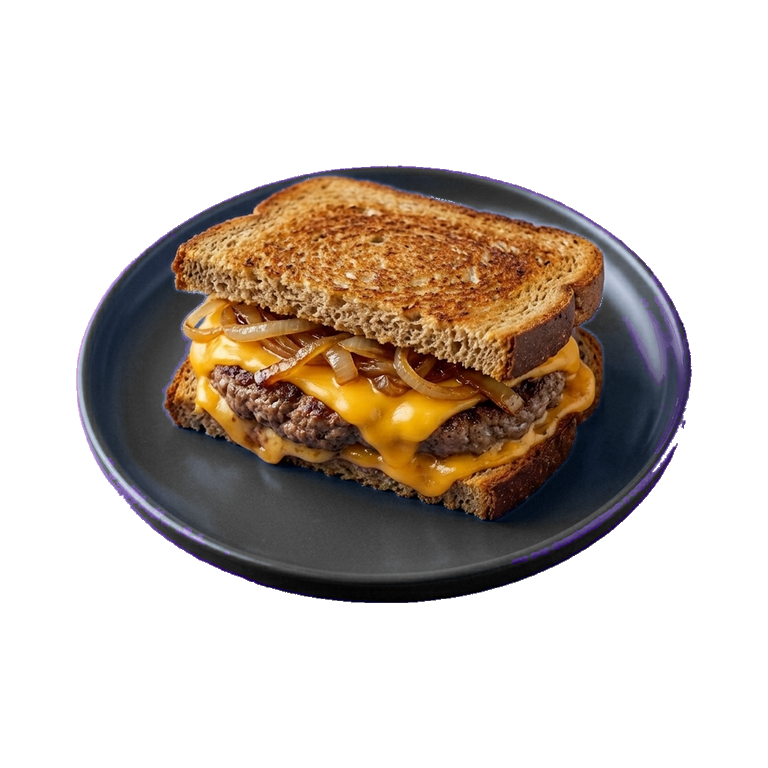
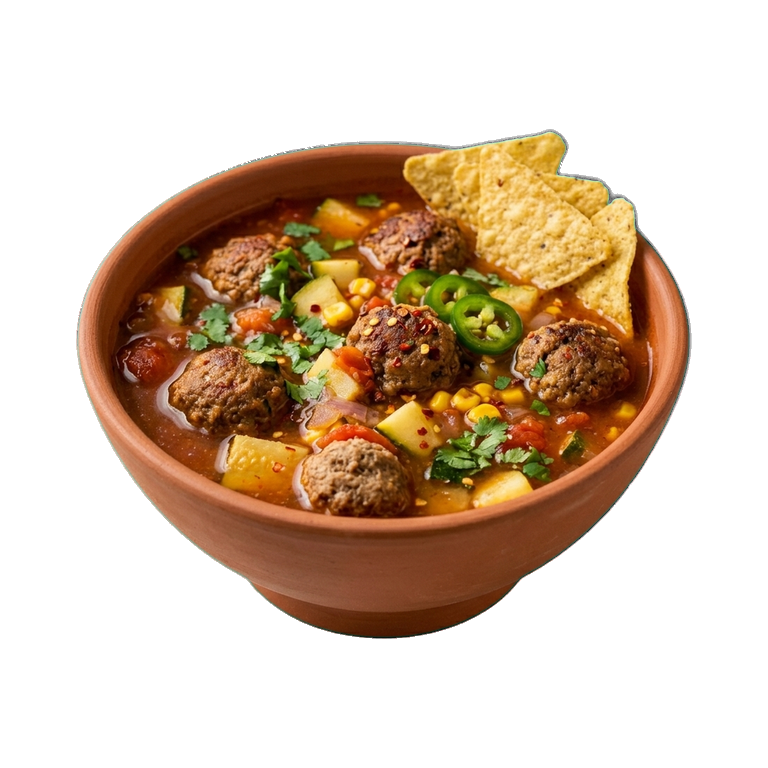
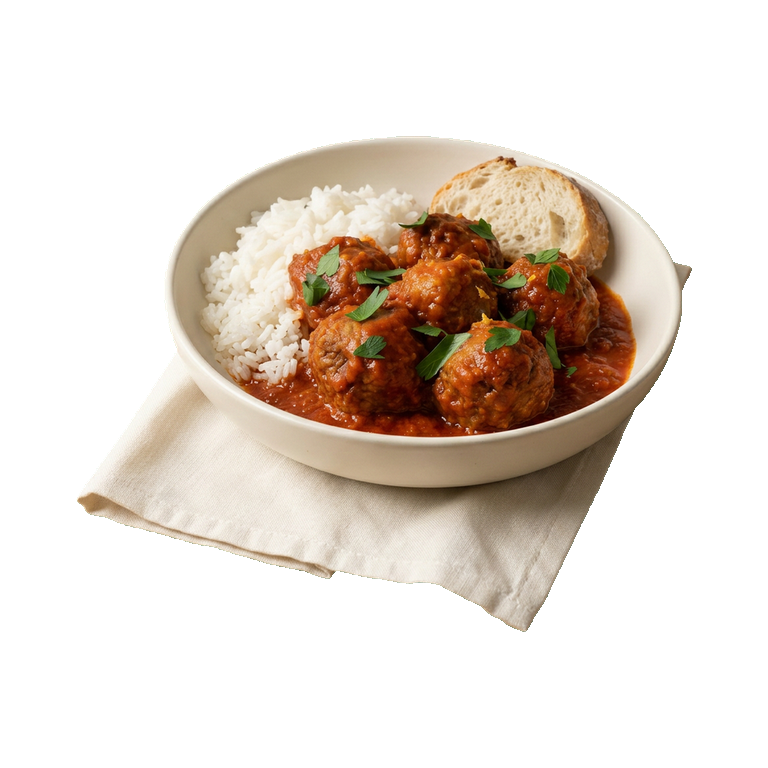
Ground beef works in dishes of different cuisines and styles. It is the basis for classic meatballs, cutlets, fricadelles and meat sauce for pasta. It is good in fillings for pies, dumplings and manti, where its dense structure holds its shape. Ground beef is used in soups, stews, meat gravies and even in some versions of stuffed vegetables.
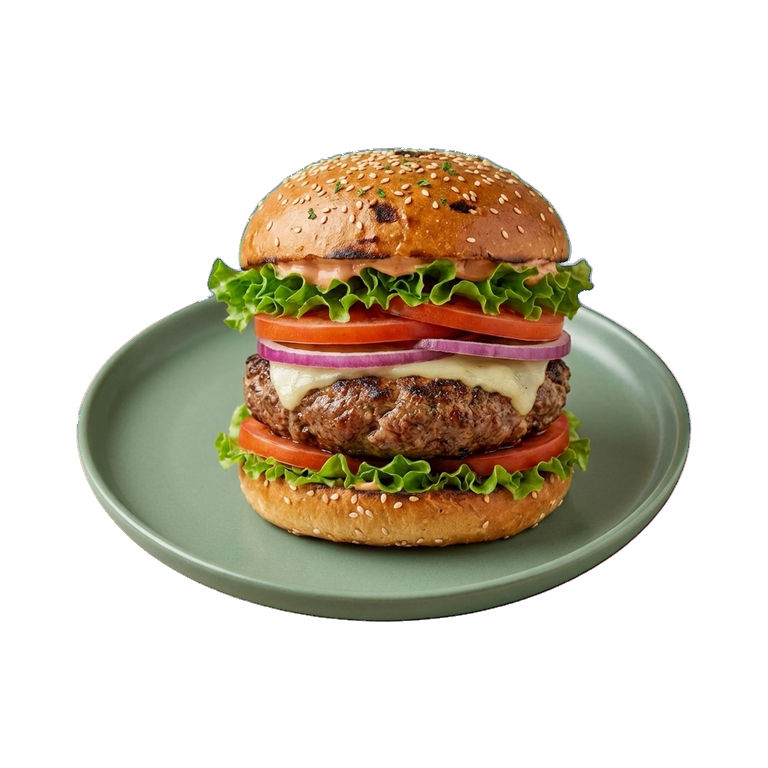
- Cutlets and meatballs — a classic use that gives a crispy crust and juicy center
- Sauces and gravies — ground meat creates a thick, rich texture
- Fillings — holds its shape and doesn't fall apart during cooking
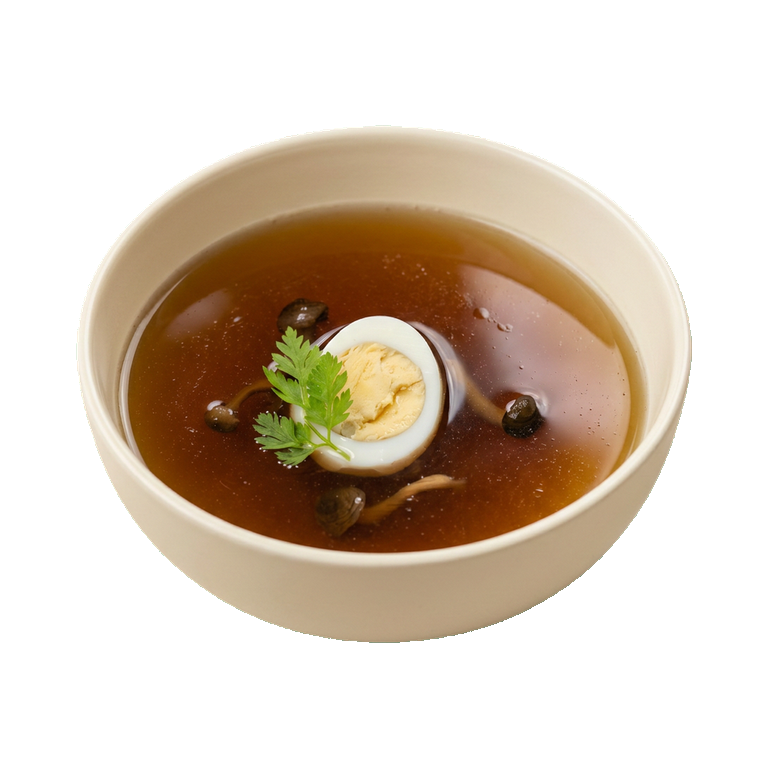
- Soups — adds depth of flavor and makes the dish more satisfying
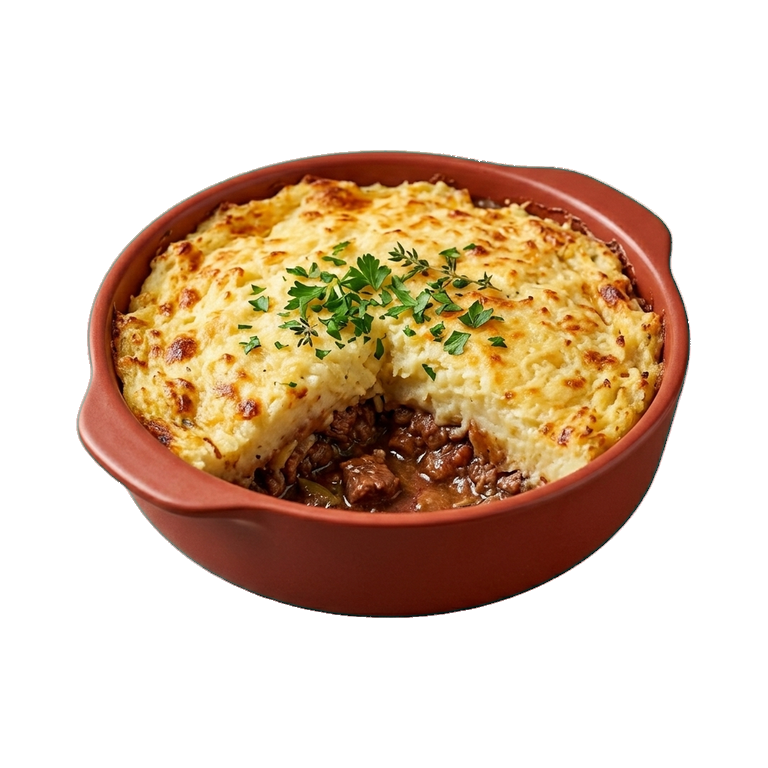
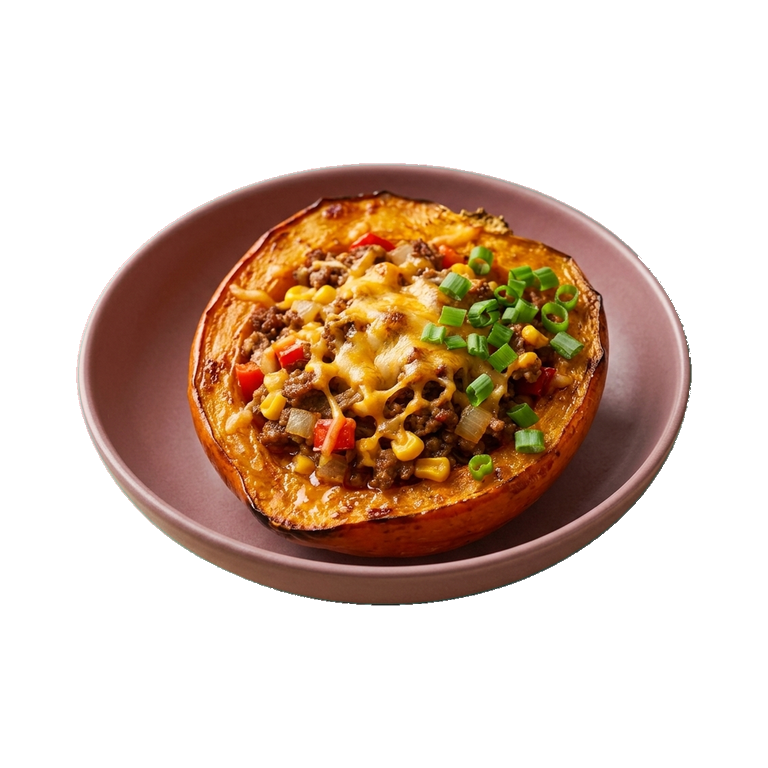
- Baked dishes — meat heats evenly and doesn't dry out
Successful Pairings
Ground beef readily accepts aromatic flavors and spices. Onion and garlic are its faithful companions—they unlock the meaty taste and add sweetness. Tomatoes and tomato paste create a harmonious acidic balance. Herbs like parsley, dill, and oregano emphasize the meat's sweetness without overpowering it.
- Hot spices — black pepper, paprika, cayenne pepper stimulate appetite
- Dairy products — sour cream and yogurt soften the taste and add creaminess
- Vegetables — carrots, celery, mushrooms enrich the filling with texture and flavor
- Binders — egg, bread, milk help the filling hold its shape
Selection and Storage
When purchasing, pay attention to the color — it should be bright red or dark red, but not brown. A gray or dull shade indicates that the ground meat has been stored for a long time. The surface should be moist, but not wet, without slime and unpleasant odor. If the ground meat is purchased in a sealed package, check the production date and expiration date.
Fresh ground meat is best used on the day of purchase or the next day. In the refrigerator, it keeps for no more than two days at a temperature of 0–4 degrees Celsius. For longer storage, transfer the meat to an airtight container or freezer — it will last 2–3 months without loss of quality. Before use, thaw in the refrigerator, not at room temperature.
If possible, ask to grind the meat right in front of you or buy a piece and grind it at home in a food processor. This meat will be fresher and you will know for sure what meat it is made from. Homemade ground meat is often tastier than store-bought because it contains no preservatives or stabilizers.
Cooking Tips
Cool the ground meat slightly before frying — it will hold its shape better. If you're making cutlets or meatballs, add soaked bread, egg, and spices to the ground meat, mix well, but don't overmix — otherwise the cutlets will turn out dense and tough. For sauces and gravies, you can prepare the ground meat more actively so it distributes better.
Fry the ground meat on a hot pan with plenty of oil — this way it will quickly seal on the outside and remain juicy inside. Don't press it constantly with a spatula; give it time to brown. If you're making a sauce, wait until the meat has completely changed color before adding liquid.
Ground beef is not just a convenience, it's an investment in a quick and delicious dinner. Properly selected and properly cooked ground beef will become the foundation for many dishes, from simple homemade cutlets to more complex recipes. Experiment with additives and spices, and you will discover new flavor combinations for yourself.
Nutrition
per 100 g
- Calories
- 250 kcal
- Protein
- 19 g
- Fat
- 20 g
- Carbs
- 0 g
Micronutrients
per 100 g
Macronutrients
- Saturated fat
- 6.845 g
- Monounsaturated fat
- 7.247 g
- Polyunsaturated fat
- 0.485 g
- Cholesterol
- 67.74 mg
- Water
- 62.82 g
Minerals
- Sodium
- 54.94 mg
- Potassium
- 273.3 mg
- Calcium
- 6.89 mg
- Magnesium
- 16.41 mg
- Phosphorus
- 144.4 mg
- Iron
- 1.97 mg
- Zinc
- 3.85 mg
- Copper
- 0.06 mg
- Manganese
- 0 mg
Measure calculator
- Weight
- 100 g
- Calories
- 250 kcal